After the Fields Are Reclaimed, Can Oil Drive Syria’s Economic Recovery?
“Selling oil domestically and recycling revenues within the local economy would bring significant funds into the state treasury.”
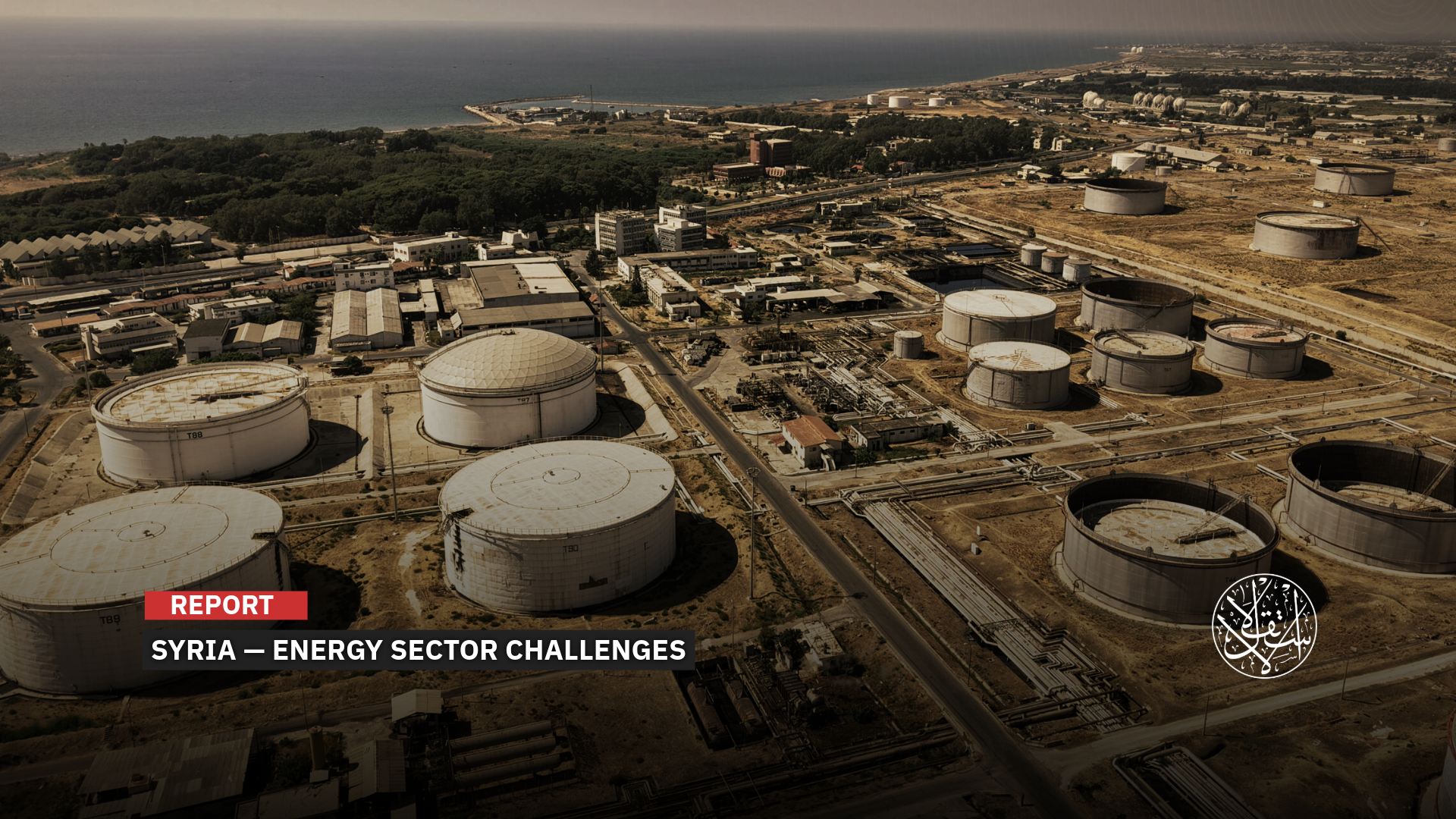
After years in which the Syrian Democratic Forces (SDF) militias controlled Syria’s most significant oil fields, the country’s new authorities have moved to reclaim a meaningful share of this strategic resource, marking a notable shift in the energy sector as production begins to resume.
The flow of oil from the reclaimed fields in Deir ez-Zor, ar-Raqqah, and al-Hasakah to domestic refineries is more than a technical operation; it carries deep economic and political significance, underscoring the broader impact of this recovery.
Oil Returns
The Syrian army’s recent gains have done more than shift borders. They have reshaped the balance of power over the country’s natural resources and opened a new chapter focused on reviving oil fields and jump-starting a battered economy despite significant technical and investment challenges.
Since January 18, 2026, Syrian forces have regained Deir ez-Zor, ar-Raqqah, and parts of the al-Hasakah countryside from the SDF, dealing a major blow to a militia that had relied on its grip over oil- and water-rich areas as leverage in political negotiations with Damascus over the future of northeastern Syria.
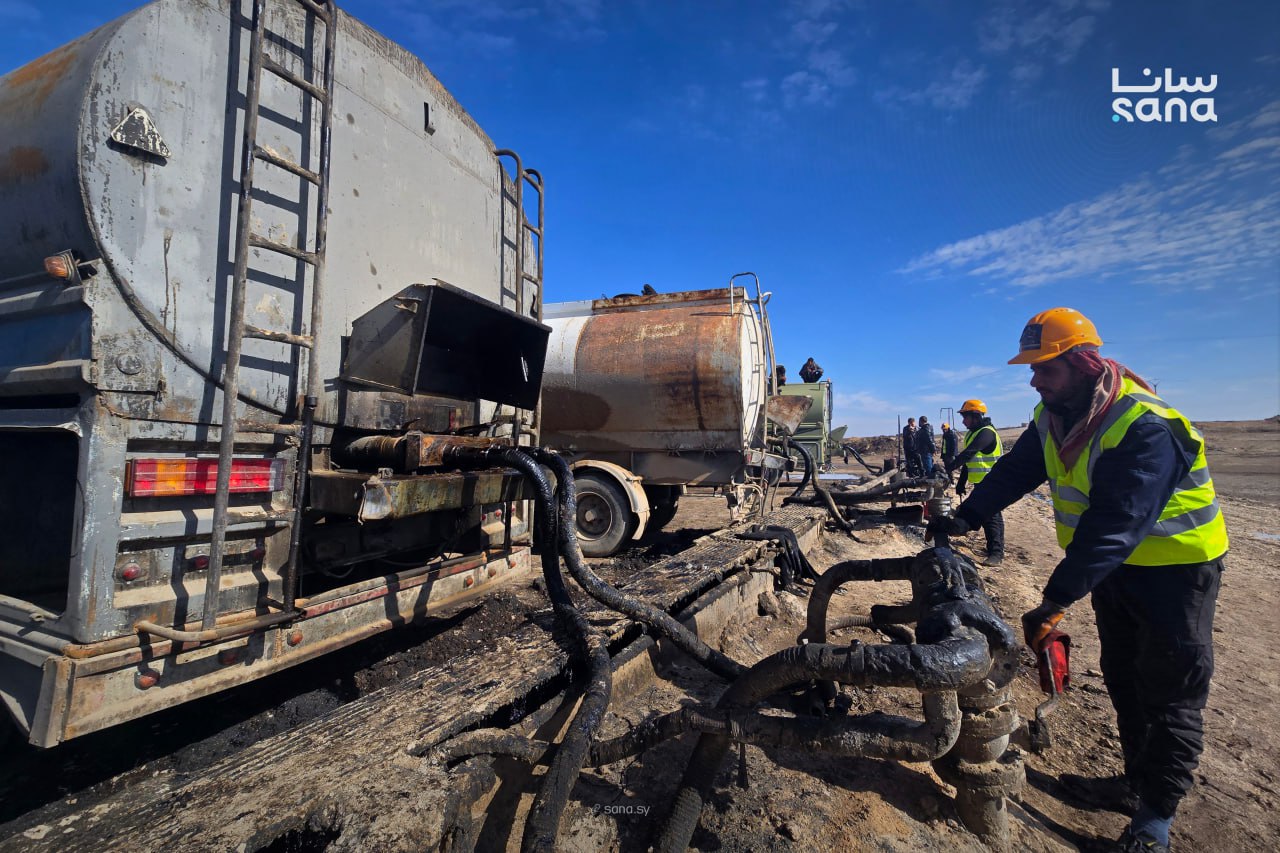
The government moved quickly to capitalize on the shift. On January 24, the Syrian Petroleum Company (SPC) announced that it had begun extracting crude from recently reclaimed fields and transporting it to the Homs and Baniyas refineries as part of a comprehensive plan to bring the fields back online.
Safwan Sheikh Ahmad, the company’s director of corporate communications, told the Syrian Arab News Agency (SANA) that current efforts aim to restore the fields to their technical condition at the moment they were recaptured. He said production is expected to reach around 100,000 barrels per day within four months, a level that would bolster the energy system and support the national economy.
This followed the handover of several oil fields in ar-Raqqah and Deir ez-Zor to the SPC, clearing the way for rehabilitation and a return to production. The company said its plan includes repairing field infrastructure as well as transport and processing facilities, with daily monitoring to ensure stable supplies to refineries and broader economic support.
Alongside these efforts, radiation survey teams from the Atomic Energy Commission of Syria (AECS) began work on January 21 in recently recaptured oil fields in Deir ez-Zor, in coordination with the SPC. According to SANA, surveys started at the al-Omar field to identify and clearly mark areas contaminated by radiation, restricting access until cleanup is completed.
On January 19, the SPC held a press conference at the al-Omar field to outline the condition of the wells and its future development plans. The company’s chief executive, Youssef Qablawi, said the oil and gas sector would undergo a qualitative shift with the participation of local and foreign companies, noting that new American firms had expressed interest in investing in gas fields in al-Hasakah.
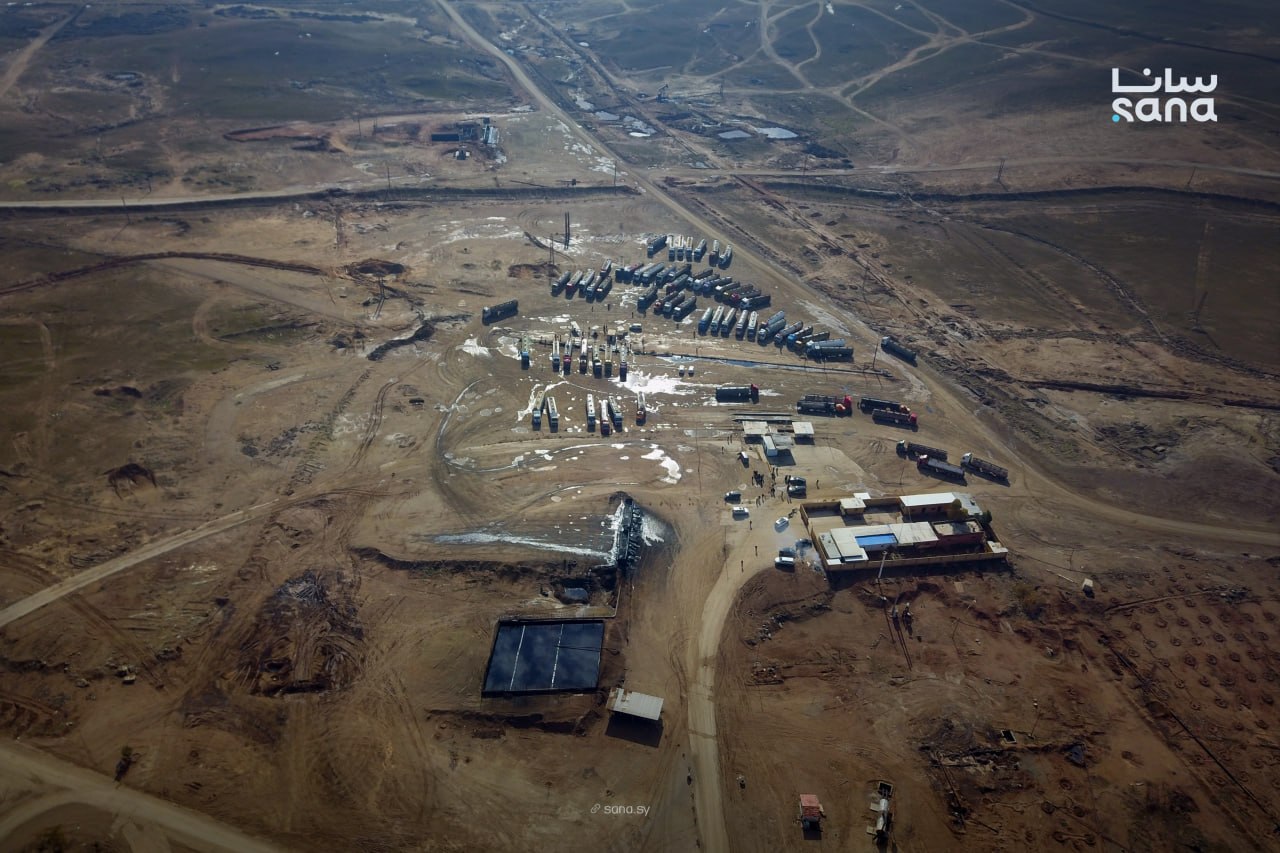
Qablawi said al-Omar, which contains around 900 oil wells, once produced 50,000 barrels per day but currently yields no more than 5,000. He said the field would soon return fully to company ownership. Previous extraction and refining methods, he added, were rudimentary and caused environmental damage, making comprehensive rehabilitation urgent if the field is to regain its former output.
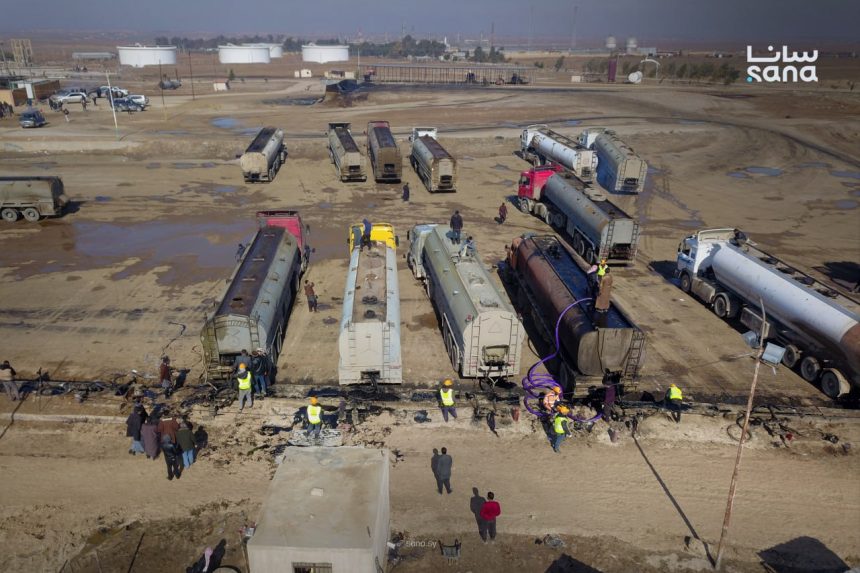
The first tangible result came on January 25, when 20 tanker trucks carrying crude from the al-Omar and al-Tanak fields in Deir ez-Zor arrived at the SPC in Baniyas, marking the first shipment since the army regained control of the area.
According to the Ministry of Energy, Syria’s energy sector now faces steep rehabilitation costs after years of degradation across oil fields and related infrastructure, particularly in the Jazira region and Deir ez-Zor, caused by unstructured operations.
That assessment followed a field tour on January 24 by a ministry team led by the head of the Petroleum Sector Regulation Department, Musa al-Jabbar, who inspected several fields in Deir ez-Zor to evaluate technical conditions and determine rehabilitation needs. The visit covered the al-Tanak field and its associated stations, as well as al-Omar and its facilities, revealing extensive infrastructure deterioration.
The ministry said oil fields in the Jazira region require massive maintenance efforts, warning that full rehabilitation and effective use of the wells could take two to three years. It estimates Syria needs about 200,000 barrels per day to meet domestic demand, while current output stands at around 80,000 barrels, a figure the ministry says remains provisional in the absence of a comprehensive technical assessment.
Closing the Gap
The resumption of oil production from fields retaken by the Syrian army in Deir ez-Zor, al-Raqqah, and al-Hasakah has come at an acutely sensitive political and economic moment. It marks a strategic shift in the struggle over wealth and power in northeastern Syria, a region that holds roughly 90 percent of the country’s oil and gas production.
The move has reopened oil’s role as both an economic and political tool for Damascus, raising hard questions about the state’s ability to rehabilitate decaying infrastructure, attract investment, and turn this vital resource into a genuine engine for reviving an economy drained by years of depletion and chaotic operations.
Economist Radwan al-Dabbas said the restart carries wide-ranging implications. He noted that increased oil output would first help narrow Syria’s daily fuel deficit, as the country currently needs between 700,000 and 800,000 barrels per day to meet domestic demand. Higher local production, he said, would ease reliance on imports, reduce pressure on the state budget, and limit the need to purchase fuel abroad using scarce foreign currency.
“Selling oil domestically and recycling revenues within the local economy would bring significant funds into the state treasury, stimulate economic activity, and support the national currency,” he told Al-Estiklal.
“Improved output,” he said, “could also restore Syria’s standing among Arab oil-producing countries, after years of declining production pushed it down the regional rankings following its brief return as an exporter in 2009 and 2010.”
Beyond state finances, al-Dabbas pointed to employment gains. Oil fields require labor across extraction, refining, and transport, while also generating indirect jobs in supporting sectors such as food, healthcare, logistics, and services for workers and their families.
He also argued that renewed production could help rebuild infrastructure in oil-producing areas as the state begins restoring electricity, gas, and water networks, paving roads, and constructing public facilities, including hospitals, schools, and mosques, improving basic services in long-neglected regions.
Reducing dependence on imports, al-Dabbas said, remains central to stabilizing the Syrian economy by conserving foreign currency and strengthening the Syrian pound. The recovery of areas such as al-Hasakah and Qamishli, which combine oil and wheat resources, is therefore critical to broader monetary and economic stability.
Still, the challenges are substantial. Al-Dabbas warned that oil wells and refineries require modern technology, specialized international companies, and large-scale investment to restore productive capacity. Current output, he said, stands between 200,000 and 250,000 barrels per day, while economic viability would require production closer to 600,000 to 700,000 barrels.
Reaching that level, he concluded, will take time, sustained government effort to attract investment, and targeted training programs to rebuild Syrian technical expertise capable of managing and operating the sector efficiently.
A Strategic Lever
Official talk of investing in oil fields recovered in recently retaken areas comes at a pivotal moment, linking economic recovery to the broader demands of reconstruction in Syria. Oil is no longer framed as a source of revenue alone but as a strategic lever for rebuilding the state and improving living conditions.
Between pledges to raise output and rehabilitate wells and signals of greater openness to investment involving both local and foreign companies, deeper questions remain. Can the government turn these plans into tangible gains that show up in wages and public services, despite crumbling infrastructure and a long legacy of mismanagement and poor operations?
Caught between ambition and reality, the oil sector now faces a decisive test. Will it become a driver of reconstruction or remain constrained by technical, political, and economic barriers?
Eymen Dasuki, a Syrian researcher at the Omran Center for Strategic Studies, said any visible impact from renewed oil production will depend on a government plan grounded in realistic inputs and measurable goals. He added that outcomes are also tied to the investment model adopted for the fields and the scale of resources needed to restore and expand production.
“The initial impact is unlikely to be significant, given the country’s acute energy needs and the extensive damage to oil infrastructure,” he told Al-Estiklal.
“Achieving meaningful results requires addressing technical and legal issues related to the wells, attracting the necessary investment to rebuild infrastructure, and linking the sector regionally to boost its economic value.”
Against this backdrop, the Ministry of Energy announced that in January 2025, the SPC signed four new agreements with Saudi firms specializing in oil services and the development of oil and gas fields in Syria. The deals include a project to provide advanced, integrated solutions for building and maintaining oil and gas fields in cooperation with Taqa, as well as an agreement outlining core principles for drilling and well maintenance services with Arabian Drilling.
Earlier, in November 2025, the ministry, through the General Establishment for Electricity Transmission and Distribution, signed a cooperation agreement with ACWA Power to prepare a comprehensive study on the optimal distribution of energy sources and the stability of Syria’s power system.
The ministry said the agreement forms part of a long-term strategy extending to 2040, aimed at defining the optimal energy mix and ensuring the safe and efficient integration of renewable energy into the national grid, in line with the country’s development needs.
It also described the deal as a key step toward identifying weaknesses in the current network and proposing technical solutions to improve reliability and operational efficiency.
Sources
- Syria begins oil extraction from fields retaken from SDF
- Twenty Tankers of Oil from the al-Omar and Tanak Fields Arrive at the Syrian Petroleum Company in Baniyas [Arabic]
- Government Assessment Reveals High Costs and Challenges in Rehabilitating Syria’s Energy Sector [Arabic]
- Deir ez-Zor Governor: Full Liberation of the Province Opens a New Phase of Reconstruction and Development [Arabic]