Documents and Pressure: How the UAE Stoked the Zionist Lobby Against Saudi Arabia
The fierce response from Washington’s “pro-Israel” lobby reflects not strength, but a profound and palpable sense of fear.
During the final days of January 2026, the term “antisemitism” resurfaced, this time as an instrument in a regional political struggle.
It was deployed against Saudi Arabia amid a widening rift with the United Arab Emirates and an evident stall in the Saudi-Israeli normalization track.
The campaign did not stem from an official Saudi statement or a declared government decision.
Instead, it began with a series of warnings and reports issued by American Zionist organizations and “pro-Israel” lobbying groups, which argued that recent Saudi media discourse posed a direct threat to the Abraham Accords and to the UAE’s standing as the leading Arab model of normalization.
As the campaign broadened, these warnings moved beyond the media sphere into explicit political accusations, followed by quiet calls to reassess the nature of relations between Washington and Riyadh.
The shift signaled an attempt to weaponize the charge for political leverage, using it to apply pressure and to recalibrate balances of influence within the U.S.-aligned camp in the region.
Information War
On January 23, 2026, the Anti-Defamation League (ADL) was the first to sound the alarm publicly.
In a sharply worded statement, the ADL warned of what it described as a rise in “antisemitic rhetoric” from prominent Saudi media figures and commentators.
It pointed to the repeated use of conspiracy theories about alleged Zionist plots, as well as a noticeable escalation in hostile language toward “Israel” and the normalization agreements with it.
Notably, the ADL’s statement did not limit itself to condemnation on ethical or human rights grounds.
It went further, linking the rhetoric to broader political repercussions, arguing that this trajectory undermines what it called “regional tolerance” and weakens initiatives for peace and prosperity.
The framing implicitly positioned Saudi Arabia as a party threatening the regional arrangements sponsored by Washington in the post-normalization phase led by the United Arab Emirates.
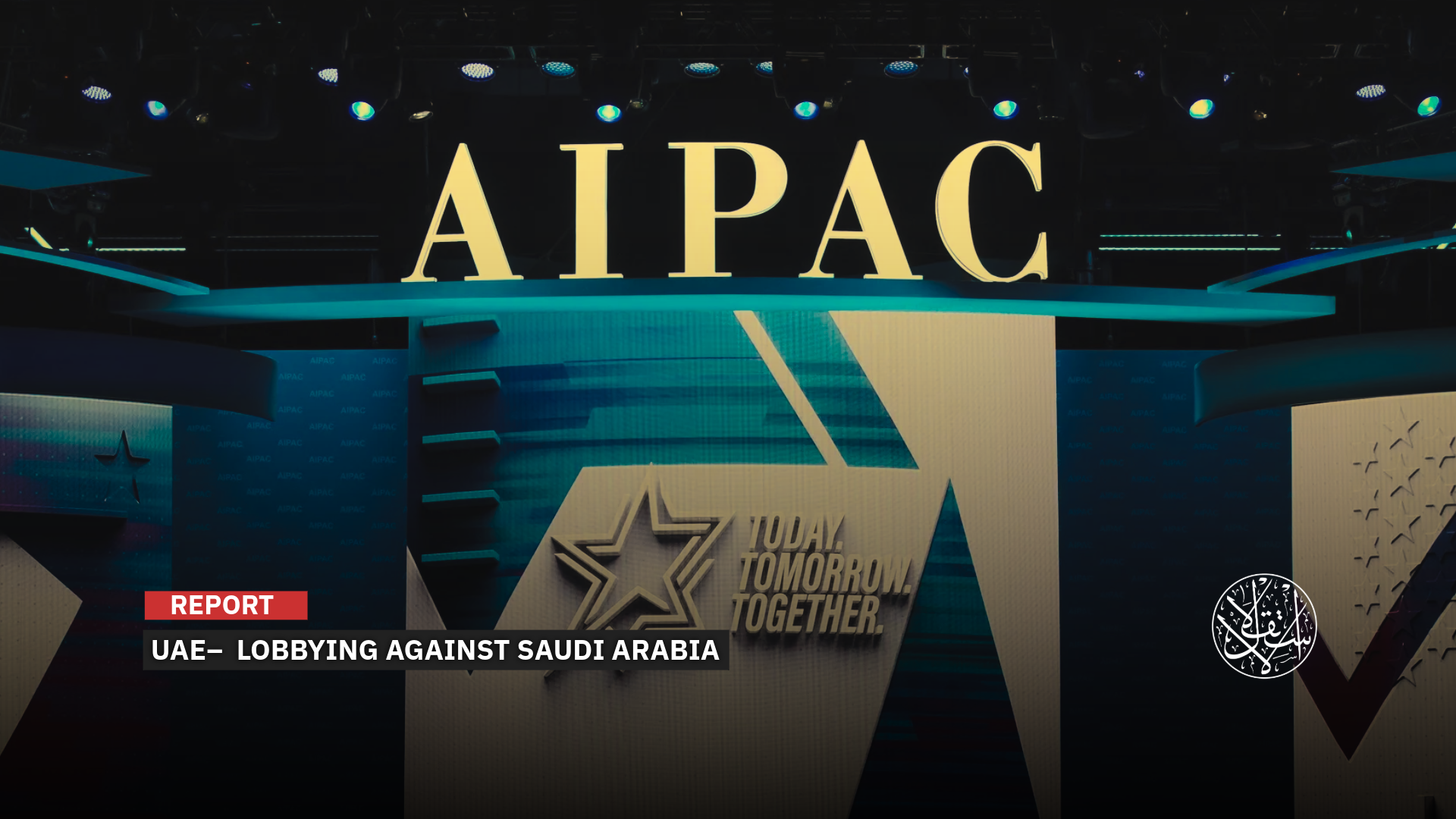
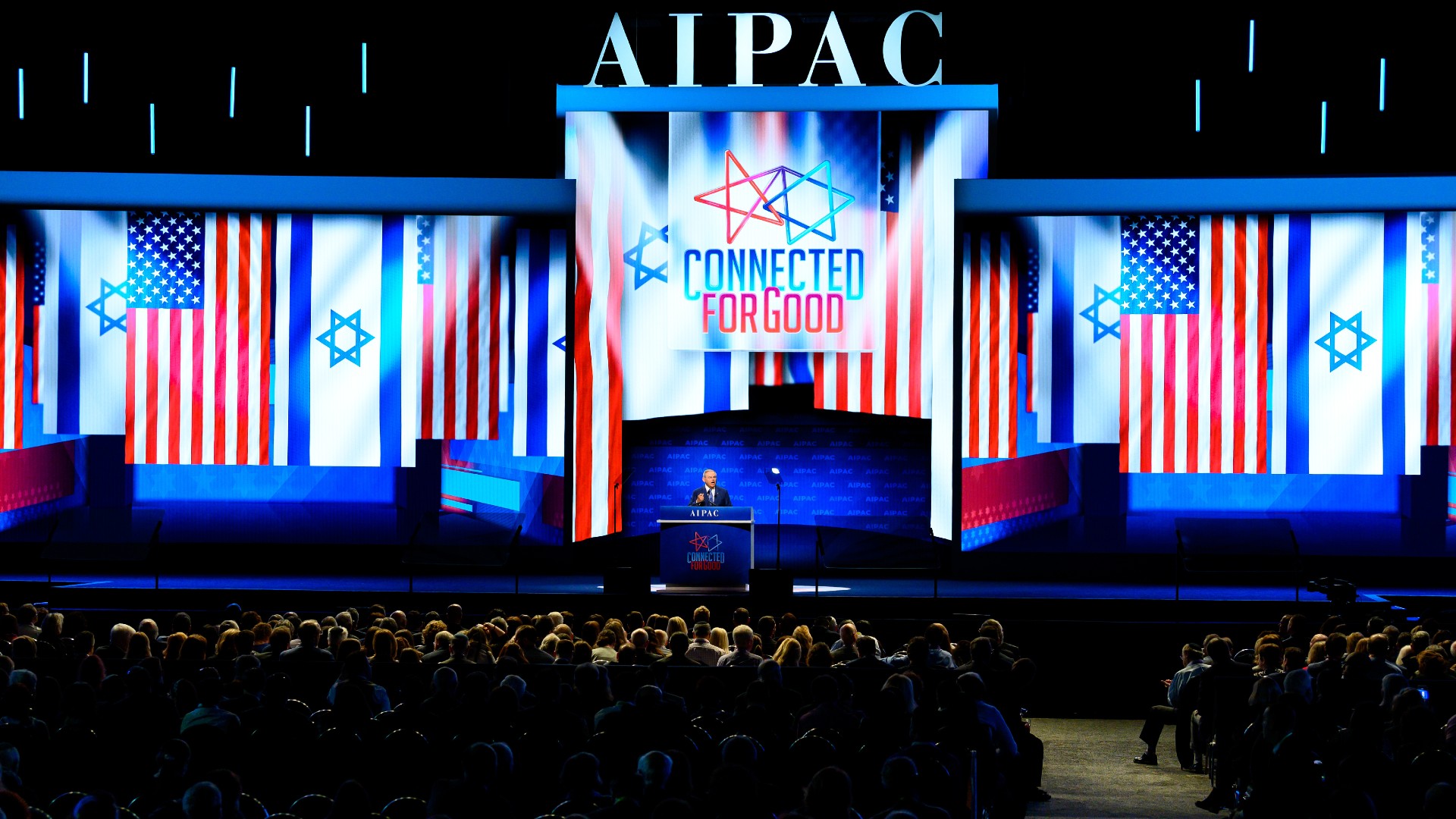
Just two days later, on January 25, the American Israel Public Affairs Committee entered the fray by reposting and amplifying a tweet by Israeli journalist Barak Ravid, who described the situation as a “Saudi information war against the UAE.”
Ravid referred to articles in the Saudi media that he said were rife with “anti-Israel” conspiracy theories and employed antisemitic language.
He added that the Saudi-owned Al Arabiya channel had, in his view, adopted an editorial line closer to outlets classified as hostile to “Israel.”
The choice of the term “information war” was not incidental. In U.S. political discourse, it carries heavy security and strategic connotations and is often deployed as a prelude to justifying political pressure or a reassessment of relations with states accused of engaging in it.
With AIPAC’s amplification, the issue shifted from a warning about media rhetoric to a direct political accusation leveled at Saudi Arabia, reflecting a deliberate escalation in the campaign’s trajectory and in the severity of the tools being employed.
Strategic Shift
On January 27, 2026, Israeli media added a new dimension to the escalating campaign after the Jerusalem Post published an analytical piece by former Israeli politician and general Ephraim Sneh.
In the article, Sneh linked the Saudi media escalation to a Saudi airstrike that, according to the newspaper, targeted a shipment of Emirati military equipment at the port of Mukalla in eastern Yemen.
Sneh argued that the strike could not be treated as an isolated incident within the context of the Yemeni conflict, but rather as an indicator of a broader strategic shift in Saudi policy.
The article suggested that, by this reading, Riyadh was beginning to distance itself from what “Israel” describes as the “moderate Arab states,” such as the UAE and Jordan, while moving closer to the Turkiye–Qatar axis, which he claimed has ideological ties to the Muslim Brotherhood.
As January drew to a close, the campaign’s momentum shifted to the U.S.-based “pro-Israel” platform Jewish Insider, which played a central role in moving the debate from the media sphere into the heart of the political scene in Washington.
In an extensive analytical report, the site spoke of “growing concern within American Jewish organizations” regarding Saudi media rhetoric.
It suggested that the kingdom was increasingly being perceived by these circles as less moderate than in the past.
The report noted that the escalation of Saudi criticism of “Israel,” alongside growing skepticism about the Abraham Accords, raised serious questions about Saudi reliability as a U.S. partner and about the future of any potential normalization track.
The report connected this shift to the broader regional context, particularly the widening rift with the UAE and Saudi Arabia’s growing rapprochement with Turkiye, which it argued were emerging sources of concern for policymakers in both Washington and “Tel Aviv.”
Notably, Jewish Insider did not limit itself to reporting these concerns.
It also conveyed the positions of lobbying organizations and political figures who view Saudi participation in the Abraham Accords as a strategic necessity, arguing that any Saudi rhetoric opposing the track should be taken seriously and potentially tied to clear political conditions within the framework of U.S.–Saudi relations.
Saudi Response
After the contours of the campaign had taken shape, specifically between January 28 and 30, 2026, Saudi responses began to emerge clearly, not as passing verbal reactions, but as explicit political positions reflecting a rejection of the logic of pressure and coercion.
Saudi journalist Dawood al-Shirian, closely connected to decision-making circles in Riyadh, wrote on X that Jewish organizations and lobbying groups in Washington might maneuver or exert pressure, but they ultimately understand that dealing with Saudi Arabia has limits.
Al-Shirian emphasized that the kingdom represents a regional weight that cannot be bypassed, and that losing it would effectively mean losing a gateway to influence across the Arab and Islamic worlds.
Saudi academic Khalid Habash addressed the nature of the actors leading the campaign, writing on X that influential Zionist voices in the United States had begun to attack Saudi Arabia, noting that these same voices face a degree of alienation within American society.
He added that these circles, particularly within the faction aligned with former U.S. President Donald Trump, rely on a single tool in their offensive: invoking accusations of antisemitism, which they are now using against the kingdom.
Habash continued that these voices were also among the most prominent supporters of Israeli Prime Minister Benjamin Netanyahu, providing him, in his words, with political and media cover during Israeli operations in Gaza.
In identifying the key figures driving this rhetoric, Habash pointed to American media personality Mark Levin, describing him as one of the main movers of this media current and highlighting his active role across social media platforms.
He also mentioned American journalist Laura Loomer, characterizing her as one of the most controversial figures in anti-Muslim discourse in the United States.
Habash further referred to Republican Senator Ted Cruz, seeing him as a political figure who leverages religious rhetoric in support of “Israel,” noting his close ties to “pro-Israel” lobbying groups, foremost among them the American Israel Public Affairs Committee (AIPAC).
The Big Prize
Palestinian researcher Jamal Hassasneh told Al-Estiklal that what is happening cannot be read as a mere media dispute or passing disagreement, but as a confrontation striking at the core of the Israeli project in the region.
Hassasneh explained that the Saudi–Israeli normalization file was, in Israeli calculations, the ultimate prize of the Abraham Accords.
Saudi participation would have given the project an unprecedented Arab and Islamic dimension, transforming it from a limited political breakthrough into a comprehensive reshaping of the region.
He added that Riyadh, in contrast, operates from an entirely different vision, seeing normalization not as an imposed obligation and viewing its dispute with the UAE as giving no party the right to oversee Saudi sovereign decisions.
According to this understanding, Saudi behavior toward Abu Dhabi was not a mere passing political disagreement, but a direct blow to the Israeli project built in coordination with the UAE, spearheaded by Mohammed bin Zayed’s role in marketing normalization regionally as a pathway to stability.
Hassasneh pointed out that Saudi media references to normalization, and linking it to the UAE’s support for “Israel” during the Gaza conflict, were akin to “pouring gasoline on the fire.”
Gaza, he said, had become central to this struggle, not peripheral, especially as Saudi media content increasingly held the UAE politically responsible for supporting Israeli aggression in the territory, given its close ties to “Tel Aviv.”
The Palestinian researcher argued that this shift in Saudi rhetoric directly impacted the Israeli project, reopening the normalization file from an ethical and political perspective, rather than as an isolated sovereign choice or pathway.
According to Hassasneh, this prompted a broad mobilization among Zionist organizations and lobbying groups in Washington, which found themselves compelled to act decisively to contain the narrative, seeing it as a direct threat to their regional plans and a step backward in their long-term strategy.
Hassasneh went further, saying, “What is happening goes beyond the binary of normalization or not, reaching a broader conflict between two opposing regional projects.”
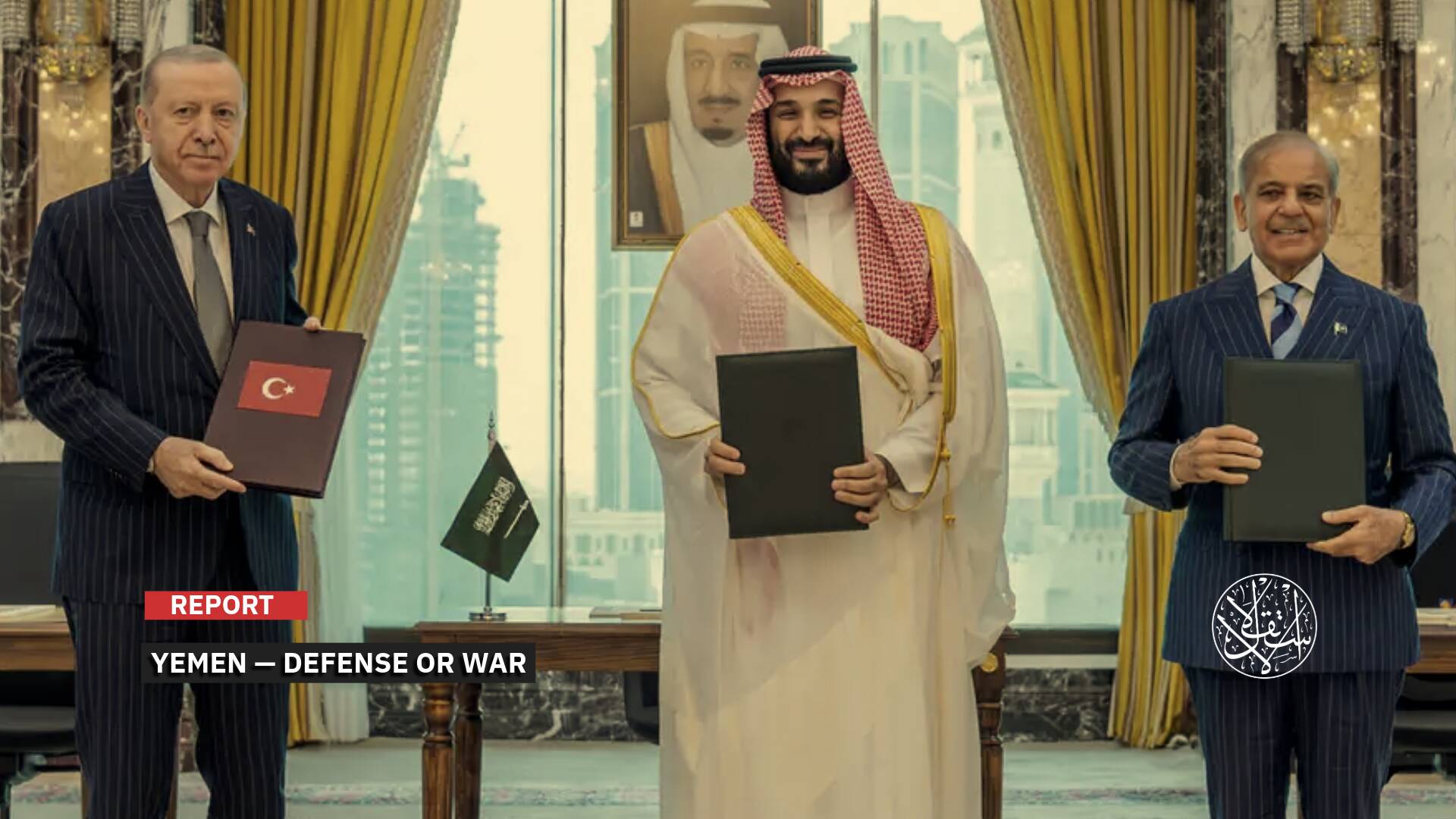
On the one hand, there is an Israeli-led alliance that the UAE seeks to cement through partnerships with powers such as India, aimed at encircling what this bloc considers a Sunni alliance headed by Saudi Arabia, Pakistan, and Turkiye.
On the other hand, there is a growing Saudi awareness that this track does not target the UAE alone, but threatens the balance of the entire region and ultimately serves the Israeli project.
Hassasneh concluded that the harsh reaction from the Zionist lobby in Washington does not reflect strength so much as a genuine fear that this Saudi shift could undermine years of political and media work, breaking the consensus “Israel” has sought to impose on normalization, not only in the Gulf, but across the Arab and Islamic worlds as a whole.
Sources
- Antisemitism, Anti-Israel Rhetoric a Key Feature of Saudi Arabia’s Regional Realignment
- From Mukalla to Gaza: Saudi Arabia’s Quiet Pivot Away from Gulf Moderate Unity – Opinion
- ADL Calls Out Influx of ‘Antisemitic Dog Whistles’ Employed by Saudi Media Figures
- Newspaper: Saudi Rapprochement with Turkey–Qatar Axis Redraws Regional Balances [Arabic]