Iran Forces al–Maliki Back: Is Iraq on the Brink of New Conflict?
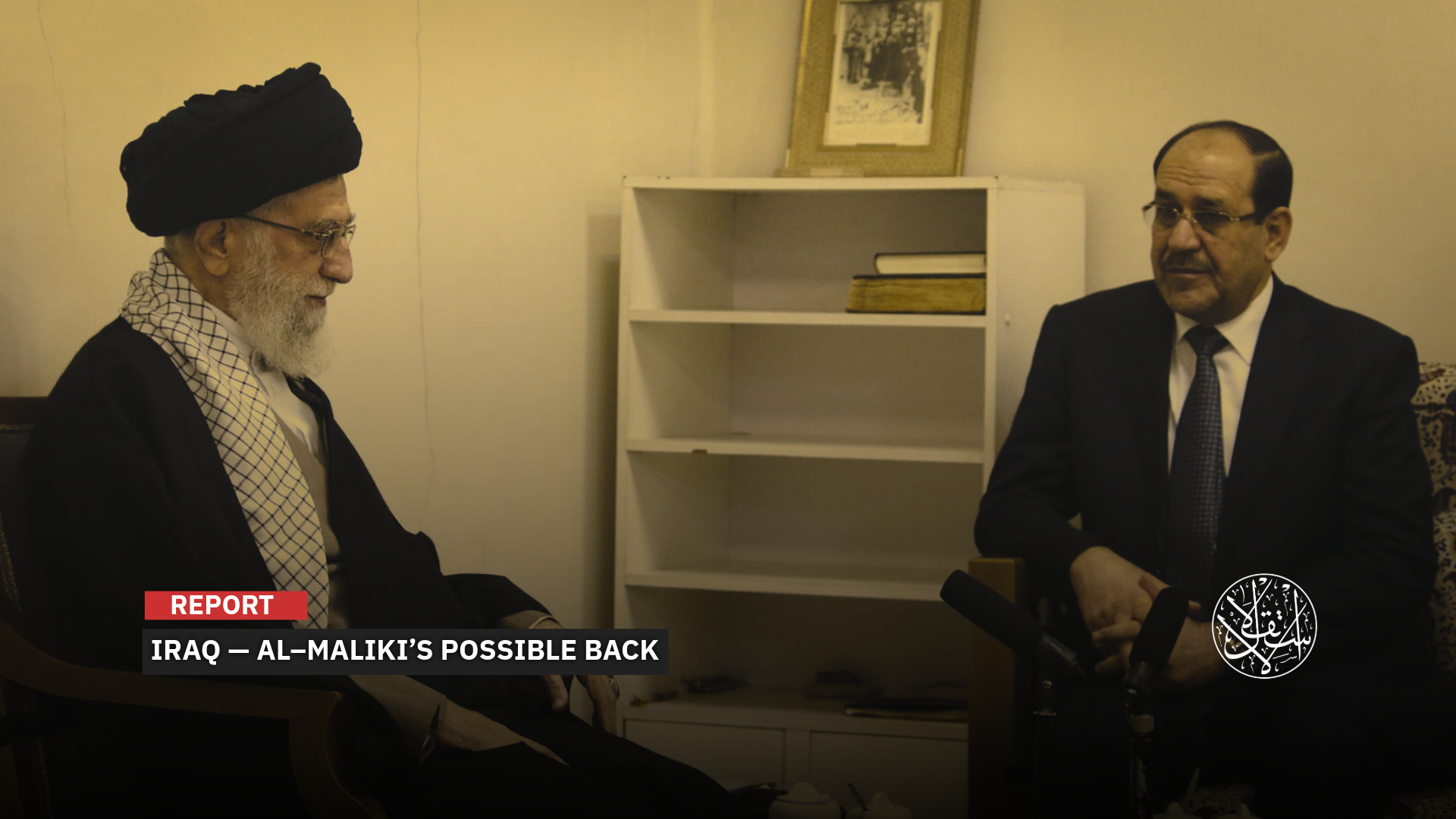
Khamenei pressured the Coordination Framework to choose al-Maliki as head of the Iraqi government.
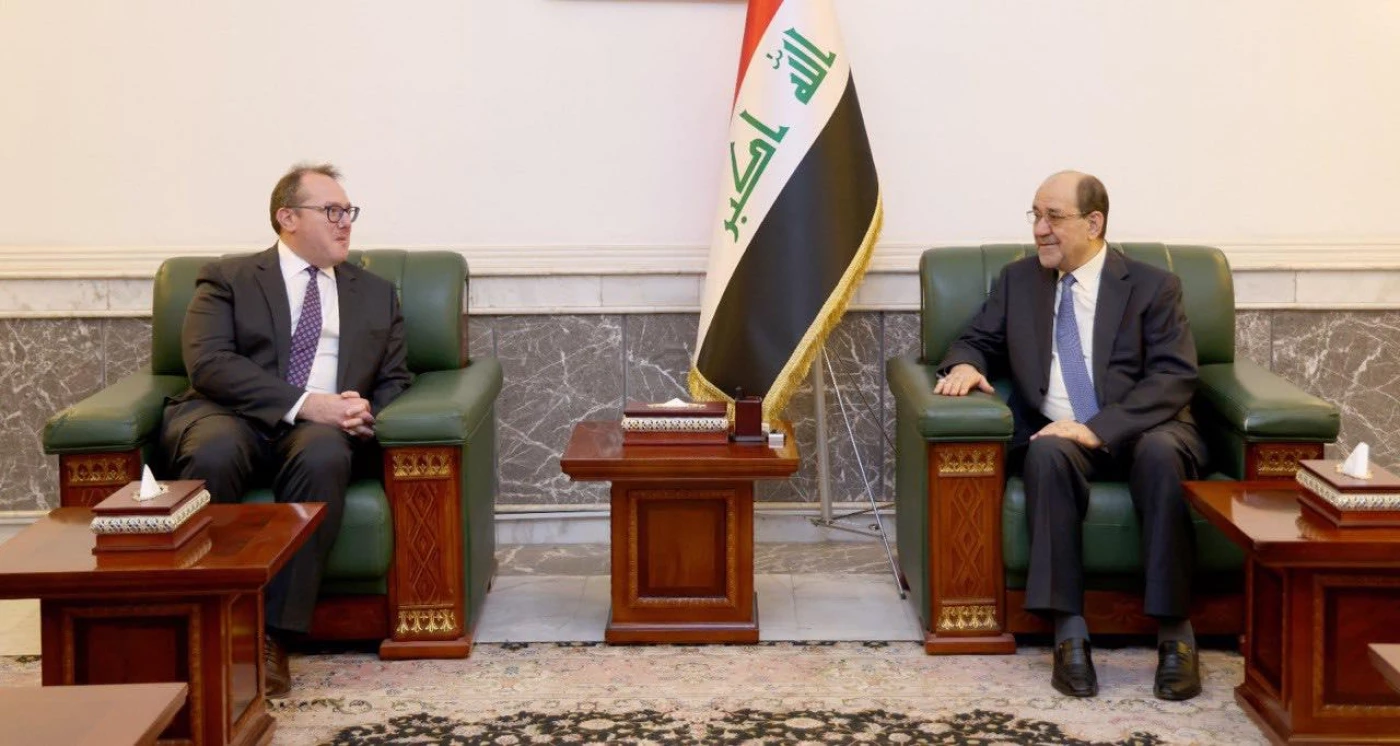
With the approval of Iran’s supreme leader, Ali Khamenei, for the nomination of Nouri al-Maliki, a senior figure in Iraq’s Shiite Coordination Framework (SCF), to assume the post of prime minister for a third term, questions have intensified over how the United States might respond to this. This comes as Washington has long opposed the expansion of Iranian influence in Iraq.
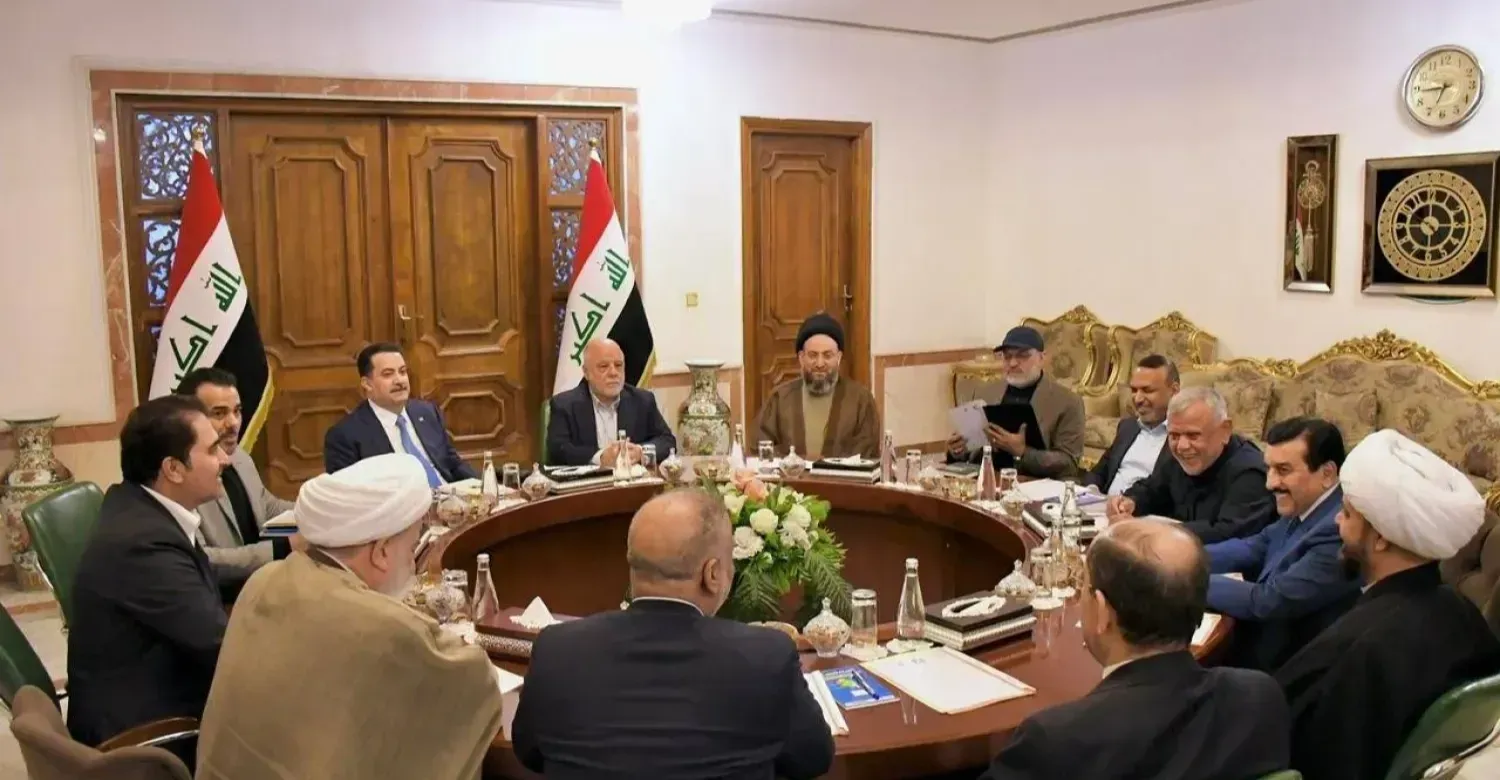
The SCF announced on January 24 that it had decided, following what it described as deep and extensive discussions, to nominate Nouri al-Maliki by a majority vote of its members, citing his political and administrative experience and his role in managing the state. It also called on parliament to convene the session designated to elect the president of the republic.
Khamenei’s Approval
In parallel political and media statements, sources said that Iran’s supreme leader, Ali Khamenei, endorsed the nomination of Nouri al-Maliki, despite the absence of consensus within the SCF and the presence of objections from influential figures inside the bloc. This was widely interpreted as an attempt to impose the choice on dissenting factions.
Hussam al-Hassani, a member of al-Hikma National Movement Political office led by Ammar al-Hakim, one of the most prominent opponents, said that Iran’s supreme leader praised the decision by some SCF factions to back al-Maliki. According to al-Hassani, Khamenei sent them a message saying, “Rely on God in the decisions you have reached together.”
Al-Hassani told a TV audience on January 20 that Khamenei had been misled into thinking the SCF had settled on al-Maliki as the next prime minister, which was not the case.
Iraq’s Alsumaria channel reported that Khamenei reaffirmed his support for al-Maliki’s bid for prime minister after Iran’s Quds Force commander, Esmail Qaani, delivered a message to the SCF conveying the supreme leader’s backing.
According to the channel’s January 22 report, two unnamed SCF members were sent to Iran to clarify that the bloc had not agreed unanimously on al-Maliki’s nomination and that some factions opposed him, yet Khamenei reaffirmed his original support.
These developments coincided with a Reuters report on January 23 stating that the United States had threatened senior Iraqi politicians with sanctions, including the possible targeting of oil revenues, if Iran-backed armed groups were included in the next government.
According to the agency, the warning represents the clearest indication so far of President Donald Trump’s campaign to curb the influence of Iran-linked groups in Iraq, a country that has long sought to maintain good relations with its two closest allies, Washington and Tehran.
Reuters said that the U.S. chargé d’affaires in Baghdad, Joshua Harris, had repeatedly delivered these warnings over the past two months in discussions with Iraqi officials and influential Shiite leaders, including some leaders of Iran-linked armed groups, through intermediaries.
The agency quoted unnamed U.S. and Iraqi officials as saying that Iran views Iraq as a key element in sustaining its economy under sanctions, which it has sought to circumvent through the banking system in Baghdad.
Reuters added that one of the figures opposed by Washington is Adnan Faihan, a member of Asaib Ahl al-Haq (AAH), led by Qais al-Khazali and backed by Iran, who was elected first deputy speaker of parliament in late December 2025. The report said the United States opposed his appointment to the post.
In a sign the pressure campaign was working, al-Khazali communicated a willingness to the Americans to remove Faihan as deputy speaker, one Iraqi official told Reuters. Faihan currently remains in his position.
‘An American Trap’
Commenting on the possibility of rejecting Adnan Faihan in favor of Nouri al-Maliki and the likelihood of Washington pressuring the SCF to propose an alternative candidate—especially given al-Maliki’s close ties to Iran and Khamenei’s endorsement—Iraqi political researcher Baha al-Din al-Barzanji called the scenario “highly unlikely.”
“Al-Maliki sought Iranian support and pressure on its allies in Iraq to return to power. Those backing him within the Coordination Framework are mostly armed factions. This is a serious warning sign, and under the pretext of supporting the Iranian regime, there appears to be an effort to rush his appointment,” he told Al-Estiklal.
“If a U.S. or Israeli attack on Tehran were to occur and the war were to continue, al-Maliki’s chances would diminish and no one would intervene on his behalf, given that he is widely known as Iran’s man in Iraq and had financed its previous regional wars, particularly in Syria, while supporting Bashar al-Assad’s regime.”
“Al-Maliki will continue on his path toward leading the next Iraqi government, having arranged his position with the United States by presenting himself as the figure responsible for dismantling militias,” he added.
“In that case, al-Maliki would be aligned with Washington and different from his second term in office between 2010 and 2014.”
In the same context, Munqith Dagher, CEO and founder of the Independent Institute of Administration and Civil Society Studies (IIACSS) research group, said al-Maliki’s nomination represents a dangerous game being played by the SCF, with the future of Iraq and its people at stake.
Dagher added that circulating information about the SCF’s meeting that day pointed to a strong, clear, and decisive message from the highest levels in Washington, warning of severe international consequences for Iraq and the region, particularly from the United States and regional actors. According to Dagher, most parties responded by saying the Americans were not serious and would take no action.
The refusal of Ammar al-Hakim, leader of the al-Hikma National Movement, and Qais al-Khazali, leader of AAH, to proceed with the SCF’s option led to the decision being taken by majority rather than consensus, according to Dagher.
“Counting on Trump’s patience and expecting him to hold back his threats just to benefit Iran, while turning Iraq and its people into a bargaining chip between Tehran and Washington, is short-sighted and ignores the serious consequences, particularly in the current tense regional and global context,” he concluded.
Iraqi politician Laith Shubbar described al-Maliki’s nomination as “an Iranian endorsement, with the lack of opposition serving as an American trap.”
Al-Maliki previously served as Iraq’s prime minister for two consecutive terms, from 2006 to 2014. His second term ended with the Islamic State group’s takeover of large parts of the country. Following this, Iraq’s Shiite religious authority in Najaf imposed a veto on him assuming a third term, sending a formal message to the Islamic Dawa Party, which Maliki leads.
Iraqi writer and political analyst Yahya al-Kubisi said Nouri al-Maliki’s nomination “shows that the choice of prime minister is still controlled by Iran,” adding that the SCF is short-sighted and driven more by personal agendas than the interests of the country.
In a post on X, al-Kubisi said the matter “has not yet been settled” and that the final outcome depends on the United States’ definitive position, particularly after the ignoring of a veto by Grand Ayatollah Ali al-Sistani, Iraq’s highest Shiite religious authority.
Sunni Leaders Sound the Alarm
Hours before the SCF officially nominated Nouri al-Maliki, the Sunni National Political Council (SNPC) urged the bloc to assume “historical responsibility” and to adhere to the principle of national acceptance when selecting candidates for the top government positions.
The SNPC’s statement warned against recycling failed experiences associated with political, security, and economic crises, the dominance of terrorist groups, and the displacement of millions of citizens, in a clear reference to al-Maliki’s nomination.
In contrast, the Sunni coalitions, Alazm and Hasm, said the SNPCl’s statement did not reflect the views of all its members, highlighting divisions within Sunni forces over al-Maliki’s nomination.
The leader of the Takadum Party, Mohammed al-Halboosi, rejected al-Maliki’s candidacy, citing recent regional events such as the Arab Spring and the crises that emerged under al-Maliki’s administration. He pointed to sectarian incitement, the imprisonment of innocent people to cover the escape of high-profile militants from Abu Ghraib prison in 2014, and the subsequent occupation and destruction of provinces, which were only liberated through significant sacrifices and the displacement of millions.
“Today, amid regional and international unrest, a similar scene is being replayed, with the so-called Syrian Democratic Forces [SDF] facilitating the escape of ISIS leaders from their prisons,” al-Halboosi posted on X.
He called on Sunni leaders to “recognize the importance and danger of these events, take a unified national stance, and prevent any return to past mistakes, while seeking to preserve the political, security, and social stability achieved after the liberation from ISIS.”
“We await the SCF’s choice for prime minister and urge them to safeguard Iraq’s unity and the bloc’s cohesion, while securing broad national support for a strong government the people can trust,” al-Halboosi posted a day earlier.
Ahmed al-Jubouri, leader of the Aljamahir Alwatanya Party, wrote on Facebook, “When our colleagues in the SCF choose the next prime minister, our goal should be renewal, not repetition, and consensus, not coercion.”
“Iraq needs a leader who can put out the fires of crisis, rebuild trust, and correct past mistakes, at a time when setbacks cannot be afforded and there is no turning back. We need a government of national consensus, endorsed by all partners in the country, just as we previously consulted them and secured their approval for our nominee for the parliament’s presidency.”
Iraqi politician Mashan al-Jabouri said on X that “the internal challenges and regional upheavals require a prime minister who puts out fires rather than ignites them—someone acceptable to the SCF, approved by Muqtada al-Sadr, trusted by all communities, and recognized internationally, especially by the United States. If Washington were to become angry, it could impose sanctions on Iraq, cut off access to dollars, cause the dinar to collapse, provoke public unrest, and shake the country to its core—at which point regret would be of no use.”
Nouri al-Maliki has also faced formal accusations of “high treason.” In 2015, the Iraqi parliament tasked an investigative committee with examining his responsibilities, holding him accountable for the fall of Mosul and a third of Iraq’s territory to the Islamic State group in 2014.
Among the charges against him is his alleged role in facilitating the group’s entry into Iraq, particularly regarding its takeover of the Speicher military base in Saladin province in the north, where approximately 700 trainee soldiers present at the base at the time were executed.