Syria’s Economy Caught in the Storm: Can Recovery Survive Regional Turmoil?
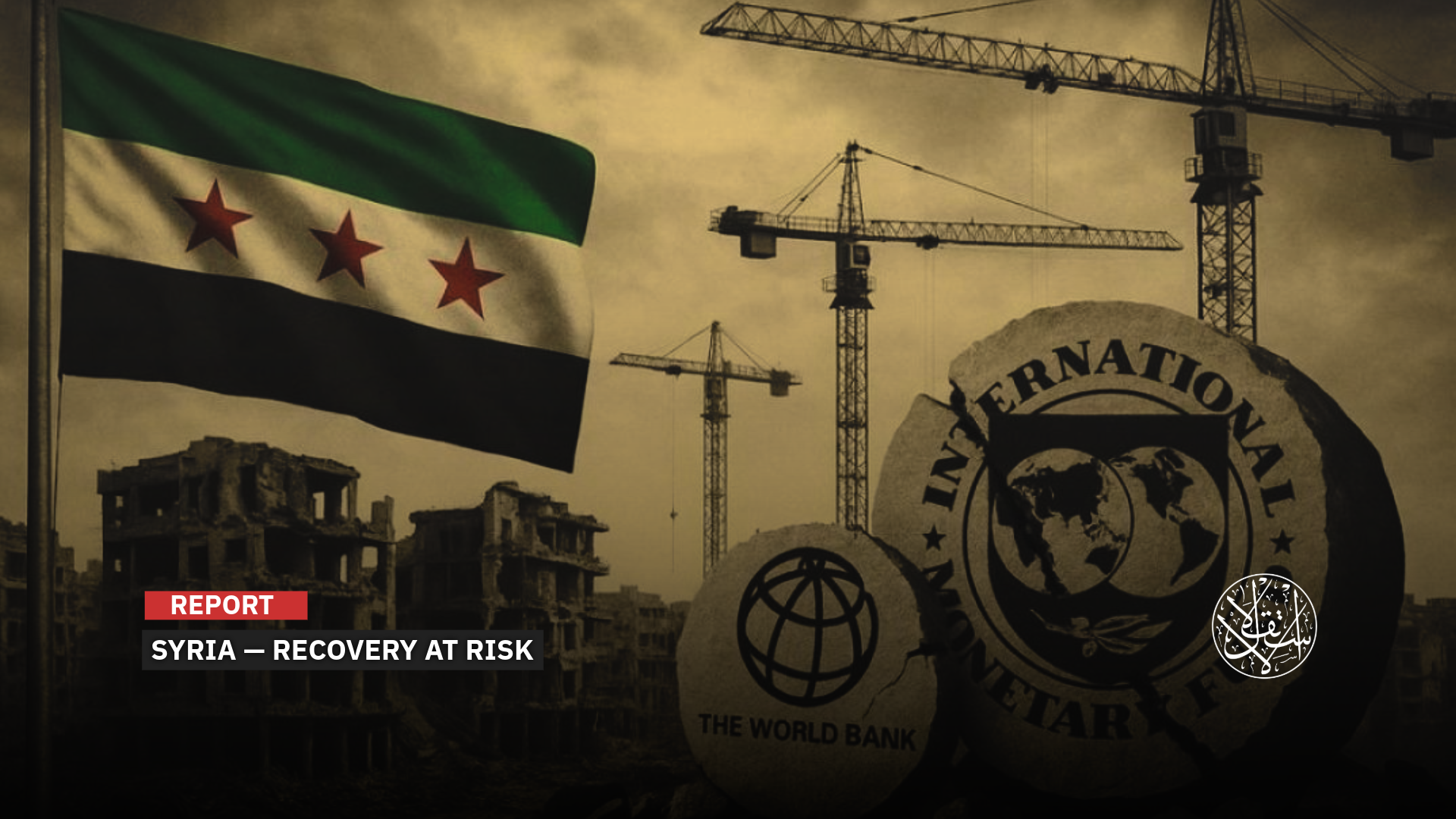
Over the past year, Syria has seen fresh waves of inflation as rising economic hopes and ambitions push expectations higher.
At a moment when Syria was banking on a surge of investment to kickstart an economic recovery after years of war and isolation, the latest war between Iran on one side and the United States and “Israel” on the other has put those hopes to a stern test.
As tensions mount, early signals suggest that Gulf states may begin reassessing their overseas investment commitments, just as Damascus had been counting on an influx of Gulf capital to propel reconstruction forward.
Watching and Waiting
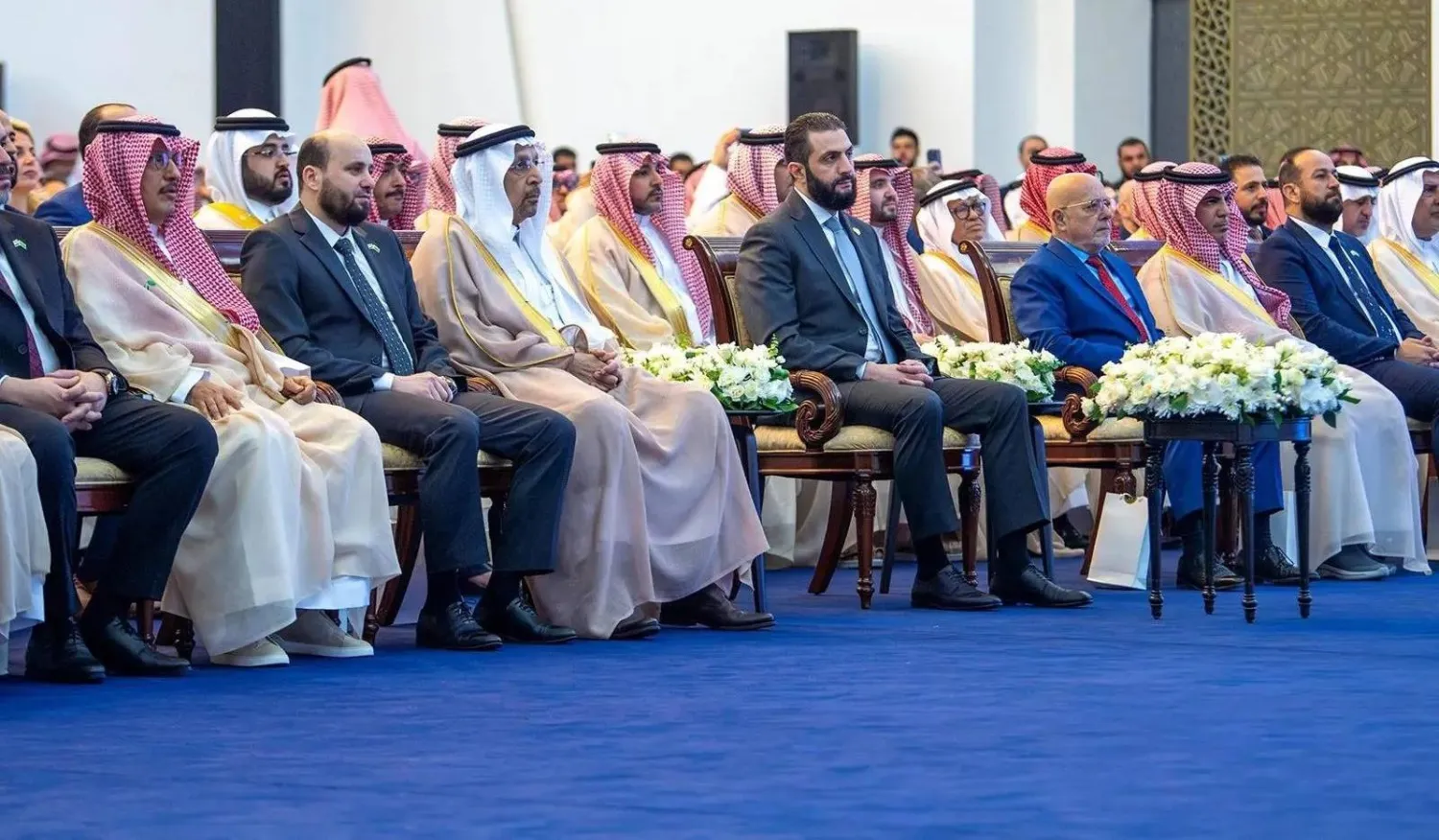
Amid Syria’s tense climate of uncertainty, any shift in regional investment priorities toward Damascus could disrupt fragile recovery and reconstruction plans, especially as tensions rise between Iran on one side and the United States and “Israel” on the other.
A growing number of signals suggest that Gulf states may reconsider their overseas investment commitments at a time when Damascus is counting heavily on the flow of Gulf capital to support reconstruction efforts and stimulate the national economy.
Observers say any decline in Gulf investors’ appetite could pose a direct challenge to Syria’s recovery plans, especially since a significant portion of the government’s economic projections relies on the continued arrival of future investments. Concerns are also mounting that the role of Gulf capital in the regional economy could be reshaped if the war continues at its current pace.
A report published by the Financial Times on March 6, 2026, noted that Gulf countries may begin reviewing their overseas investments and future commitments as they examine options to ease pressure on national budgets caused by the ongoing war in the region.
The newspaper quoted a Gulf official as saying the current conflict could ripple across many areas of economic activity, from investment pledges made to foreign countries or companies to the sponsorship of sporting events and commercial contracts. It could even extend to reconsidering some investment assets if the financial costs associated with the war continue at the same pace.
For decades, the economic rise of the Gulf states has rested on two central pillars. The first was the transformation of their rapidly growing cities into safe havens in an often volatile region. The second was the uninterrupted flow of revenues from energy exports. Recent developments, however, have begun to raise questions about how resilient these pillars may prove as regional conflicts escalate.
The Gulf official added that several countries in the region are conducting internal reviews to assess whether force majeure clauses could be activated in some existing contracts, while also reassessing current and future investment commitments in an effort to reduce the potential economic pressures stemming from a prolonged war.
Since the end of the rule of Bashar al‑Assad in late 2024, Syria has experienced a relative economic shift after years of isolation and Western sanctions. The Syrian government has sought to reassert the country’s role as a destination for businesspeople and investors from within Syria and abroad.
This shift has coincided with a modest degree of Arab and international openness aimed at supporting the Syrian economy after the easing of some previous economic constraints. The effort has been framed as a way to facilitate reconstruction, raise economic activity, improve national income, and strengthen purchasing power.
Since then, the Syrian government has adopted policies intended to attract investment by improving the business climate and updating economic legislation. One of the most notable steps was the issuance of Decree No. 114 of 2025, which amended parts of Investment Law No. 18 of 2021 in an attempt to address earlier obstacles that had limited capital inflows, including weak legal guarantees and complex administrative procedures.
Damascus is also seeking to attract investments beyond the pledges already announced by Qatar and Saudi Arabia. Syrian President Ahmed al‑Sharaa has said on several occasions that the government is in talks with several countries, including Kuwait, Bahrain, Jordan, and Turkiye, in an effort to broaden the base of foreign investment.
The head of the Syrian Investment Authority, Talal al‑Hilali, announced that the volume of registered investments in 2025 reached about 56 billion dollars, covering sectors including real estate development, energy, tourism, agriculture, and industry, among other key areas.
Al-Hilali also pointed to a growing investment focus on agriculture, noting that Syria is home to roughly 500 million olive trees and that Syrian olive oil enjoys a reputation for high quality, making it a leading export product.
He added that plans are underway to rehabilitate sugar production facilities, alongside anticipated investments in the oil and gas sectors and other parts of the economy. Investment opportunities, he said, are currently available across much of Syria, and the present stage remains encouraging and attractive for investors even as competition is expected to intensify in the coming years.
Shaken Bets
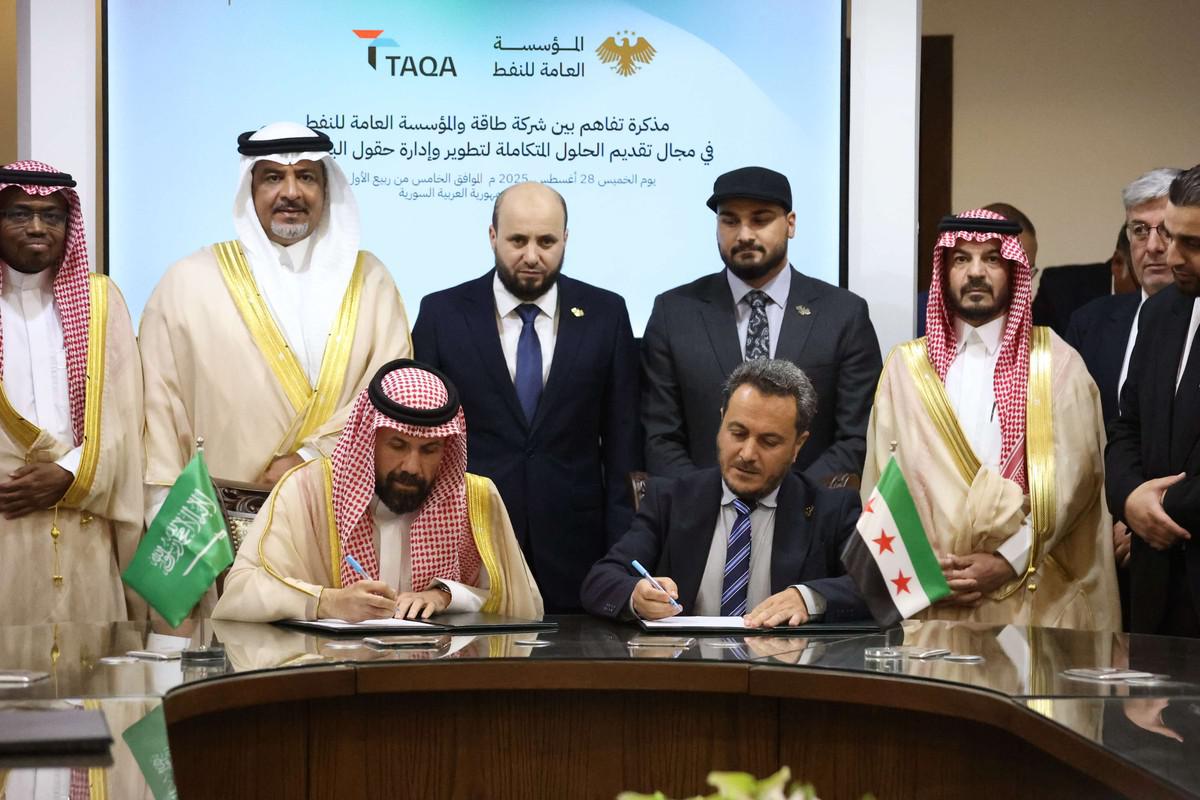
In a fragile economy where reconstruction costs are estimated in the hundreds of billions of dollars, Syria appears especially vulnerable to the ripple effects of regional conflict. The consequences of war may not stop at the battlefield. They are increasingly felt in the shifting balance of investment and financing across the region, threatening one of the central economic bets of Syria’s new phase.
According to the United Nations Office for the Coordination of Humanitarian Affairs (OCHA), about 16.5 million Syrians now require humanitarian assistance, nearly 70 percent of the population, as living conditions continue to deteriorate. The World Food Programme (WFP) has also listed Syria among 18 global hunger hotspots for 2026, pointing to deep damage to the agricultural sector, a weakened economy, worsening security conditions, and rising levels of food insecurity.
Since the political changes that unfolded in Syria in late 2024, roughly 1.2 million Syrians have voluntarily returned from neighboring countries, according to estimates by the United Nations High Commissioner for Refugees (UNHCR). At the same time, around two million internally displaced people have gone back to their home areas out of nearly five million who were displaced within the country. The return movement is placing growing pressure on local services, employment opportunities, and the enormous demands of reconstruction.
International institutions estimate that rebuilding Syria could cost between 250 billion and 400 billion dollars. A report released by the World Bank in October 2025 found that economic damage had already surpassed 216 billion dollars, with the real figure likely higher. Most of the losses have been concentrated in infrastructure and housing, along with transportation, energy, water, and sanitation systems.
After more than a decade of war, Syria’s economy has contracted by over 50 percent, while the national currency has lost about 99 percent of its value. The collapse has deepened the economic crisis and pushed poverty rates sharply higher.
Syrian President Ahmed al-Sharaa said in November 2025 that the country had managed to attract roughly 28 billion dollars in investment within ten months. He also pointed to amendments in investment legislation allowing foreign investors to transfer capital abroad.
During his participation in the Future Investment Initiative (FII) conference in Riyadh, attended by Saudi Crown Prince Mohammed bin Salman, al-Sharaa said the Syrian government was working to improve the investment climate and facilitate the movement of capital.
Eyes on the Economy
Syrian researcher Younes Karim, director of the Economist Sy platform, believes the military escalation in the region between Iran on one side and the United States and “Israel” on the other could place direct pressure on the Syrian economy.
Karim argued that Syria’s productive economic structure has become extremely fragile after years of war, with heavy reliance on imports to meet basic needs. The economic opening policy adopted by the current government aims to achieve a degree of political and economic normalization, he said, but it has also made the economy more sensitive to regional volatility.
He added that Syria’s economy now depends heavily on external support, particularly after the economic influence of some former allies declined. This shift has encouraged several Arab states to try to fill part of the gap through different forms of financial backing.
According to Karim, Syria’s main bet is now directed toward Gulf capital, especially from Saudi Arabia and Qatar, and to a lesser extent from the United Arab Emirates (UAE). These countries are seen as the actors most capable of financing large-scale reconstruction projects.
He warned that prolonged regional instability could push investors to freeze high-risk projects, particularly in an environment marked by weak security conditions, declining purchasing power, and deteriorating infrastructure.
Karim also pointed to the possibility that some Gulf capital could shift toward more stable financial hubs such as Singapore or other economic centers in East Asia.
Under such conditions, Gulf governments may choose to redirect more resources toward supporting their domestic economies and national development projects. This could delay foreign investments linked to Syria until the regional outlook becomes clearer.
Karim noted that investor appetite for Syria remains limited despite the partial lifting of some Western sanctions. Procedural restrictions and bureaucratic hurdles still pose significant obstacles to fully benefiting from these changes.
He also referred to what he described as “negative sanctions,” meaning the lingering impact of economic sanctions despite official announcements of easing them. Financial and commercial transactions remain complicated, limiting practical progress.
At the same time, Syria’s legal framework for investment still suffers from structural weaknesses. Some business transactions continue to rely on personal connections or administrative influence in the absence of strong regulatory institutions capable of guaranteeing investor rights.
Karim added that the Syrian government has yet to present a comprehensive and clearly defined plan for rebuilding war-damaged areas, reinforcing a climate of economic and political uncertainty.
He concluded that low purchasing power, rising poverty rates, and weak vocational training and workforce development programs continue to undermine the investment climate. For many international companies, the indirect costs of operating in Syria may outweigh potential returns, limiting the flow of capital into the Syrian market for now.
Rising Risks
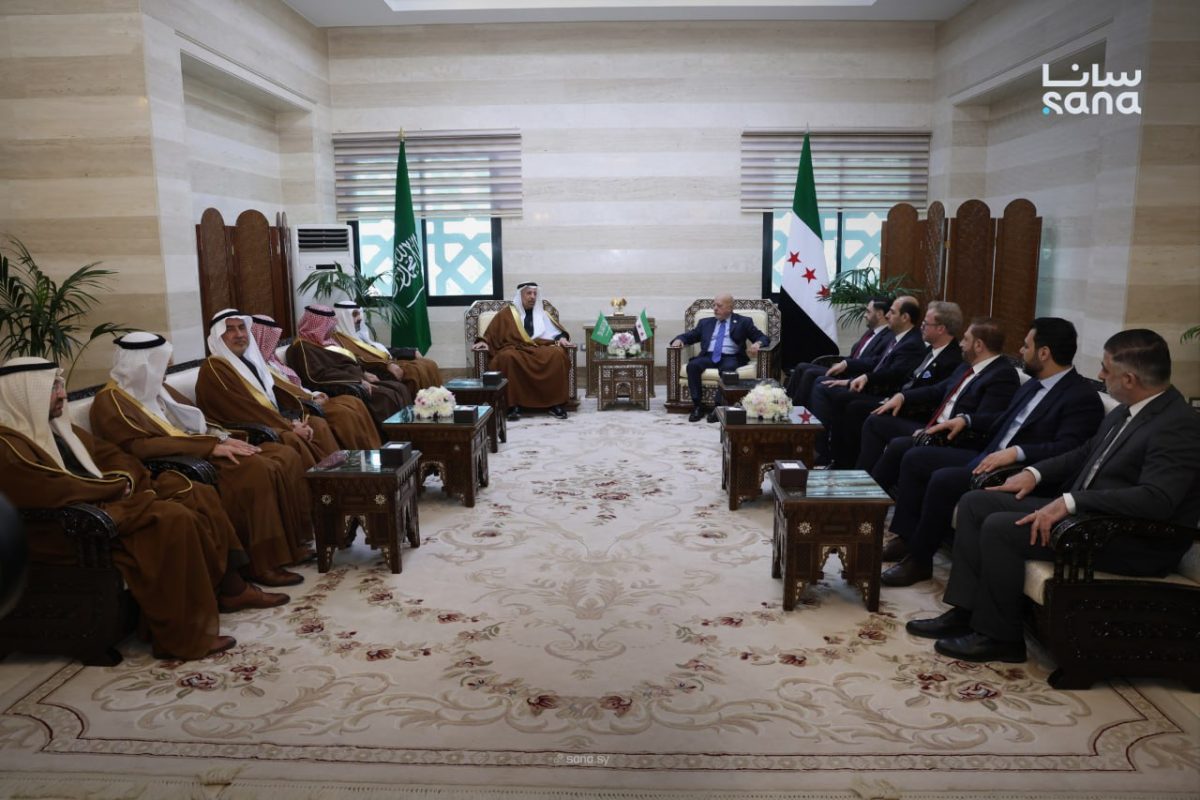
During a visit by a delegation from the International Monetary Fund (IMF) to Syria in November 2025, officials pointed to signs of recovery and improving prospects, attributing them to the gradual easing of sanctions, the return of refugees, and Syria’s reintegration into the regional and global economy.
Even so, analysts warned of persistent risks tied to corruption and the absence of a clear national or international framework to guide investment and reconstruction. This suggests that the restructuring of the Syrian economy and the redistribution of assets once controlled by the regime of Bashar al-Assad may still depend on many of the same business figures who operated during the previous era.
Nearly a quarter of Syrians continue to live in extreme poverty, while employment opportunities remain scarce for the jobless. Despite these pressures, a report by the World Bank published in July 2025 projected that Syria’s economy would grow by about 1 percent during that year.
Researcher Younes Karim argues that this reality weakens the ability to predict Syria’s economic future. “Neither Syrians nor investors know the direction the country’s foreign policy will take,” he said, posing a series of questions that reflect the prevailing uncertainty. Will Syria move closer to the West and become involved in the war on Iran, potentially opening the door to renewed escalation inside the country? Will it turn toward Russia? Or will it attempt to remain neutral?
Karim added that this ambiguity, combined with a lack of transparency, fuels investor anxiety and makes the investment climate riskier.
He also pointed to accumulated inflation that is visible across several economic indicators. Part of it stems from the legacy of inflation during the rule of Assad’s regime. Additional inflation, he said, emerged over the past year as economic expectations and ambitions were raised without sufficient real resources to sustain them. At the same time, certain policies contributed to the dissipation of financial resources and pushed market expectations even higher.
Meanwhile, markets have witnessed limited spending on luxury goods, particularly by Syrians returning from abroad. This has contributed to rising domestic costs linked to reconstruction. Karim noted that rising prices, rather than strengthening purchasing power, have made reconstruction projects less economically viable, as labor and construction material costs continue to climb.
Externally, regional war and ongoing security instability have pushed construction material prices sharply higher and complicated supply chains. Some materials have increased by between 15 and 50 percent, while energy-related inputs have risen by as much as 125 percent, further inflating project costs.
Karim concludes that these combined pressures are weighing heavily on Syria’s reconstruction efforts and undermining the prospects for economic stability. Under such circumstances, he argues, the only viable path toward stability may be to start from within through genuine structural reforms.
Relying on an external launch, through reintegrating Syria into the regional system and opening the door to Arab and Turkish investments, has shown its limits, he said. It may even have contributed to creating a fragile political environment that could produce new setbacks.
Karim concludes that the current regional developments could become an opportunity to reorder priorities at home by rebuilding state institutions, strengthening their authority, and reforming the country’s economic and legal structures. Without such steps, he warns, the cycle of failure is likely to continue, especially given that one of the current government’s key economic bets rests on attracting Gulf investment.