Between Alliance and Blackmail: How Canada Is Preparing To Confront American Hegemony
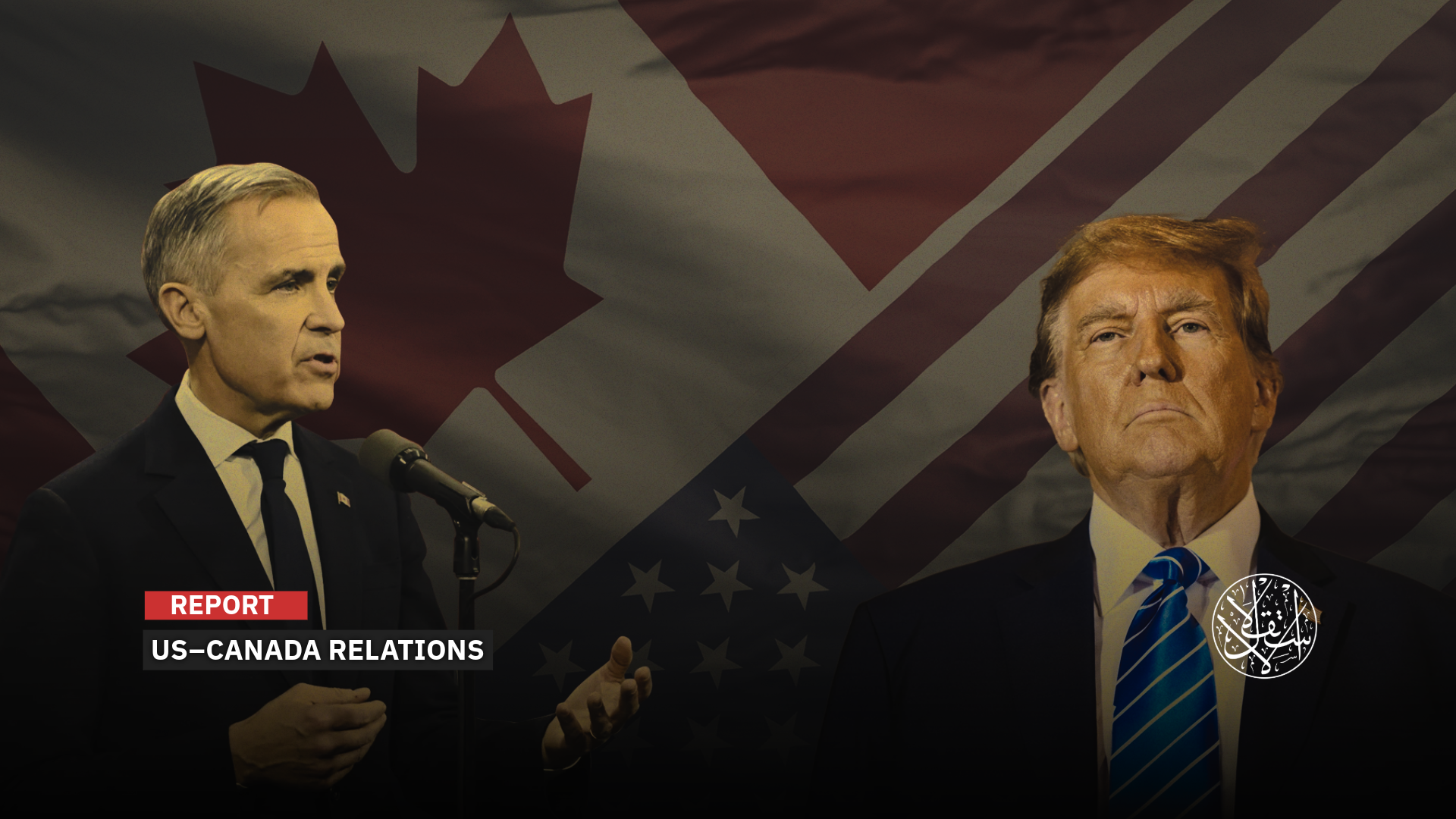
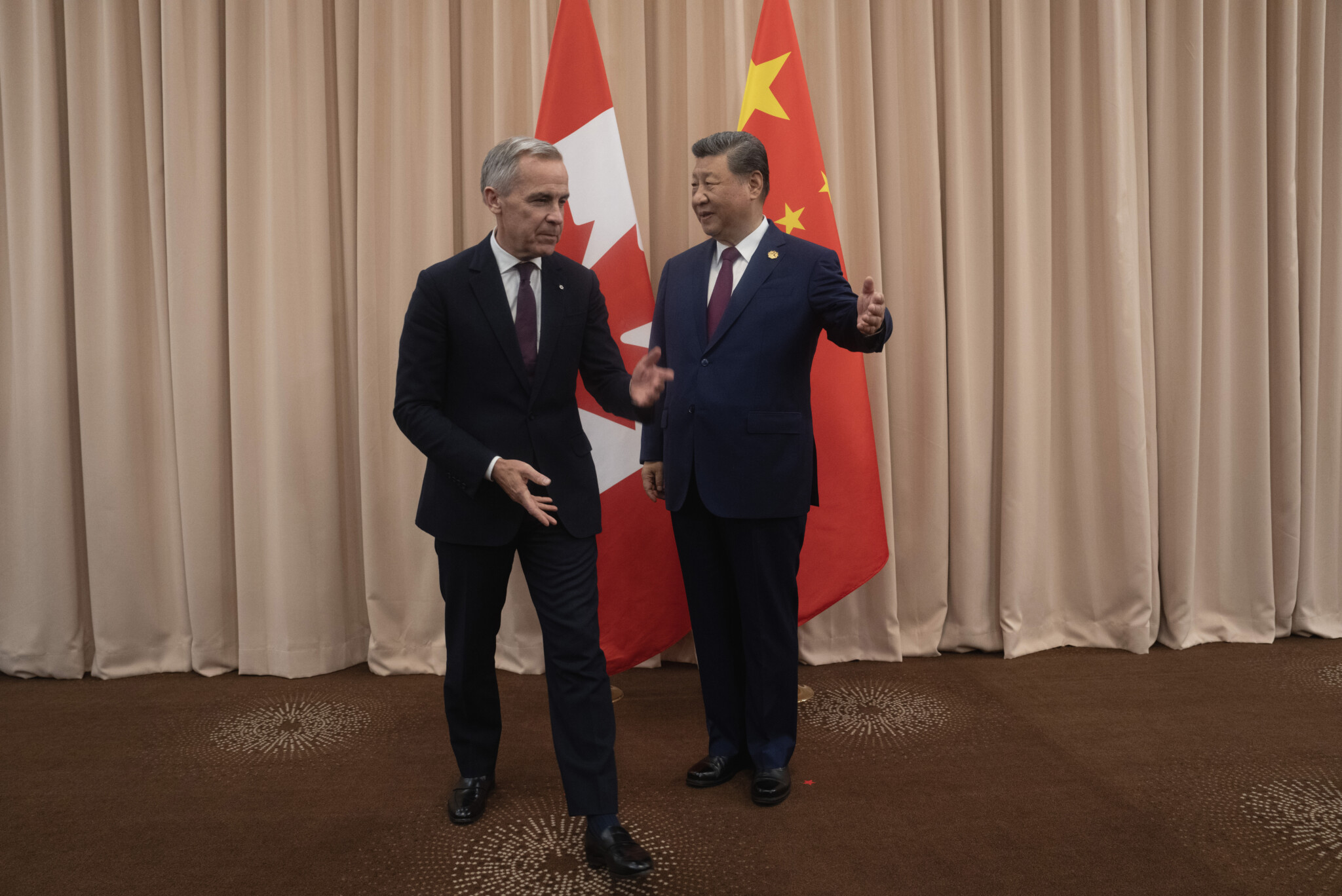
“Mark Carney is likely to seek to strengthen trade relations with other countries like China.”
Canada is experiencing a pivotal moment in its relationship with the world, as American hegemony erodes and the logic of power returns to the global order.
In this context, Canadian Prime Minister Mark Carney is attempting to reposition his country as an active middle power, capable of protecting its interests amid open competition between major powers.
Carney's speech at the Davos Forum was not merely a passing political statement, but a clear declaration of a historic break with a long period of near-total dependence on the United States.
With the escalating trade and geopolitical threats from US President Donald Trump, Canada appears compelled to redefine its economic and sovereign survival.
American Hegemony
On January 22, Canadian Prime Minister Mark Carney stated that “Canada does not survive because of the United States. Canada thrives because we are Canadians,” emphasizing that global alliances are shifting and that his country must be a model in an era of divisions.
In a national address delivered in Quebec City before the opening of a new legislative session, he added that “the government intends to increase defense spending to defend sovereignty and secure borders, and that Canada will be a beacon and a model for a world adrift in its turbulent waters.”
In his address to the domestic audience, he said Canada should be a model in an era of democratic decline, stating, “Canada cannot solve all the world’s problems, but we can show that another path is possible, and that the course of history is not destined to veer toward authoritarianism and exclusion.”
Carney said Canada is under no illusions about the fragile state of global relations, adding that “the world is more divided. Old alliances are being redefined, and in some cases, they are collapsing.”
Carney’s statements followed his speech at the Davos Forum, a gathering of political and financial elites, where he received a standing ovation for his candid assessment of the fractured, rules-based world order led by the United States.
In Davos, he said middle powers like Canada, which prospered in an era of American hegemony, need to recognize that a new reality has emerged, and that conformity will not protect them from the aggression of great powers.
While he did not explicitly mention President Trump by name, the implication was clear, especially given Washington’s recent threats toward Europe and Greenland.
Carney said the rules-based order is fading, the powerful are doing as they please, and the weak are bearing the consequences.
He warned that “if middle powers aren’t at the table, they’ll find themselves on the menu,” a clear reference to countries like Canada.
Trump was furious and mocked Carney during a speech in Davos the following day, saying, “I watched your prime minister yesterday. He wasn’t very grateful.”
He claimed Canada was ungrateful for the many gifts it received from the United States, saying, “Canada lives because of the United States. Remember that, Mark, the next time you make your statements.”
Two days after this media exchange, Trump announced he was withdrawing his invitation to Carney to join the newly announced ‘Peace Council’, a move reflecting the escalating tensions between Washington and Ottawa.
Since his re-election in 2024, Trump has repeatedly referred to Canada as the 51st US state, threatening to cancel agreements that are more than a century old.
Although he has spoken less about this issue in recent months, Trump posted a picture on social media last night showing a map of Canada covered with the American flag, alongside Greenland and Venezuela, implicitly indicating his desire for complete control over these countries.
Washington has already imposed tariffs that have harmed vital Canadian sectors such as automobiles, steel, aluminum, and lumber, leading to a partial paralysis of the Canadian economy.
Canada is deeply dependent on the United States economically, militarily, and culturally, exporting about 75% of its goods and services to the American market.
Trump’s allies, particularly Steve Bannon, have talked about the benefits of the United States’ annexing Canada to access its vast Arctic and natural resources, including critical minerals and rare earths.

Military Escalation
Carney’s speech came as President Trump escalated his rhetoric against allies, threatening new tariffs and reiterating his ambition to annex Greenland.
Canada’s stance on the Greenland crisis appeared more cautious than the European position, affirming its support for Denmark without direct military involvement.
However, recent reports indicated Carney’s intention to send a limited number of troops to Greenland, similar to other NATO allies, as a gesture of support for the island.
A New York Times report suggested that this delicate balancing act reflects Ottawa’s awareness of the risks of escalating tensions with Washington, especially given the daily cooperation between the US and Canadian militaries, including in the Arctic.
This means that any US intervention in Greenland could place Canada in a highly sensitive strategic predicament.
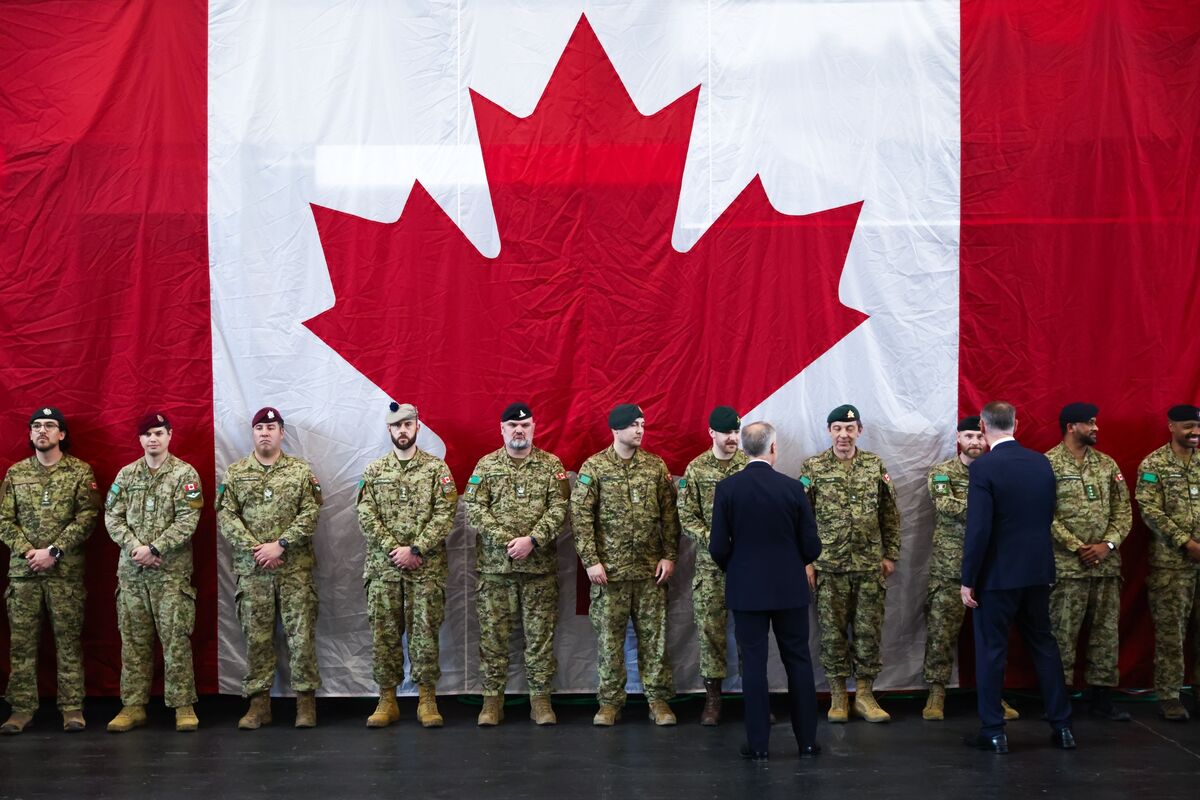
The Globe and Mail reported that the Canadian military has developed a military model simulating a hypothetical US invasion, coinciding with Trump’s renewed speculation about the possibility of annexing Canada.
High-ranking government officials stated that Canada's response scenario is based on tactics similar to those used in Afghanistan against Soviet and later American forces.
They explained that in the event of an invasion, American forces could seize Canadian territory by land and sea within just two days.
Given Canada's lack of military resources to confront the United States, its response would resemble an insurgency campaign, employing ambushes and hit-and-run tactics, according to the newspaper.
It reported that the Canadian military anticipates clear indicators should the United States plan to invade Canada, including a decision to end bilateral cooperation within the North American Aerospace Defense Command (NORAD).
The newspaper noted that Canada would likely turn to the United Kingdom and France for assistance.
These preparations reflect the sharp deterioration in relations between the two historic allies during Trump's second term.
The United States and Canada have not engaged in armed conflict since the War of 1812, when Canada was still a British colony and successfully repelled American incursions. Since then, the US military has evolved into the most powerful in the world.
Foreign Strategy
Faced with erratic and unpredictable US leadership, Canada has begun to break its historical dependence on Washington. Carney’s speech, following a trip that included China and Qatar, was a clear indication of this shift.
Ottawa struck a deal with Beijing allowing a limited number of Chinese electric vehicles to enter the US at reduced tariffs in exchange for China easing restrictions on Canadian agricultural products.
But more importantly, the two countries announced a strategic partnership, signaling a new phase of cooperation with the United States’ biggest competitor.
For his part, Trump threatened on January 24 to impose 100% tariffs on all Canadian goods imported into the United States if Canada proceeded with a trade deal with China.
Carney undertook extensive foreign visits, most notably to France, the United Kingdom, Italy, the Vatican, Belgium, the Netherlands, Ukraine, Poland, Germany, Singapore, Malaysia, South Korea, South Africa, China, the UAE, and Qatar.
Travel statistics reveal that Carney spent nearly 60 days on foreign trips since becoming prime minister, surpassing even prominent European leaders like Keir Starmer and Emmanuel Macron.
This diplomatic activity reflects a bet on diversifying partnerships as a guarantee of survival in a post-American world.
However, government advisors acknowledged that none of these deals can quickly replace the pivotal role of the United States in the Canadian economy and security, making the strategy risky.
Canadian public opinion toward the U.S. reached a 20-year low, according to the Pew Research Center in July.
The poll stated that 64% of Canadians had an unfavorable view of the U.S., while 34% had a favorable view.
Domestically, Carney faces criticism from the opposition Conservative Party, which accuses him of focusing too much on foreign policy and neglecting housing and living standards.
Carney's lack of a clear parliamentary majority could also limit his ability to pass his ambitious foreign policy.
Jenny Roth, a former Conservative advisor and partner at Christview Strategies, said that while a large segment of Canadians wanted this speech from Carney, about 40 percent of voters are preoccupied with everyday concerns and his Davos speeches don't resonate with them much.
Canada's current experience reflects the dilemma of middle powers in a world moving toward fragmentation and realignment.
Caught between the pressures of American hegemony and attempts to forge alternative partnerships, Ottawa seeks to safeguard its economic and sovereign survival without directly confronting its more powerful neighbor.
According to The New York Times, the success of this approach will determine not only Canada’s future but also a broader model for how middle-income countries can adapt to an increasingly unbalanced global order where rules alone are no longer sufficient to guarantee security.