What’s Behind the Warm Embrace? Inside the UAE–India Alliance
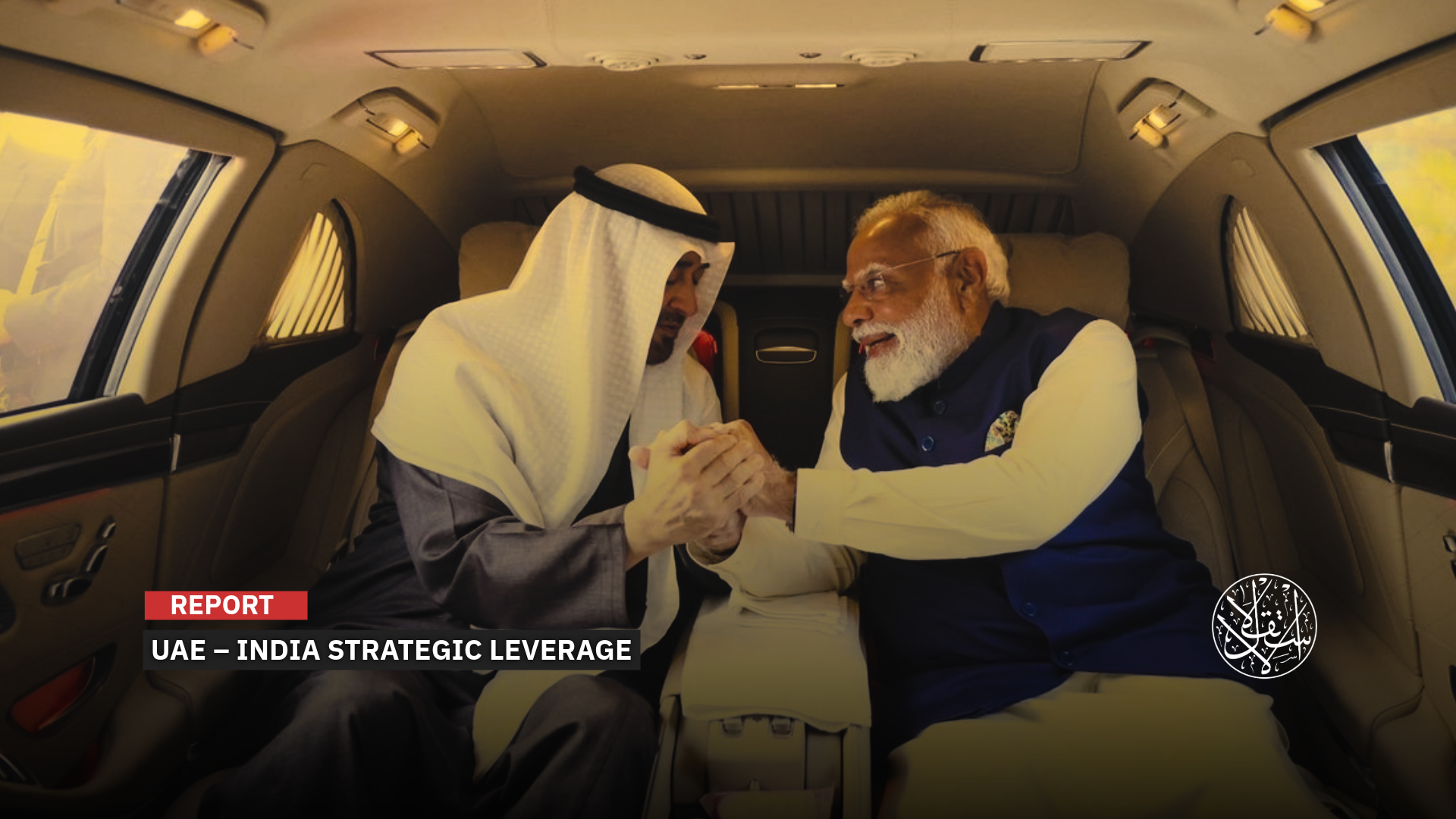
UAE thinker Jamal Sanad al-Suwaidi: India could overrun the Emirates in minutes.
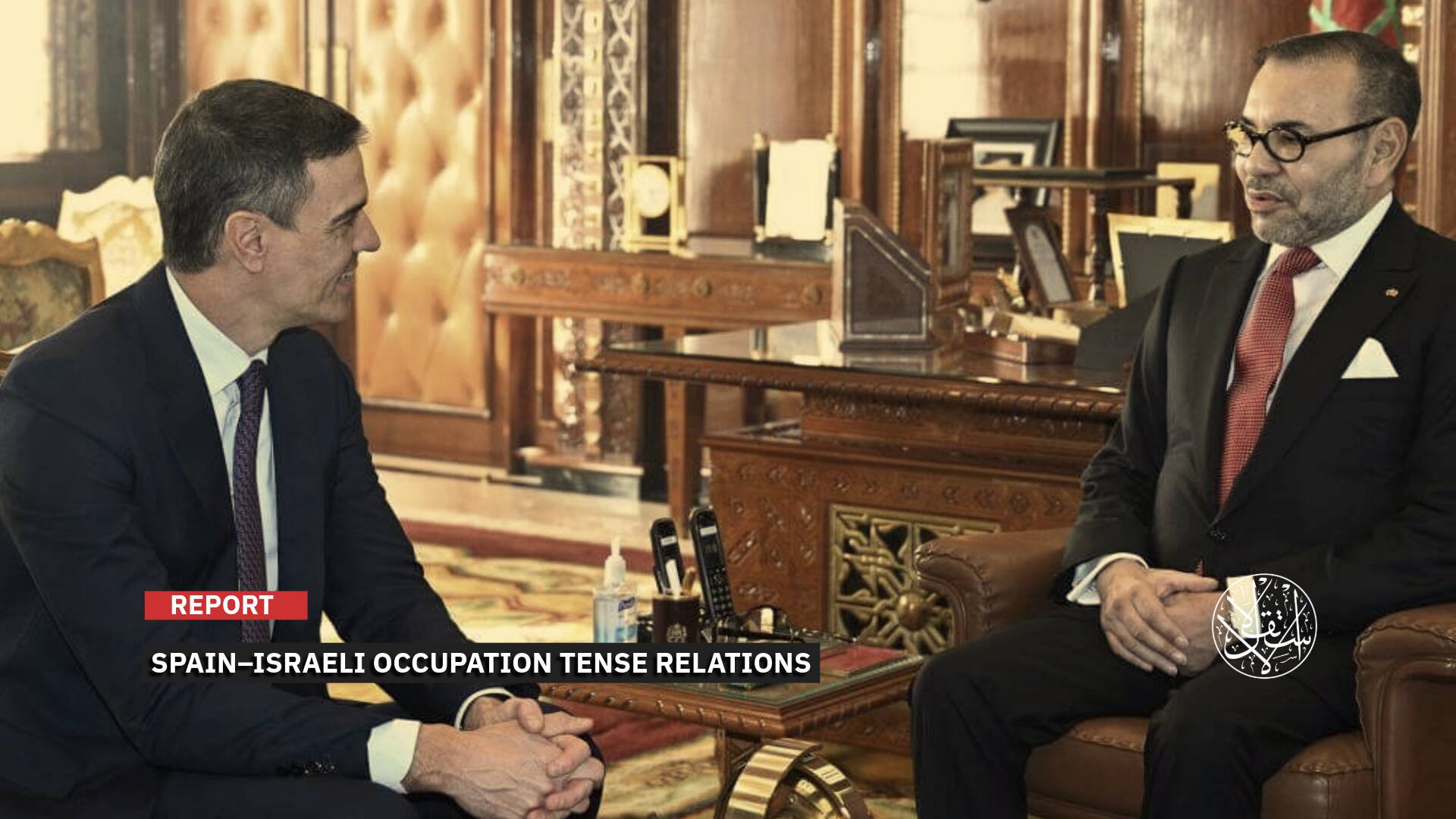
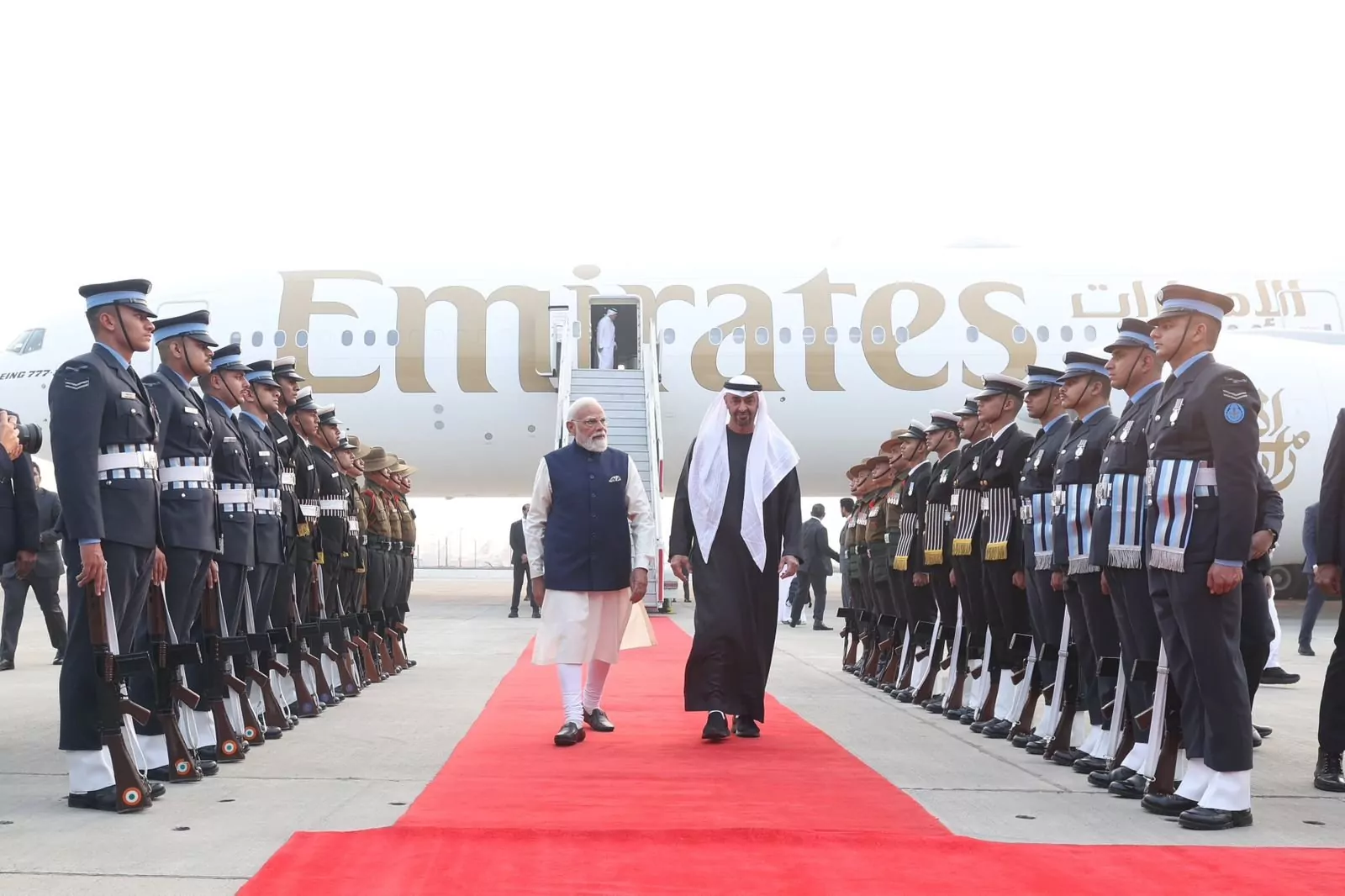
The plane of UAE President Mohammed bin Zayed landed in the Indian capital, New Delhi, on January 19, 2026, for a visit brief in duration but heavy with political and strategic significance in both timing and nature.
The scene was far from routine protocol. Indian Prime Minister Narendra Modi stood at the foot of the aircraft stairs to welcome his guest, and cameras captured a warm embrace and an unusually intimate reception between the two leaders. Indian media described the moment as a political message as much as a personal gesture.
The weight of that image, however, does not stem from its warmth alone, but from its broader regional context. The visit came at a time of escalating tensions between the UAE and Saudi Arabia, as new alliance maps begin to take shape on the margins of that rift, redrawing the region’s balance of power.
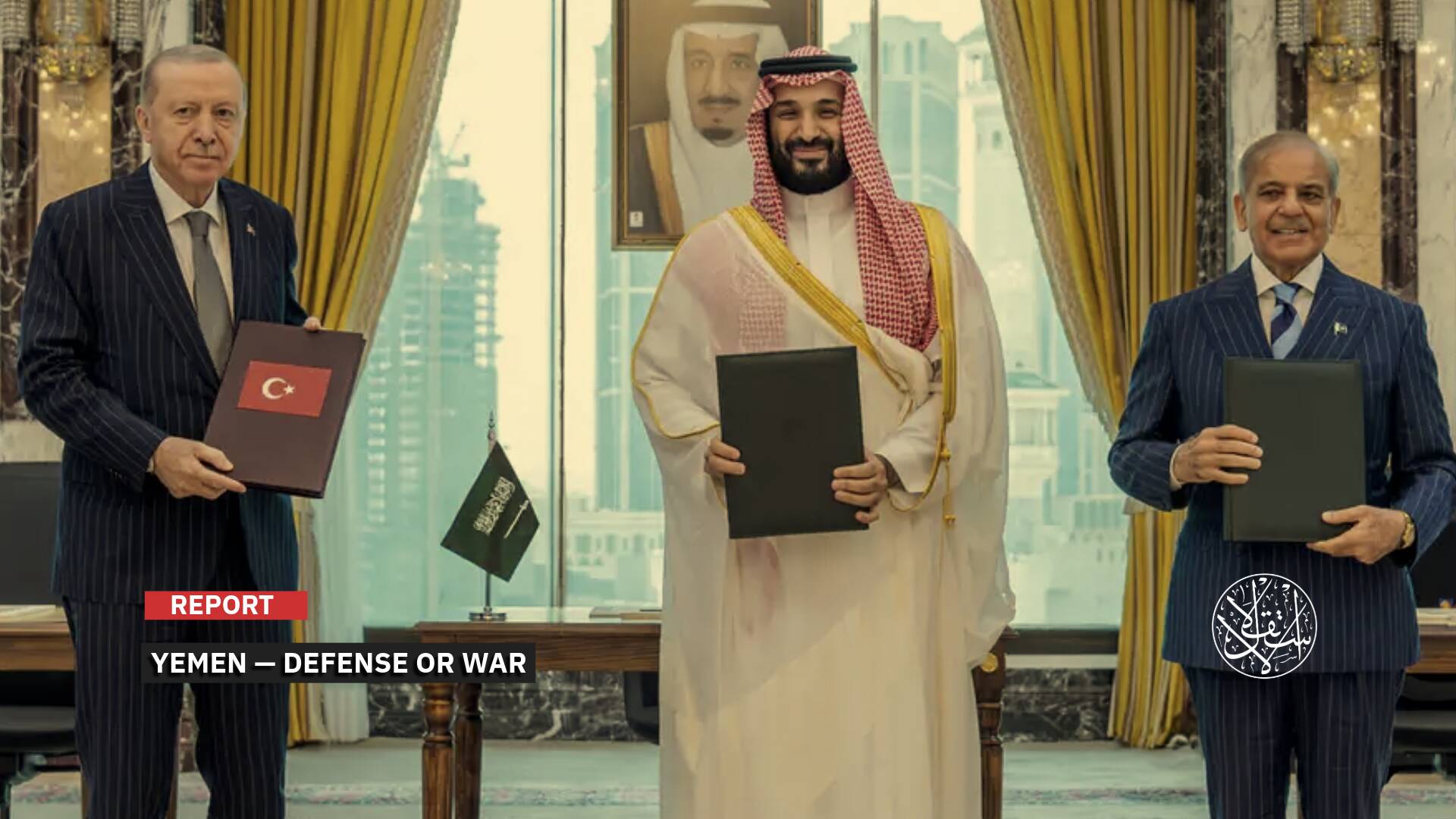
At the same time, Pakistan, a traditional ally of Riyadh and India’s historic rival, acknowledged through official statements that it was preparing a draft trilateral defense agreement with Saudi Arabia and Turkiye, following nearly a year of negotiations.
Several capitals interpreted the move as a clear political and security alignment with the Saudi camp.
On the other side of the equation, Abu Dhabi chose to deepen its turn toward India, Islamabad’s adversary and a close partner of Washington and “Tel Aviv” through regional cooperation frameworks such as I2U2, India, the UAE, the United States, and “Israel.”
The initiative is presented in economic terms, but it also carries calculations of influence and strategic balance.
Yet the paradox that Gulf observers increasingly point to is that the UAE, as it deepens this alliance, appears to be “shooting itself in the foot.”
India is not merely a major trading partner or a primary source of labor. It represents a deeply rooted demographic and economic weight inside the UAE itself, to the extent that Emirati elites have warned for years that excess influence could, at some point, turn into a form of sovereign vulnerability.
Demographic Imbalance
The broader entry point for understanding the “structural risk” embedded in the UAE–India alliance begins with demography.
According to widely circulated population estimates for 2026, the UAE’s population stands at roughly 11.8 million, including only about 1.4 million citizens, compared with approximately 10.4 million foreign residents.
At the center of this expatriate mass is the Indian community, the largest by far, numbering around 4.1 million people.
Estimates may vary regarding the precise figure, but the constant is clear: a human bloc approaching, or exceeding, one-third of the population inside a state where citizens make up no more than 15 percent of society.
In the logic of traditional national security thinking, such a demographic imbalance poses a challenge to the state’s ability to manage society and sustain the social contract, particularly when numerical disparity is coupled with a sharp economic concentration of expatriates in sensitive sectors, and with growing reliance of public services and the labor market on cross-border corporate networks and capital.
This brings the central question into focus: what happens when the largest expatriate community becomes an indispensable economic and social actor, and potentially a political one, while the state’s political legitimacy rests on a citizen minority?
Influence Beyond the Economy
The alliance with India does not operate solely through official diplomatic channels, but also through a web of intertwined daily interests within the UAE, encompassing extensive investments in healthcare, real estate, retail, services, and logistics.
These sectors represent the non-military infrastructure of national security, including food and medicine security, supply chains, and essential services.
In a report published by Gulf Times on December 14, 2024, the Indian consul general in Dubai was quoted as saying that Indian expatriates are “among the wealthiest communities,” and that their investments extend across vital sectors, a description that reflects the depth of entanglement between Indian capital and the UAE’s economic cycle.
At a deeper level, India has become a central trade partner for the UAE. An official document from the Indian Ministry of External Affairs noted that bilateral trade reached around $85 billion in 2022–2023, with a wide variety of Indian exports.
During the January 19, 2026, visit itself, Reuters reported on a joint pledge to double trade to $200 billion over six years, alongside the signing of a $3 billion liquefied natural gas agreement and a letter of intent for a strategic defense partnership.
Here, the nature of the relationship shifts from commercial exchange to an unequal interdependence. The UAE, due to its small national population base and reliance on foreign labor, becomes particularly sensitive to any external pressure that passes through the market, the workforce, or supply chains.
By contrast, India enjoys the advantage of demographic depth and a diaspora presence within the UAE, giving it additional leverage even without formally exercising it.
Favoring India
Abu Dhabi has not limited itself to developing economic interests with New Delhi, but has also sent symbolic signals reflecting a political decision to prioritize India, even when this creates sensitivities within its Islamic neighborhood.
In February 2024, the Indian Prime Minister inaugurated “the first Hindu temple” in Abu Dhabi, an event celebrated in India as the culmination of an exceptional political and cultural relationship.
At the same time, the UAE and India appear together within the framework of I2U2, which is viewed as part of the reshaping of West Asian balances following the Abraham Accords.
For Abu Dhabi’s rivals, these developments serve as evidence of a shift from pragmatic diplomacy to axis politics, even if the cost is tension with Arab allies or the opening of internal debates over identity in a rapidly changing society.
The security dimension was made clear during the January 19, 2026, announcement, which included the signing of a letter of intent for a strategic defense partnership, alongside agreements in the energy, nuclear, and space sectors.
While defense partnerships are common, the uniqueness of this case lies in India’s status not merely as an external power, but as a community with significant human and economic presence within the UAE.
Social media platforms have circulated earlier remarks by Emirati thinker Jamal Sanad al-Suwaidi, who warned of sovereign fragility in light of the dense Indian presence in sensitive security sectors.
These statements reflect a sovereign concern within circles close to the elite, revealing a tension between an official view that sees India as an economic lever and an opposing view that fears the potential rebound of external influence domestically.
A Haven for Extremists
In addition, the ideological dimension linked to the rise of Hindu nationalism emerges as one of the most sensitive issues.
Several reports have noted attempts by extremist Hindu organizations to expand their presence in the Gulf, including the UAE, raising concerns about the potential for religious and cultural polarization within a demographically diverse society.
In a tense regional environment, this issue could become either a tool of external leverage or a source of internal friction, and the UAE–India alliance cannot be separated from questions of national identity in the coming decade.
Emirati academics, including Abdulkhaleq Abdullah, have criticized the naturalization process, warning against granting citizenship to individuals who do not speak Arabic or who maintain dual loyalties.
These concerns reflect structural anxieties: a state with a citizen minority, importing labor and capital, then opening the door to naturalization for economic or political reasons.
In a context of regional tension, identity becomes part of the national security equation: loyalty, language, and cultural belonging.
The open question remains: after decades, will the UAE become a state whose economy, elites, and markets are larger than its citizen base? And what would that mean if it faced a security shock or a serious dispute with an external partner that holds significant influence within the country?
Sources
- Pakistan-Saudi-Turkey defence deal in pipeline, Pakistani minister says
- Study of the UAE Population in 2026 [Arabic]
- The Indian Community in the UAE Reaches 4 Million and Contributes to Economic Growth [Arabic]
- With the world in ‘turmoil’, a new ‘Quad’ comes into place
- The UAE and India Move Toward a "Strategic Defense Partnership" [Arabic]
- India, UAE sign $3 billion LNG deal, agree to boost trade and defence ties at leaders' meeting
- Emirates Leaks: 5,000 Israelis obtained UAE citizenship in 3 months