$1 Billion Membership: Will Trump’s Gaza Peace Board Become an Alternative to the UN?
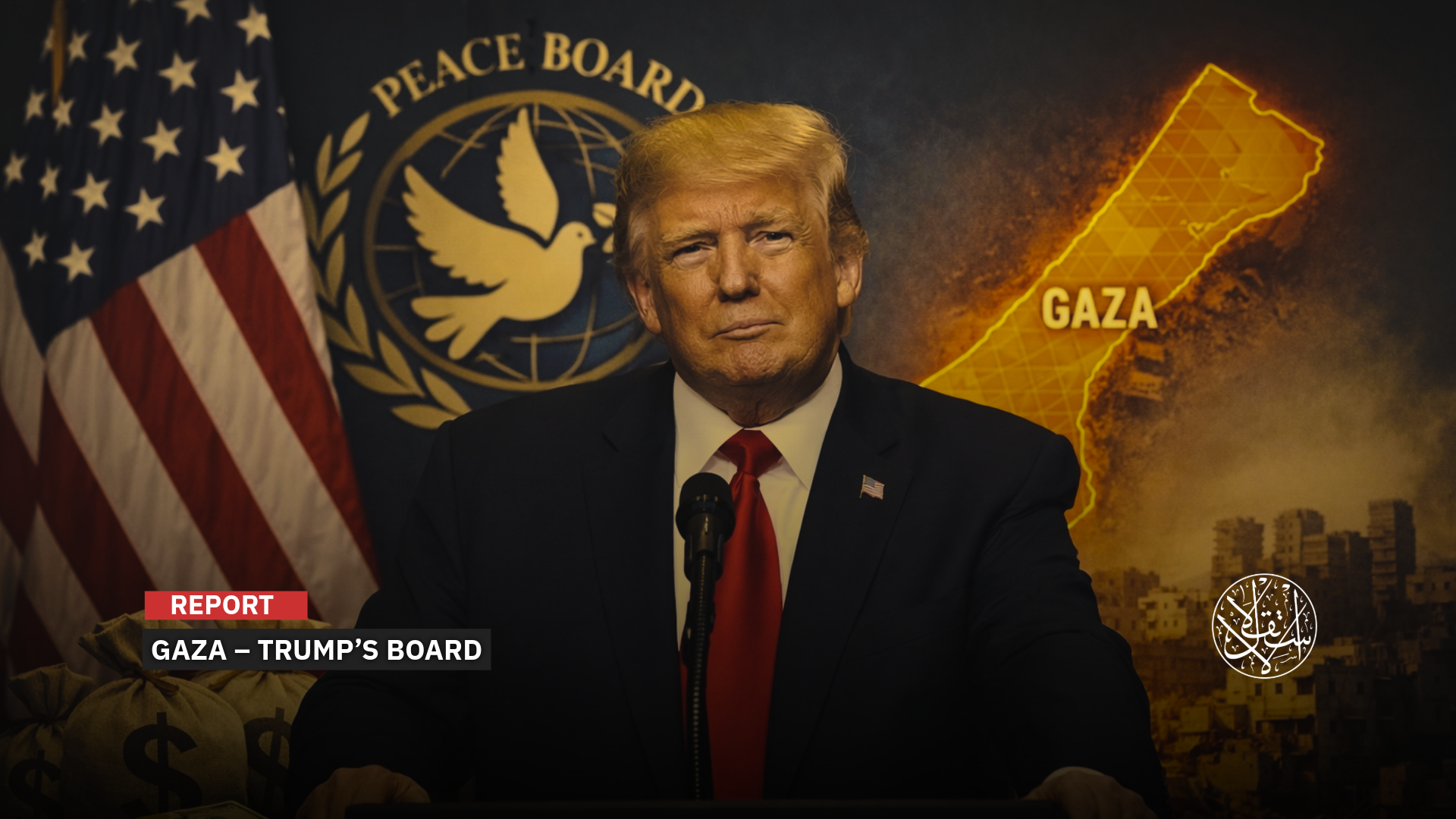
“The Board of Peace's mandate was only authorised by the UN Security Council through 2027.”
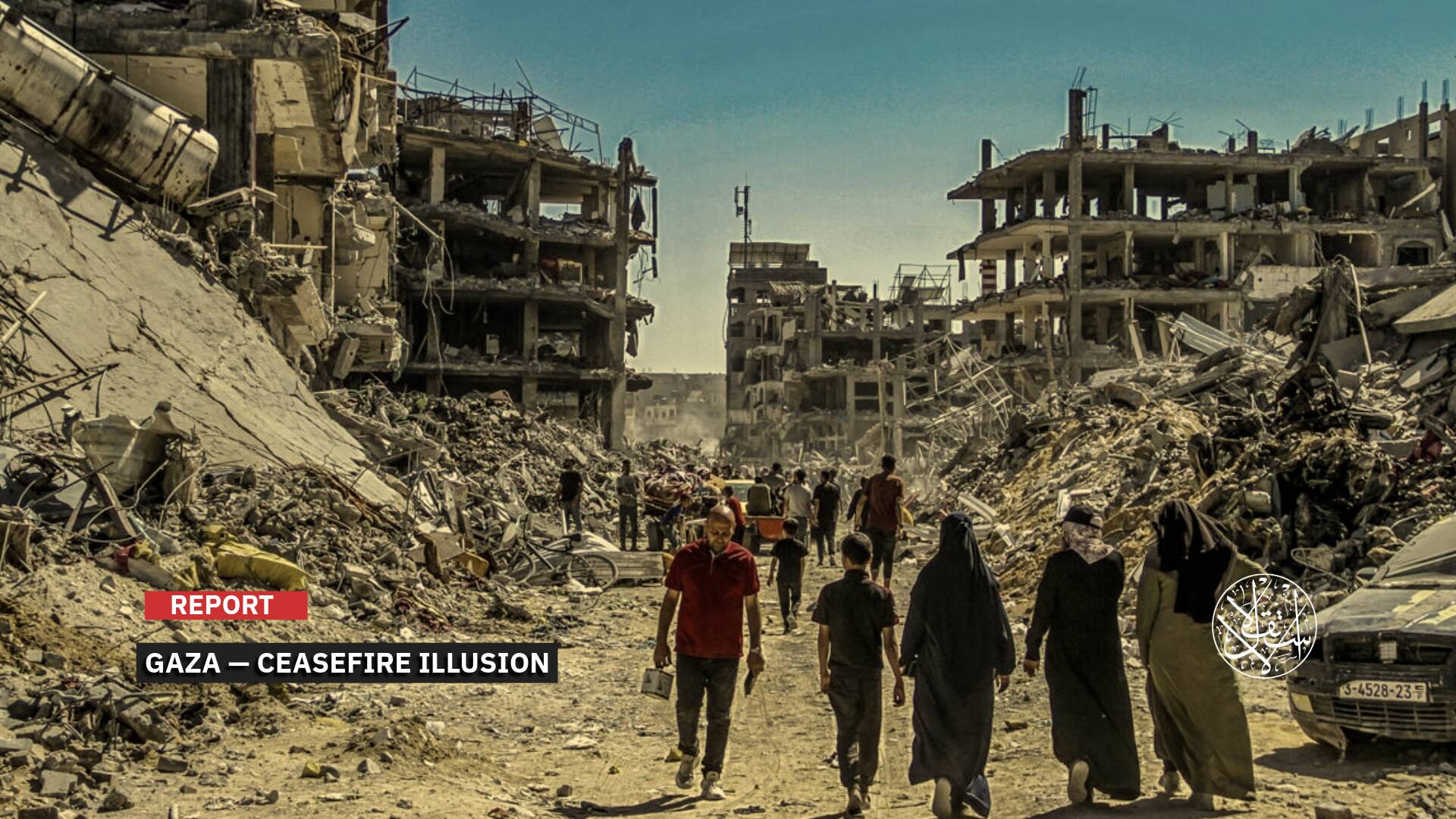
US President Donald Trump's announcement of the launch of the Board of Peace has sparked widespread controversy in political and diplomatic circles, amid questions about the Board's powers and whether it will be limited to managing the post-war phase in the Gaza Strip or will form the nucleus of a new international framework.
Although Gaza is the starting point, the US administration makes no secret of the fact that the Board will not be geographically confined to the Strip.
Officials have confirmed that the Board of Peace is an expandable model that could be used later in other international conflicts and crises.
Trump proposed that membership in the Board be paid, with a contribution of up to $1 billion over three years, a move that observers believe will set a dangerous precedent in the global order.
Analysts believe that this plan reflects a fundamental shift in the concept of peace, moving it from a framework of legitimacy and international law to one of profit and deals.
They stated that Trump is leading a new approach that could open the door to the privatization of peace.
Countries considering invitations to join the Board might see it as a way to bolster their influence on the world stage and gain Trump’s favor, but others see it as a power grab.
Trump’s Board
US President Donald Trump has long been a vocal critic of the UN Security Council, arguing that the organization is not living up to its full potential.
Now he appears to be trying to create his own Board of Peace, which would extend beyond managing Gaza to become a globally expandable international platform at the expense of the United Nations.
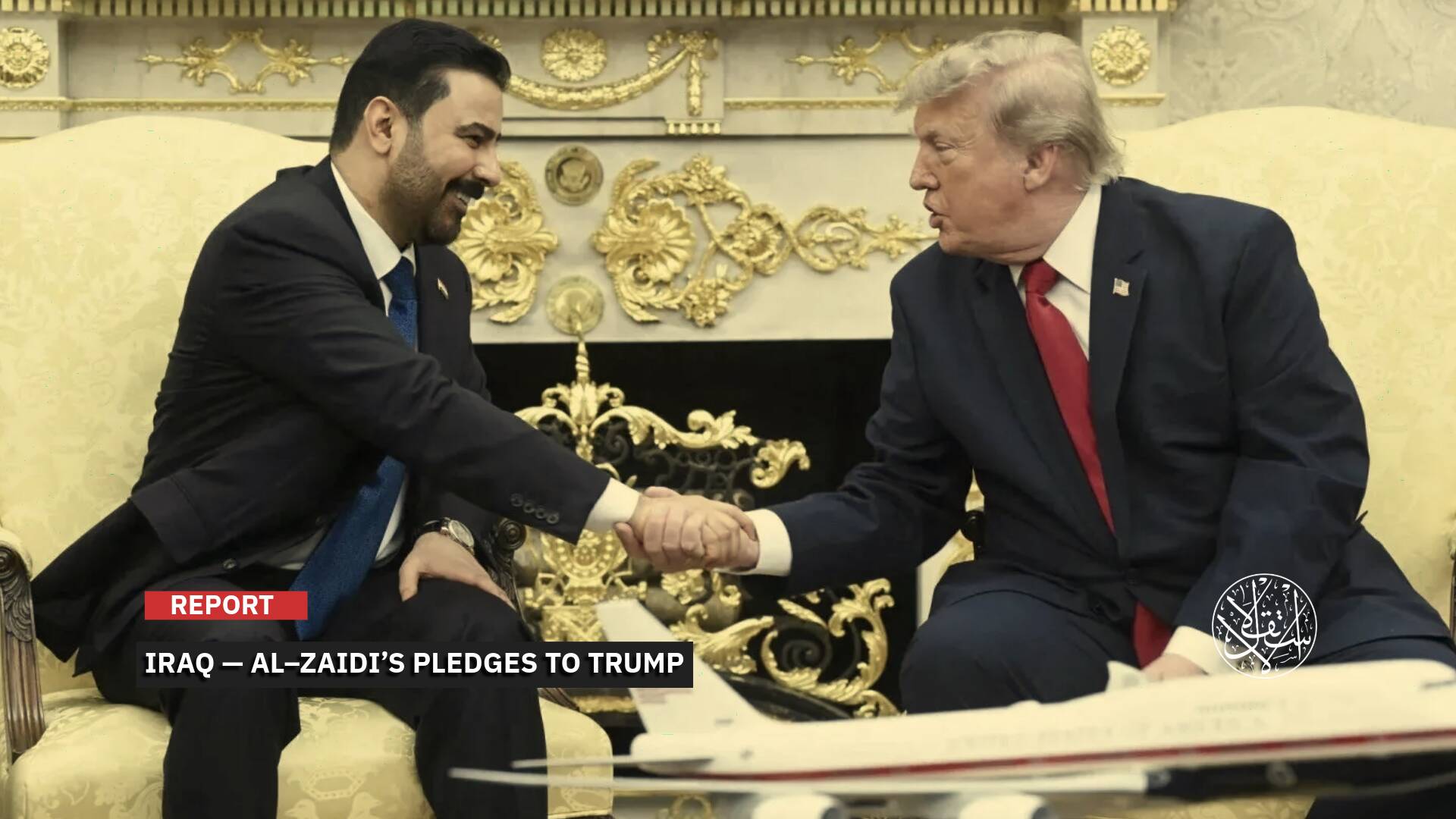
In letters sent on January 16 to world leaders inviting them to be founding members, Trump said the Board of Peace would embark on a bold new approach to resolving global conflict.
The Board of Peace project emerged in the context of the ceasefire agreement in the Gaza Strip, part of Trump’s plan that received Security Council endorsement in November 2025.
Although the Council’s resolution is limited to Gaza and expires at the end of 2027, Trump, through his Board of Peace, seeks to build a parallel structure to traditional international efforts to resolve conflicts that extend beyond Gaza.
The Board's charter defines it as an international organization whose goal is to promote stability, restore credible governance, and achieve lasting peace in conflict zones or areas threatened by conflict, while adhering to international law and developing applicable best practices.
According to the charter, Trump will assume the first presidency of the Board. He will also have the authority to decide who is invited to join the Board, whose decisions are made by majority vote, with each member state having one vote. However, all decisions remain subject to the President's approval.
The term of membership for each state is limited to three years from the date the charter enters into force and is renewable by Trump.
The three-year term does not apply to member states that contribute more than $1 billion in cash to the Board during the first year.
The charter grants Trump the power to dismiss any member of the Board, subject to a two-thirds majority veto by the member states.
It also grants him the exclusive authority to establish, amend, or dissolve subsidiary bodies as necessary.
The charter stipulates that the president may only be replaced in the event of voluntary resignation or incapacity, with the unanimous approval of the Executive Board.
The Executive Board is selected by the president, and its members serve two-year terms, subject to dismissal or renewal by his decision.
Western Concerns
On the European side, doubts and reservations prevail regarding the initiative, while European Union officials confirmed that they are carefully studying the issue of joining.
They indicated that European countries will not rush to join unless the Board's place within the existing international order is clarified and it is not intended to replace current institutions.
The office of French President Emmanuel Macron announced that Paris refuses to participate in the Board, justifying this with concerns regarding the Board's powers and its role in Gaza, and the potential repercussions for the United Nations framework.
European diplomats also pointed to the absence of any reference to the UN Charter in the Board's documents, deepening concerns about the erosion of the foundations of international cooperation.
As for Britain, Prime Minister Keir Starmer said his country supports the steps being taken across the Middle East, explaining that the UK is discussing this with its allies, particularly the conditions surrounding the establishment of the Board.
Meanwhile, AFP quoted a Canadian government source as saying that Ottawa will not pay to join the Board, after Prime Minister Mark Carney had hinted that he would accept an invitation from the US president.
Another obstacle relates to international balances. Trump's invitations included some 60 countries worldwide, among them Western and Arab allies, as well as countries like India, Pakistan, and even Russia, in an attempt to garner broad global support.
However, Russia's invitation, for example, was met with implicit European reservations due to a lack of trust in Putin, although Europeans clarified that his presence was not their primary objection.
Similarly, it is expected that China and other countries will not support any alternative structure that might diminish their influence at the United Nations.
There is also sensitivity among smaller countries regarding replacing the United Nations, as they view the international organization as a platform that has guaranteed them a voice in international decisions since the end of World War II.
Furthermore, the attempt to expand the Board of Peace could be used as a bargaining chip between international powers, turning the Board into an arena for power struggles rather than a tool for conflict resolution.
There is an additional obstacle related to Israel’s position, which objected to the inclusion of Turkiye and Qatar on the executive Board tasked with Gaza, arguing that it contradicts its policy and was not coordinated with it beforehand.
Furthermore, far-right ministers in Netanyahu’s coalition expressed their rejection of any international oversight, or any formula that could be interpreted as restricting the Israeli army’s freedom of action in the Gaza Strip.
“Countries that supported Hamas cannot replace it,” wrote the far-right Israeli Finance Minister Bezalel Smotrich in a post on X.
“The prime minister must adhere to this position, even if it requires managing a dispute with our great ally and President Trump’s envoys,” he added.
In contrast, Argentine President Javier Milei confirmed that he would become a founding member of the Board, while Italian Prime Minister Giorgia Meloni expressed her willingness to play her part as a mediator.
Hungary, Vietnam, Kazakhstan, Armenia, Belarus, and Morocco also announced their acceptance of Trump’s invitation, sent last weekend to world leaders, to become founding members of the Board.

Controversial Appointments
In addition to the Board of Peace, Trump’s plan consists of two main bodies: the Founding Executive Board, which comprises seven key members (mostly American), and the Gaza Executive Board, which includes international partners.
Regarding the Founding Executive Board, given its role as the de facto financial and diplomatic engine of the plan, Trump appointed a select group of his close associates to it.
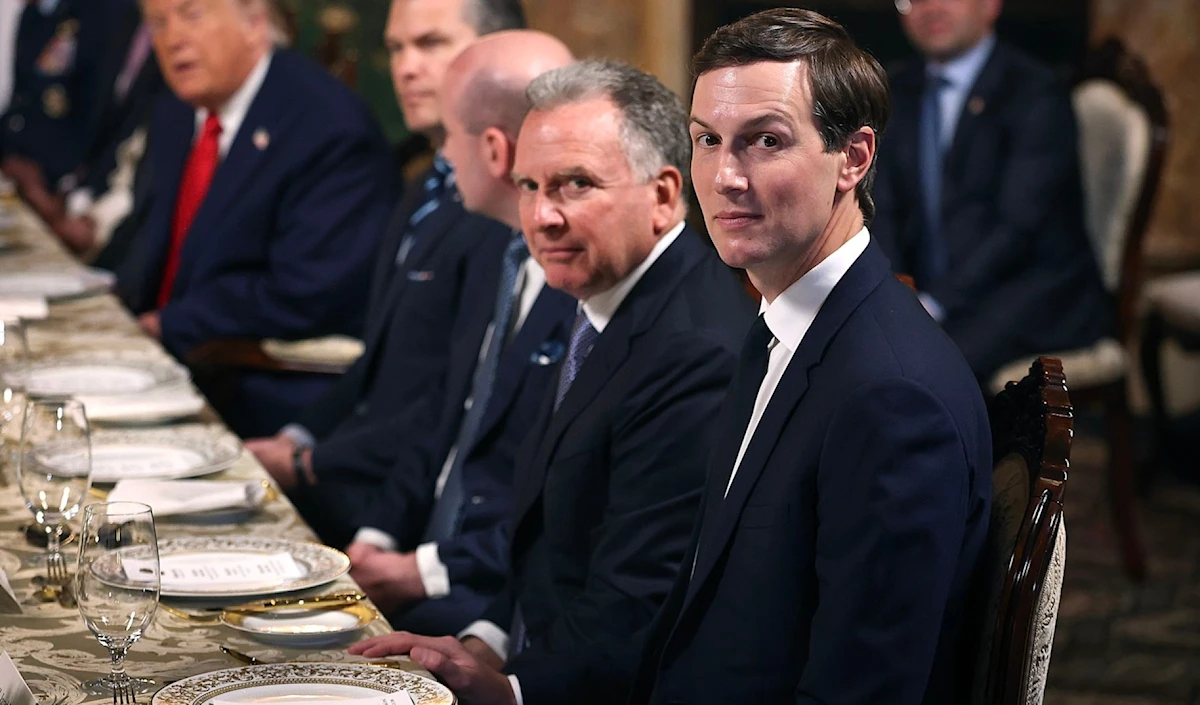
The Founding Executive Board’s members include U.S. Secretary of State Marco Rubio, Trump envoy Steve Witkoff, Trump’s son-in-law Jared Kushner, former British Prime Minister Tony Blair, World Bank President Ajay Banga, American Billionaire Marc Rowan, and Trump’s deputy national security adviser Robert Gabriel, along with Israeli business owner and billionaire Yakir Gabbay.
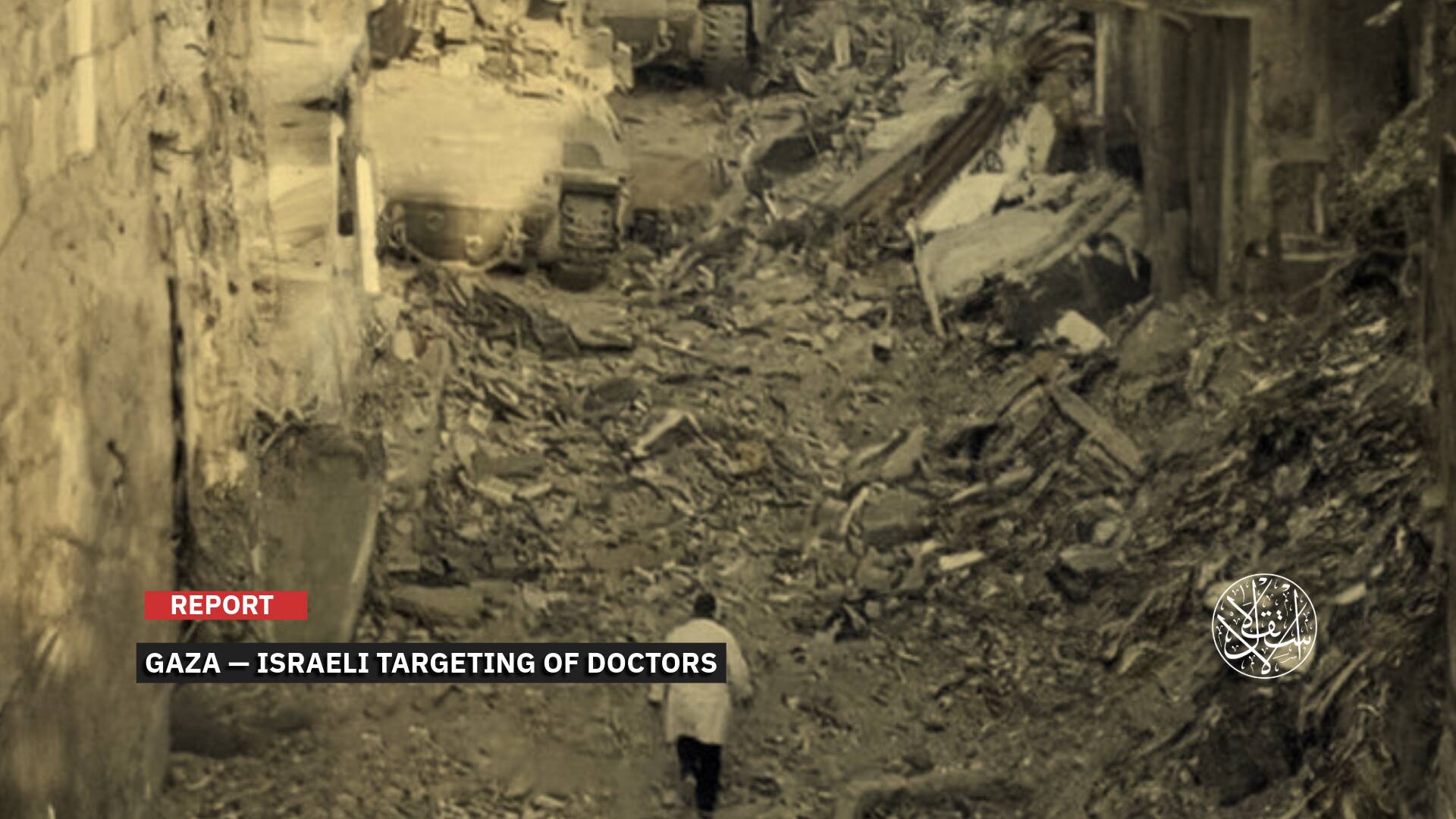
The creation of the Gaza Executive Board was also recently announced. The White House explained that it aims to promote good governance and provide quality services that support peace, stability, and prosperity for the people of Gaza.
The Board includes members of the founding executive council - Witkoff, Kushner, Blair and Rowan - in addition to Turkish Foreign Minister Hakan Fidan, UAE Minister of State for International Cooperation Reem Al-Hashimy, Qatari diplomat Ali Al-Thawadi, Egyptian intelligence chief Hassan Rashad, former UN envoy to the Middle East Nickolay Mladenov, Israeli-Cypriot businessman Yakir Gabay, and Dutch politician Sigrid Kaag.
Among these names, Gabay appears to be the most controversial, especially as he is the only Israeli member and a prominent real estate and investment magnate in Europe, with an estimated net worth of over four billion dollars.
Trump also appointed Aryeh Lightstone and Josh Gruenbaum as senior advisors to the Board of Peace, tasked with leading its day-to-day operations and strategic planning.
Lightstone has a history of ties to pro-Israel settlement circles and led the establishment and planning of the Gaza Humanitarian Foundation (GHF), which has been accused of contributing to massacres of Palestinian civilians.
Gruenbaum was involved in developing a plan to transform Gaza into the Riviera of the Middle East.
Political analyst Ismail Maslamani told Al-Estiklal that Trump's Board represents a form of mandate and trusteeship over the Palestinian people.
He warned that the inherent danger in Trump's plan lies in transforming Palestinians from a people with a cause and national rights into a population whose affairs are managed through international frameworks subject to American and Israeli hegemony.
He pointed out that the proposed broad powers reflect Trump's efforts to reshape the international order for managing conflicts, moving away from traditional UN frameworks, but this raises serious concerns about the legitimacy and genuine representation of the affected peoples.
It is worth noting that Trump had withdrawn the United States from 31 UN agencies and bodies earlier this month, claiming they were operating in ways that conflicted with US national interests.
He pointed out that the US appointments to the bodies overseeing Gaza align with the Israeli vision and serve its interests, especially since the majority of those members are non-Palestinian, and many are known for their close ties to “Israel”.
He emphasized that any framework for governance or reconstruction in Gaza must be based on the will of the Palestinians and the principles of international law, not on top-down arrangements imposed from the outside, regardless of any slogans of peace and stability.