Border States in the Crossfire: Why Iran Targeted the Gulf but Spared Turkiye, Azerbaijan, and Armenia
“Israel has successfully stirred discord between Shia and Sunni communities, turning Iran into an unwitting tool.”
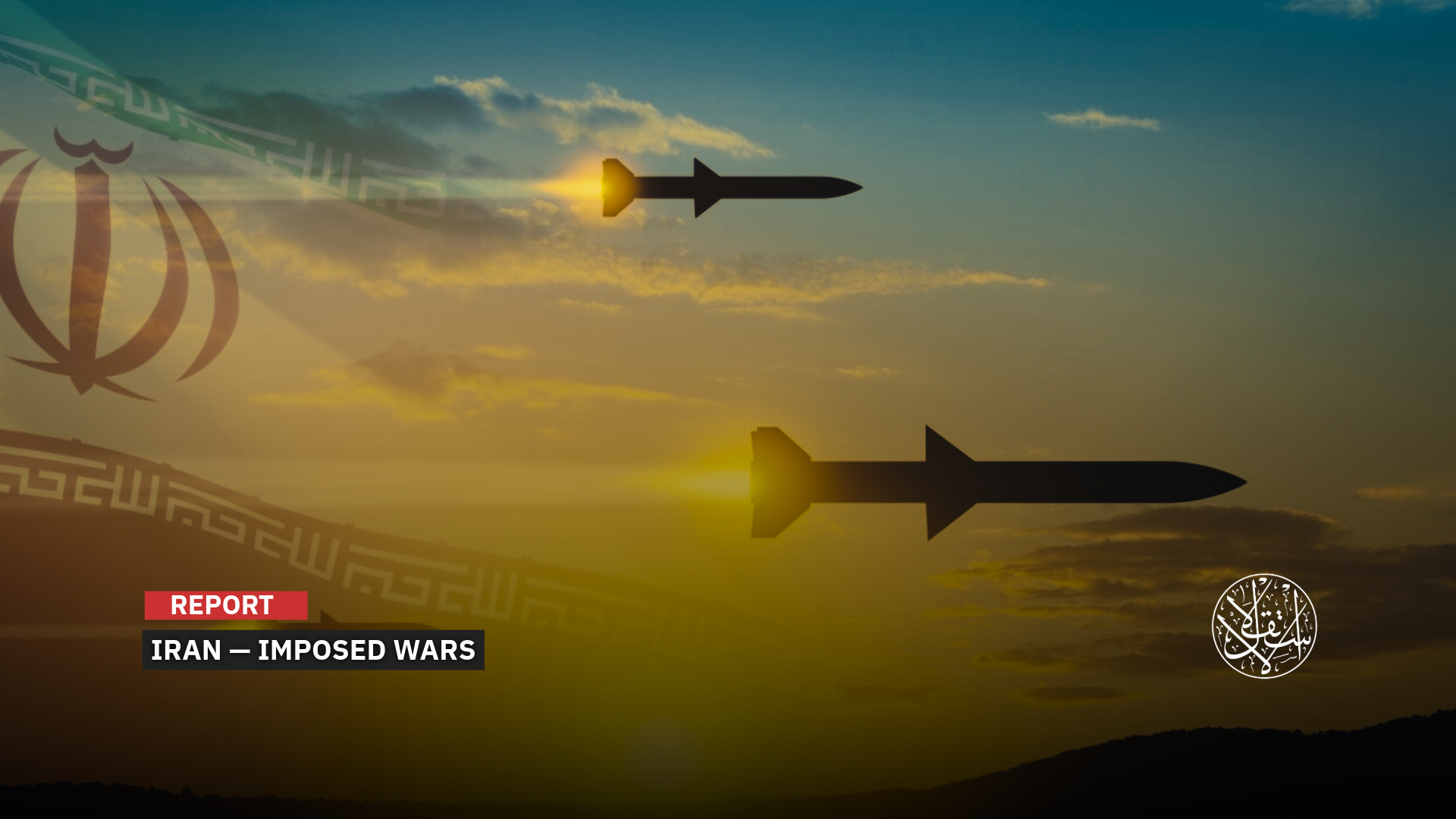
Amid a wave of Israeli-American strikes on Iran, Tehran retaliated by targeting Gulf states—citing the presence of U.S. military bases—and also launched attacks on occupied Palestinian territories, raising questions about why countries like Turkiye, Azerbaijan, and Armenia, which host similar bases, were left untouched.
On 28 February 2026, the Israeli Occupation and the United States launched sudden airstrikes on Tehran that killed Iran’s Supreme Leader Ali Khamenei, National Security Council Secretary Ali Shamkhani, Revolutionary Guard Commander Mohammad Pakpour, Chief of Staff Abdolrahim Mousavi, and Defense Minister Brigadier General Aziz Nasirzadeh.
Target Map
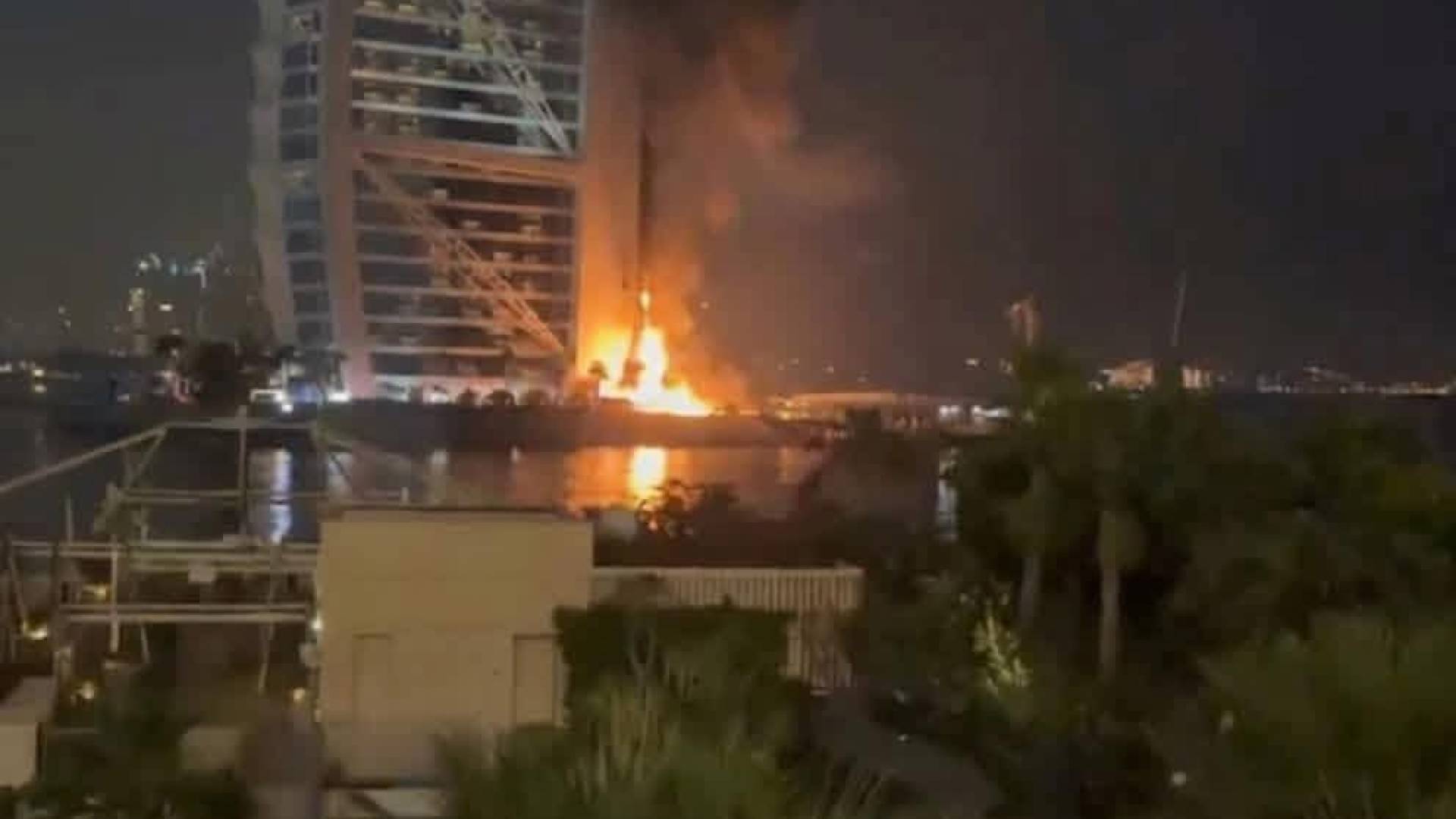
In an unprecedented regional escalation, Iran widened its military response to strike multiple Gulf and Middle Eastern countries, targeting bases hosting U.S. forces with ballistic missiles and drones while also hitting key infrastructure, including airports, ports, and some civilian towers.
In Bahrain, Iranian missiles targeted the area around the U.S. Fifth Fleet headquarters in Juffair, Washington’s main naval command in the Gulf and a central hub for American maritime operations in the region.
In Qatar, explosions shook the skies over Doha as Iranian missiles were intercepted by air defense systems. The city hosts al-Udeid Air Base, the largest U.S. military facility in the Middle East.
Kuwait saw strikes on Ali al-Salem Air Base and other military installations linked to U.S. logistical support, with some missiles successfully intercepted.
The United Arab Emirates was hit by ballistic missiles in the same wave, though its air defenses reportedly neutralized several of them. Saudi Arabia also faced Iranian missile attacks across Riyadh and the Eastern Province, with authorities reporting successful interceptions by its air defense systems.
In Iraq, debris from two rockets fell in Basra, injuring three, while drones struck two military sites in Basra and Dhi Qar, leaving one soldier wounded. Jordan intercepted missiles in its airspace, with reports of targeted military installations used by U.S. forces.
Iranian strikes also hit airports and ports in the UAE, Bahrain, Kuwait, and Oman, killing one person and wounding more than 20, alongside limited material damage. Airspace closures and flight suspensions were implemented as a precaution.
Responding on social media on March 1, Ali Larijani, secretary of Iran’s Supreme National Security Council, wrote, “We are not attacking the countries of the region. But when bases on your soil are used against us and serve as launch points for U.S. operations, those bases become our targets. They are American soil, not yours.”
‘Israel’s Unwitting Tool’
While Iran’s strikes so far have targeted the Gulf states and the occupied Palestinian territories—with the exception of a British base in Cyprus—it has avoided hitting U.S. military facilities in Turkiye, Azerbaijan, and Armenia, even though all three are close to Iran and host Western military arrangements.
Ali al-Hail, a political science professor at Qatar University, suggested that this restraint “could reflect undisclosed understandings between Tehran and Ankara, Baku, and Yerevan not to carry out direct strikes.”
He added that “Israel has successfully stirred discord between Shia and Sunni communities, turning Iran into an unwitting tool,” and suggested that Tehran squandered an opportunity to win the support of Gulf populations and governments by widening the scope of its attacks.
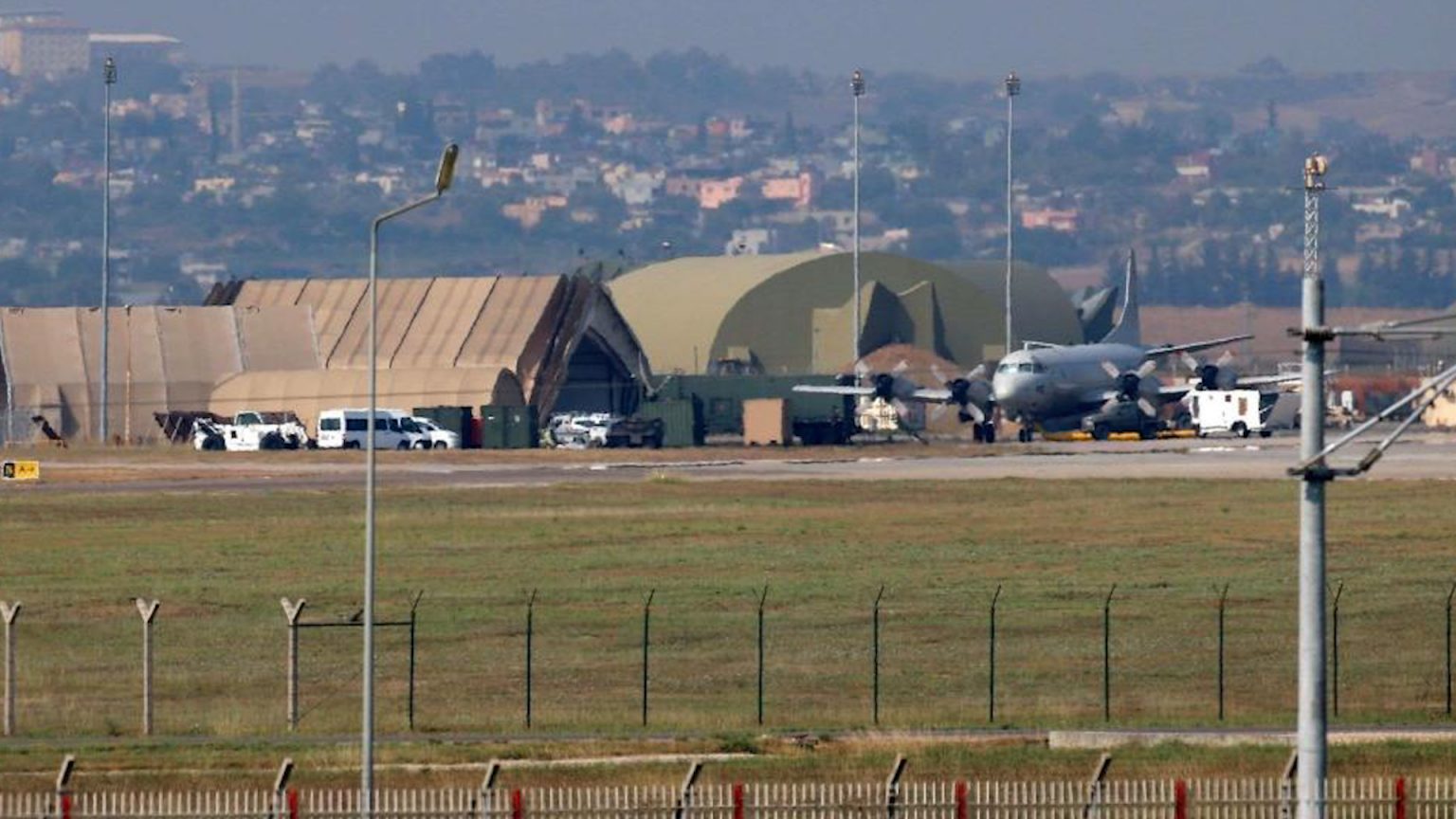
Amid debates over the exclusion of these neighboring states, a video claiming to show an Iranian strike on the U.S. Incirlik Air Base in Turkiye circulated on social media on 2 March, underscoring rising regional tensions.
However, Turkiye’s Disinformation Combat Center (DMM) dismissed these claims, stating on X that there are no foreign military bases in Turkiye, and all its territory, airspace, and military facilities are under full Turkish sovereignty.
The statement emphasized that no attack has occurred on the country and described attempts to portray Turkiye as a party in regional conflicts as “a clear act of disinformation,” urging the public to rely solely on official statements and ignore unverified claims.
High Risks
Experts warn that expanding strikes to target a NATO member like Turkiye would carry major strategic risks for Iran, according to Agence France-Presse (AFP) on March 2, 2026.
Iranian officials had voiced caution over escalating against Turkiye, which recently detained three journalists filmed near Incirlik Air Base in the wake of Tehran’s strikes, citing “threats to national security,” according to AFP.
Arif Keskin, an expert on Iranian affairs at Ankara University, said any direct Iranian strike on Turkiye would be far riskier than the Gulf operations, potentially triggering a costly strategic confrontation.
He explained that targeting a NATO member could activate collective defense mechanisms, sharply raising military stakes and potentially pushing the conflict out of Tehran’s control, while also limiting its diplomatic maneuvering.
Turkiye is a key diplomatic player in managing regional crises, and any direct military escalation could drive Ankara into an opposing camp, given its geostrategic position and regional influence, according to Keskin.
On the other hand, journalist and political analyst Abdel Bari Atwan argued that Iran’s strikes targeted U.S. bases in multiple countries, including areas beyond the Arab world, suggesting that the attacks could expand further in the future.
On March 1, Turkish President Recep Tayyip Erdogan voiced concern over the Israeli-American aggression on Iran while condemning Tehran’s retaliatory attacks and promising to intensify diplomatic efforts to bring all sides back to the negotiating table.
Sources
- Iran Strikes U.S. Sites in Seven Arab Countries [Arabic]
- Why Condemn the Strikes on U.S. Bases in the Gulf While Ignoring the American-Israeli Attack on Iran? Here Is Our Response [Arabic]
- What’s Behind the Video Claiming an Iranian Attack on a U.S. Base in Turkiye? [Arabic]
- Map of the Countries Targeted by Iran After the U.S.-Israeli Attacks [Arabic]
- Analysts Say Iran Unlikely to Launch High-Cost Strikes on U.S. Interests in Turkiye [Arabic]