Frontlines Intensify as Leadership Shifts: What’s Unfolding Inside the Sudanese Army’s War Room?
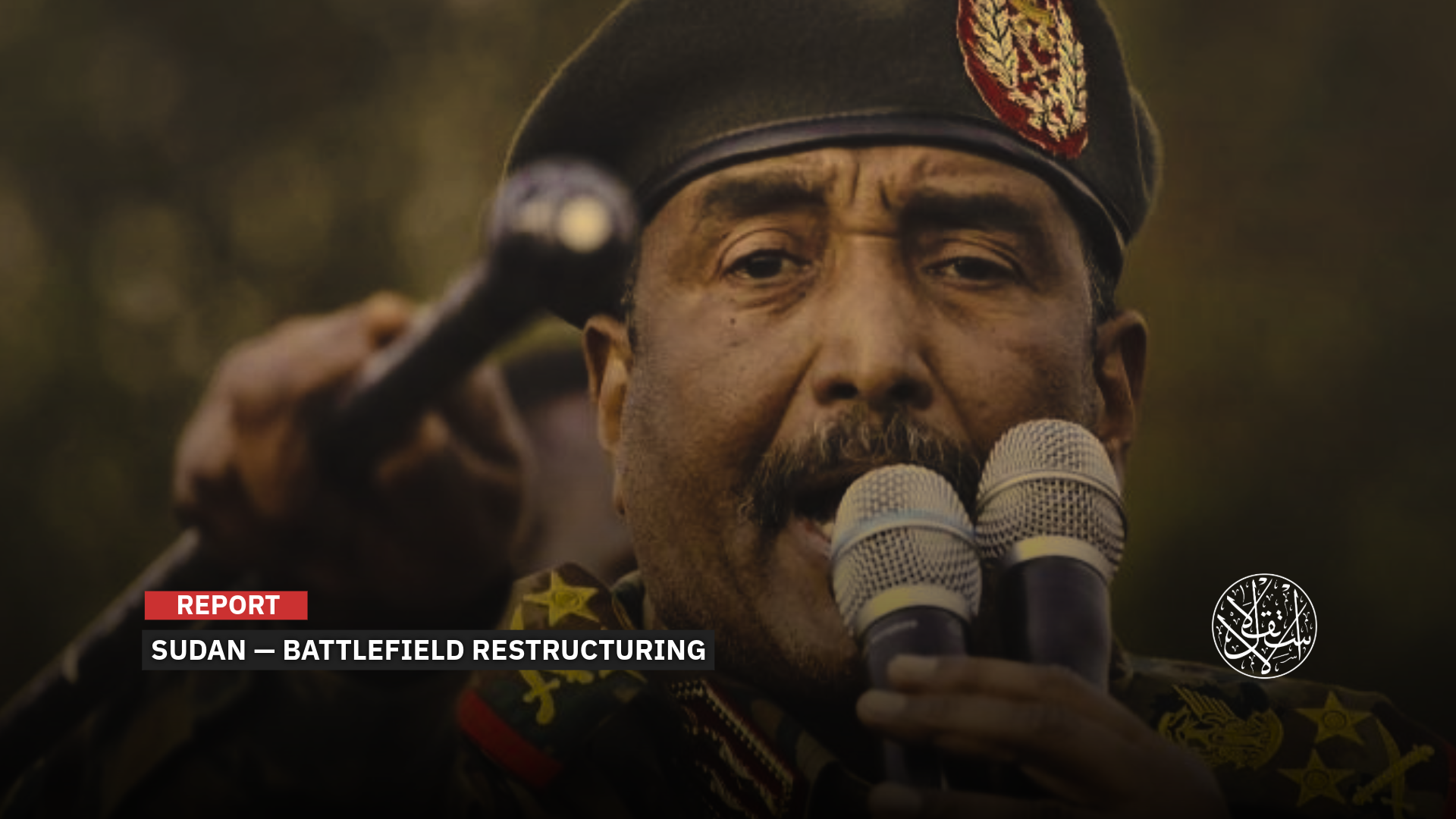
The decisions suggest a restructuring of the war room rather than just individual promotions.
In a surprising move that shakes the Sudanese military institution, Army Commander General Abdel Fattah al-Burhan has carried out a series of sweeping changes in the army’s leadership, marking the largest restructuring since the outbreak of the war.
These shifts come at a time when clashes are intensifying in Blue Nile and South Kordofan, amid efforts by the army to consolidate its gains on the ground and cut supply lines to the Rapid Support Forces militia.
The move is seen as a strong message from the top of the military leadership to both domestic and international audiences alike.
Rebuilding a War Command Structure
The appointment moves made by Sudanese Armed Forces Commander-in-Chief Abdel Fattah al-Burhan indicate that the military institution is shifting toward a more centralized and faster-paced war command structure.
The transfer of Yasser al-Atta from his previous political and military role to the position of Chief of Staff gives him greater control over the armed forces while reducing his political role, according to Reuters.
This places the appointment within the scope of operational management rather than mere rhetoric or mobilization.
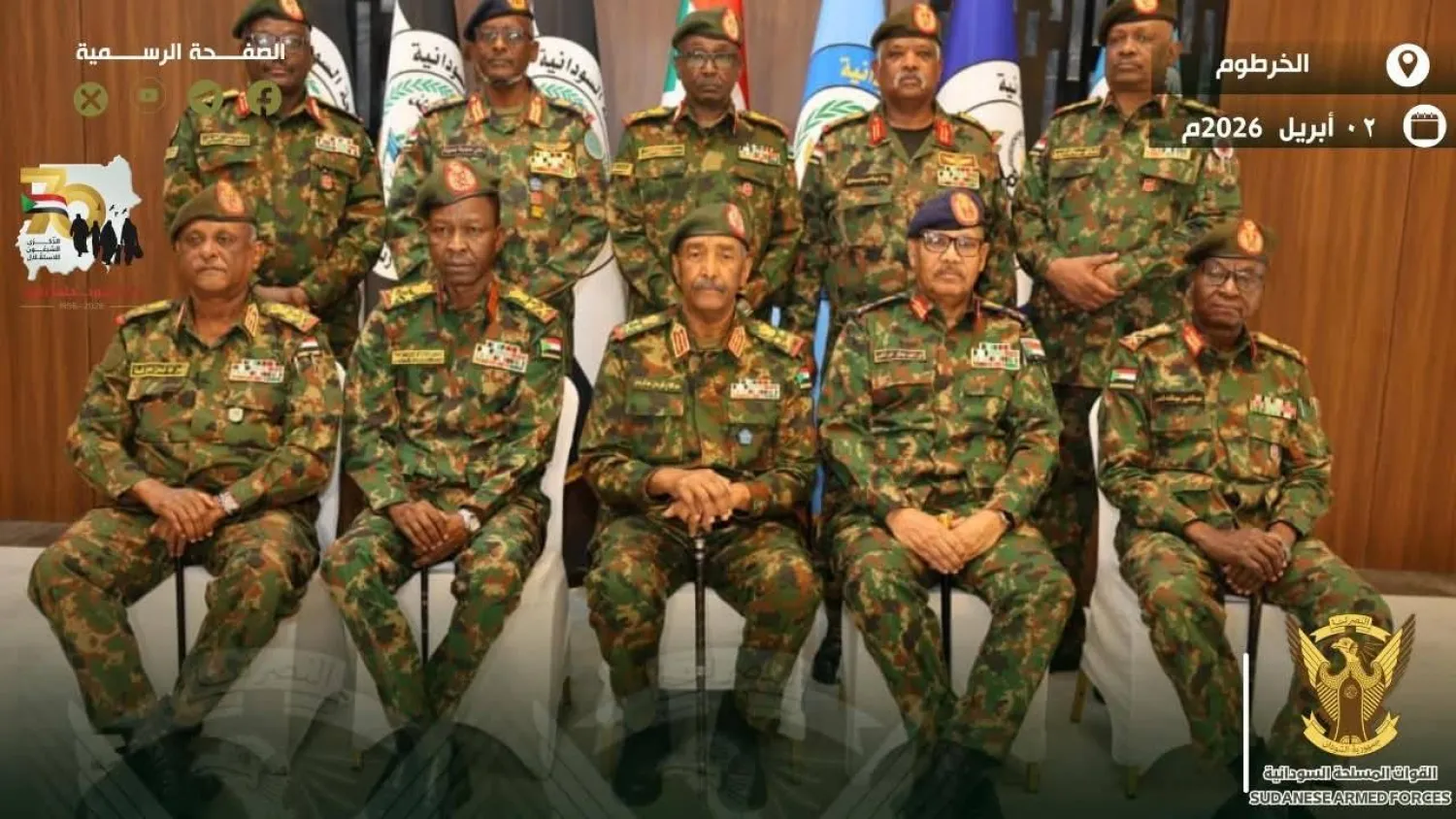
The changes did not stop at individuals; they also included a full reshaping of the command structure: Abdel-Khair Abdullah Nasser Darjam was appointed Deputy for Administration, Moatasem Abbas al-Toum Deputy for Operations, Haider Ali al-Tarifi Deputy for Training, and Khalafallah Abdullah Idris Deputy for Supply.
Sudan Tribune described this as a rebuilding of the war room rather than simple individual promotions.
This redistribution of authority comes at a time when the war in Sudan is no longer being decided solely by control of major cities, but by the army’s ability to manage dispersed frontlines, deal with drones, protect supply routes, and rapidly move reinforcements.
Reuters also linked this appointment directly to the possibility of opening a new front in southeastern Blue Nile, making the decision a practical declaration that the army is preparing for a more complex, multi-front conflict rather than a symbolic battle in the capital.
On the ground, the most significant military signals are coming from South Kordofan and Blue Nile, where the Sudanese army succeeded on April 6, 2026, in reopening the road linking Dilling in South Kordofan with its northern parts, following intense battles with the Rapid Support Forces militia–Popular Movement North alliance.
This achievement is not merely a tactical advance; it is tied to a vital logistical corridor that connects besieged towns to the army’s depth in the north, strengthening the forces’ ability to move reinforcements and supplies.
This development is part of an ongoing effort that began in early January 2026 to break the siege on major cities through difficult terrain routes, making the April 6 operation a further step in the army’s strategy to secure key supply corridors.
Earlier, on March 28, the army repelled a coordinated attack launched by the Rapid Support Forces militia and the Popular Movement North against Dilling, supported by drone strikes and heavy artillery targeting health centers, schools, and markets.
Although the attackers briefly seized control of the al-Takma area, about seven kilometers east of Dilling, the army reopened the road on April 6 and regained control of the vital routes.
This sequence of events reflects that battles are not only about who controls a town, but who has the ability to sustain the war itself, confirming that control over roads and supply lines has become a decisive factor in Sudan’s military calculations.
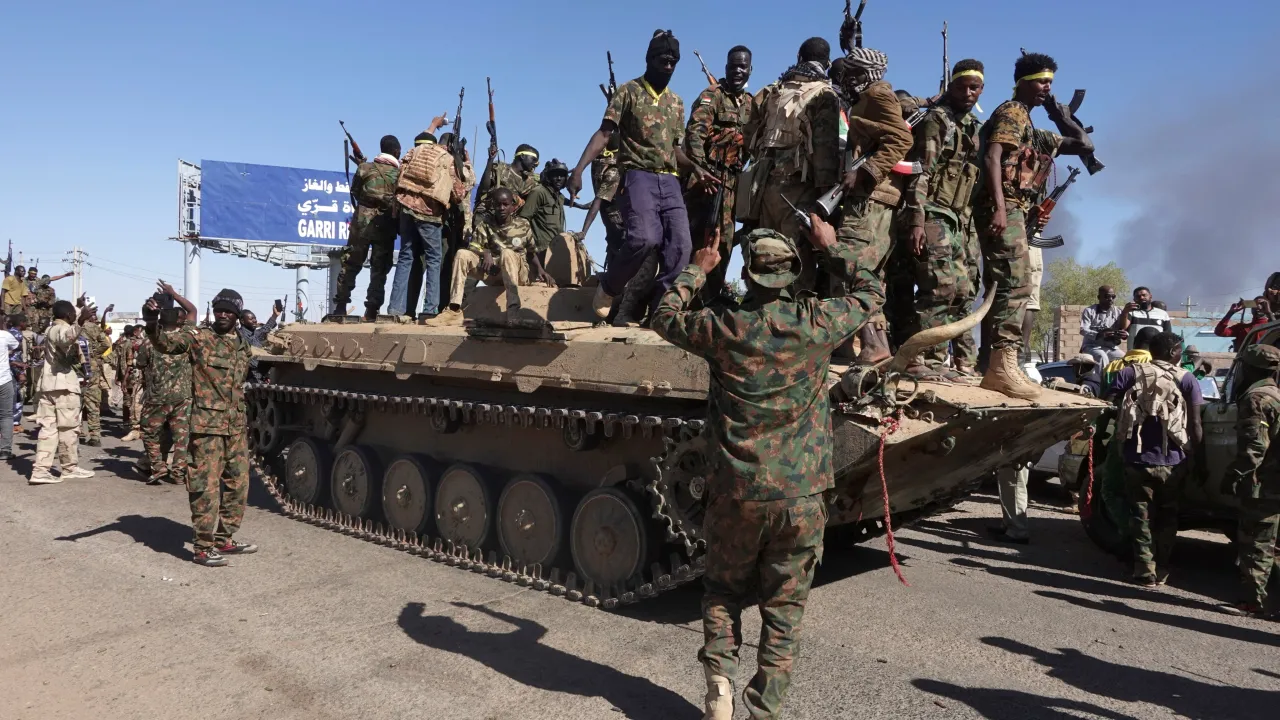
The Axis of Transformations
In Blue Nile, the picture is even clearer regarding the motivations behind the leadership reshuffle. By April 1, 2026, more than 10,000 displaced people from the Qissan area on the Ethiopian border had arrived in Roseires and Damazin, amid mobilization movements by the Rapid Support Forces militia and the Popular Movement North that threatened the region.
Days earlier, the rebel alliance expanded its operations after taking control of Kurmuk, placing Qissan under direct threat and posing risks to Damazin and the Roseires Dam. On March 29, the army announced it had repelled an attack on al-Kili area, days after the fall of Kurmuk.
These developments make the southeastern front more than just a secondary theater; they have forced a real reordering of priorities within the army.
This is where the significance of the new leadership appointments becomes clearer: the army is not facing a uniformly retreating enemy across all fronts, but rather one attempting to offset pressure in Darfur and Kordofan by opening a new front in Blue Nile and advancing with local allies.
Reuters revealed on April 2 that this new front was part of the strategic context that gave the leadership changes their practical meaning, while an investigation published by the agency on February 10, 2026, showed that a secret camp in Ethiopia’s Benishangul-Gumuz region was training thousands of fighters for the Rapid Support Forces militia, with hundreds crossing the border to reinforce the frontlines.
This makes Blue Nile a hub of manpower logistics rather than just a localized incursion.
In Darfur, the most sensitive focus relates to the army’s ability to strike at the core of the Rapid Support Forces militia’ supply chains.
Available data up to April 7 suggests that supply routes through Libya have not fully collapsed but are under significant pressure and tied to complex regional calculations.
Reports from the U.S. Council on Foreign Relations on April 27, 2025, indicated that the Libyan corridor had become a key logistical artery, while the Chadian route has come under greater strain after Chad closed its eastern border on February 23, 2026, and deployed additional forces following a drone attack that killed 17 people.
These developments make the Chadian route less stable and more dangerous, which aligns with the army’s strategy of weakening the Rapid Support Forces militia logistically and tightening pressure across multiple fronts.
The Most Pivotal Shift
The Sudanese political figure Dr. Ibrahim Abdel-Ati told Al-Estiklal that what is happening inside the Sudanese army’s war room represents the most significant shift in the trajectory of the conflict at this stage.
Abdel-Ati explained that “the change in top leadership and the General Staff, including the appointment of Yasser al-Atta, is not merely an administrative step, but a reorganization of the military decision-making center, aimed at reducing decision-making time and improving coordination between fronts.”
He noted that this shift is occurring for the first time in parallel with field movements targeting supply routes, reflecting the army’s transition from merely managing the war to actively reshaping it through a genuine strategy for directing the battlefield.
He added that “what is happening is based on the convergence of three main tracks: rebuilding leadership, securing vital roads in Kordofan, and pressuring supply lines coming from Chad, alongside escalating operations in Darfur and Blue Nile.”
However, he stressed that this phase does not yet mean a decisive victory, explaining that “some supply routes, especially through Libya, are still active, and the Blue Nile front remains open to human and military reinforcements, giving the Rapid Support Forces [militia] room for maneuver.”
“The army has indeed begun targeting the Rapid Support Forces [militia]’ weak points, but turning this progress into a final resolution depends on its ability to sustain the strangulation of supply lines and prevent the enemy from rebuilding its capabilities across peripheral fronts,” Abdel-Ati concluded.
Sources
- Al-Burhan Abolishes the Position of Deputy Commander-in-Chief and Appoints Kabashi as His Assistant in Major Military Reshuffle [Arabic]
- Sudan Appoints Yassir Al-Atta as Armed Forces Chief of Staff
- Paramilitary Forces in Sudan Kill at Least 10 People in Hospital Drone Attack, Medical Group Says
- Civil War in Sudan
- Sudan Army Reopens Key Road to Dilling After Fierce Clashes