Loans, Arms and Technology: The Trio of Israeli Influence in Africa
“Israel” penetrates Africa through advanced technological and agricultural systems.
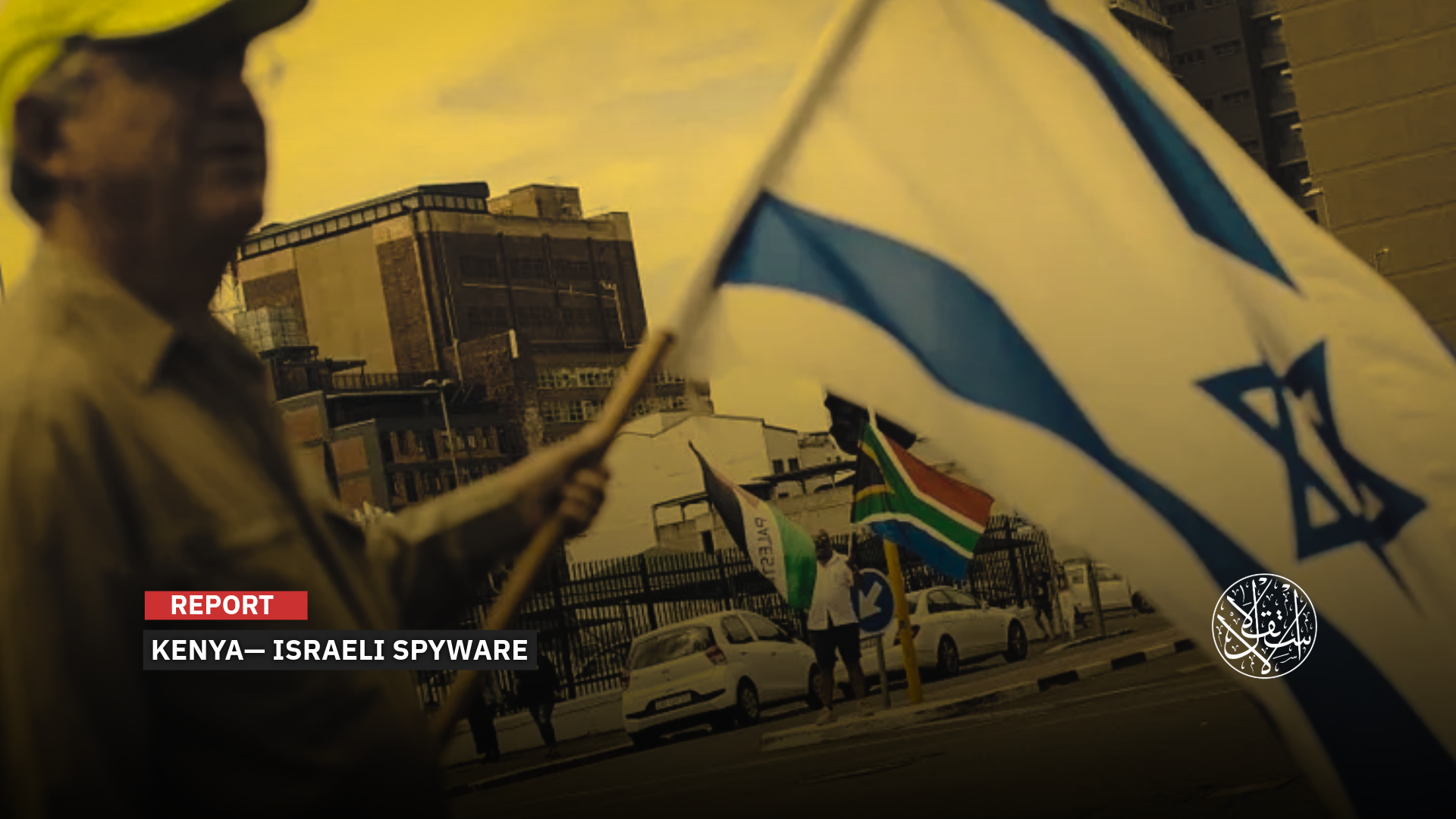
An investigation published by The Guardian in February 2026 sparked a storm of controversy in Kenya after it revealed that authorities used hacking tools supplied by the Israeli company Cellebrite to unlock the phone of activist and potential presidential candidate Boniface Mwangi during his detention in 2025.
The investigation relied on a technical analysis conducted by the Canada-based group Citizen Lab, which found a bundle of applications linked to Cellebrite installed on the device, strongly suggesting that police were able to extract its full contents, including messages, photographs, passwords and other sensitive data.
The development comes amid mounting reports that African governments have deployed Israeli surveillance technologies to target journalists, opposition figures and activists, reopening questions about “Israel’s” growing technological footprint on the continent and raising fresh concerns over the limits of so-called “digital forensics” tools and their drift into instruments of political surveillance.

Spyware Technology
The hacking of the Kenyan activist’s phone was not the first case in which Israeli technologies were deployed in Africa.
Similar incidents had previously been reported in countries including Nigeria, Uganda and Ethiopia, reflecting the expanding footprint of Israeli security technology companies across the continent.
In May 2024, the Angolan journalist Teixeira Candido was targeted with the Predator spyware sold by the Intellexa consortium, an alliance of companies founded by former Israeli intelligence officer Tal Dilian.
The Committee to Protect Journalists, based in New York, said Candido received a link via WhatsApp that triggered the installation of the spyware on his phone.
Less than a day later, researchers detected and removed the infection, marking the first documented case in Angola and underscoring how Israeli spyware had reached countries in southern Africa.
The committee also reported that Ghanaian authorities in 2017 acquired UFED digital extraction devices from Cellebrite through Interpol, and received additional forensic analysis equipment from the United States in 2019.
Ghanaian journalists have warned of the potential misuse of such tools to breach their privacy, particularly after reports that authorities in Nigeria used similar devices to search journalists’ phones.
In Nigeria, Reuters reported that in 2013 the Israeli company Elbit Systems signed a $40m contract to supply the country with a data analysis, intelligence and early warning platform.
Local newspapers revealed that the system enabled internet and social media monitoring, prompting widespread debate over privacy violations.
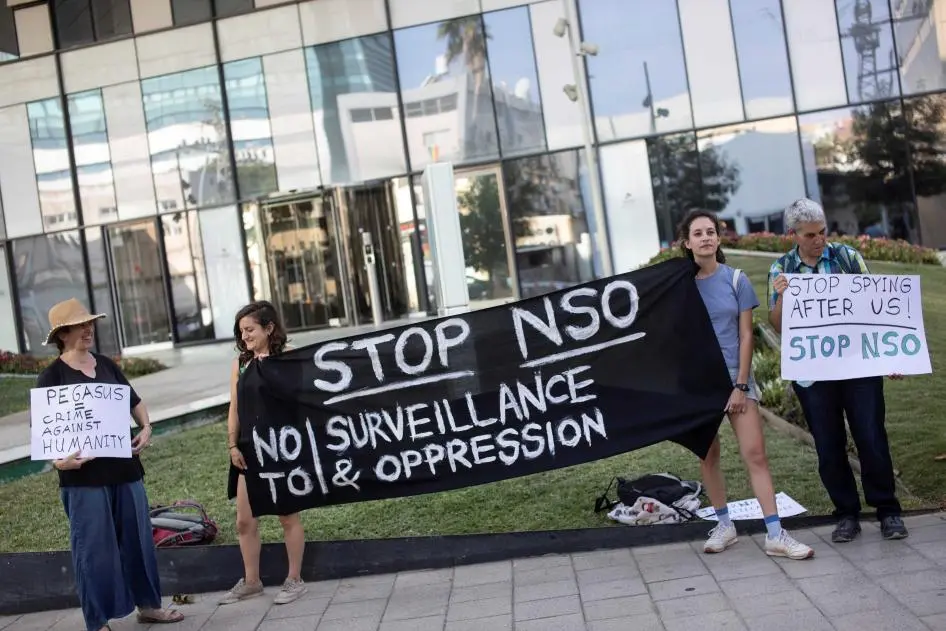
The issue did not end there. Pegasus, the spyware developed by NSO Group, has emerged as one of the world’s most powerful surveillance tools, and Africa has not been exempt from its reach.
Forbidden Stories and Amnesty International obtained a list of around 50,000 phone numbers believed to belong to individuals selected for potential surveillance by clients of the Israeli company since 2016.
Of the 14 world leaders whose numbers appeared among the potential targets, half were from Africa, including South African president Cyril Ramaphosa and Morocco’s King Mohammed VI.
In July 2021, 17 international media organizations published a sweeping investigation into the spyware, reporting that several African governments relied on Pegasus and similar tools to track “terrorists” and fight crime, but that their actual use had expanded to include journalists, opposition figures and human rights activists.
The list included the numbers of at least 180 journalists, 600 politicians, 85 human rights activists and 65 business executives, while 37 phones were confirmed to have been successfully infected or targeted with attempted infections by the Israeli group’s malware.
The investigation found that Rwanda used the software to target President Ramaphosa, opposition officials and around 3,500 activists, journalists and politicians, while Morocco deployed it to spy on Algerian and French officials.
A recent report by Citizen Lab also indicated that Cellebrite’s technologies had been sold to other African states, including Uganda, Ethiopia and Ghana.
Nigeria additionally contracted Elbit Systems to provide an internet surveillance platform, while several African countries, including Cameroon, Chad, Equatorial Guinea, Lesotho, Nigeria, Rwanda, Seychelles, South Africa and Uganda, purchased Israeli weapons and surveillance technologies between 2006 and 2010, with some of those deals continuing in subsequent years.
Taken together, these cases illustrate the widening use of Israeli surveillance and espionage technologies across the continent, along with mounting concerns about their impact on human rights, press freedom and digital privacy.
Israeli Influence
“Israel” is seeking to expand its presence in Africa through advanced security systems and agricultural and irrigation technologies, in a trajectory that combines economic, political and security interests.
The South African newspaper Mail & Guardian reported that Israeli agricultural technology sales in Africa reached around $100 million by 2014, and continued to grow through 2025 with financial backing from the Israeli government.
For instance, in 2016 Ethiopia received a $200 million loan from Bank Hapoalim to fund drip irrigation projects carried out by Netafim, a company specializing in precision irrigation solutions. However, cost overruns and mismanagement led to project delays, while Ethiopian citizens continued to bear the burden of repaying the loan.
In Zambia, a $47 million loan was signed in 2019 to establish an agricultural center with Green 2000, alongside a separate $176 million water project loan in 2017, contributing to the country’s rising debt levels.
In Angola, Tahal secured a $370 million contract in 2016 to implement a large-scale agricultural project, followed by an additional $291 million contract.
These deals are often backed by “buyer credit” mechanisms through Israeli banks, with funds transferred directly to the Israeli companies while African states shoulder the debt.
Militarily, “Israel’s” annual exports to African countries in this sector are estimated at between $200 million and $400 million, according to the same newspaper.
In 2023 Morocco signed a $1 billion deal with Israel Aerospace Industries to acquire a surveillance satellite, in addition to purchasing the Barak MX air defense system for $540 million, and Heron drones worth $48 million since 2014.
Nigeria also contracted Elbit Systems in 2013 to establish an internet monitoring platform worth $40 million.
In the cyber domain, Check Point operates in Casablanca, while companies including Elbit Systems and Cellebrite participate in training programs and supply security equipment in countries including Ghana and Uganda.
These figures indicate that Israeli deals in Africa extend beyond commerce, providing “Tel Aviv” with growing political and economic influence and equipping some African governments with surveillance tools that strengthen their grip on power.
In this context, an analysis by the Montane Institute highlights broad opportunities for cooperation between “Israel” and Africa in agriculture, security and “counterterrorism”, noting that “Israel’s” advanced expertise in irrigation and agricultural technologies, developed in response to scarce water and land resources, makes it an attractive training destination for African students and specialists in its dedicated institutions.
Motives of Interest
“Israel’s” engagement with Africa focuses on a range of political, economic and strategic objectives.
First, “Tel Aviv” seeks to strengthen its international support within multilateral institutions.
Between 2015 and 2023, 154 resolutions were passed against “Israel” in the United Nations General Assembly, a figure higher than the total number of resolutions adopted against all other countries combined.
“Israel” has therefore worked to build close ties with African states in the hope of improving their voting patterns within the UN and the African Union.
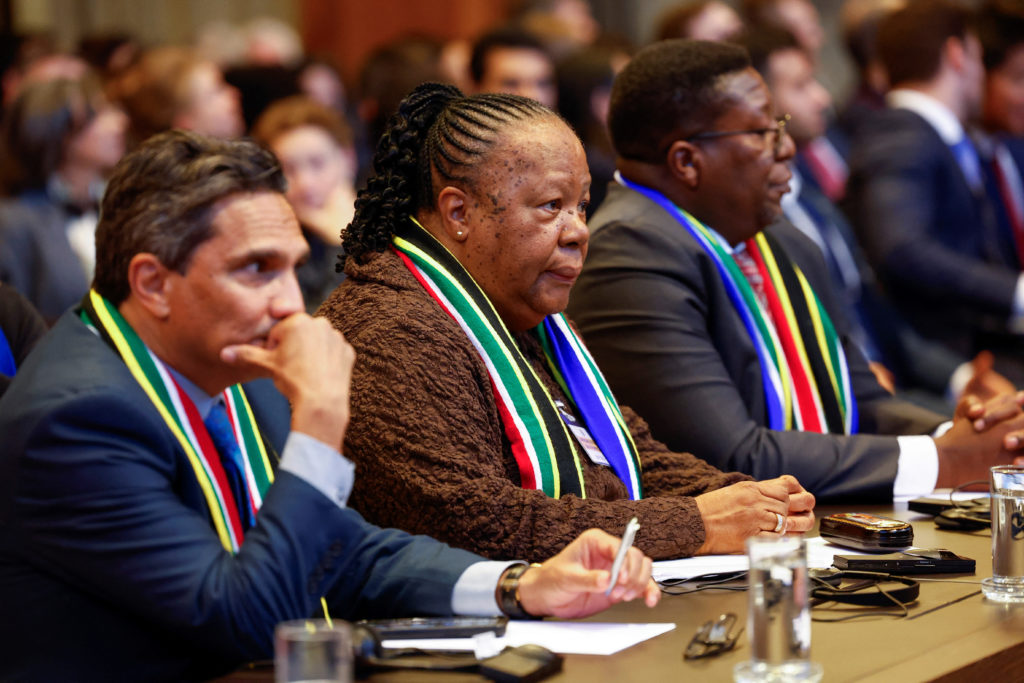
In this context, the Institute for National Security Studies (INSS) noted that African countries’ positions on the 2023 Gaza war revealed both strengths and weaknesses in Israeli diplomacy, particularly after South Africa filed a case against “Israel” at the International Court of Justice, accusing it of war crimes.
The institute argued that deepening alliances with selected states could help “Israel” enhance its position in the Red Sea, preserve the “achievements” of the Abraham Accords, and influence the balance of African votes at the United Nations.
Second, “Israel” aims to compete with Chinese, Russian, Turkish and Iranian influence in Africa, particularly in the economic sphere.
The cybersecurity sector is one of its most prominent tools in this regard, representing a significant share of its high-tech exports.
Israeli defense exports reached around $13 billion in 2023, revenues that are essential to sustaining its military-industrial complex.
A study by the Montane Institute described “Israel’s” view of Africa as a “vital opportunity” to boost trade and investment, especially in agriculture and security.
Its status as an observer in the African Union is seen as a key step in enhancing its political presence on the continent.
The Mail & Guardian also reported that “Israel” uses loans supported by its banks to finance agricultural and water projects, creating long-term financial dependence on Israeli technology.
African states see “Israel” as a source of advanced technologies in agriculture, water management and cybersecurity.
Montane Institute analysis highlights that “Israel’s” water scarcity has driven the development of advanced irrigation technologies, and that a significant portion of its exports to Africa is concentrated in chemicals, equipment and agricultural products, appealing to governments seeking solutions to food security and drought crises.
On the security front, some African regimes view Israeli weapons and technologies as a means of strengthening internal and external security, particularly in countries where military governments that recently experienced coups seek to consolidate their hold on power.
Some African governments are also seeking political partners as alternatives to traditional colonial powers such as France.
Countries including Sudan and Morocco have seen the Abraham Accords as an opportunity to recalibrate their relations with Washington and “Tel Aviv” and secure economic benefits, based on the belief among some African leaders that access to the White House runs through “Israel.”
Sources
- Cellebrite Used on Kenyan Activist and Politician Boniface Mwangi
- The Security Element in Israel-Africa Relations
- Kenyan Authorities Used Israeli Tech to Crack Activist’s Phone, Report Claims
- Israel's Elbit Wins $40 Mln African Intelligence Systems Deal
- About the Pegasus Project
- Israel in Africa – a Friend with No Benefits
- US, UK, Interpol Give Ghana Phone Hacking Tools, Raising Journalist Concerns on Safety and Confidentiality