How the Houthis Are Exploiting the Unrest in Southern Yemen To Reshape the Political Landscape
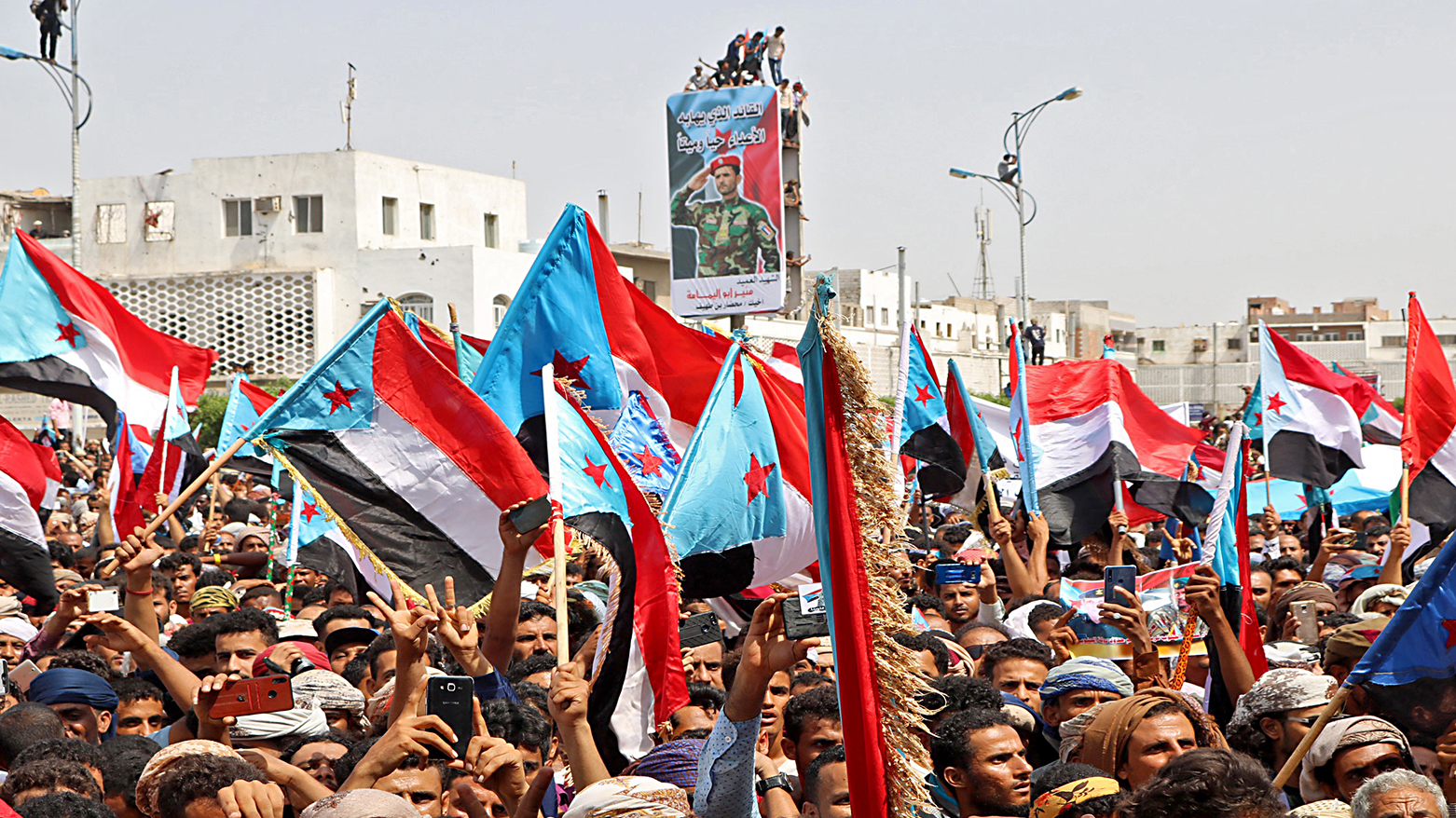
“The popular movement supporting the Southern Transitional Council has recently re-emerged through mass gatherings.”
Developments in southern Yemen, amid the rapid transformations on the Yemeni scene, have become a central element in the ongoing conflict, not only for the legitimate government and the Arab Coalition, but also, and increasingly, for the Houthi group.
The Houthis view the events in the south primarily as a political and strategic opportunity, rather than a direct military confrontation.
The group is exploiting the southern unrest as an effective means of reshaping the balance of power in the conflict and weakening its internal adversaries, without having to expand military operations or incur additional field and human costs.
At this stage, the south is not a priority in the Houthis' military doctrine, but rather an arena that can be exploited politically, through the media, and economically to destabilize the legitimate government and drain Saudi Arabia.
Gaps and Divisions
The political and military transformations witnessed in southern Yemen have led to a new reality that, in its initial stages, limited the Houthi group's room for maneuver.
The consolidation of power under the Saudi-backed Presidential Council, coupled with the marginalization of the Southern Transitional Council, has strengthened the legitimacy of the government's political and military decision-making, improved its negotiating position, and reduced the group's ability to exploit divisions within its adversaries' camp.
Furthermore, the unification of military formations and the establishment of control over state resources in strategically important areas have posed a direct threat to the group on both the military and economic fronts.
However, subsequent, rapid, and simultaneous developments in the south and north are likely to produce counter-trends that partially weaken this trend and create structural gaps in the Yemeni political and security landscape.
From the Houthi group's perspective, these gaps will constitute opportunities to be exploited and used to disrupt the existing balances, reshape the Yemeni landscape, and improve its political and negotiating position in a way that serves its strategic interests in the foreseeable future.
Security-wise, a terrorist assassination attempt targeting Brigadier General Hamdi Shukri al-Subayhi, a prominent commander of the Giants Brigades and a security official in Lahj, was thwarted.
This incident was described by the US as an unjustified attack, suggesting that the operation may have been orchestrated by parties seeking to revive al-Qaeda's rhetoric and promote the idea of a security vacuum following the marginalization of the Southern Transitional Council and the dismantling of its forces.
Politically, the popular movement supporting the Southern Transitional Council has re-emerged through mass demonstrations and gatherings demanding the right to self-determination and rejecting any settlements that do not align with the aspirations of southerners.
This comes amid indications that the Council remains effective and continues to lead the movement despite the decision to dissolve it, and that there has been no fundamental shift in the demands for secession.
Meanwhile, demands emerged from Hadramout for a Hadrami-Southern dialogue based on recognizing Hadramout as an independent entity with its own identity and political entity, while emphasizing its right to independent representation and self-determination.
However, this path risks deepening divisions within the South and opening the door to multiple scenarios of fragmentation that threaten the stability of Yemen and the region.
Concurrently, press leaks circulated information about Saudi arrangements to announce a new southern political entity in Aden as an alternative to the Southern Transitional Council (STC), paving the way for its participation in the Southern Dialogue in Riyadh.
If this information is confirmed, it reflects a trend toward restructuring the southern political landscape, but at the same time, it portends further fragmentation and division, and suggests efforts to end any future political role for the STC after its dissolution and the dismantling of its armed formations.
The Yemeni arena in the north witnessed significant political and military developments aimed at reducing Emirati influence and reintegrating its proxies within the framework of Yemeni legitimacy.
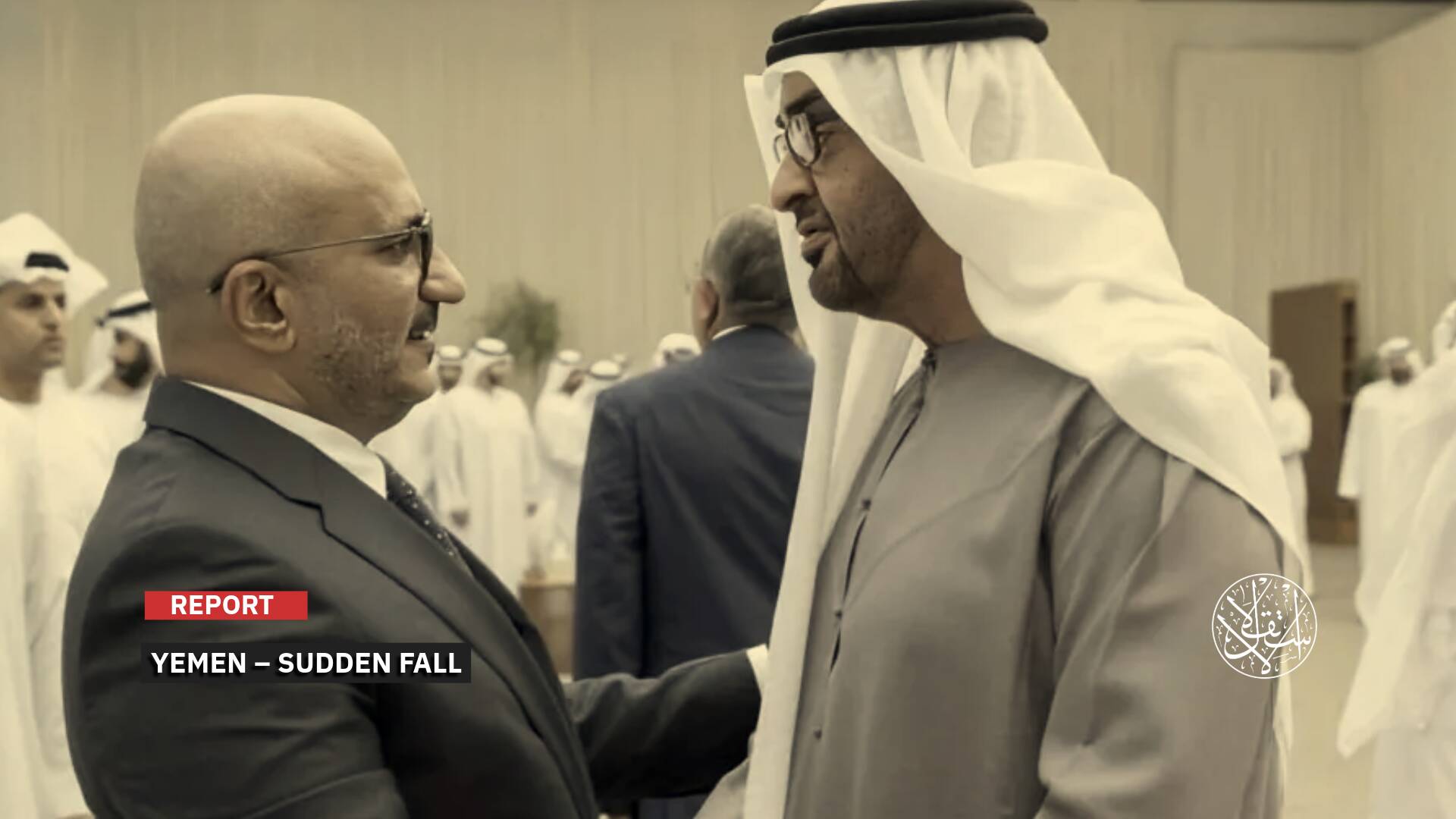
In this context, Saudi Arabia relieved Tarek Saleh of his command of the National Resistance Forces, a move understood as part of a broader effort to restructure and unify armed groups under a central command subject to Saudi oversight, in line with the formation of a supreme military committee for this purpose.
Riyadh also reinforced its military presence in locations and bases previously under Emirati influence, including the Bab al-Mandab Islands, whose security was transferred from Tariq Saleh's forces to the Giants Brigades. This is a clear indication of the continued efforts to curtail the Emirati role and redraw the balance of military control in Yemen.
Strategic Options
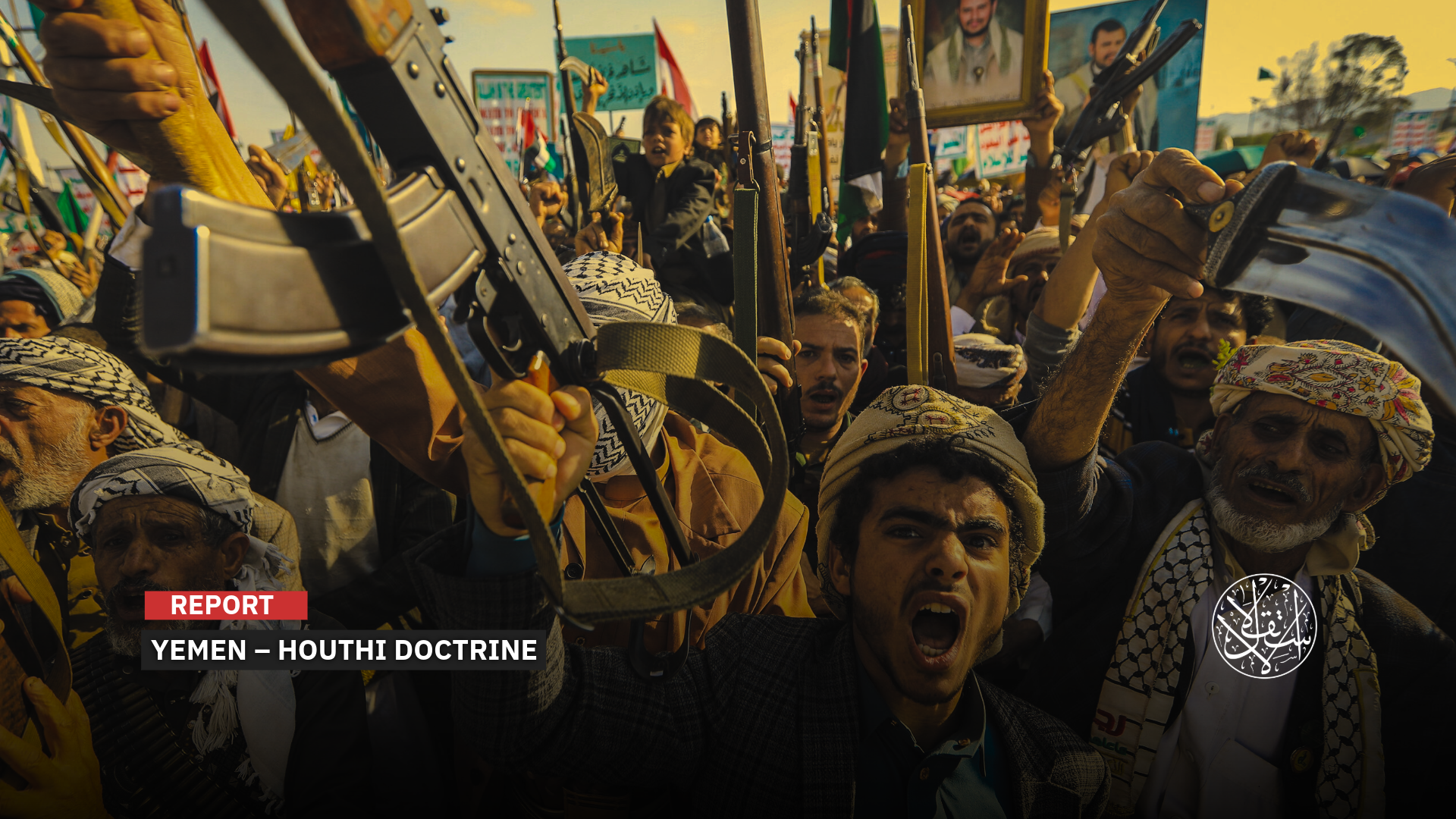
The Houthis view southern Yemen not as a direct target for control, but as a strategic arena for exerting pressure. Their interest lies in preventing its political and institutional stability and thwarting any successful governance model outside their control.
The stability of the south threatens their narrative of state failure, so their policy focuses on keeping it in a state of perpetual fragility, posing a continuous burden on the legitimate government and the coalition.
The Houthis have several options to confound their adversaries in the legitimate government and the Arab coalition, and they have already begun implementing some of them, including:
A focused media campaign against Saudi Arabia
Currently, the Houthi group is waging an intensive and systematic media campaign targeting Saudi Arabia, spearheaded by the group's leader, Abdul-Malik al-Houthi, and several top-tier leaders.
The campaign centers on accusing Riyadh of seeking political hegemony, depleting resources, and perpetuating the conflict in Yemen, while simultaneously promoting the group's readiness to sponsor a peace process from Sana'a under fair conditions.
The media discourse is accompanied by a clearly escalatory tone, including warnings of a direct military response in the event of any escalation against Sana'a, hints at an imminent preemptive strike, and talk of expanding the scope of general mobilization.
The group accuses Saudi Arabia of using legitimacy as a cover for control and violence, and of attempting to replicate its model of managing the conflict in the north within the south, by marginalizing what it describes as southern grievances.
The campaign reflects a systematic Houthi effort to delegitimize the Saudi role in Yemen, reframing it as a party to the conflict and a force for domination rather than a peace mediator, while simultaneously shifting the confrontation from a local context to a regional and international one.
Through this, the group aims to bolster its internal and external political presence and raise the level of negotiating conditions in any future settlement.
Military Mobilization and Recruitment
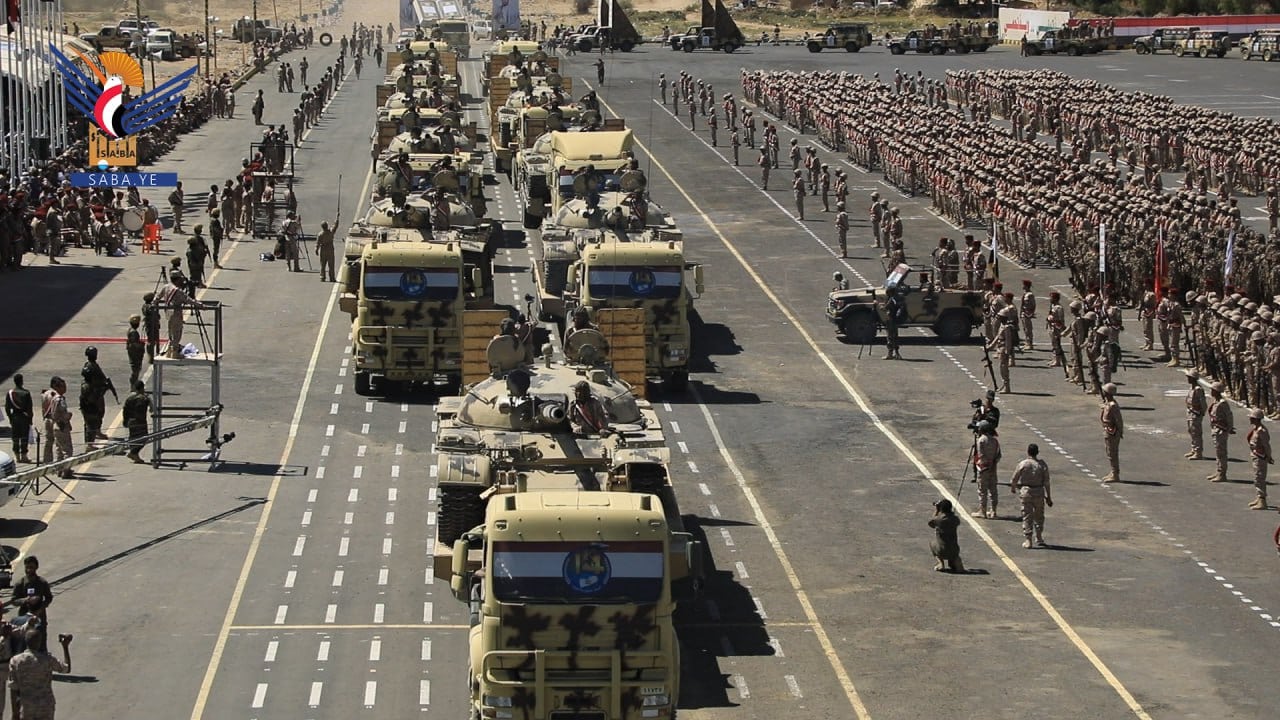
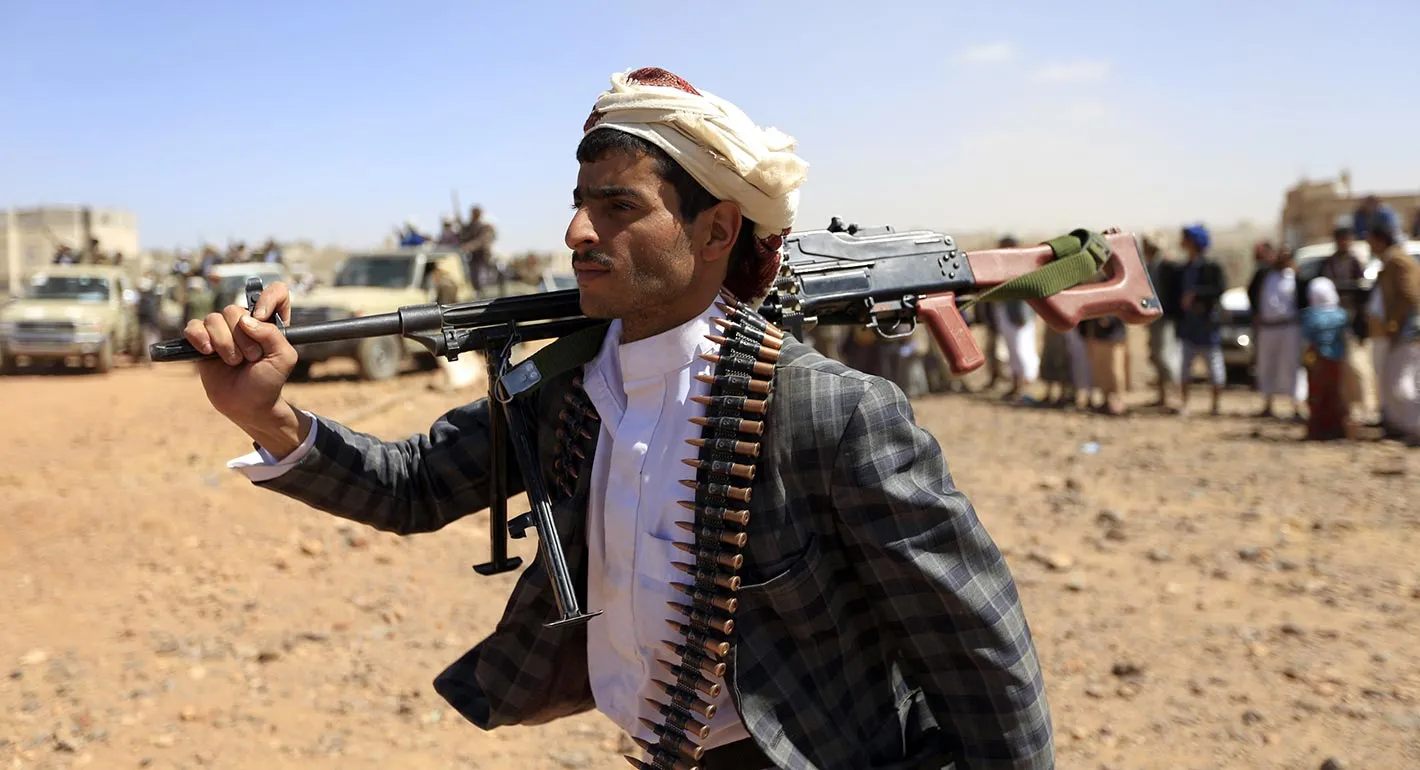
The Houthi group revealed that it has subjected thousands of students in public and private universities and institutes, particularly in Ibb Governorate, to intensive military training courses over the past two years.
This is part of extensive mobilization and training programs also being implemented in the governorates of Hodeidah, Al Mahwit, and Hajjah, under the guise of raising readiness and preparedness for future rounds of confrontation.
These activities reflect a systematic approach to transforming educational institutions into platforms for military mobilization, aiming to solidify the model of a long-term popular army and consolidate existing lines of control, while maintaining the option of postponed escalation.
Thus, this approach is not limited to preparing for a potential military confrontation, but extends to reshaping society in the areas under the group's control as a society of perpetual war, and employing education as a tool within the group's national security apparatus.
Security Chaos as an Undeclared Weapon
From a security standpoint, the Houthis do not need to directly ignite the south. The mere escalation of local conflicts, the spread of organized crime, and the resurgence of smuggling networks and organized violence groups are sufficient to overwhelm the government and deplete its resources.
In such a context, chaos becomes an effective tool of pressure, without leaving any clear traces of the group.
This approach gives the Houthis the advantage of managing the conflict from behind the scenes, at the lowest possible cost.
Future Scenarios
In light of the above, several scenarios can be outlined for the group's political future in the foreseeable future:
Scenario One: Consolidating the Status Quo
In this scenario, the group continues to consolidate its control over its areas of influence, benefiting from the failure of its adversaries to govern the south and the rest of the liberated areas.
This could lead to increasing international and regional acceptance of the Houthis as a de facto authority that cannot be bypassed in any political settlement.
With a low-intensity conflict with Saudi Arabia and escalating economic pressure, this could create a long-term divided Yemen.
Scenario Two: A Political Partnership on Houthi Terms
If the unrest in the south continues, regional actors may find themselves compelled to seek a settlement that includes the Houthis as a key political partner, in exchange for limited security commitments.
In this scenario, the Houthis enter the political process from a position of strength, not as a defeated or isolated party.
Scenario Three: Managing a Protracted Conflict
This scenario assumes a continuation of the stalemate, where the Houthis continue to manage the conflict using low-cost tools, exploiting divisions within the legitimate government's camp and the complexities of the southern situation, without engaging in a final settlement or a full-scale escalation.
Scenario Four: Comprehensive Confrontation
This scenario is only feasible if the anti-Houthi camp truly unites under a single authority, coupled with organized economic and military pressure.
It requires clear regional and international backing, but its cost is high for all parties, including Riyadh.
The Houthis' future hinges on their opponents' ability to transform political arrangements into a cohesive military and economic force, something that has not yet materialized.
Saudi Arabia possesses the tools of influence, but it has not yet translated them into decisive political power.
Sources
- Hadramout demands an independent dialogue and affirms its rejection of any approach that diminishes its identity [Arabic]
- Saudi arrangements to announce a political entity in Aden [Arabic]
- A Saudi step towards dismantling Emirati military influence in Yemen [Arabic]
- Saudi Arabia expels Tariq from his most important positions in Bab al-Mandab [Arabic]
- Tribal gatherings and marches by graduates of the Al-Aqsa Flood courses, a declaration of mobilization [Arabic]