Jasper Jeffers: ‘Israel’s’ American Bet to Disarm Hamas in Gaza
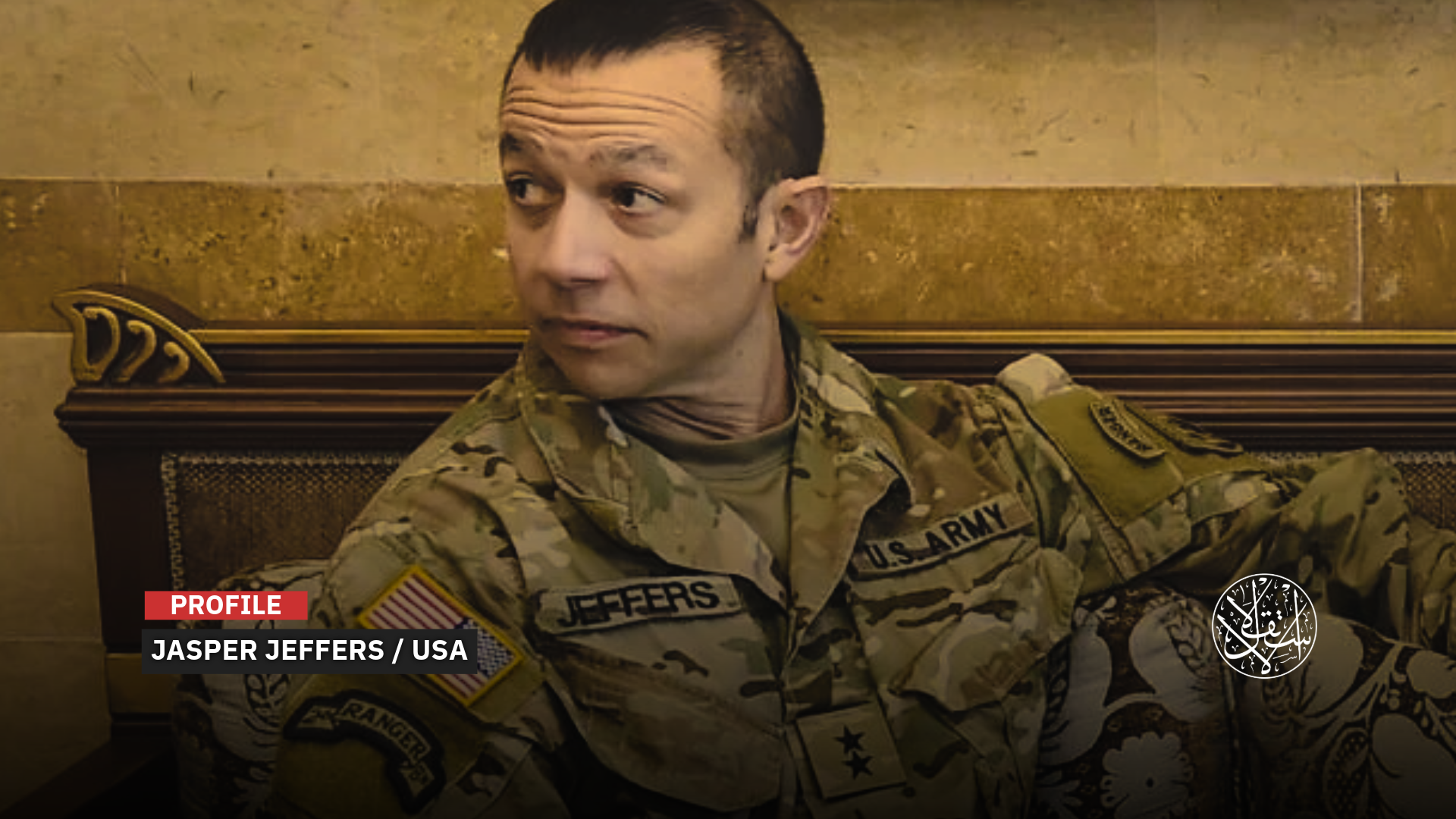
Jeffers’ primary mission in Gaza is to disarm the Palestinian resistance.
As part of the second phase of the ceasefire agreement, the administration of U.S. President Donald Trump announced on January 16, 2026, the appointment of General Jasper Jeffers to lead the newly established International Stabilization Force (ISF) in the Gaza Strip.
The phase is intended to kick-start reconstruction, dismantle the military capabilities of the Palestinian Resistance Movement (Hamas), and oversee the withdrawal of Israeli Occupation forces from Gaza—though Washington and “Tel Aviv” continue to sidestep the clause calling for a full Israeli pullout.
The White House also announced the formation of a “Board of Peace” for Gaza, chaired by Trump, alongside a “Gaza Executive Board” composed of current and former international officials. In parallel, a Palestinian committee has been tasked with administering basic services in the besieged enclave.
According to the White House statement, Jeffers will command the ISF, overseeing security operations, supporting comprehensive disarmament efforts, and ensuring the safe delivery of humanitarian aid and reconstruction materials into Gaza.
Military Background
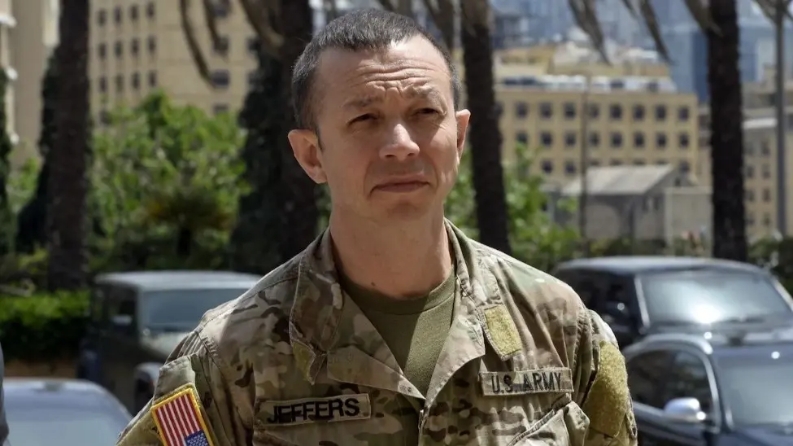
Jeffers is a U.S. Army officer holding the rank of major general, with more than 25 years of field experience across conflict zones in the Middle East.
U.S. sources have described him as a natural fit for leading a complex security mission, citing his record in special operations and his experience implementing and monitoring ceasefire agreements.
Still, his selection to oversee Gaza’s security file has raised questions about U.S. intentions. Critics argue that placing the territory under the authority of an American general risks resembling a form of occupation or imposed dominance, rather than a neutral effort to achieve stability.
Jasper Jeffers began his military career in 1996, following his graduation from Virginia Tech, and advanced through infantry and special operations units before taking on field command roles in multiple theaters of conflict.
During the 2003 U.S. invasion of Iraq, Jeffers took part in combat operations as a company commander and air operations officer with the 75th Ranger Regiment, leading frontline units during the toppling of Saddam Hussein’s regime.
He later served in Afghanistan as an adviser to the commander of NATO’s Resolute Support Mission during a critical phase preceding the U.S. withdrawal that ultimately ended with the Taliban’s return to power in 2021.
As the threat posed by ISIS intensified, Jeffers commanded a special operations brigade deployed to Iraq and Syria under Operation Inherent Resolve, leading coalition special forces that, by 2019, had reclaimed most of the territory once held by the group.
He was later appointed commander of U.S. Special Operations Command Central (SOCCENT), a move widely seen as a reflection of the Pentagon’s confidence in his leadership. In that role, he oversaw joint training exercises and intelligence coordination with regional allies across the Middle East, building an extensive professional network.
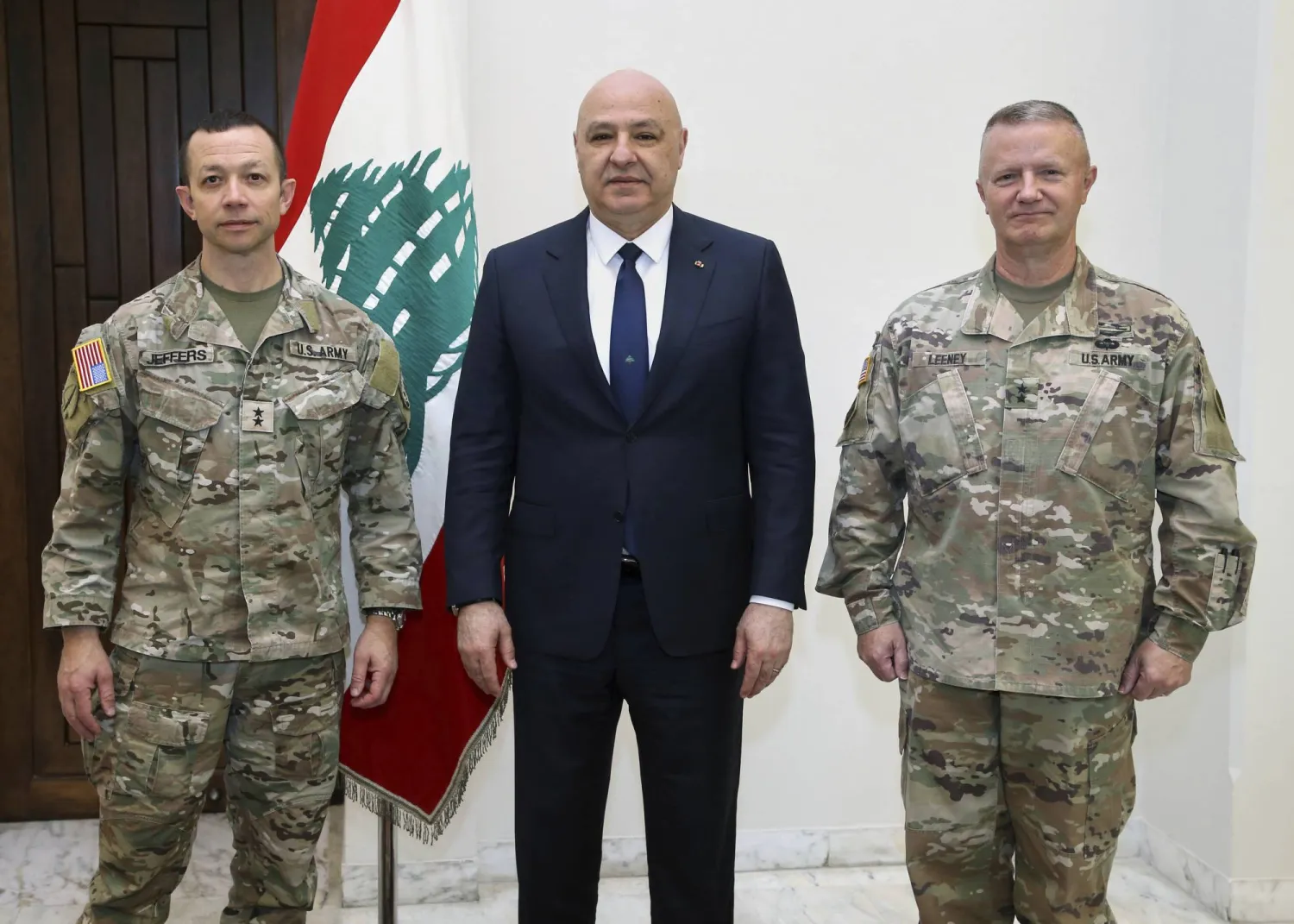
His Role in Lebanon
Jeffers’ name rose to prominence in late 2024 following his involvement in the Lebanese file after a deadly confrontation between the Israeli Occupation and Hezbollah. After a 14-month war on Lebanon, Washington—through mediation led by U.S. envoy Amos Hochstein—brokered a ceasefire agreement announced in late November 2024.
In the aftermath, U.S. leadership selected Jeffers to chair the committee tasked with monitoring and coordinating the implementation of the ceasefire. He formally assumed the role in December 2024.
The monitoring mechanism brought together the Lebanese Armed Forces, the United Nations Interim Force in Lebanon (UNIFIL), representatives of the Israeli Occupation military, and France, under U.S. leadership. Jeffers was responsible for overseeing “Israel’s” withdrawal from southern Lebanon within 60 days, the deployment of the Lebanese army in the area, and the repositioning of Hezbollah fighters north of the Litani River, in line with the agreement’s terms.
Despite the ceasefire taking effect on November 27, 2024, the mission quickly faced serious challenges. The Israeli Occupation continued to carry out airstrikes targeting Hezbollah positions, attacks widely described as blatant violations of the agreement.
Lebanon accused “Israel” of committing dozens of ceasefire breaches through attacks inside Lebanese territory, placing Jeffers under intense pressure to preserve the agreement and prevent its collapse. The Israeli Occupation publicly warned that it would resume “striking Lebanon with greater force” should the truce unravel, without distinguishing between the Lebanese state and Hezbollah.
Although the ceasefire has held in relative terms, the situation remains fragile. Israeli strikes continue intermittently, while both the Lebanese government and Hezbollah accuse “Israel” of delaying a full withdrawal, leaving the agreement under Jeffers’ supervision only partially implemented.
Even so, some observers view Jeffers’ ability, along with his team, to keep the front lines relatively quiet as a notable achievement in an unusually complex and protracted conflict. His assignment in Gaza, however, is widely seen as far more difficult and fraught than anything he has faced before.
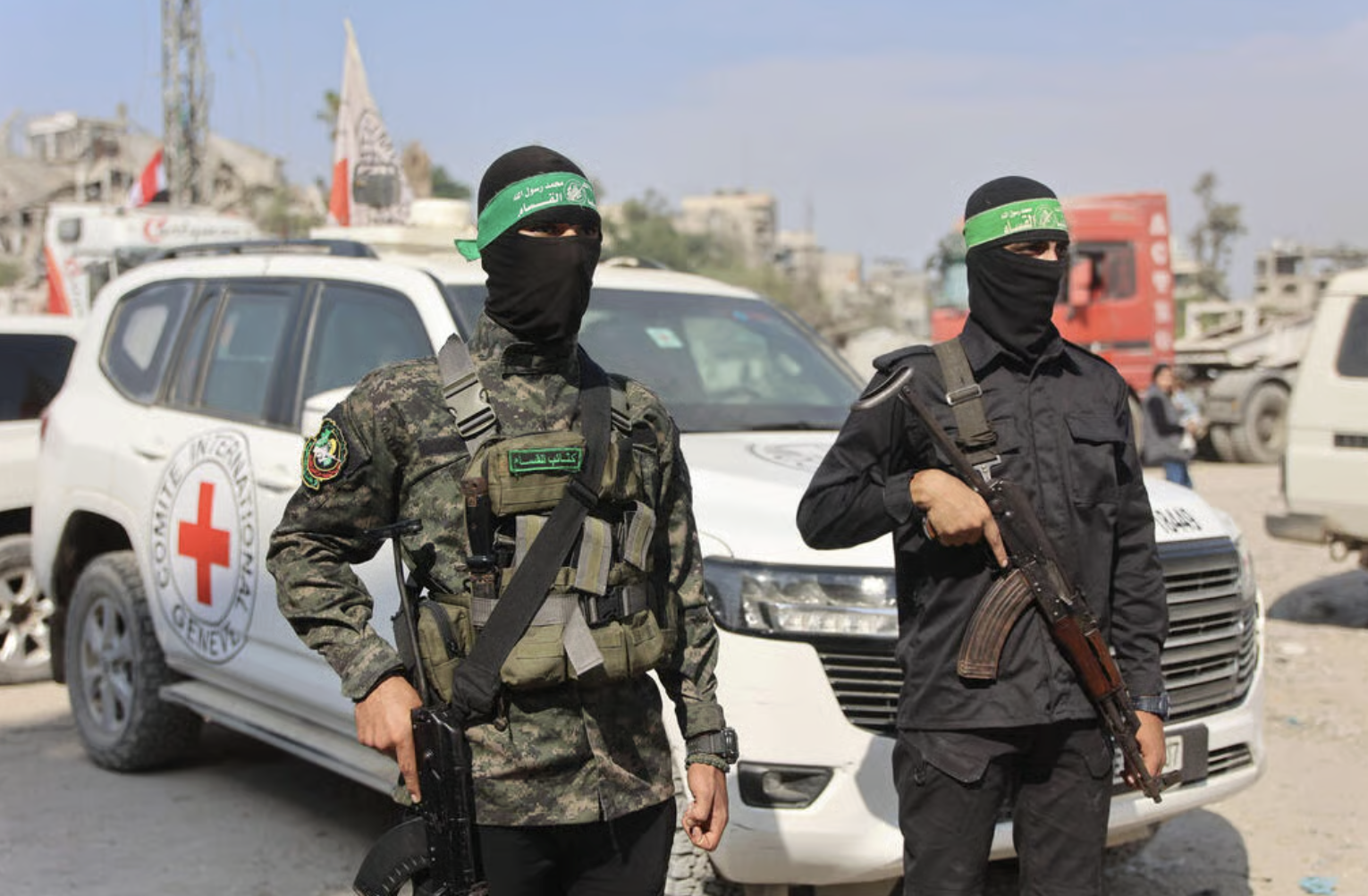
Relationship with Israeli Occupation
Within Israeli circles, Jeffers is regarded as a familiar figure with close ties to “Tel Aviv’s” security interests, built through his cooperation with the Israeli Occupation military during his mission in southern Lebanon and his role in overseeing Hezbollah’s withdrawal from the border area.
While chairing the ceasefire monitoring committee in Lebanon, Jeffers maintained regular communication channels with Israeli officers on the joint committee, establishing a direct working relationship with “Israel’s” military establishment.
When his appointment as commander of the ISF in Gaza was announced, unofficial Israeli sources welcomed it, describing him as a reliable choice. Hebrew-language media reported that U.S. officials emphasized to their counterparts in “Tel Aviv” Jeffers’ competence, seriousness, and ability to carry out the mission successfully.
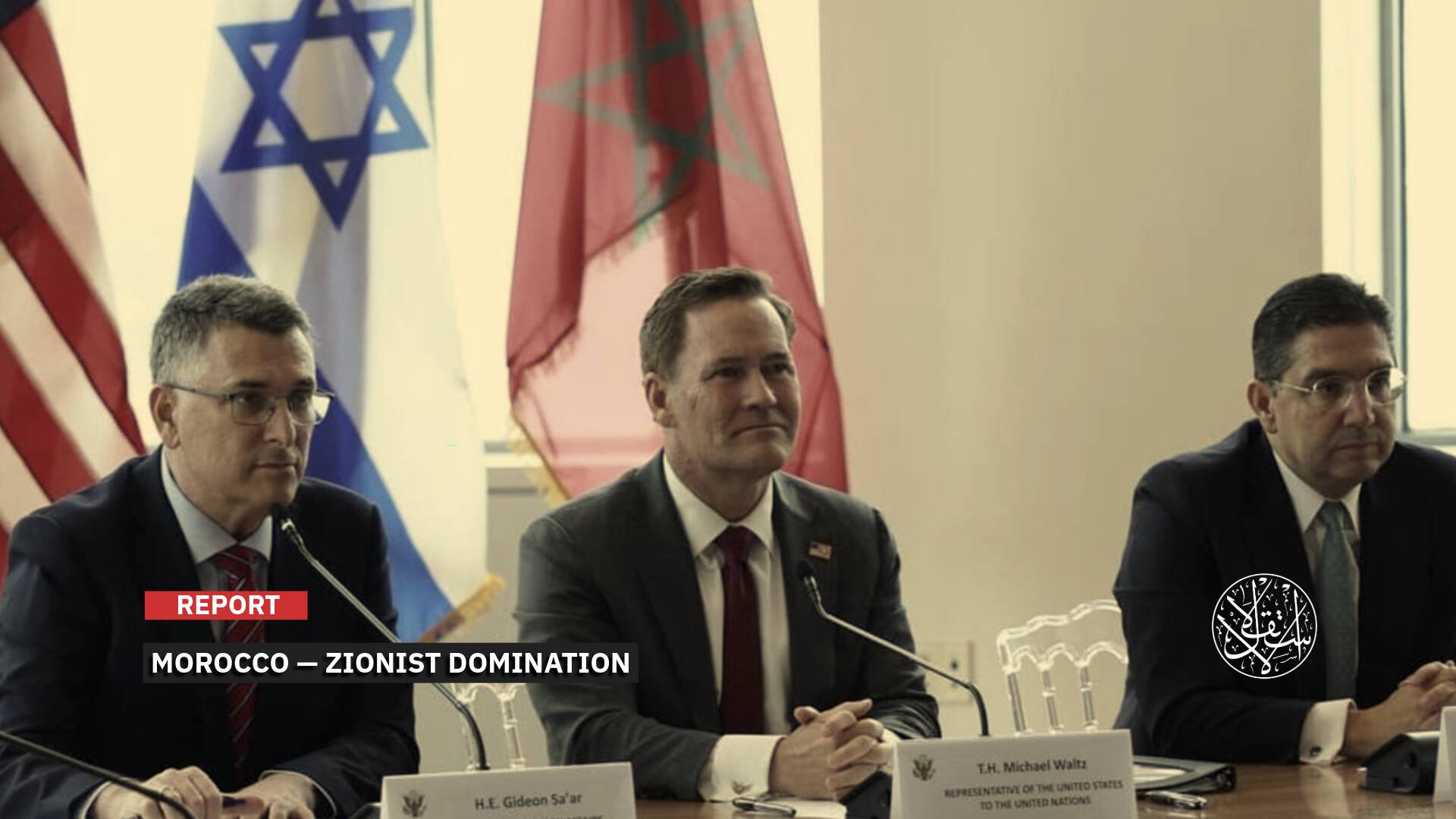
U.S. Ambassador to the United Nations Michael Waltz reinforced that message during a visit to “Israel” prior to the announcement, telling Prime Minister Benjamin Netanyahu that Washington would lead the ISF to ensure its objectives were achieved.
This reassurance appears to have addressed “Israel’s” unspoken demand that the force not be led by a country it does not fully trust. The Israeli Occupation had strongly opposed any Turkish role in the proposed force, despite Ankara’s willingness to contribute troops.
Netanyahu highlighted a clear understanding with Trump: If Hamas does not disarm voluntarily, Israel and the Stabilization Force will do it by force. The statement reflects the level of coordination between the two governments.
Disarming the Palestinian resistance remains Jeffers’ primary mission in Gaza—a goal long emphasized by the Israeli Occupation. Yedioth Ahronoth cited an official involved in planning the ISF, who said that there could be no reconstruction in Gaza without Hamas’ disarmament and that this had become a global consensus.
The newspaper also noted that Jeffers’ experience stabilizing the ceasefire with Hezbollah in 2024 serves as evidence of his ability to manage Hamas, expressing optimism that his leadership of the ISF could allow “Israel” to achieve results it has been unable to secure militarily under a legitimate international cover.
Israeli analysts, speaking to the Foundation for Defense of Democracies (FDD), emphasized that having an American general in command ensures that security operations will be closely coordinated with the Israeli military, particularly since Jeffers operates under U.S. Central Command, which works alongside “Israel” on the ground.
Sources
- Trump Plans to Appoint U.S. General to Lead ‘International Stabilization Force’ in Gaza [Hebrew]
- Who Are the US and France’s Representatives to the Ceasefire Monitoring in Lebanon?
- Israel threatens to expand war if Hezbollah truce collapses
- Israeli billionaire to oversee Gaza as Trump brings in Israel critics
- Trump appoints Blair, Kushner and Rubio to Gaza ‘board of peace’