‘Israel’ Sets Two-Month Countdown to Disarm Gaza: How Will Hamas Respond?
The Israeli military has begun drafting operational plans in case Hamas fails to comply.
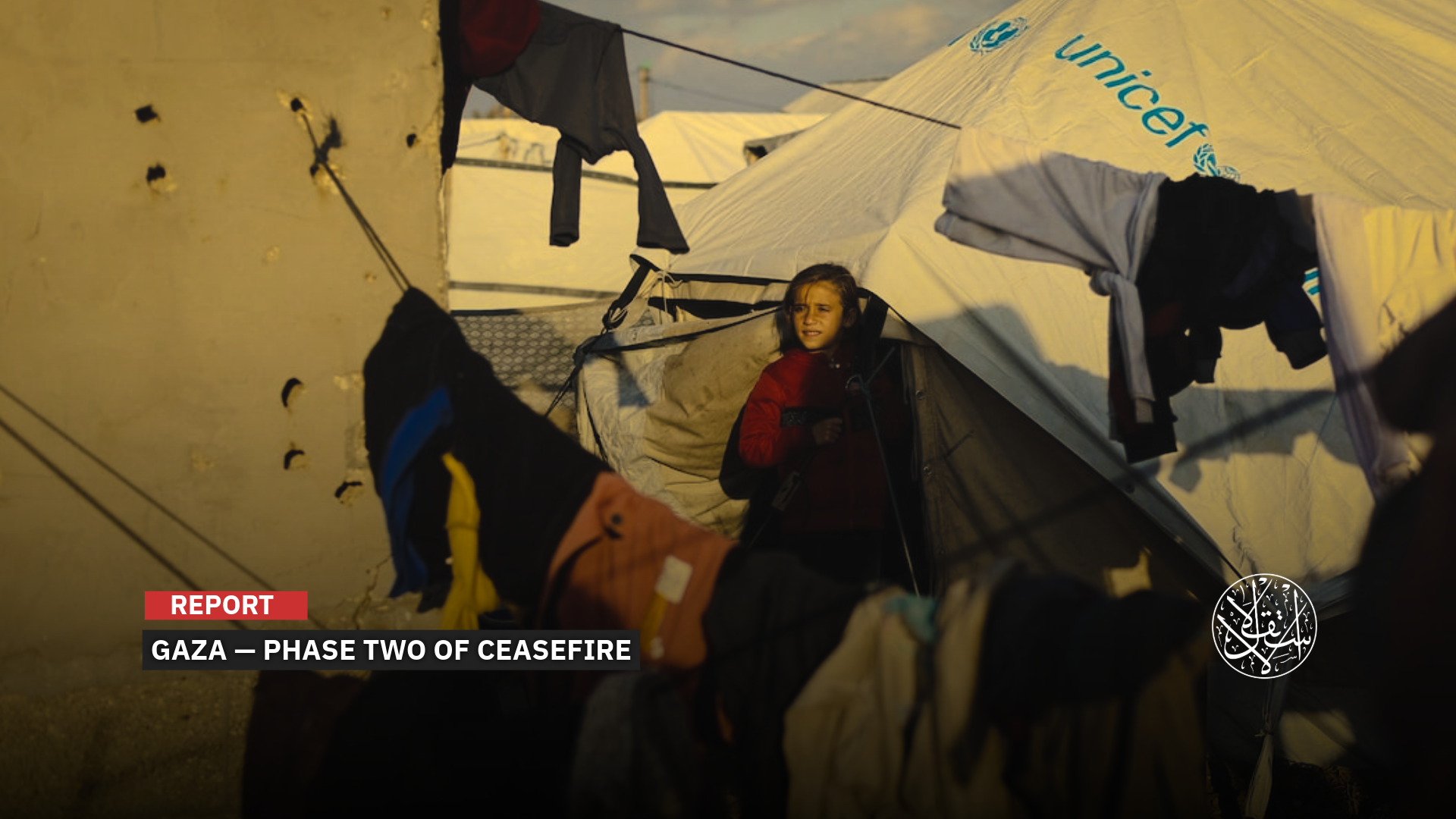
Gaza faces a pivotal moment as the ceasefire enters its second phase, bringing with it a host of complex issues, chief among them the disarmament of Palestinian resistance factions and the withdrawal of the Israeli Occupation army from the territory.
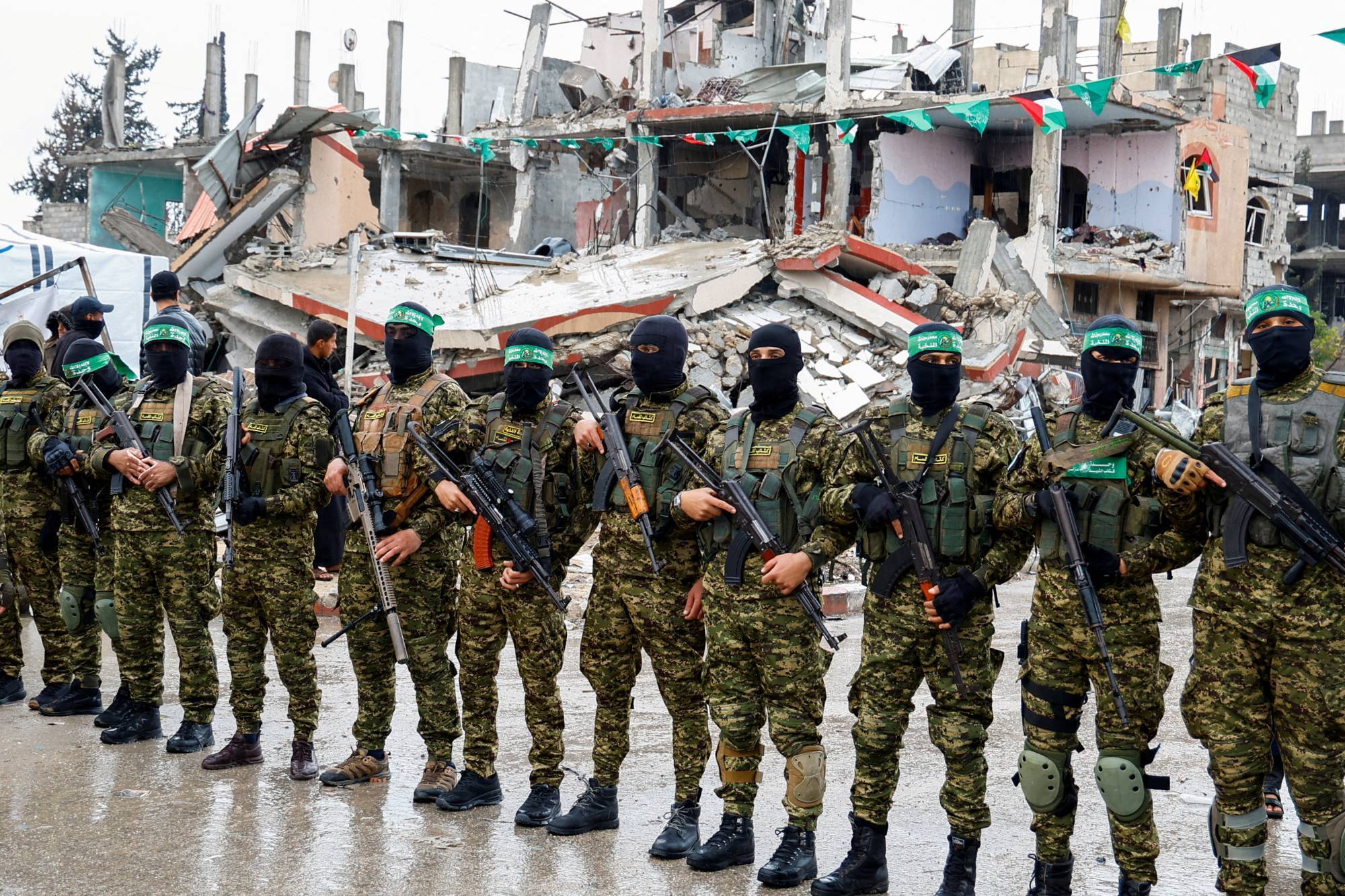
According to Israel’s Channel 12, citing political sources on January 17, “Tel Aviv” delivered what it described as a “final warning” to the Palestinian Resistance Movement (Hamas) and the other armed groups in Gaza, demanding full disarmament within two months and threatening a new war if the deadline is not met.
Two Months to Disarm
Amid a fragile ceasefire that has held since October 2025, sources said the warning is being issued in full coordination with the United States, with public backing from President Donald Trump, who presented Hamas with what he called the “easy way or hard” to relinquish its weapons.
According to Channel 12, the Israeli countdown began the same day the statements were made, coinciding with the establishment of new bodies to govern Gaza in the post-war period, including a “Board of Peace,” a “Gaza Executive Board” with international members, and a local technocratic committee to manage civil affairs.
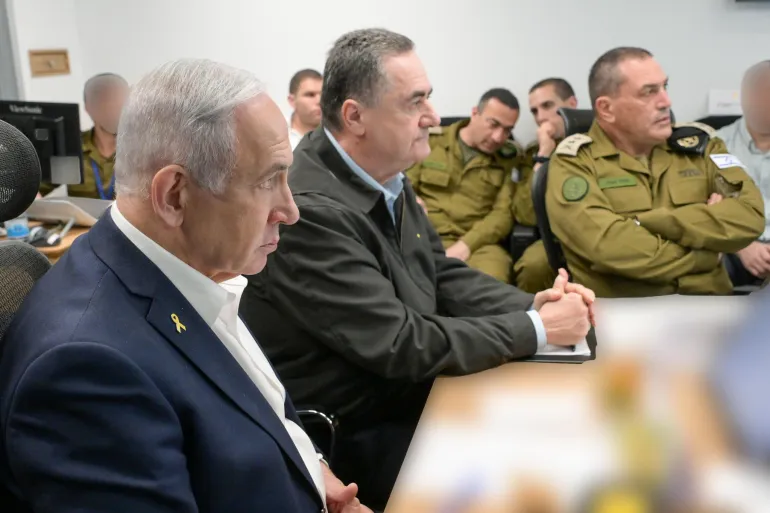
The channel’s sources noted that the Israeli military has already begun drafting operational plans in case Hamas and other factions refuse to comply, stressing that Tel Aviv “will not accept symbolic or partial steps on disarmament and will not retreat from its red lines as long as the group retains military capabilities.”
The Israeli Occupation has made the disarmament of Hamas a mandatory precondition for any future political or civil progress in Gaza, linking the level of cooperation with the new technocratic government to the achievement of this goal.
Despite what “Tel Aviv” describes as the “heavy losses” Hamas suffered during the Israeli war on Gaza, security assessments cited by the channel indicate the group still maintains significant military capabilities, continues to reorganize its ranks, and, according to Israeli claims, has begun rearming, rebuilding tunnels, and restoring its fighting strength across multiple areas of the Strip.
Israeli officials argue that prolonging the transitional period without resolving the weapons issue would give Hamas extra time to regain its strength, prompting a “strict, short timetable ending in decisive action if objectives are not met.”
Chief of Staff Eyal Zamir declared that 2026 will be a pivotal year for “Israel’s” security, emphasizing that the insistence on Hamas’ disarmament is “absolute” and non-negotiable.
Channel 12 sources noted that “Israel” will retain full control over defining “disarmament,” its standards, verification mechanisms, and the authority to determine whether it has been achieved in a “real and final” sense.
Observers say this hard line reflects “Tel Aviv’s” fear of repeating the Hezbollah model in southern Lebanon, where a ceasefire collapsed after heavy fighting in 2024–2025, and the group refused to disarm.
The U.S. and the Israeli Occupation had given the Lebanese government a deadline until late 2025 to assert control in the south and disarm Hezbollah, but the deadline passed without tangible results.
While the Americans encourage the Lebanese army to take greater responsibility against the group and grant Beirut a “final chance” to strengthen its authority, “Israel” continues to strike Hezbollah targets periodically, warning it may launch a “large-scale military operation” if full disarmament remains unachieved.
Hamas’ Position
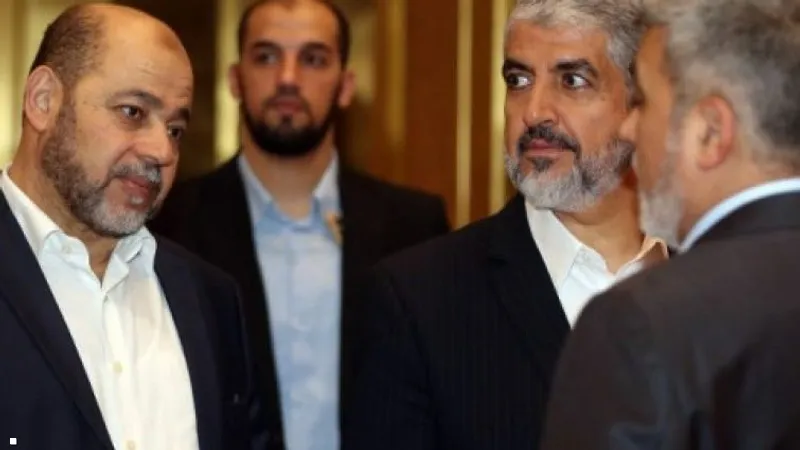
Hamas repeatedly insists that its arsenal is a “legitimate national right” as long as the Israeli occupation continues, arguing that this right is protected under international law and cannot be surrendered except through the full achievement of Palestinian national rights, foremost among them the establishment of an independent, sovereign Palestinian state with al-Quds as its capital.
Senior figures within the movement speak firmly on the demand for total disarmament. Khaled Mashal, Hamas’ leader abroad, declared that relinquishing the Resistance’s weapons “is like removing the soul from the body,” signaling that the issue touches the very existence and survival of the movement, rather than serving as a mere bargaining chip.
For decades, Hamas has viewed the strength of its armed wing, the Izz al-Din al-Qassam Brigades, as a crucial deterrent against Israeli aggression and a safeguard against plans to forcibly displace the Palestinian population, particularly in the absence of a just and comprehensive solution to the Palestinian cause.
Yet, despite its hardline public stance, the movement has left room for maneuver. In December 2025, Khaled Mashal suggested that Hamas might be willing to freeze its weapons rather than dismantle them completely—keeping them in storage and refraining from use—in exchange for guarantees preventing “Israel” from resuming the genocide.
In the same month, senior Hamas official Basem Naim suggested the movement was open to exploring options such as freezing or storing its weapons for the duration of the ceasefire, as long as guarantees were in place that they would remain unused. He stressed that Hamas was “very open” to discussions over the future of its remaining arsenal, provided Gaza’s internal security was preserved, and proposed storing arms under Palestinian oversight or other safeguards until further notice.
However, Agence France-Presse (AFP) cited an Israeli official rejecting the proposal to freeze weapons under a long-term truce, stressing that the U.S.-backed plan calls for complete disarmament of the movement. The official said Gaza will be disarmed, underscoring that the “military option” remains on the table if disarmament is not achieved voluntarily.
The position is reinforced by reports from the Israeli Army Radio, which stressed “Tel Aviv’s” full coordination with Washington to ensure the total disarmament of Gaza and to prevent Hamas from “rebuilding its military capabilities.” U.S. Ambassador to the United Nations Mike Waltz reportedly told Israeli Occupation President Isaac Herzog that Washington would not allow Hamas to restore its military strength at any cost.
What Comes Next?
Hamas’s ideology and history make clear that giving up its weapons would dismantle its military wing and end its role as a resistance movement, directly clashing with its charter, founding principles, and very purpose, making any such move extremely unlikely in the near term.
Yet the Washington Institute for Near East Policy predicts that, in an effort to prevent renewed Israeli aggression, Hamas may show limited, conditional flexibility on the weapons issue. The movement’s approach, the institute notes, will be shaped not only by ideology and regional dynamics but also by the need to maintain its position within the Palestinian political system, particularly in Gaza.
Hamas may weigh whether a partial disarmament could help it gain indirect legitimacy, allowing it to maintain its organizational and political structures in Gaza, or potentially join the institutions of the Palestinian Liberation Organization and participate in upcoming elections.
To achieve this, the movement may, according to analysts, rely on the legal existence of parties or organizations not formally linked to it, a tactic it has used since the 1990s and one common among Muslim Brotherhood-affiliated parties across the Arab world and the West.
However, the institute emphasizes that Hamas will safeguard its military dominance in the territory, both against rival militias and clans it has clashed with recently and against potential deployments by the Palestinian Authority that could be deployed later if the movement’s members are pursued. Retaining personal weapons for its fighters remains essential for internal control, local deterrence, and protection.
Practically, Hamas might agree to partial or symbolic steps to show goodwill without relinquishing real power, such as dismantling heavy weapons like rockets and mortars or handing over part of its stockpiles, while keeping personal and light arms under the guise of self-defense.
The institute also notes a fait accompli scenario: if Hamas perceives international and regional pressure is focused on avoiding war at all costs, it could take tactical measures to buy time and complicate efforts to disarm it. These could include hiding some weapons in secret locations or transferring them to allied factions or unannounced wings—appearing to comply while maintaining actual combat capacity.
On the Israeli side, responses to Hamas’ refusal to disarm could take multiple forms, most notably gradual escalation rather than immediate, full-scale strikes, mirroring strategies used in Lebanon.
“Israel” may continue occupying large parts of Gaza, maintaining the so-called “yellow line,” roughly 53 percent of the territory, as a buffer zone that could gradually expand. Withdrawal would be off the table as long as Hamas retains any military capability—a justification “Tel Aviv” has been promoting early.
Channel 12 sources confirmed that “Israel” will not pull back from its current positions or allow serious reconstruction to begin until full disarmament is achieved under its strict criteria.
“Tel Aviv” could also tighten the economic noose on Gaza, intensify the blockade to prevent rearmament, and impose strict controls on the entry of reconstruction materials and equipment, according to Axios.
Sources
- Senior Hamas Official Says the Movement Is Ready to 'Freeze or Store' Its Weapons [Arabic]
- Khaled Meshaal to Al Jazeera: Hamas Floats 'Freezing' Its Weapons in Exchange for a Long-Term Truce with Israel [Arabic]
- White House announces "phase two" of Gaza ceasefire deal
- Hamas’s “Rigid Pragmatism”: Between Tactical Flexibility and Ideological Intransigence
- Israel demands Hamas disarm within two months as US ushers in ceasefire second phase