Different Thinking, Different Politics: Why Israeli Occupation Is Losing Ground with America’s Youth
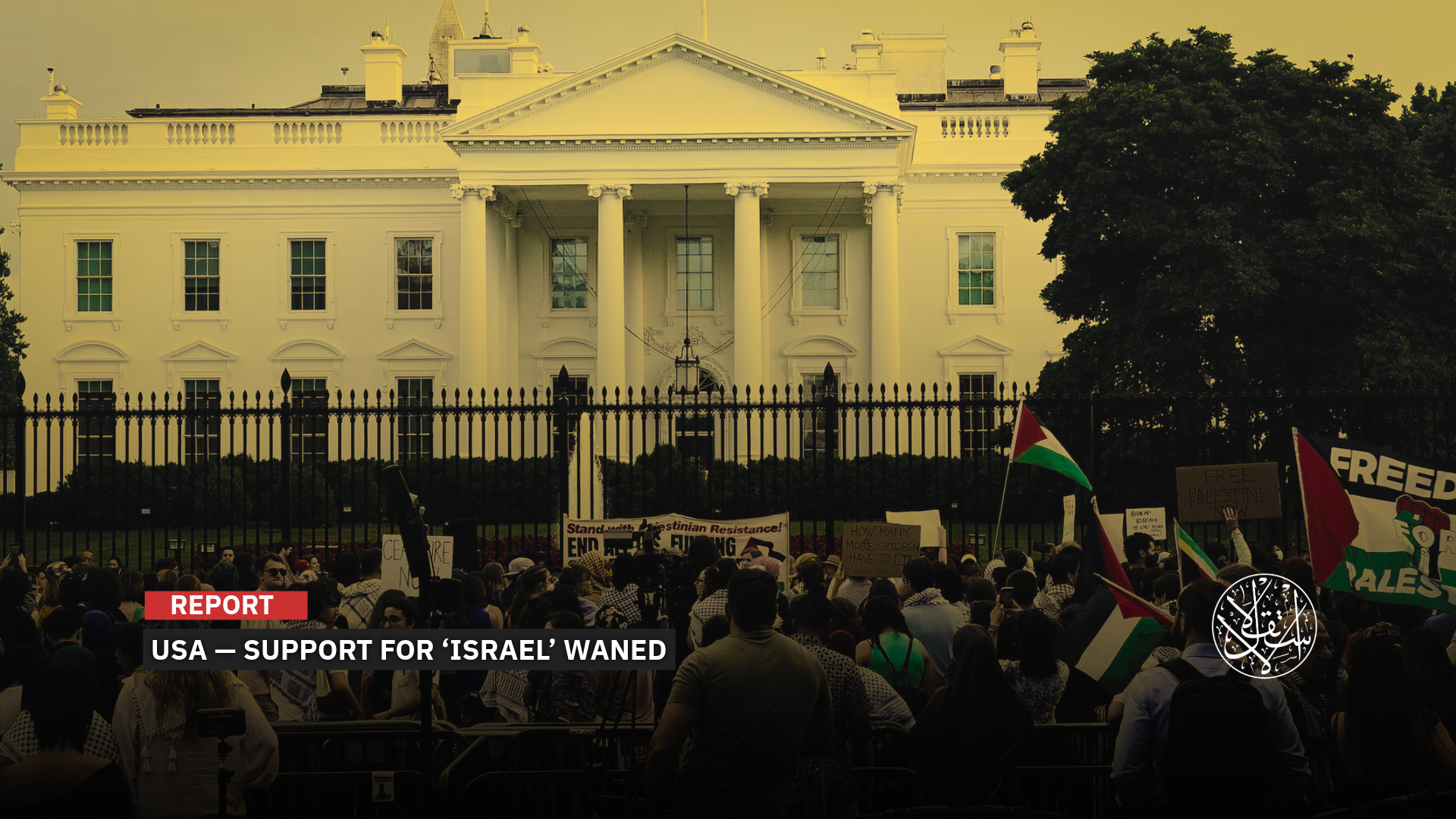
Among Americans aged 18 to 34, 53 percent said they sympathize more with the Palestinians.
In a recent episode streamed on his media platform on February 26, 2026, prominent conservative commentator Tucker Carlson issued a stark warning in both tone and political significance. “Israel,” he argued, is living through its absolute last chance to pull the United States into a war, at a moment when American public opinion is shifting rapidly—especially among younger generations.
Carlson framed his remarks as evidence of what he described as a steady erosion of popular support for the Israeli Occupation in the United States, a trend he suggested runs deeper than media narratives or traditional partisan loyalties can explain. His critique did not stop at specific policies; it extended to questioning the long-term durability of the alliance itself.
The significance of these comments lies in their source. Carlson is one of the most influential voices in conservative media, and his stance points to a shift that goes beyond progressive activists or campus movements. It signals movement within the Republican base itself, including segments of the Make America Great Again (MAGA) coalition aligned with President Donald Trump.
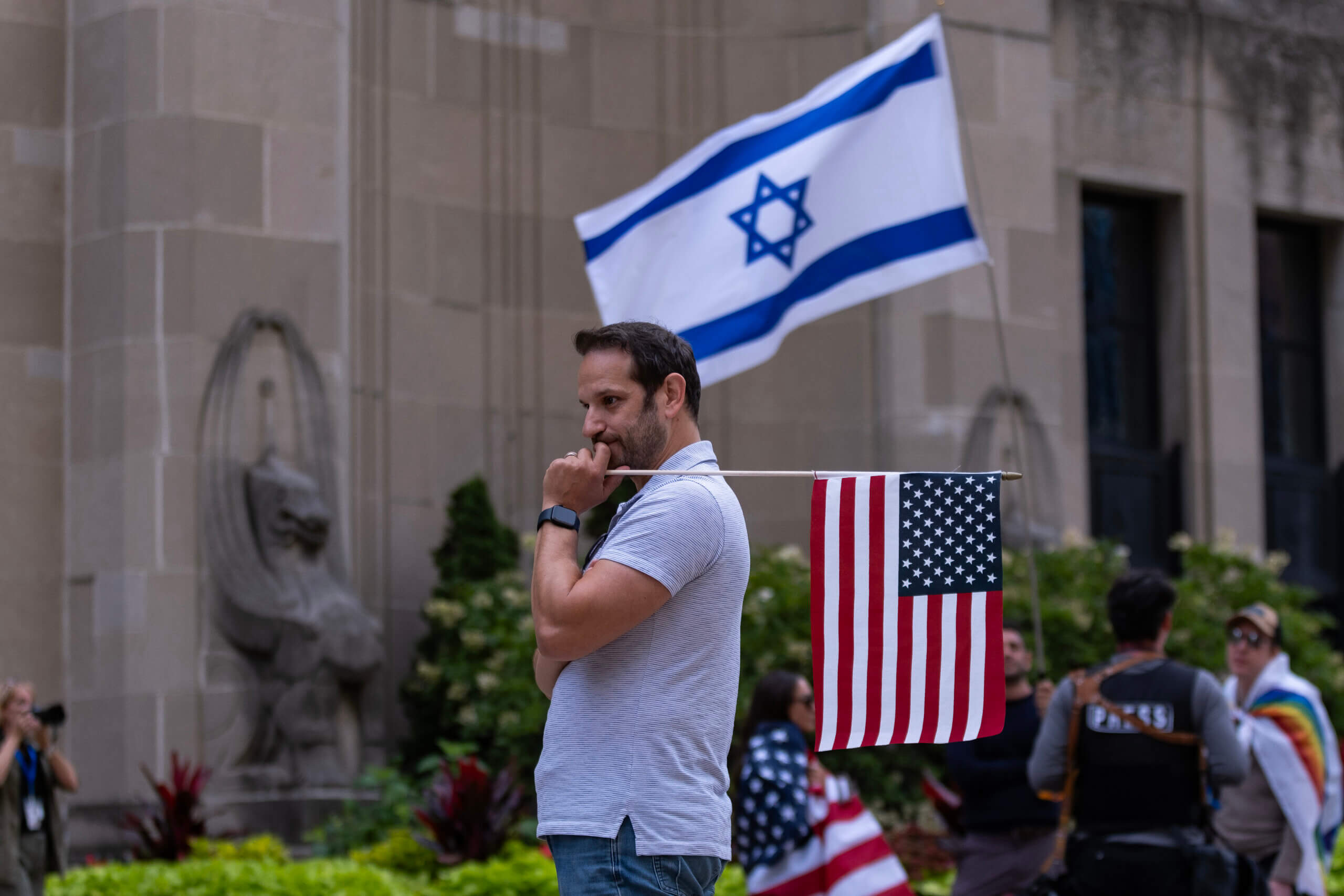
Gallup Poll
The latest signal comes from Gallup’s annual survey, released on February 27, 2026. Founded in 1935, Gallup is one of the oldest and most respected public opinion firms in the United States, and its findings carry particular weight in tracking political and social shifts.
According to the survey, 41 percent of Americans said they sympathize more with Palestinians in the current Middle East situation, compared with 36 percent who said they sympathize more with Israelis.
A five-point gap is not statistically decisive on its own. Politically and historically, however, the result is striking: it marks the first time since Gallup began regularly asking the question in 2001 that Israelis have not led in overall American sympathy.
From 2001 through 2025, Israelis consistently held a double-digit advantage. Between 2001 and 2018, the average gap stood at roughly 43 percentage points in “Israel’s” favor.
The shift began gradually in 2019, well before the October 7, 2023, events and the Israeli war on Gaza. As events unfolded, particularly the harrowing images from the genocide and mounting international criticism, the gap narrowed year after year. By 2026, it had reached near parity—an unprecedented moment that reflects a deeper change in American attitudes toward the “conflict.”
The shift extends beyond the sympathy question to “Israel’s” broader image in the American public, Gallup’s data show.
Among Democrats, Palestinians have held the edge in favorable ratings since 2025. Forty-eight percent of Democrats now view Palestinians favorably, compared with 34 percent who say the same about “Israel,” underscoring a widening divide within the party.
Republicans remain the most supportive of “Israel” at the partisan level, with 69 percent expressing a favorable view. Yet even that figure has fallen 15 points since 2025, reaching its lowest level in more than two decades. At the same time, favorable views of Palestinians among Republicans have climbed to their highest level since Gallup began tracking the measure—an outcome that would have seemed unlikely just a few years ago.
The most telling movement may be among independents, who often decide American elections. Gallup found that 41 percent of independents sympathize more with Palestinians, compared with 30 percent who side more with Israelis—a clear departure from previous years, when independents tended to lean toward “Israel.”
Favorable views of Israeli Occupation among independents have dropped 26 points since February 2023, before October 7, while favorable views of Palestinians have risen 12 points over the same period. The numbers point not to a temporary reaction to events, but to a structural shift in American public opinion.
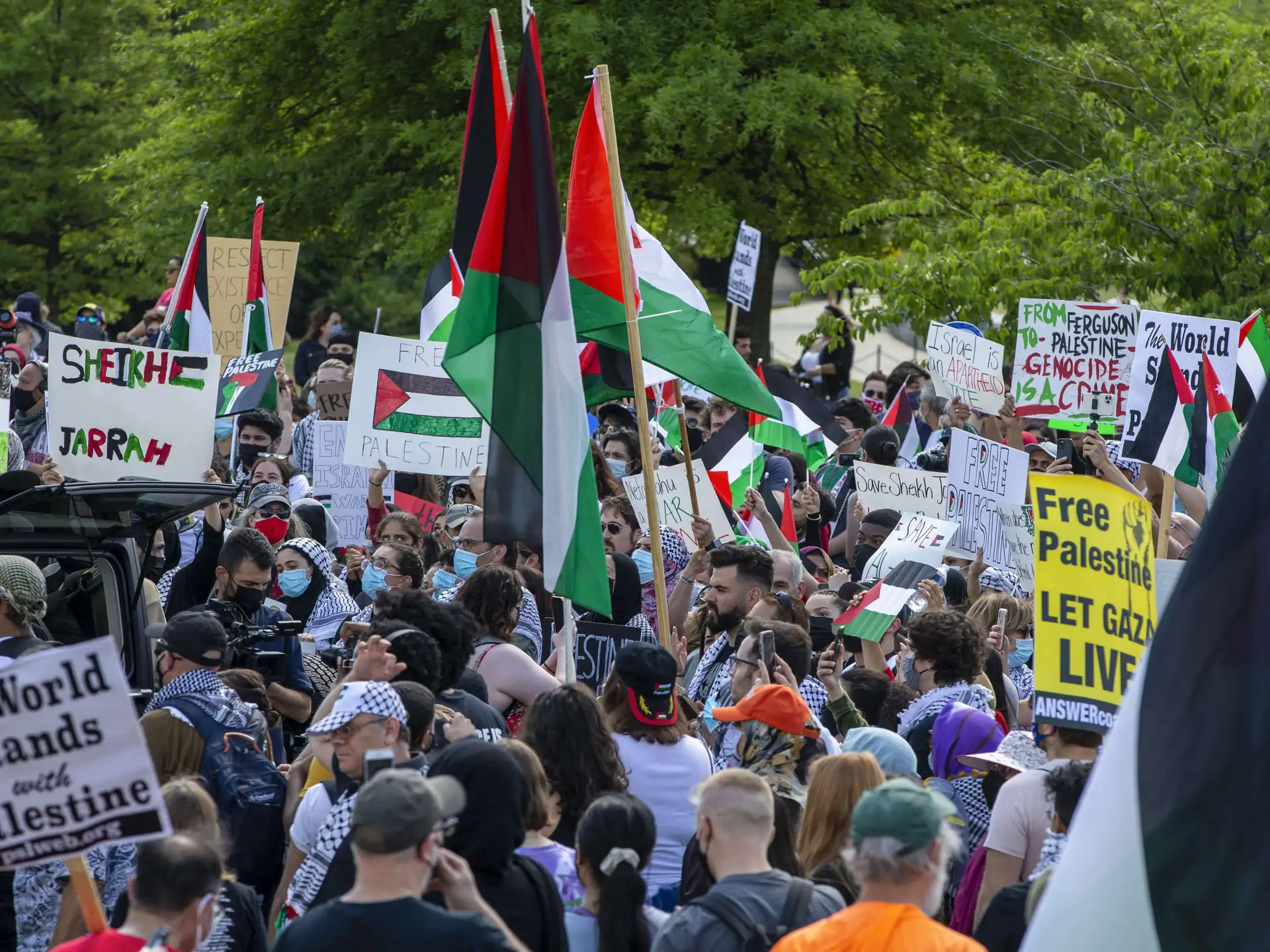
A New Generation
Age may be the most strategic indicator of all. Gallup’s findings show that the shift in American opinion is driven overwhelmingly by younger voters.
Among Americans ages 18 to 34, 53 percent say they sympathize more with Palestinians, compared with just 23 percent who side more with Israelis—the lowest level of support for “Israel” ever recorded among this age group.
Among those ages 35 to 54, 46 percent lean toward Palestinians and 28 percent toward Israelis, marking an almost complete reversal from the previous year.
Even among Americans over 55, sympathy for the Israeli Occupation has fallen to 49 percent, the first time since 2005 that support among older voters has dropped below the 50 percent threshold.
This generational trend echoes findings from other research, including Pew Research Center reports in 2024 and 2025, which found that younger Americans, particularly within the Democratic Party, have grown more critical of Israeli policies and more sympathetic to Palestinians, widening the generational divide on the issue.
Support for a two-state solution offers another lens into the national mood. The latest poll shows that 57 percent of Americans favor the establishment of an independent Palestinian state alongside the Israeli Occupation, a figure approaching the high reached in 2003.
Support rises to 77 percent among Democrats and 57 percent among independents. Among Republicans, however, backing for a Palestinian state dropped to 26 percent after the October 7, 2023, events before rebounding somewhat in 2025, underscoring a widening partisan gap that now stands at roughly 44 percentage points.
The shift is not confined to polling data. It is increasingly visible in political rhetoric, including within parts of the populist right.
Representative Marjorie Taylor Greene has repeatedly questioned sending billions of dollars to “Israel” while the United States faces domestic economic challenges. Conservative strategist Steve Bannon has likewise criticized what he calls unnecessary American entanglement in Middle East “conflicts” on “Israel’s” behalf, urging a renewed focus on domestic priorities.
Taken together, the numbers and the rhetoric point to something deeper than a passing fluctuation—a reordering of political instincts that may shape the next era of American foreign policy.
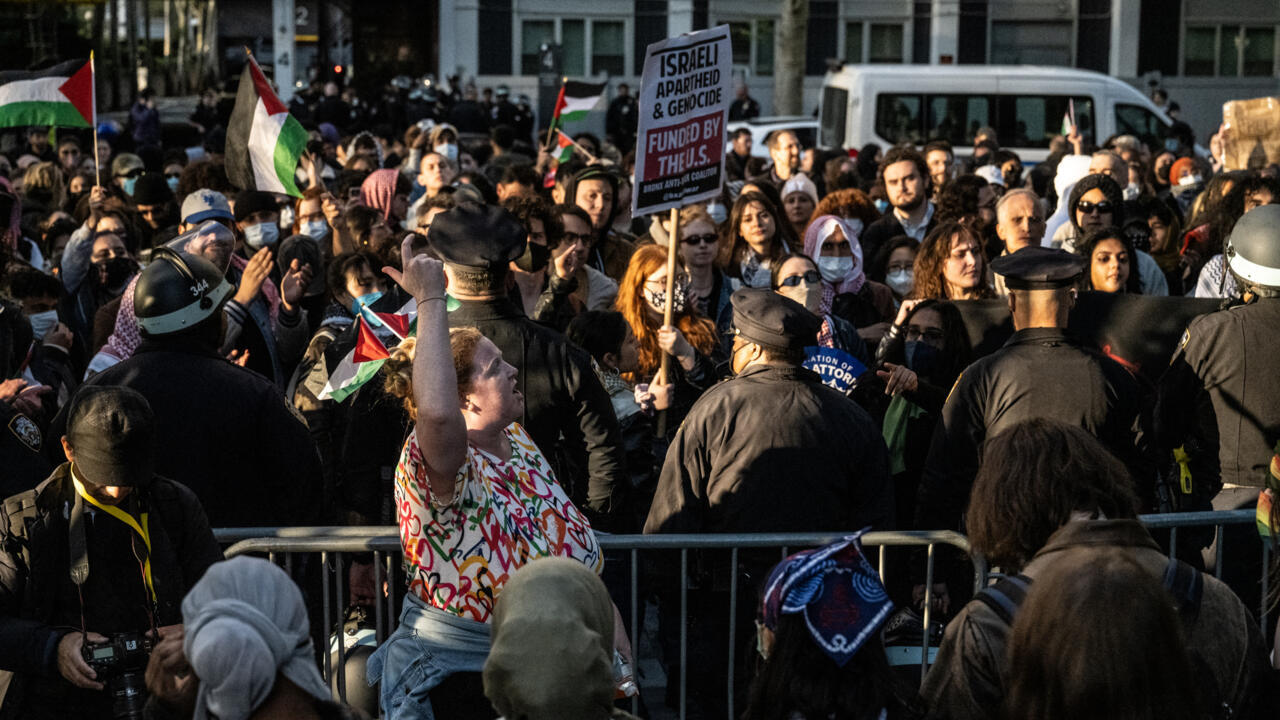
Israeli Occupation’s Security
Abdulrahman Magdy, a U.S.-based political researcher, said the recent indicators of declining public support for “Israel” reflect a deep, historic shift in the structure of American opinion, not a temporary fluctuation tied to a single war or passing political crisis.
“For decades, support for Israel enjoyed near bipartisan consensus among Republicans and Democrats. Over the past quarter century, however, the gap between the two camps has widened steadily, reaching unprecedented levels in recent years,” he told Al-Estiklal.
“The Israeli-Palestinian issue is no longer simply a foreign policy file. It has become embedded in America’s partisan polarization, with views on Israel increasingly serving as a marker of political identity and party affiliation.”
“The shift accelerated during the first term of the previous administration, as segments of the progressive Democratic base folded support for Palestinian rights into a broader social justice agenda, particularly in the wake of the Black Lives Matter (BLM) protests,” the researcher added.
“When the war on Gaza broke out, despite official backing for Israel from the administration at the time, the Democratic base saw a wave of criticism over civilian casualties. That backlash contributed to a measurable decline in support for Israel within the party.”
Magdy also points to political reporting suggesting that a prospective Democratic presidential candidate’s electoral loss was partly linked to the party’s stance on the war on Gaza—an indication, he said, that the issue is influencing voting behavior.
Perhaps more significant is the emerging decline in support within the Republican Party itself, especially among younger voters, a trend that was far less visible in previous years.
The erosion has persisted despite political shifts in Washington, with the aftershocks of the war on Gaza continuing to shape public opinion, according to the researcher.
“Israel,” Magdy argued, “now finds itself in a sensitive phase in its relationship with the United States. It relies heavily on political leadership viewed by some as unpredictable and on a party that still offers strong backing, yet increasingly includes voices critical of unconditional support.”
“The fading of bipartisan consensus could eventually narrow Israel’s strategic and political room for maneuver and leave it more exposed to regional pressure. American public opinion, once a stable pillar of Israeli security calculations, is no longer merely a domestic matter; it has become a factor in Israel’s broader national security equation.”