The Killing of al-Tabtaba’i: Escalation Towards Hezbollah- ‘Israel’ Conflict or a Step Back from the Brink?

“Israel was worried about Hezbollah's possible response -- and should remain worried.”
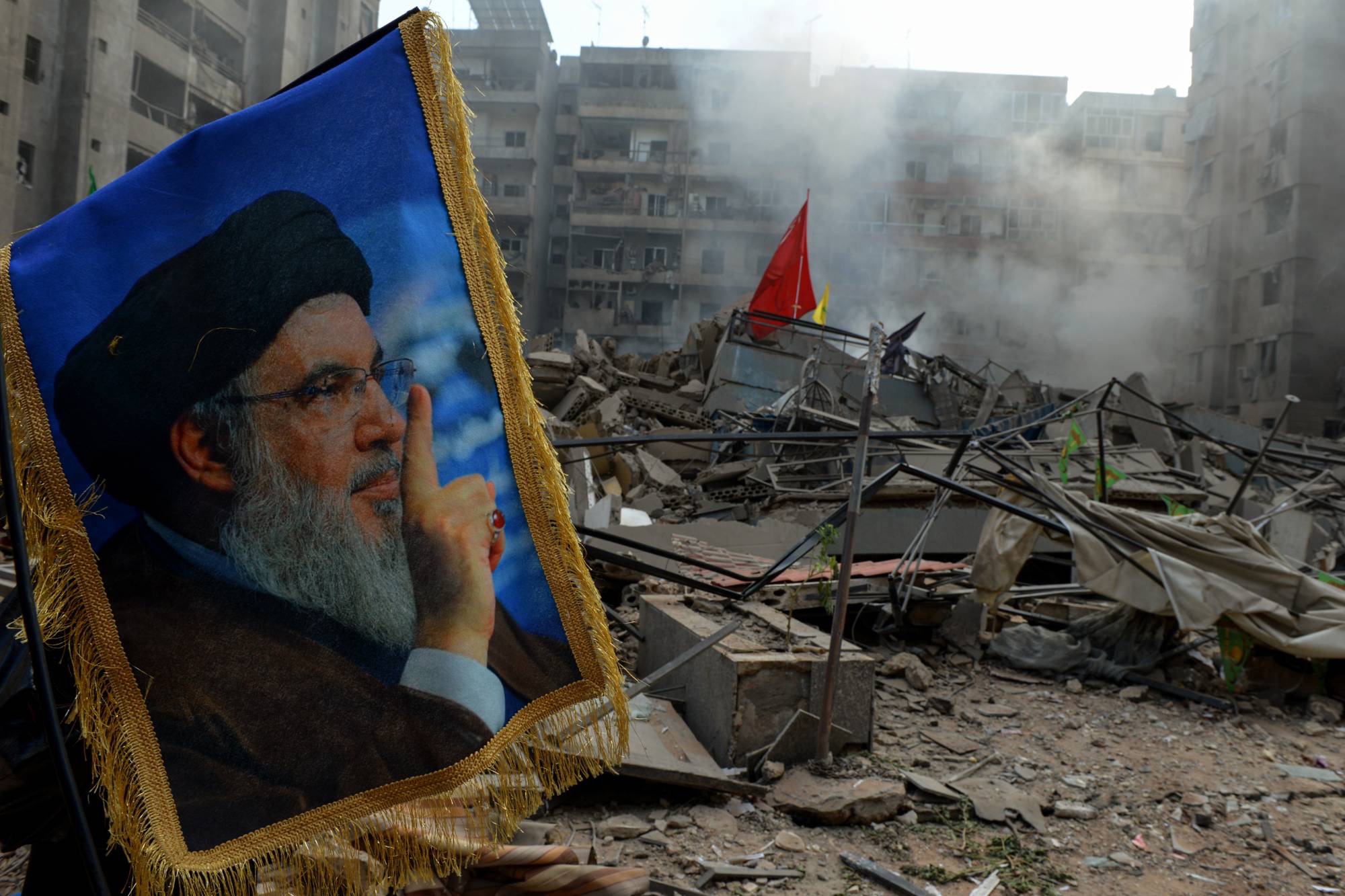
Heitham al-Tabtaba’i, the top figure in the military wing of Lebanon’s Hezbollah, was killed in an Israeli strike that targeted a building in Beirut’s southern suburbs on November 23, 2025.
According to American and Israeli reports, the operation was a tightly calibrated blow carried out with Washington’s prior knowledge, raising the political and security signals embedded in the attack.
This was not only because al-Tabtaba’i had rebuilt Hezbollah’s military arm after the crippling losses it sustained during operations in support of Gaza, but also because he was considered the group’s second, and perhaps its first and most consequential, leader.
Hezbollah’s current chief, Naim Qassem, is seen as carrying more symbolic weight, functioning as a public spokesperson rather than the organization’s de facto commander.
Official Israeli justifications claimed the assassination was meant to signal that the Lebanese government had not done enough to curb Hezbollah, which, they said, was continuing to restore its strength and networks, leaving no option but to widen the strikes and eliminate him along with four other fighters.
However, an analysis by the Israeli news site Walla attributed the move to worries over al-Tabtaba’i’s role in accelerating the group’s procurement of rockets, shells, and drones, preparing for a future confrontation in response to ongoing violations of the ceasefire.
Will the Military Wing Collapse?
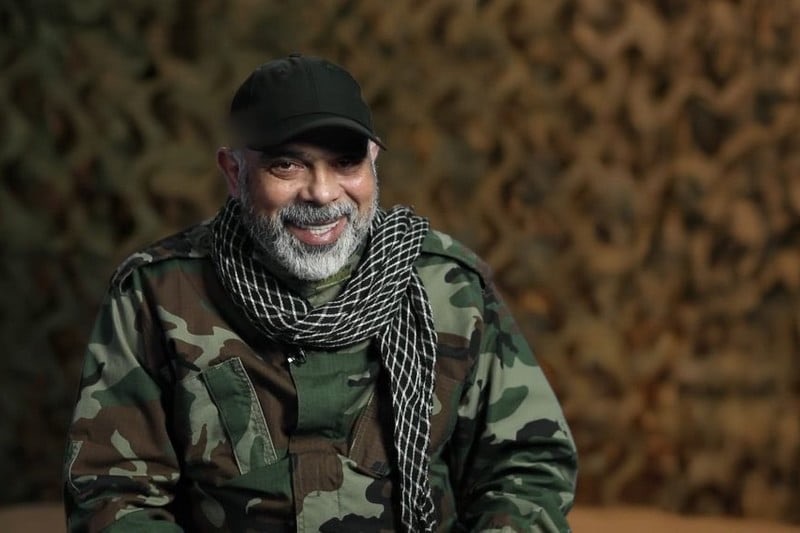
Al-Tabtaba’i is the most senior figure to be assassinated since the November 2024 ceasefire, and he was regarded as an elusive figure believed to have played a central role in reshaping the military wing after the Gaza support campaign against "Israel", according to the Times of Israel on November 26.
Hezbollah said in a brief biography that he assumed “military leadership in the Islamic Resistance” after the most recent war with "Israel" between October 2023 and November 2024, a period in which the group suffered major military and leadership losses.
It added that he had been entrusted with “senior leadership responsibilities across the Axis of Resistance in its various arenas”, most notably the role of “operations chief”.
Information from inside the group indicates that he held sensitive posts within the Iran-led “Axis of Resistance”, and that he had been tasked with managing the Yemen portfolio and supporting the Houthis, something also noted in UN reports that detailed training Hezbollah provided to the Yemeni group, which had also backed Gaza during the more than two years of mass killing.
Following the deaths of Hassan Nasrallah, Hashem Safieddine, Fuad Shukr and Ibrahim Aqil, as well as the loss of Hezbollah’s first and second ranks of command, analysts argue that al-Tabtaba’i’s assassination amounts to the destruction of the last sliver of internal morale and military capability.
The manner of his killing is seen as an extraordinary breach, one that underscores the failure of the exceptional measures Hezbollah had taken to protect him after previous penetrations that cost the lives of its senior leaders.
Another camp, however, argues that while the strike marks a “major setback” for the group’s military trajectory, the reality remains that Hezbollah retains depth in its command structure, making it capable of replacing the slain commander quickly, a point echoed in Israeli media.
Israeli military analyst Tamir Hayman told Channel N12 on November 24, 2025, that the message behind al-Tabtaba’i’s killing was the disruption of “a strategic threat that was in the making”.
“Al-Tabtaba’i was one of the central figures responsible for rebuilding Hezbollah, for liaising with the Iranians, and for reviving the fighting spirit that had been severely damaged within the group after the war, which is why his assassination was both important and necessary,” Hayman said.
He attributed "Israel"'s lack of fear over escalation or reciprocal attacks following the killing of the chief of staff to shifting dynamics and to Hezbollah’s diminished ability to match Israeli retaliation if it attempted to respond, given its military and leadership losses.
Observers were struck by the fact that the assassination, which also killed four of his fighters, and the subsequent funeral passed without any calls for escalation from Hezbollah or any of its usual threats.
Israeli security assessments cited by Haaretz and Channel Kan 11 interpreted this as a sign of weakness, concluding that there would be no “exchange of blows” following his death.
For the first time since the announcement of the ceasefire, Hezbollah issued five obituary statements, using the phrase “martyrs in sacrifice for Lebanon and its people” instead of its usual “on the road to Jerusalem”, without vowing any form of retaliation for the operation.
Israeli Messages
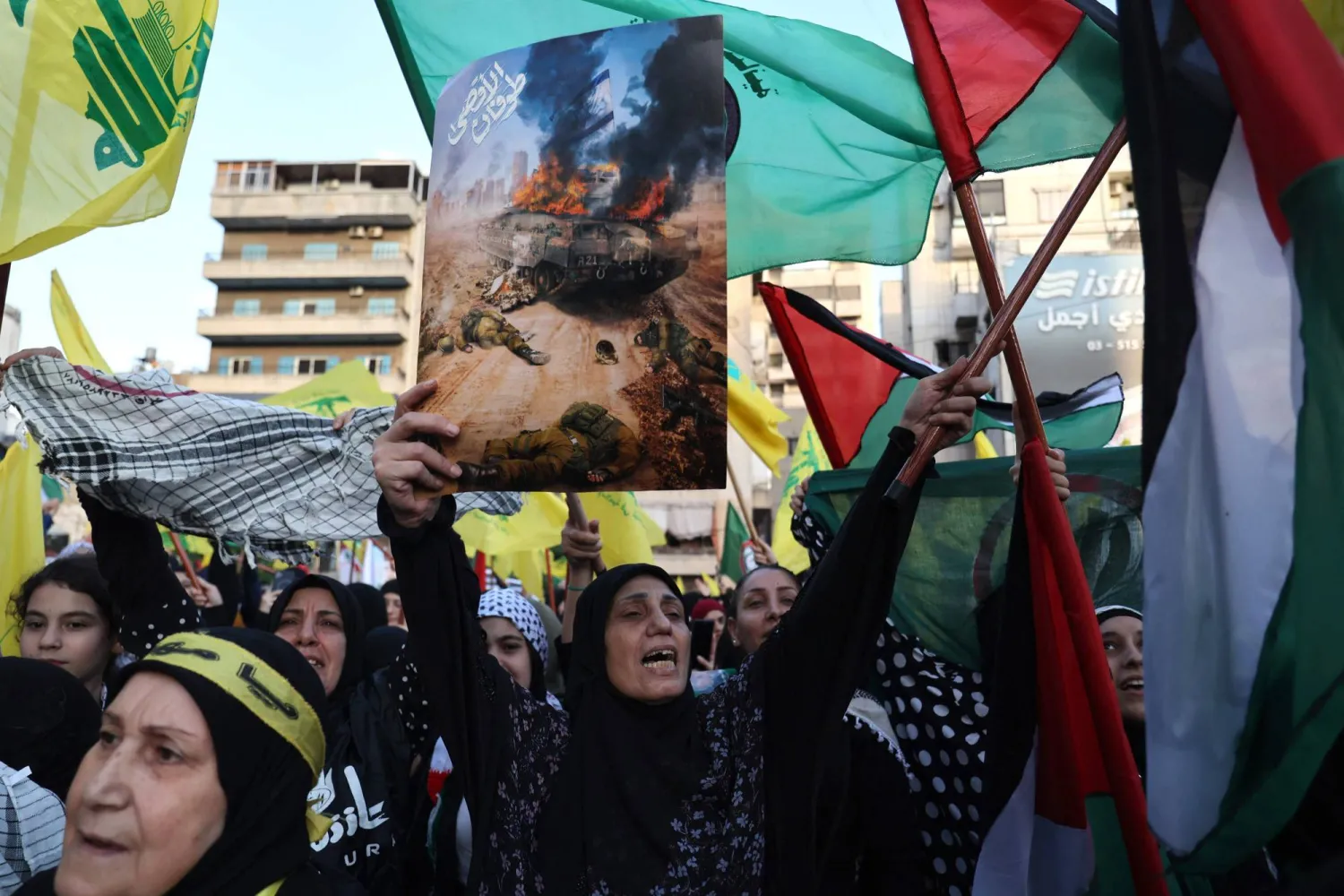
Beyond the messages "Israel" sought to deliver to Hezbollah, there were additional “pressure” signals aimed at the government in Beirut, suggesting that Israeli threats of escalation were “real” unless the group’s weapons were dismantled.
The escalation, in turn, was read as a rejection of the diplomatic initiative launched by Lebanon’s president, Joseph Aoun, on November 21, 2025, an effort designed to avert a large-scale war on Lebanese soil, and as an insistence on continuing strikes without red lines.
Following the assault, the Israeli prime minister, Benjamin Netanyahu, said, “My policy is absolutely clear. Under my leadership, Israel will not allow Hezbollah to rebuild its strength, and we will not allow it to once again pose a threat to the State of Israel.”
This raises questions about the path "Israel" will adopt in the days ahead, and whether the strike in the southern suburbs was the start of a broader escalation or whether "Israel" has already achieved its objective with the assassination of the group’s most prominent military figure, and will continue operations at the same pace.
Since the ceasefire, "Israel" has struck what it claimed were Hezbollah “threats”, killing 340 of the group’s members.
Israeli military analyst Tamir Hayman argues that by assassinating al-Tabtaba’i, "Israel" sent “a clear and unequivocal message” to the Lebanese government over disarming Hezbollah.
Beirut had been relying on international pressure to push "Israel" to halt its attacks on Lebanese territory, despite the Lebanese state offering major strategic concessions around Hezbollah’s weapons.
Aoun’s initiative focused on the army’s readiness to take over the occupied points in the south, and on the Lebanese state’s willingness to present the Quintet Committee with a clear timetable for the handover.
The proposal also affirmed Lebanon’s readiness to negotiate, under UN, American or joint international sponsorship, any agreement that would establish a framework for permanently ending Israeli attacks, alongside the principle of placing all weapons exclusively under state control.
Dr Yogev Elbaz of the Dayan Center at Tel Aviv University told Haaretz that “there is a real fear that expanding the assault on Lebanon could lead to a withdrawal of Shia members from the Lebanese army and its disintegration, given that they make up about 40 percent of recruits and more than a quarter of its officers.”
He explained that "Israel" had been counting on creating tension between Hezbollah and the Lebanese army, instead of the unity that had emerged in response to ongoing Israeli attacks.
But with further escalation, including an Israeli strike that killed a Lebanese municipal official, President Aoun, in a state of anger, instructed the army chief, Rudolph Heikal, to “confront any Israeli invasion of liberated territory in the south.”
The move was praised by Hezbollah’s leader, Naim Qassem, who called for “strengthening the Lebanese army so it can stop the Israeli army”, a stance that could thwart attempts to drive a wedge between the two.
Lebanese public opinion now oscillates between frustration and anxiety amid the growing likelihood of war and the fading hope of establishing a new political order.
Under American pressure to deepen dialogue with "Israel", Aoun has declared that negotiations are unavoidable.
Israeli analysts have voiced concerns that continued escalation and the absence of a halt to strikes on Lebanese territory could undermine the growing opposition to Hezbollah, particularly from the Christian camp.
Christian leaders have been more outspoken and confrontational toward Hezbollah, emboldened by the war’s outcome and the weakening of the group.
The Christian MP Sami described Hezbollah’s insistence on keeping its weapons rather than leaving them to the state as “destroying the country”, and several Christian parties and armed factions issued statements urging Hezbollah to accept disarmament.
American Green Light
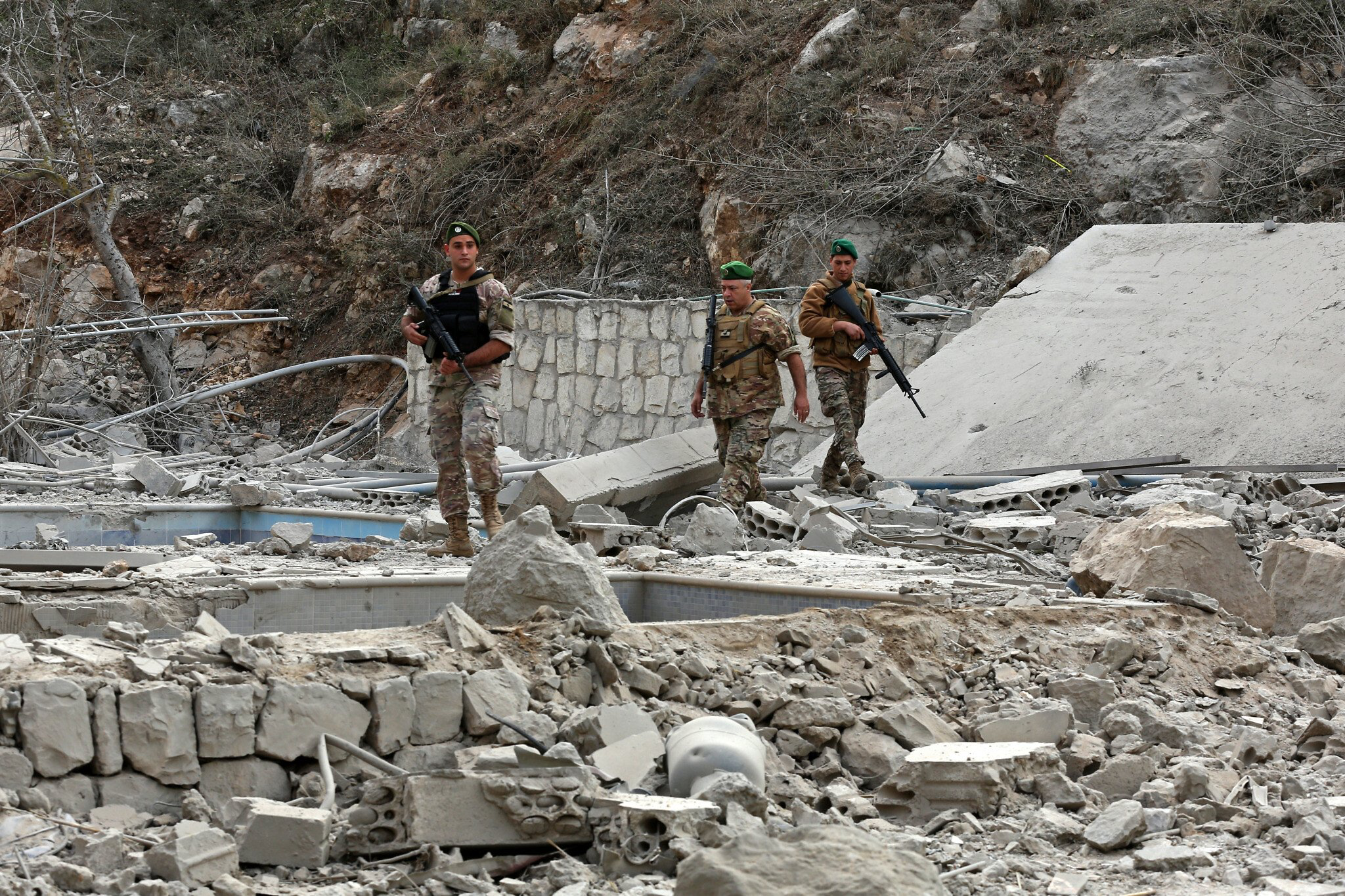
Haaretz argues that one of the drivers behind the latest escalation in Lebanon is that the Israeli Occupation Forces’ initiative is U.S.-backed.
In its analysis, the paper said the assassination in the heart of Beirut had received strong support from the Trump administration as part of a plan to shift the balance of power in the region.
It added that the decision to target a figure of this level sends a signal that "Israel" is prepared to take risks, even at the cost of several days of fighting and reciprocal fire, given American backing and a changed balance of power compared with more than a year ago.
Nasrallah is gone, the upper military leadership of Hezbollah has been eliminated, the group’s missile stockpile has shrunk, and even its fighting spirit has waned, no longer what it once was among its fighters.
Haaretz wrote that Washington and "Tel Aviv" do not trust the Lebanese government’s ability to rein in Hezbollah’s weapons unless this effort is reinforced by military strikes.
This view has hardened, it said, because their assessments have grown more pessimistic, with the Lebanese army’s efforts having stalled while Hezbollah has accelerated its armament.
Retired Israeli general Kobi Marom warned on the website of "Channel 12" that “the Israeli operation in Lebanon is being carried out in full coordination with U.S. Central Command and with the Trump administration, which is also managing developments on the Lebanese front.”
He stressed that the Americans fully understand the wide gap between the Lebanese leadership’s statements on dissolving Hezbollah and their actual capacity or willingness to do so.
For that reason, he said, they issued a warning to the Lebanese government that there would be no support for Lebanon’s collapsing economy and no reconstruction of southern villages without dismantling Hezbollah.
Because the Americans have not built an effective mechanism for disarming Hezbollah, and because the Lebanese army is weak, small, and fearful of sliding into civil war, "Israel" has received a green light to intensify its strikes against the group’s rebuilding efforts, according to the general.
Trump sent a message to President Aoun on the occasion of the 82nd anniversary of Lebanon’s independence, saying that “Lebanon stands at a historic crossroads, with an opportunity to chart a path toward greater stability and economic prosperity for Lebanon and its people.”
On August 5, 2025, Lebanon’s cabinet approved a decision placing all weapons, including Hezbollah’s, under the authority of the state, and tasked the army with preparing and implementing a plan before the end of 2025.
But Naim Qassem has repeatedly said that the group rejects this, insisting instead on the withdrawal of the Israeli Occupation Forces from all Lebanese territory.
Open Options
The assassination of al-Tabtaba’i by "Israel" has created a dilemma for Hezbollah’s leadership. Should it respond to such an extraordinary strike and to the killing itself, and if so, in what form and at what scale?
Retired Israeli general Kobi Marom wrote on the Channel 12 website that Hezbollah’s leadership believes any response would trigger a wide Israeli offensive against the group’s centers of gravity, granting "Israel" a golden opportunity to destroy them.
“Today,” he wrote, “Hezbollah is a weakened and wounded organization, attempting to rebuild its severely damaged capabilities and leadership. It is so weakened that it has refrained from responding to hundreds of Israeli attacks over the past year.”
He added that despite repeated Iranian efforts to rebuild the organization, through renewed weapons smuggling, financial backing, and attempts to restore production capacity, the group is now unable to pay salaries to tens of thousands of its members.
For that reason, the retired general argued, Hezbollah’s response options, should it feel compelled to retaliate and believe it has recovered part of its strength, include launching drones or explosive UAVs at targets in "Israel", firing rocket barrages toward the north, possibly long-range missiles at deeper Israeli territory, a low probability, or carrying out an operation abroad against an embassy or Israeli individuals.
He suggested that “after such a dangerous strike, it will be difficult for the group not to respond. But at the same time, it has no appetite for a wide escalation, and it certainly does not want to hand Israel the opportunity to deliver a crippling blow to its capabilities.”
The Lebanese daily al-Akhbar wrote that the assassination was not surprising, given the political groundwork laid by Hebrew-language media, Israeli officials, and international and Arab envoys who had recently visited Lebanon.
It added that the problem is not only in what the enemy and its American sponsor say, or in what Western actors claim. "Israel’s" allies inside Lebanon, as always, were quick to widen the war on the resistance, mocking the idea of rebuilding capabilities and expressing “admiration” for the Israeli enemy while justifying the strike.
It noted that the Lebanese state is in no better shape, having been preoccupied with gathering information through mediators.
Officials were focused on whether "Israel" would limit itself to renewed assassinations of Hezbollah commanders in the southern suburbs or expand the targets to other locations, even within Beirut.
It was striking that President Joseph Aoun was the only one to condemn "Israel" by name, saying that “Israel’s targeting of the southern suburbs of Beirut, and the timing of this attack on Independence Day, is yet another sign that it pays no heed to the repeated calls to stop its assaults on Lebanon.”
Prime Minister Nawaf Salam, meanwhile, stressed that “protecting the Lebanese people and preventing the country from sliding into dangerous paths is the government’s priority during this delicate phase.”
While calls continued to echo that “weapons must be surrendered if the country is to avoid Israeli escalation”, Hezbollah’s response came through the head of its Executive Council, Sheikh Ali Damoush, who said during al-Tabtaba’i’s funeral that “Israel was worried about Hezbollah's possible response -- and should remain worried.”
"They must pressure the Israeli enemy to halt its aggression," he added."Kill and destroy as much as you like, we will not accept any proposal or initiative before the halt of hostilities and violations, and before the Israeli enemy commits to the ceasefire."
Sources
- Israeli Escalation Against Hezbollah Puts Fragile Lebanon Ceasefire in Doubt
- Slain Hezbollah army chief led terror group’s effort to rebuild in south Lebanon – report
- Weakened Hezbollah hesitates on retaliation while Israel warns of escalation – analysis
- Hezbollah chief of staff killed in Beirut airstrike, Israeli military says
- Who is al-Tabtabai, the man who rebuilt Hezbollah’s military wing before being assassinated by "Israel"? [Arabic]