Will the SDF Integrate Into the Syrian State, or Face the Prospect of War?
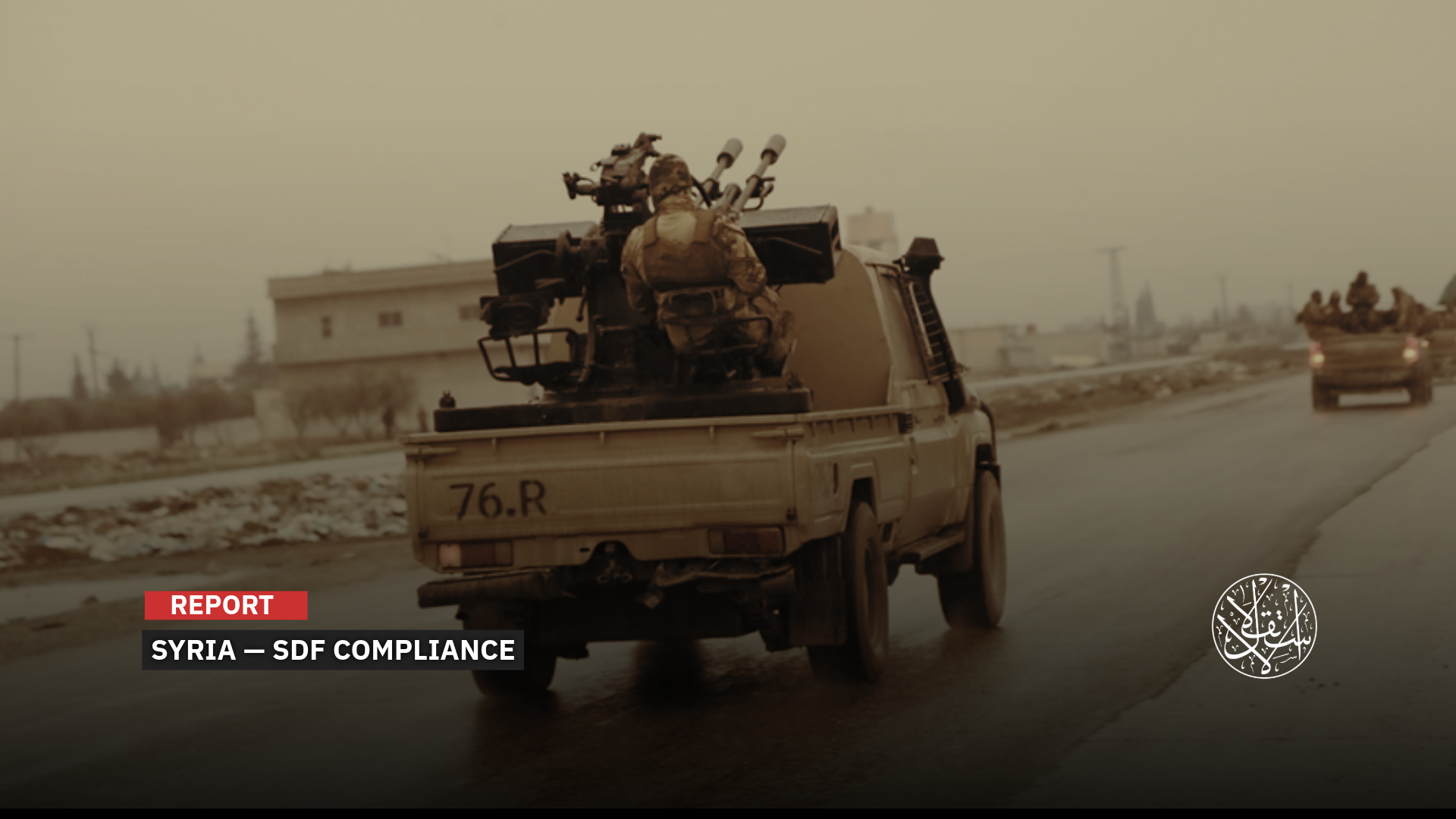
The Kurdistan Workers’ Party categorically rejects implementing the agreements.
The SDF militia now faces a decisive deadline to prove its commitment to integrating into the new Syrian state, abandoning separatist projects and severing ties to external agendas that threaten the stability of Syria and its neighboring countries.
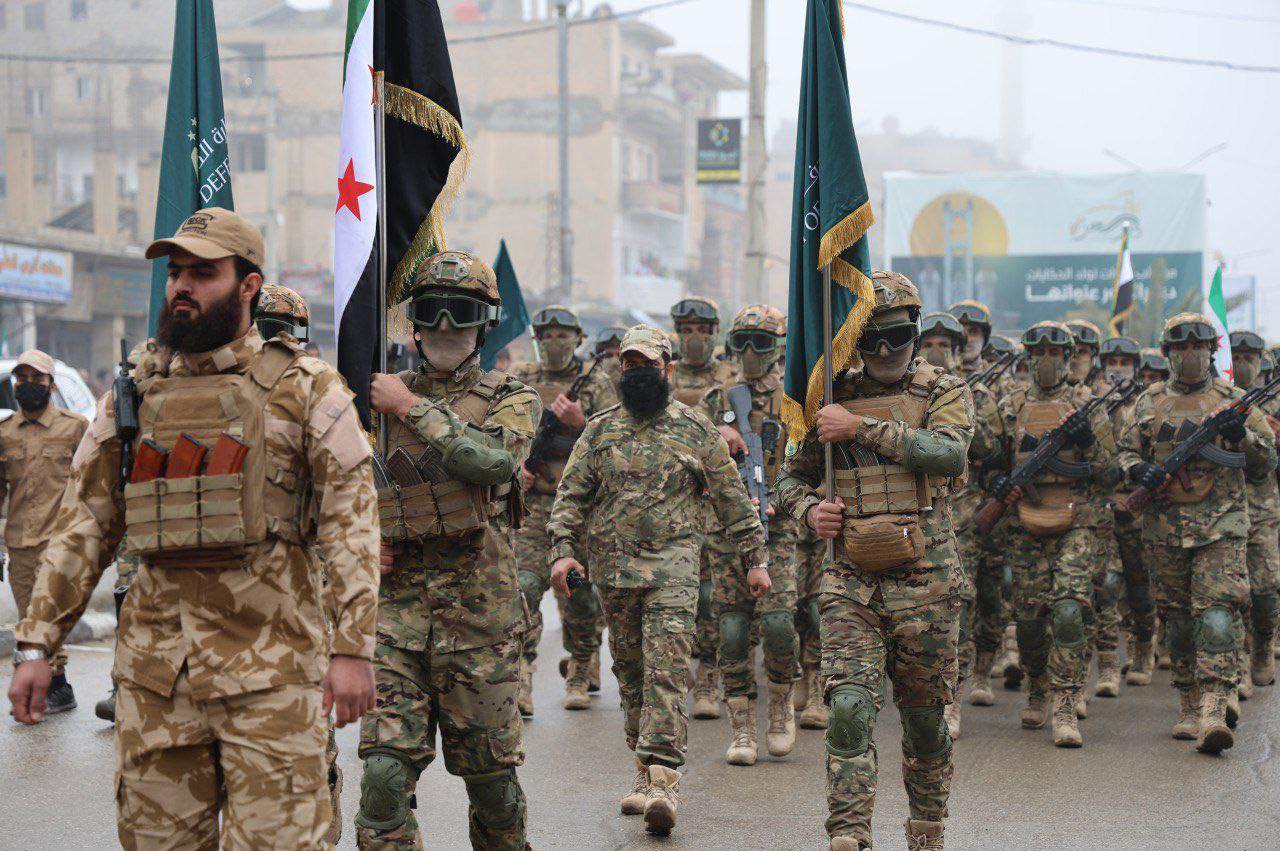
In a move described by observers as a sign of sensitive political and security maneuvering in northeastern Syria, the Syrian Ministry of Defense announced on January 20, 2026, a four-day ceasefire across all sectors of the Syrian Arab Army’s operations, following the presidency’s announcement of a mutual understanding reached between the Syrian government and the SDF militia on several issues related to the future of al-Hasakah province.
The Ministry of Defense stated in a press release that the cease-fire would take effect at 8 p.m. on January 20, 2026, covering all fronts and military operation sectors, and would remain in force for four days in accordance with the agreements announced by the Syrian state with the SDF militia, reflecting a commitment to the success of the national efforts underway at this stage.
The ministry emphasized that it will remain a shield protecting all Syrian citizens, sparing no effort to maintain public security and stability, while safeguarding civil peace and reinforcing stability across the country’s entire geography.
Mutual Understanding
At the same time, the presidency of the Syrian Arab Republic confirmed that a mutual understanding had been reached with the SDF militia on several issues concerning the future of al-Hasakah province, the main stronghold of SDF militia influence within Syria.
The presidency said that if the agreement is fully implemented, Syrian forces would not enter the centers of al-Hasakah and Qamishli, remaining instead on their outskirts, with the timeline and details of a peaceful integration for the province, including Qamishli, to be discussed later.
Regarding Kurdish villages, the presidency confirmed that Syrian military forces would not enter these areas, and no armed forces would be present there except for local security units drawn from the local population, in accordance with the agreement.
The presidency also noted that SDF militia commander Mazloum Abdi would propose a candidate from the SDF militia for the position of deputy defense minister, as well as a candidate for the governor of al-Hasakah, representatives for the People’s Assembly, and a list of personnel to be employed within Syrian state institutions.
The presidency emphasized that both parties had agreed to integrate all military and security forces affiliated with the SDF militia into the Ministries of Defense and Interior, with discussions ongoing regarding the detailed mechanism of integration, while civil institutions would be merged into the Syrian government structure.
Regarding linguistic, cultural, and citizenship rights for Kurds, the presidency clarified that Decree No. 13 would be implemented, reflecting a shared commitment to building a united and strong Syria based on national partnership and guaranteeing the rights of all its communities.
However, the SDF militia has not implemented the terms of the agreement and has continued to delay, despite Damascus granting it four days to consult and develop a detailed plan for the practical integration of the regions.
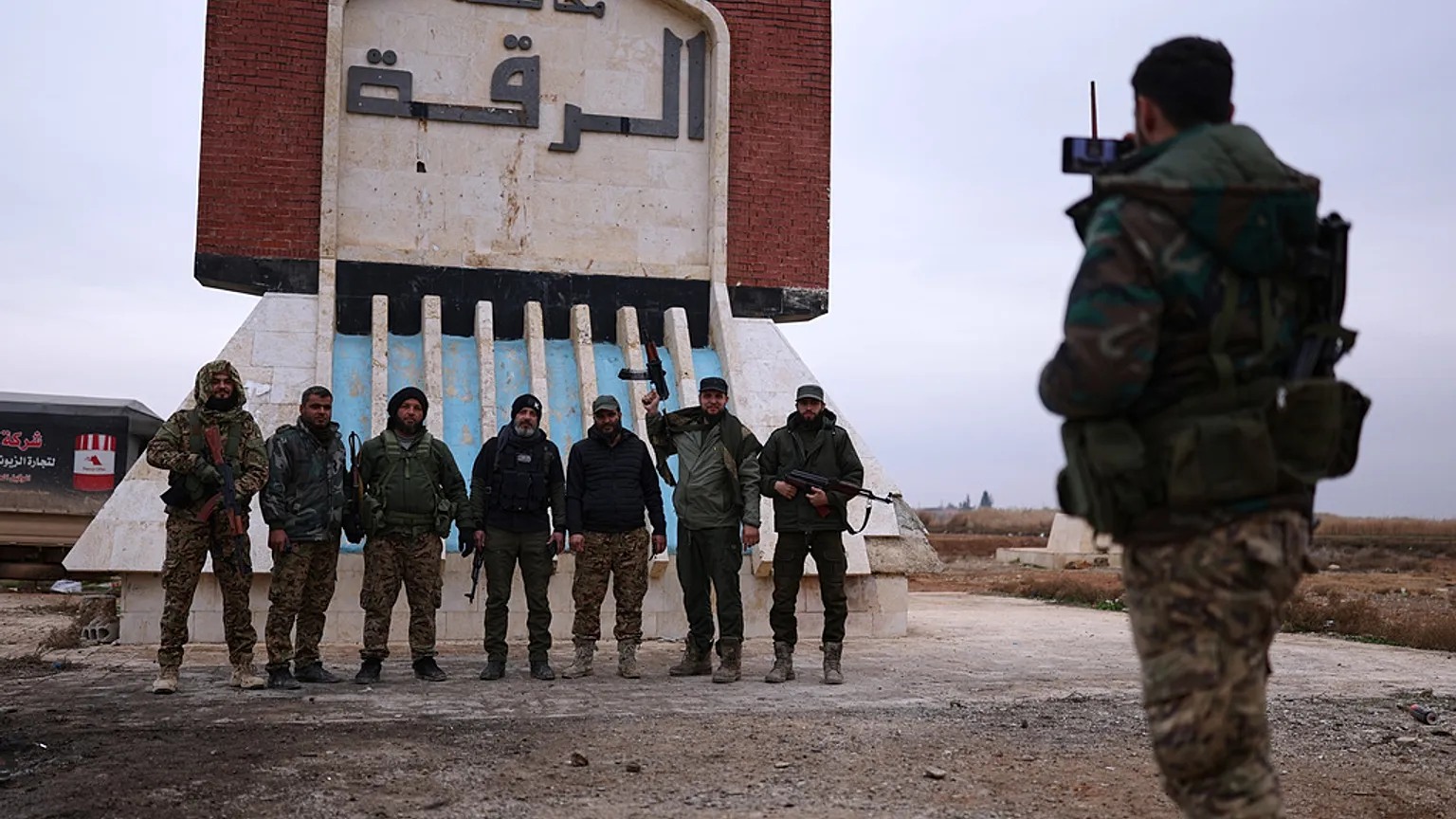
Recent advances by the Syrian army in Raqqa, Deir ez-Zor, and the rural areas of al-Hasakah have dealt a significant blow to the SDF militia’s influence, which had relied on controlling these oil- and water-rich areas as a key bargaining tool in political discussions with the Syrian government over the future of the northeast.
With the SDF militia delaying the implementation of the integration agreement signed between Mazloum Abdi and President Ahmed al-Sharaa on March 10, 2025, observers now fear that some towns in al-Hasakah bordering Turkiye and Iraq could become sites of prolonged attritional conflict.
This concern is heightened in towns within al-Hasakah with predominantly Kurdish populations, where the SDF militia, since January 11, 2026, has been concentrating its forces, including fighters withdrawn from Aleppo neighborhoods following clashes with the Syrian army.
The Military Option
Observers note that the new opportunity granted by the Syrian government to the SDF militia, even though it came under the threat of force, was fair to the region’s Arab residents, who have long demanded the return of state services and institutions, and the presence of security and army forces across all areas after years of deliberate neglect by the SDF militia and the looting of the region’s resources.
The Syrian army’s advances in Deir ez-Zor, Raqqa, and rural al-Hasakah came after an uprising by local tribal communities, which drove the SDF militia forces out of those areas and forced them to retreat to towns within al-Hasakah province.
In this context, Brigadier General Abdullah al-Asaad, head of the Syrian Monitoring Center for Strategic Studies, said that "the SDF’s allies in the Kurdistan Workers’ Party are trying to make the implementation of the agreement with the Syrian state difficult, as they have no interest in enforcing it, seeing it as the end of the SDF era."
He added in a statement to Al-Estiklal, "The behavior of the SDF indicates a lack of willingness to integrate into the Syrian state, because these groups were founded with a mountain-stronghold mentality and rely on sabotage as a fixed operational approach."
He argued that "the SDF’s lack of interest in joining the new Syrian state makes this issue likely to turn into a problem."
He noted that the Syrian state, wisely, granted the SDF everything it requested from the outset, offering what amounted to a lifeline.
Yet the SDF militia and its operators seek only to maintain themselves as a dominant force and impose separatist projects, keeping the frontlines in a state of open conflict until the state reasserts control legally, amid regional and international pressures to unify Syria as a single state.
"We could witness military operations by the Syrian Arab Army in al-Hasakah to compel the SDF militia to comply with the agreement," he concluded.
It was notable that on January 21, 2026, the Syrian Ministry of Defense announced the killing of 11 Syrian soldiers and injuries to more than 25 others after they were targeted by the SDF militia on the first day of the cease-fire, a continued violation of agreements with the Syrian state.
Under a fragile agreement governed by a tight deadline and entangled regional and international pressures, doubts are rising over the chances of implementing the latest understanding between the Syrian government and the SDF militia, amid warnings of renewed escalation.
Amid accusations of deliberate obstruction by hardline SDF militia factions linked to external agendas, and advanced U.S. commentary declaring the end of the SDF militia’s military role and the necessity of its integration into the Syrian state, the four-day window now represents a crucial test for the agreement’s future.
This scenario reflects a struggle between a political path seeking to unify the country and end divisions, and forces with external agendas that see the implementation of the agreement as a direct threat to their economic and strategic interests in the Jazira and Euphrates region, which contains 90 percent of Syria’s oil and gas production, along with agricultural and water resources that remain vital to the national economy.
Crucial Days
In this context, Sheikh Mudar Hammad al-Asaad, head of the Supreme Council of Syrian Tribes and Clans, said, "The coming four days are crucial, marking the divide between the implementation of the agreement or its failure, as Damascus seeks to spare the local population from war and bloodshed."
He added in a statement to Al-Estiklal that "the SDF is currently carrying out terrorist operations against the Syrian people, which proves that the hardline wing of the SDF is seeking to obstruct the process. It is aligned with an external agenda amid multiple interventions by global powers trying to prevent the agreement’s implementation, including Israel, Iran, and several other countries threatened by the Syrian state’s extension of control over its full territory."
"The Kurdistan Workers’ Party categorically rejects the implementation of agreements signed between the SDF and the Syrian government because it would lose its personal gains, including oil, gas, and agricultural wealth, as well as large sums of money it has extracted from its presence in the Syrian Jazira region."
"The international community must apply real pressure on the SDF and its backers to ensure the agreement is implemented," al-Asaad added.
"The United States is the guarantor, along with the president of Iraq’s Kurdistan Region, of the latest agreement, and the current stage requires strong pressure on the SDF to prevent the agreement from being broken a third time."
"Current signs suggest the SDF may not implement the agreement, given its ongoing terrorist actions against the Syrian people, and the tribes and clans that make up more than 90 percent of the population in the Jazira and Euphrates provinces."
According to al-Asaad, "The SDF remains committed to previous practices, particularly compulsory recruitment and the abduction of underage girls."
"It continues, to this day, to smuggle oil through tunnels and secret pipelines out of Syria, specifically to Iraq’s Kurdistan region, which constitutes a major blow to the agreement," he said.
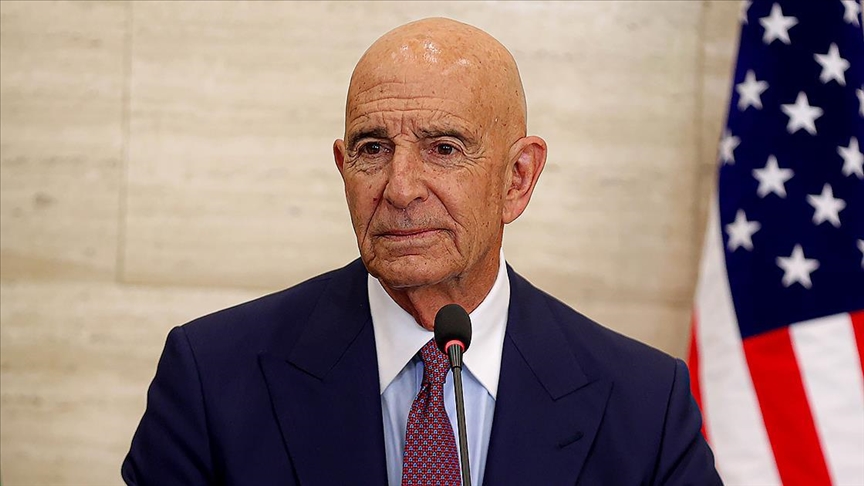
The U.S. special envoy for Syria, Tom Barrack, said in a press briefing on January 20, 2026, that the greatest opportunity for the Kurds in Syria currently lies under the new government led by Syrian President Ahmed al-Sharaa.
He added that the original purpose of the SDF militia as a primary force against the Islamic State has ended on the ground, noting that Damascus is now capable of taking responsibility for security, including control over Islamic State detention centers.
Barrack emphasized that the United States does not seek a long-term military presence in Syria, and he sees this moment as creating a path toward full integration into a unified Syrian state that guarantees citizenship rights.
He continued that the U.S. is prioritizing the defeat of Islamic State remnants and the strengthening of national unity in Syria, while supporting reconciliation and the promotion of unity without endorsing separatist or federalist tendencies.
He noted that the U.S. administration has engaged extensively with the Syrian government and SDF militia leadership to secure an integration agreement and outline a path for its implementation, confirming that the deal would integrate SDF militia fighters into the national army.
The U.S. ally has abandoned the SDF militia, rejecting its demands to join the Syrian army as entire units, brigades, or divisions, and instead allowing integration only on an individual basis after security vetting, according to experts.
Additionally, any individual proven to have ties to the Kurdistan Workers’ Party, classified as a terrorist organization by the United States, Syria, and Turkiye, will not be accepted into the new Syrian army, experts say.
Sources
- Defense Minister: SDF Arbitrary Arrests in al-Hasakah Threaten Cease-Fire [Arabic]
- Jordan Welcomes Cease-Fire Agreement and Full Integration Between Syrian Government and SDF [Arabic]
- Tom Barrack: SDF’s Original Purpose Has Ended [Arabic]
- Syria: 11 Soldiers Killed in SDF Attacks on First Day of Cease-Fire Period [Arabic]