Israeli Occupation, UAE Face a New Alliance in the Red Sea: What’s Next for Regional Influence?
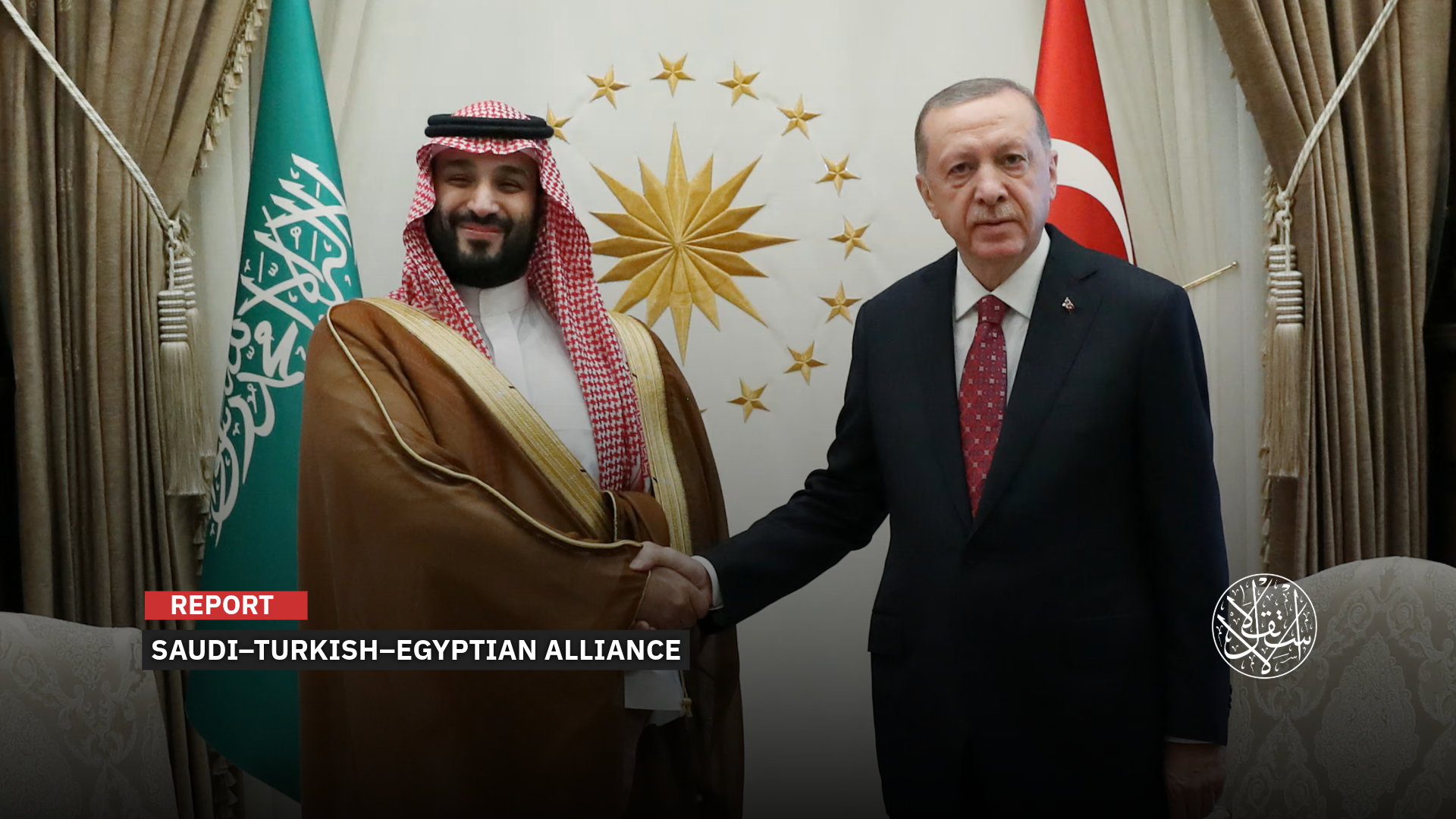
A Turkish writer: a Saudi-Turkish-Egyptian alliance is no longer a matter of choice but an essential necessity.
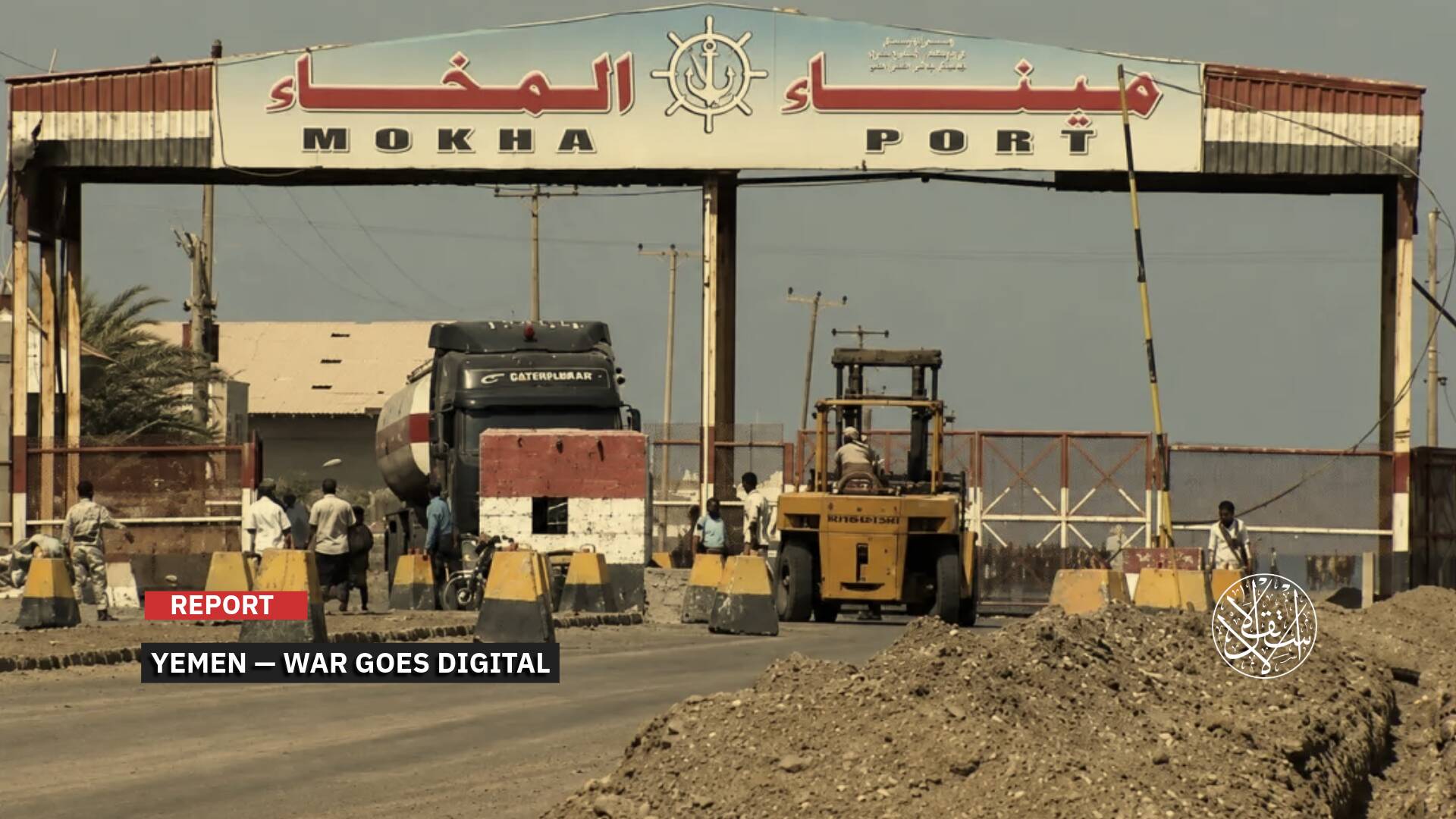
The Red Sea is no longer just a sensitive strategic shipping lane. It has become a proving ground for new power alignments in the Middle East and a test of influence across the Horn of Africa.
In recent weeks, a series of overlapping signals has pointed to advanced coordination between Saudi Arabia and Egypt, moving beyond diplomacy into intelligence sharing and the monitoring of Emirati naval activity in Yemen, according to an Egyptian presidential source cited by the Middle East Eye (MEE) on January 13, 2026.
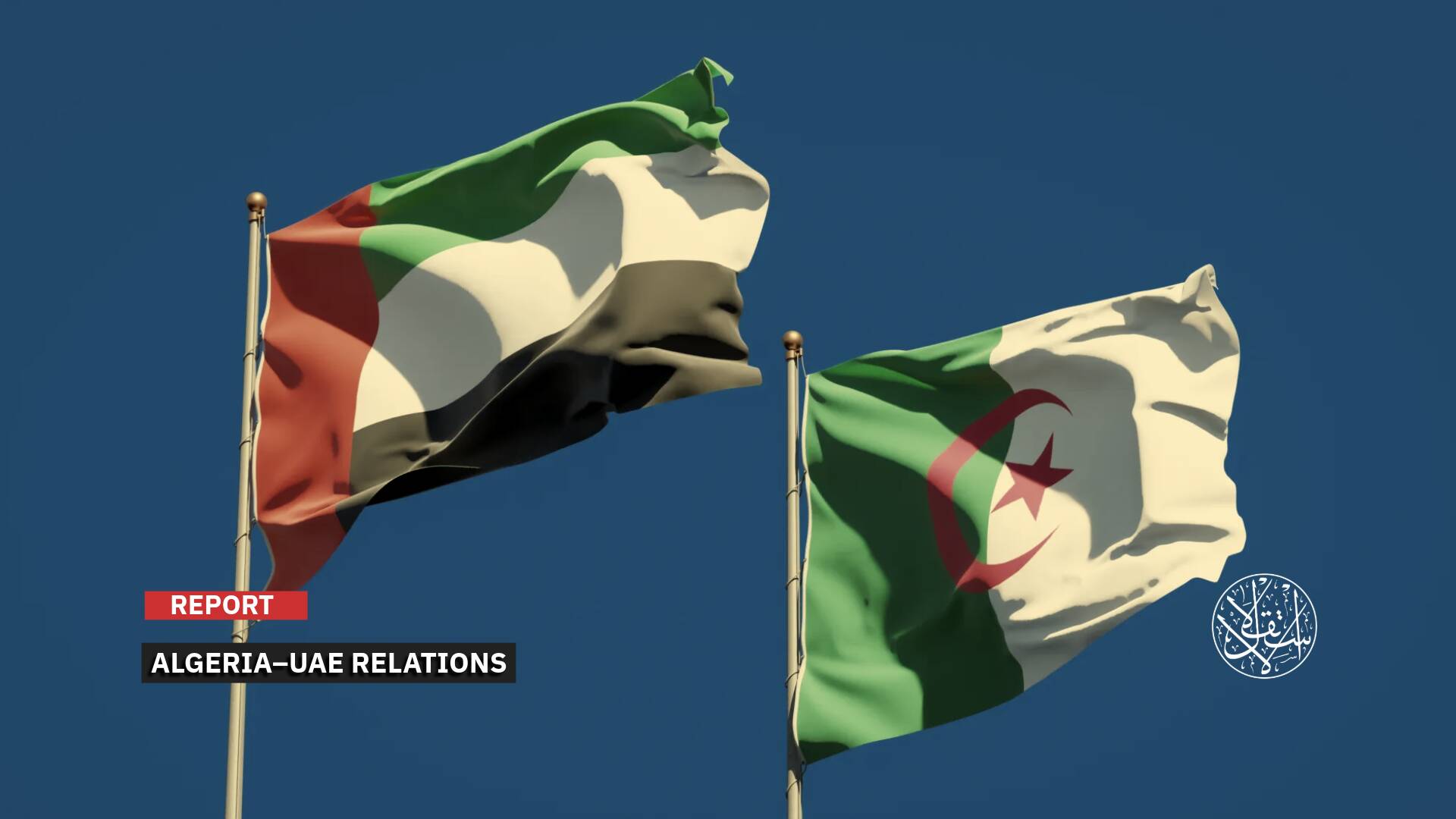
At the same time, Somalia’s dispute with the United Arab Emirates (UAE) escalated into a formal break, with Mogadishu announcing the cancellation of all security, defense, and commercial agreements with Abu Dhabi, a move widely seen as a sharp challenge to Emirati influence in the region.
Across the Bab el-Mandeb strait, “Israel’s” recognition of Somaliland as an independent entity on December 26, 2025, added another layer of tension to an area already defined by tightly interwoven security calculations.
Against this backdrop, a Saudi-Turkish-Egyptian alignment is taking shape as an emerging axis, seeking to translate coordination into concrete action on the ground. It begins with preliminary maritime understandings between Ankara and Riyadh and extends to Saudi talks with Egypt and Somalia aimed at forming a joint military framework in the Red Sea and the Gulf of Aden, according to a Bloomberg report published on January 16, 2026.
Strategic Geography
The question is no longer whether coordination exists, but whether this emerging alliance can deliver a decisive strategic shift to push back Emirati and Israeli influence in the Red Sea and the Horn of Africa, and why securing the maritime corridor between Yemen and Somalia has become a shared priority.
The answer lies in the strategic geography. Instability along the sea lane linking Yemen to the Horn of Africa poses a direct threat to global trade and supply chains, but it carries particular weight for Egypt, Saudi Arabia, and Turkiye, where any disruption to maritime traffic would translate immediately into national security and economic costs.
In Cairo, Red Sea attacks have become an issue of economic survival, as any decline in shipping traffic feeds directly into losses in Suez Canal revenues. According to the Egyptian presidential source, maritime intelligence monitoring is underway, coordinated closely with Riyadh, to track Emirati activity.
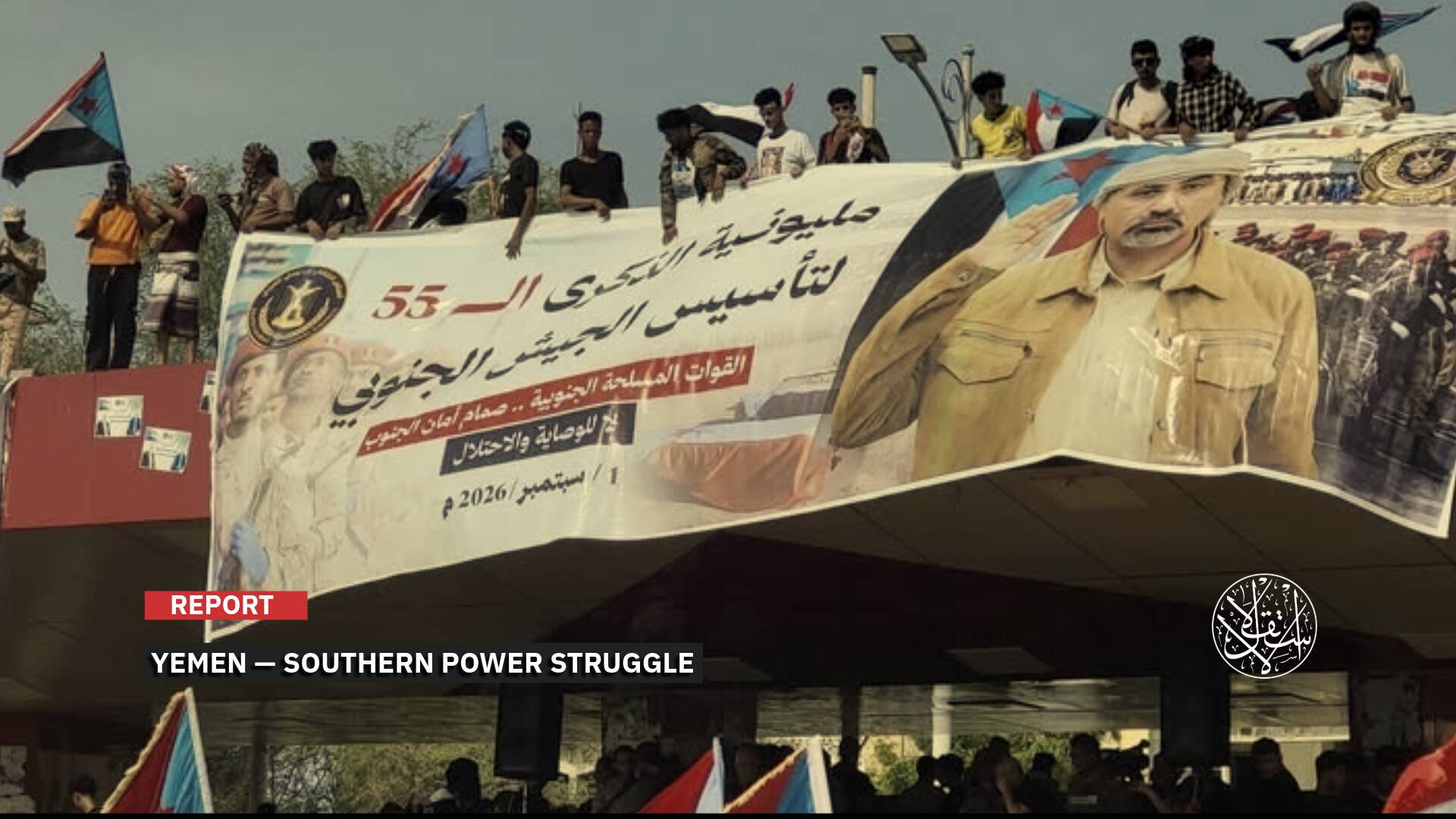
For Saudi Arabia, after strains in its partnership with Abu Dhabi in Yemen, control over southern Yemen is now closely tied to border security and the Bab el-Mandeb file. The weakening of the UAE-backed Southern Transitional Council (STC) has exposed a deeper struggle over Yemen’s unity and the future shape of power there.
Turkiye, for its part, views the Red Sea as a natural extension of its regional security equation, stretching from the eastern Mediterranean and Libya to the Horn of Africa. Maritime security, in this view, is a way to redistribute risks rather than confront them at Turkiye’s own borders.
According to Anadolu Agency, the growing coordination among Ankara, Riyadh, and Cairo is a strong signal, even if parts of it remain at the level of assessment, and is grounded in a shared understanding that the Red Sea and the Horn of Africa form a single, interconnected arena where influence is built through networks of ports, bases, and ties with local authorities.
Djibouti is a pivotal piece in this puzzle. It sits at the Bab el-Mandeb chokepoint and hosts multiple international military arrangements, meaning any new security agreements could shift the balance of control and surveillance over the waterway.
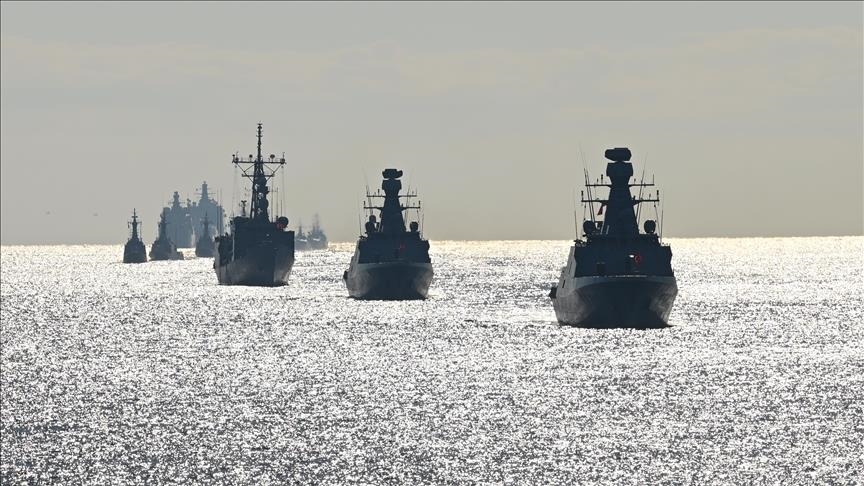
The Egyptian source also confirmed that Riyadh has asked Cairo to prepare its naval forces to cut Emirati supply lines to its allies in southern Yemen, a move that signals a shift from policy coordination to operational action. Egyptian Mistral-class vessels have already been deployed to monitor Emirati activity in the southern Red Sea.
Along the Turkish-Saudi track, the first meeting on maritime cooperation and coordination was held in Ankara on January 8, 2026, underscoring that the Red Sea will serve as a test of confidence before the partnership expands into more sensitive files.

Dismantling Influence
Somalia, backed by Saudi, Turkish, and Egyptian support, has moved into an open confrontation with the United Arab Emirates, with the government in Mogadishu canceling all agreements with Abu Dhabi and accusing it of undermining national sovereignty, as per Reuters. This has come even as some regions, including Somaliland, Puntland, and Jubaland, continue to maintain ties with the UAE.
In Somaliland, Emirati economic influence remains firmly in place through DP World’s operations at the port of Berbera. The company says its activities have continued unaffected by political tensions, having invested more than $442 million. That reality underscores how challenging and slow any effort to roll back Emirati influence is likely to be, given the deep overlap between security and economic interests.
“Israel’s” recognition of Somaliland in December 2025 added another layer to the contest. Western research centers, including the Washington Institute, have described the move as a shift in the rules of the game in the Red Sea basin, signaling an attempt to entrench countervailing influence near the Bab el-Mandeb at a critical moment for maritime security.
Asked by Reuters whether this marked the beginning of the end for the Emirati project in Somaliland, the assessment was that it has entered a defensive phase. The Somalia file, the agency noted, is increasingly turning into an internal struggle over legitimacy and the authority to sign agreements, while Saudi and Turkish entry as security actors could reshape the balance, provided they are able to navigate Somalia’s complex internal landscape.
An Alliance of Necessity
In an analysis published in January 2026 on the Turkish platform Kritik Bakis, Turkish writer Kemal Ozturk argued that a Saudi-Turkish-Egyptian alliance is no longer a matter of choice but an essential necessity imposed by shifting geopolitical realities. He warned that allowing relations to drift without deeper coordination would leave space for other powers to step in and fill the vacuum.
Ozturk noted that trilateral understanding has improved compared with the past but said it still falls short of the scale of the challenges at hand, asking pointedly who benefits from the persistence of this distance.
He pointed to recent experiences in Somaliland, Sudan, and Yemen as evidence that each of the three countries has paid a geopolitical price for the moves of “Israel” and its allies in the region.
Ozturk added that Saudi Arabia, Egypt, and Turkiye have already worked together on sensitive files, including support for Ahmed al-Sharaa’s administration in Syria, arguing that this coordination helped reduce chaos and opened more realistic pathways for managing conflicts.
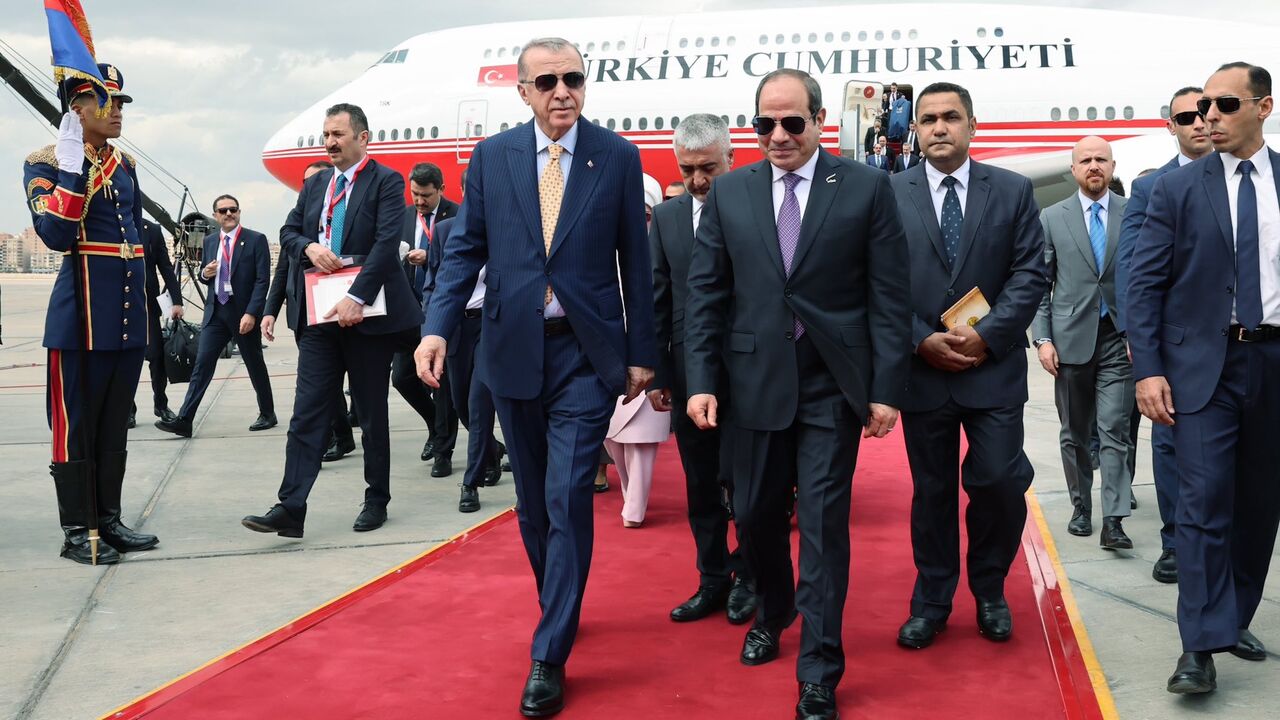
He stressed that Egyptian-Turkish rapprochement has become increasingly clear in the Somalia and Sudan files, alongside Ankara’s recalibration of its position in Libya in ways that align more closely with Cairo’s vision, opening the door to broader cooperation across other dossiers.
He argued that the creation of a genuine trilateral alliance would not affect the three countries alone but would set political and economic dynamics in motion across the wider region, ultimately benefiting populations through greater opportunities for stability and development.
Ozturk closed with a stark warning: the years ahead could see even greater instability, with “Israel” unlikely to back real regional stability or forge genuine alliances with Islamic states.
Sources
- Egypt shared intelligence with Saudi Arabia on UAE activities in Yemen, sources say
- It Has to Be a New Alliance [Turkish]
- Yemeni politicians meet in Riyadh after dissolving a southern separatist group
- Turkiye, Saudi Arabia hold 1st naval cooperation meeting
- Saudi Arabia in Talks With Egypt, Somalia on Military Coalition
- Recognizing Somaliland: Israel’s Return to the Red Sea