Hormuz Blockade: How Algeria and Libya Benefit From the US- ‘Israel’ War on Iran
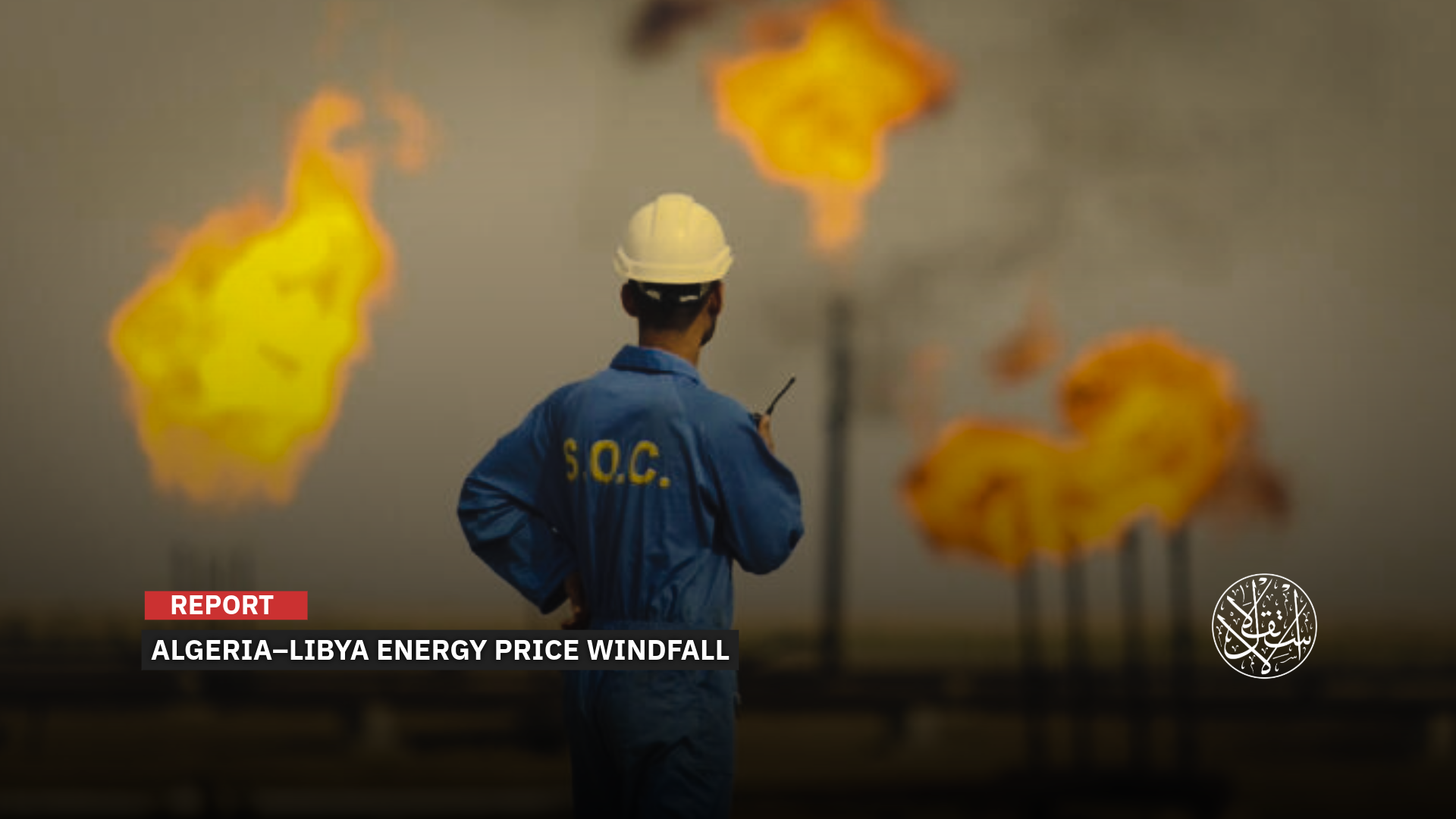
Algeria is Africa’s largest natural gas producer and its second-largest producer of liquid petroleum.
As the Middle East lives through the shock of the American-Israeli war on Iran, Algeria and Libya appear in a different position from the rest of North African countries, as both are major exporters of oil and gas, whose prices have risen due to the closure of the Strait of Hormuz.
After the closure of the passage through which about one-fifth of the world’s oil and a similar share of liquefied natural gas trade flows, Gulf exports were severely disrupted, and supplies declined, causing oil prices to jump by more than 40 percent and gas prices to rise sharply, fueling fears among energy importers while giving Algeria and Libya financial breathing room.
The Largest Producer in Africa
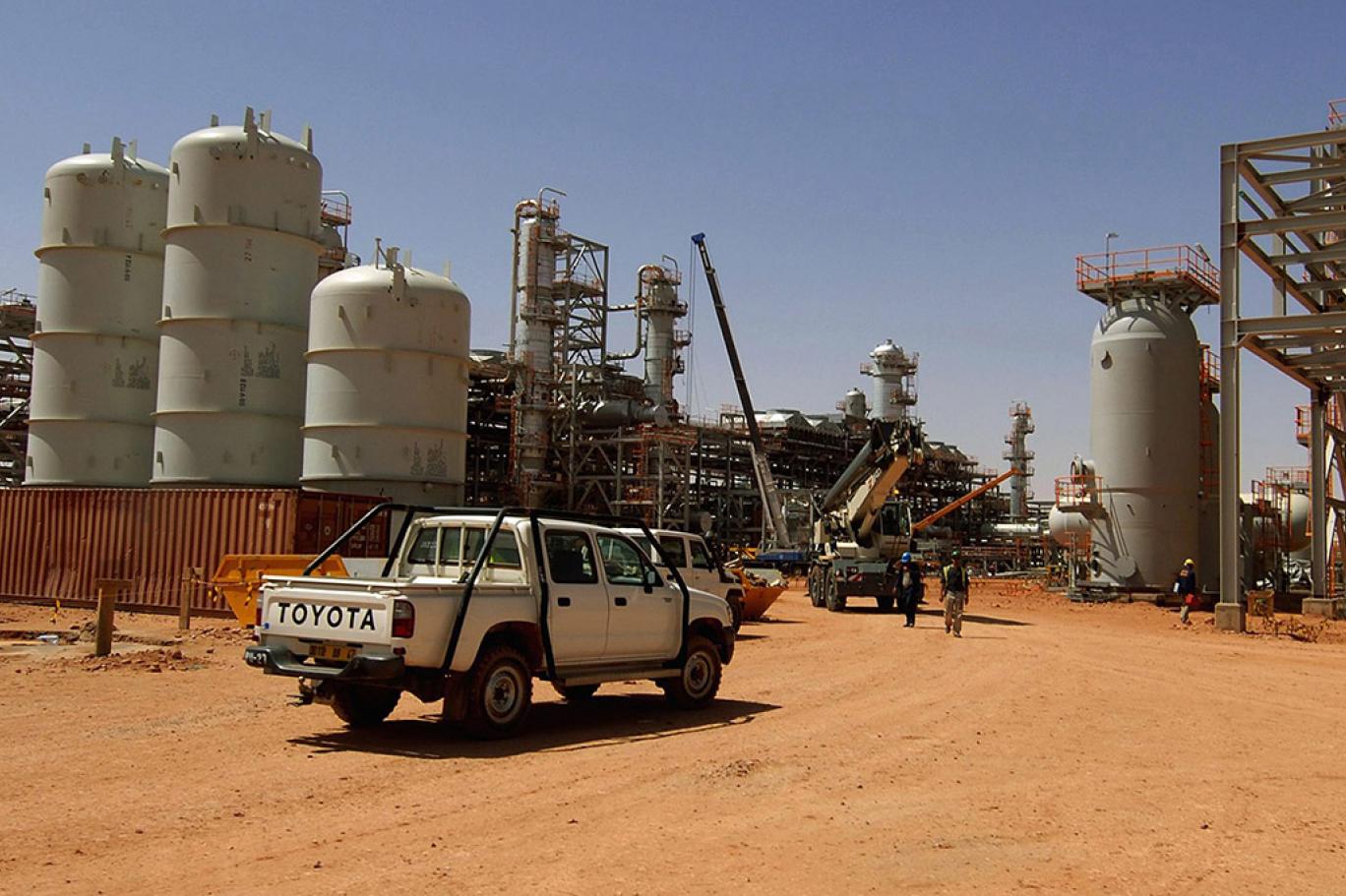
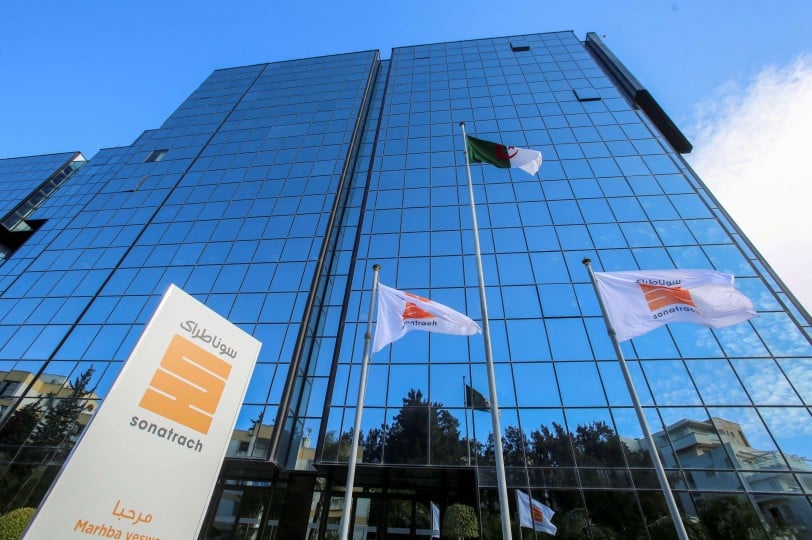
Algeria is Africa’s largest producer of natural gas and the second-largest producer of liquid petroleum, so rising oil and gas prices represent a direct gain for it, as the state relies heavily on hydrocarbon revenues to finance public spending.
The latest complete annual report of the state-owned company Sonatrach for 2024 shows that hydrocarbon production stabilized at 193.7 million tons of oil equivalent.
Crude oil exports reached 18.5 million tons, while condensate exports amounted to 2.7 million tons in the same year, providing Algeria with a strong export base to benefit from rising prices after the war.
As for natural gas, the company reported exports of 34.3 billion cubic meters in 2024, while domestic gas sales reached 53.2 billion cubic meters, highlighting both the scale and limits of Algeria’s gas leverage.
At the European level, Algeria accounted for 14.6 percent of the European Union’s pipeline gas imports and 7.7 percent of its liquefied natural gas imports in the third quarter of 2025, according to the U.S. Energy Information Administration (EIA).
It also remained the largest gas supplier to Italy in 2024 with a total of 21.1 billion cubic meters, and in February 2026, it was the second-largest supplier of gas to Spain with about 9,151 gigawatt-hours, or nearly 29 percent of its imports that month.
After the war, rising European gas prices helped Algeria renegotiate pricing formulas to increase its share of revenues in long-term contracts.
However, Algeria cannot be described as a “net winner,” as its ability to increase production is limited by OPEC+ agreements that cap output and by the maturity of many of its fields.
The Algerian economy remains dependent on oil and gas for more than 90 percent of export revenues, making it highly sensitive to price fluctuations.
The International Monetary Fund noted in a report in August 2025 that rising prices supported recovery after the COVID-19 pandemic, but declining hydrocarbon revenues in 2024, combined with increased spending, widened the fiscal deficit and turned the current account surplus into a deficit, putting pressure on the banking sector.
On October 8, 2025, the Algerian government projected reducing the budget deficit to $40 billion, or 12.4 percent of GDP, in the 2026 budget, assuming an oil price of $60 per barrel, while targeting economic growth of 4.1 percent.
For this reason, Sonatrach is seeking new opportunities; in October 2025, the government announced $60 billion in investments between 2025 and 2029, with 80 percent allocated to exploration and production and the rest to refining and petrochemicals.
In the same month, Sonatrach signed a 30-year contract worth $5.4 billion with the Saudi company Medad for exploration and development in the southern Illizi Basin.
However, Algeria’s benefit from rising prices appears ultimately temporary rather than a structural shift, as Europe seeks to diversify its suppliers and reduce dependence on fossil gas, and with the recovery of U.S. and Norwegian energy exports and the growth of renewable energy, European demand for Algerian gas may decline in the coming years.
Reserves and Partnerships
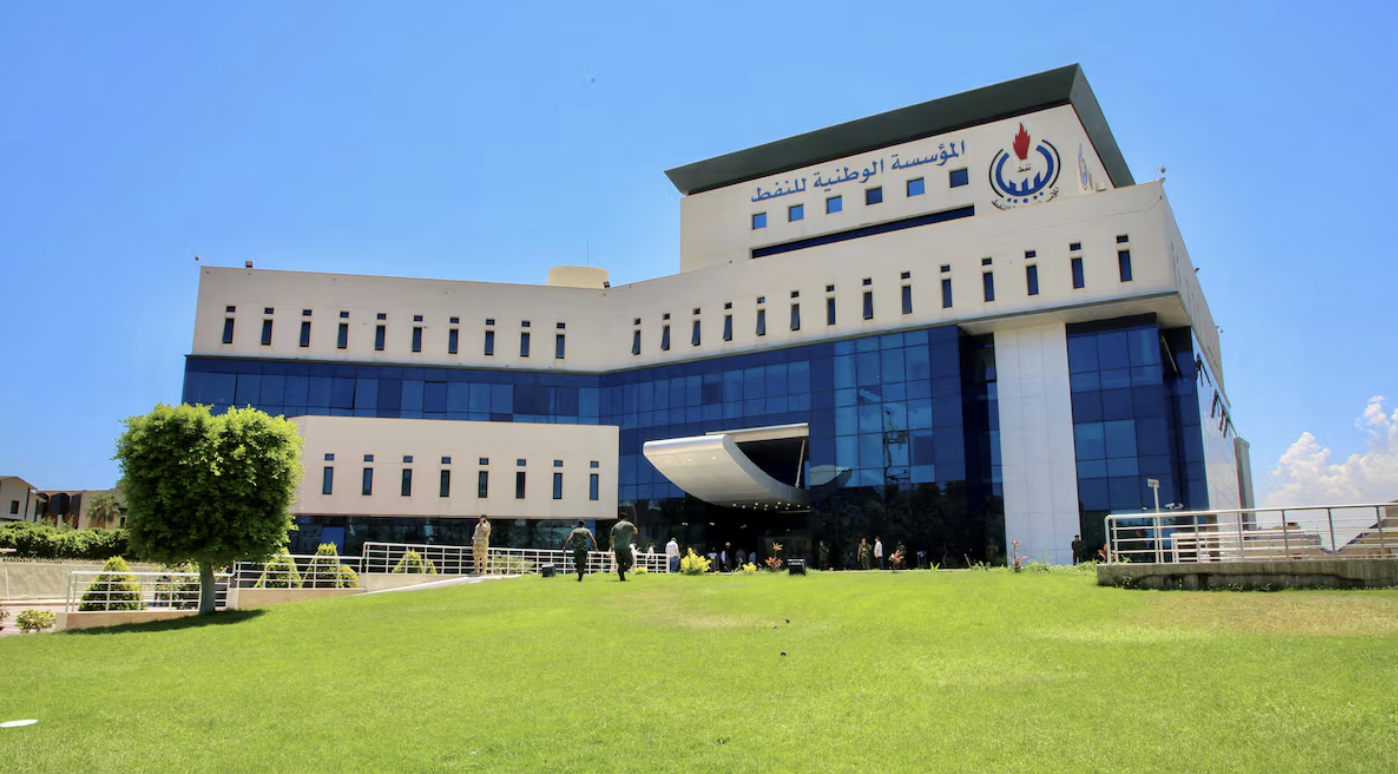
Libya, meanwhile, relies primarily on crude oil; according to the National Oil Corporation, the country’s production reached about 1.4 million barrels per day by the end of 2024, giving it the opportunity to quickly benefit from any rise in prices.
For this reason, Libyan authorities have moved to capitalize on the moment. In February 2026, the government launched its first licensing round since 2007, aiming to attract investment and raise production capacity to 2 million barrels per day through partnerships with major companies such as Chevron, Italy’s Eni, QatarEnergy, and Spain’s Repsol.
The state-owned Waha Oil Company also signed a 25-year agreement in January 2026 with France’s TotalEnergies and the U.S.-based ConocoPhillips to increase the capacity of shared fields to 850,000 barrels per day and generate net revenues exceeding $376 billion.
In March 2026, the National Oil Corporation announced that it had raised production at the Mabrouk field (south of Sirte) to between 25,000 and 30,000 barrels per day, stating that it aims to reach 40,000 barrels per day from the al-Jurf (northwest of Tripoli) and Mabrouk fields by the end of the same month.
This increase is quickly reflected in revenues; in the first nine months of 2025, oil revenues reached 79.4 billion Libyan dinars ($14.65 billion), a large figure relative to the size of the economy, but one that also reveals the extent of dependence, as the World Bank estimates oil accounts for more than 95 percent of economic output.
Despite large gas reserves estimated at around 80 trillion cubic feet, Libya still relies far more on oil than gas, according to Reuters.
The National Oil Corporation is seeking to raise gas production to nearly 1 billion standard cubic feet per day and expand into shale gas, aiming to meet domestic demand and export via the GreenStream pipeline to Italy, but current exports are almost negligible.
However, these gains remain vulnerable due to clear political and operational fragility, as Libya suffers from political division between two rival governments, leading to periodic shutdowns of fields and export lines, as occurred several times between 2021 and 2024.
The distribution of oil revenues among political factions has also previously led to the closure of ports and facilities, most notably during the port blockade in 2020 and crises in 2022 and 2024.
In addition, reaching the targeted production capacity requires substantial investment; the National Oil Corporation stated that the country needs $3–4 billion to restore previous production levels of 1.6 million barrels per day.
Constraints do not end there, as Libya also relies heavily on fuel imports due to weak refining capacity, with average imports of petroleum products since 2024 at around 186,000 barrels per day.
Russian fuel imports fell to 5,000 barrels per day in 2026, down from 56,000 in 2024 and 2025, while Italy has become the largest supplier at about 59,000 barrels per day.
This dependence on imported fuel means that part of the rise in global prices is passed through domestically, reducing net revenues, according to Reuters.
Therefore, Libya’s benefit from rising prices appears rapid but remains temporary and fragile, rising with each market upswing but quickly declining with any political shutdown, operational disruption, or drop in global prices.
Unlike Algeria, Libya’s limited ability to export gas does not help diversify revenues, making it more dependent on crude oil and more exposed to market volatility and internal instability.
What Do Experts Say?
University professor and economic expert Murad Kouachi believes that Algerian oil is among the best crude grades at both the Arab and global levels, and perhaps the most expensive in the Arab world, due to its many advantages.
He told Al-Estiklal that recent events have led to a nearly 50 percent increase in gas prices within the European market, estimating that all these developments could work in Algeria’s favor, as it has become the second-largest supplier of pipeline gas to the European Union and the second-largest exporter of liquefied natural gas in Africa after Nigeria.
Kouachi added that Algerian authorities have set a plan with a budget estimated at $50 billion for the period between 2024 and 2028, aimed at increasing production and discoveries, alongside supporting the energy transition toward renewable energy, especially green hydrogen.
He noted that Algeria takes pride in what Sonatrach has achieved, ranking first in Africa and 12th globally, thanks to significant successes in oil and gas.
He continued that Sonatrach has also managed to establish partnerships with major global energy companies, including Chevron and ExxonMobil from the United States, Italy’s Eni, Saudi Arabia’s Medad, and China’s Sinopec, explaining that these partnerships have enabled Algeria to increase production volumes.
Regarding Algeria’s budget, Kouachi said it was built on the basis of an oil price of $60 per barrel, while current prices exceed $100, meaning there is a positive difference of about $40, which could represent a real financial boost for the Algerian government.
He added that this margin could help finance the revenue regulation fund, which has seen a sharp decline in recent years, as well as contribute to reducing the budget deficit and supporting the value of the Algerian dinar, which has weakened in recent years.
Kouachi concluded that this development could also provide additional financial support for the government to move forward with various projects, whether in infrastructure or economic initiatives, helping to achieve the desired economic diversification in Algeria and gradually reduce dependence on hydrocarbons.
The French economic newspaper Les Echos confirmed that Algeria and Libya may benefit from rising energy prices, as both countries export large quantities of oil and gas to international markets.
It noted on March 16, 2026, that the benchmark European gas price in the Dutch TTF market rose to around €50 per megawatt-hour, compared to about €30 before the conflict began.
It pointed out that the European Union is the main destination for Algerian gas, which reaches it either as liquefied natural gas or through three pipeline routes.
The newspaper quoted political economy of energy researcher Nassima Ouhab Alathamna as saying that rising global energy prices could be a temporary opportunity for Algeria and Libya, but that assessing the scale of gains depends on the duration of the war and future price trends.
Les Echos added that this scenario resembles what happened in 2022 after Russia’s invasion of Ukraine, when Brent Crude averaged around $101 and European gas prices rose to €133 per megawatt-hour.
Thanks to that increase, Algeria’s oil and gas revenues jumped by about 75 percent to reach around $60 billion that year, despite a slight decline in export volumes.
However, the newspaper also pointed out that these gains are not without downsides, as they led to inflation rising to about 9 percent due to higher prices for imported goods, especially food, and that reliance on oil revenues may delay economic diversification projects.
Nevertheless, Les Echos considers it unlikely that export volumes will increase significantly, as Algeria’s oil and gas production is gradually declining, while domestic demand is rising with a population of around 47 million.
As for Libya, the rise in prices in 2022 did not clearly translate into official revenues, which remained around $22 billion, due to production dropping by nearly half as a result of the closure of several oil fields and ports during political conflicts between rival Libyan factions, according to the French newspaper.
Sources
- Country Analysis Brief: Algeria
- Algeria Plans $60 Billion Energy Investment Over Five Years, Energy Minister Says
- Algeria 2025 Article IV Consultation—Press Release and Staff Report
- Exclusive: Libya Brings in Western Traders in Blow to Russian Fuel Flows
- War in Iran: For Algeria and Libya, the Windfall of Surging Oil and Gas Prices [French]