Diplomatic Tension: How the Trump Administration’s Cut to UNHCR Funding Is Having an Impact
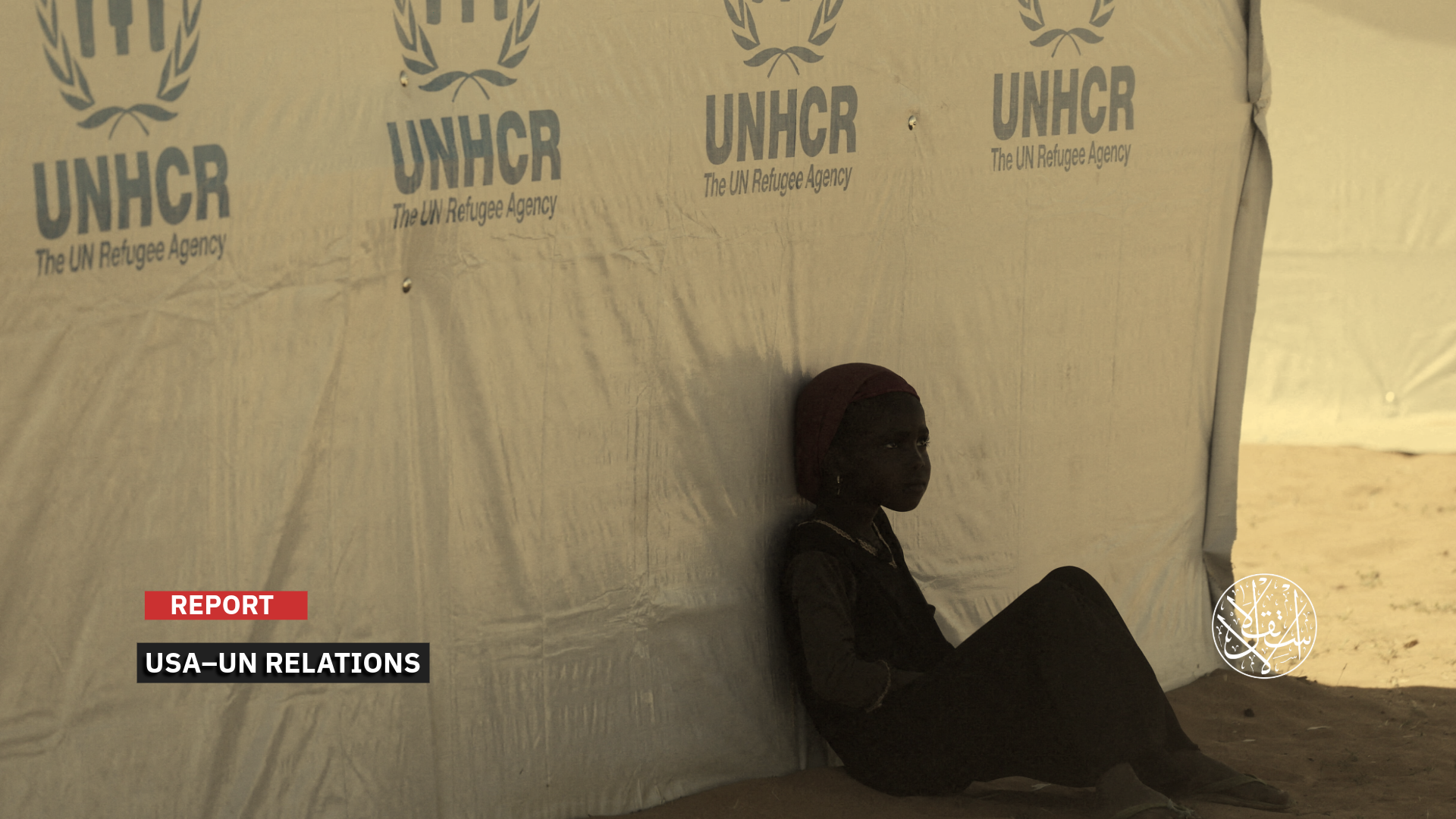
“UNHCR is already facing a financial crisis after available funding fell roughly 30% in 2025 compared with 2024.”
Diplomatic efforts are underway to contain a crisis between Washington and the UN Refugee Agency (UNHCR) following a dispute over the appointment of a new Deputy High Commissioner—a role that went to someone other than the candidate backed by the United States.
According to Reuters, the Trump administration is considering withholding funding or taking punitive measures. Such a move could jeopardize relief operations and trigger a humanitarian crisis affecting millions of refugees worldwide, particularly given that U.S. contributions account for approximately one-quarter of the agency's budget.
The United Nations established the UNHCR in 1950 to assist refugees displaced by World War II; its mandate subsequently expanded to encompass the protection of millions of refugees, asylum seekers, displaced persons, and stateless individuals across more than 130 countries.
Trump has frequently criticized the United Nations, describing it as wasteful, ineffective, or detrimental, and claiming it is driven by global agendas that conflict with US sovereignty.
This stance aligns with Trump’s America First approach, which entails—among other things—redirecting resources toward domestic priorities and prioritizing bilateral relations over multilateral ones.
Diplomatic Efforts
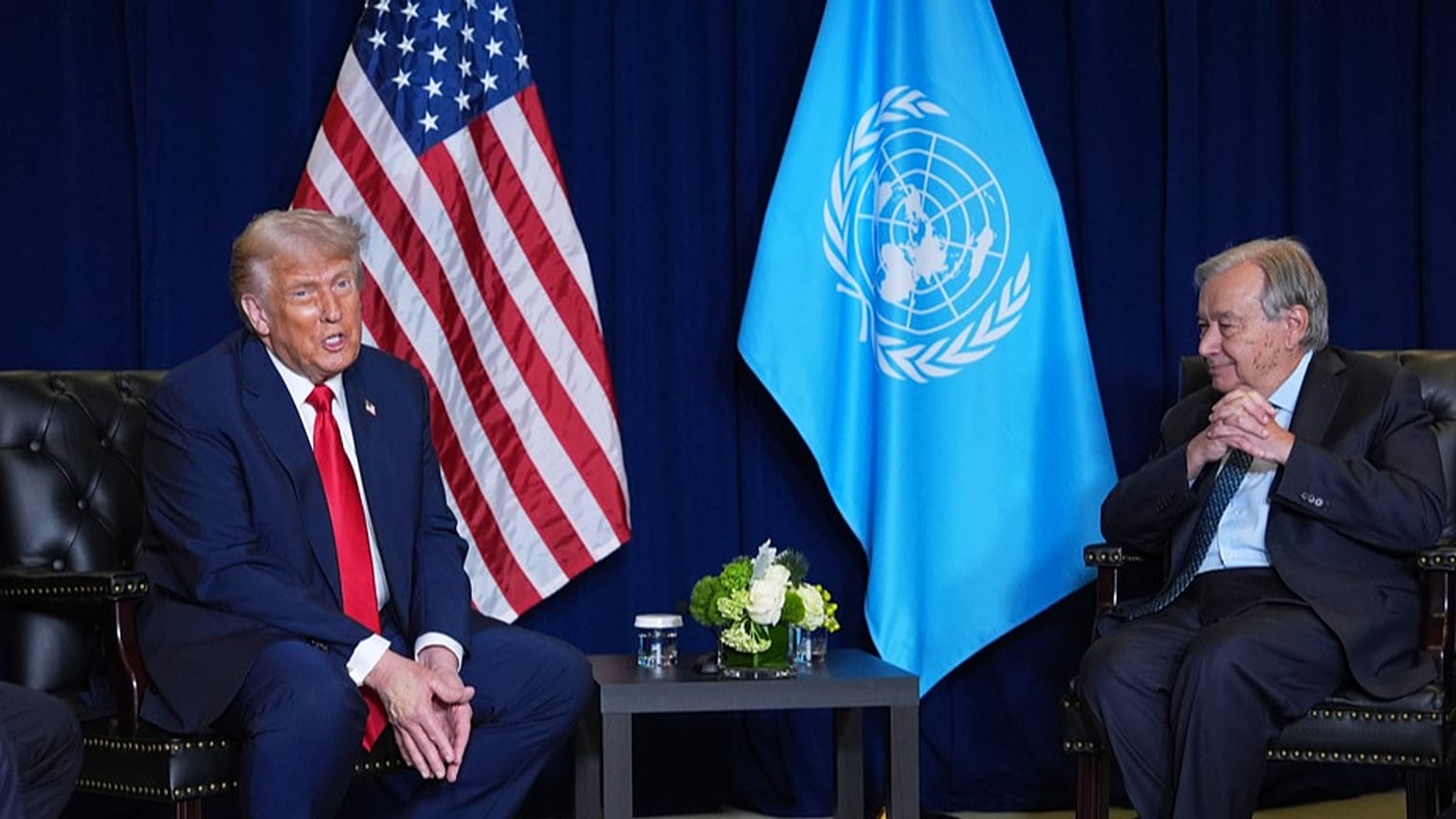
Informed sources have reported that the administration of U.S. President Donald Trump has recently discussed the possibility of ending the United States' relationship with the UN Refugee Agency (UNHCR). This move has sparked diplomatic efforts within the United Nations to ensure continued U.S. support for the organization.
Reuters cited eight sources—including diplomats, aid officials, and a congressional source—stating that Washington, one of the agency's largest financial backers, had considered the option of halting cooperation with it.
According to the sources, a decision on the matter was expected last week but was never announced; this suggests that diplomatic contacts and international pressure may have contributed to delaying or reconsidering the move.
Sources indicated that the agency had informed some donors of the possibility of being placed on a U.S. blacklist—a move that could lead to a halt in funding—as well as the potential for the United States to withdraw from the executive committee overseeing the agency's operations.
Observers link this move to Trump’s broader America First policy regarding UN institutions, which entails cutting funding and withdrawing from international bodies.
Diplomats warn that a full U.S. withdrawal could weaken the global refugee protection system—particularly amidst ongoing mass displacement in Ukraine and Sudan—and undermine the standing of the 1951 Refugee Convention.
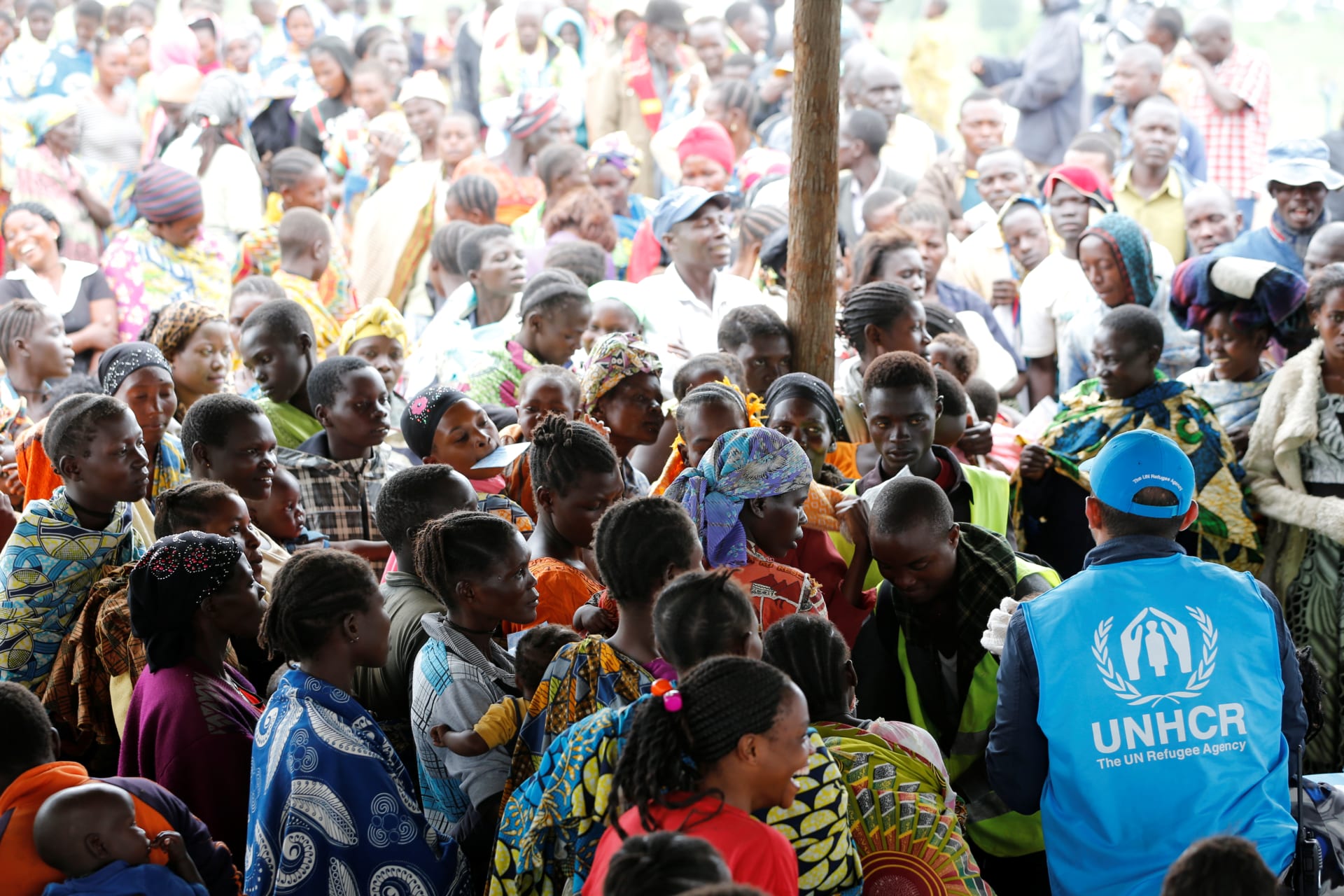
UN officials and aid organizations have also warned that a halt in U.S. funding could inflict significant damage on the UNHCR, specifically affecting refugee camps, emergency medical aid, educational programs, and food distribution.
In response, the U.S. State Department has sought to allay concerns, asserting that cooperation with the UNHCR remains unchanged for the time being.
A department spokesperson explained that the United States would continue to work with the UNHCR whenever it serves U.S. foreign policy interests or helps save lives, without explicitly denying that the relationship with the agency is under review.
For its part, the United Nations has declined to comment on the reports, stating that it possesses no official information regarding any pending U.S. decision.
The current crisis reflects a broader trend within the Trump administration to re-evaluate relationships with international organizations and to tie continued U.S. funding to the extent to which those institutions' policies align with Washington's priorities.
Conversely, the United Nations views maintaining the partnership with the United States as essential—not only for ensuring the stability of the UNHCR’s budget but also for preserving the international humanitarian system's capacity to respond to escalating displacement crises.
US Dissatisfaction
Although the funding crisis appears to be at the forefront of the situation, the roots of the dispute between Washington and the UNHCR go beyond financial matters.
Sources indicate that the crisis erupted following the appointment of American diplomat Teresa Ray Finnerty as Deputy High Commissioner for Refugees.
This choice sparked dissatisfaction among officials in Washington; UN Secretary-General Antonio Guterres and High Commissioner Barham Salih opted for her over the candidate backed by the Trump administration—Simon Hankinson—who had accused the UNHCR of pursuing a mass migration agenda.
The Trump administration expressed disappointment that its candidate, Hankinson—a Heritage Foundation expert and former diplomat known for his hardline stance on asylum issues—was not selected.
Hankinson told Reuters: "If they wanted reform, a return to the UNHCR’s original mission of helping genuine refugees, and proper scrutiny of budgets and spending, I would have been the right candidate."
He voiced his dissatisfaction with the decision, asserting that the UNHCR requires reforms to refocus on its core mission of protecting genuine refugees and to strengthen oversight of budgets and spending, maintaining that he was the most suitable candidate to implement this vision.
Tensions between Washington and the UNHCR are subjecting the international humanitarian system to a critical test; the prospect of a halt in US funding—which accounts for roughly a quarter of the agency’s budget—threatens the international community's response capacity. These tensions also jeopardize efforts to address the escalating global displacement crises.
Observers believe the dispute over this appointment reflects a broader divergence between the Trump administration and certain UN agencies regarding priorities for managing migration and asylum issues, as well as the role of international institutions in handling them.
The gravity of the crisis lies in the fact that the United States is not merely a donor nation but serves as the financial backbone of the agency.
According to data from the UN agency, Washington provided approximately $868 million in 2025—nearly a quarter of total donor contributions—making any decision to halt funding a direct blow to the UNHCR's ability to sustain its programs.
This comes at a time when the agency had already announced a 30 percent drop in financial resources compared to 2024, forcing it to cut thousands of jobs and scale back various humanitarian programs worldwide.
Relief officials believe that the loss of US funding could compel the agency to implement further cuts affecting food aid, healthcare, education, and refugee protection programs, particularly in countries hosting large refugee populations.
UN Secretary-General Antonio Guterres had previously warned of an imminent financial collapse threatening the organization, attributing it to the failure of several nations to pay their contributions and to budget constraints requiring the return of unspent funds.
The New York Times had previously reported, citing a UN official, that the global body might be forced to curtail its operations or even close its New York headquarters due to a lack of funds.

Trump’s Agenda
Trump is known for his critical stance toward the United Nations; he has repeatedly accused the organization of mismanaging financial resources and maintains that it requires fundamental reforms to its operations and funding mechanisms.
Trump has publicly criticized the UN, accusing it of failing to resolve global crises and acting against US and Israeli interests—a stance evident in ongoing disputes regarding the Middle East, migration, and climate change.
The tension between Trump and the UN is characterized by escalating financial and political friction, driven by Washington’s decisions to withdraw financial support for the UN refugee agency and halt funding to various other UN bodies in line with hardline US policies.
The Trump administration has sought to pressure UN institutions to change their leadership and appoint American figures, or even floated ideas of replacing the UN with alternative platforms more aligned with the US agenda (such as proposals to establish a Peace Council).
Washington has taken aggressive measures to cut its contributions to the UN budget and its agencies, amidst accusations that the organization promotes mass migration and harbors hostility toward US allies.
Trump signed executive orders limiting US participation in numerous committees and agencies—including the World Health Organization (WHO), the Paris Agreement on climate change, UNESCO, and the Human Rights Council—and Washington formally rejected the Sustainable Development Goals.
Relations between Trump and the UN were highly strained during his first term; he withdrew from the Paris Agreement, initiated a withdrawal from the WHO, and declined to join the WHO-led COVAX initiative for COVID-19 vaccines.
It also withdrew from UNESCO, halted funding for the UN Population Fund, withdrew from the UN Human Rights Council, declined to join the Global Compact for Migration, failed to pay all outstanding dues for UN peacekeeping forces, stopped funding the UN Relief and Works Agency for Palestine Refugees (UNRWA), among other actions.
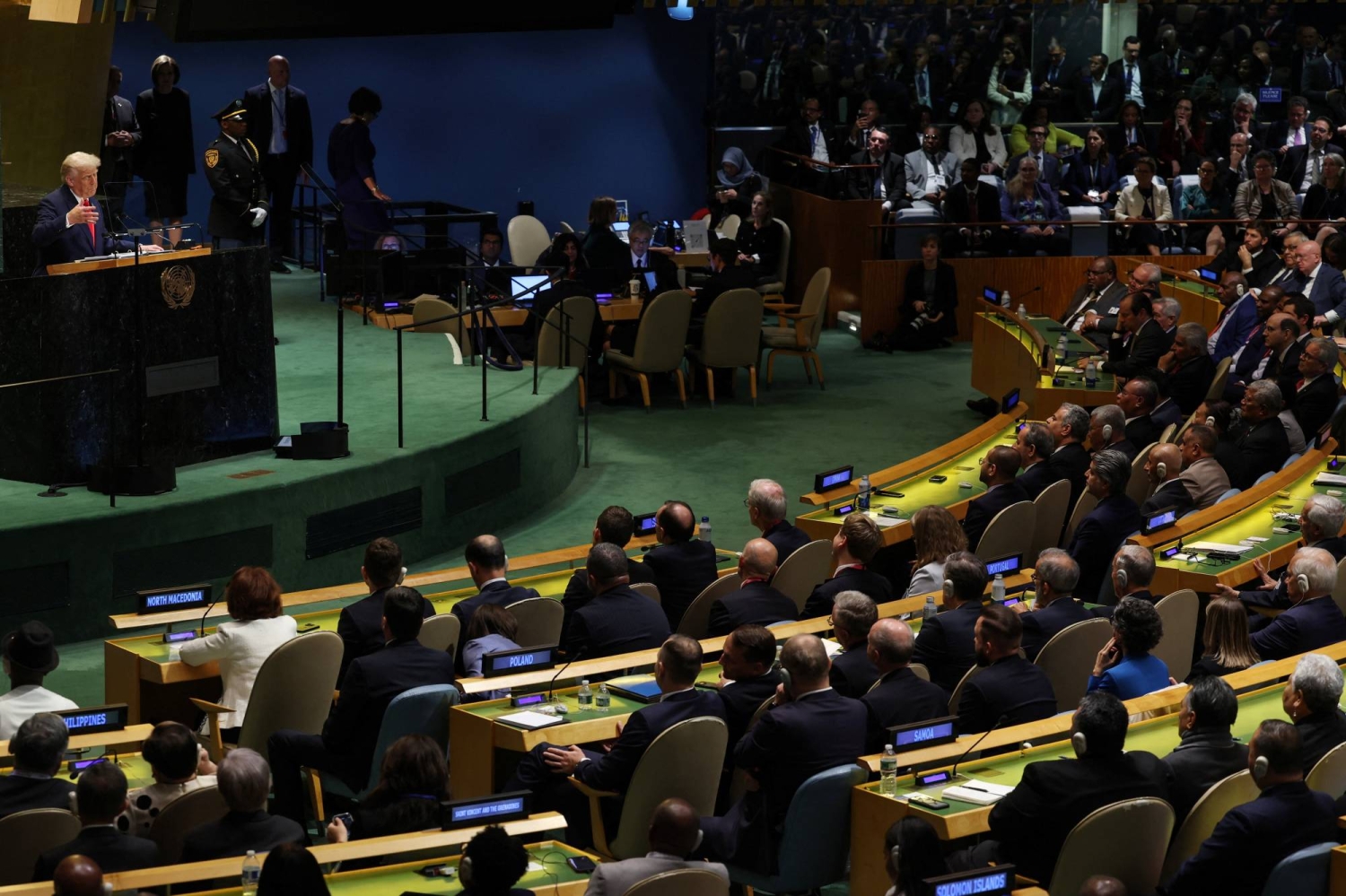
Last April, a budget document released by the White House revealed the Trump administration's plan to cut U.S. funding to the United Nations and several other international organizations by $2.7 billion in 2027.
Washington owes $2.196 billion to the UN budget, a significant factor contributing to the crisis.
Instead of paying approximately $1.5 billion, the U.S. administration allocated only $300 million—covering just about one-fifth of the membership fees Washington owes the UN—in a move representing a sharp departure from traditional U.S. contributions.
The document accuses the United Nations of promoting dangerous ideologies and a Green New Deception agenda, as well as diverting funds to U.S. adversaries.
For his part, Washington-based activist Omar Taha explained to Al-Estiklal that relations between Washington and the UNHCR are at a pivotal juncture; this goes beyond a mere review of funding to reflect a deeper redefinition of the United States' role in the international system.
"This tension reflects a broader U.S. trend that prioritizes national sovereignty and bilateral diplomacy over multilateral action, placing international institutions affiliated with the UN under increasing pressure to demonstrate their relevance," he said.
He concluded that the decision expected in the coming weeks extends beyond the refugee issue; it will define the nature of the future partnership between Washington and the UN and test the international community's ability to address the humanitarian crises of the twenty-first century.