Stalled Libyan Army Unification Talks Despite Turkish Mediation: Who Is Responsible?
The stalling of the Ankara talks does not necessarily mean the end of the process of unifying Libya’s military institution.
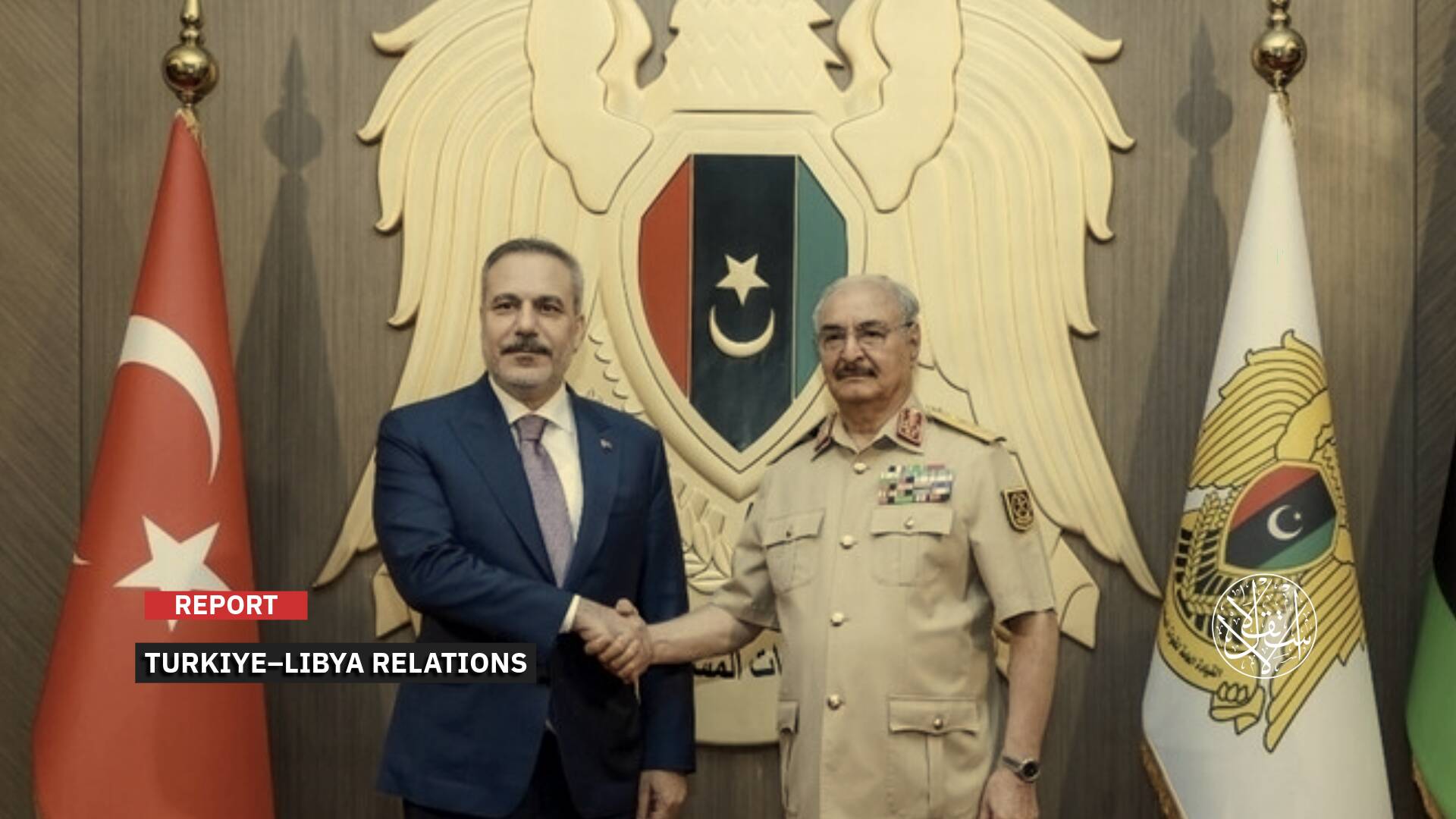
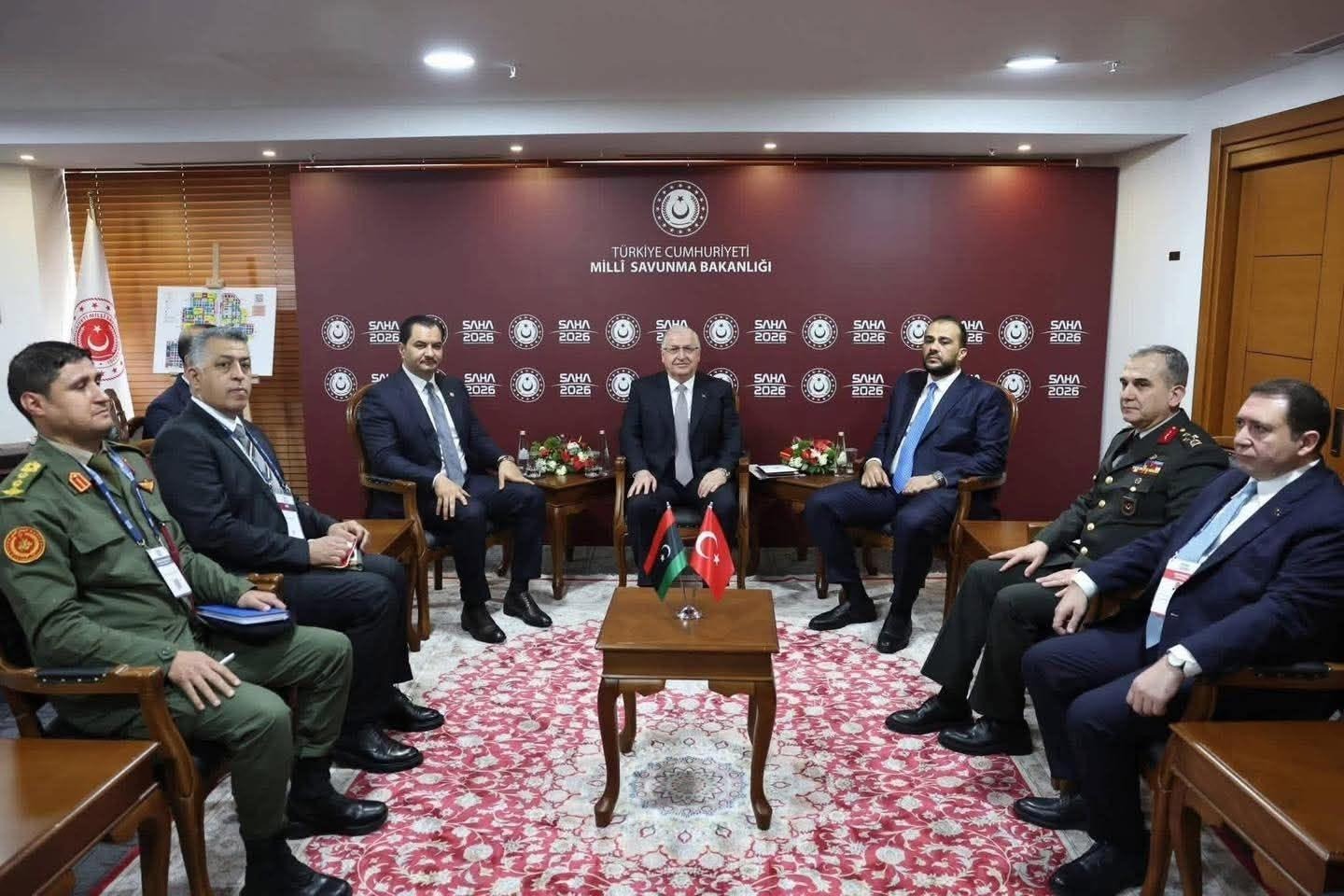
After sustained Turkish efforts to unify Libya’s military institution, the representatives of the authorities in western and eastern Libya left Ankara without signing an agreement. Both sides stressed that the process should continue until it ends the country’s division.
A draft preliminary agreement circulated in the media was expected to be signed on October 23, 2026. According to that draft, it would have ended Khalifa Haftar’s title of “General Commander” and abolished the General Command in its current form.
The draft would also have created a new military body called the “General Command Council of the Army”. Deputy Defense Minister Abdulsalam al-Zoubi and Saddam Haftar would chair it jointly, and the two sides would have equal representation.
It also provided for freezing the post of Supreme Commander of the Army until elections are held. In addition, it would have expanded the defense minister’s powers and merged the military accounts under central management.
Unification Stalled
Local media reported that Saddam Haftar, son of putschist General Khalifa Haftar, demanded that the Presidential Council be included in the agreement, since it holds the title of Supreme Commander of the Armed Forces.
Al-Zoubi disagreed. In his view, the chairmanship and composition of the council are political questions. He said they should be settled under the “4+4” track, which deals with unifying state institutions, including the executive authority that the Presidential Council belongs to.
The Ankara talks have drawn regional and international attention. There are efforts to push the Libyan parties toward a settlement that ends the division and helps create the right conditions for elections.
These moves show how regional interests are tied up with efforts to rearrange Libya’s institutions. However, outside actors can only be effective if local forces are willing to reach understandings on power-sharing and to provide guarantees that any agreement will be carried out.
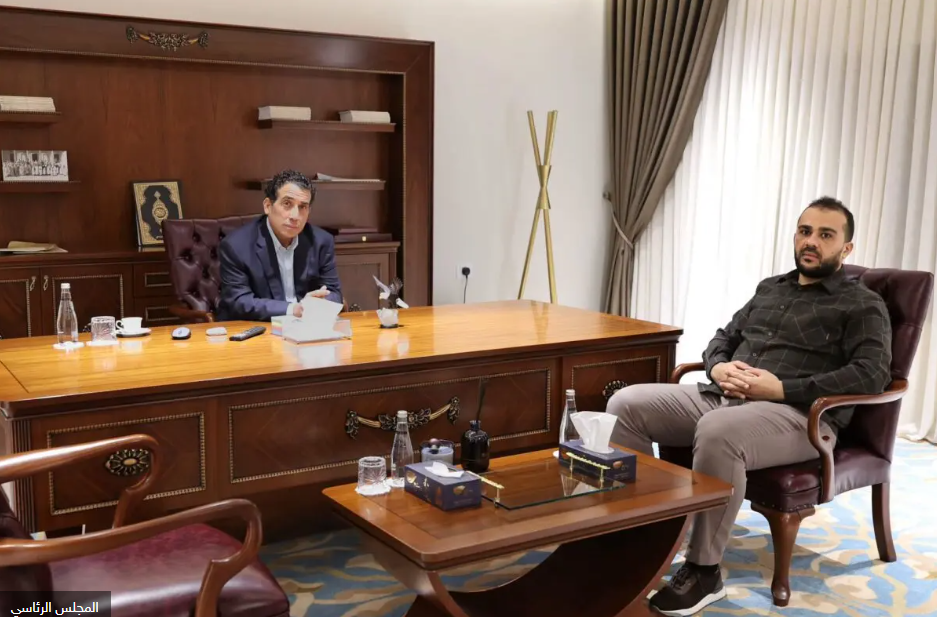
In a related development, Mohamed al-Menfi, head of Libya’s Presidential Council and Supreme Commander of the Libyan Army, met with Deputy Defense Minister Lt. Gen. Abdulsalam al-Zoubi on Sunday in the capital, Tripoli. They discussed the efforts to unify the military institution.
According to the Ean Libya website on October 26, 2026, al-Zoubi briefed al-Menfi on the ongoing unification efforts. The website described these efforts as part of national endeavors to build a unified institution based on professional and legal rules.
It added that the two men discussed the need to complete the technical and coordination work the unification requires. That work must stay within the institutional frameworks and legal powers that govern the process. This would keep the proposed arrangements consistent with a unified military command and decision-making structure, and protect the integrity of the procedures and their national authority.
The website concluded that the meeting was part of al-Menfi’s oversight of the process. It said the meeting also reaffirmed that future arrangements must rest on institutional consensus and clear legal procedures.
A Temporary Setback
Fathi al-Shibli, head of the Libyan Voice of the People Party, gave his reading of where the talks are heading: “The stalling of the Ankara talks does not necessarily mean the end of the process of unifying Libya’s military institution.”
Al-Shibli told Al-Estiklal that the setback shows “the crisis runs deeper than technical disputes or military arrangements; at its core, it is a crisis of trust and a struggle over power, influence, and the future of the Libyan state.”
He explained that “the main obstacles to unifying the army are the absence of a unified national project that everyone submits to, the continued political division, and the conflicting interests of local, regional, and international actors.”
“There is also the dispute over military leadership and decision-making mechanisms, as well as guarantees that the military institution will not be used in political conflict in the future,” al-Shibli added.
The party leader said that “the multiple centers of armed power, the differing organizational doctrines and political loyalties, and the divergent views on the relationship between the General Command in the east and the military institution in the west make reaching a comprehensive agreement extremely complicated, especially in the absence of a unified political authority with genuine national legitimacy.”
On that basis, al-Shibli argued that “the greatest danger lies in turning the army unification negotiations into a formal exercise for managing the division rather than a gateway to ending it.”
He stressed that “signing agreements is not enough unless there is sincere political will, clear guarantees, and a specific roadmap for implementing the commitments.”
Al-Shibli concluded that “the future of these negotiations will depend on the ability of the Libyan parties to move from the logic of quotas and sharing influence to the logic of state-building, through an inclusive Libyan dialogue that guarantees the independence of national decision-making.”
In an analysis published on October 27, 2026, the Al-Manshar website said that any agreement between the two Libyan sides might, in its first phase, focus on coordination between the forces in eastern and western Libya. A full merger into a single military institution would not be the first step.
The website noted that the issues on the table include the future of the joint command, the deployment of forces in the south, disarmament, and the withdrawal of foreign fighters and mercenaries. Settling these issues requires political and security consensus that goes beyond agreeing on positions.
It warned that the lack of trust between the parties may limit the chances of carrying out broad understandings, even if a preliminary agreement on military leadership is reached.
The same source said the outcome of the Ankara meeting has not yet been officially settled. The next round of negotiations will therefore test whether the Libyan parties can overcome their differences and turn initial understandings into practical, lasting arrangements.
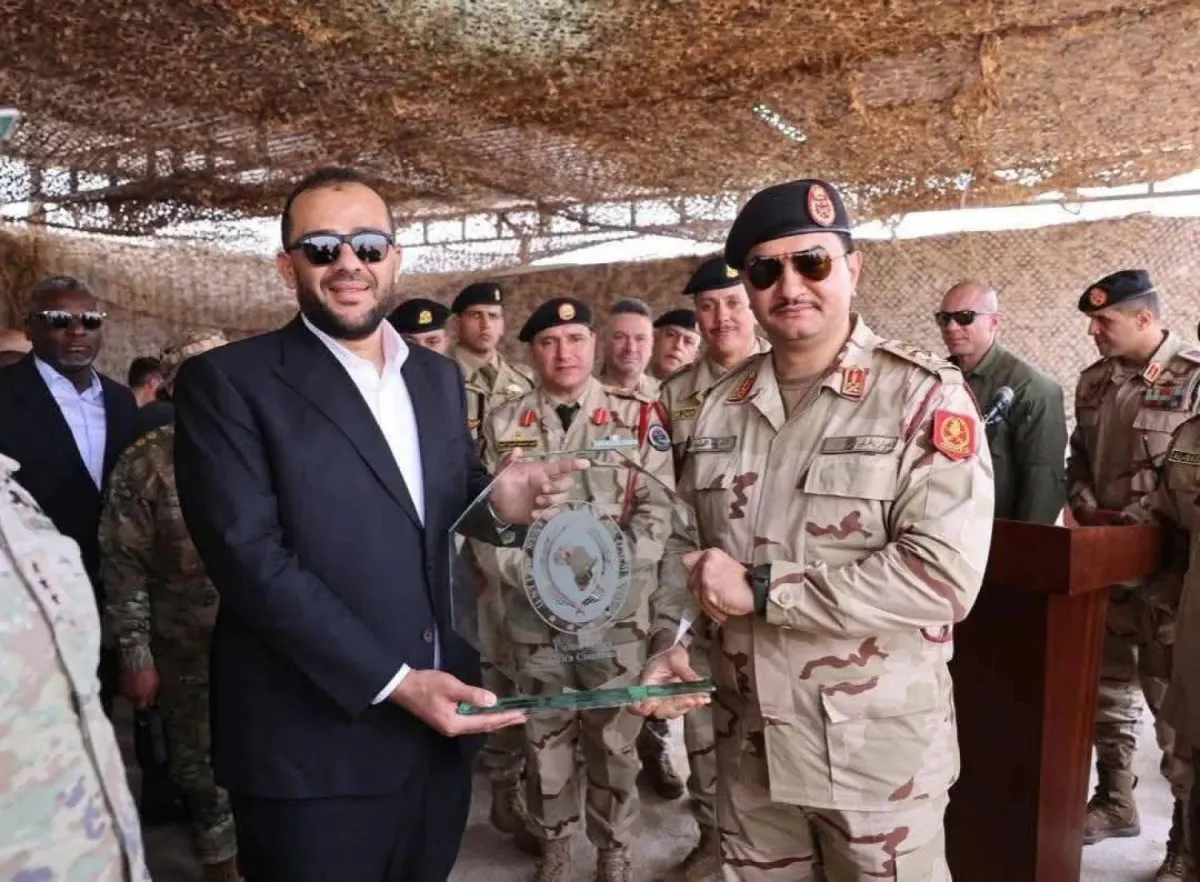
Where Turkiye and the US Converge
In a research paper published on June 16, 2026, the Al-Masar Center for Humanitarian Studies said the Turkish track overlaps with the U.S. effort to bring Libya’s two camps closer together.
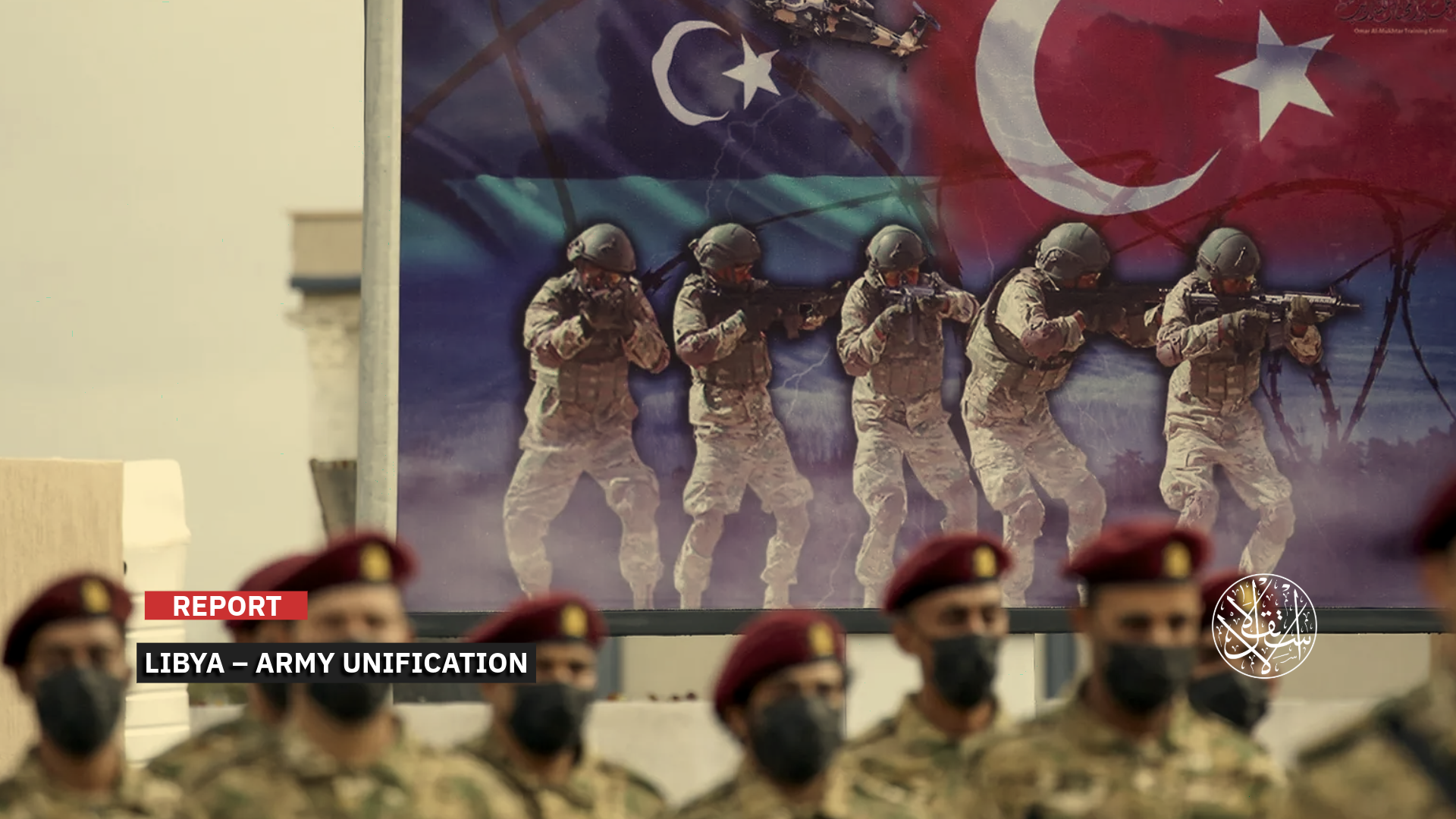
The paper explained that Turkiye spent years as Tripoli’s leading military backer. By late 2025, it had begun a cautious opening toward the Haftar family in the east. It organized the EFES-2026 exercises in the city of Izmir, which brought together military personnel from eastern and western Libya. It also adopted the slogan “One Libya, One Army”, a direction that matches Washington’s goal of unifying the military institution.
The Al-Masar Center had already examined this shift in a paper titled “Turkiye’s Rapprochement with Haftar: Contexts, Motives, and Implications for Egypt.” That paper argued that a cohesive east under Haftar, set against a fragmented west, led Ankara to reassess its approach and open up to the Haftar camp to protect its interests.
“In this context, the Haftar camp began moving toward rapprochement with Ankara on the maritime file, after years of the east rejecting the Turkish memorandum signed in 2019, although this shift has remained a subject of regional contention,” the center said.
The center added that Turkiye’s motives show its convergence with Washington does not cancel out its own agenda. Its opening to eastern Libya is also driven by its wish to have the eastern authorities recognize the maritime boundary memorandum. That memorandum gives Turkiye influence in the Eastern Mediterranean, and Greece has used the east’s refusal to recognize it to strengthen its own position.
At the same time, the same source said, “this opening may conflict with some of Washington’s goals, as the maritime file serves Turkiye against Greece, Washington’s ally.”
The center concluded that the main actors share a common goal: bringing eastern and western Libya closer together and calming their division.
Their ultimate aims differ, however. Each party approaches the rapprochement from its own calculations and its own worries about its influence, just as the Libyan parties themselves do. This makes the rapprochement liable to crack in the medium or long term.