After Pulling Out of Yemen and Al-Zubaidi’s Escape, How Is the UAE Seeking to Destabilize the South?
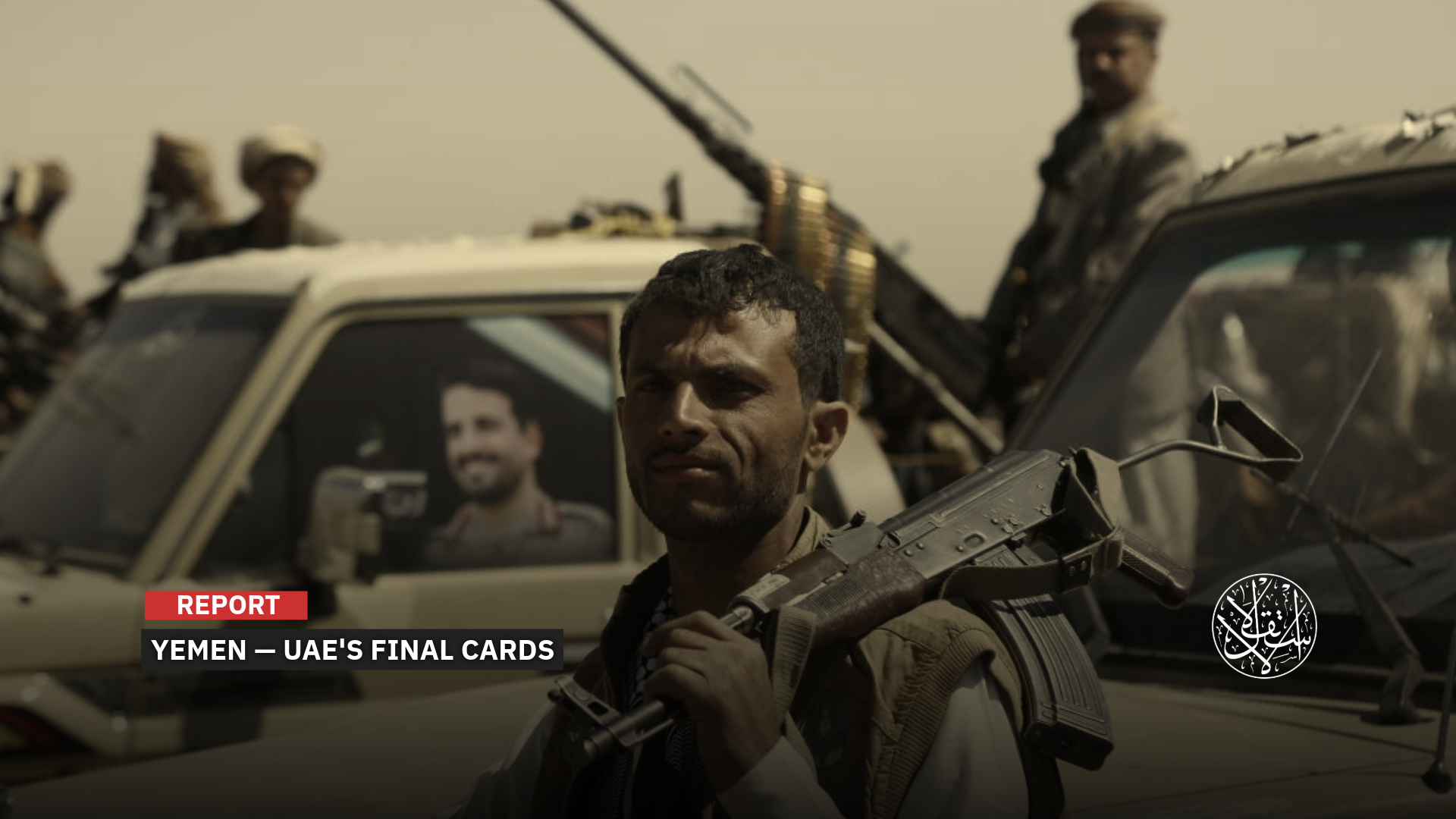
The UAE can use the Houthis as a pressure card against Saudi Arabia by encouraging attacks on its vital interests.
Yemen’s political landscape is shifting at speed as local and regional power balances tilt and key players change position, reshaping both the political and military map, most sharply in the southern provinces.
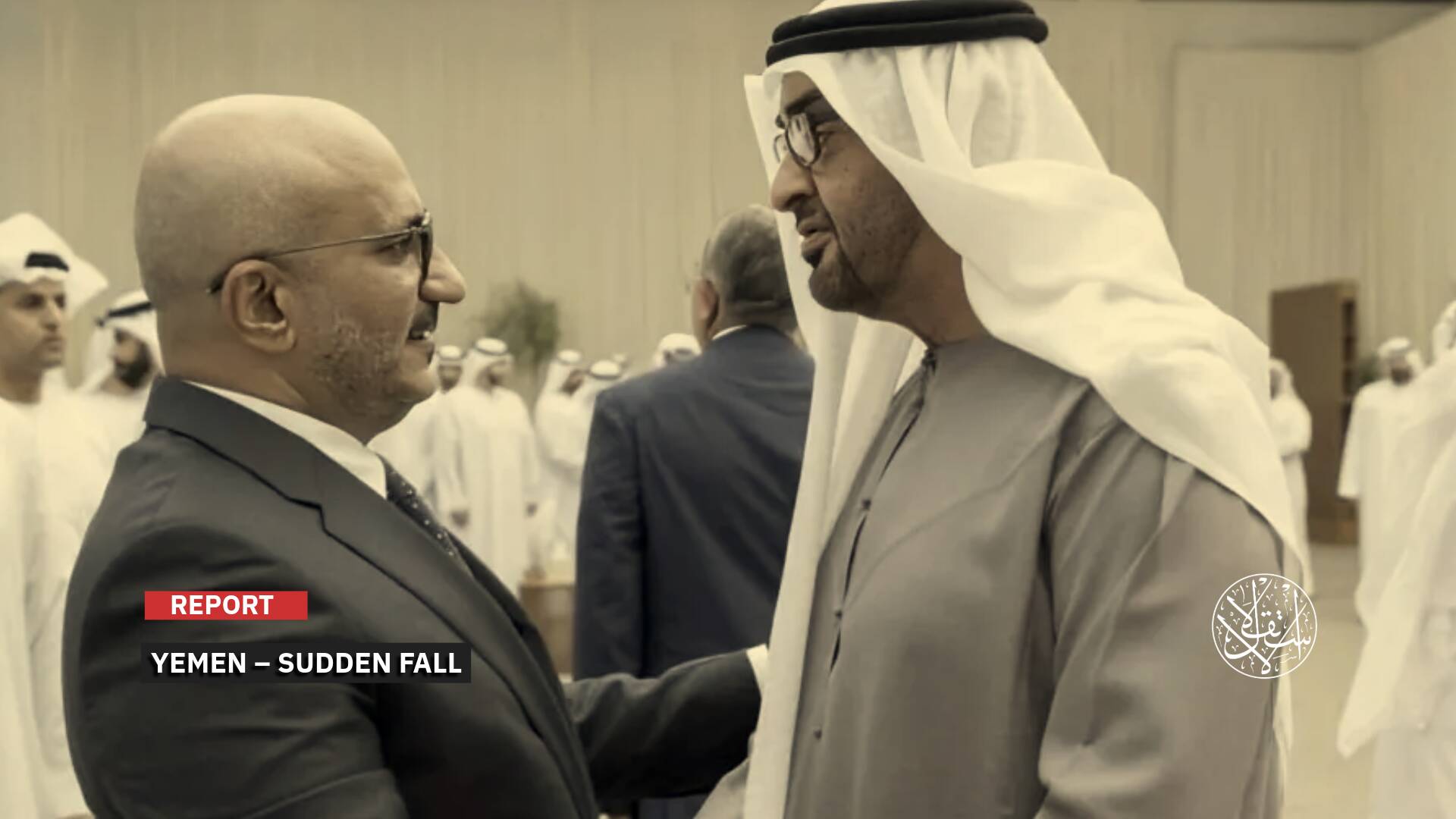
At the center of these shifts is a widening rift within the Saudi-Emirati alliance, accompanied by a marked retreat in Emirati influence inside Yemen and its direct fallout for the Southern Transitional Council (STC), culminating in the flight of its leader, Aidaros Alzubidi, and several senior figures to the United Arab Emirates.
The developments raise pressing questions about the political order taking shape in the south, how much influence Abu Dhabi still wields there, and the tools it may deploy to reshuffle the deck and reengineer the balance of power in Yemen’s southern governorates.
Shifting Power Balances
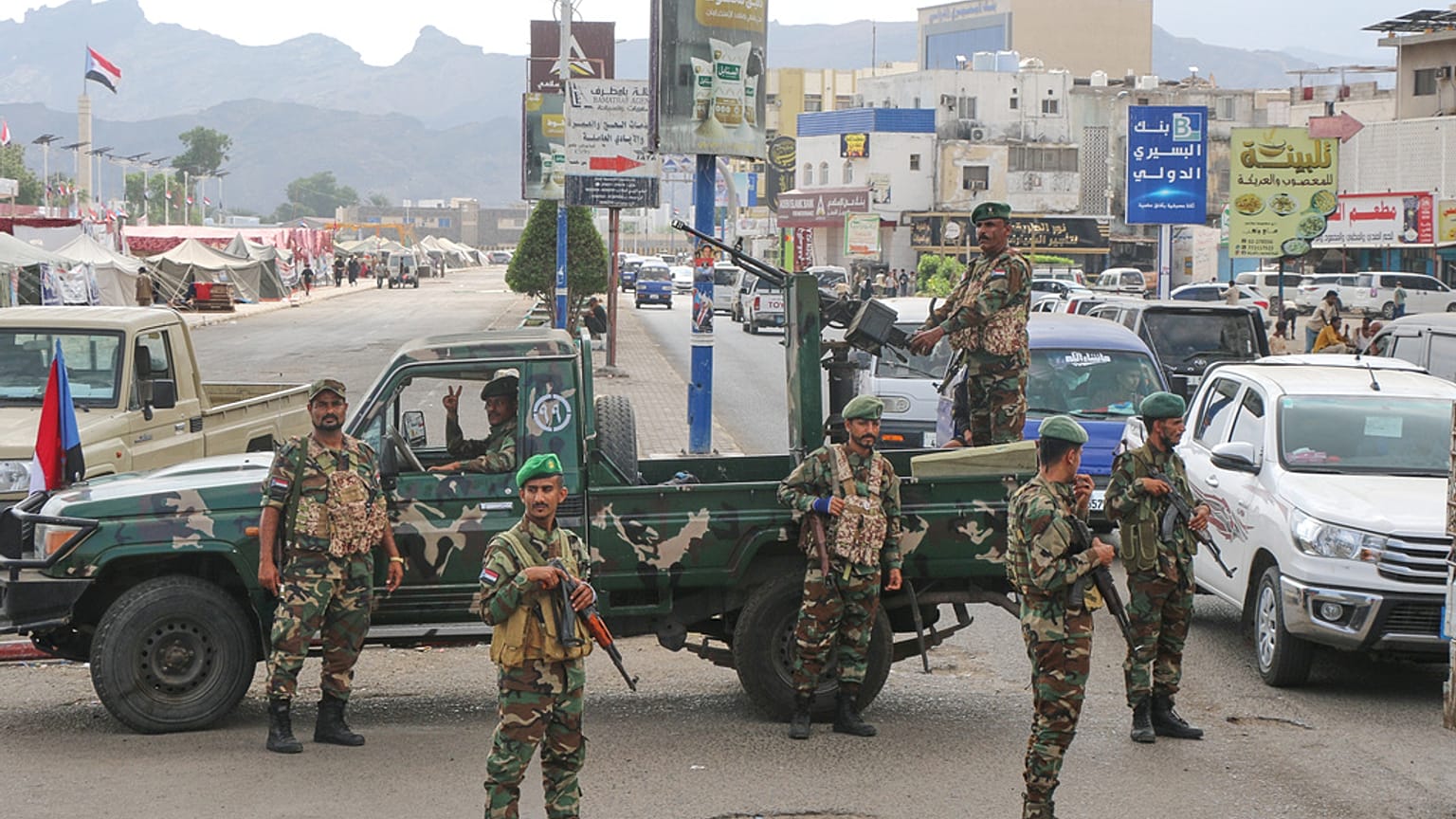
The emergence of the Saudi-backed Homeland Shield forces has marked one of the most significant military and security shifts in the current phase, positioning the group as a tool to reorder security dynamics across southern and eastern Yemen.
Framed as a more disciplined alternative to rival local factions, the force aligns with Riyadh’s push to centralize military decision-making and curb Emirati influence within Yemen’s security and defense institutions.
Homeland Shield units have extended their control across most southern provinces, from Aden to al-Mahra, stopping short of Lahij and al-Dhale—strongholds of STC leader Aidaros Alzubidi.
That expansion has weakened armed formations linked to the STC and tipped the balance of power on the ground back toward the internationally recognized government.
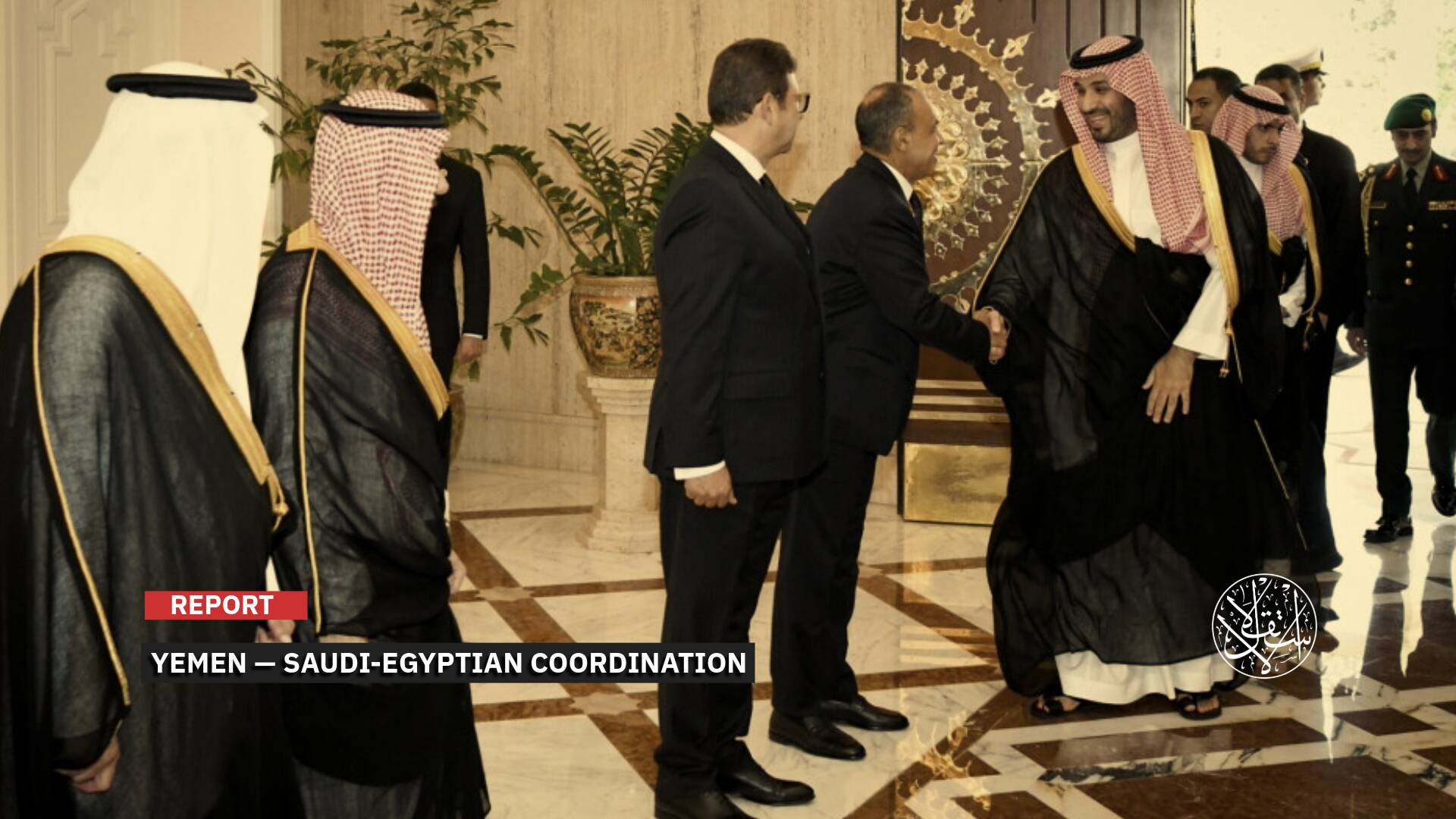
At the same time, Yemen’s recognized government has tightened its alignment with Saudi Arabia, capitalizing on regional shifts and direct political and military backing to reclaim political initiative and reassert itself as the sole legitimate framework for managing the transitional period.
As part of efforts to sideline the STC and reinforce state authority, Presidential Leadership Council head Rashad al-Alimi has issued a series of decisions removing several STC figures from political and military posts and leveling charges of high treason against Alzubidi.
The trajectory points to a deeply complex phase ahead, where local calculations intersect with competing regional agendas. For the United Arab Emirates, two paths appear to be on the table: a relative pullback that leaves Yemen’s file largely in Saudi hands or an attempt to retain influence through indirect means.
Multiple indicators suggest Abu Dhabi is leaning toward the latter—what could be described as a strategy of “managed disruption,” seeking to obstruct stabilization without direct engagement, reshuffle the cards, and impose new negotiating realities in Yemen’s south.

The UAE’s Options
The Riyadh dialogue stands as one of the most prominent political tracks aimed at reorganizing Yemen’s fractured landscape, addressing the southern question, and unifying anti-Houthi forces.
Yet despite the participation of an STC delegation, the United Arab Emirates could move to undercut the process if it concludes that the talks threaten its influence or interests. That could take the form of indirect obstruction—deploying media and political tools to cast doubt on the dialogue’s credibility or neutrality, or backing political and military actors that reject its outcomes, foremost among them the wing led by Aidaros Alzubidi, who opted out of the talks.
Abu Dhabi’s available options also include unsettling the southern political scene by reopening contentious files, reviving shelved political or regional disputes, and promoting alternative figures or entities, alongside reactivating armed factions or local patronage networks.
Such moves could be paired with exploiting Yemen’s fragile security environment to impose new arrangements and manipulating regional and tribal fault lines to scatter rivals’ efforts and block any attempt to unify the southern street or translate its demands into political gains.
Should the Riyadh talks succeed in steering southern Yemen toward a peaceful political track (including progress on the southern issue), they would pose a direct challenge to Emirati strategic interests. That, in turn, could prompt Abu Dhabi to slow or derail the process by questioning the legitimacy of participating parties, backing parallel tracks, or exerting pressure through regional and international allies to reshape the priorities of any eventual settlement.
Playing the Cards
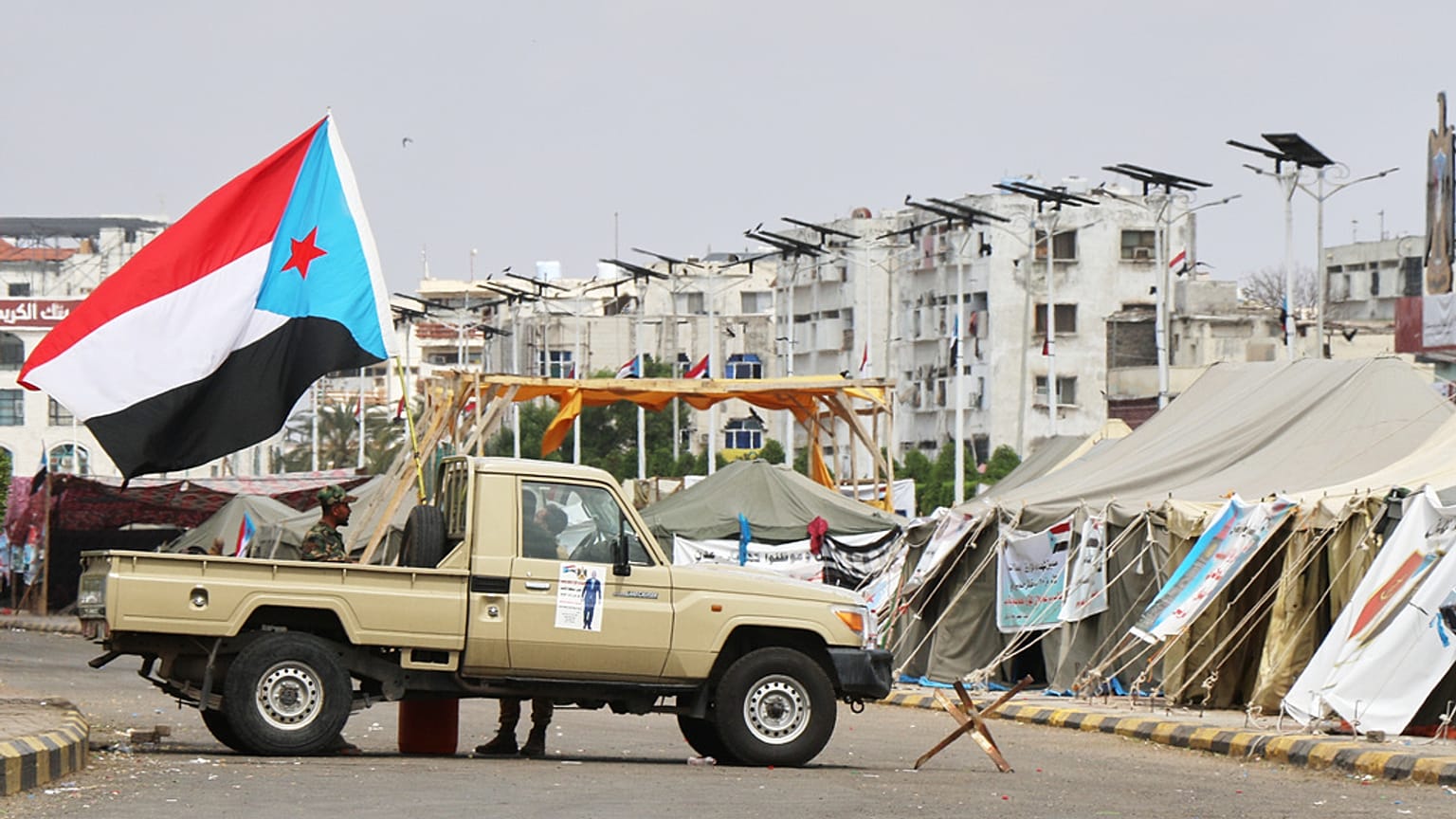
As political tensions rise between Yemen, Saudi Arabia, and Abu Dhabi, and the influence of the STC militia declines, there is a growing turn toward what could be called nontraditional cards as tools of strategic pressure. The UAE may use these measures to reshuffle the southern landscape or push it toward security and social rupture in order to impose a new negotiating reality.
Analysts point to four main cards. Abu Dhabi could play in southern Yemen: al-Qaeda, the STC militias, the Houthis, and the Israeli Occupation.
Al-Qaeda
Al-Qaeda remains one of the most dangerous security threats in Yemen and has long been exploited regionally as leverage. Former Yemeni transport minister Saleh Algubwani said the government holds evidence linking the UAE to both al-Qaeda and ISIS in Yemen.
This need not imply a direct alliance but rather the management of threat levels—allowing limited movements by militant cells in certain provinces, including attacks on government forces, to keep the south in a state of chronic insecurity. Such instability would tarnish Saudi Arabia’s image as the coalition’s counterterrorism leader and suggest to international partners that scaling back the Emirati role has opened the door to extremist resurgence.
STC Militias
Despite the STC’s political and military retreat, the UAE still retains real leverage within its security and military structures, which include more than 180,000 fighters backed and funded by Abu Dhabi.
This card could be played by reactivating those forces in Aden, Abyan, Lahij, and al-Dhale, creating localized flashpoints and limited security mutinies that drain the Homeland Shield forces and the recognized government. The aim would be to turn southern Yemen from a Saudi ally into a security burden while blocking any long-term stabilization effort.
The risk extends beyond Yemen. STC leaders have previously threatened drone attacks on Saudi critical infrastructure, including Aramco and Abqaiq.
The Houthis
Despite their publicly adversarial relationship, Yemen’s recent history suggests indirect channels between the UAE and the Houthis, used to manage short-term interests.
This card could involve encouraging Houthi strikes on Saudi strategic targets, keeping the southern border under constant threat, obstructing any comprehensive settlement to end the war, and allowing Houthi economic and intelligence influence to expand in some liberated areas.
The Israeli Occupation
Normalization agreements have added a new dimension to the Emirati regional strategy. In Yemen, this card could be played by linking the south, especially its coasts and ports, to Red Sea security architecture and global shipping lanes.
That would involve expanding intelligence and technological presence under the banner of maritime security cooperation while using the Israeli angle as political leverage with Washington and other international partners to shape regional tracks in which Riyadh is not the central actor—narrowing Saudi Arabia’s leadership margin on the Yemen file.
Observers say the evidence points to Yemen entering a highly complex phase, where local calculations collide with regional agendas. While some Emirati tools have lost potency, Abu Dhabi still retains room to maneuver through its political and security networks.
Yet reshuffling the cards or igniting fresh conflict carries serious risks. Such moves could prolong the crisis and deepen Yemeni suffering. The success of any future political path, analysts warn, will ultimately depend on whether regional actors choose compromise over confrontation.