Will Iraq Succeed in Reducing Its Dependence on the Strait of Hormuz via Syria?
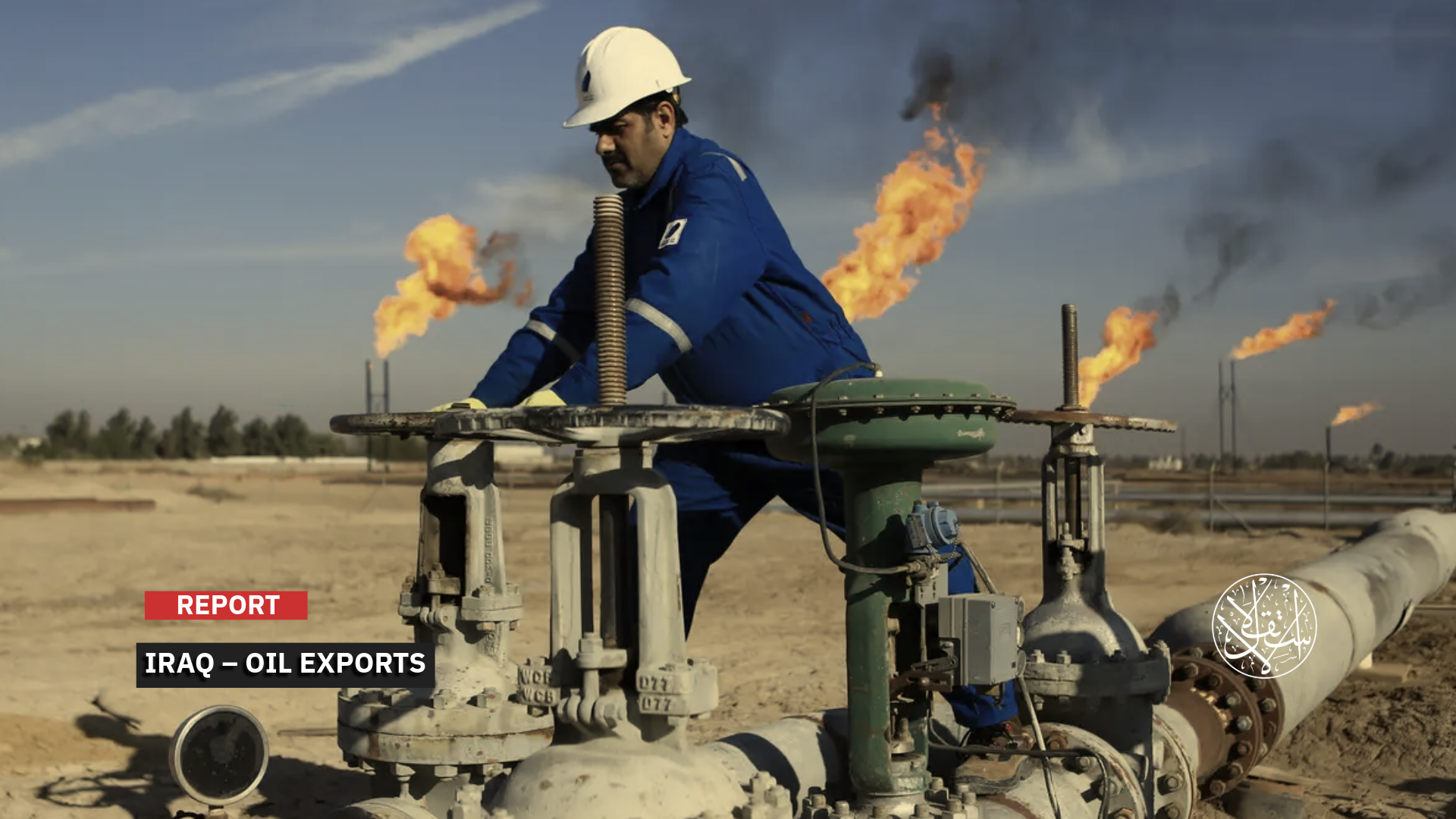
"The Strait of Hormuz has long been a structural weakness in Iraq's energy system."
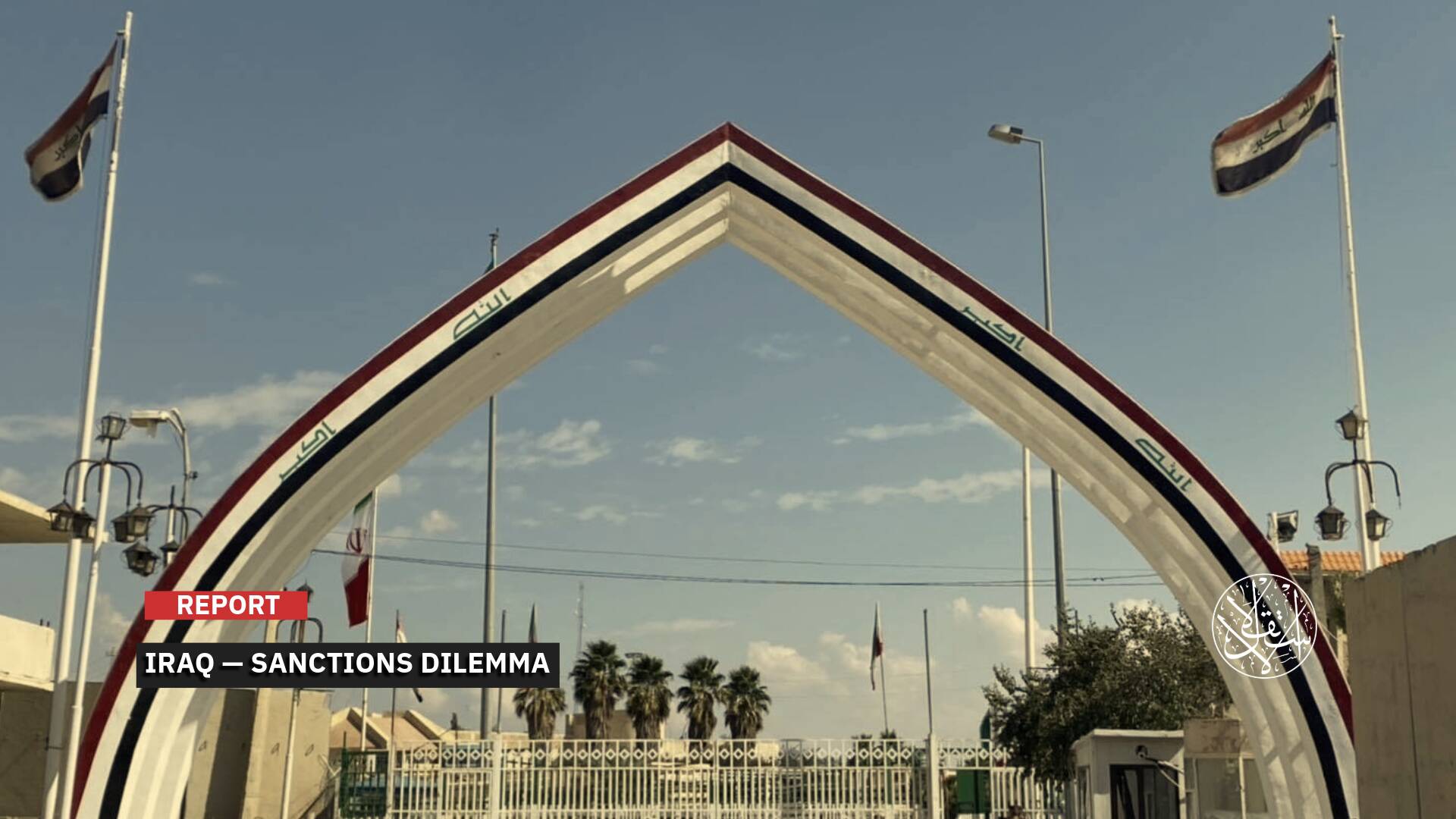
For Iraq, the Strait of Hormuz crisis is no longer a distant geopolitical possibility or a theoretical scenario discussed in research centers. It has become a pressing reality that directly tests the state's ability to protect its most vital economic artery: oil.
With the escalation of regional tensions linked to the Iranian-American-Israeli conflict that erupted at the end of February 2026, Iraqi exports through the Gulf are facing increasing restrictions. This has placed the government in Baghdad in a difficult position, forcing it to choose between maintaining exports and avoiding growing geopolitical risks.
This shift is not merely about decreasing oil export volumes or rising shipping and insurance costs; it strikes at the very heart of Iraq's economic security and raises old questions about the fragility of relying on a single outlet through a highly sensitive and volatile region.
Faced with this reality, Baghdad finds itself compelled to shift from crisis management to seeking urgent strategic solutions, including diversifying export routes, expanding transportation options, and reducing dependence on the Strait of Hormuz, which has long been a structural weakness in Iraq's energy system.
Alternative Route
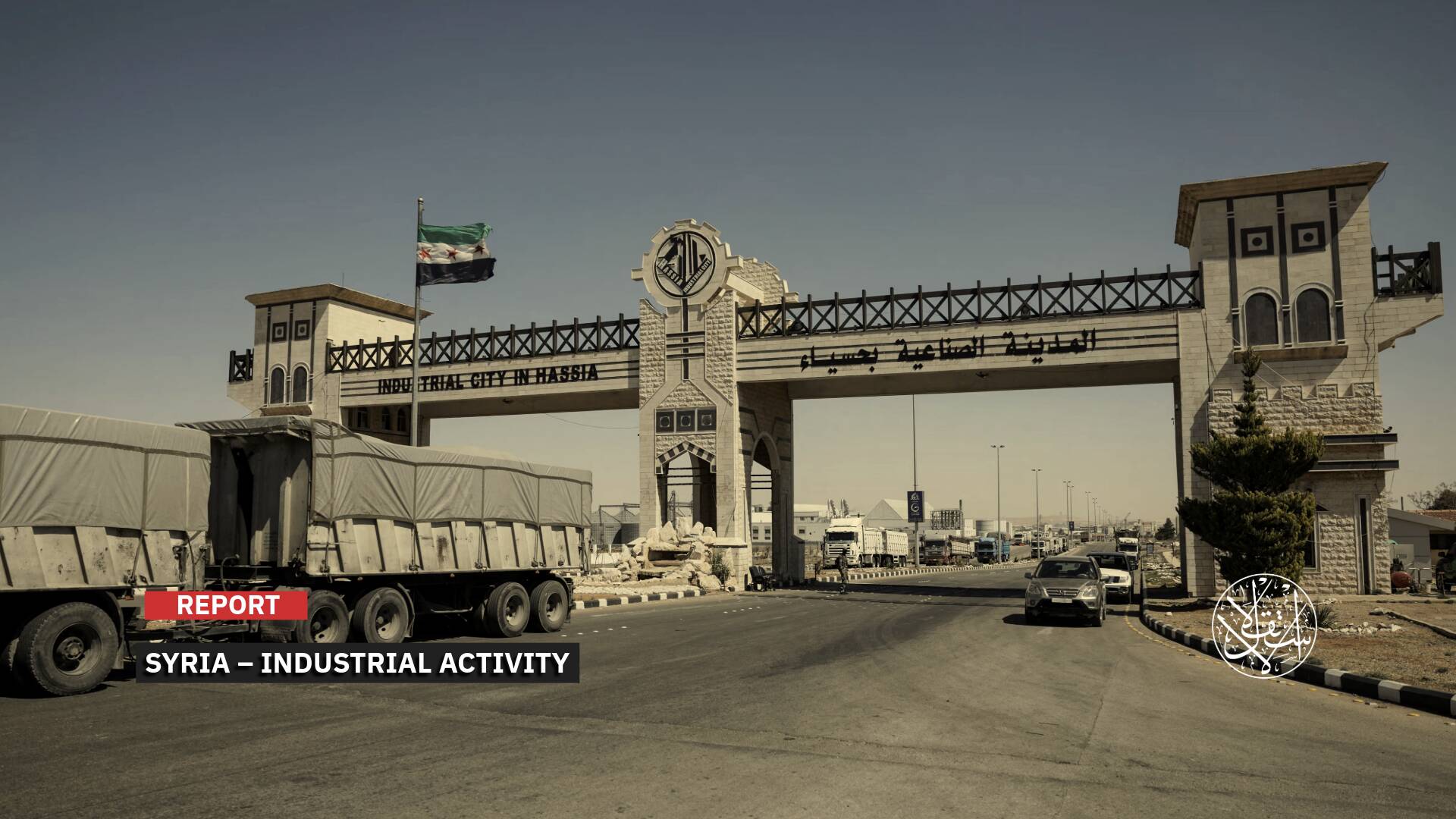
Syria has recently emerged as a new strategic option for Iraq to diversify its oil export routes.
This route provides direct access to the Mediterranean Sea and European markets, while simultaneously offering Damascus an opportunity to revitalize its ports and strengthen its position in regional energy equations.
This shift comes at a time when Iraq faces increasing challenges in its traditional reliance on the Strait of Hormuz, which constitutes the primary outlet for its oil exports.
With the escalation of regional tensions following the outbreak of war in the region, Baghdad is now confronted with a new reality that necessitates the search for safer and more stable alternatives to ensure the flow of its vital exports.
In this context, the Iraqi Council of Ministers approved on June 2, 2026, an agreement with Syria for the transport, storage, and handling of Basra Light, Medium, and Heavy crude oil via the ports of Baniyas and Tartus on the Mediterranean Sea.
The Iraqi government affirms that this project represents a strategic shift in its oil export policy, granting the country greater flexibility in the face of any geopolitical or logistical disruptions that might affect shipping in the region, and ensuring the continued flow of oil revenues as the primary source of funding for the national budget.
According to government data released in May 2026, Baghdad seeks to increase its oil exports to approximately 770,000 barrels per day via alternative routes, after the Gulf's instability led to a reduction in its dependence on the vital Strait of Hormuz as a major export route.
Iraqi Oil Minister Basim Mohammed Khudair Al-Abadi had previously revealed that Iraqi exports through the Strait of Hormuz had plummeted from 93 million barrels to approximately 10 million barrels in April 2026, reflecting the significant impact of regional security developments on the country's energy sector.
Before the recent war in the Middle East, Iraq relied on exports of around 3.5 million barrels per day, representing approximately 90% of its national budget revenues. However, this figure subsequently dropped to about 1.4 million barrels per day due to disruptions in key export routes and increased transportation and insurance costs.
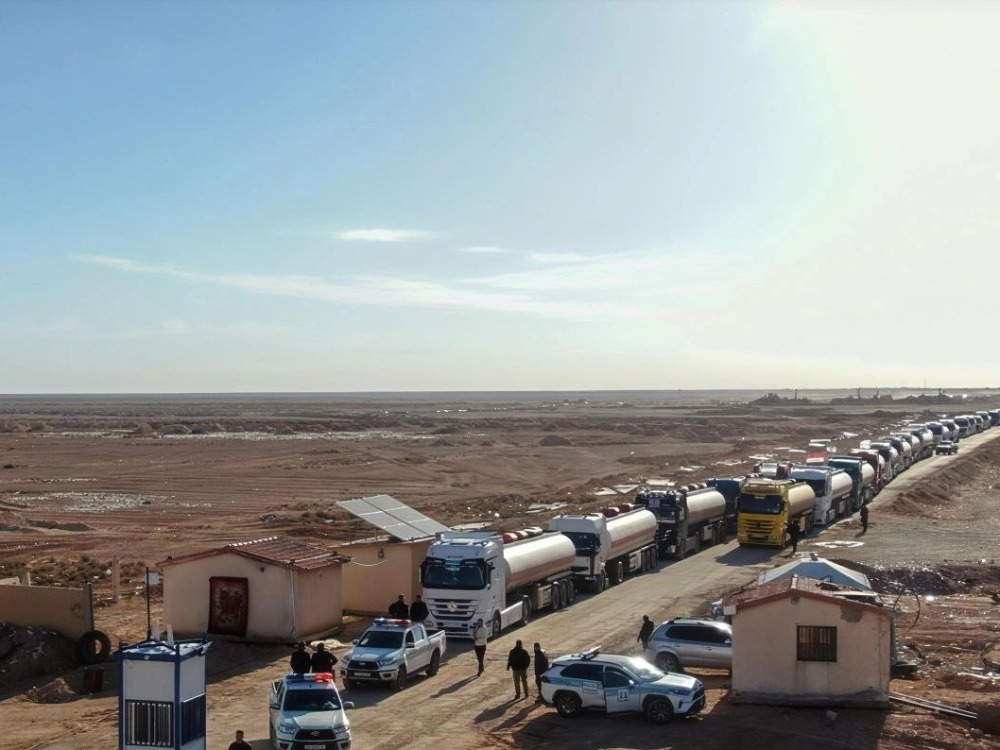
With navigation through the Strait of Hormuz remaining disrupted, Baghdad resorted to alternative routes, including transporting oil by tanker trucks through Syrian territory, in addition to the partial reactivation of the pipeline to the Turkish port of Ceyhan, which provided a limited margin for crude oil exports.
In early April 2026, the first Iraqi oil convoys entered Syrian territory via the Al Tanf-Al Waleed border crossing, heading towards the Baniyas refinery. According to data from the Syrian Petroleum Company, the convoys comprised approximately 299 tankers.
Economic data indicates that this route is not only an alternative solution for Iraq but also has a positive impact on the Syrian economy by stimulating transit traffic, increasing port and logistics revenues, and reactivating infrastructure that had been largely idle for years.
This cooperation also reinforces the importance of Syria's geographical location as a strategic link between the Middle East and the Mediterranean, opening the way for more flexible connections between oil and petroleum products from neighboring countries and European markets.
In a significant development reflecting the depth of this cooperation, the State Organization for Marketing of Oil (SOMO) announced in April 2026 the commencement of exports of the first oil shipments via the port of Baniyas to European markets, amid reports of a gradual expansion in the volume of Iraqi oil supplies transiting through Syrian territory.
Export Outlet
Energy sector experts believe that Iraq's move to utilize the ports of Baniyas and Tartus represents a strategic step that grants it an additional outlet to the Mediterranean Sea and enhances its access to European markets, while also reducing its reliance on a single export route that traverses a highly volatile geopolitical environment.
Conversely, Syria benefits from revitalizing its logistical and maritime facilities, particularly in the areas of storage, transportation, and energy along its coast.
In this context, economic researcher Radwan al-Dibs told Al-Estiklal: “Iraq now views Syria as part of its energy security system, not merely as a transit route for oil exports.”
“Iraq’s traditional reliance was on the port of Basra or pipelines to the Turkish port of Ceyhan. However, these routes have always faced disruptions related to political and security disputes, both within the Kurdistan Region and in transit areas,” he added.
He pointed out that "the current export routes, despite their importance, do not provide complete stability. This makes relying on temporary land and sea transport a more realistic option at the present time."
"The first step taken by Iraq was to open additional export routes alongside the traditional routes through Basra or Kurdistan. One of the most prominent of these routes was towards Syria as an alternative maritime outlet," he said.
The second step, according to Mr. al-Dibs, is leasing and allocating storage space for Iraqi oil within the ports of Tartus and Baniyas.
"This mechanism aims to increase the continuity of exports, so that the flow of Iraqi oil is not completely affected in the event of any disruption in the Gulf or to land transport routes," he added.
He emphasized that the primary objective of this strategy is to reduce exposure to geopolitical risks in the Arabian Gulf, in addition to avoiding the recurring disruptions related to disputes with the Kurdistan Region, which have affected the regularity of exports on more than one occasion.
He concluded that Syria, although not a central hub in the Iraqi oil export system, has become an important element in the equation of diversifying export routes, and represents a valuable asset in enhancing Iraq's oil resilience in the face of regional changes.

Strategic Resilience
Syria's land and sea ports are undergoing a restructuring and reorganization phase at both the administrative and logistical levels, as part of efforts aimed at restoring their operational efficiency after years of decline accompanied by widespread damage to infrastructure and accumulated management challenges during the previous period.
In this context, Syrian President Ahmed al-Sharaa affirmed on April 23, 2026, during a press conference in Berlin alongside German Chancellor Friedrich Merz, that Syria seeks to solidify its position as a secure land corridor for supply chains and energy supplies, noting that the country represents a natural link between East and West.
He revealed extensive discussions with countries in the region aimed at developing safe and stable routes for supply and energy chains, indicating Damascus's desire to reposition itself within the regional economic map after years of decline.
In light of these moves, the renewed momentum in Syrian-Iraqi economic relations goes beyond simply reopening border crossings or revitalizing land transport. It reveals deeper transformations driven by the reshaping of the region's energy and trade landscape.
Amid increasing pressures on traditional export routes, particularly for Iraq, Syria has re-emerged as a strategic gateway to the Mediterranean, reflecting a growing trend toward redrawing a portion of the Levant's economic map in the coming years.
Iraq's move towards adopting the Syrian route comes within a broader context of restructuring energy security in the region, based on diversifying outlets and reducing dependence on highly sensitive maritime routes.
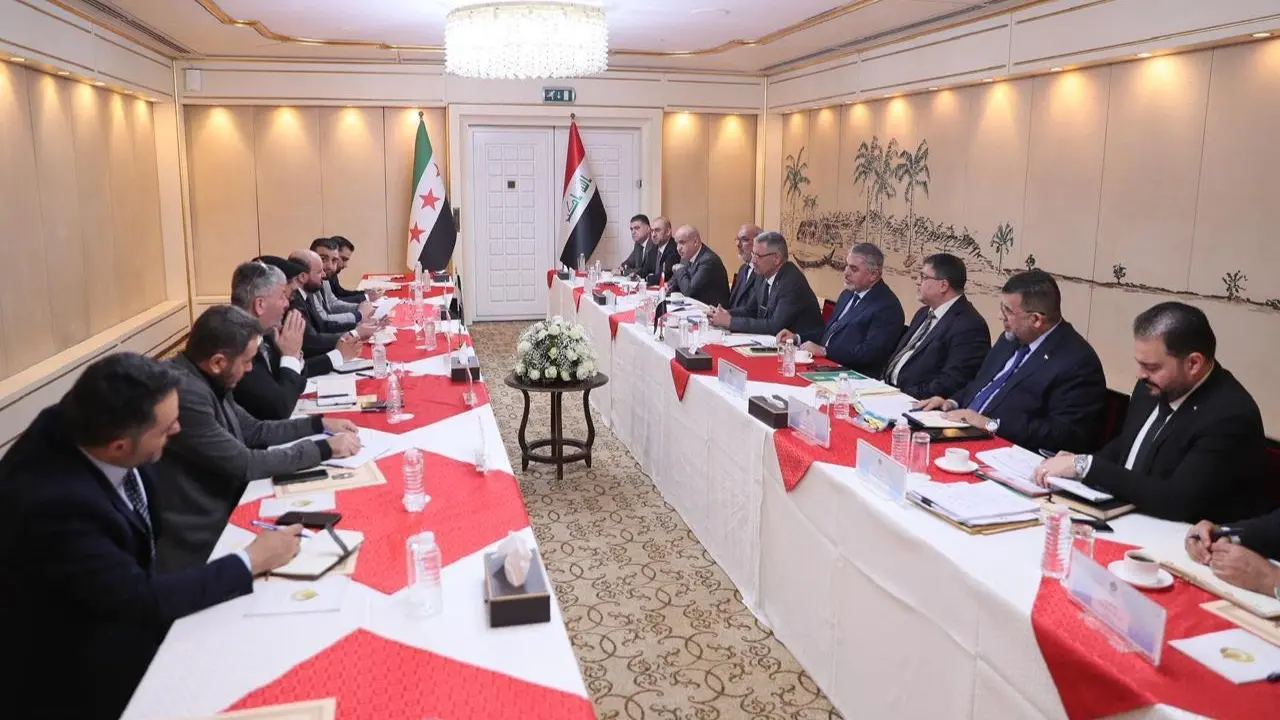
In the context, economic researcher Mohannad Zenbarakji, a specialist in strategic planning and risk management, explained in an interview with the Syrian newspaper Al-Thawra in May 2026, is not limited to direct operational dimensions, but lies primarily in the strategic flexibility it provides for Iraqi export operations.
He pointed out that the cost of transporting a barrel of oil via pipeline is often lower than maritime transport under stable conditions, ranging between $2 and $4 per barrel depending on the distance and infrastructure efficiency. However, these costs rise significantly in cases of maritime tensions or increased insurance costs.
He stated that establishing a land-sea route through Syrian territory towards the Mediterranean Sea offers Iraq a faster option for accessing European markets, with the potential to reduce shipping time by several days compared to traditional routes through the Strait of Hormuz and the Suez Canal.
On the Syrian side, he noted that this route could have direct economic repercussions, despite the existing challenges.
"Transit and logistics fees could generate annual revenues of between $500 million and $1 billion if the lines operate at medium capacity, which would be an important boost to an economy suffering from a sharp contraction and mounting structural pressures," he said.
Sources
- Iraq agrees to transport and store Basra oil at the Syrian ports of Baniyas and Tartus [Arabic]
- Iraq exported 10 million barrels of oil in April through the Strait of Hormuz [Arabic]
- The first convoys of Iraqi fuel enter Syria for export to global markets [Arabic]
- A Syrian economic delegation is in Iraq to promote trade cooperation and food security [Arabic]