After Bir Saliba: Will the Rapid Support Forces’ Last Stronghold in West Darfur Collapse?
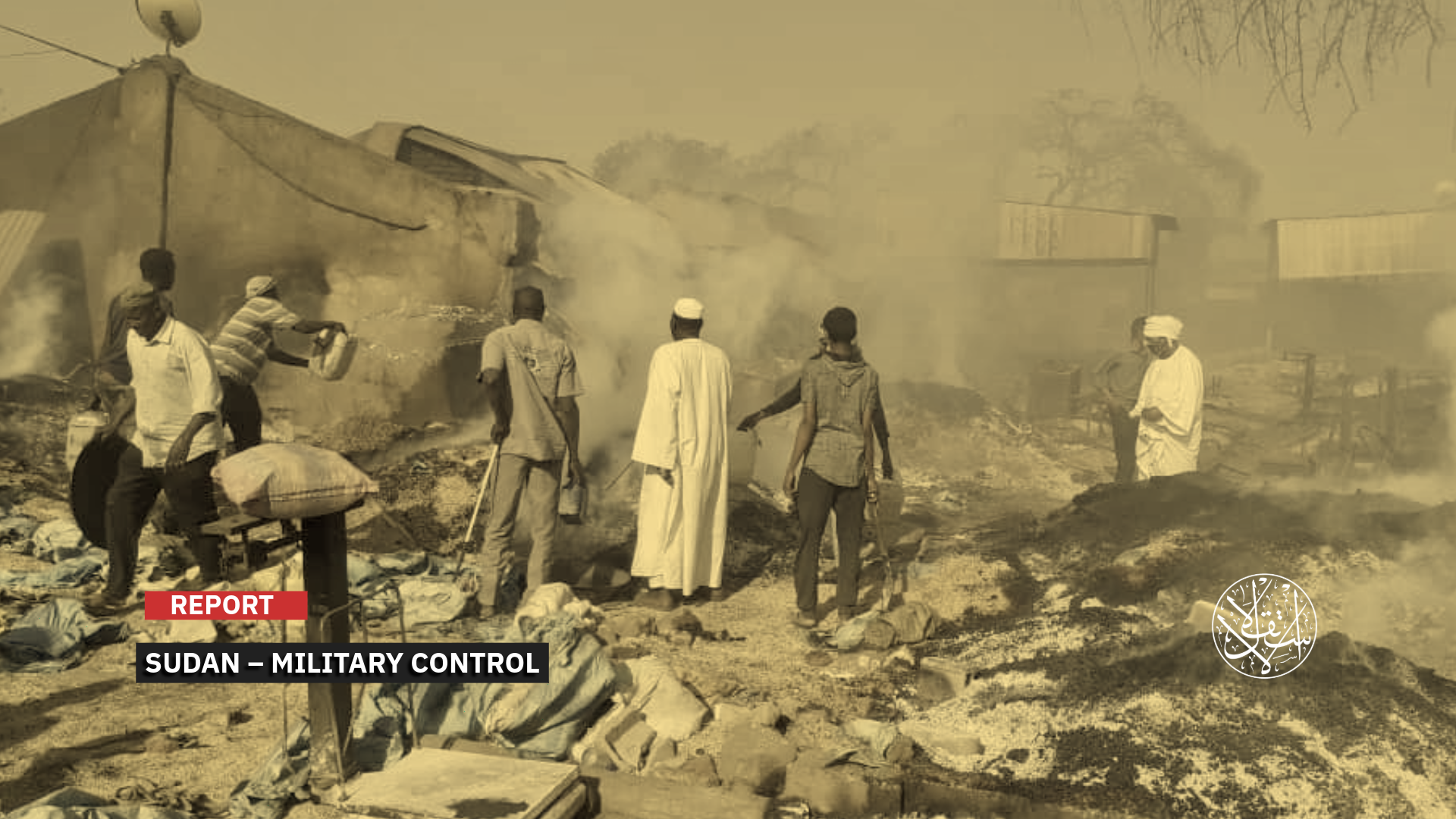
“The Sudanese army’s operations in West Darfur are aimed at regaining control of the border with Chad.”
In a development that could redraw the map of battles in West Darfur, the Joint Force of armed struggle movements announced on July 12, 2026, that it had regained control of the Bir Saliba area, located about 30 kilometers north of El Geneina, following clashes with the UAE-backed Rapid Support Forces (RSF).
The importance of Bir Saliba does not appear to stem from its size or population, but rather from its location on the northern axis leading to El Geneina, the last major city still under RSF control in West Darfur since its capture in November 2023.
Since then, El Geneina has become a major military and administrative center for the RSF in the region, while the Sudanese army and the Joint Force have remained outside it, despite repeated attempts to advance towards it.
This operation comes days after the joint force withdrew from the town of Kulbus, in what it described as a tactical redeployment, before announcing the recapture of Bir Saliba.
This indicates a shift in operations from defending border positions to attempting to approach El Geneina, opening the door to a new phase of fighting that could be the most impactful in West Darfur since the outbreak of the war.
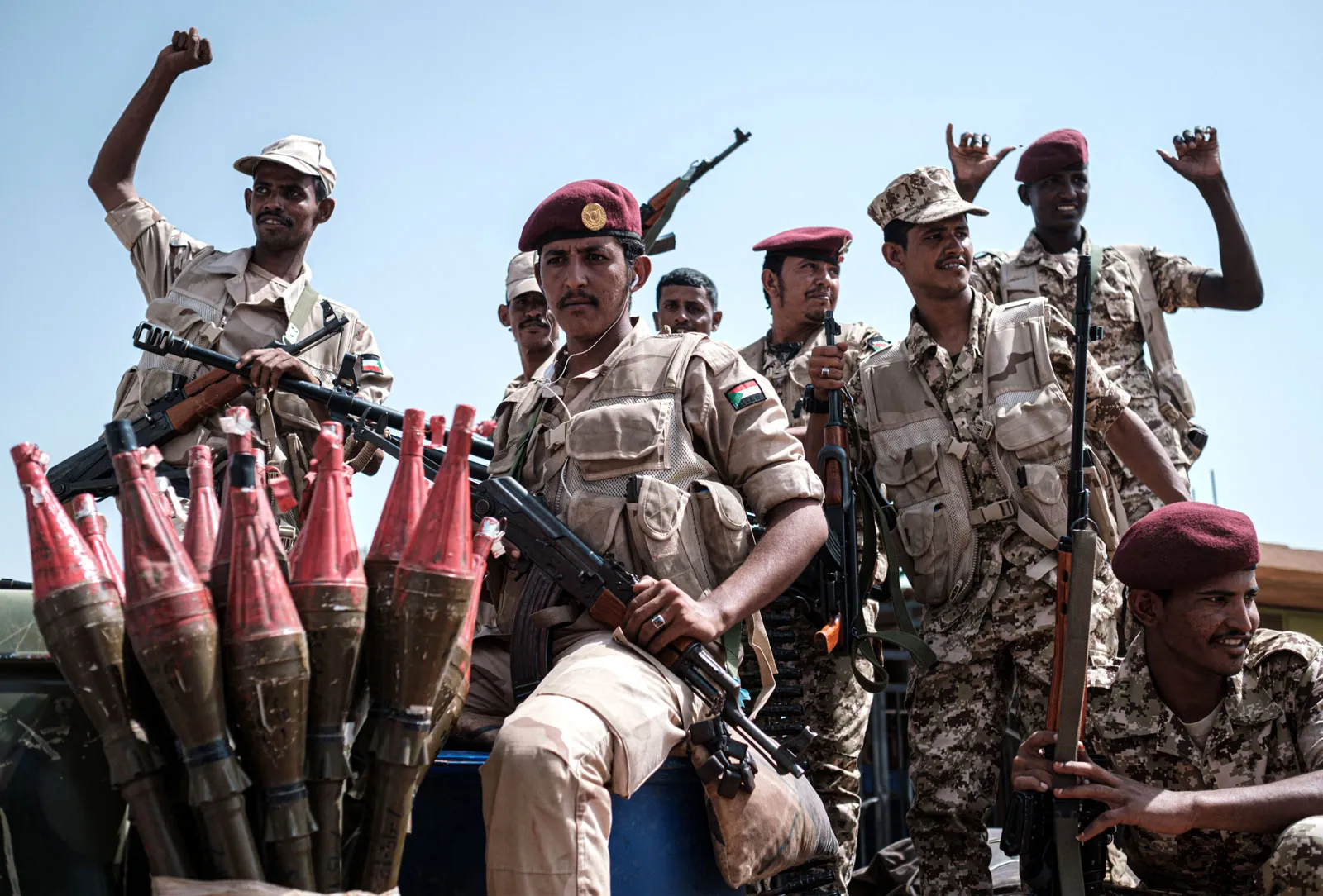
Major Battles
Although Bir Saliba is not one of the major cities in West Darfur, its location has made it one of the most sensitive points in the battles raging around El Geneina.
Over the past few months, Bir Saliba has become a point of constant competition between the Sudanese army and the joint force on one side, and the Rapid Support Forces (RSF) on the other.
The RSF has sought to use it as an advanced defensive line to keep the fighting away from El Geneina, while the joint force has attempted to breach this line in preparation for reaching the city.
The area also gains importance from its connection to the internal road network in West Darfur. Traffic routes between El Geneina and the northwestern axes, particularly towards Jebel Moon and Kulbus, pass through it. These two areas have witnessed intermittent clashes since the beginning of this year.
Therefore, controlling it not only means capturing a population center but also moving the front line closer to the state capital and reducing the area in which the RSF militia operates north of the city.
Furthermore, controlling Bir Saliba provides the advancing forces with a suitable location to assemble troops and equipment, conduct reconnaissance operations using drones, and monitor movements leaving El Geneina. This explains why the joint force described the operation as part of a plan to tighten the noose around the RSF militia in West Darfur.
The area's importance is amplified when compared to what transpired in the preceding days. Following the withdrawal of the joint force from Kulbus, the RSF believed they had successfully averted an attack on El Geneina.
However, the recapture of Bir Saliba demonstrated that the withdrawal was not the end of operations, but rather part of a strategic deception and a shift to a different axis closer to the main objective.
Thus, the military initiative returned to the Sudanese army and the joint force, as the fighting shifted from defending border towns to advancing towards the RSF's military stronghold in West Darfur.
It is worth noting that the former Sudanese army chief of staff, General Hashim Abdel Muttalib Ahmed, stated in an interview with the Saudi newspaper Asharq Al-Awsat, published on July 2, 2026, prior to the recapture of Bir Saliba, that the army and joint force operations in West and North Darfur represented a successful maneuver that brought the fighting back into the heart of the region.
He believed that the army had regained the initiative and that the advance in the western and northern regions was part of a broader plan previously discussed by the assistant commander-in-chief, General Yasser al-Atta.
However, controlling Bir Saliba does not mean the road to El Geneina is completely open. The city remains protected by several lines of defense, and the RSF retains the ability to send reinforcements from other directions.
Nevertheless, recapturing the area has changed the equation on the ground. For the first time in months, the army and its allies are on the outskirts of the city, possessing an advanced foothold from which to build any subsequent military operation.

Decisive Control
The advance towards El Geneina is no longer merely a military operation to retake a city; it has become a test of the future control over all of West Darfur.
Following the withdrawal of the army and regular forces, El Geneina has become the largest military and administrative center for the RSF in the state. From there, they have directed their military operations and consolidated their influence along the border strip with Chad.
El Geneina differs from other cities in West Darfur; it is not merely an administrative capital, but a transportation hub connecting the region's center to its western borders, a major center for trade and the movement of goods and fuel, and the primary gateway to the Chadian city of Adre.
For this reason, the city acquired significant economic importance in the years preceding the war, before transforming into a highly sensitive logistical and military center with the outbreak of fighting.
From this perspective, the recapture of Bir Saliba appears to be more than just a territorial gain.
It presents the RSF with the challenge of defending one of their most important strongholds in West Darfur, after battles had been confined to the northern and western outskirts, far from the city itself.
This comes at a time when the movements of the joint force indicate a gradual advance, securing surrounding areas before moving into the city, rather than engaging in direct confrontations within residential neighborhoods.
After withdrawing from Kulbus, the force repositioned itself along the Jebel Moon axis and then advanced towards Bir Saliba, in a manner suggesting an attempt to encircle El Geneina from the north and restrict the RSF's freedom of movement outside the city.
The importance of El Geneina is not limited to its military significance; it is also linked to its political importance.
It is the last state capital in the Darfur region still entirely under the control of the RSF militia, and it symbolizes their dominance over western Darfur for more than two years.
Therefore, any shift in the balance of power within the city will have implications that extend beyond the borders of western Darfur and could redraw the map of influence in the entire region.
The local newspaper, Sudan Tribune, reported that the RSF still has units stationed in and around El Geneina, in addition to its ability to call in reinforcements from other areas.
The newspaper added that the next phase may be the most difficult, as it will determine whether the current advance remains a limited tactical gain or transforms into a strategic breakthrough that paves the way for the recapture of El Geneina, the last RSF stronghold in western Darfur.

The War in Darfur
Sudanese political analyst Mohamed Nasr told Al-Estiklal that the recapture of Bir Saliba represents a significant development on the ground, but it does not signify the end of the battle for West Darfur. Rather, it indicates a shift to a new and more sensitive phase.
He added that "the fall of El Geneina, if it occurs, will not be limited to recapturing a state capital, but will reshape the balance of power in all of Darfur, because it will give the Sudanese army its first real victory inside West Darfur since the outbreak of the war, after months in which its presence in the state remained limited."
He explained that recapturing the city will provide the army and the joint forces with a foothold in one of the most sensitive areas on the western border, allowing them to expand operations into the rest of the state's localities and link the fronts stretching between North, West, and Central Darfur.
Nasr believes the loss will be more complex for the RSF because El Geneina is not merely a city or a command center, but an administrative and logistical hub from which military operations and supply lines in West Darfur are managed.
"The loss of El Geneina will force the RSF to redeploy its forces and command centers and seek alternative bases, which will affect its ability to maneuver on other fronts in the region," he said.
He noted that "the current advance does not mean the battle is over. Rather, the recapture of Bir Saliba has brought the fighting to the outskirts of El Geneina, placing the last RSF strongholds in West Darfur under direct pressure. However, it has also opened the door to what could be one of the most complex battles of the Sudanese war."
He pointed out that El Geneina holds special political and humanitarian significance. Since the beginning of the war, it has witnessed one of the most violent waves of killing and displacement, and its name has been linked to reports by the United Nations and human rights organizations detailing grave violations against civilians, particularly the Masalit people.
Nasr concluded by saying: “Any large-scale confrontation inside El Geneina will have repercussions that extend beyond the military field, as it may push thousands of civilians into a new wave of displacement towards the Chadian border, which makes the upcoming battle a test of the parties’ ability to achieve their military objectives without repeating the humanitarian catastrophe that the city witnessed during the past two years.”