‘They Brought Me Here to Kill Me’: Why Israeli Occupation Is Still Holding 18 Gaza Doctors
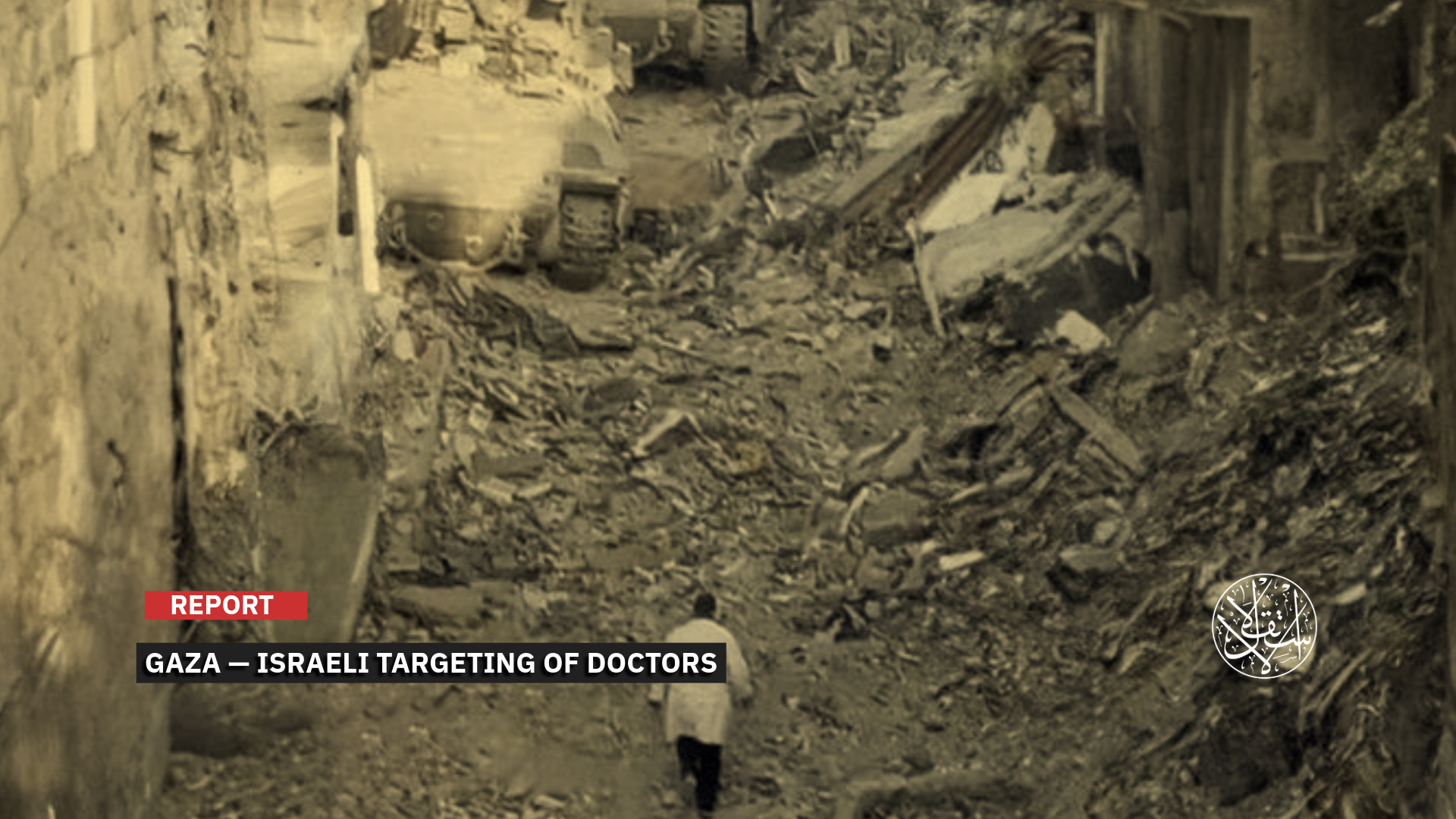
The detainees face torture, starvation, denial of medical care and medication, and isolation from their families.
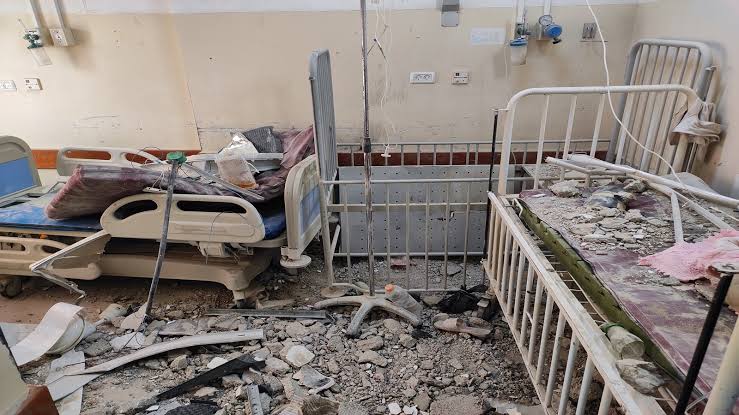
“Israel's” targeting of Gaza's health care system has gone far beyond bombs that forced hospitals out of service. It has also reached the doctors who remained in operating rooms and besieged wards, many of whom were detained and placed in a prison system where they have been held without clear charges, disclosed evidence, or trial.
Eighteen doctors from Gaza remain in Israeli prisons after most were taken from hospitals or detained while passing through military checkpoints set up during the Israeli aggression on the Strip. They have remained excluded from successive detainee releases amid a shroud of secrecy over why their detention continues.
The cases of these doctors reveal a punitive pattern that combined the destruction of Gaza’s healthcare system, the detention of its most experienced medical professionals, and the targeting of those who chose to remain beside their patients, including Hussam Abu Safiya, the director of Kamal Adwan Hospital.
The detainees face torture, starvation, denial of medical treatment and medication, and separation from their families, even as Gaza’s health system, devastated by the Israeli genocide, desperately needs the doctors it has lost after tens of thousands of injuries and the collapse of many hospitals and medical teams.
From Hospitals to Prisons
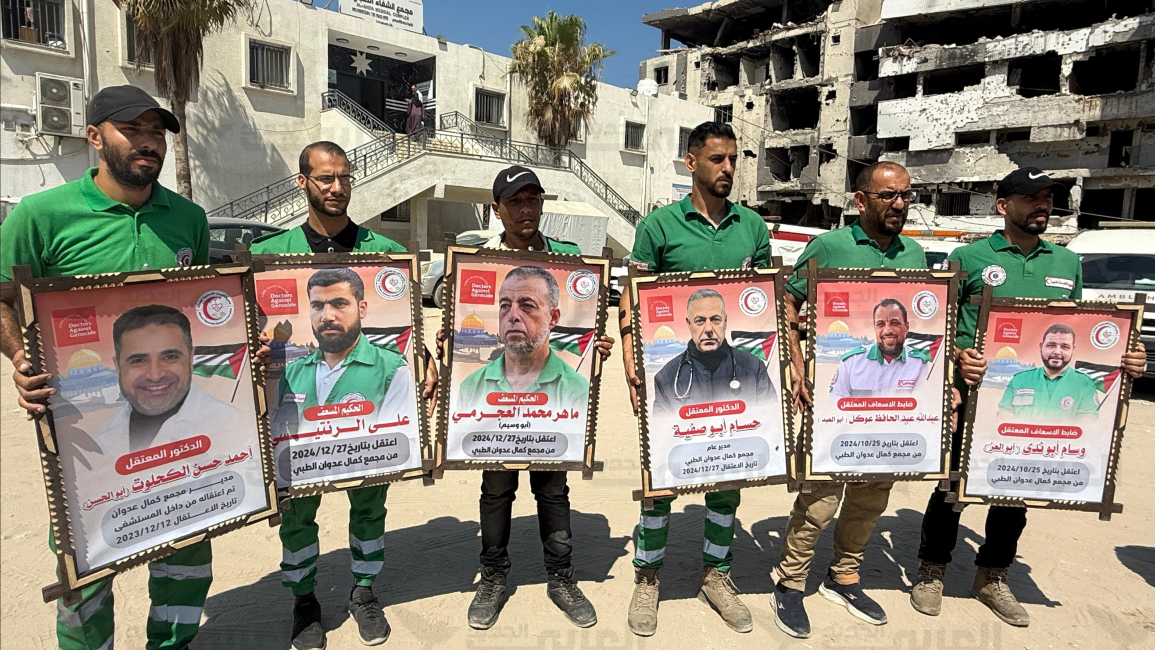
The Palestinian Center for Prisoners Advocacy published on July 16, 2026, a list of 16 Gaza doctors who remain in detention, with the names reflecting the scale of medical expertise that the Israeli Occupation forces have arrested and removed from the Strip’s hospitals.
The director of al-Shifa Medical Complex in Gaza City, Dr. Mohammed Abu Salmiya, said the Israeli Occupation has arrested 28 doctors since the beginning of the war on Gaza. Ten have been released, while 18 doctors remain inside Israeli prisons, in addition to more than 360 medical workers, including nurses, paramedics, technicians, and administrators. Eighty-eight of them remain detained.
The wave of arrests began on November 22, 2023, when Israeli Occupation forces detained Akram Abu Awda, head of orthopedic surgery at the Indonesian Hospital, at a checkpoint inside Gaza as he was passing through with coordination from the International Committee of the Red Cross.
On December 7, Raed Mahdi, a pediatrician and director of Mohammed al-Durra Children’s Hospital, was arrested in Gaza City’s al-Rimal neighborhood. He has remained in detention ever since, away from the hospital he had led since 2021.
During the raid on Nasser Medical Complex in Khan Younis in southern Gaza on February 16, 2024, Israeli Occupation forces arrested six doctors all at once from inside the hospital.
They included cardiologist Ahmed Shehadeh, intensive care physician Mahmoud Alhallaq, orthopedic trainee Hamza Abu Sabha, general surgeon Ahmed Mousa, head of surgery Nahid Abu Taima, and young doctor Musab Samaan, who worked at the complex.
Hours before his arrest, Abu Taima had spoken to the media about the catastrophic conditions inside Nasser Medical Complex, where wounded people and displaced families were trapped under bombardment and siege.
The arrests expanded in the following weeks. On March 3, 2024, Israeli Occupation forces detained obstetrician and gynecologist Omar Ammar while he was passing between tanks in Hamad residential city. In the same area, they also arrested Medhat Abu Tabanja, an intensive care specialist at the Indonesian Hospital.
Two weeks later, Israeli Occupation forces detained Murad al-Quqa, head of orthopedic surgery at al-Shifa Hospital, during their raid on the complex on March 18. The list also includes Ghassan Abu Zahri, head of orthopedic surgery at Nasser Medical Complex, though no publicly verified details are available about the date of his arrest or his current place of detention.
The targeting moved in October 2024 to Kamal Adwan Hospital, one of the last functioning medical centers in northern Gaza. At the time, vascular surgeon Hassan al-Muqayed was arrested after tanks entered the hospital.
During the same raid, Israeli Occupation forces arrested Mohammed Obeid, head of orthopedics at al-Awda Hospital and one of the Doctors Without Borders physicians who continued treating the wounded alongside the besieged medical teams.
On December 27, 2024, Israeli Occupation forces took Hussam Abu Safiya from inside Kamal Adwan Hospital after storming the facility and forcing patients and medical staff to leave.
Abu Safiya had remained at the hospital for weeks under bombardment and siege, refusing to abandon children and wounded patients or leave them without care. He continued calling for fuel and medicine to be allowed in and for the facility to be protected.
The raid ended with his arrest and the destruction of large parts of the hospital. He was transferred to Israeli prisons, and his case became one of the most documented cases involving detained doctors, particularly regarding torture and threats to his life.
Marwan al-Hams, an anesthesiologist, intensive care specialist, and director of field hospitals at the Ministry of Health, became the latest name added to the list of detained doctors after he was abducted on July 21, 2025.
An Israeli special forces unit carried out the abduction near the Red Cross field hospital in the al-Mawasi area, shooting him in the leg before taking him away.
Al-Hams had previously managed Abu Yusuf al-Najjar Hospital in Rafah and, during the war on Gaza, coordinated the work of field hospitals that received patients after major medical facilities were destroyed.
The Israeli Occupation authorities have withheld the locations of detention, case numbers, and court hearing dates for most of the doctors.
Hassan al-Muqayed was transferred from the Sde Teiman detention facility to Ketzi’ot Prison in June 2025, while Abu Safiya was held at the underground Rakefet facility inside Nitzan Prison. Marwan al-Hams appeared at Ashkelon Prison during the early period following his arrest.
For the remaining doctors, information has emerged through occasional lawyer visits or testimonies from released detainees, while contact with their families has remained cut off for months.
In a joint submission sent to the Israeli Occupation government on June 30, 2025, five UN Human Rights Council experts documented the detention of health workers from their workplaces, homes, and military checkpoints. The statement said some were subjected to enforced disappearance, prolonged isolation, and denial of contact with the outside world.
The submission said interrogations focused on hospital buildings and maps, alleged tunnels, and the names of medical staff and patients. It also documented the forced questioning of one doctor who was made to draw a map of his hospital and sign a written statement in Hebrew, a language he could not read.
The Health Workers Observatory, a local body documenting attacks on Palestinian medical workers and facilities, places these cases within a wider pattern. In an update published on April 17, 2026, it documented 446 cases of detention or disappearance involving health workers since October 7, 2023.
Detention Without Charges
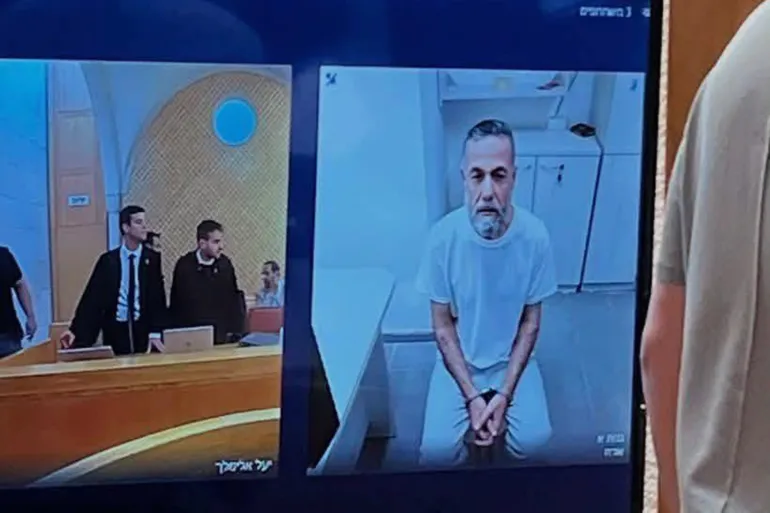
“Israel’s” detention of Gaza doctors is based on what it calls the “unlawful combatants” law, an Israeli measure that allows authorities to issue renewable detention orders based on what they describe as “secret security information.” The law also delays access to lawyers and restricts detainees’ ability to know or challenge the material being used against them.
Physicians for Human Rights Israel said on July 8, 2026, that 14 doctors monitored by the organization are being held under this framework, with their detention periods repeatedly extended without the filing of public criminal cases.
UN experts have also warned that detainees held under the law can be denied legal representation for extended periods and kept in undisclosed locations where their names do not appear on official lists, placing some cases within a pattern of enforced disappearance.
On April 30, 2026, the organization filed a petition with “Israel’s” Supreme Court on behalf of 14 doctors, demanding the cancellation of their detention orders and their release. It said all of those whose cases it reviewed had spent between 18 months and two and a half years in Israeli prisons, while none had received indictments.
Lawyer Nasser Odeh, who represents Hussam Abu Safiya, said the Israeli Occupation military had completed its investigations into the doctors, but prosecutors decided to continue holding them despite the absence of evidence that would incriminate them.
This matched the findings of UN experts, who said some doctors were accused verbally during interrogations of belonging to “terrorist organizations,” according to the Israeli description, without being presented with written charges or evidence supporting the allegations.
The case of Hussam Abu Safiya provides the clearest example of how this system operates. An Israeli court extended his detention order on April 28, 2026, and the Supreme Court rejected his appeal on June 16, relying on “secret material” withheld from the doctor and his lawyer. His detention order remained in effect until at least October 2026.
Naji Abbas, director of the Prisoners and Detainees Department for Physicians for Human Rights Israel, described the ruling as a message allowing a doctor to be deprived of his freedom indefinitely without charges or evidence presented in an open court.
The Israeli Occupation military has accused Abu Safiya of belonging to Hamas, without providing public evidence. The court relied on secret material withheld from the doctor and his defense team, while Gaza’s Health Ministry and Hamas itself denied the allegation.
A prisoner release deal on October 13, 2025, highlighted what critics described as the selective treatment of detained health workers. The agreement included 55 medical workers from Gaza, among them seven doctors, 24 nurses, and two paramedics. Forty-four of them had been arrested from inside hospitals.
Dozens of others remained excluded from the list, including Mohammed Obeid, whose immediate release Doctors Without Borders called for on October 20, 2025. The organization said he had been denied contact with his family for nearly a year and that the agreement ignored his case despite his arrest from Kamal Adwan Hospital.
The deal also released nurse Mahmoud al-Muqayed, while his brother Hassan, a vascular surgeon suffering from diabetes and high blood pressure, remained in prison.
The Israeli Occupation has not published any criteria explaining why one doctor was included in releases while another was excluded. Security classifications and objections over individual names have remained part of a closed negotiation process.
Physicians for Human Rights Israel argues that keeping doctors in prison after the October 2025 ceasefire obstructs the rebuilding of Gaza’s health care system and prevents witnesses with professional standing from speaking publicly about torture and abuses against hospitals.
The organization pointed to what followed the release of al-Shifa Hospital director Mohammed Abu Salmiya in June 2024, when his accounts of starvation and torture in Israeli prisons triggered political and media controversy in the Israeli Occupation. It argued that detained doctors represent a concern for authorities because of the testimonies they could provide.
In Abu Safiya’s case, his brother Mowaffaq linked his detention to his refusal to leave the hospital and his patients, while the Palestinian Center for Prisoners Advocacy described the continued detention of the doctors as punishment against medical workers who remained at their posts during the war.
The UN experts’ submission in June 2025 stressed that medical workers are civilians entitled to special protection and that practicing medicine does not provide grounds for an occupying power to detain them. It also stated that deliberate attacks on medical personnel and health facilities constitute war crimes.
Torture and the Risk of Death
Regarding their conditions, Human Rights Watch (HRW) documented in August 2024 testimonies from doctors, nurses, and paramedics who said they were stripped, beaten, restrained, kept blindfolded for prolonged periods, and denied medical treatment, in addition to facing threats of rape and the killing of family members.
The UN submission later described physical, psychological, and sexual violence, medical neglect, starvation, and prolonged isolation, as well as the denial of access for lawyers, human rights organizations, and families seeking to locate or visit detainees.
The testimony of Dr. Ahmed Muhanna, director of al-Awda Hospital, who was released in October 2025, reinforced these accounts. He said doctors were subjected to particularly harsh treatment and prevented from providing medical assistance to detainees injured during interrogation. He also said he lost nearly a third of his body weight due to starvation and unhealthy detention conditions.
The case of Hussam Abu Safiya entered a critical stage in early July 2026. His lawyer, Nasser Odeh, visited him on July 2 inside the underground Rakefet section of Nitzan Prison and found him shackled at his hands and feet, surrounded by masked guards. Fresh and severe injuries were visible on his head, face, and neck, making him difficult to recognize.
Abu Safiya told his lawyer that four or five guards had stormed his cell after his appeal hearing and beaten him with a hammer and batons across his body. He said the assault had become a daily occurrence and had caused him to lose consciousness several times.
He also appeared unable to breathe or speak continuously and told his lawyer, “This is the last time you will see me [...] They brought me here to kill me.” He said the attacks intensified after legal efforts were launched demanding his release.
Amnesty International warned on July 6, 2026, of an imminent threat to Abu Safiya’s life and called for immediate intervention to save him and secure his release.
The doctor had been denied adequate care for his illnesses and chronic pain and had been held in solitary confinement since June 3, exceeding the 15-day limit identified by the UN Standard Minimum Rules for the Treatment of Prisoners, known as the Nelson Mandela Rules, as the beginning of prohibited prolonged solitary confinement.
Physicians for Human Rights Israel said authorities transferred him to Rakefet after his isolation period, where he lost significant weight, suffered fractures, neck and back pain, and skin diseases, while medical examinations remained inaccessible to his lawyer and family.
Hassan al-Muqayed is also facing a worsening health situation due to diabetes, high blood pressure, and repeated deprivation of medication. His wife Nadia and his lawyers said on July 16, 2026, that lights remain on in cells throughout the night, detainees are prevented from sleeping during the day, and guards shout through loudspeakers whenever detainees fall asleep.
Al-Muqayed was left suffering from scabies for weeks without treatment, and his wife said released detainees told her he had lost around 40 kilograms.
The doctor spent his first seven months in the Sde Teiman detention facility before being transferred to Ketziot Prison in June 2025. He was not informed of his father’s death during his detention, and his lawyers were able to visit him only four times over nearly 21 months.
As for Marwan al-Hams, information published by the Palestinian Center for Prisoners Advocacy on July 7, 2026, indicated that he was being held at Ramon Prison after 43 days of interrogation in Ashkelon.
Al-Hams was denied his heart medication from February 2026 and lost around 20 kilograms, weighing approximately 69 kilograms, amid continued starvation, isolation, and the severing of family contact. He had been shot in the leg during his arrest before entering a prolonged interrogation process while needing medical monitoring and treatment.
His case reflects the use of medication and food deprivation as a form of punishment, placing his body at risk of sudden health complications inside a closed environment fully controlled by the prison authorities.
The detention of Gaza doctors has previously ended in death. Orthopedic surgeon and head of orthopedics at al-Shifa Hospital Adnan al-Barsh, gynecologist Iyad al-Rantisi, health worker Ziad al-Dalu, and paramedic Hamdan Anaba died in Israeli prisons, with information about the circumstances of their deaths withheld and their bodies not returned to their families.
The Health Workers Observatory raised the documented number of medical personnel who died or were killed while in detention to six by April 2026.
These cases have turned warnings over Abu Safiya, al-Muqayed, and al-Hams into alarms tied to deaths that have already occurred inside the same system, placing direct responsibility for the lives of detainees on the Israeli Occupation authorities.
Sources
- Update #11 Detained Healthcare Workers – April 2026
- he Special Rapporteur on the situation of human rights in the Palestinian territory occupied since 1967 and the Special Rapporteur on torture and other cruel, inhuman or degrading treatment or punishment
- Israeli Supreme Court rejects appeal for release of Gaza doctor held without charge
- Gaza Needs its Doctors – Release the 14 | New Podcast Episode w' TRANSCRIPTION
- Waiting for Hassan: Another Gaza doctor held by Israel without charge
- The wrongful legislation trend continues: the Knesset adopts a legal amendment making it easier for the military to assign “unlawful combatant” status
- Ongoing Illegal Detention of 16 Palestinian Doctors in Israeli Prisons Puts Their Lives at Risk [Arabic]