‘They Lied to You’: Gaza Campaign Reveals the Ceasefire Was a Sham as Israeli Attacks Escalate
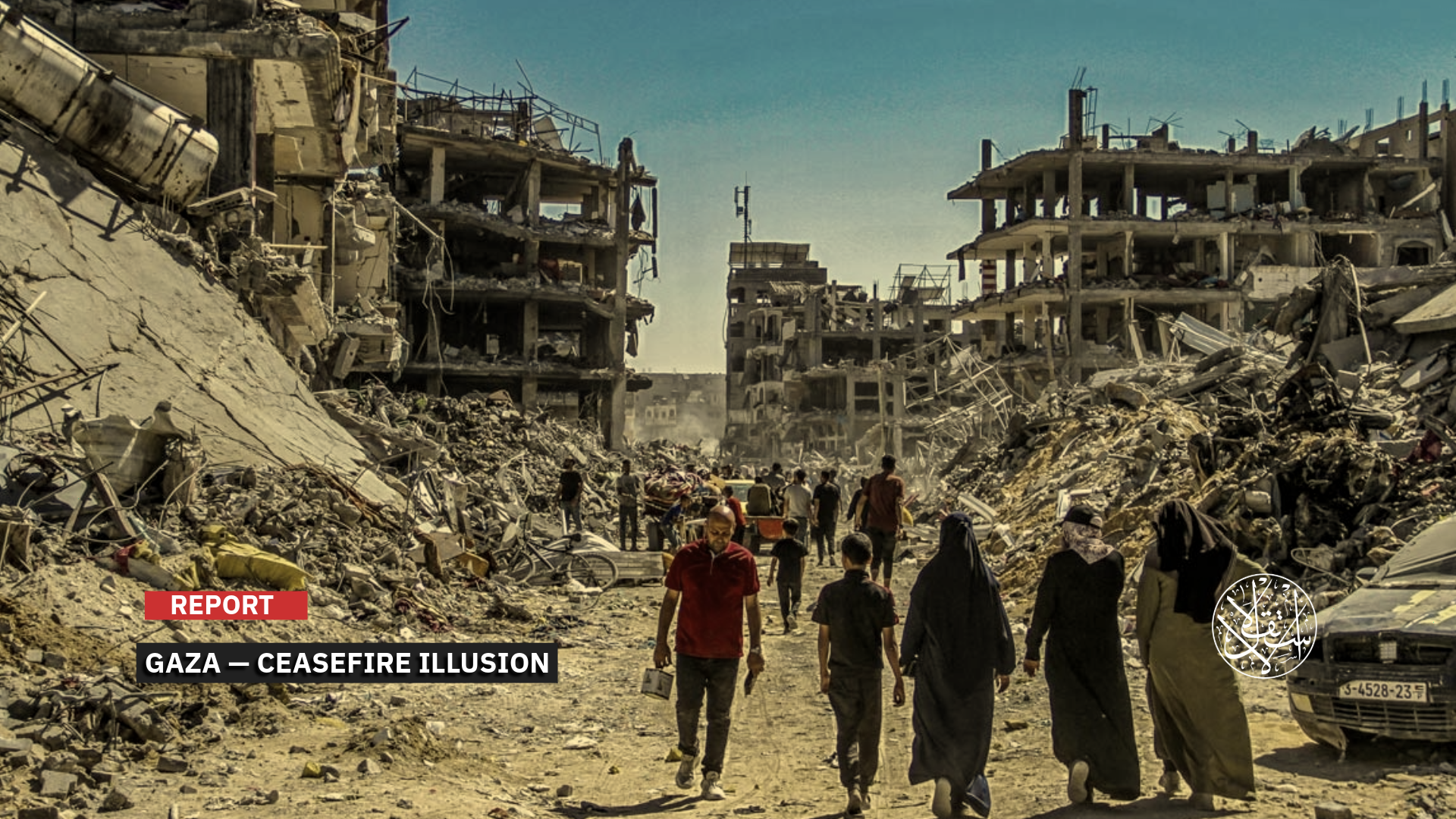
The Israeli occupation continues its airstrikes, expands its military control, and intensifies restrictions across Gaza.
“They lied to you when they said the war had stopped. It only stopped making headlines.” With these words, Palestinian journalist Ahmed Hamdan summed up the situation in the Gaza Strip months after a fragile ceasefire, during which Israeli bombardment never ceased.
Since the ceasefire agreement entered into force on October 10, 2025, the Israeli military has continued carrying out airstrikes and opening fire, expanded the areas under its military control, and tightened restrictions on movement, access to medical treatment, and humanitarian relief operations.
‘They Lied To You’
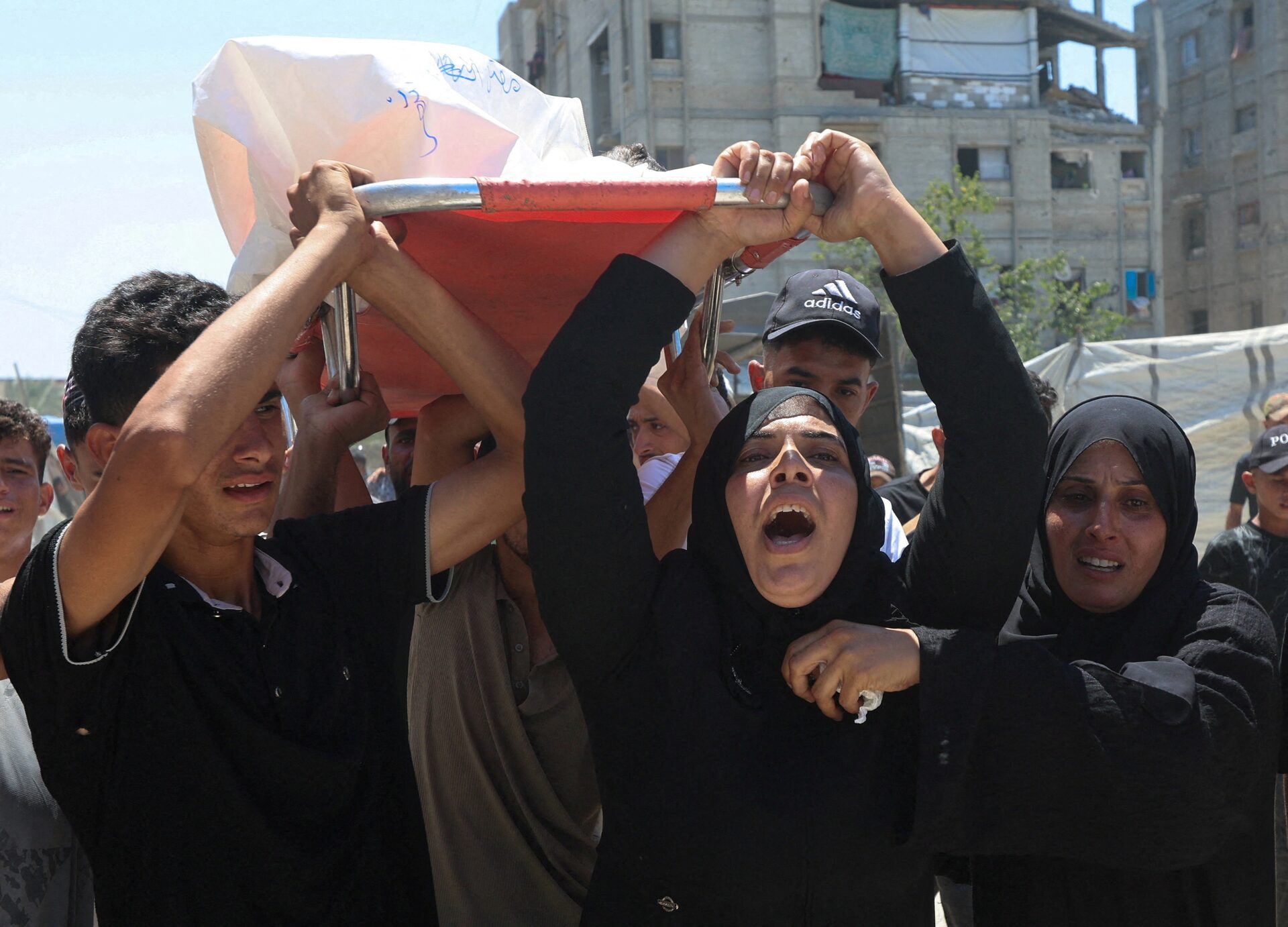
By July 15, 2026, Gaza’s Ministry of Health had recorded the deaths of 1,123 Palestinians and injuries to 3,616 others during the period of the agreement, including dozens who were killed in homes, tents, and displacement centers.
At the same time, areas under direct Israeli control and tightened military restrictions expanded to 64.9 percent of the Gaza Strip’s area, forcing most residents into a densely populated coastal strip lacking basic services.
Against this backdrop, activists and journalists from Gaza launched a digital campaign in mid-July titled “They Lied to You,” alongside its English-language hashtag #they_lied_to_you.
The campaign aims to bring Gaza back to the forefront of global attention after the “calm” became a political and media narrative portraying the Strip as entering a phase of recovery and a return to normal life.
Participants began sharing images of victims, scenes of bombardment, and testimonies from patients and displaced people on social media platforms, highlighting the conditions that have made daily life in Gaza increasingly harsh and dangerous.
The launch of the campaign coincided with Gaza receiving less media coverage, particularly after the Israeli-American war on Iran drew the attention of news outlets, while the impact of the aggression remained visible in tents, hospitals, and streets.
The “They Lied to You” campaign exposes the gap between the image of a ceasefire presented to the world and the reality of life inside the Gaza Strip, where suffering continues amid ongoing Israeli attacks and restrictions imposed on the population, making each day a daily struggle for survival.
Gazan writer Jihad Helles said the world had turned away from the Strip after being misled by what he called the “ceasefire deception,” while Palestinian journalist Talal Ibrahim focused on the narrative of “safe areas,” stressing that homes, schools, and streets remain vulnerable to bombardment and gunfire.
Journalist Badr Tabash documented the continuation of daily bombardment through video footage, while Al Jazeera Mubasher correspondent and photojournalist Ayman al-Hassi shared scenes showing the targeting of a displaced people’s tent west of Gaza City, describing it as one of the ongoing violations of the ceasefire agreement.
Gazan journalist Yasser Mohammed said, “Since the announcement of the ceasefire, we have continued documenting the deaths of Palestinians, the bombardment, and displacement day after day, while Gaza has faded from news coverage as if people’s lives have returned to normal.”
He added in an interview with Al-Estiklal, “The campaign was launched because the world needs to see what is happening beyond political statements. Tents are being targeted almost daily, patients are dying while waiting to travel, and families are being pushed from one place to another within an area that continues to shrink.”
He noted that “the superficial calm reduced attention to what is happening and left Palestinians facing other forms of aggression away from the cameras. We want the world’s attention to return to Gaza, to hear its testimonies, and to understand that the fragile agreement has not provided safety for the people.”
New Forms of Aggression
The death toll continued to rise throughout the months of the agreement. In a report issued on July 17, 2026, the United Nations Office for the Coordination of Humanitarian Affairs in the Occupied Palestinian Territory (OCHA) reported that 40 Palestinians were killed and 127 others injured between July 8 and July 15.
Israeli bombardment during the same week included strikes on police sites in northern Gaza that killed 12 people, as part of a series of attacks targeting facilities belonging to the agency responsible for maintaining public order inside the Strip.
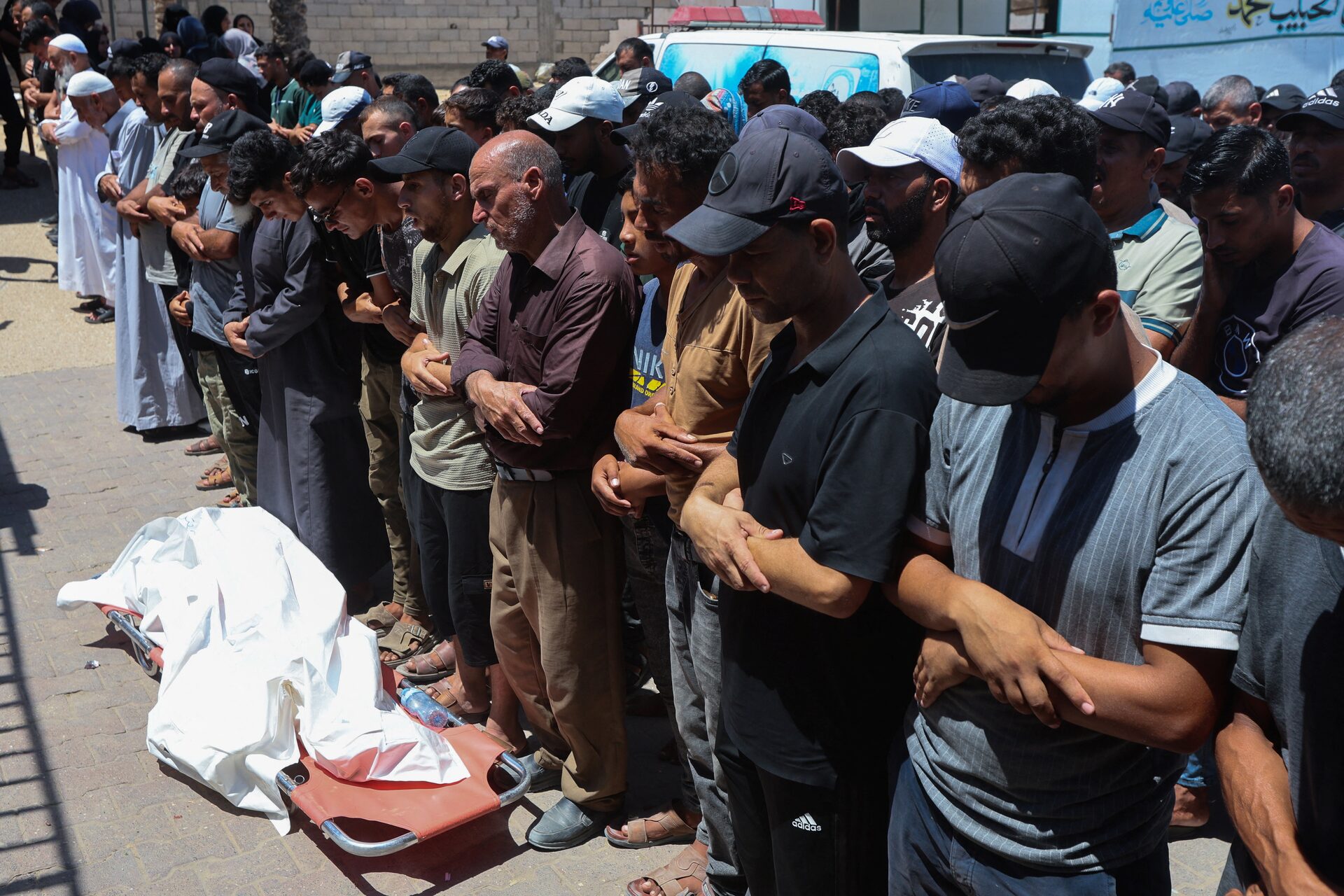
On July 17, an Israeli airstrike targeted the funeral of a Palestinian who had been killed in an earlier strike the same day, resulting in the deaths of seven mourners and the injury of 22 others.
The targeting also extended to displacement centers sheltering families who had lost their homes during previous phases of the war.
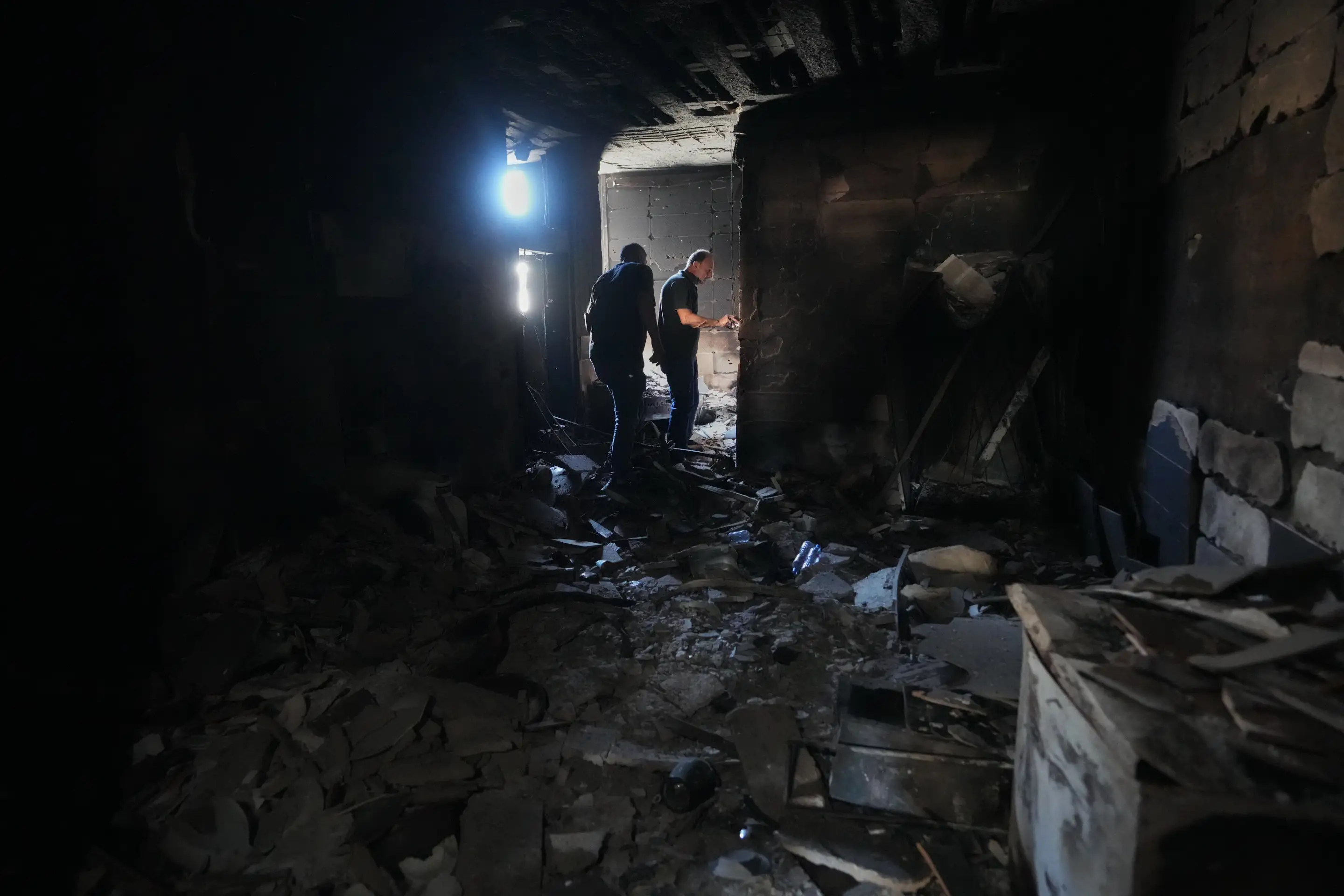
On July 10, an Israeli strike destroyed tents and shelters inside displacement sites in the Al-Mawasi area of Khan Younis, forcing 78 families to flee again and damaging shelters belonging to 130 other families.
Earlier, on June 29, a mother and her infant daughter were killed in a strike on the same area. Tents belonging to more than 150 families were destroyed, while the tents of another 250 families were damaged.
OCHA also documented the death of a fifth-grade child who succumbed to injuries sustained near a temporary learning space, as well as the killing of a 17-year-old girl while she was on her way to take her high school final examinations.
These attacks have left displaced people under constant threat, even inside the tents and shelters they sought refuge in after their homes were destroyed, while tanks and drones restrict their movement between these locations.
Alongside the bombardment, the occupation expanded the scope of the “Yellow Line” and restricted areas inside the Strip, turning what had initially been a temporary military deployment into a reality that is forcing residents into further displacement.
When the ceasefire was announced, the line marked a temporary area of Israeli military deployment covering approximately 53 percent of the Gaza Strip.
After the introduction of the “Orange Line” and its repeated expansion, the area under strict and direct Israeli control reached 64.9 percent.
The area between the two lines, when the “Orange Line” was expanded in June, contained dozens of health, education, and humanitarian facilities, water and sewage networks, as well as tens of thousands of civilians who faced increasing pressure to leave.
As the lines and military operations continued to shift, services were disrupted in several areas and more families were displaced.
The United Nations Human Rights Office verified the deaths of 196 Palestinians near the “Yellow Line” between October 10, 2025, and early April 2026, including 18 women and 43 children.
Residents told OCHA that gunfire reaches their homes daily, while yellow concrete blocks placed near neighborhoods have drawn shifting ground boundaries, without clear maps that civilians can use for reference.
In late June, families fled Beit Lahia in northern Gaza after tanks advanced and a drone dropped incendiary material that set three tents on fire. Some families were then prevented from returning after forces placed a new yellow concrete barrier and expanded the restricted area.
In northern Rafah in southern Gaza, the daily movement of Israeli tanks cut off access to 11 displacement sites between July 6 and July 13, exposing around 1,600 displaced people to further displacement.
Humanitarian services inside the sites came to a halt, and access to the main water source relied upon by families was cut off.
The Siege of Life
Within the area narrowed by the Israeli occupation, the conditions required for survival continued to deteriorate during the months of the ceasefire.
Hospitals operated at partial capacity, thousands of wounded people waited for opportunities to travel for treatment, while displacement sites faced water shortages, sewage overflow, and accumulating waste.
In contrast to this reality, “Israel” promoted figures about truck deliveries and prices to present the humanitarian situation as stable.
On July 9, 2026, the Israeli Coordinator of Government Activities in the Territories (COGAT), a unit of the Ministry of Defense responsible for managing restrictions and civilian coordination with the Palestinian territories, issued a report portraying the situation in Gaza through the quantities of food entering the Strip and declines in some prices.
The unit claimed that approximately 1.78 million tons of food had entered Gaza between October 2025 and June 7, 2026, and that the amount was close to three times the needs identified by the World Food Program.
It also claimed that food prices had fallen by around 72 percent and that available water supplies met humanitarian standards, while attributing the continued difficulties to the management and distribution of aid inside Gaza.
However, on the ground, expanding military control has affected residents’ access to food, water, and medical care, alongside the continued killing of civilians near Israeli deployment lines and the disruption of services as tanks advance.
This reality was also reflected in the media language used to describe the current situation. In a report published on July 14, the British news agency Reuters described the events as “sporadic violence,” despite the same period witnessing the deaths of more than 1,100 Palestinians since the agreement began. The phrase appeared in a report about the killing of 10 Palestinians in a single day, including a 10-year-old child.
On July 17, the US news agency The Associated Press (AP) wrote that “heavy fighting has subsided” in a report documenting the deaths of seven Palestinians during a funeral and noting that the death toll since the start of the ceasefire had risen to 1,123.
The health sector, meanwhile, remained unable to absorb the wounded and patients. The World Health Organization (WHO) said on May 21, 2026, that hospitals in Gaza were operating at partial capacity and that all hospitals in northern Gaza had gone out of service, with more than half of essential medicines depleted and thousands of patients in need of urgent medical evacuation.
On July 6, Dr. Munir al-Boursh, the director-general of Gaza’s Ministry of Health, wrote that more than 20,000 wounded people were awaiting treatment outside the Strip and that more than 1,500 patients had died while waiting for referrals and travel.
Meanwhile, the Palestinian Central Bureau of Statistics announced on May 12, 2026, that the occupation had completely destroyed more than 102,000 buildings, and that at least 330,000 housing units had sustained complete or partial damage, representing more than 70 percent of the Strip’s housing stock.
Per capita water availability in some areas had fallen to between three and five liters per day, compared with the humanitarian minimum of 15 liters.
An OCHA report issued on July 17 stated that 60 percent of the population was living within less than 10 meters of sewage or human waste, while more than 900,000 people were living amid accumulated waste in residential areas.
The shortage of engine oil and spare parts reduced water pumping hours and disrupted essential facilities. For example, the operation of the Sheikh Radwan pumping station in northern Gaza was reduced to five hours per day, causing sewage levels to rise in a rainwater collection basin.
Yasser Mohammed says this is where the significance of the “They Lied to You” campaign comes from: it brings together facts that have been fragmented by the language of “calm” and presents them to an audience that may have been exposed to Israeli and international media narratives that obscure the reality of what is happening in Gaza today.