Why Is Hate Speech in America Targeting Muslim Children?
In the aftermath of the September 11, 2001, attacks that killed nearly 3,000 people in New York and Washington, many Americans turned their grief and anger toward Muslims and Arab Americans, unleashing a wave of bigotry and violence that persists to this day.
More than 20 years later, as the United States marks another anniversary of the tragedy, Muslims in America still face discrimination and hostility in their daily lives, especially during periods of heightened political tension.
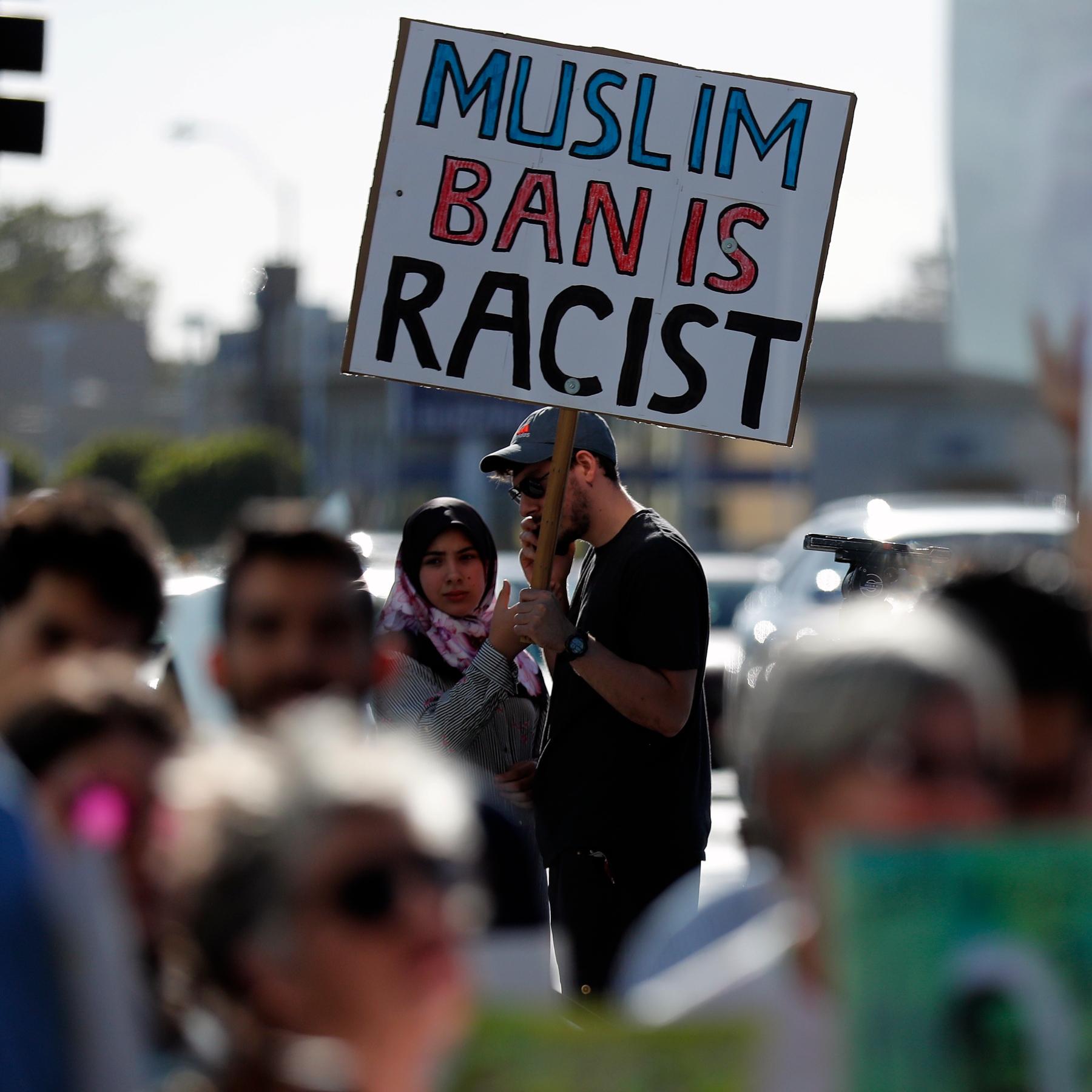
The most recent example was the 2016 presidential campaign of Donald Trump, who vowed to ban Muslims from entering the country and stoked fears of Islamic terrorism.
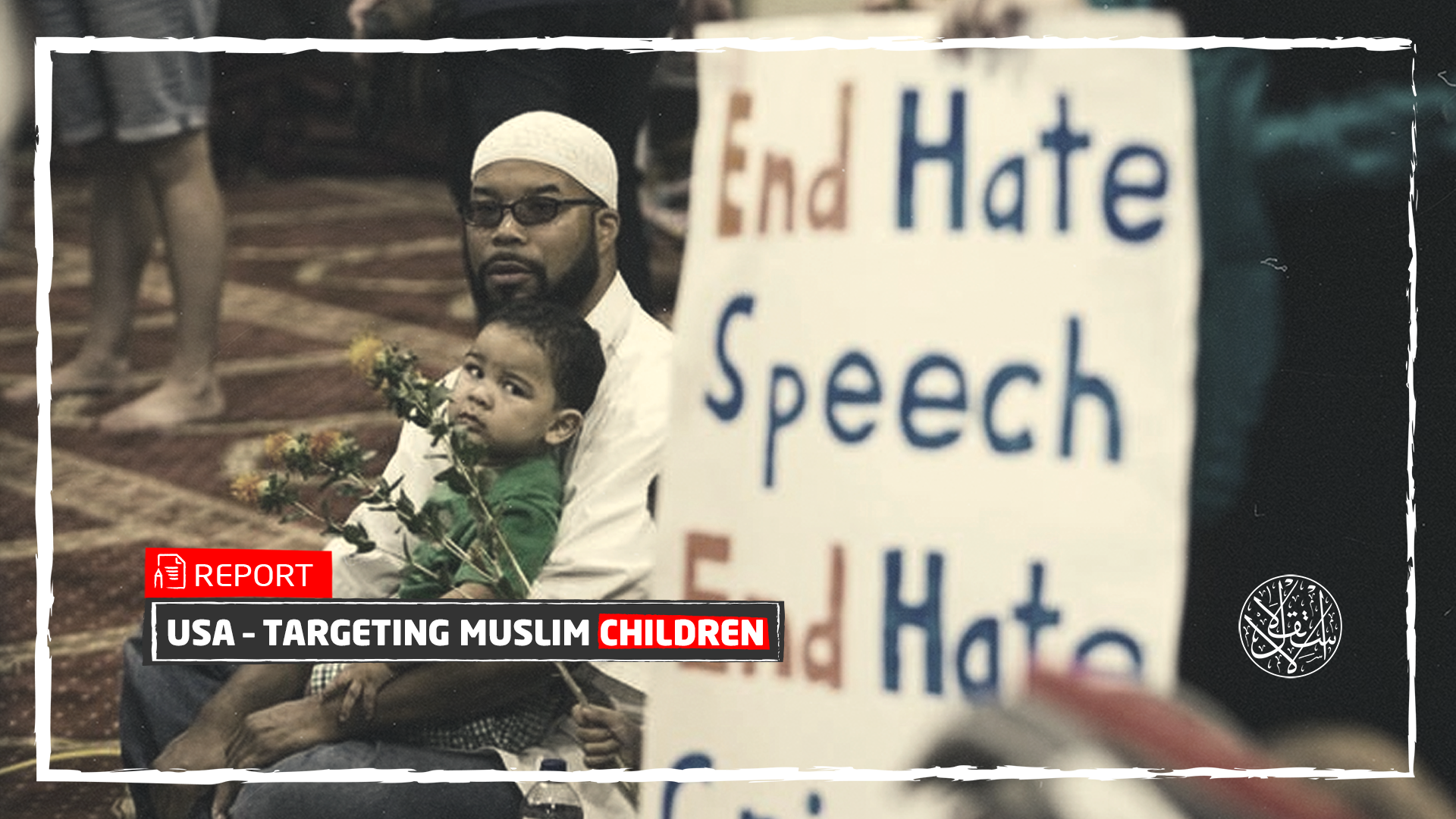
Among the most vulnerable targets of anti-Muslim sentiment are children, who often encounter bullying, harassment, and even physical assault at school because of their faith.
According to a 2017 report by the Institute for Social Policy and Understanding, 42 percent of Muslim families with children in K-12 schools reported that their children had been bullied because of their religion.
Hate speech, defined by the United Nations as “any kind of communication in speech, writing or behavior, that attacks or uses pejorative or discriminatory language with reference to a person or a group on the basis of who they are,” is a criminal offense in the United States.
High rates of Hate
Muslim Americans reported fewer civil rights violations in 2022, but faced more harassment in schools, according to a new report by the Council on American-Islamic Relations (CAIR), a national advocacy group.
The report documented 1,234 incidents of anti-Muslim bias across the country last year, a 23 percent decrease from 2021. It was the first recorded decline since CAIR began tracking this data in 1995.
However, the report also found a 63 percent increase in complaints related to school bullying, discrimination, and Islamophobic curriculum.
CAIR said that Muslim children were one of the main targets of hate speech and violence in educational settings.
Corey Saylor, head of research and advocacy at CAIR, attributed the overall drop in civil rights violations to the reduced presence of federal agents and informants in Muslim communities under the Biden administration
He also cited a recent scandal involving the Investigative Project on Terrorism (IPT), an anti-Muslim hate group that was exposed for infiltrating and spying on several Muslim organizations.
IPT is led by Steven Emerson, who has been described as an anti-Muslim activist by the Southern Poverty Law Center. He faced international ridicule in 2015 after he claimed on Fox News that a British city was a Muslim no-go zone.
Saylor said that the American public still had a long way to go in accepting Muslims as part of society.
He pointed to the negative portrayal of Muslims in the media after the US withdrawal from Afghanistan in 2021 and the Supreme Court’s decision to overturn Roe v. Wade, the landmark abortion case, in 2022.
He also noted that despite some challenges, there were signs of progress and inclusion for Muslims in other areas, such as sports and politics.
Furthermore, Saylor mentioned that government officials in Ohio and Maryland had passed laws to protect athletes who wear headscarves because of their religious beliefs.
Rise and Fall
The report said that some financial institutions opened and closed bank accounts based on religious beliefs, making banking a major challenge for Muslims.
It cited a March poll by the Institute for Social Policy and Understanding that found that 27 percent of Muslims in the United States faced difficulties with financial institutions.
The report also said that some schools discriminated against Muslim students and staff, such as by denying them religious accommodations or subjecting them to bullying and harassment.
It highlighted a case in Florida, where the Pasco County Sheriff’s Office operated a predictive policing program that placed hundreds of students on a secret list that identified them as potential future criminals.
The report said that the program used an “algorithmic risk assessment” that disproportionately affected Black and Brown children.
The council’s national executive director, Nihad Awad, said in a statement that the report showed “the urgent need for systemic change” to protect the rights and dignity of American Muslims.
The report urged federal and state authorities to investigate and prosecute hate crimes against Muslims, enact laws to prevent discrimination and profiling based on religion or ethnicity, and provide training and resources to promote diversity and inclusion in schools and workplaces.
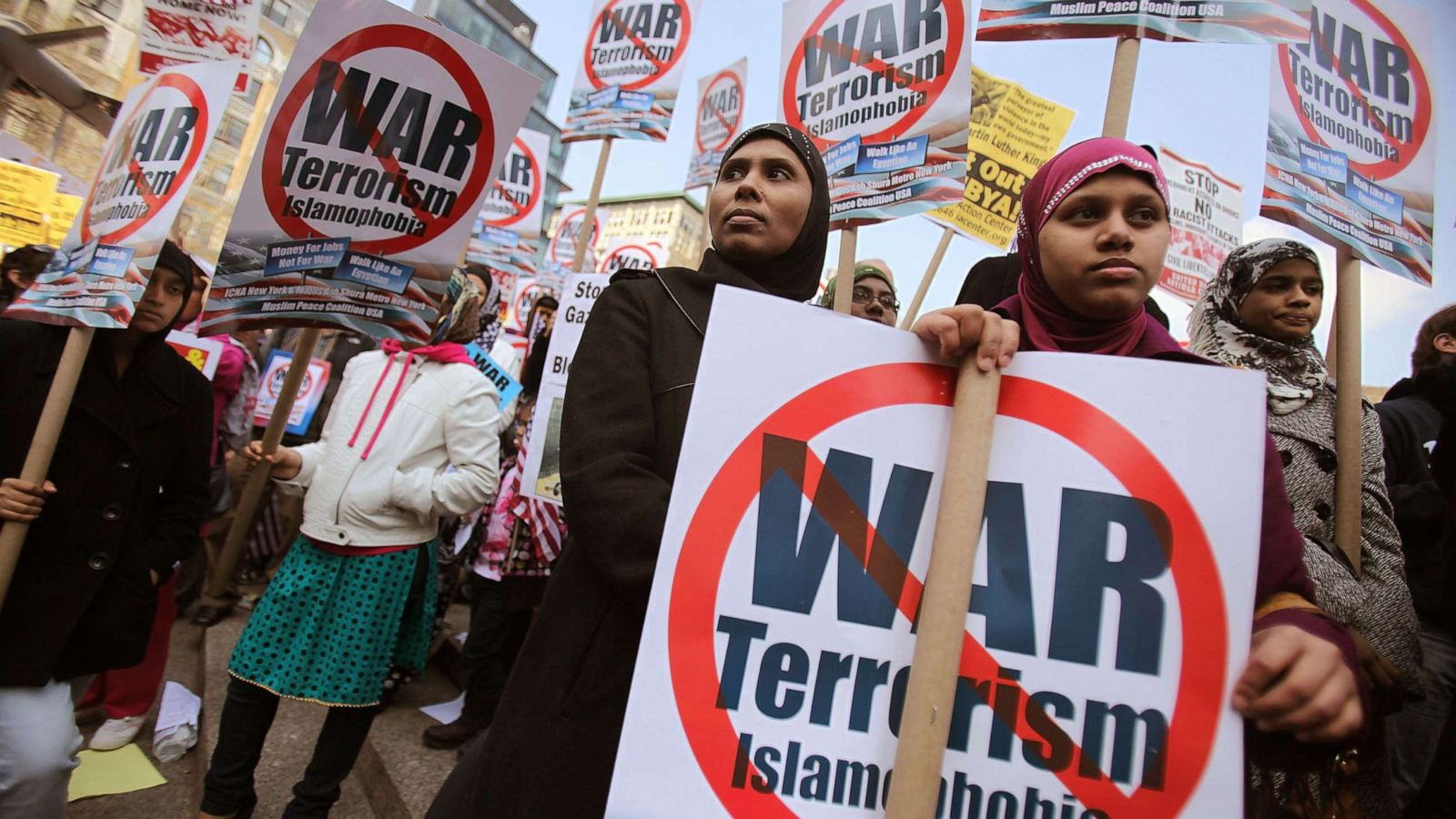
Targeting Children
Regarding the reasons behind this rise of Islamophobia against Muslim children, Salem Amgad, one of the members of CAIR, said that several factors contribute to this troubling trend, including the vulnerability of children.
“Muslim children are often easy prey for those who seek to spread fear and division in society,” Amgad said in his interview with Al-Estiklal.
“They may not have the skills or resources to cope with the hostility and prejudice they encounter in their daily lives,” he added.
Another factor is the visibility of difference; Muslim children are a small and diverse minority in a country where most people are not Muslim.
Amgad noted that they may stand out because of their clothing, language, or religious practices, which can make them targets of ignorance and intolerance.
The influence of media also plays a role in discriminating against Muslim children, as it can shape public perceptions of Muslims, often in negative ways.
“For example, some media outlets tend to link Islam and Muslims with violence and terrorism, creating a distorted image of Muslims that can affect how people interact with them,” Amgad continued.
“The political climate affects this social phenomenon as well; the rise of anti-Muslim rhetoric and policies in the United States has created a hostile environment for Muslims, especially under the previous administration,” he mentioned.
“Some politicians have used Islamophobic language and proposed measures that discriminate against Muslims based on their faith. This can fuel fear and mistrust towards Muslims as a group, including Muslim children,” he concluded.