Who in Lebanon Is Holding Up the Release of Syrian Detainees in Beirut?
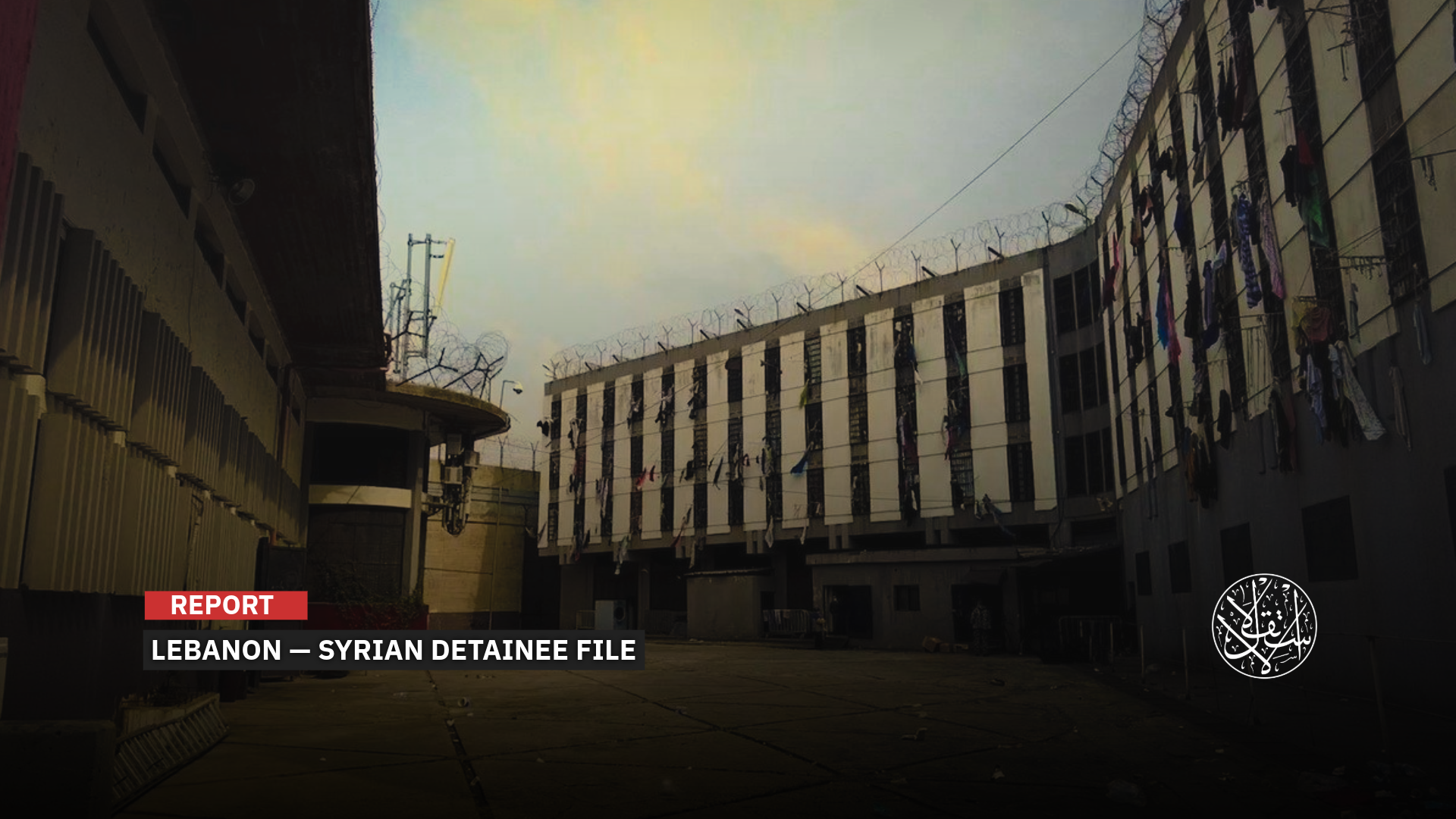
"Resolving the detainees’ case will pave the way for addressing many other issues, chief among them securing the border."
Lebanon remains rigid in addressing the situation of Syrian detainees in its prisons, despite efforts by Damascus and Beirut to advance their relations following the fall of Bashar al-Assad’s regime.
The issue was expected to move more quickly after Assad’s ouster in December 2024, but it has largely stalled, with committees meeting and delegations visiting without significant progress.
The Detainee File
Lebanese Prime Minister Nawaf Salam called the issue of Syrian detainees in Lebanon’s prisons “complex and thorny,” while praising the work of Syrian-Lebanese committees seeking solutions to lingering disputes between the two countries.
Speaking on October 3, 2025, after meeting a delegation from the group Journalists for Freedom, Salam said, “Some Syrian prisoners had committed crimes, which meant their transfer to Syria would follow a different process than that for political detainees held in Lebanon.”
He added that Beirut would continue working with Damascus to determine whether any Lebanese nationals are held in Syrian prisons. Lebanese committees, he said, have already submitted a list of Lebanese figures assassinated during the era of the ousted Assad regime, seeking any information or evidence Damascus might hold about those killings.
Salam stressed Lebanon’s commitment to strong ties with Syria and described his April 2025 visit to Damascus, where he met Syrian President Ahmed al-Sharaa, as “positive.”
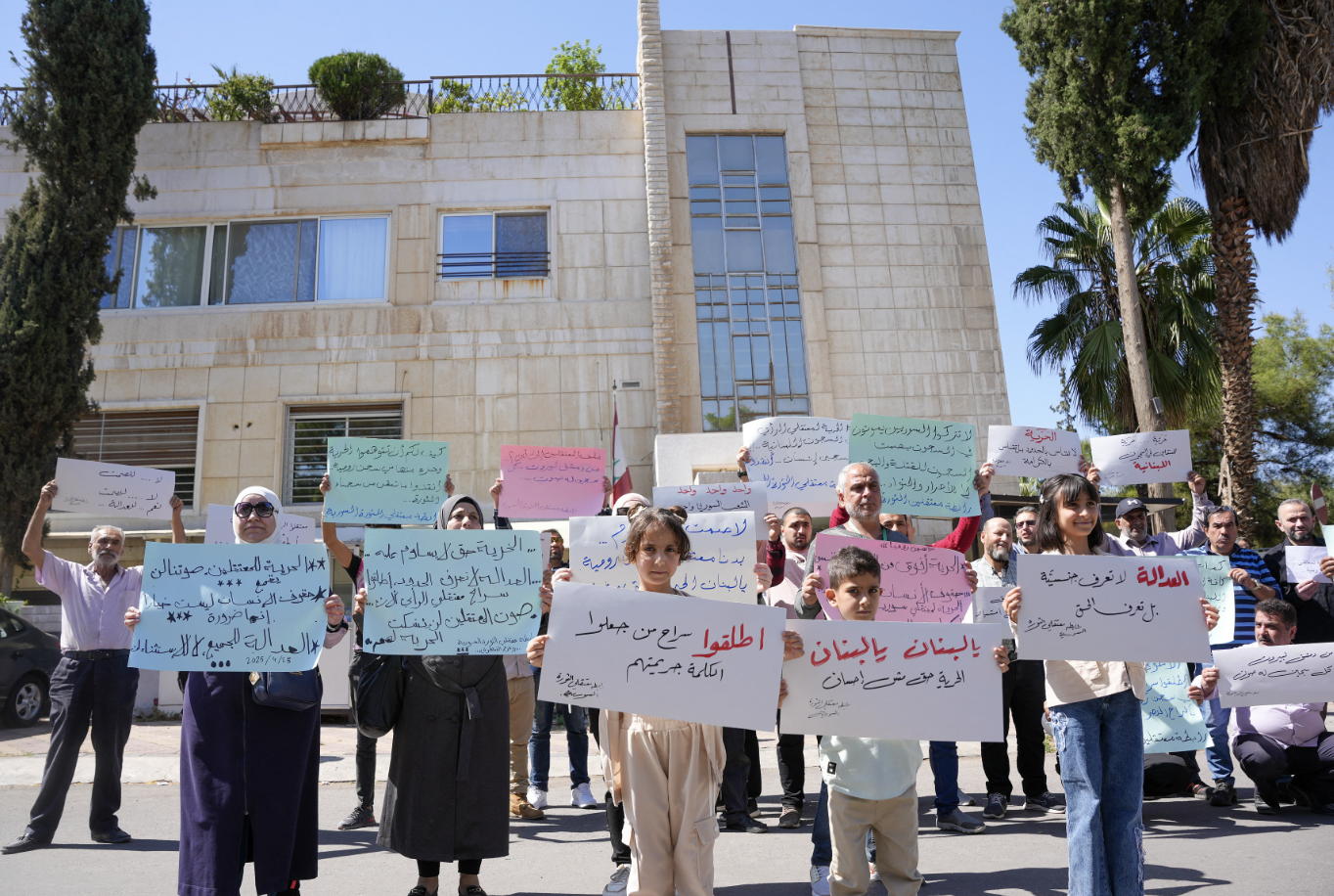
Syrian detainees in Lebanon are mostly held in Roumieh Prison east of Beirut; their number is estimated at about 2,200. The charges against them vary, ranging from participation in the Syrian revolution to issues related to seeking refuge in Lebanon. At the time, the dominance of the former Assad regime over Lebanon allowed these individuals to be detained in Roumieh after being arrested for their participation in the Syrian people’s revolt.
Rights groups have documented the deaths of around 29 Syrian detainees in Roumieh in recent years due to medical neglect, including one man who suffered from heart disease for three months before dying in custody.
On July 4, 2025, 40-year-old Syrian detainee Mohammed Fawaz al-Ashraf took his own life by hanging in Roumieh Prison, according to internal sources. Another 40-year-old Syrian, Osama Mahmoud al-Jaour, died there on August 14, 2025, far from his family.
In a sign of intensified talks between Damascus and Beirut, a Syrian delegation arrived in Lebanon in early October 2025 to continue negotiations on unresolved files, including the detainees’ case, border security, and the return of Syrian refugees.
According to Lebanese media, the delegation included officials from the Syrian Foreign and Justice Ministries, and discussions were described as constructive and aimed at removing obstacles.
Syrian Minister of Justice Mazhar al-Weiss said on September 22, 2025, that the fate of Syrian detainees in Lebanon was a “core issue” for Damascus because of its humanitarian and national dimensions and its link to the detainees’ rights and conditions of confinement. He stressed that his ministry was directly following the file as part of a national plan to resolve it under established legal frameworks.
Earlier, Syrian Minister of Foreign Affairs Asaad al-Shaibani said on May 19, 2025, that he had discussed with Salam ways to speed up relief for Syrian detainees in Roumieh Prison. Al-Shaibani added that they had agreed on practical steps and that Damascus was committed to closing the case as soon as possible.
Raising Their Voices
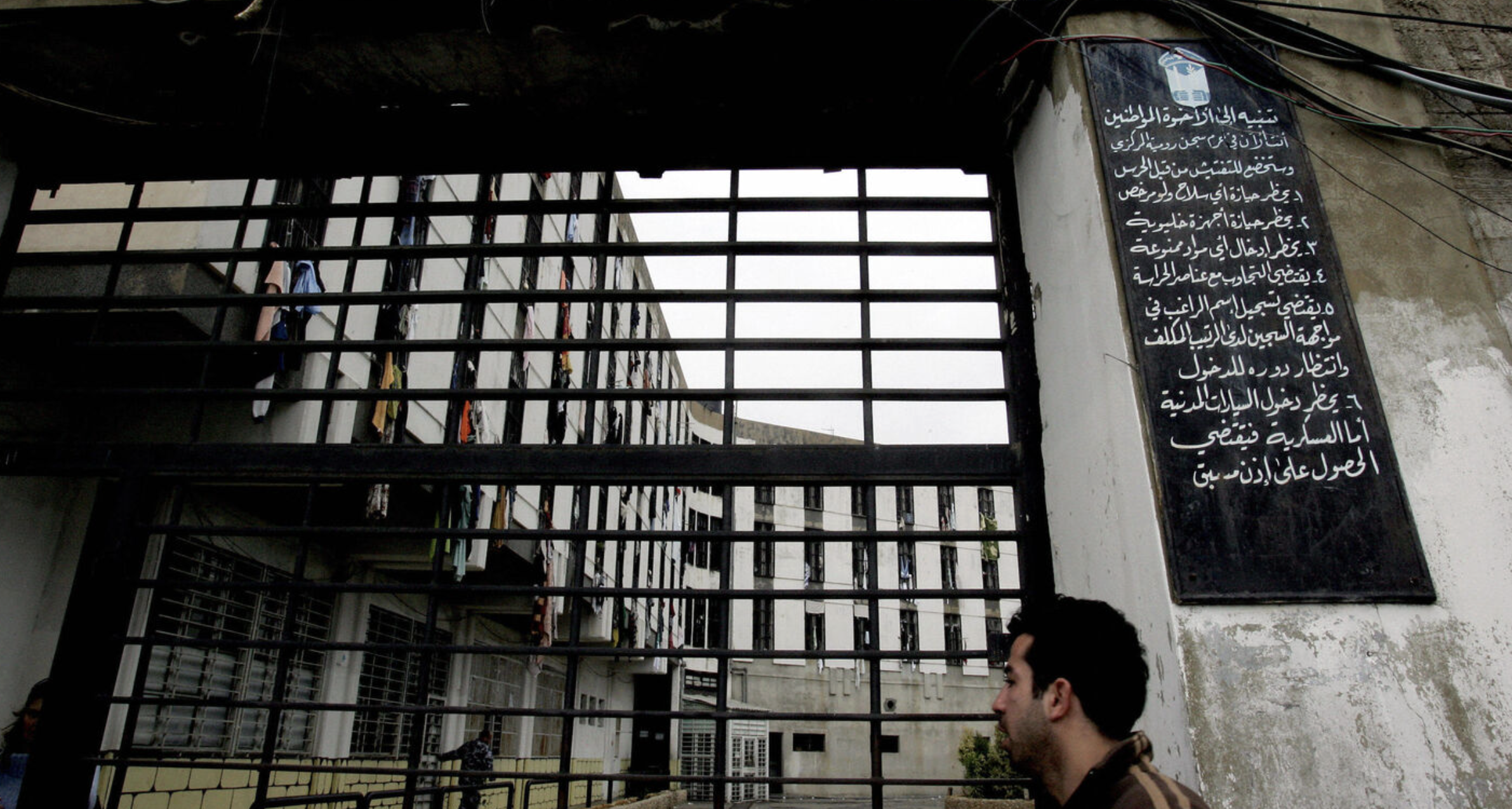
Facing persistent obstacles to resolving their cases, Syrian detainees in Lebanon have begun speaking out from behind bars. On September 8, 2025, they launched a dedicated news agency to draw attention to their plight, working with a small team of volunteer journalists to produce stories in a range of formats.
The agency is called SDNAL, short for Syrian Detainees News Agency in Lebanon. On its social media pages, SDNAL describes itself as a media platform specializing in journalistic and news content related to Syrian detainees in Lebanese prisons.
In a press statement, SDNAL said it aims to deliver the detainees’ voices to the media in a professional manner, free of distortion or sensationalism, promising to tell their stories directly from behind the bars through a network of private sources.
Alikhbaria Syria quoted Omar al-Atrach, spokesperson for the Syrian detainees in Roumieh Prison, as saying, “The detainees need fair media and legal representation, and we hope this new agency will serve as an honest platform for their grievances through objective, responsible journalism.”
Earlier, on August 16, 2025, the Syrian detainees in Roumieh issued a statement rejecting any rhetoric that threatens Lebanon’s civil peace, calling such language harmful to their just and moral cause. They stressed that their plight must not be used as a pretext for the political propaganda pursued by some Lebanese parties to advance their own agendas.
Their remarks came after a series of videos and statements surfaced online threatening security or military actions in the name of freeing the Roumieh detainees, along with circulating forged security documents alleging plans for kidnappings or attacks.
Over the years, several Lebanese lawyers have worked to challenge the detainees’ sentences or reduce them, but these efforts have failed to resolve their cases.
Following the fall of Bashar al-Assad’s regime, Syria’s new government declared the detainees’ case in Lebanon a priority. Yet Beirut continues to view the issue as “thorny,” even as the two capitals pursue a broader reset of relations and attempt to erase decades of interference by Assad’s now-defunct security apparatus in Lebanon dating back to the 1980s.

Who Has Something to Gain?
Against the backdrop of mounting frustration over stalled negotiations, Nawar Shaban, a Syrian security analyst at the Harmoon Center for Contemporary Studies, said the issue of Syrian detainees in Lebanon should be divided into separate categories.
“Some detainees face criminal charges, while others were imprisoned for their involvement in the Syrian revolution during the era of the now-defunct Assad regime,” he told Al-Estiklal.
“Those held on political grounds should never have been caught in the legal limbo that continues to entangle them today.”
Shaban accused certain Lebanese factions of deliberately obstructing progress, claiming they use the detainee file as a bargaining chip in other unresolved disputes between Beirut and Damascus, such as the demarcation of their shared border.
“Lebanese authorities could have handed over all Syrian detainees to Damascus immediately after Assad’s fall, allowing Syrian courts to prosecute those accused of serious crimes,” he said.
“At the very least, those who were jailed over their political activity should have been repatriated, or a joint Lebanese-Syrian legal committee created to handle those with pending criminal cases.”
“There is a party in Lebanon that benefits from keeping this file unresolved,” Shabaan added. “It has gone so far as to create new obstacles that block any progress toward a solid Syrian-Lebanese relationship.”
He pointed the finger squarely at Hezbollah, saying the Iran-backed group has the most to gain from keeping the two countries’ relationship strained. Hezbollah, he added, still operates across the border and is deeply involved in the smuggling of weapons and narcotics through Syrian territory.
Shaban argued that resolving the detainee crisis would inevitably lead to breakthroughs on other contentious issues, including border security and demarcation as well as the movement of citizens between the two countries.
“Hezbollah thrives in an atmosphere of instability,” he said, contending that the group continues to sow friction between Beirut and Damascus to preserve that environment.
The detainees themselves have staged acts of protest. On February 11, 2025, dozens of Syrians in Roumieh Prison launched a hunger strike demanding transfer to the new Syrian government. The strike collapsed after detainees lost faith in any official response to ease their suffering.
Syrian and Lebanese rights groups have repeatedly urged a swift humanitarian resolution to the Roumieh cases, calling for urgent medical care and full transfer of their files to Syrian authorities.
Lawyers representing families of the detainees describe Roumieh as a “miniature version of Saydnaya,” the notorious Syrian prison near Damascus that Amnesty International once branded a “human slaughterhouse,” where thousands were executed or tortured to death under the Assad regime.
Sources
- Nawaf Salam: The Case of Syrian Detainees in Lebanese Prisons Is Complex and Thorny [Arabic]
- Justice Minister: Syrian Detainee File in Lebanon Receives Special Attention from the Government [Arabic]
- To Amplify Their Voices and Struggles, Syrian Detainees in Lebanon Launch News Agency Focused on Their Case [Arabic]
- Statement from Roumieh Prison Detainees: We Reject Any Rhetoric Threatening Civil Peace or Security Under the Banner of Resolving the Detainee Issue [Arabic]
- Osama al-Jaour Dies in Roumieh Prison: From the Revolution to Isolation [Arabic]