Turkiye’s Falling Birth Rates: A Nation at a Demographic Crossroads
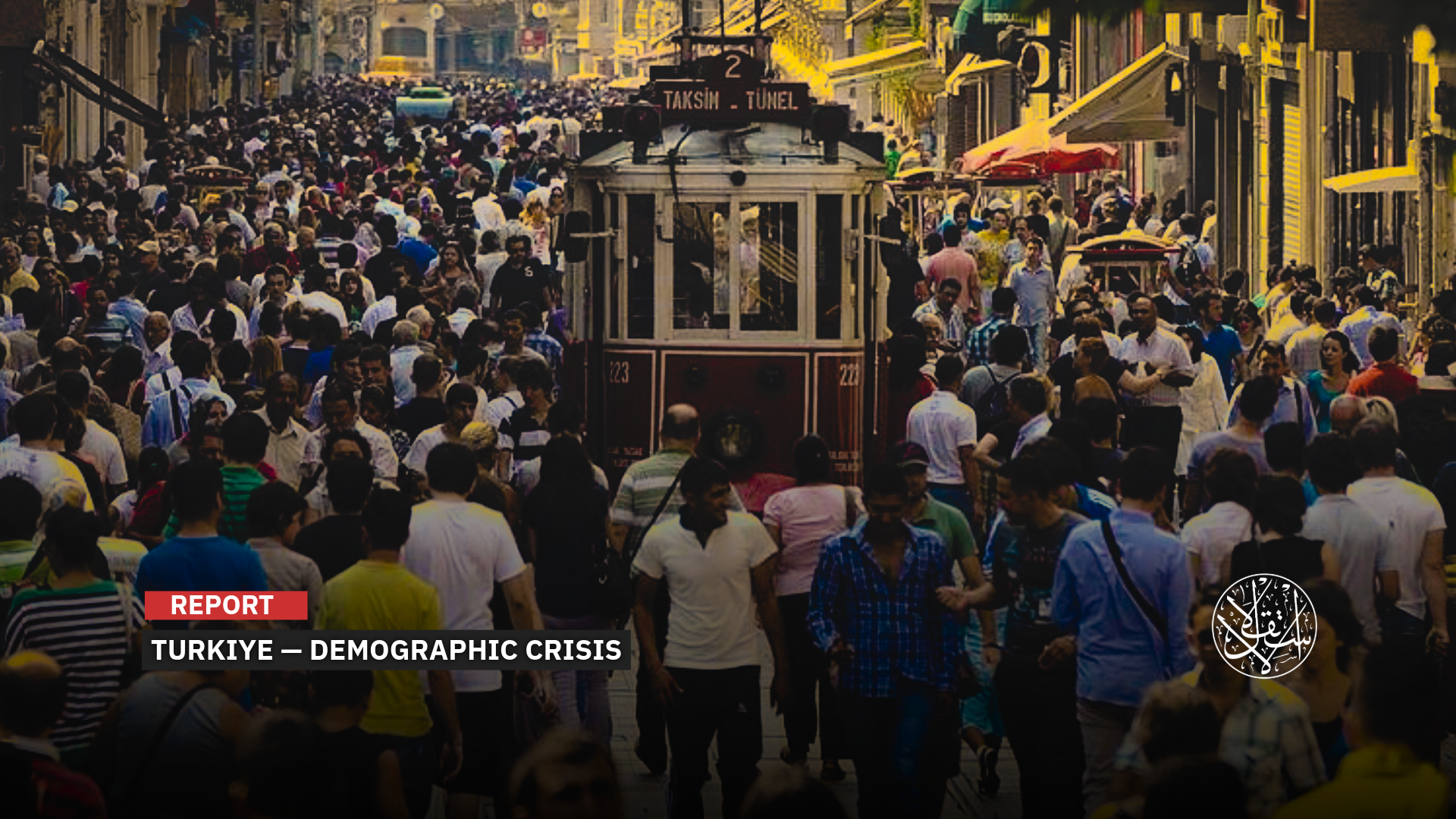
Erdogan warns of ‘existential threat’ as fertility crisis looms over Turkiye.
Turkiye is facing a decisive demographic challenge that goes beyond mere numbers on the Turkish Statistical Institute’s tables, becoming an existential struggle over the future of family, society, and the state.
In a country that until recently prided itself on its youth and dynamic population structure, Turks are now confronting a stark reality: a sharp decline in fertility rates, a rapid expansion of the elderly population, and an accelerated erosion of the traditional family model that has formed the backbone of society and the state for decades.
In this context, the issue is no longer a matter of technical or economic detail, but a question of national survival.
On November 13, 2025, Family and Social Services Minister Mahinur Ozdemir Goktas presented troubling figures to the Planning and Budget Committee in parliament, with the Turkish Statistical Institute (TurkStat) projecting a decline of 900,000 children of primary school age over the next five years.
This is not just a passing statistic. It reflects a shrinking youth base on which Turkiye has long relied for its development plans, its labor force, and the expansion of education and employment opportunities.
The minister also noted that nearly half of Turkish households today have no children, in a society where large families were once a defining part of culture and collective imagination.
Although TurkStat reported population growth of 315,710 people during the first nine months of 2025, bringing the total to 85,980,654, this increase masks a profound structural shift: falling fertility rates and a rapidly aging population.
These figures coincide with repeated warnings from Turkish leadership about a “disrupted demographic balance,” which they describe as a genuine threat to the country’s future.
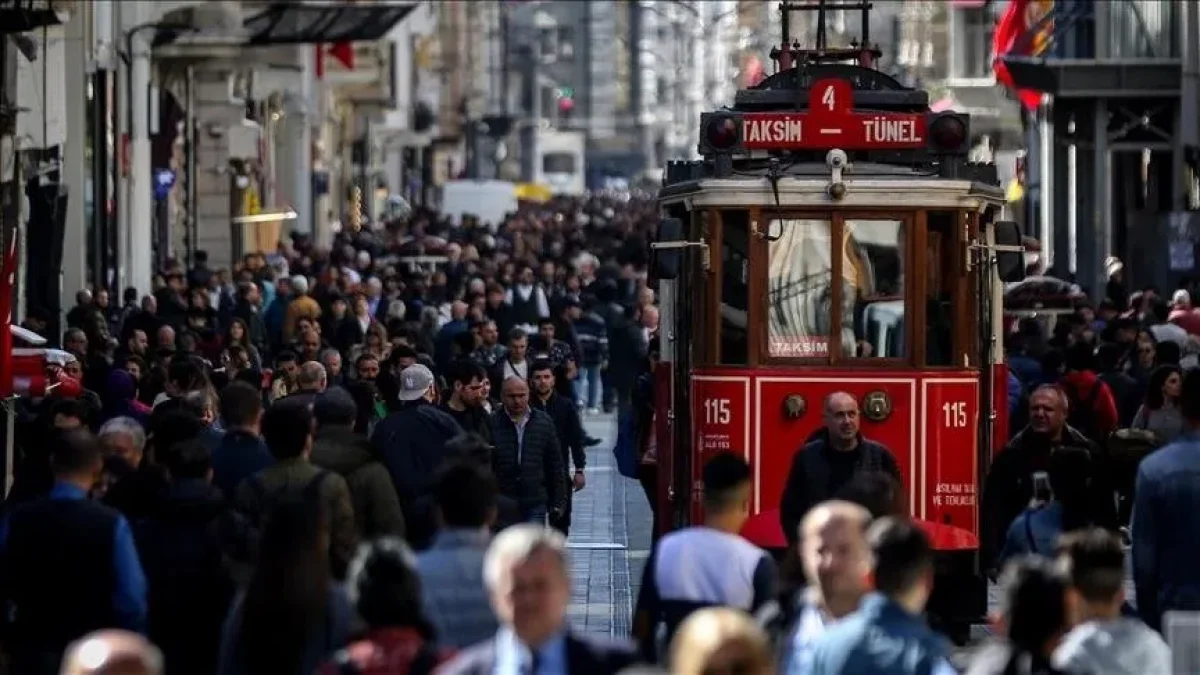
Erdogan’s Warnings
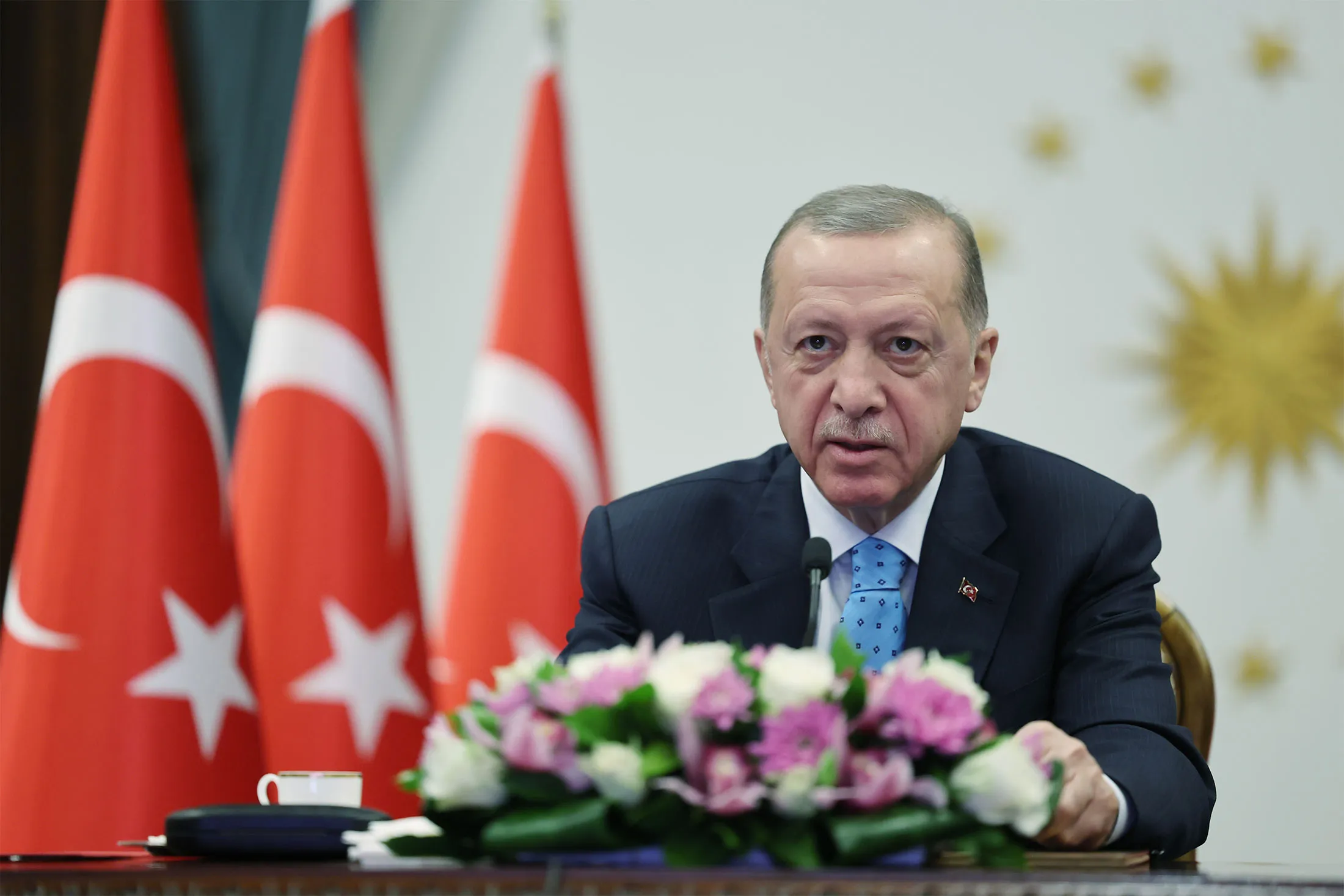
On May 23, 2025, Turkish President Recep Tayyip Erdogan escalated his warnings and expanded the scope of the government’s response, declaring at the opening of the Family Forum in Istanbul that the period from 2026 to 2035 would be “the decade of family and population,” and emphasizing that Turkiye is entering a phase that requires a comprehensive mobilization to preserve social cohesion.
Drawing on data from the National Statistical Institute, Erdogan revealed a shocking figure: Turkiye’s fertility rate had fallen for the first time in history to 1.48 children per woman, a number he described bluntly as “a disaster.”
By comparison, Turkiye’s fertility rate in 2001 was 2.38 children per woman. In roughly a quarter of a century, the country has lost nearly a full point in fertility, moving from a level above the replacement threshold to one that, if the trend continues, threatens long-term population decline.
Erdogan stressed that “this is not simply a reflection of temporary economic difficulties. Even as prosperity has risen, our fertility rate has fallen.”
He noted that Turkiye has now fallen “below the replacement rate of 2.1,” and framed his warning in stark terms: “Frankly, this is an existential threat, a disaster for Turkiye.”
From this perspective came his repeated call for families to have “at least three children,” an attempt to restore demographic balance before it is too late.
This initiative was not isolated from broader political and symbolic measures. In 2025, Erdogan declared it the “Year of the Family” and linked electoral promises to support for young people entering marriage through the “Family and Youth Fund,” introduced during his 2023 presidential campaign, a clear attempt to use economic incentives and accessible financing to reduce the cost of starting new families.
The Silver Economy
This government strategy comes in response to one of the fastest demographic shifts towards an aging population in modern Turkish history.
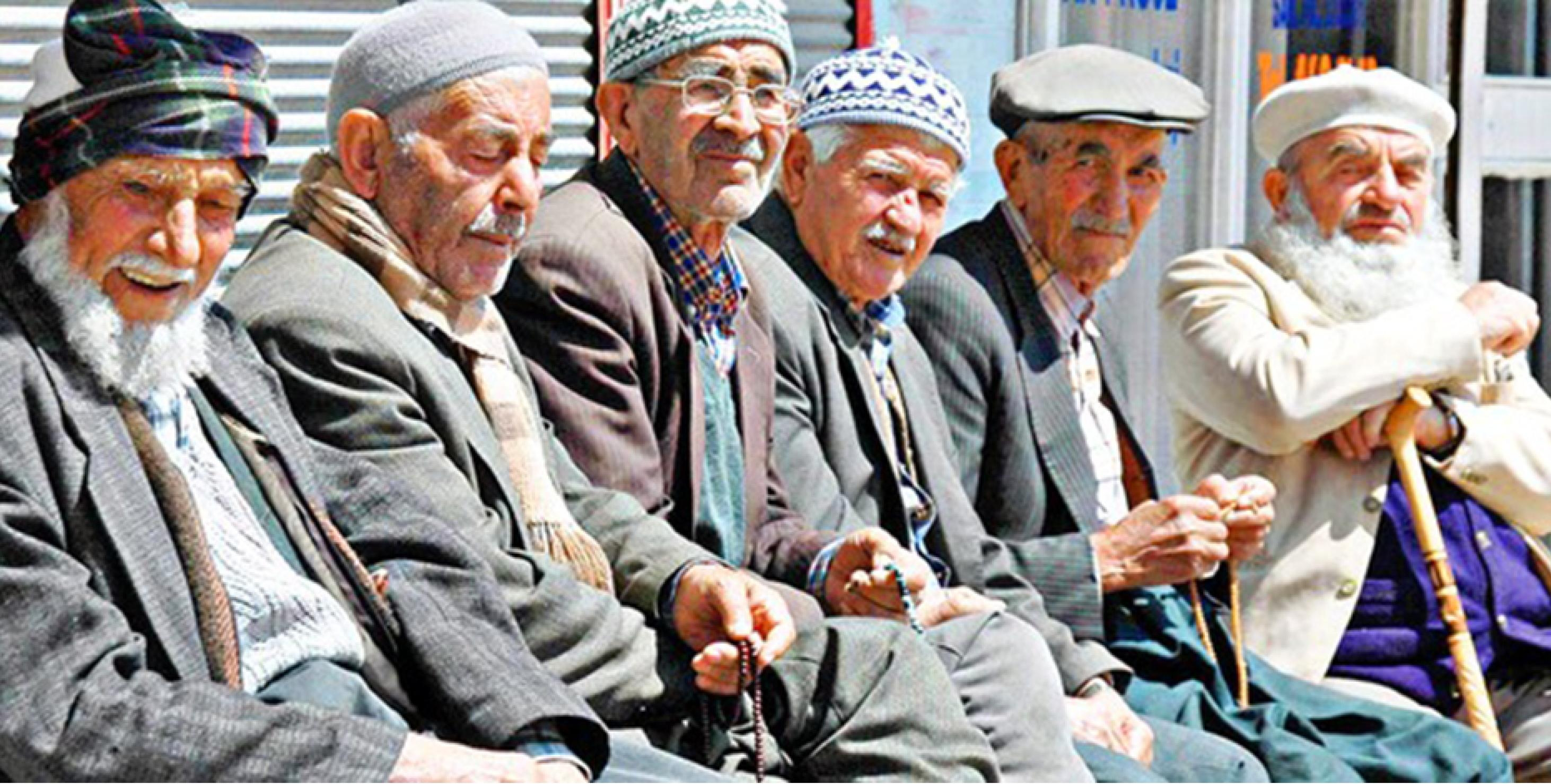
The number of people over 65 surpassed 9 million within just a few years, rising by more than 20% over five years alone, and now accounts for roughly 11% of the total population, with projections suggesting it could reach 16% by 2040.
This indicates that Turkiye has effectively entered what is known as an “elderly economy.”
Healthcare and social systems are under growing pressure to provide long-term care, nursing, and treatment for a rapidly expanding segment, at a time when institutional infrastructure and qualified personnel remain far from meeting anticipated demand.
The gap is evident when reviewing current capacity: there are only around 450 to 500 nursing homes in the country, serving approximately 30,000 elderly people, in a society moving swiftly towards an older demographic.
A senior official in the care sector, summarizes the situation succinctly, describing the Turkish market as “still in its early stages,” and warning of a widening gap between supply and demand as the elderly population grows.
In an interview with the Turkish newspaper Milliyet on November 13, 2025, the senior official highlighted that the shortage of qualified personnel represents the most urgent challenge, alongside regulatory gaps and the absence of clear plans to expand care institutions and enforce stricter quality standards.
Rescue Plan
But the Turkish government does not view these demographic shifts solely through the lens of financial pressure. It is also seeking to implement a rescue plan within what is globally known as the “silver economy.”
At the Global Economy Summit in early November 2025, Treasury and Finance Minister Mehmet Simsek outlined a vision focused on expanding advanced care sectors, such as geriatric medical centers and rehabilitation facilities, alongside telehealth solutions, wearable smart devices, assistive robots, and smart home systems specifically designed to meet the needs of the elderly.
International estimates suggest that the silver economy could be worth more than $8.5 trillion by 2032.
In this context, Turkiye appears well-positioned to attract substantial domestic and foreign investment, given its growing needs and potential.
Turkish entrepreneurs are moving into new frontiers beyond traditional care, proposing to turn the country into a regional hub for elderly care tourism, leveraging Turkiye’s geographic location, relatively advanced healthcare infrastructure, and reputation in medical tourism.
Meanwhile, the government is supporting initiatives targeted at the private sector and women in particular, providing subsidized loans to establish care centers that meet international standards.
Existing nursing homes are also expanding programs designed to keep elderly residents active and socially engaged, through cultural and recreational activities, and initiatives aimed at improving quality of life within these institutions.
A Strategic Issue
Historically, the Turkish family has served as the first line of defense in caring for the elderly, with children assuming responsibility for their parents at home as a deeply rooted moral and cultural duty, alleviating the state of a substantial burden for decades.
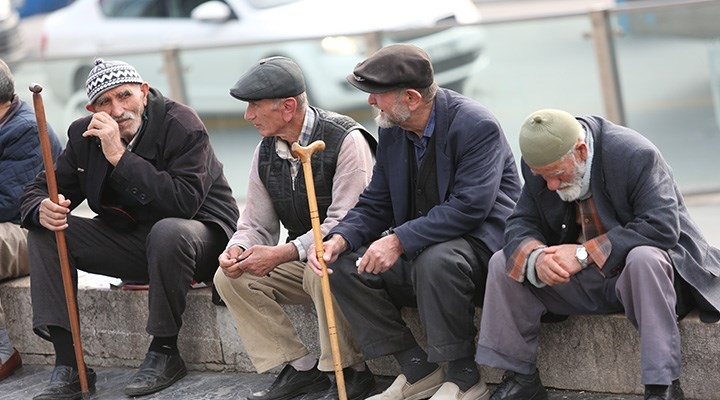
Even today, this model remains strong, with nearly a quarter of Turkish households including at least one member over the age of 65.
Yet modern social changes have placed this system under severe strain. Family sizes have shrunk, women’s participation in the workforce has increased, and patterns of housing and internal migration from villages to major cities have made relying solely on home-based care increasingly difficult.
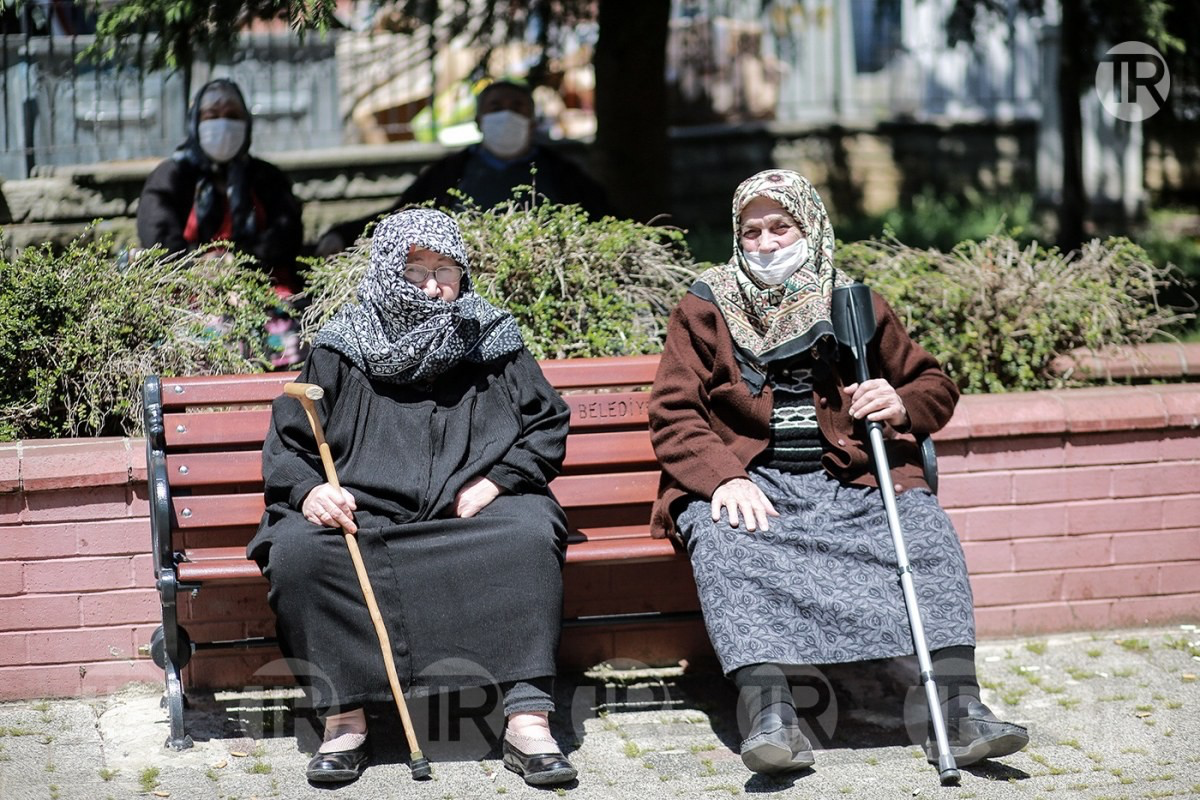
Currently, 1.8 million elderly people in Turkiye live alone, three-quarters of them women, a figure that underscores the urgent need for support services for an aging population often without direct assistance from children or family.
Recent studies indicate that women bear the brunt of care responsibilities, resulting in financial losses, reduced economic participation, and an increase in unpaid burdens.
Many women find themselves in what is described as the “sandwich generation,” caring for both children and elderly parents simultaneously, which places enormous pressure on them and limits professional advancement opportunities.
These realities partly explain why the government insists that family issues are not a secondary concern, but a strategic matter linked to the labor market, economic growth, and social justice.
In this context, the Ministry of Family and Social Services has increased home-care allowances to 10,000 lira per month (around $240), a move intended to ease the burden on families caring for elderly relatives at home.
Municipalities have also expanded their services, from nursing visits to home delivery of meals and medicines, in an effort to balance the protection of the traditional family model with the demands of modern life.
The Cause of the Crisis
Despite the steps taken, a question remains: why have Turkiye’s population incentives not yielded results as quickly as the government had hoped?
Here, Ankara moves beyond a purely economic explanation, pointing to a deeper wound: decades of family planning campaigns that reshaped public consciousness and redefined the ideal family in the minds of large segments of the population.
Turkiye experienced intensive campaigns, backed by successive governments and foreign organizations, which changed perceptions of marriage, childbearing, and family life.
Media outlets, film studios, and television producers promoted the model of the small family, two parents and two children, as the ideal, aligned with modernity and prosperity.
These campaigns did more than advocate the “happy small family.” They also stigmatized larger families, associating high fertility with poverty, crime, street upbringing, and even involvement with criminal networks and extremist organizations.
As a result, the large family shifted in public consciousness from a source of pride to a perceived burden among broad sections of society.
In this context, the Turkish government has prioritized media and advertising campaigns aimed at countering a culture of extreme individualism, which places personal comfort at the center of life, delays marriage and childbearing, and promotes hedonistic, childless family models, viewed as a parallel threat to that of previous family planning policies.
For Ankara, confronting this wave is as much an intellectual and cultural battle as it is a demographic one.
The objective is not simply to encourage marriage and childbearing through loans and financial support, but to wage a long-term effort to restore the moral authority of the traditional family model and revalue the large family, where generations gather around a single table.
This was emphasized by Emine Erdogan, the Turkish president’s wife, in a video message to the “Growing Europe International Summit 2025,” hosted in Lithuania on November 19, 2025.
Emine Erdogan noted that “the days when extended families gathered for holidays and special occasions have become part of a nostalgic archive across much of the world.”
She added that “this shift does not only reflect the face of the modern world, but also marks the contours of a ‘post-family’ era.”
Turkiye’s approach is not limited to domestic policy. As a member of the United Nations’ “Friends of the Family” group, it seeks to leverage what it calls “family diplomacy” to highlight the importance of the family in international discussions on development and human rights.
Sources
- Minister Goktas Warns: Population Is a Matter of National Survival, Half of Households Have No Children [Turkish]
- The Silver Economy Reshapes Turkiye’s Healthcare Market and Investment Landscape [Arabic]
- Erdogan Sounds the Alarm: Why Turkiye’s Population Incentives Are Failing to Deliver [Arabic]
- Emine Erdogan: Falling Birth Rates and Shrinking Youth Population Slow Economic Growth [Arabic]
- Turkiye’s Fertility Rate Hits New Low Amid Government Incentives