Oil, Loyalties, and Borders in Yemen: Who Is Igniting the Fight in Hadramawt?
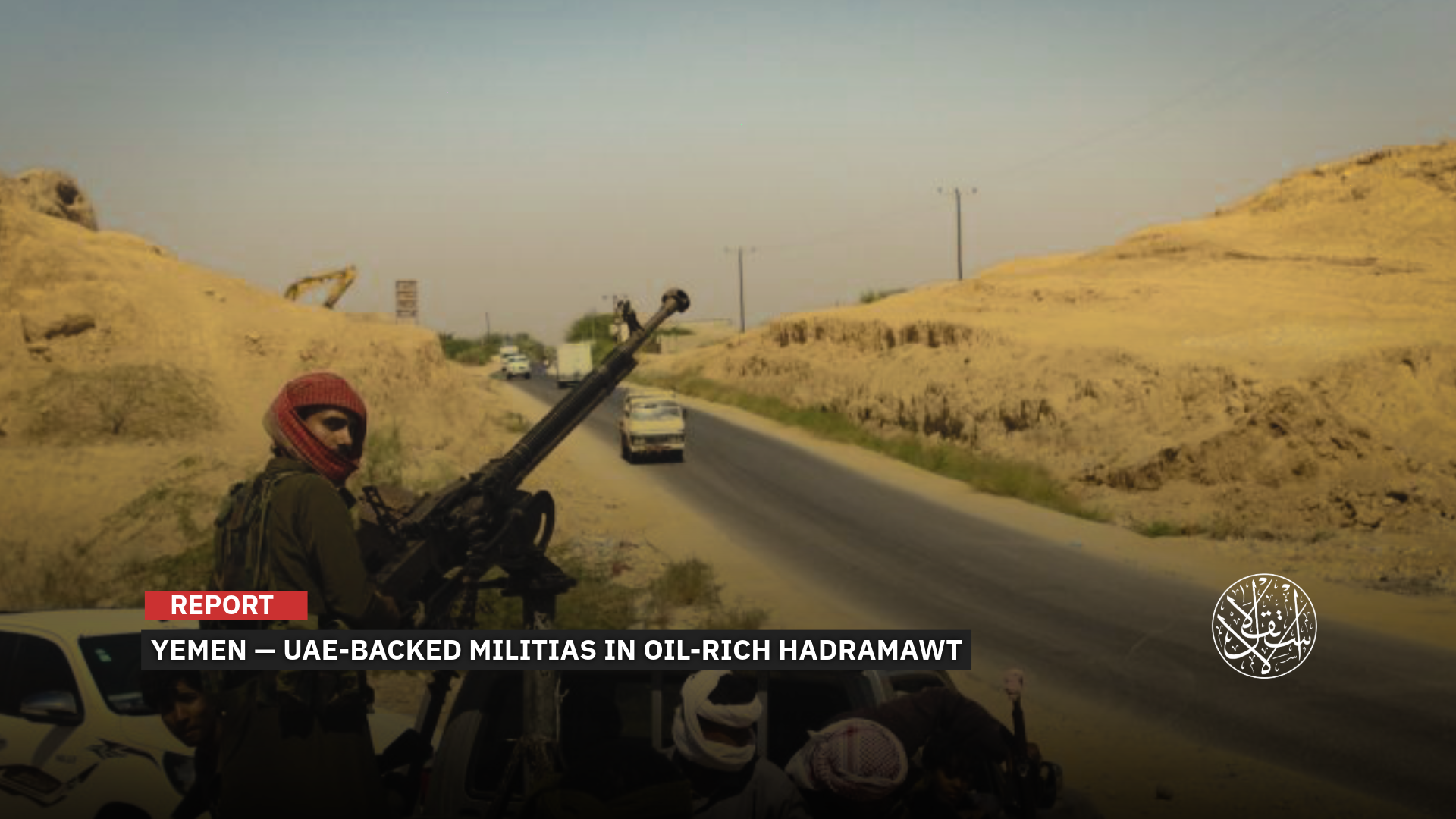
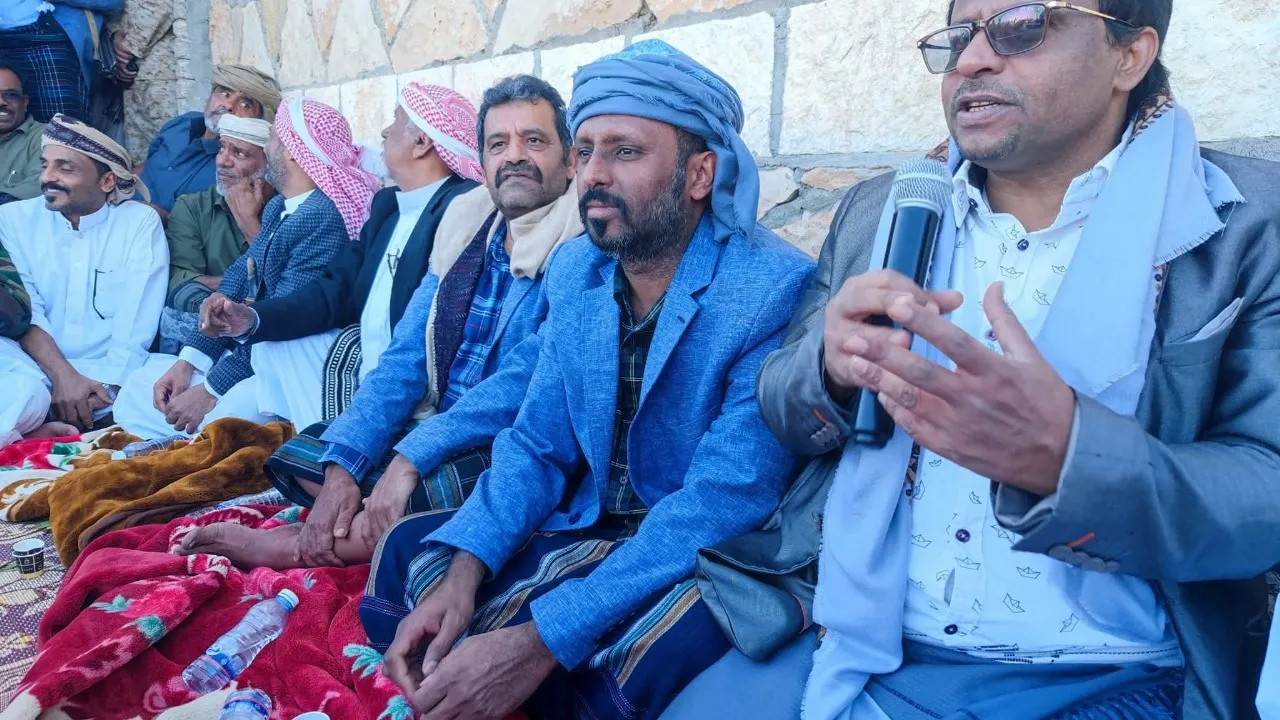
Binhabresh confirmed that Hadramawt is facing an organized external invasion.
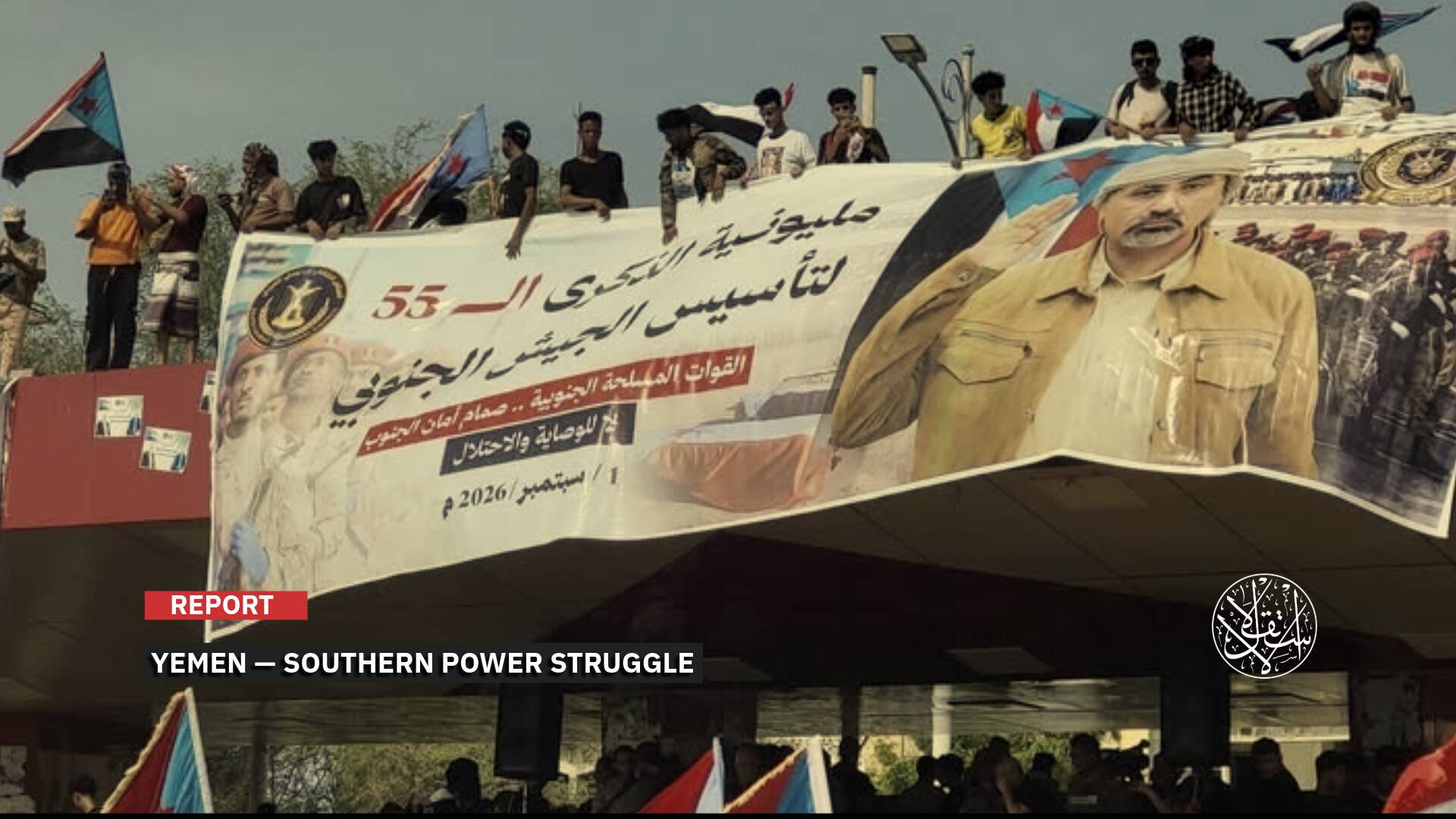
Amid clashes in Yemen’s Hadramawt province between the UAE-backed Southern Transitional Council militia, led by Aidarus al-Zoubaidi, and the Saudi-aligned Hadramout Tribes Confederacy, Yemeni observers have warned of the risk that the situation could spiral into a full-scale civil war.
The developments follow a week after Abu Ali al-Hadrami, commander of the Transitional Council’s Security Support Militias, issued direct threats against Amar Binhabresh, head of the Hadramout Tribes Confederacy, asserting that he would not allow Binhabresh to expand his influence in the province. In response, Binhabresh called for “resistance by all means” to defend Hadramawt and its resources.
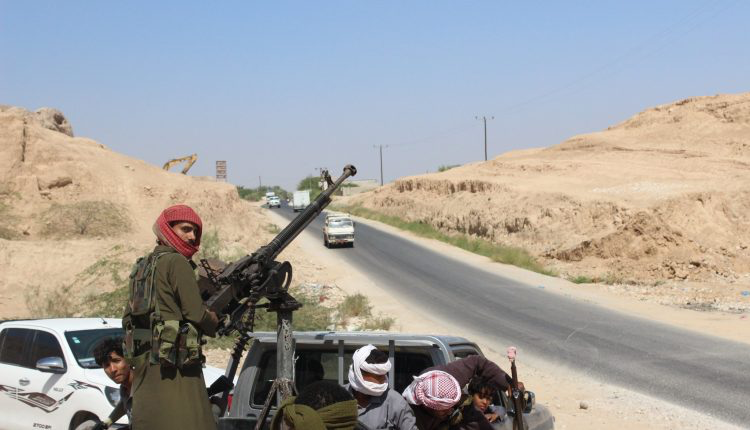
On November 30, 2025, the Hadramout Tribes Confederacy announced in an official statement that its units had taken over the security of the Masila oil fields, protecting them “from any external attack or interference,” describing the installations as “a wealth for the people under the cover of the legitimate state.”
That same day, clashes broke out between the Hadramout Tribes Confederacy and the Transitional Council near a strategic oil facility in a province that covers 36 percent of Yemen’s territory and includes key ports such as al-Mukalla, Ash-Shihr, and al-Dhbbba. Hadramawt produces roughly 80 percent of Yemen’s oil and holds the country’s largest known reserves.
Open-Ended Possibilities
Regarding the unfolding situation in Hadramawt, Yemeni writer and political analyst Yassin al-Tamimi said that the recent developments represent a dangerous escalation aimed at enabling the Southern Transitional Council to regain full control over the province—a control it has been steadily consolidating through military tools provided with UAE funding.
“These tools include the Hadrami Elite Forces and other military formations brought in from the southwest of the country, from areas linked to Aidarus al-Zoubaidi in Lahj province, to tighten the military grip on Hadramawt,” he told Al-Estiklal.
“At one point, there was a clear show of al-Zoubaidi’s power within Hadramawt, which prompted Saudi Arabia to move quickly to form the Hadramawt National Council, though the council has not been practically activated.”
During these tensions, the Hadramout Tribes Confederacy relied on material and military foundations it acquired during al-Qaeda’s control of the province, supported by former President Ali Abdullah Saleh in 2011, and continued to protect Hadramawt’s oil installations, according to al-Tamimi.
“The Hadramout Tribes Confederacy’s military base has remained intact, and it continues to enjoy broad respect among Hadramawt’s population, but it appears to have been targeted by Saudi Arabia and the UAE in recent months.”
Al-Tamimi said that in the latest phase, Saudi Arabia replaced its tools by summoning Amar Binhabresh to Riyadh, where he met with Saudi Defense Minister Prince Khalid bin Salman, before returning directly to Hadramawt to establish new camps and form military brigades.
This move caused discomfort for both the Southern Transitional Council and the UAE, potentially prompting them to attempt a military resolution in Hadramawt—a scenario that could escalate into direct confrontation if a real clash emerges within the province.
“The military escalation remains open-ended. It could evolve into a civil war in Hadramawt, depending on the positions of the UAE and Saudi Arabia and whether they choose to fuel the conflict,” al-Tamimi added.
“What is clear is the Transitional Council’s determined commitment to defending its separatist agenda.”
Regarding the stance of Yemen’s internationally recognized government, al-Tamimi said the Presidential Leadership Council, chaired by Rashad al-Alimi, can no longer be seen as representing a unified political will. Established in 2022 by Saudi Arabia and the UAE, it was designed as a kind of corporate entity bringing together conflicting parties.
He added that the government’s presence in Hadramawt is represented by its southern faction—Aidarus al-Zoubaidi, Abd al-Rahman al-Mahrami, and Faraj al-Bahsani—all members of the Presidential Leadership Council who support the Transitional Council’s war in Hadramawt.
Al-Tamimi described the government as an “early victim” of the political crisis and extensive foreign interference, noting that it will remain either neutral or leveraged in the conflict, effectively becoming one of the channels sustaining the separatist project and one of its political umbrellas.
Tearing Yemen Apart
Yemeni writer and analyst Adel Shugaa said that Hadramawt is not merely a province but the last remaining stable geography on which a future Yemeni state could be built.
In a series of posts on X on November 30, 2025, he said that manipulating the balance in Hadramawt is “playing with fire inside a fuel depot. We are facing armed groups tampering with the fate of an entire nation, and it is time to hold the UAE accountable internationally.”
He argued that the situation in Hadramawt cannot be separated from the broader fragmentation of Yemen. According to him, the UAE is rapidly expanding its influence by supporting the Southern Transitional Council. On the surface, the council presents itself as a local entity advocating for southern rights, but in reality, it is part of a wider project aimed at breaking up the country and imposing a new reality that serves Abu Dhabi’s regional agenda.
Shugaa emphasized that “the Transitional Council is no longer just a political actor; it has become a blind bulldozer attempting to crush anything in its path, even the state itself. It speaks of legitimacy while undermining it, calls for order while tearing it apart, and champions the South while trampling the will of its people if it does not align with its projects. The irony is that those rebelling against the state accuse the people of Hadramawt of rebellion.”
In an article published on X, Yemeni writer Adel Alhasani said Hadramawt is gradually turning into an open arena of external competition.
“The UAE is advancing its ambitions through loyal armed groups and a powerful media machine, while Saudi Arabia shows no sign of giving up its security and strategic depth. Between the two, U.S. interest in Hadramawt is steadily growing, some of it out in the open and some behind the scenes,” he added.
“Hadramawt has always held multiplied importance on Yemen’s map: its territory stretches from desert to coast, it shares borders with both Saudi Arabia and Oman, boasts Yemen’s longest coastline, and is rich in oil, gold, fish, and other resources.”
Alhasani stressed that “these combined factors made Hadramawt an early target for Saudi and UAE influence projects, following an unwritten, practical division: Riyadh consolidates its presence in Wadi and Seiyun, while Abu Dhabi extends its influence over the coast, ports, and naval bases.”
“The current scene in Hadramawt can be understood as a struggle between two models: one seeks to seize control of the province through resource extraction, subjugating tribes, and managing Hadramawt from outside.”
“The second model,” according to Alhasani, “aims to establish a different balance in which Hadramawt’s decisions come from within, the province’s wealth directly benefits its residents, and any external presence is subject to clear and defined limits.”
Amar Binhabresh, head of the Hadramout Tribes Confederacy, accused armed forces and tribal groups from Yemen’s Dhale and Yafa provinces of “invading” Hadramawt and seizing control of the al-Dubba oil port by force. He warned that the province is facing an “organized external invasion” aimed at taking over its land and resources.
In an interview with BBC on December 1, Binhabresh said the forces entering Hadramawt are externally supported and hold no official state status, entering the province with weapons.
He accused the Southern Transitional Council of seeking to impose control over the province and its oil wealth, noting that the Council’s “Arab South” project has no acceptance in Hadramawt, where residents remain committed to autonomy.
Binhabresh said Hadramawt’s residents are defending their territory with limited means and without external support, but he called on Saudi Arabia and the international community to intervene and recognize the reality on the ground. He stressed that the province is facing an armed tribal invasion with no official legitimacy.
Saudi Silence
Hassan bin Obaidullah, director of studies at the Madad Hadramout Center, said the developments in the province “are not an isolated incident but a carefully planned step over the past four years, through which the Southern Transitional Council seeks to expand into Hadramawt, Yemen’s largest and most important governorate.”
“Hadramawt holds immense strategic significance due to its oil and mineral resources. Any political project by the Transitional Council cannot succeed without including the province, but only as a subordinate, with its directives imposed externally,” he told Al-Estiklal.
“The Council failed to politically attract Hadramawt’s residents and tribal leaders, leaving the province resistant.”
This, in his view, led the Council to devise a plan to drag Hadramawt into a cycle of violence by deploying forces under the guise of Yemeni legitimacy.”
Bin Obaidullah also suggested possible “collusion by the Presidential Leadership Council,” noting that the province has “suffered political tension for nearly a year and a half between the Tribal Alliance and former Hadramawt governor Mabkhout bin Madi, with the council unable to resolve the crisis.”
He added that the council “issued decisions to normalize the political situation in Hadramawt since early January 2025, but these were never implemented due to structural flaws within the council, which comprises warlords incapable of forming a unified political vision to confront the Houthi coup.”
The researcher noted that council members “protect their personal gains and positions amid Yemen’s highly complex political environment, but this does not absolve them of responsibilities toward citizens and the country’s future.”
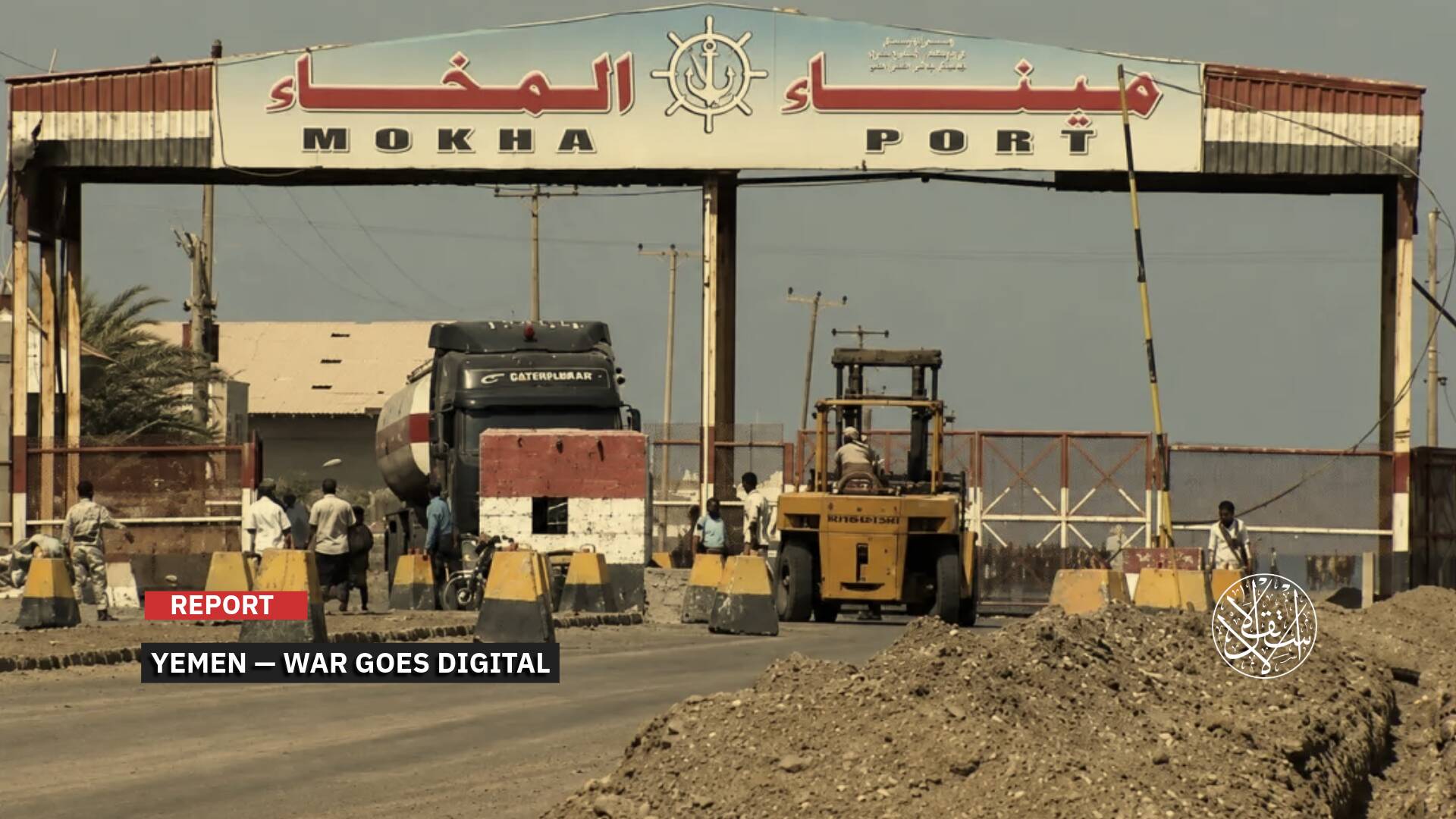
“The UAE is the main backer of the Transitional Council, pursuing expansionist goals in Yemen, especially along the coastal areas from Mocha through Aden to Hadramawt’s shores, aiming to consolidate influence over the province’s coastal cities.”
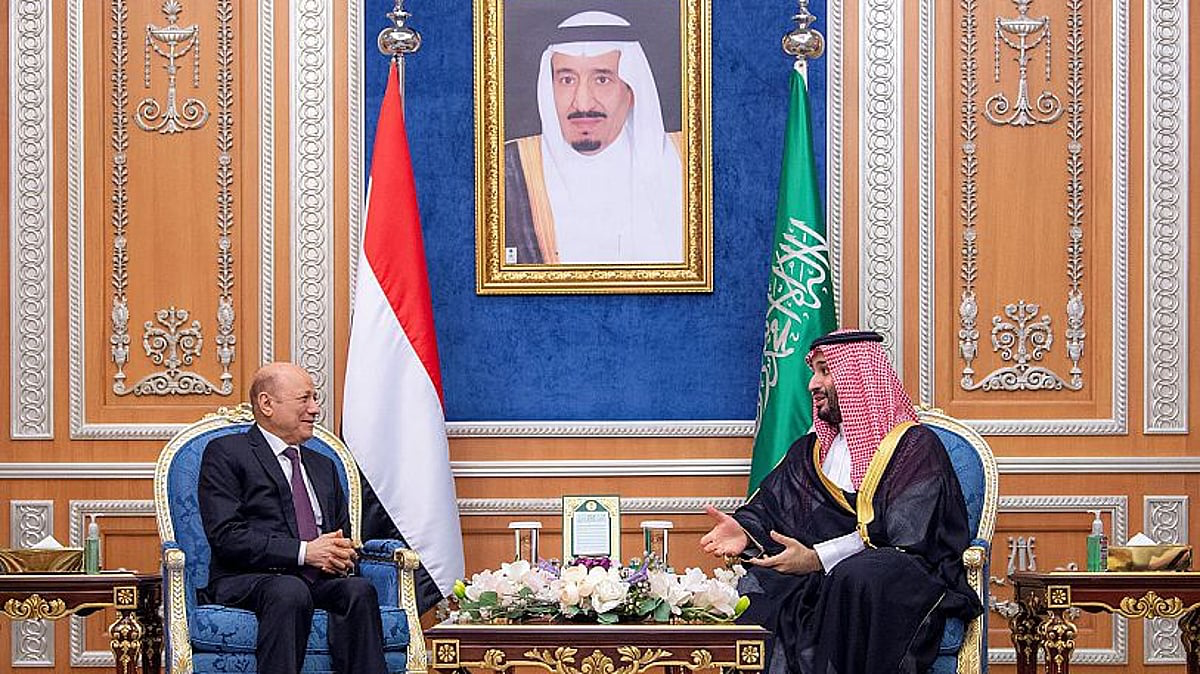
“Saudi Arabia supports societal and tribal forces in Hadramawt to block the UAE project, but Riyadh has issued no clear stance to halt the flow of forces into the province, deepening the power struggle,” he added.
The researcher explained that Saudi Arabia backs the National Shield Forces, which the Transitional Council views as an obstacle to its expansionist ambitions in the eastern provinces, particularly Hadramawt and al-Mahrah.
Bin Obaidullah warned of “serious repercussions” if the situation continues, suggesting that it “could disrupt the political scene, potentially reopening the path to a comprehensive political solution if events escalate, and could also undermine the legitimacy of the Presidential Leadership Council, which has failed to protect liberated areas from conflict.”
He added that the situation could trigger “wide-ranging fallout,” pushing Yemen toward “cantons ruled by warlords, closing the door to any political solution and leaving the country vulnerable to new waves of violence and exploitation by various groups.”
He cautioned that instability in Yemen “will harm regional countries, especially Saudi Arabia and Oman, as Hadramawt’s security is integral to their national security,” noting that chaos and armed group proliferation “will affect the security of the Gulf and the entire Arabian Peninsula.”
“Hadramawt possesses a vast coastline along the Shatt al-Arab, making any tension there impactful on global energy supply routes and alternative maritime navigation, particularly as the Houthis continue targeting shipping in the Red Sea,” Bin Obaidullah concluded.
Sources
- Yemen: Hadramout Tribes Confederacy Takes Control of Masila Oil Fields for “Security Purposes” [Arabic]
- What’s Happening in Hadramawt? Fears Grow Over a Possible Two-State Breakup of Yemen [Arabic]
- Binhabresh: Hadramawt Is Facing an Armed Tribal Invasion as the STC Moves to Seize Its Oil Wealth [Arabic]
- Hadramawt: Rapid Military Mobilization Sparks Fears of a Repeat of the el-Fashir Scenario [Arabic]