A More Perplexing Threat: What Would NATO Do if Turkiye and Israeli Occupation Clashed?
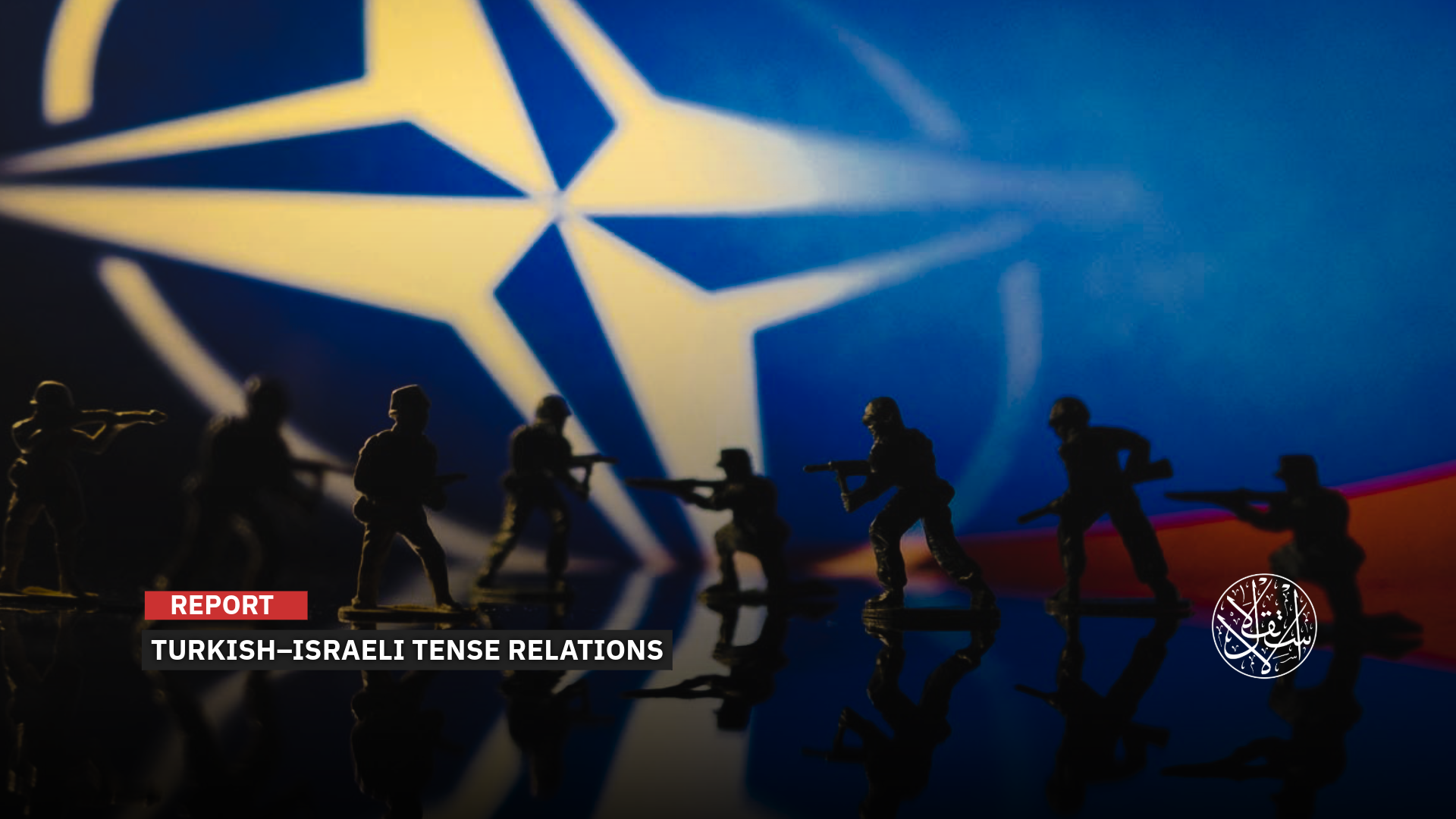
“Turkish veto continues to block necessary cooperation between Israel and NATO.”
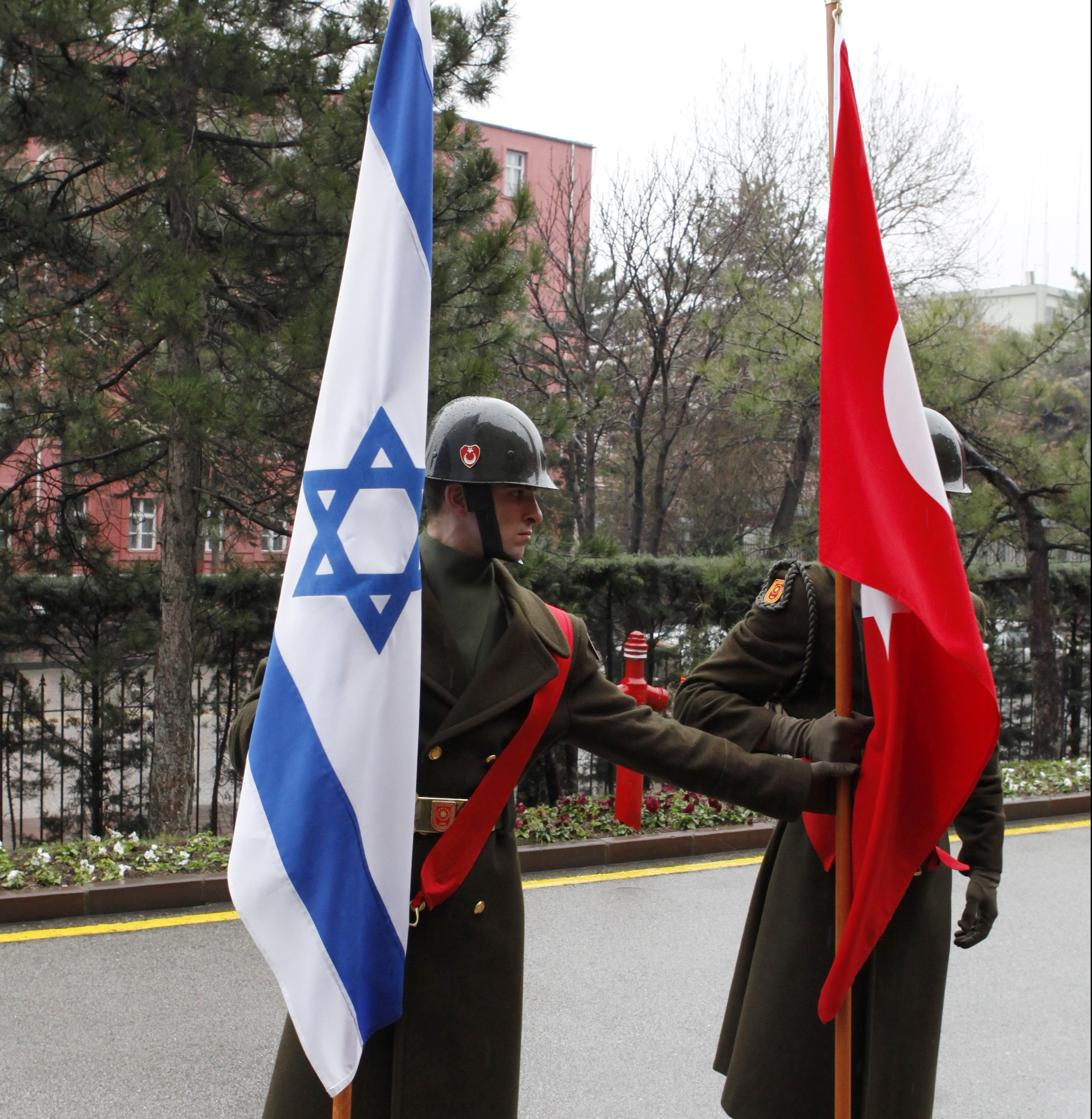
Throughout 2024, Turkiye has increasingly been described as the “new Iran” in Israeli public discourse. While this characterization is controversial in many respects, it reflects genuine concerns about Ankara’s regional moves.
The Israeli Occupation is particularly worried about Turkiye’s military presence in Syria, its involvement in the Palestinian issue, and the potential for friction in the eastern Mediterranean.
At the same time, Turkiye is growing stronger militarily, voicing sharp criticisms of “Israel,” and even using rhetoric that undermines its “legitimacy.”
U.S. engagement is expected to help reduce tensions between “Israel” and Turkiye. This ongoing and future effort could assist both sides in continuing to avoid direct military confrontation and possibly take steps toward improving bilateral relations.
This is how the Institute for National Security Studies (INSS) in the Israeli Occupation assessed Turkish-Israeli relations in an article by Gallia Lindenstrauss, an Israeli researcher specializing in Turkish foreign policy.
A Strong-Toned Rhetoric
Tensions between the Israeli Occupation and Turkiye in the Gaza Strip are largely driven by Ankara’s position that Hamas remains a significant actor in postwar Gaza, even if only behind the scenes, according to the researcher.
“Throughout the war, Israel opposed giving Turkiye a significant role in the talks aimed at reaching a ceasefire, based on Israel’s recognition that Turkiye, alongside Qatar, is one of Hamas’s supporters and that there was no indication of any reassessment in Ankara regarding its support for the organization following the October 7 massacre,” Lindenstrauss said.
On the contrary, Turkish President Recep Tayyip Erdogan repeatedly insisted that Hamas is a resistance movement and not a “terrorist” organization.
Turkiye’s statements during the war were highly critical of “Israel,” even compared with countries that adopted strong rhetoric.
In August 2024, Turkiye joined South Africa’s lawsuit against the Israeli Occupation at the International Court of Justice in The Hague, accusing it of committing genocide.
On November 7, 2025, the Istanbul Prosecutor’s Office issued arrest warrants for 37 senior Israeli Occupation officials, including the prime minister, the war minister, the national security minister, and the chief of staff, on charges of war crimes, crimes against humanity, and genocide.
In the Syrian arena, the researcher said that “Israel’s” main concerns are the Turkish military presence in central and southern Syria and the constraints on the Israeli Air Force in Syrian airspace.
“Although Turkiye’s military presence in northern Syria began with the military operations launched there in 2016, it was only after Assad’s fall in December 2024 that Ankara’s aspirations regarding other parts of Syria became realistic,” the author added.
“If it were solely up to Ankara, military bases would already have been established in Syria, but both the conduct of Syrian President al-Sharaa—who is seeking to diversify his external sources of support—as well as preventive actions by Israel have thus far blocked Turkiye’s intentions.”
Regarding expected economic investments in Syria, Lindenstrauss said there is concern that some trade and energy routes Turkiye aims to strengthen could bypass “Israel,” potentially threatening projects the Israeli Occupation had hoped to advance, such as those linked to developing the India–Middle East–Europe Corridor (IMEC).
“Alongside concerns about Turkiye’s conduct, it should be noted that recent developments in the Syrian arena actually underscore that both Turkiye and Israel fear an aerial confrontation with each other,” she added.
“The willingness of both sides to operate through a ‘hotline,’ established following talks between Turkish and Israeli officials in Baku [with American encouragement], is a clear sign that both parties still recoil from direct confrontation.”
“Moreover, progress toward a security agreement between Israel and Syria is also expected to help ease tensions in the Syrian arena, including between Israel and Turkiye,” according to Lindenstrauss.
Eastern Mediterranean Tensions
The researcher said that in the Eastern Mediterranean, tensions between “Israel” and Turkiye became particularly evident during 2024, revolving around two main issues: Greek Cyprus and the flotillas heading to Gaza.
Regarding Greek Cyprus, the deployment of the Barak MX air defense system in September, purchased from the Israeli Occupation, drew negative reactions in Turkiye. Some observers compared the situation to the 1997 crisis, when Ankara pressured Greek Cyprus to relocate the S-300 system, which it had bought from Russia, to Greece.
As for the flotillas, this issue has been a recurring point of friction between “Israel” and Turkiye since the Mavi Marmara incident in 2010.
In October 2025, Turkish MPs participated in the “Global Sumud Flotilla,” while Erdogan told reporters that he had been closely monitoring footage from Turkish drones escorting the flotilla.
On the trade front, the economic embargo announced by Turkiye against “Israel” in May 2024 remains in effect, with Ankara enforcing it strictly from time to time, even after the ceasefire was declared.
Nevertheless, goods continued to reach the Israeli Occupation through third countries and via Palestinian traders, according to the Israeli author.
The fact that a significant volume of trade persisted—at times reaching roughly half of pre-embargo levels—indicates that businessmen on both sides have a strong interest in maintaining commercial ties.
Regarding aviation links, airlines on both sides have suspended flights to the other country since the start of the Israeli war on Gaza, and services have not yet resumed.
Turkish Veto
In addition to these points of tension, Lindenstrauss emphasizes that Turkiye’s military buildup cannot be ignored.
Ankara has identified three major weaknesses in its armed forces and is actively addressing them, particularly in light of lessons learned from “Israel’s” 12-day war on Iran.
Among the most prominent weaknesses is the aging fleet of fighter jets in the Turkish Air Force and the need for new aircraft.
In October, Turkiye signed a deal with the United Kingdom to purchase 20 Eurofighter Typhoons and is also expected to acquire around 24 used Typhoons from the UAE and Oman to avoid the long delivery times associated with the acquisition of new jets.
Turkiye is also advancing its air defense capabilities, aiming to build a “Steel Dome” system. In addition, the country has significantly expanded regulations on shelter construction.
During the Israeli war on Iran, Erdogan spoke about Turkiye’s need for medium- and long-range missiles for deterrence purposes, and press reports indicate that Turkiye is constructing a missile testing facility in Somalia.
The author said “Israel” has a clear interest in U.S. involvement to ease tensions with Turkiye. “In fact, it appears that only the involvement of President Trump and senior levels of the American administration can be effective at this stage.”
The remarks made by the U.S. Ambassador to Turkiye and Special Envoy for Syria, Tom Barrack, at the Manama Dialogue are important. “He predicted that Israel and Turkiye will avoid direct military conflict and that the two states will eventually engage in cooperation from the Caspian Sea to the Mediterranean,” Lindenstrauss added.
However, voices in Turkiye criticized this assessment, calling it a misunderstanding of the situation. At the same time, it is important for the United States to recognize that “Israel” will not soften its opposition to deploying Turkish forces within the international stabilization force in Gaza, given the deep mistrust between the two sides, according to the Israeli researcher.
“Alongside the United States, other NATO members must also act to reduce tensions between Israel and Turkiye, whether publicly or discreetly.”
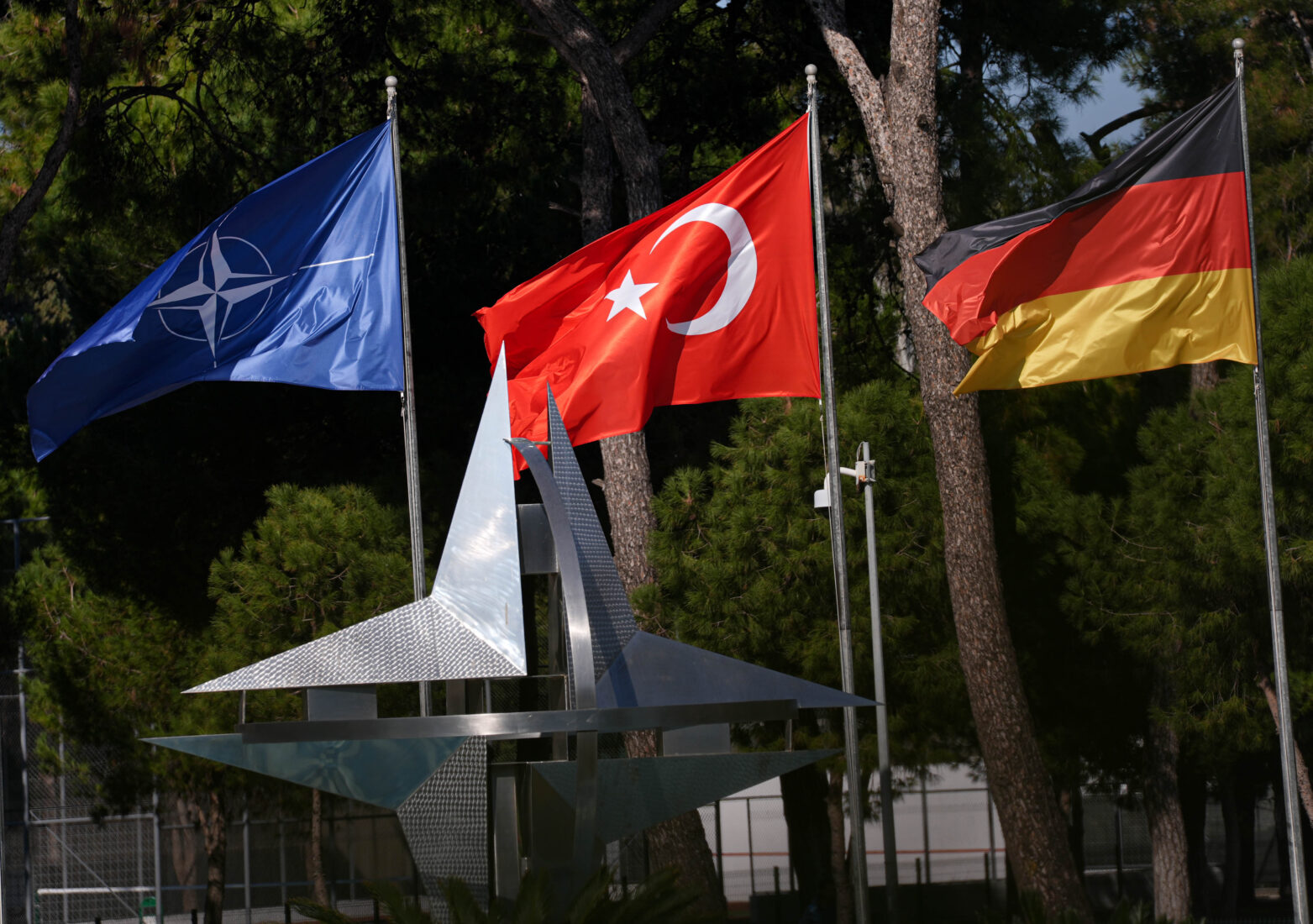
Lindenstrauss stressed that this is essential because the Turkish veto continues to block necessary cooperation between “Israel” and NATO and undermines efforts to confront Russia in the context of the war in Ukraine.
Tensions between “Israel” and Turkiye also affect Turkiye’s disputes with Greek Cyprus and Greece, given the consolidated relations between the three countries for more than a decade since the Mavi Marmara incident.
“In any case, Western states should take into account the tensions between Turkiye and Israel when considering arms sales and industrial-defense cooperation with Ankara. For its part, Israel should continue nurturing its relations with states that share some of its concerns about Turkiye, such as Greece, [Greek] Cyprus, the United Arab Emirates, and India,” Lindenstrauss concluded.