Tayes Al-Jumaili: The Iraqi Preacher Whose Charitable Footprint Stretched From Kuwait to Africa
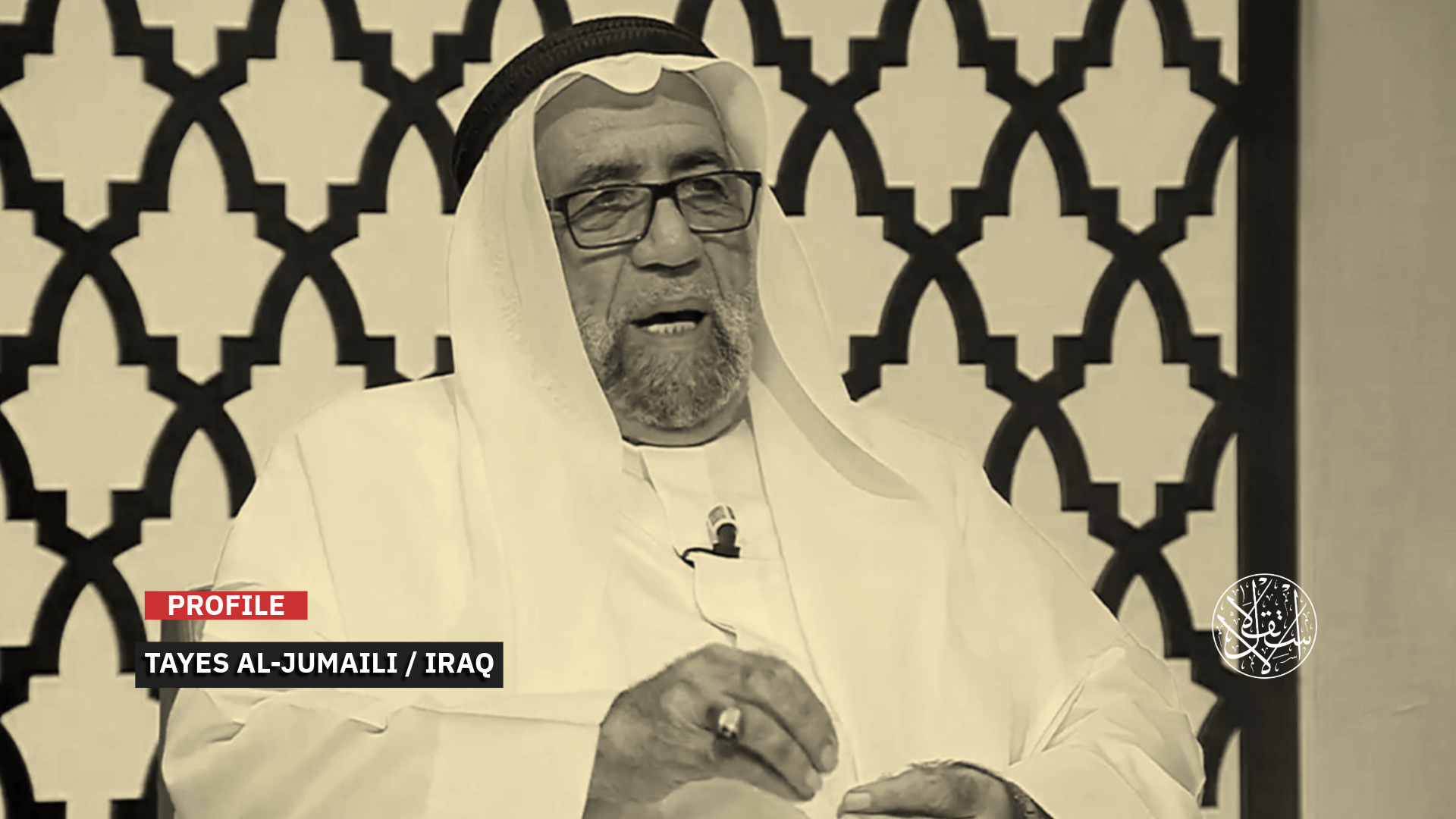
Al-Jumaili died in the Qatari capital, Doha, after a long career in Islamic preaching.
The death of Iraqi preacher Tayes Abdullah Al-Jumaili in the Qatari capital, Doha, was more than news of the passing of a preacher and orator. It recalled a life that moved between Iraq, Kuwait, and Qatar.
That life was bound up with education, preaching, and humanitarian work, and with the beginnings of a vast charitable effort on the African continent.
Al-Jumaili, who died on November 10, 2026, spent decades serving Muslims, moving between the pulpit, circles of learning, and welfare and relief projects. He rose to prominence in Kuwait in the 1970s and 1980s, before moving to Qatar in 1990. There he continued his work as an imam and preacher and kept wide ties with scholars, preachers, and philanthropists.
Beyond his local presence, his name was associated with projects to build mosques, dig wells, care for orphans, and support health facilities and Quran radio stations.
He also took part in the activities of the International Union of Muslim Scholars (IUMS). He left behind a weekly majlis, or open gathering, in Doha that became a meeting place for visitors to Qatar from many countries and fields.
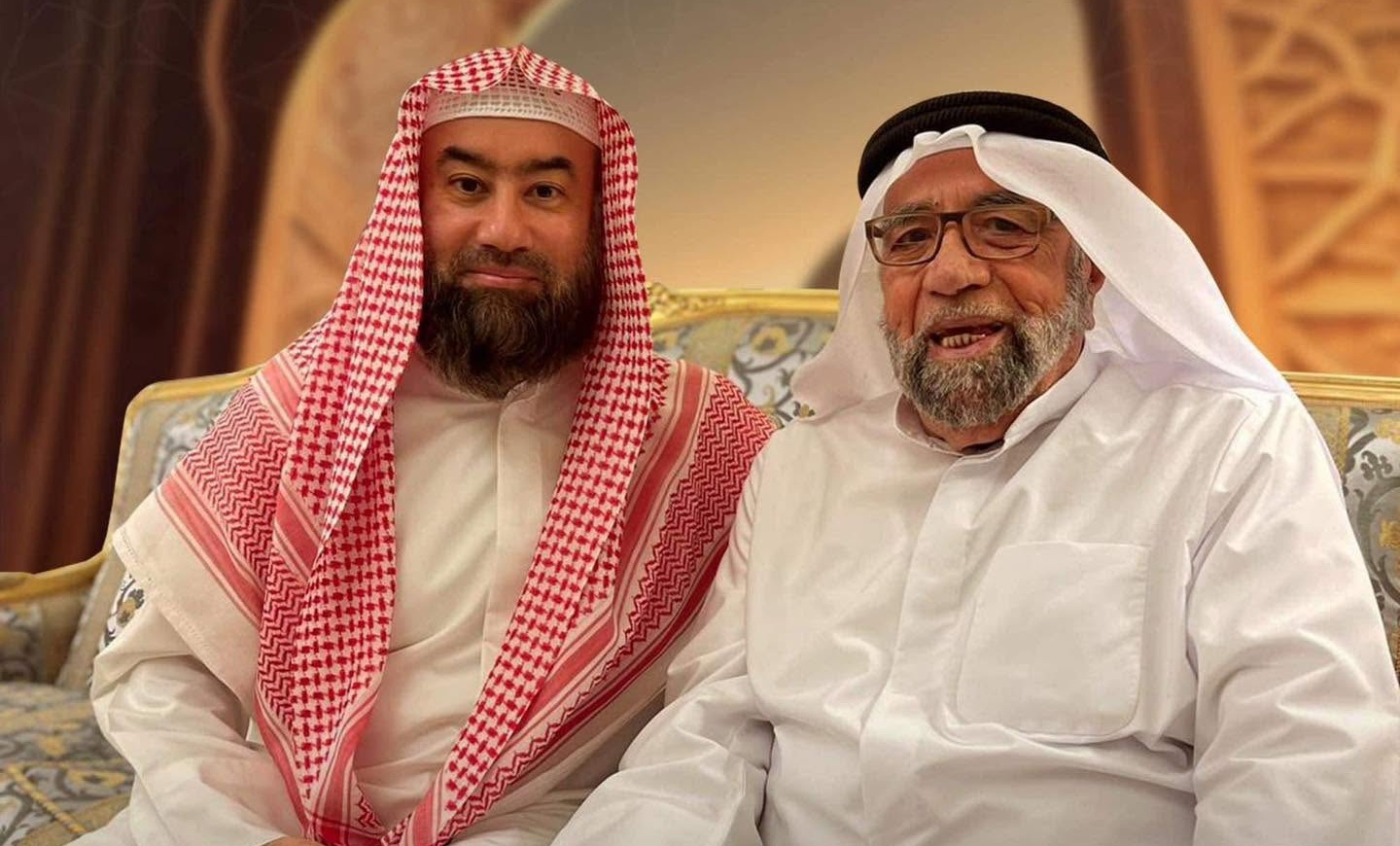
Upbringing and Preaching
Tayes Abdullah Al-Jumaili, who was about 90, was born in the desert of Tikrit, in the Al-Alam subdistrict of Iraq’s Salahuddin province. He grew up in a conservative Arab environment and turned to the study of Islamic sciences from a young age.
He studied Sharia at the University of Baghdad, where he earned a bachelor’s degree. He then pursued graduate studies in Pakistan, earning a master’s degree in Sharia with a specialization in financial transactions. These details come from the biography that Libyan preacher Ali Muhammad Al-Sallabi published in his eulogy.
Al-Jumaili moved to Kuwait in the early 1970s, where he began an important phase of his scholarly and preaching work. He combined teaching and preaching, working as a teacher of Islamic education.
He helped shape generations of young people, encouraging them to love the Quran, hold on to values and morals, and take responsibility toward their religion and society.
His presence was not limited to the classroom. He was known as an influential preacher, and people flocked to hear his sermons at Al-Alban Mosque in the Kaifan area. Tributes spoke of the clarity of his speech, the strength of his arguments, and his skill in addressing people.
They also noted that the Kuwaiti magazine Al-Mujtama described him as a school of preaching and guidance in his own right.
His sermons addressed the family and young people, warned against drugs and social ills, and called for the protection of morals. They also dealt with the conditions of Muslims and the responsibility of scholars and preachers in guidance and reform.
After moving to Qatar in 1990, following the Iraqi invasion of Kuwait, Al-Jumaili continued his mission as an imam and preacher at the Ministry of Endowments and Islamic Affairs. He also took part in preaching, educational, and charitable activities.
The biography notes that he was a member of the IUMS and took part in its organizational work. In 2011, he served on the committee formed to run the union’s Qatar branch. That same year, he joined a delegation of scholars that visited the Libyan city of Benghazi after the revolution against Muammar Gaddafi’s regime.
African Beginnings
One of the most notable chapters of Al-Jumaili’s life is linked to the very beginnings of the charitable projects associated with the late Kuwaiti preacher and physician Abdulrahman Al-Sumait in Africa.
Tributes recount that Al-Jumaili delivered a Friday sermon at a mosque in Kuwait on the virtue of ongoing charity and spending in the way of God. Kuwaiti philanthropist Moudi Barjas Abdullah Al-Sour, known as Umm Ali, responded by giving him money to spend on charitable causes.
According to a published account, this happened in 1981. Moved by Al-Jumaili’s sermon, Al-Sour donated a sum to build a mosque. The Iraqi preacher looked for someone to carry out the project and chose Abdulrahman Al-Sumait, whose charitable work had not yet taken on the wide scope it later became known for.
Al-Sumait traveled to the Republic of Malawi to build the mosque. But what he saw of the conditions of Muslims there and the poverty and need they faced pushed him to expand the mission. The account also cites the activity of missionary organizations as a factor.
That step launched the Malawi Muslims Committee, whose work later expanded into the Africa Muslims Agency and then became linked to the Direct Aid Society.
The projects grew to include building mosques, caring for orphans, education, relief, and health services, and the effort became one of the best-known charitable institutions in the Muslim world.
This chapter shows the nature of the role Al-Jumaili played at the start. He gave a sermon urging people to give, directed a donation to someone able to put it into action, and helped open the door to a project that continued and grew over the years.
The accounts do not credit Al-Jumaili alone with the institutional expansion that came later. Rather, they highlight his role in taking the initiative, encouraging others, and taking part at the start. They also recognize the role Al-Sumait, his partners, and philanthropists played in building the institutions and developing their work.
Al-Jumaili’s contributions extended to other projects, including digging wells, establishing orphanages and health care centers, supporting Quran radio stations, and backing preaching and educational activities in African countries.
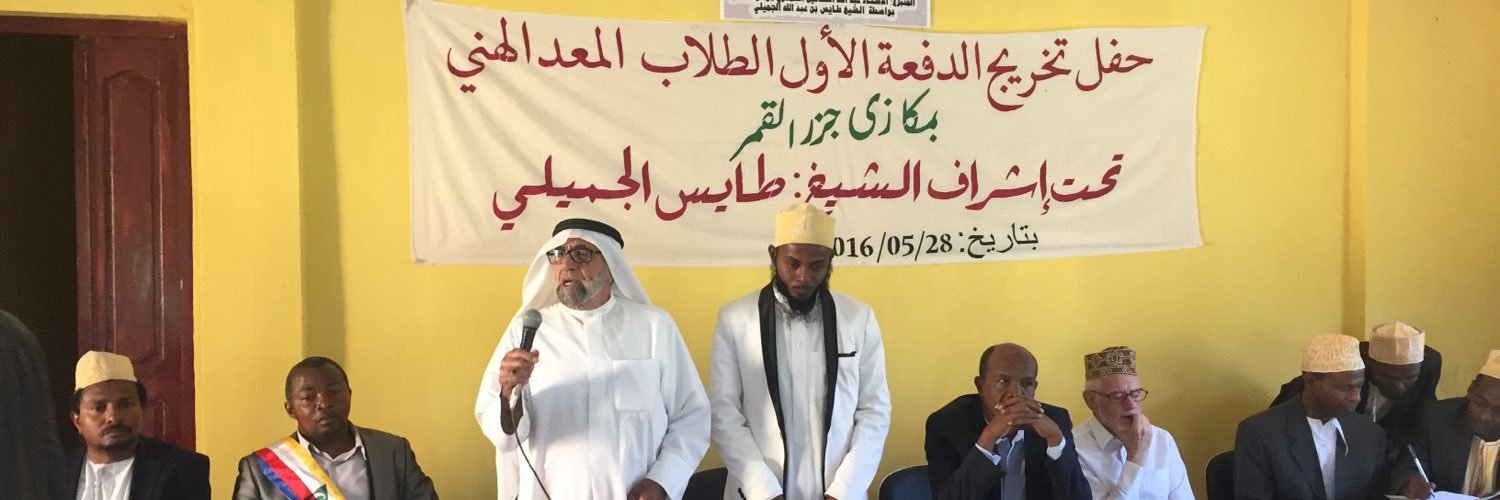
Al-Jumaili appeared on Al Jazeera programs about the conditions of Muslims in Africa. On those programs, he spoke about his trips to Chad and Sierra Leone and the challenges facing charities and preachers on the continent.
The Doha Majlis
Al-Jumaili’s presence in Qatar was not limited to his work as an imam and preacher or his involvement in religious and charitable institutions. His weekly majlis in Doha was one of the most prominent features of his social and scholarly life.
According to Al-Sallabi’s eulogy, the majlis drew scholars, students of religious knowledge, preachers, thinkers, researchers, intellectuals, politicians, philanthropists, and people running humanitarian projects from many countries.
The majlis stood out for the diversity of its guests and the wide range of topics discussed. It was a space for meeting new people, dialogue, and exchanging experience. Guests also discussed the conditions and causes of Muslims and the efforts needed in education, preaching, reform, and charitable work.
According to the eulogy, Al-Jumaili’s majlis brought together figures from Iraq, Qatar, Kuwait, the Levant, Yemen, Egypt, the Maghreb countries, and elsewhere, as well as people with many different interests and specializations.
Al-Jumaili was keen to welcome and honor his guests, whether they were scholars, students, preachers, thinkers, or people behind humanitarian initiatives. Those who loved him describe him as close to scholars and their students, generous in spirit, kind in his dealings, and attentive to anyone who came to him seeking advice or help.
The value of the majlis lay not only in the meetings themselves, but in the connections it created between people separated by borders and united by knowledge, preaching, and public work.
In a eulogy posted on X after his death, Iraqi journalist Amer Al-Kubaisi recalled the Friday majlis as a scene that brought together Arabs, Kurds, Africans, Asians, Europeans, and people from the Arab East and West, despite their different languages and homelands.
Al-Kubaisi said the majlis brought these faces together through the bond of Islam, and that Al-Jumaili was one of those whose ties reached far beyond the country they lived in. He said he had known the sheikh for about 20 years and found in his majlis a model of connection among people from across the Muslim world.
The life of the late Tayes Abdullah Al-Jumaili combined several roles: preacher, teacher, participant in institutional work, and host of a majlis where people from different backgrounds met.
A Legacy of Preaching
On November 10, 2026, Al-Jumaili’s journey ended in Doha, after decades of moving and working between Iraq, Kuwait, Qatar, and African countries.
The biography published on the IUMS website recalls his career in preaching and humanitarian work. It highlights his contributions to building mosques, digging wells, establishing orphanages and health centers, and helping found Quran radio stations.
The obituaries focused on the chapters of his life in Iraq, Kuwait, and Qatar, his role in the beginnings of the projects associated with Abdulrahman Al-Sumait, and his weekly majlis. They also noted his humility, kind heart, generosity, and good company.
Al-Jumaili’s life, which combined preaching, teaching, and charitable work, was spread across several places. Iraq is where he grew up. Kuwait knew him as a preacher and teacher, and Qatar is where he spent his final years. Africa felt the impact of projects he helped begin.
The story of the sermon that led to a donation to build a mosque in Malawi remains the clearest illustration of his contribution to that effort. It shows how a modest initiative can open the way to wider work.
A call to give led to a donation, the donation was put into action, and the work then grew with the help of others, institutions, and philanthropists.
In this way, Al-Jumaili’s impact was not limited to what he offered directly. It also included the projects he helped launch or encourage, the people he met along the way, and the relationships that lasted through his majlis and activities.
With his passing, Qatar has lost a preacher and orator whose name was linked to institutional charitable work around the world. His homeland, Iraq, has lost one of its sons whose journey reached far beyond its borders.
Sources
- A Life of Endless Giving and a Lasting Legacy: Qatar Bids Farewell to Sheikh Tayes Abdullah Al-Jumaili [Arabic]
- Iraqi Preacher Tayes Al-Jumaili Dies in Qatar After a Preaching Career That Reached Africa [Arabic]
- “Tayes Abdullah Al-Jumaili”: A Distinguished Preacher, Orator, and Imam at Qatar’s Ministry of Endowments, of Iraqi Origin [Arabic]