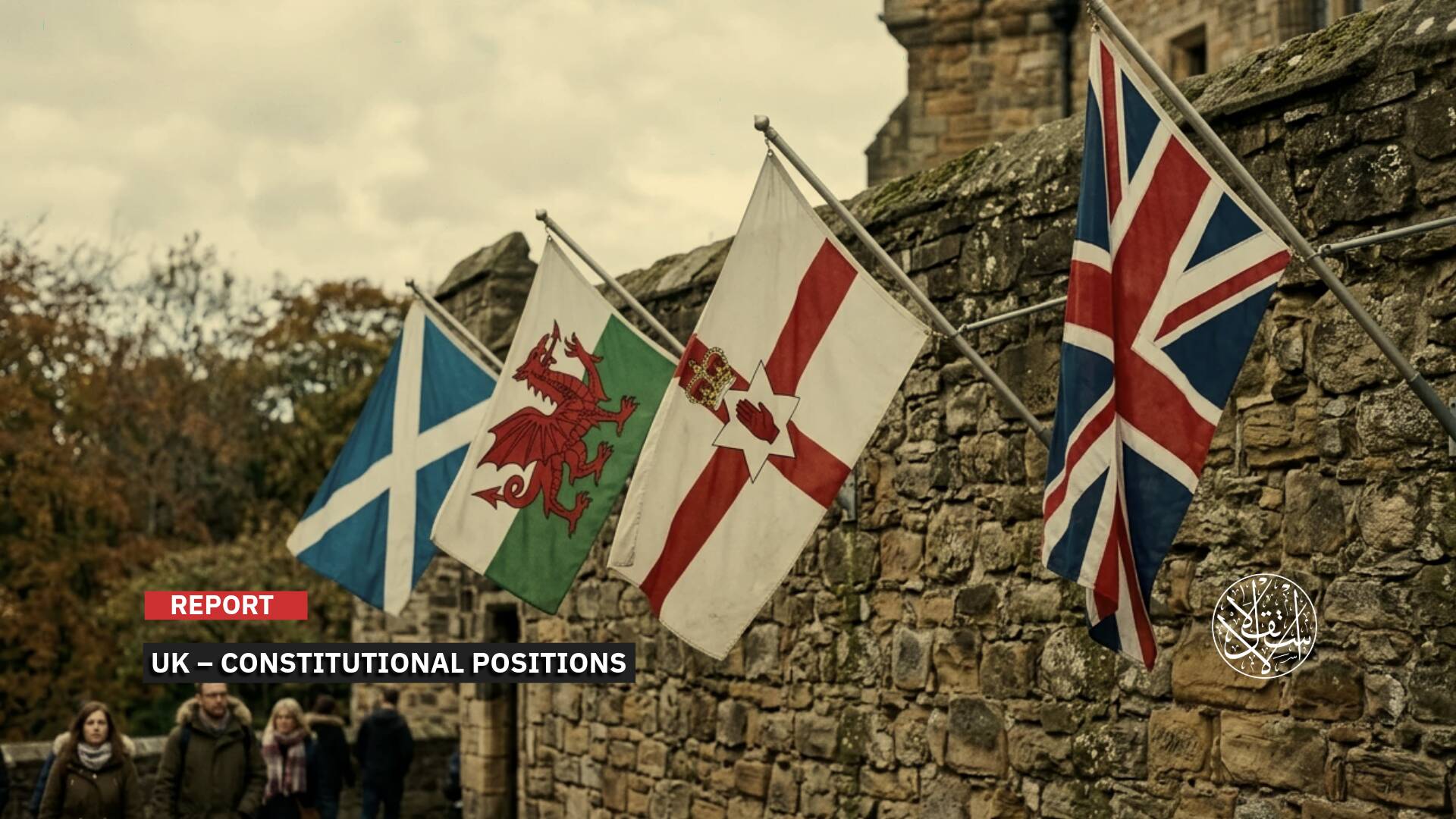
Is Britain Planning to Ban the Muslim Brotherhood Soon?
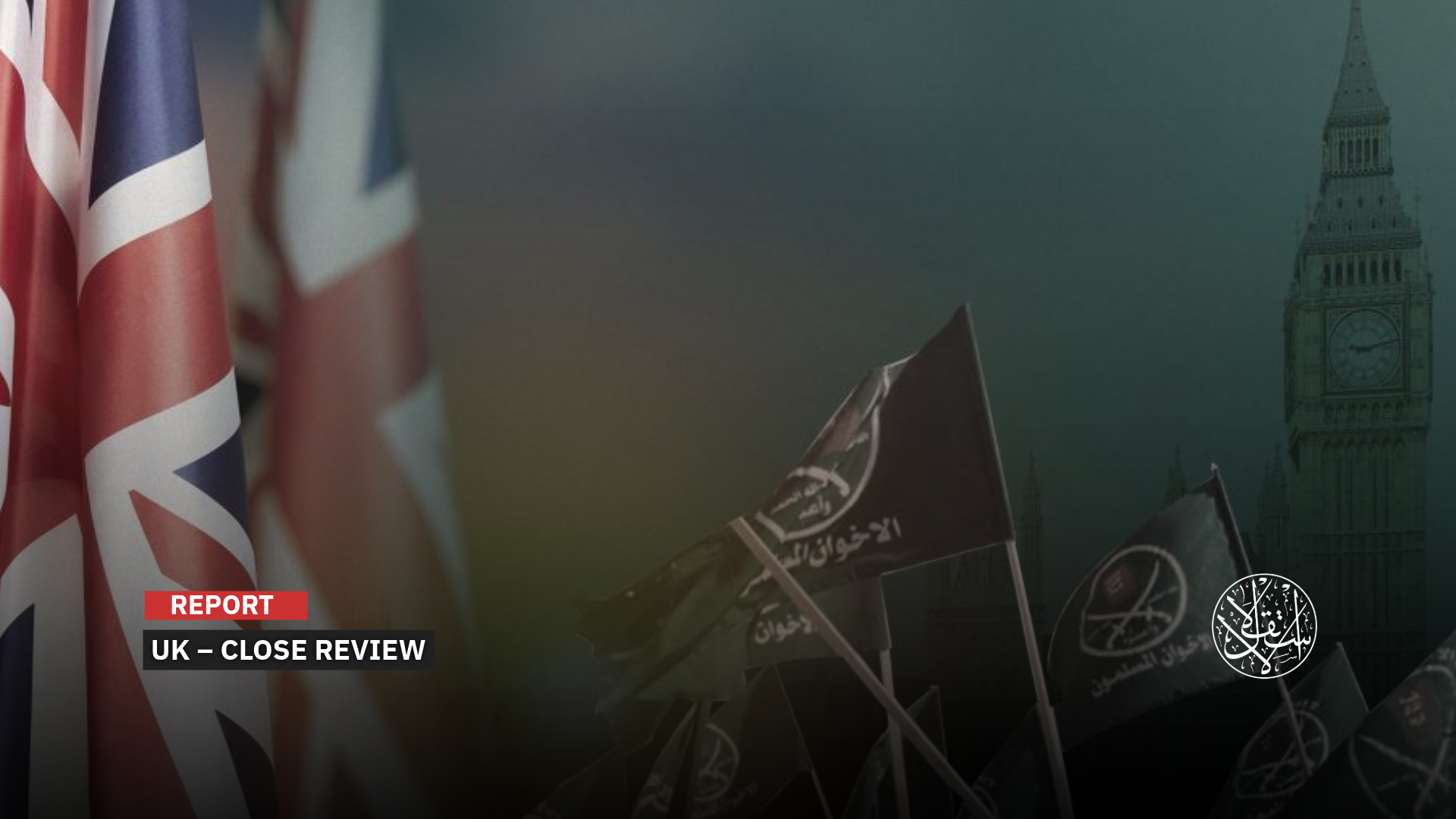
“David Cameron came close to proscribing the Brotherhood in 2015 after commissioning a review of their activities.”
In light of continued incitement from the UAE, which funds parts of the British economy, Downing Street announced a review of the Muslim Brotherhood's activities, reflecting a new phase of seriousness in addressing the issue.
British political and security circles indicate that the Brotherhood's activities now pose an increasing threat, with the organization attempting to infiltrate government structures through charitable and political fronts. This comes at a time of growing concern about ideological and organizational ties that fuel extremism and violence.
This British shift occurs within a rapidly evolving international context, spearheaded by Washington under President Donald Trump, who is taking decisive steps toward designating the group's branches as foreign terrorist organizations. This increases the pressure on London to halt the Brotherhood's expansion within its institutions and social environments.
Potential Ban
The British government recently confirmed that the Muslim Brotherhood is now on a list of groups subject to in-depth security assessments, with the possibility of its inclusion on terrorism lists if sufficient evidence is found.
In the House of Commons, when Reform Party MP Richard Tice asked Foreign Secretary Yvette Cooper whether this review could lead to an outright ban, she spoke of concerns about the group's potential role in fueling extremism abroad.
Although London has not yet issued a formal ban on the group, the review could open the door to a radical shift in Britain's relationship with the Muslim Brotherhood, between designating it a terrorist organization or settling for increased monitoring and legal restrictions.
Supporters of the group argue that the Muslim Brotherhood is a socio-political movement, not a terrorist organization, and that designating it would harm freedom of expression and political organization.
They pointed to legal considerations, noting that Britain applies strict criteria for designating terrorism, while some fear that the group does not fully meet these criteria.
Successive British governments have preferred to deal with the Muslim Brotherhood as a socio-political movement, despite repeated security claims linking some of its members to the financing of extremist groups.
In 2015, David Cameron's government conducted a comprehensive review of the Muslim Brotherhood's activities, concluding that some of its practices conflicted with democratic values, but stopped short of recommending a ban.
In 2025, British media and political reports reached the administration warning that Britain could become a safe haven for the group, given its growing influence within Muslim communities and its impact on religious and political discourse.
Britain had previously banned Hizb ut-Tahrir, and calls grew louder for the Muslim Brotherhood to be the next target, given its greater influence and reach.
The UAE and Egypt, in particular, are pressuring London to designate the Muslim Brotherhood as a terrorist organization, arguing that it poses a threat to regional and international security.
British MPs urged Keir Starmer's government to take action, arguing that allowing the Muslim Brotherhood to operate freely undermines democratic values and fuels extremism.
Nigel Farage, leader of Reform UK, reiterated his pledge to designate the Muslim Brotherhood as a terrorist organization should his party come to power.
Ideological Trends
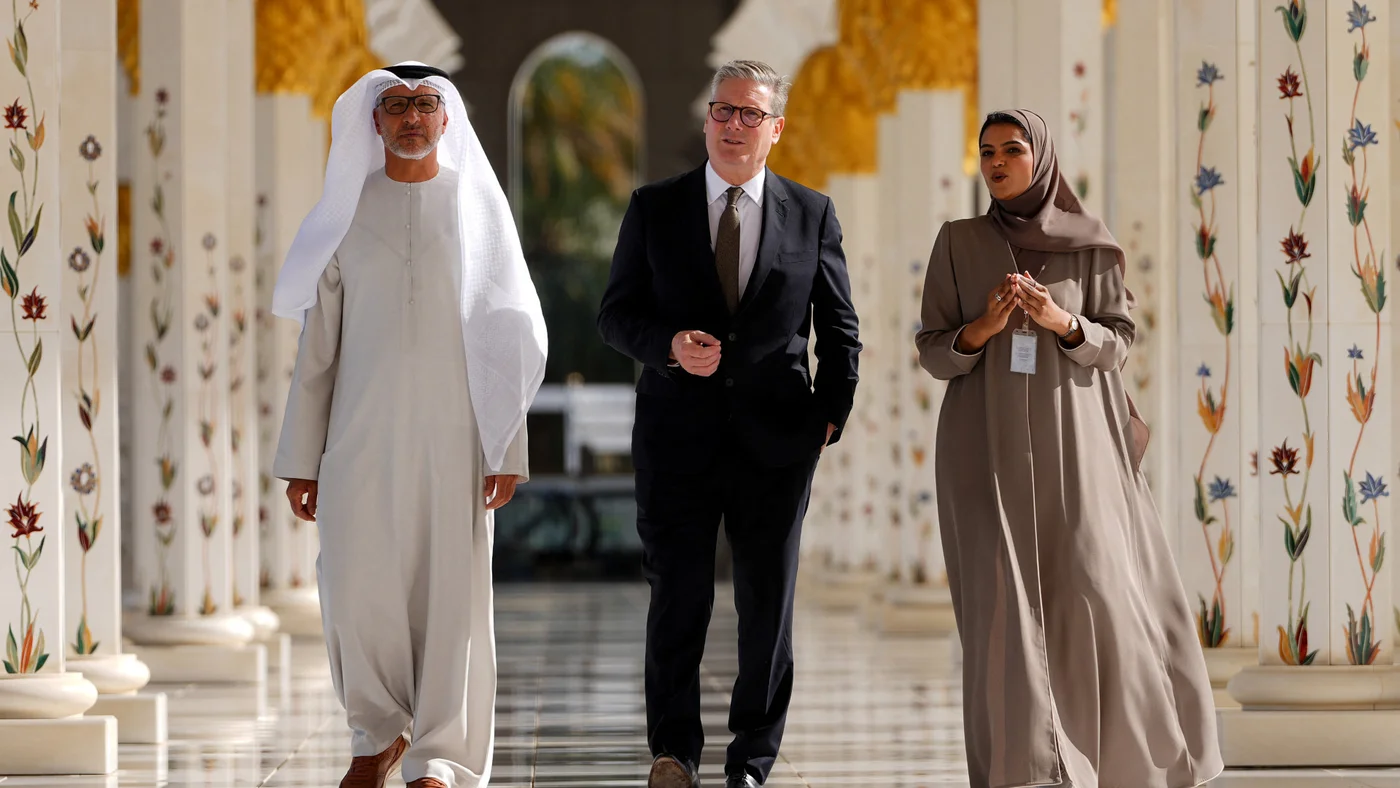
The Spectator wrote that the UAE's inclusion of eight UK-based organizations on its terrorism lists in January 2025 should serve as a wake-up call for the British government.
It considered it unusual for an Arab state to ban British entities, reflecting a UAE desire to push London to change its policy towards the Muslim Brotherhood.
LBC published opinion pieces warning that Britain cannot continue to sit on the sidelines while other countries take action against the Muslim Brotherhood, indicating that Gulf pressure, particularly from the UAE, is increasing on London to take official action.
The Telegraph previously revealed the Muslim Brotherhood's strategy in Britain, which involves presenting a moderate public image while concealing extremist ideological leanings behind closed doors.
In his article, David Abrahams, former vice president of the Royal United Services Institute for Security Studies, noted a strange silence surrounding the Muslim Brotherhood in Britain.
He explained that this silence is not due to academic contemplation, but rather stems from political fear disguised as cultural sensitivity.
He emphasized that the Muslim Brotherhood is not merely a religious school of thought or a current within Islamic tradition, but a well-organized and sophisticated political project ultimately aimed at reshaping society.
He pointed out that the group's strength lies not in its overt extremism, but in its ability to exploit the democratic process to undermine it.
He described its agents as intellectuals adept at using human rights rhetoric to mask their extremist ideas.
He explained that the group does not seek victory through direct force, but rather through infiltration by participating in government discussions, obtaining grant funding, and controlling civil society organizations, thereby positioning itself as the representative voice of British Muslims.
He added that the group does not raise jihadist slogans in the streets, but whispers about Islamophobia in council meetings and attacks Muslims who oppose it.
He pointed out that this constitutes a soft coup against Islamic identity, replacing pluralism with obedience and religion with ideology.
According to the article, the British government's silence and its focus on promoting social harmony have granted the Muslim Brotherhood more influence by enabling figures associated with it to participate in governmental and academic institutions, believing that their presence reflects popular representation.
Abrahams pointed out that British Muslims today are caught between the hatred they face from abroad and the dominance of the group from within, which labels its opponents as traitors.
He warned against conflating Islam with Islamists, arguing that this is dangerous because it reinforces false stereotypes about Muslims in Britain and pushes moderates to the margins.
He emphasized that true integration requires treating Muslims as citizens, not as representatives of political Islam.
Pressures and Concerns
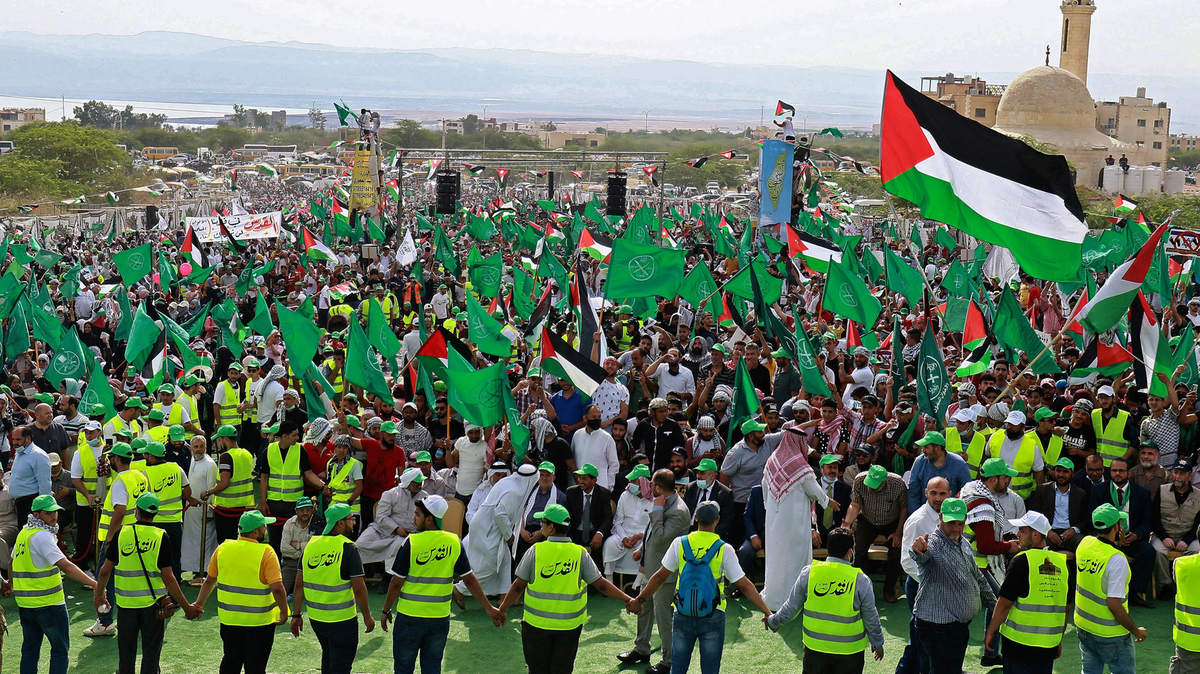
A 2023 New Yorker investigation showed that the UAE funded a private intelligence firm in Switzerland to run disinformation campaigns portraying critics as Muslim Brotherhood fronts.
The campaign planted media narratives, edited Wikipedia pages, and prompted bank investigations, all aimed at drying up the victims' financial resources and labeling them as terrorists.
This rhetoric easily seeped into some British political circles, where accusations were hurled indiscriminately and repeated without scrutiny.
Former minister Michael Gove, protected by parliamentary immunity, claimed that the Muslim Association of Britain (MAB) was the local branch of the Muslim Brotherhood.
Although his claim was false, the mere mention of it in Parliament transformed it into widely circulated truth.
Even Islamic Relief, one of the world's largest humanitarian organizations, was subjected to a similar smear campaign despite passing all British transparency and oversight tests.
However, external pressure doesn't operate in isolation; it seamlessly integrates with a self-perpetuating cycle of domestic Islamophobia.
When the term ‘Muslim Brotherhood’ is broadened to encompass any Muslim figure, mosque, or organization, it loses its meaning and becomes a political weapon.
The result is that Britain is sliding toward a policy based more on the fears of authoritarian regimes and the calculations of the domestic far right than on genuine evidence or security assessments.
On December 3, this trajectory was confirmed once again when GB News apologized and paid substantial compensation after broadcasting allegations attributed to an Emirati blogger accusing the organization of funding terrorism.

Between mounting American pressure and British parliamentary criticism, the noose seems to be tightening around the group more than ever, and the scenario of a ban is no longer far from the table for decision-makers in London.
Amid this political and security escalation, political analyst Ibrahim Khatib revealed in a statement to Al-Estiklal that the Muslim Brotherhood has already begun preparing contingency plans to counter the rising wave of European and American pressure.
He explained that the organization is considering relocating some of its research and financial centers to countries with less stringent regulatory environments, such as Malaysia, while redistributing its activities through front organizations whose structural links to the organization's leadership are difficult to trace.
Some figures affiliated with the group are working to build a new network of relationships in Asian and Latin American capitals as an alternative to traditional safe havens in the U.S. and Europe, in anticipation of any decisions that might place the group under terrorist designation.
These moves, as Mr. Khatib describes them, demonstrate that the organization is preparing for a phase of global repositioning that will allow it to maintain its influence despite the tightening grip in the West.
Sources
- UK keeping Muslim Brotherhood under ‘very close review’ amid calls for ban, says Starmer
- What is driving Britain's Muslim Brotherhood panic?
- The Muslim Brotherhood has no place in British society
- Britain must wake up to the Muslim Brotherhood’s growing influence
- Trump is right to crack down on the Muslim Brotherhood
- UK will not ban Muslim Brotherhood, says David Cameron