Inviting Turkiye to the EU Foreign Ministers' Meeting After a Five-Year Absence

EU membership is a strategic goal for Turkiye.
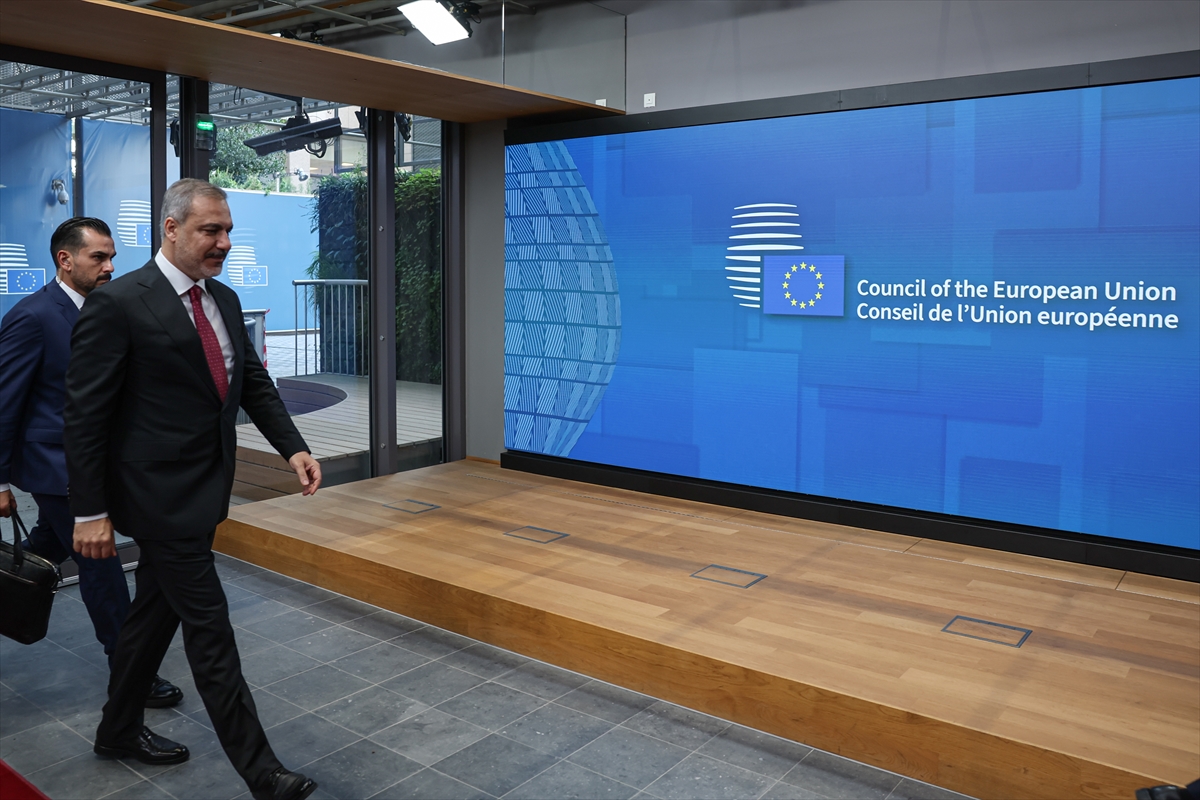
The European Union has taken new steps to renew its relations with Turkiye, inviting Minister of Foreign Affairs Hakan Fidan to an informal meeting of EU foreign ministers after a five-year absence.
During the meeting on August 29, 2024, the parties exchanged views on current international issues. Fidan emphasized to his European counterparts the importance of cooperation between Turkiye and the EU in addressing regional and global threats.
The Minister of Foreign Affairs of Turkiye expressed his expectation that concrete steps would be taken to enhance relations.
Turkiye also had several priorities on the agenda for the meeting.
Summit Messages
Minister of Foreign Affairs of Turkiye Hakan Fidan specifically addressed Turkiye's priorities regarding the modernization of the Customs Union to align with contemporary needs.
He emphasized the importance of resolving visa issues to maintain trade, cultural, academic, and humanitarian relations between the EU and Turkiye.
Fidan also reiterated Turkiye's clear stance on the Cyprus issue to the European Union.
According to information from the Turkish Ministry of Foreign Affairs, the informal EU foreign ministers' meeting, which lasted about two hours, covered regional issues as well as relations between Ankara and the EU.
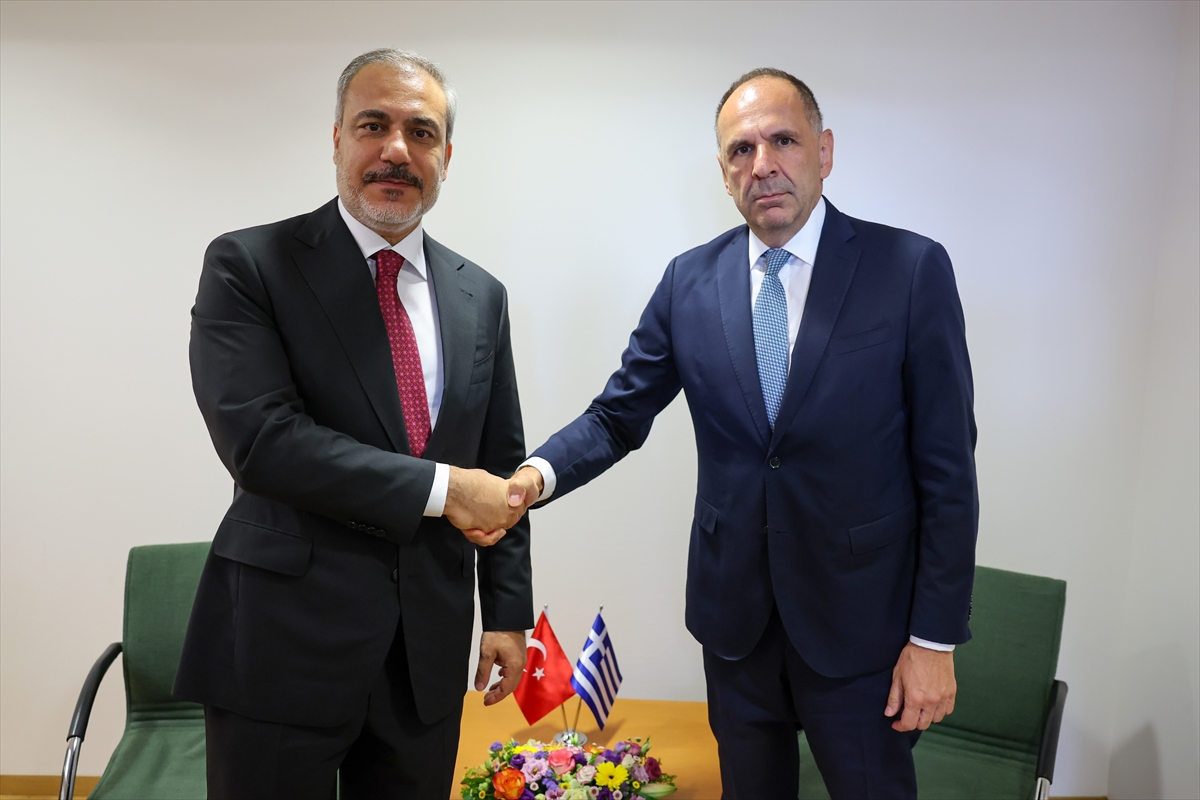
On the sidelines of the meeting, Fidan held separate discussions with his counterparts from Greece, Giorgos Gerapetritis; Spain, José Manuel Albares; Luxembourg, Xavier Bettel; and Belgium, Hadja Lahbib.
Fidan described Turkiye’s invitation to the meeting as a "positive development."
He noted that the discussions focused on advancing Turkiye-EU relations and the types of cooperation possible on global and regional issues.
“Today, almost all of my EU colleagues emphasized that structural and regular dialogue and consultations should be continued with Turkiye in all areas, especially foreign, security, and defense policies,” Fidan told Anadolu after attending the EU’s informal foreign ministers' meeting.
According to the minister, they underlined the importance of Turkiye and the EU holding closer and deeper consultations and forming common policies.
Fidan said concrete steps should be taken on technical issues in order for relations to gain momentum.
“First of all, the established dialogue mechanisms that were suspended in 2019 need to be reactivated. Our expectations regarding the updating of the Customs Union continue,” he added.
Fidan went on to say that one of the issues given priority was visa liberalization, adding that the relevant 66 criteria were met and that they were working with the relevant institutions to complete the remaining six criteria.
“Until visa liberalization is achieved, we continue to work to eliminate the difficulties and obstacles our citizens experience during the Schengen visa application process. We continue our contacts with the EU and member states to expand multiple-entry and long-term visas,” he added.
“We believe that reviving Turkiye-EU relations is in everyone's interest. However, we emphasized that establishing a link between the Cyprus issue and Turkiye-EU relations is not a healthy method and will not yield any results.”
In this regard, Fidan stressed that EU membership is a strategic goal for Turkiye.
Referring to President Recep Tayyip Erdogan's clear expression of this goal on various occasions, Fidan said, “If the EU also adopts a similar positive approach, this will be in everyone's interest.”
A Positive Initiative
On the other hand, EU foreign ministers convened to assess current developments, with some attended by Fidan.
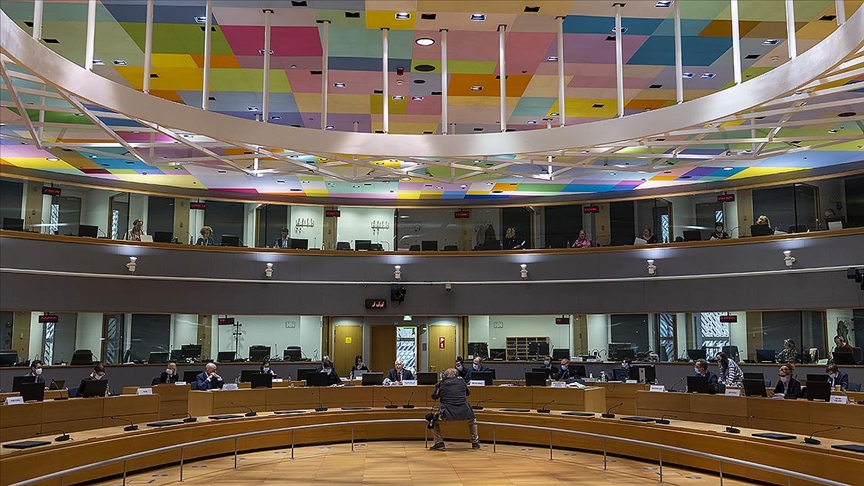
The EU foreign ministers met in Brussels, chaired by High Representative for Foreign Affairs and Security Policy Josep Borrell, to discuss global agenda items such as Ukraine, the Middle East, and Venezuela.
At the beginning of the meeting, Borrell made a joint statement to the press with Ukrainian Foreign Minister Dmytro Kuleba, announcing that €1.4 billion of Russian assets frozen under EU sanctions had been sent to Ukraine and countries supporting it militarily.
He noted that this was the first direct step taken to enhance Ukraine's defensive capabilities.
Regarding Fidan’s participation in the meeting, Borrell said it is important for Turkiye to understand the EU’s role concerning the Greek Cypriot administration in southern Cyprus, which is an EU member state.
“We believe that the best way of trying to solve the situation is by dialogue, and I thank everybody that allowed to make this decision and invite the Turkish minister,” Borrel said.
“He will have bilateral with some of the ministers, and I hope this conversation will be important, positive, to deal with the issues that we have – the European Union and some Member States – with respect to Turkiye. This is a good initiative.”
In response to a question after the meeting, Borrell noted that the timeline for Turkiye’s membership process was not discussed, stating that Turkiye is a candidate country and will remain so.
For his part, Greek Foreign Minister Giorgos Gerapetritis stated in his address that Greece supports Turkiye's progress towards EU membership.
Reactions
Turkiye welcomed the invitation positively, both at the governmental and public levels.
On the governmental side, Foreign Ministry spokesperson Oncu Keceli stated that the invitation was met with approval and regarded as “an effort for dialogue” from the EU.
In this context, Keceli said, "We hope this step will pave the way for a revision of the EU's external relations."
"We hope this step will also lead to a revision of the European Council's decisions issued on July 15, 2019, which have put our relations at an impasse. This invitation also indicates that the EU recognizes the need to develop relations with Turkiye in response to regional and global challenges.”
Keceli called for the immediate initiation of negotiations on several issues, including updating the Customs Union, advancing Turkiye’s accession process, visa liberalization, revitalizing structural dialogue mechanisms, and reactivating high-level dialogues.
He also highlighted “the need for concrete steps on key issues, such as close cooperation in politics, economics, transportation, and energy.”
An article published by the Political, Economic, and Social Research Foundation (SETA) noted that after five years, Turkiye welcomed the invitation to the EU meeting after a five-year break as a “positive” step. “It was seen as a manifestation of the EU’s search for a new dialogue.”
“However, merely recognizing Turkiye's importance in foreign policy and defense matters or deepening relations in these areas is not enough,” according to the article.
“Turkiye also expects high-level dialogue on other issues, particularly the revitalization of the accession process, the updating of the Customs Union, and the visa liberalization process. Additionally, Turkiye seeks relations that are sustainable and predictable on a rational basis.”
The article pointed out that “in recent years, some politicians in EU countries have voiced rhetoric like ‘The greatest threat to Europe comes from Turkiye,’ which has no basis in reality. In contrast to these populist narratives, Turkiye’s strategic importance for Europe's future has become more evident with each new global challenge.”
It is worth noting that former Turkish Foreign Minister Mevlut Çavusoglu attended the last meeting of this kind on February 1, 2019.
Sources
- EU invites Türkiye back: Can dialogue rekindle ties?
- OPINION - EU Foreign Ministers' meeting: Türkiye plays crucial role in European defense mechanism
- Reviving Türkiye-EU ties in everyone's interest, says Turkish foreign minister
- What does Turkiye's invitation to an informal EU foreign ministers' meeting mean? [Arabic]
- Informal meeting of EU Foreign Ministers: Press remarks by High Representative upon arrival