Gold or Politics: Who Ousted Sudan’s Central Bank Governor?
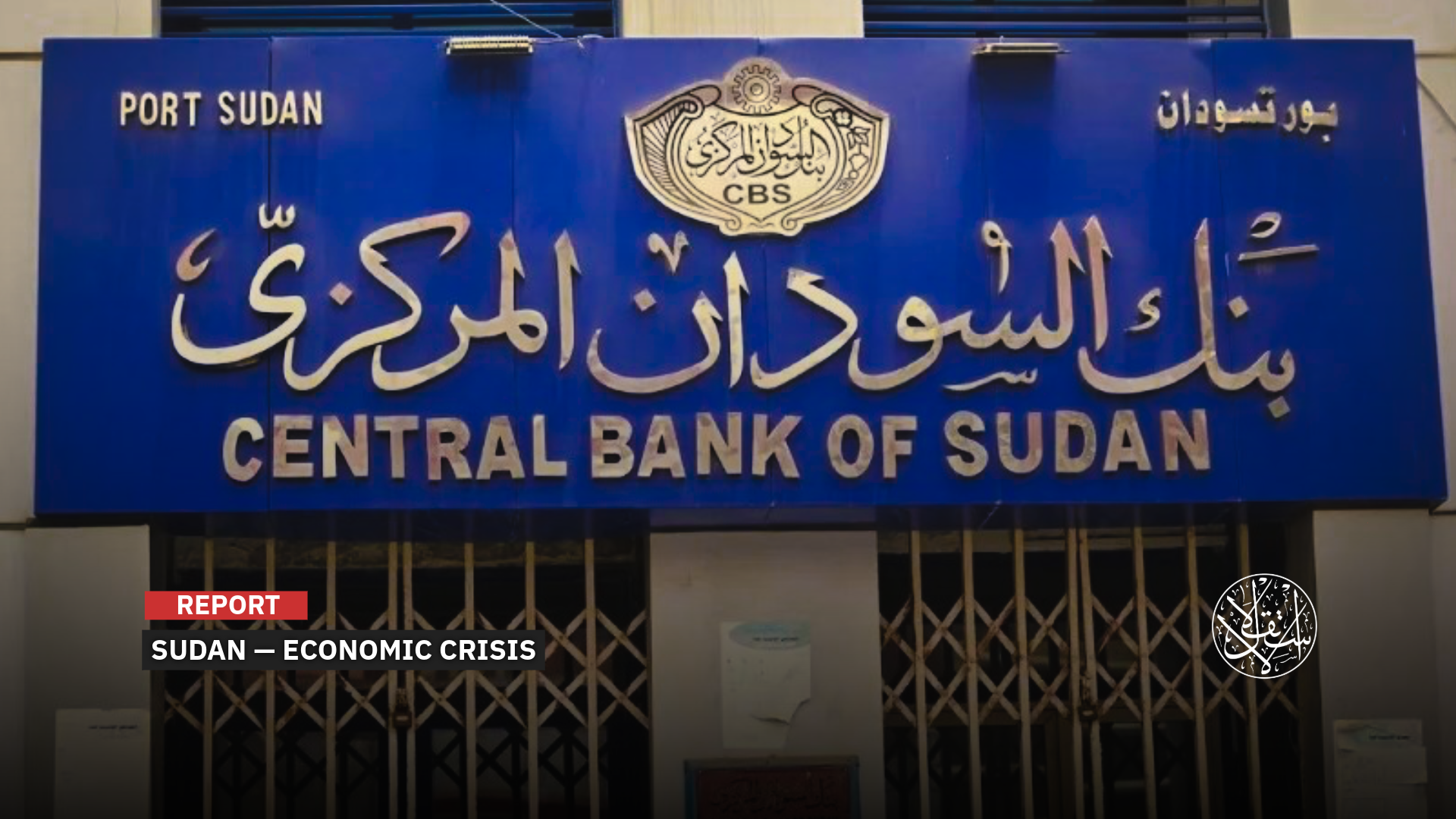
The decision comes as Sudan teeters on the brink of near-total economic collapse.
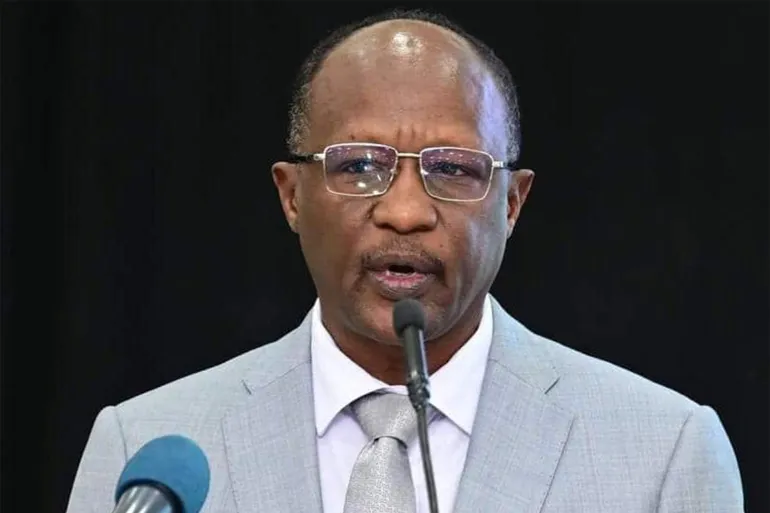
In what observers described as the boldest move since the war erupted between the Sudanese Army and the UAE-backed Rapid Support Forces (RSF) militia, Transitional Sovereign Council Chairman General Abdel Fattah al-Burhan on October 13, 2025, dismissed Central Bank Governor Buraie Siddig Ali Ahmed from his position.
He appointed Amina Mirghani Hassan al-Tom as his successor, making her the first woman in Sudan’s history to lead the Central Bank at one of the most difficult financial moments since the country’s independence.
The decision came as Sudan faces a near-total economic collapse, with the dollar trading above 2,700 Sudanese pounds on the black market and liquidity shortages paralyzing the banking sector.
It also came amid a grinding war that has entered its third year between two rival financial and economic power centers. One operates in Port Sudan, where the internationally recognized government is based, and the other in Nyala, in western Sudan, under the control of the RSF.
The dismissal of Ahmed carries significance that extends beyond financial management. It is closely tied to the country’s gold exports, which remain Sudan’s main source of hard currency, and reflects an ongoing struggle for control over this vital resource among state institutions and private companies in the midst of war and the absence of central oversight.
Internal Power Struggles
According to government and banking sources quoted by Sudanese media, tensions first surfaced during an official meeting at the Ministries Complex in Port Sudan. The meeting was chaired by Finance Minister Gibril Ibrahim and attended by the dismissed Central Bank Governor, along with representatives of the Supreme Economic Committee and several major exporters.
During the meeting, Ahmed insisted that the Central Bank must retain exclusive control over gold exports, arguing that direct export by private companies posed a threat to foreign currency stability. Company representatives, however, maintained that only a free market could curb smuggling and achieve price balance.
What followed was a silent rupture within the transitional government. The Finance Minister sided with the companies, arguing that the Central Bank’s monopoly on exports was ineffective.
The disagreement soon escalated into a public confrontation that ended with the dismissal of the governor, who had been described as “rigid in defending the Bank’s authority.”
Economic sources in Port Sudan confirmed that Burhan’s decision came after receiving reports from the Economic Committee indicating that export operations had stalled and dollar revenues had fallen by 35 percent during August and September 2025.
The decline was attributed to restrictions imposed by the Central Bank on gold sales and exports.
In a lengthy interview with Al-Jazeera on October 9, just days before his dismissal, Buraie Siddig Ali Ahmed defended his policies, saying that gold exports were conducted through advance payment, which meant that proceeds reached the banks before shipment and there was therefore no loss of revenue.
He added that the Central Bank had been developing a new mechanism for domestic gold pricing to bring local rates closer to global prices and reduce smuggling, which he said was driven by price disparities.
However, his explanation failed to convince many within the cabinet and the private sector. Critics argued that concentrating export authority in a single institution had created a bureaucratic bottleneck and eroded trust between the bank and exporters, resulting in reduced foreign currency supply and rising black-market prices.
Prominent economist Babiker al-Toum told the local newspaper al-Rakoba that Ahmed’s policy revived memories of 2018, when the Central Bank monopolized gold exports under former president Omar al-Bashir.
That experiment, he noted, ended with a surge in smuggling and a sharp decline in the country’s foreign currency reserves.
Why Gold?
Amid the recent shake-ups at the top of Sudan’s economic leadership, one question stands out: why would gold lead to the dismissal of the Central Bank governor?
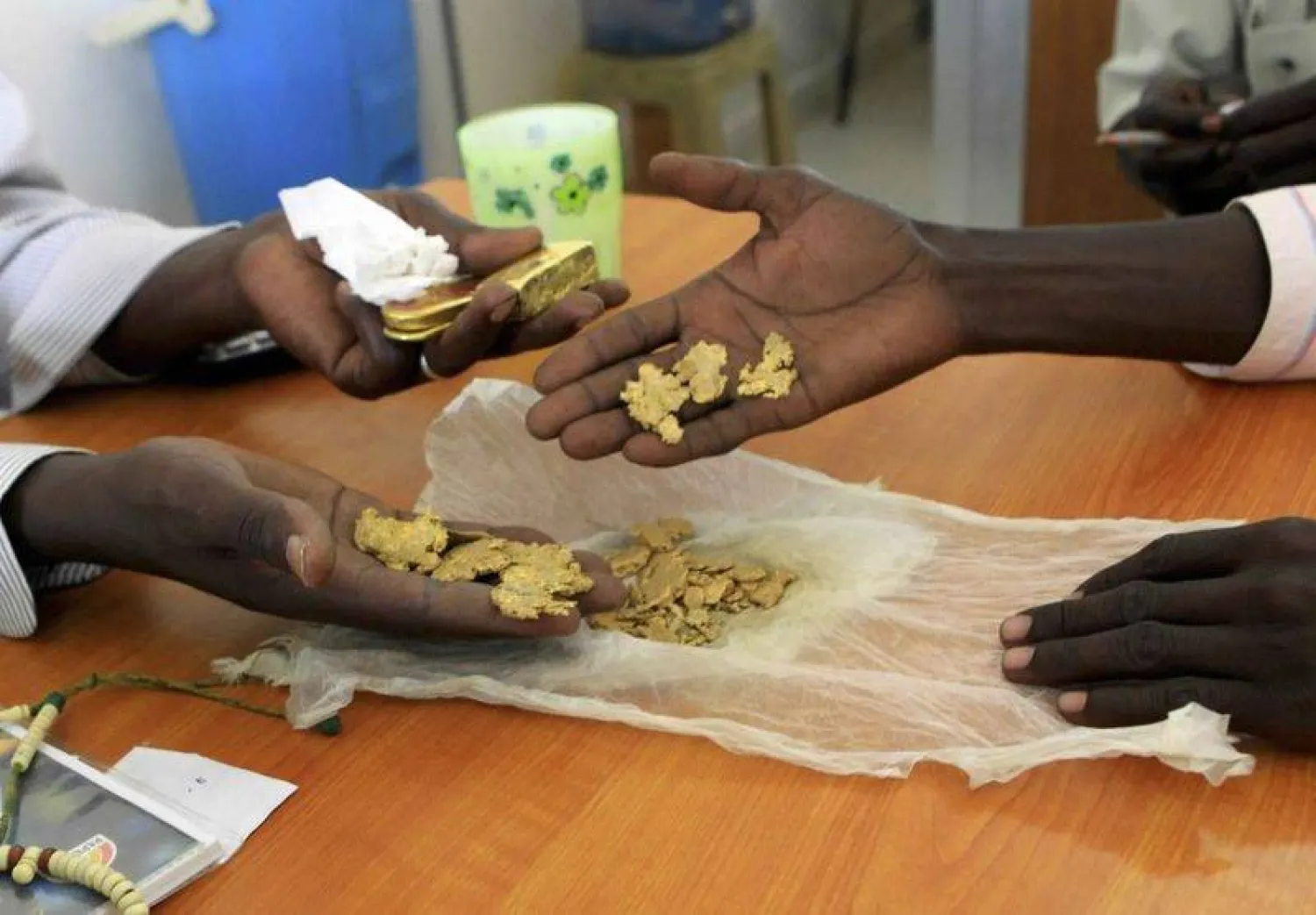
Gold has been Sudan’s main source of foreign currency since South Sudan’s secession in 2011, which cost the country more than 70 percent of its oil revenues.
Over the past decade, gold has accounted for between 40 and 60 percent of Sudan’s total exports, making it both the backbone of the economy and a source of its chronic crises.
In September 2025, the Supreme Economic Committee, chaired by Prime Minister Kamil Idris, approved a decision placing all gold export operations exclusively under the supervision of the Central Bank. The measure aimed to curb smuggling and ensure that revenues flowed into the state treasury.
The dismissed governor supported the move, but it faced fierce opposition from the Gold Exporters’ Union, which described the decision as disastrous.
The union argued that such a policy would worsen smuggling rather than reduce it, since producers would be driven to sell gold outside official channels to avoid the low prices set by the Central Bank.
At the time, the head of the union, Abdel Moneim al-Siddiq, declared that this policy had failed under former president Omar al-Bashir and former prime minister Abdalla Hamdok and would fail again, adding that monopolizing exports only serves corruption and bureaucracy.
The sequence of events suggests that the governor’s removal was not merely the result of an administrative dispute but part of a broader political and economic struggle within the transitional government between two competing camps.
The first camp, represented by Buraie Siddig Ali Ahmed and some security officials, believes that keeping gold exports under the Central Bank’s control is the only way to regulate financial flows and prevent the funding of militias.
The second camp, led by Finance Minister Gibril Ibrahim, advocates for market liberalization and a greater role for the private sector in exports as a means to attract hard currency.
Caught between these two positions, Burhan faced a difficult balance: how to maintain control over the state’s resources without suffocating the market.
Sources within the Ministry of Finance say that Burhan chose to sacrifice the governor to ease public and economic pressure, especially after reports showed that gold revenues had fallen by more than 300 million dollars in the third quarter of 2025 compared with the same period in 2024.
Reports from the Sudanese Mineral Resources Company indicated that gold production between January and September 2025 reached 53 tons, generating total revenues of 699 billion Sudanese pounds, or about 909 million dollars, with 33 billion pounds allocated to local community development.
Behind these figures lies a troubling reality. Unofficial estimates suggest that about half of Sudan’s annual gold output is smuggled abroad through illegal routes, mainly to the United Arab Emirates, Chad, and Egypt. This means that roughly half of the country’s mineral wealth never passes through its official financial institutions.
The Economy of War
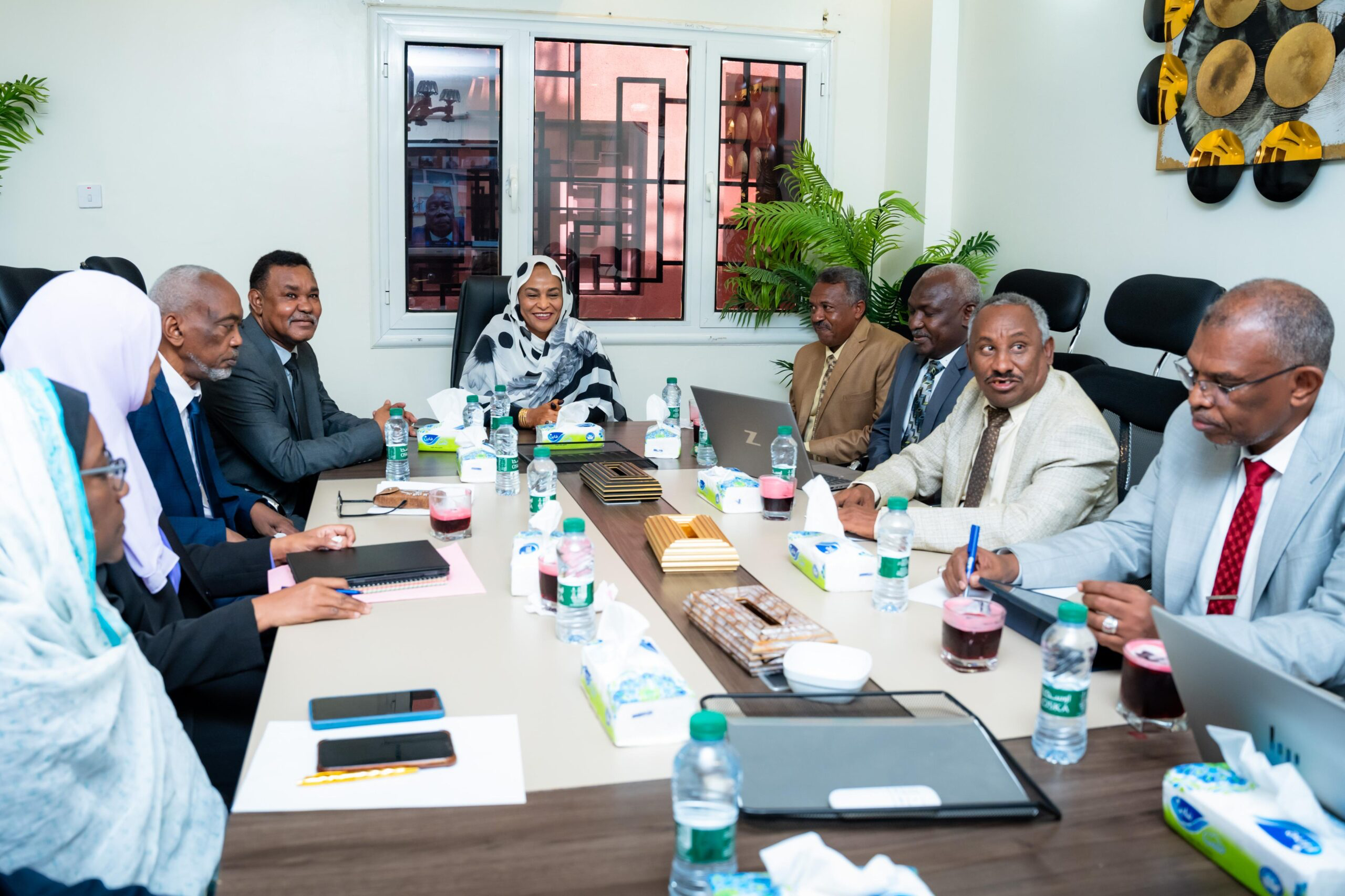
The new Central Bank governor, Amina Mirghani Hassan al-Tom, steps into office at the heart of a complex economic crisis marked by soaring inflation, severe cash shortages, and an unprecedented collapse in the value of the national currency.
Al-Tom, who graduated with honors in economics from the University of Khartoum, holds a master’s degree in accounting and finance from the University of Gezira. She also possesses professional management certifications from the United Kingdom and the United States, along with extensive executive experience within the Central Bank itself. In 2019, she served as Director General of Financial Markets, the department responsible for managing foreign currency operations.
She later moved to head the Export Development Group within the Defense Industries System before becoming Director General of the Sudan Currency Printing Company.
Analysts say her appointment was not merely a technical decision but also a political message from Burhan, both domestically and internationally, signaling the government’s willingness to introduce new leadership and its confidence that the Port Sudan administration can recalibrate the economy despite the ongoing war.
Economists widely agree that the war between the Sudanese Army and the Rapid Support Forces has made monetary policy management in Sudan almost impossible.
The banking system is now geographically divided between the eastern and northern states under army control and the regions of Khartoum and Darfur under RSF authority. As a result, Central Bank decisions issued in Port Sudan are not effectively implemented across nearly half the country.
According to local reports, more than 70 percent of Sudanese banks have relocated their operations to safer states, while the rest have either shut down or operate at limited capacity.
With much of the telecommunications and internet infrastructure cut off in war zones, bank transfers have become nearly impossible, forcing people to rely on cash or manual transactions.
In this environment, policies such as export restrictions or domestic gold pricing lose their practical relevance, since the Sudanese economy itself now operates through two distinct systems: a fragile official economy centered in Port Sudan and a parallel economy in Nyala and Darfur controlled by networks of gold and arms traders.
A Bank Without Tools
Sudanese political analyst Dr. Ibrahim Abdel Ati told Al-Estiklal that the Central Bank of Sudan no longer possesses the regulatory tools or infrastructure needed to manage the gold sector in a professional and transparent manner.
“Powerful beneficiaries within certain security agencies and private companies stand in the way of any genuine reform,” he said.
“For this reason, replacing individuals alone is not enough, and the recent dismissal will change little unless the smuggling networks protected by intertwined political and economic interests are dismantled.
“The gold crisis is only one manifestation of the broader liquidity paralysis that has burdened ordinary citizens since early 2025,” Abdel Ati added.
“Individuals are allowed to withdraw no more than 200,000 Sudanese pounds a day, about 74 U.S. dollars, even if they hold larger balances; the long queues in front of banks in northern and eastern Sudan have become a painful daily scene.”
“The problem worsened after the partial currency change in December 2024, which abolished the 500-pound note and introduced a 1,000-pound denomination. Printing costs, estimated by the Ministry of Finance at 70 million dollars, limited the number of new notes in circulation, creating a cash squeeze instead of easing it,” he said.
According to Abdel Ati, the decision to change the currency was driven more by political motives than by sound economic planning.
He explained that the clear intention was to weaken the Rapid Support Forces economically by restricting the circulation of the new currency to areas under army control. The outcome, however, was widespread paralysis in the markets.
“People were forced to rely on electronic transfers, while traders imposed extra fees, citing cash shortages. This triggered a spiral of sharp inflation, eroded purchasing power, and brought many commercial activities to a halt,” Abdel Ati stated.
He pointed out that the collapse of the Sudanese pound reflects the broader state of chaos. The dollar trades between 2,660 and 2,700 pounds on the black market, compared with about 2,020 at the Bank of Khartoum. This wide gap, he said, shows that the parallel market, not official institutions, drives the economy.
Speaking firmly, he said that any talk of currency stability without ending the war is pure illusion. The analyst argued that the trade balance requires emergency financing of at least two billion dollars within six months to secure food, fuel, and medicine. With many agricultural and industrial projects now out of operation, reliance on gold and smuggling has become nearly absolute.
Abdel Aati concluded by stressing that the new governor’s ability to make a real impact is extremely limited in the context of a war economy, regardless of her competence or strength.
He emphasized that the absence of control over the country’s economic geography, the persistence of smuggling, and the deep mistrust between the state and the private sector have left the Central Bank incapable of managing monetary policy.
“What is needed before changing individuals is to dismantle the war economy built on vested interests, unify the market, and restore the rule of law over gold production,” according to Abdel Ati.
Only then, he said, can Sudan begin to talk seriously about stabilizing the pound and resolving the liquidity crisis.
Sources
- Central Bank Governor Dismissed, Amina al-Tom Appointed as Successor [Arabic]
- Sudan: CBoS Governor Meets Directors of General Directorates and Branches
- Sudanese Gold Exports Lead to Central Bank Governor’s Dismissal [Arabic]
- Who Is Amina Mirghani al-Tom, the First Woman to Lead Sudan’s Central Bank: Biography [Arabic]
- Sudan Faces Unprecedented Cash Shortage as Citizens Express Frustration [Arabic]
- Sudan’s Central Bank Governor Talks to Al Jazeera Net About the Future of the Pound and the Gold Sector [Arabic]