From Mediation to Security Partnership: How Oman’s Stance on the Yemen Crisis Has Changed
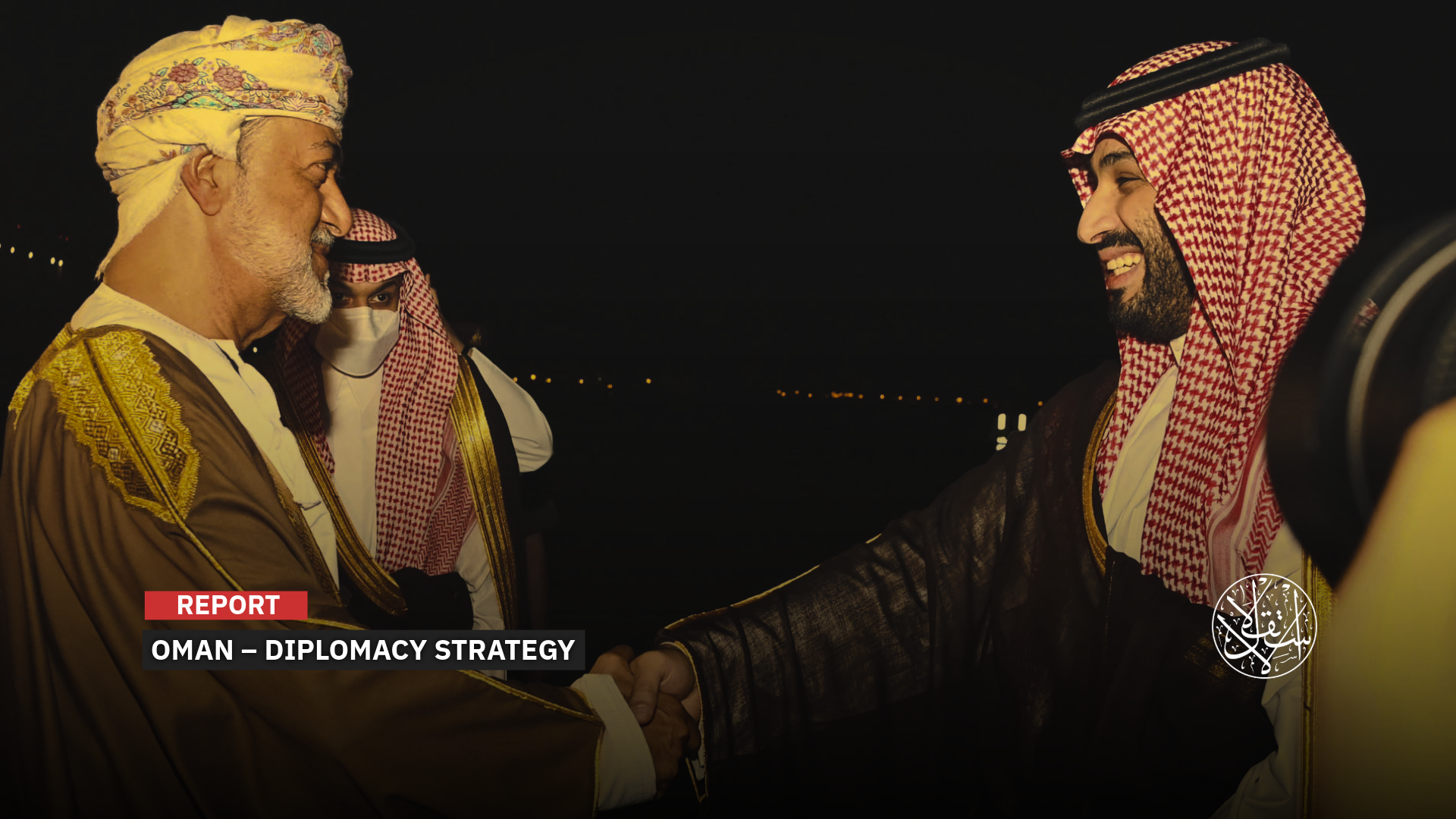
“While Oman’s security concerns align with Saudi Arabia, Muscat is also economically linked to the UAE.”
The Saudi-Emirati crisis in Yemen is no longer a mere passing tactical disagreement between two former allies. Within a few weeks, it has transformed into a political and security storm that is redrawing the map of influence within the Gulf and along the shores of the Arabian Sea.
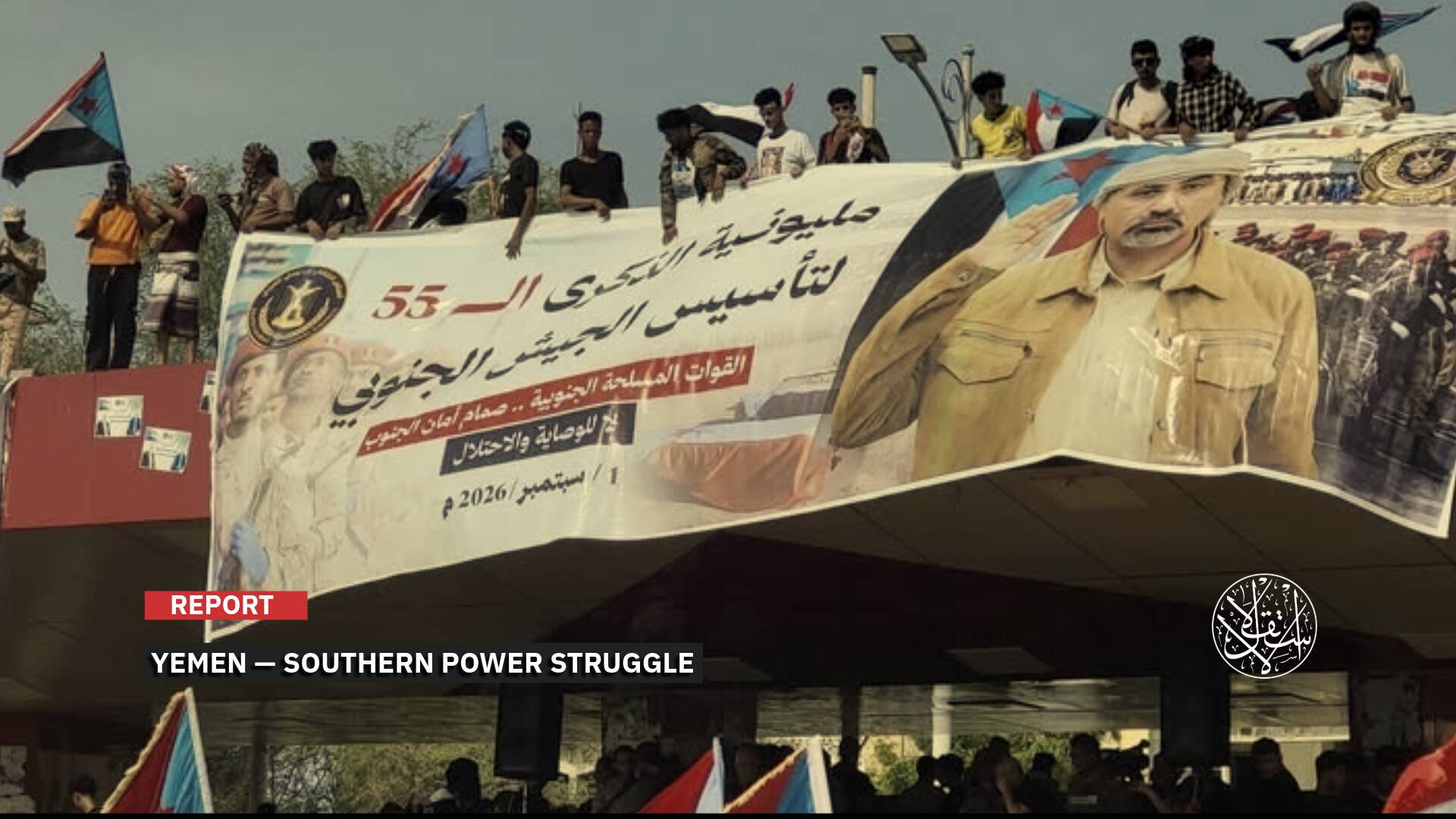
After years of managing the rivalry between Riyadh and Abu Dhabi under the umbrella of their 2015 partnership, the dispute erupted into the open with the expansion of the UAE-backed Southern Transitional Council’s influence in southern Yemen and its extension into eastern Yemeni governorates near the Omani border.
At this moment, Muscat, known for decades for its diplomacy of mediation and neutrality, has emerged as a silent partner of Riyadh, in an unprecedented shift in its regional behavior.
Cumulative Threats
According to a report by the British website Middle East Eye, published on January 9, 2026, intelligence was shared and tacit cooperation took place between Oman and Saudi Arabia in strikes targeting the UAE-backed Southern Transitional Council (STC) in Al-Mahra Governorate in late December 2025 and early January 2026.
This Omani shift cannot be understood in isolation from the broader context. Saudi Arabia, which had supported the Yemeni Presidential Leadership Council, has in recent weeks entered into direct confrontation with the STC, amid accusations that Abu Dhabi facilitated the escape of STC leader Aidarus al-Zoubaidi from Aden to the UAE via Somaliland and then Mogadishu.
Amid this escalation, international reports indicate that Saudi Arabia has begun translating its battlefield gains into political and developmental influence in southern Yemen, through pledges of financial support and a repositioning in areas that, until recently, were considered within the UAE's sphere of influence.
Oman has consistently presented itself as a mediator, not a party to the conflict. Its recent history is replete with behind-the-scenes roles in highly sensitive issues, from facilitating US-Iranian communication channels to managing parallel lines of communication with both the Houthis and the Gulf states simultaneously.
Muscat played a mediating role to contain a potential escalation between Washington and the Houthis in May 2025, according to an official Omani statement and Reuters reports.
However, 2025–2026 marked a pivotal moment, as the Yemeni crisis transformed from a distant issue into a direct threat bordering Oman.
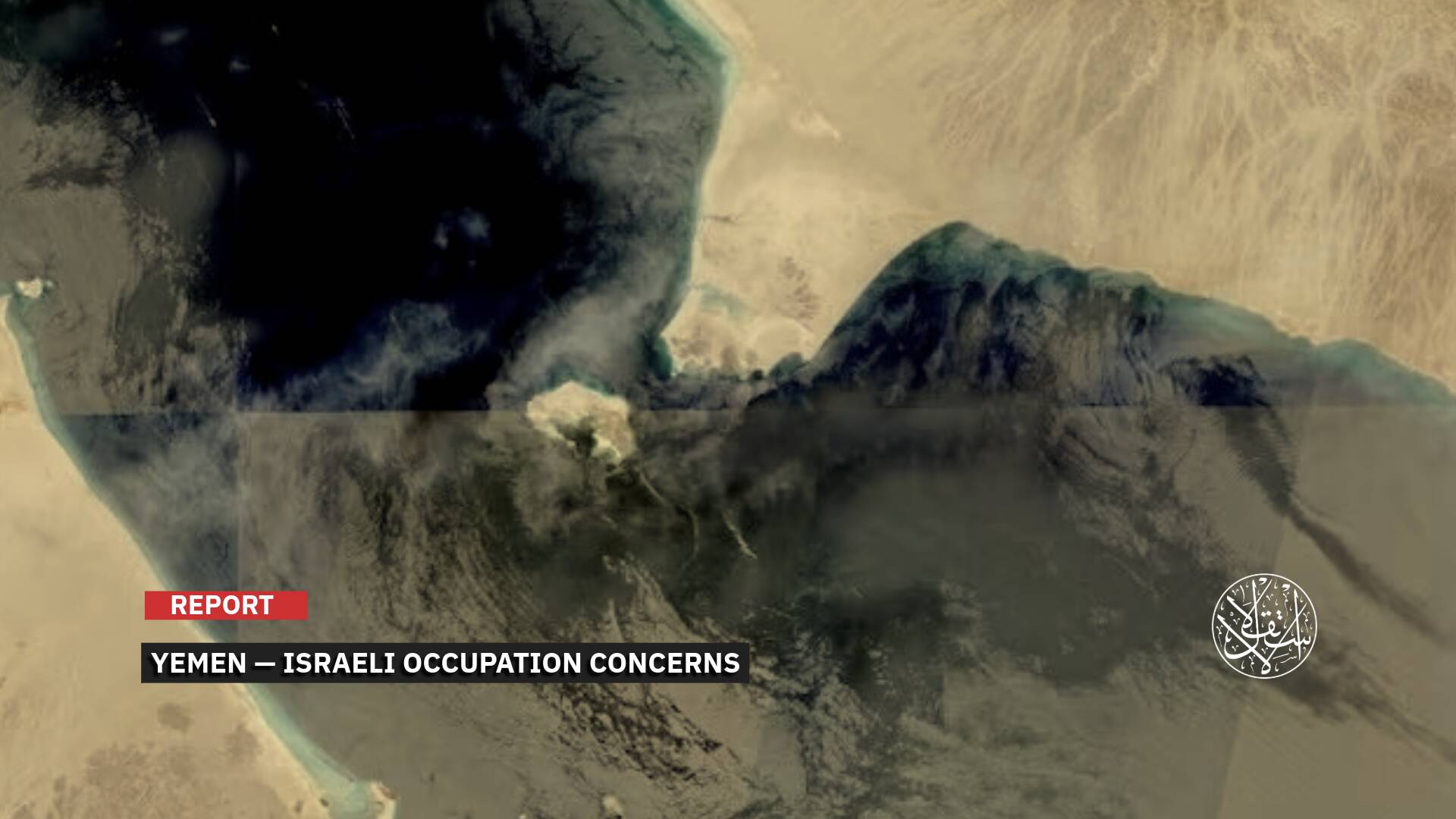
Al-Mahra Governorate is not merely a peripheral area in eastern Yemen; it represents the closest geographical and tribal extension to Oman and a highly sensitive crossing point for any shift in the balance of power near the border fence.
In this context, the military advance of a UAE-backed separatist force toward eastern Yemen appeared to be an encroachment on Muscat's natural sphere of influence, a breach of the safe distance Oman had maintained for decades.
A Middle East Eye report, citing diplomatic sources, stated that Muscat shared intelligence with Riyadh and cooperated covertly in strikes against the Southern Transitional Council (STC) in al-Mahra, after viewing its eastward advance as a direct threat to its national security.
In such a context, neutrality becomes a political luxury, especially when military expansion becomes a scenario that touches the borders and threatens to redraw the map of influence in a highly sensitive tribal environment.
But Oman’s concerns about Abu Dhabi are not limited to Yemen alone. In January 2011, the Sultanate announced the discovery of a spy network linked to the UAE’s State Security apparatus, which targeted the ruling regime and the mechanisms of the government and the army, according to Reuters, citing Omani sources.
Although the issue was later contained diplomatically, it left a profound mark on Muscat’s perception of invisible threats and building networks of influence within societies.
Since then, the concept of soft security has become an integral part of Oman's strategic calculations when dealing with its wealthier and more influential neighbors.
Therefore, the UAE's support for a separatist project approaching the borders of Al-Mahra is not viewed in Muscat as an isolated event, but rather as part of a cumulative pattern of expansionist and influential attempts.
This sensitivity is further complicated by geoeconomic factors; Oman has close trade and business ties with the UAE, particularly Dubai, making any direct confrontation costly.
However, the transformation of the threat into a matter of sovereignty and borders makes containment a more realistic option than traditional mediation.
Red Lines
Al-Mahra is a politically stable governorate compared to Aden, Taiz, and Sana'a, but it lies on the edge of the Arabian Sea and the Empty Quarter, effectively bordering Oman's security and trade sphere.
Historically, Muscat has built structured economic ties with this border region, including the establishment of the Al Mazunah Free Zone in Dhofar Governorate in 1999 to bolster cross-border trade, according to official Omani data.
These ties are not merely economic; they constitute a soft power structure that grants Oman significant influence in its border region and makes Al-Mahra a balancing act that cannot tolerate the entry of armed actors with regional weight.
From this perspective, the possibility of a UAE-backed separatist force seizing control of a sea outlet or a coastal strip near the Omani border is considered, in Muscat's strategic calculations, as opening the door to a permanent Emirati foothold on the shores of the Arabian Sea.
Therefore, with the increasing signs of secession or attempts to impose new realities similar to the Somaliland model, Oman has leaned towards a logic of prevention rather than balance, and has offered support to the Saudi move as a first line of defense.
On December 30, 2025, the Guardian reported that Saudi Arabia, by virtue of its long border with Yemen, traditionally views the disintegration of the country or the expansion of separatist forces’ influence as a direct threat to its security, especially when coupled with the encroachment of a rival regional power like the UAE in the south.
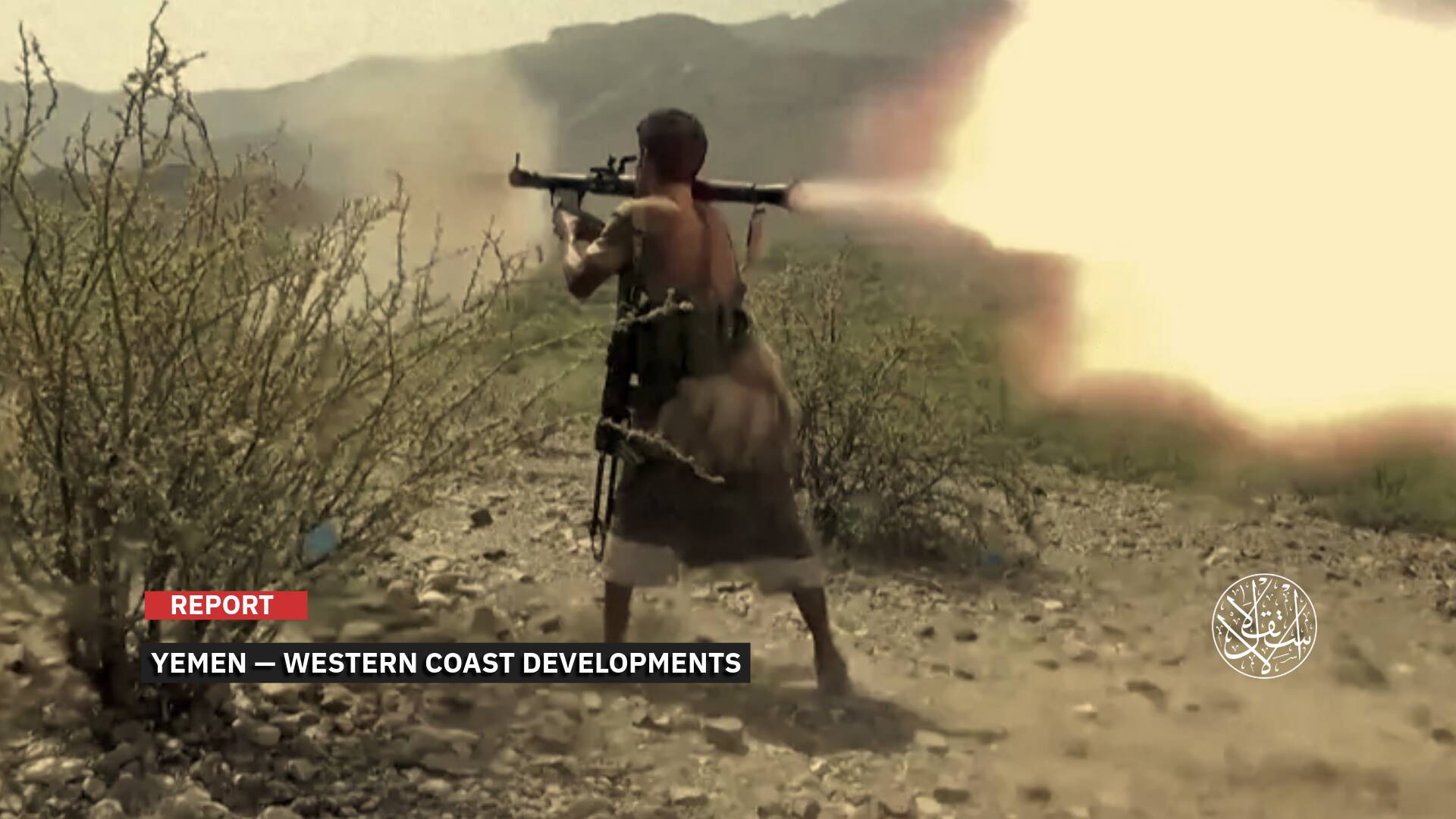
As the STC advanced toward Hadramawt and Al-Mahra, Riyadh formulated a military and political response, consisting of airstrikes and ground operations that reshuffled the cards.
According to the newspaper, this Saudi intervention provided Oman with an ideal opportunity to distance itself from the threat on its borders by leveraging a larger force at the forefront, without Muscat appearing at the forefront of the conflict or jeopardizing its mediation efforts, which it still needs in other matters.
Therefore, Oman's approach was closer to silent participation than to rhetorical alignment. Muscat maintained an official language calling for understanding, peace, and good neighborliness, while coordination channels with Riyadh operated discreetly.

Separatist Illusions
The Guardian adds that the STC's eastward expansion represented a moment of momentum, while Aidarus al-Zoubaidi's flight constituted a moment of retreat.
His departure from Aden to Abu Dhabi via complex routes was not merely a personal incident, but rather an indication of internal division and the exposure of regional support.
This symbolic end to the rapid independence project held two implications for Oman: The first point is that any power approaching its borders can be contained if there is a decisive Saudi will.
The second point is that it revealed the limits of the UAE’s ability to protect its proxies when the project turns into a diplomatic burden that threatens to ignite a wider Gulf confrontation.
In this context, political analyst Hussein Atwi told Al-Estiklal that the shift in the positions of countries like Oman and Kuwait cannot be separated from the nature of the Emirati project itself, which has transcended the boundaries of influence in conflict zones and now poses a direct threat to the Gulf Cooperation Council system.
“Abu Dhabi is no longer content with managing conflicts by proxy, but has moved to a logic of dismantling and building networks of influence that undermine the stability of neighboring countries from within,” he added.
He pointed out that this behavior is no longer amenable to diplomatic containment, emphasizing that the Emirati expansion has been characterized by unprecedented boldness and ferocity, through supporting separatist projects, security breaches, and employing both soft and hard pressure tactics simultaneously.
He concluded by saying, “This reality has prompted countries that previously preferred a mediating role, such as Oman and Kuwait, to fundamentally reconsider their positions.”
He estimated that aligning with Saudi Arabia is no longer a political choice, but a security necessity, and that Riyadh has become the last line of defense against a project that threatens not only conflict zones but also the internal structure of the Gulf itself.
Sources
- How Oman went from mediator to silent Saudi partner in Yemen fight
- Saudi Arabia says UAE helped Yemeni separatist leader flee as crisis deepens
- Oman says foreign minister met Saudi counterpart to discuss Yemen
- The Sultanate of Oman’s foreign policy towards the Gulf Cooperation Council (GCC) countries 2011-2018 [Arabic]