France Struggles to Reassert Influence in Libya Amid Political Deadlock and Failed Paris Talks
“Paris now seems to be just a minor player.”
France is still struggling to maintain a foothold in Africa, particularly in Libya, as UN and international efforts continue to find a solution to the country’s ongoing internal crisis.
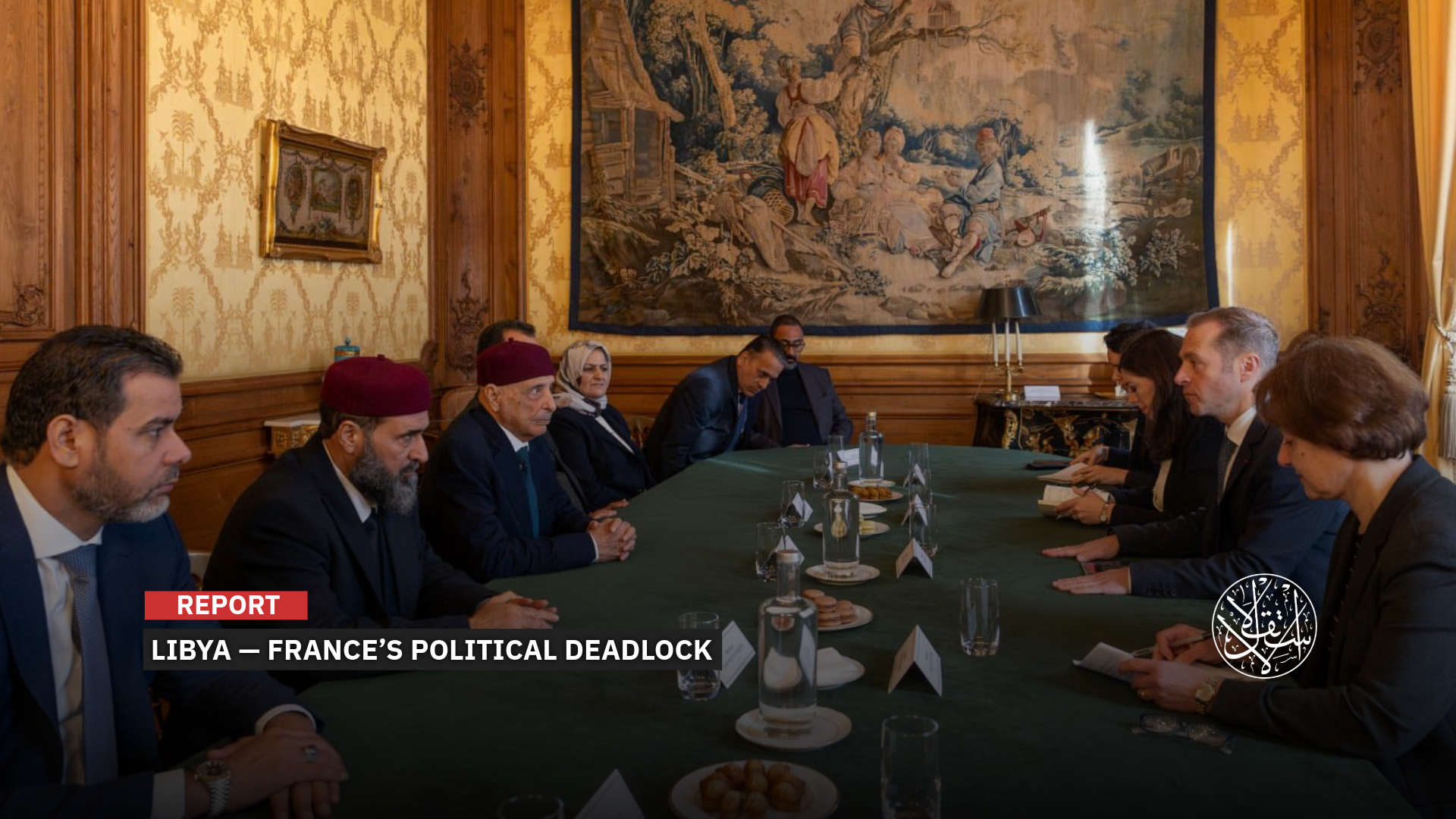
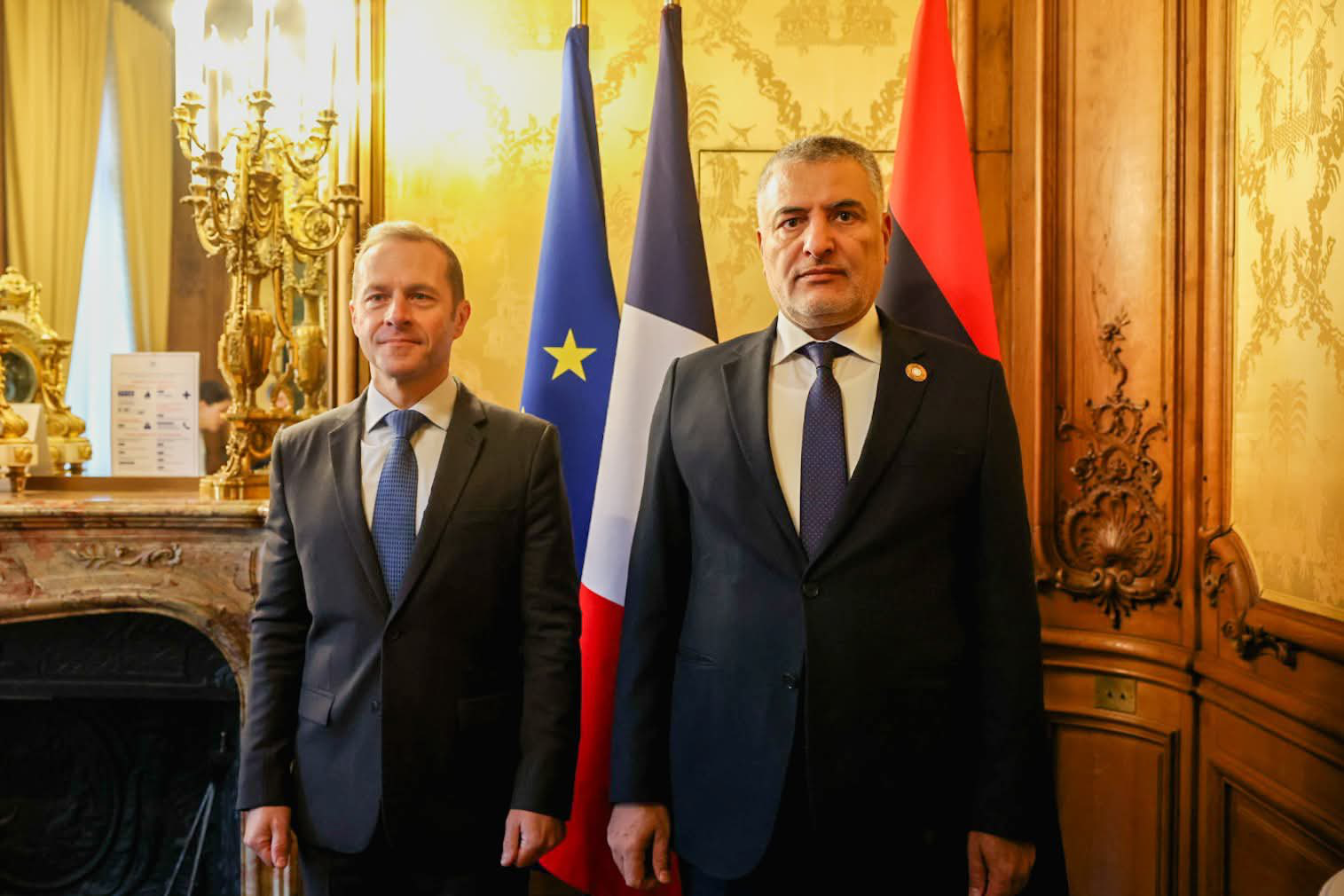
In Paris, French President Emmanuel Macron’s special envoy, Paul Soler, met with Mohamed Takala, head of Libya’s High Council of State, at the Elysee Palace to discuss the political landscape and the council’s vision for a comprehensive, consensus-driven path to end the nation’s persistent divisions.
New Meetings
According to Libyan media outlet Libya Alahrar on 17 December 2025, Takala stressed the need to support elections within a constitutional and legally agreed framework, highlighting pressing security challenges, the extension of state authority, and urgent economic reforms to ensure fair resource distribution.
Takala also toured the Institut du Monde Arabe in Paris, meeting its president, Jack Lang, to explore ways to bolster cultural cooperation and promote the Arabic language and heritage.
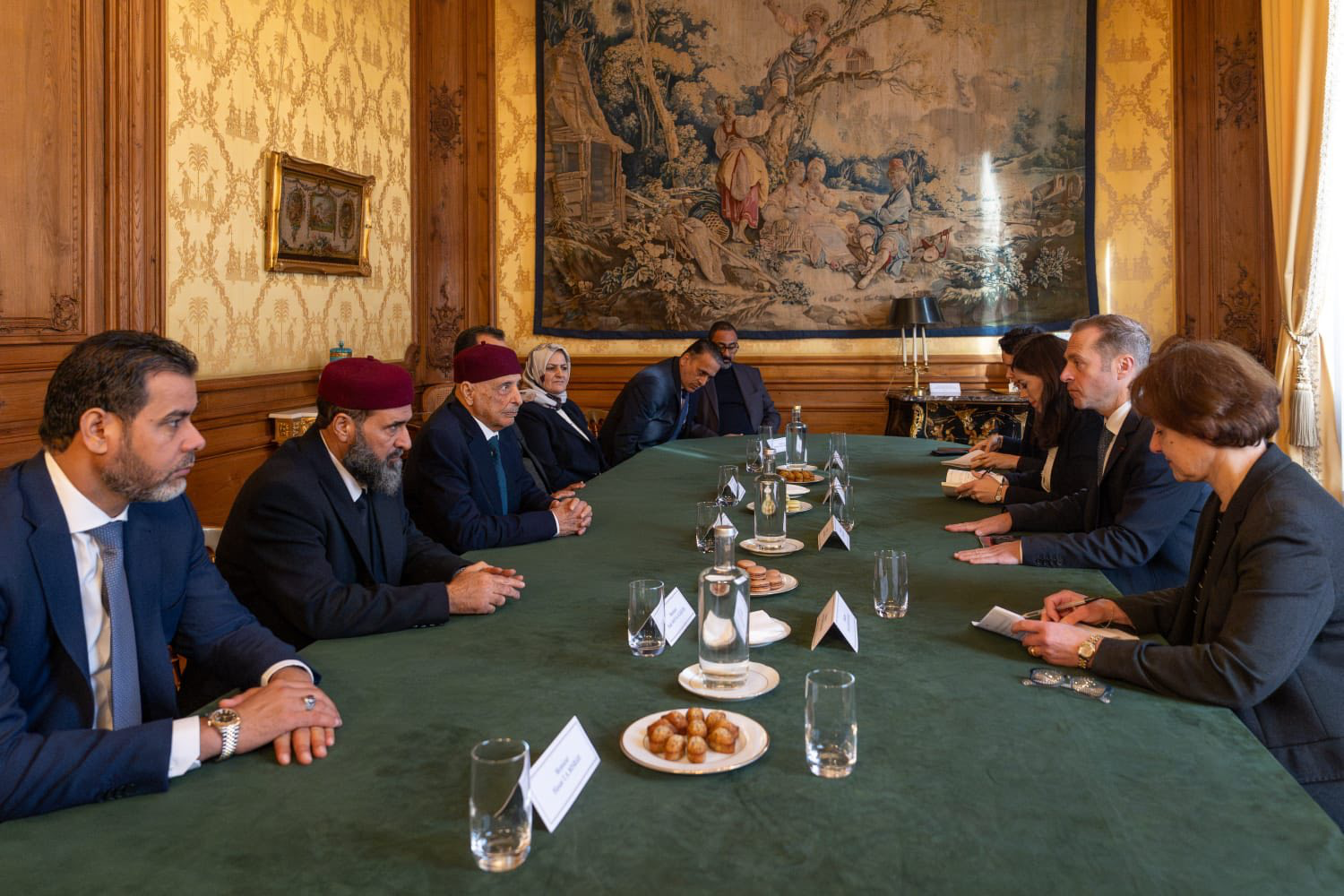
Meanwhile, Soler met with the Libyan House of Representatives speaker, Aguila Saleh, reiterating France’s support for the parliament and its efforts to organize simultaneous presidential and parliamentary elections. Abdullah Blaiheq, the parliament spokesperson, said Soler described the elections as “a crucial step to end the transitional phase,” praising the outcomes of the 6+6 committee—six members each from the House and the High Council—as a key consensus-building measure for drafting electoral laws.
The French embassy in Libya hailed the visits of Saleh and Takala to Paris as “productive,” underscoring France’s continued attempts to assert influence in a country where its role has grown increasingly constrained.
The French embassy noted that the meetings included constructive discussions with French National Assembly President Yael Braun-Pivet and Senate President Gerard Larcher, alongside envoy Paul Soler.
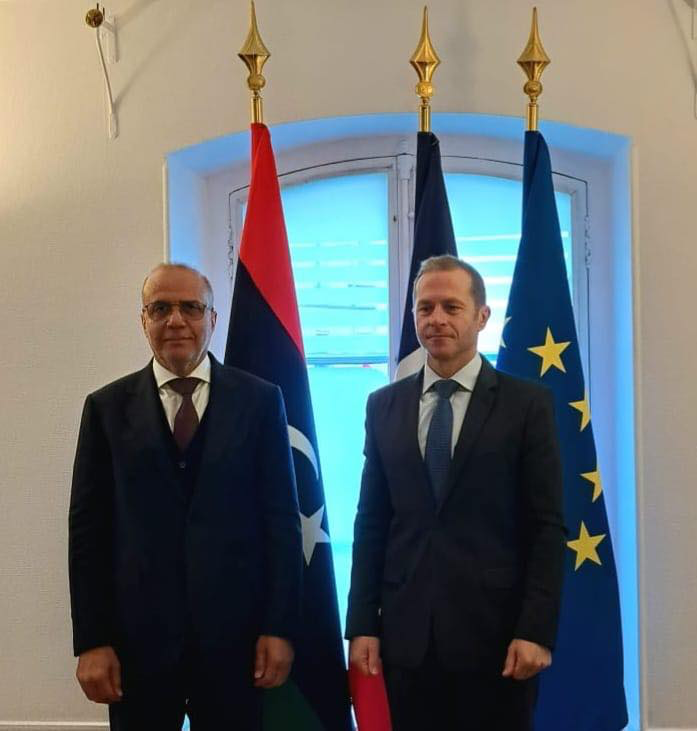
The embassy also reported that on 17 December 2025, Soler received Libyan Presidential Council Vice President Abdullah al-Lafi in Paris.
The discussions underscored the shared commitment to a Libyan-led political process that serves the Libyan people and culminates in presidential and parliamentary elections, carried out with UN facilitation and international support.
Since the fall of Muammar Gaddafi’s regime in 2011, Libya has been mired in deep divisions, producing competing institutions: the High Council of State and a UN-recognized government in Tripoli, and the House of Representatives with a parallel government loyal to the coup leader Khalifa Haftar in the east.
Lost Influence
Analyzing these moves, political analyst Ibrahim Assifar said the French step “cannot be described as a rational diplomatic initiative, despite Paris portraying it that way.”
“It is an open attempt to recycle lost influence, stained by years of misjudgments and failed strategic choices that reveal a profound ignorance of Libya’s complex, multi-layered political landscape,” he told Al-Estiklal.
“Since 2011, Paris has acted as a power seeking dominance, not as a state upholding its ethical and political responsibilities, and every post-revolution moment in Libya showed it was at best a confused player, or at worst, a party fueling divisions.”
Assifar pointed to Paris’s political, military, and intelligence support for Khalifa Haftar, saying it was not motivated by faith in a state project but by narrow ambitions for personal influence and economic and security calculations, extending a reach already eroding in the African Sahel.
“The appearance of U.S.-made Javelin missiles in Gharyan in 2019 was no accident,” he noted. “It was a stark indication that France was part of the war, supplying one side illegally while claiming to pursue a political settlement.”
He stressed that “no power can credibly present itself as a neutral mediator after such clear biases.”
Assifar also highlighted France’s longstanding economic ambitions in Libya: expanding Total’s influence at the expense of Italy’s Eni, reclaiming losses in the African Sahel, and accessing rich oil fields such as Ghadames through top-down arrangements imposed on the local scene, bypassing legitimate agreements.
“The Paris meetings are not a step toward a solution but an effort to reassert a foothold before the door closes for good, exposing a structural problem in French strategic thinking: insisting on managing the Libyan crisis as if it were a French sphere of influence, ignoring a complex society that cannot be engineered from outside,” the analyst said.
Failed Talks
Despite French efforts, Paris was unable to bring together Aguila Saleh and Mohamed Takala for a joint meeting, even after preparations had reached an advanced stage.
Abdullah Alkabir, a member of the State Council, told Libya24 on 18 December 2025 that arrangements had been underway and a venue was set in Paris, reflecting an initial desire to bring both sides to the table to address several pending political issues.
Alkabir explained that the meeting was canceled at the last minute, with no official explanation provided, and Saleh left France without meeting Takala. He added that there is currently no confirmed plan to reschedule the meeting.
“The situation remains unclear,” Alkabir said, noting that while the international community, including France, shows interest in supporting initiatives to reconcile Libyan factions, success depends on genuine political will from local actors.
He described the Paris meeting failure as a new indicator of the challenges facing political consensus in Libya, leaving the door open for future efforts to revive dialogue between the rival institutions.
Meanwhile, Abdul Nasser al-Naas, a member of the eastern House of Representatives, attributed the breakdown to ongoing political disputes and mounting regional pressures, urging both sides to prioritize national interest and compromise to ensure successful presidential and parliamentary elections.
Ahmed Hmouma, a member of the High Council of State, placed responsibility on Saleh, saying his refusal to meet Takala in Paris confirms that disagreements persist. He added that continued communication, even indirectly, could open the door to new understandings if political will emerges.
Hmouma also noted that the simultaneous visit of both sides to France was not a mere coincidence but part of efforts to push the councils toward overcoming deadlock and resuming work on their required mandates. He argued the current stage demands the highest level of responsibility from both councils to complete remaining tasks and move toward the long-awaited elections.
He concluded that Libya can no longer endure further delays, and even limited rapprochement between the councils could help revive the political process and guide it toward ending the repeated transitional phases.
The French Horizon
The failed meeting between Takala and Saleh does not mark the end of France’s role in Libya. Political analyst Ibrahim Assifar said if Paris wants to reclaim a respected position in this or any other African issue, it must first conduct a thorough review of its conduct.
“The starting point is acknowledging that backing Khalifa Haftar was a strategic mistake and that managing Libya through the lens of oil companies rather than state responsibility led to a loss of influence,” he told Al-Estiklal.
“Despite French efforts, Paris today looks like a minor player, scrambling to catch up, while Washington controls the levers of the game—sanctions, Libyan financial institutions, the oil sector, Security Council decisions, and regional power balances.”
He noted that France faces a clear choice: continue its old approach of supporting select factions and exploiting oil fields without respecting Libyan sovereignty and risk total exclusion, or rebuild a new relationship with Libya based on transparency, acknowledgment of past mistakes, and treating all Libyans as partners, not tools.
“It is time for Paris to understand that Libya is not a stage to restore lost prestige, and the era of imposing paths from Paris is over.”
“If France wants a credible role in the future, it must stop treating Libya as a sphere of influence and start engaging with it as a sovereign state reclaiming its authority,” Assifar concluded.
Structured Dialogue
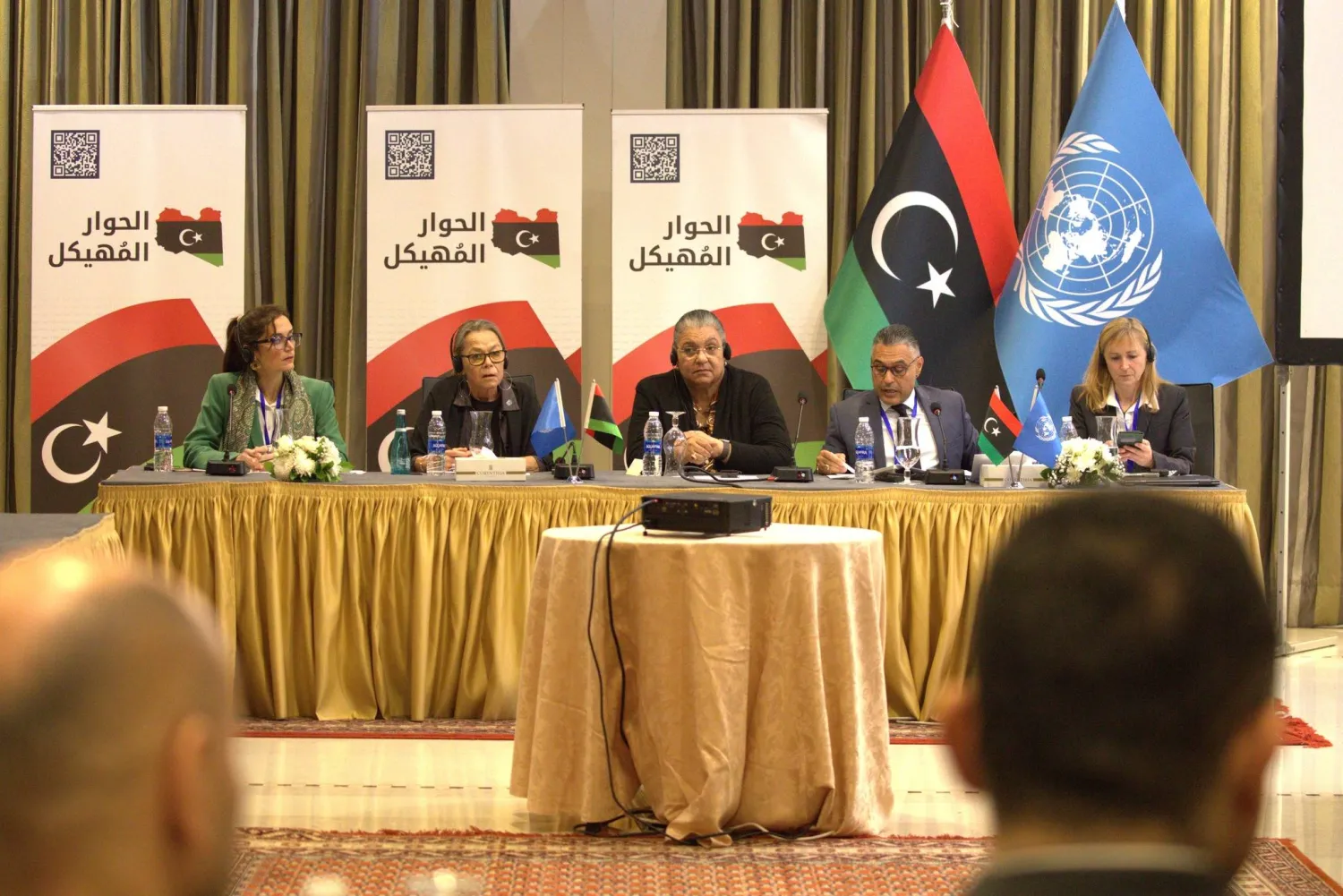
The visits of Takala and Saleh to Paris coincided with the first general consultation sessions of the UN mission on structured dialogue on December 14, 2025.
UN mission head Hanna Tetteh emphasized that unifying Libya’s core institutions is essential to ending the country’s crisis. She stressed the need for a unified government tied to a clear timeline and a single central bank to manage financial resources effectively.
According to local site Aljamahiria, Tetteh said election readiness is a key part of government-building, with transparent and credible polls necessary to reinforce institutional legitimacy.
She outlined priorities including defining the powers and timelines of the incoming government, selecting an executive branch transparently before implementing development programs, and creating a reform agenda focused on governance, limiting interference by armed groups and political actors in economic institutions, and strengthening oversight.
Tetteh also stressed the need for unified, transparent financial management; greater transparency in the oil sector to ensure stable production and revenue flows; and disarmament and reintegration of armed groups, alongside building a unified army and security sector under a legitimate executive, as well as election security and pre-election commitments from all actors, including armed formations.
Sources
- Aguila and Takala in Paris Discuss Key Files at the Elysee [Arabic]
- UN Mission: Unified Institutions and a Single Government Key to Resolving the Crisis [Arabic]
- Failed Attempt to Hold Meeting Between Aguila Saleh and Takala in Paris [Arabic]
- Al-Naas: Failure to Hold Saleh-Takala Meeting Due to Political Disputes and Regional Pressure [Arabic]
- Hmouma: Saleh and Takala’s Concurrent France Visits Send International Pressure Signal, Meeting Cancellation Threatens Election Process [Arabic]