Rapid Collapses in Israeli Occupation Militias in Gaza as Resistance Prepares for Decisive Moves: How?
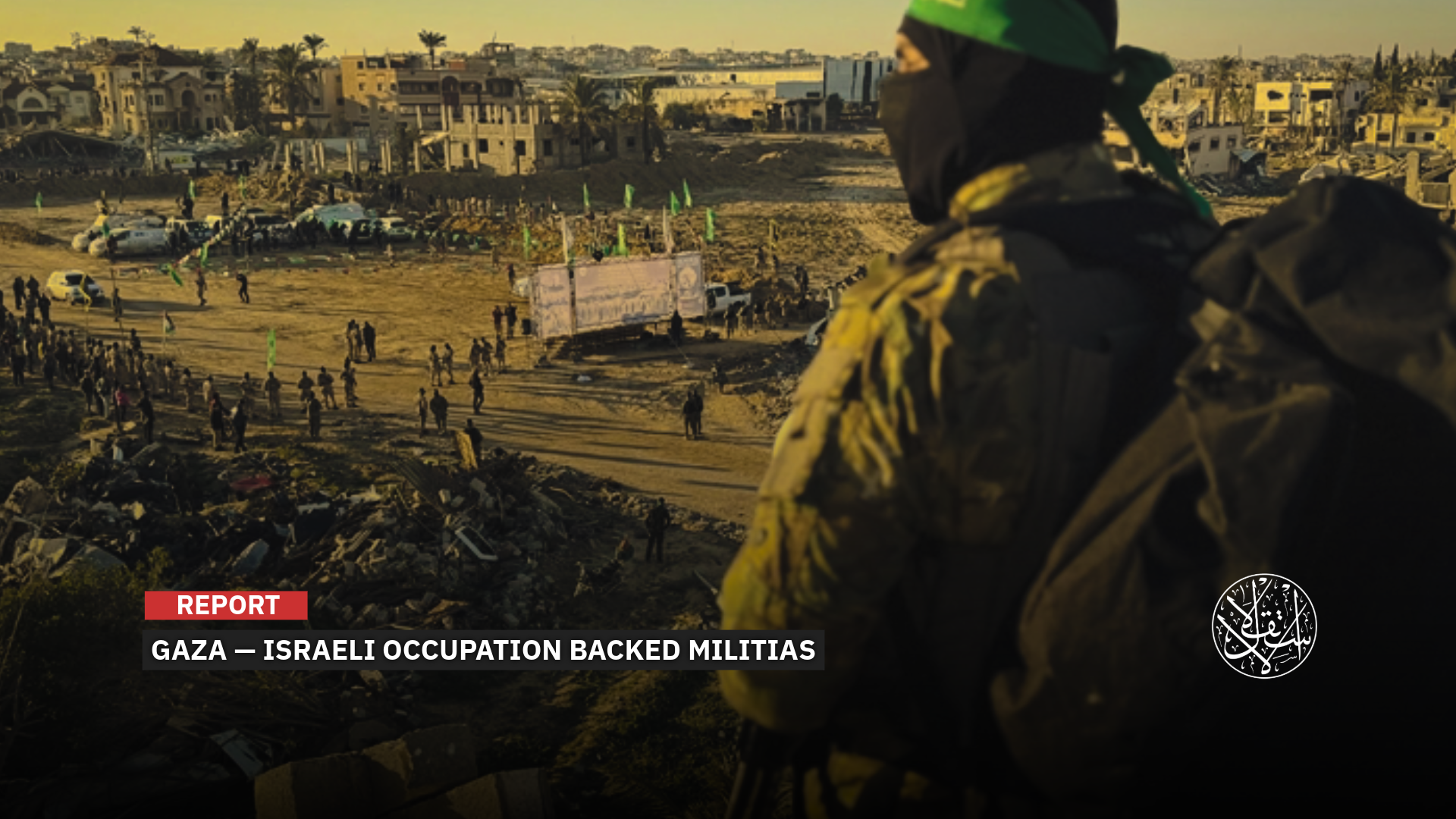
Opening a window for repentance also exposed Israeli-backed militia cells operating in parts of Gaza outside Israeli Occupation control.
The network of militias collaborating with the Israeli Occupation in Gaza is unraveling at an alarming pace, as cracks widen within their ranks.
Signs are mounting that Palestinian Resistance is closing in on these militias, following the expiration of the so-called “Door of Repentance” amnesty, a last-chance window for collaborators to surrender.
These militias include Abu Shabab, the first of the traitorous gangs formed by the Israeli Occupation in April 2024, east of Rafah, followed by other militias, including al-Mansi, which called itself the “Popular Army” in the northern part of the Strip under the leadership of Ashraf al-Mansi.
This is in addition to the al-Astal militia operating in eastern Khan Younis, led by Hussam al-Astal, convicted of collaboration with Israeli Occupation intelligence.
A small group also emerged in the Shuja’iyya neighborhood led by Rami Hilles, along with the Ahmed Jundiya militia in eastern Gaza.
The newest group is that of Shawqi Abu Nassira, an officer in the Ramallah Authority, who announced its formation in November 2025 and operates east of the central area and Khan Younis.
‘Door of Repentance’
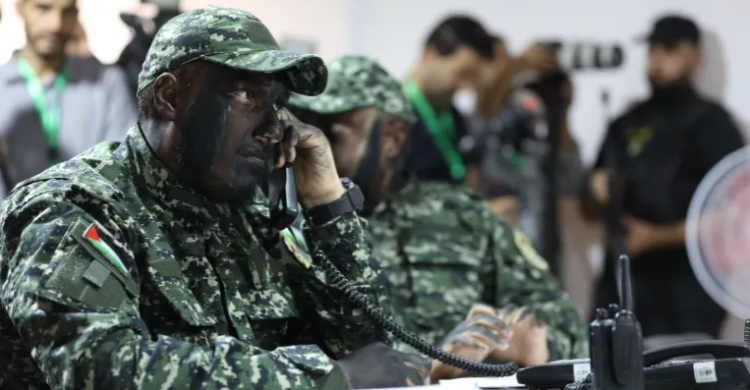
Gaza’s resistance security forces announced on December 15, 2025, the official end of the “Door of Repentance” campaign, a last-chance initiative for those who had collaborated with the Israeli Occupation to surrender before the Resistance moved to decisive action.
In a statement, the forces said several individuals had turned themselves in during the amnesty period, and their cases are now under review and being processed according to legal procedures.
The announcement praised Palestinian families and national figures who stood clearly with the security forces and the Resistance, helping protect the home front and preventing attempts to destabilize the social fabric during one of the Strip’s most sensitive periods.
Security forces emphasized that dismantling collaborator networks and pursuing them will continue relentlessly. They also warned against any contact with mercenary agents or supportive media platforms, noting that these actors use multiple identities and tactics to sway public perception and legitimize collaboration with the Israeli Occupation.
The campaign followed key military and security developments, most notably the killing of Yasser Abu Shabab, founder of the Israeli Occupation’s militia network, on December 4, 2025—a turning point in the effort to neutralize these cells.
Collapse of the Militias
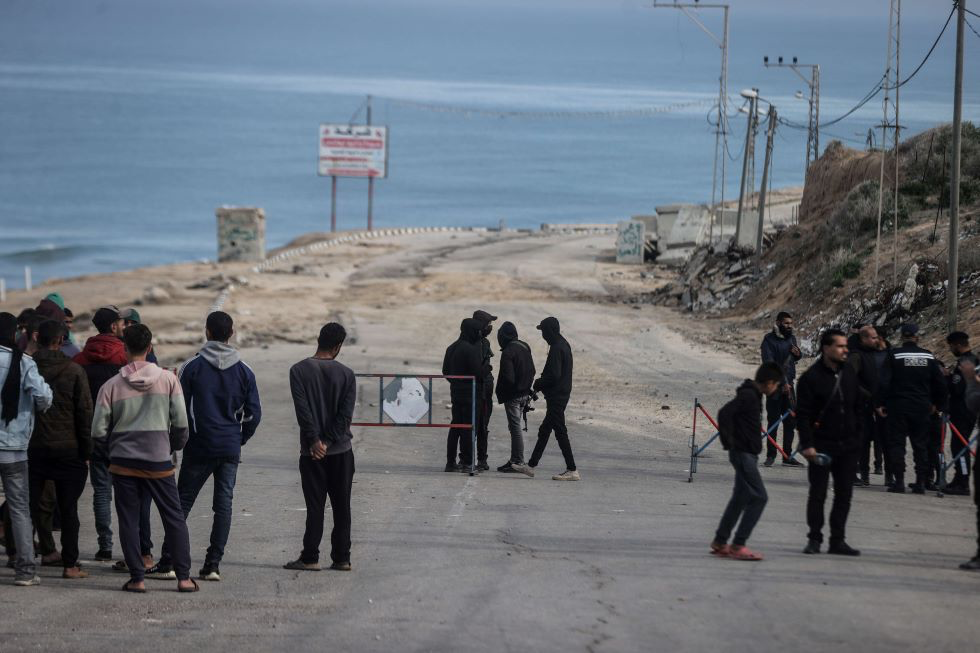
Maariv reported on December 7, 2025, that within 24 hours of Abu Shabab’s killing, clear signs of collapse began to emerge within the ranks of the militias and armed clans linked to the Israeli Occupation in the Gaza Strip.
Several members of the militias reportedly surrendered to Hamas and the security forces in the hours after Abu Shabab’s death, sparking what observers described as a potential domino effect across the rest of the militias.
“Israel’s” official broadcaster Kan cited sources noting widespread disarray among the militias, driven by growing fear and mutual distrust, while i24 reported that Palestinian clans were fully aligned with the Resistance and cooperating in the fight against the militias. One unnamed clan leader told the network that these groups will disappear no matter how much “Israel” supports them, adding that their main goal had been to expose resistance tunnels and fighter positions—tasks the Israeli Occupation had failed to achieve over two years of genocide.
A resistance security official stated on December 8 that surrendered militia members had been interrogated, with initial confessions revealing deep disorganization and confusion within the groups’ structures. Following the “Door of Repentance” campaign, militia leaders imposed strict measures on their members, including social isolation within families and heavy restrictions on communication and internet use, in a bid to contain defections and prevent internal collapse.
One surrendering member recounted that the militias executed a young man in the field for attempting to escape, in front of his wife and children. Investigations also revealed the involvement of an Arab figure who had trained militia members in media and journalism under the cover of an outlet called Jusoor News, instructing them on how to present a “humanitarian and civilian” image to encourage civilians to move into the so-called yellow zone under Israeli Occupation control.
‘A Decisive Phase’
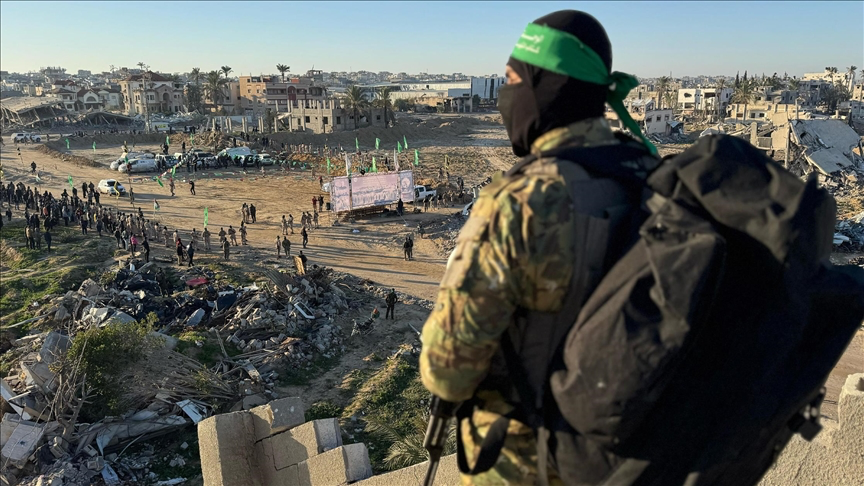
On the ground in Gaza, a security source told Al-Estiklal that clan elders and community leaders have been key in handing over members of Yasser Abu Shabab’s militia and other Israeli-backed groups.
The source described a new “decisive phase” in which these militias are now far weaker than before, with Abu Shabab’s death marking a turning point given his central role in organizing and leading them.
Large-scale defections were recorded in recent months of the Israeli war on Gaza, after the ceasefire, and following the “Door of Repentance” campaign. The initiative also exposed hidden cells collaborating with the militias in civilian areas outside the Israeli Occupation-controlled yellow zone, leading to the identification of additional operatives.
Several of these members have already surrendered, providing detailed testimonies to resistance security forces and other authorities about their previous roles, with investigations still ongoing.
The source emphasized that Palestinian families and Bedouin clans played a pivotal role in identifying militia members and contacting their families, encouraging many to surrender. These coordinated efforts have strengthened security, curbed lawlessness, and undermined militia activity within Gazan society.
The Power of the Clans
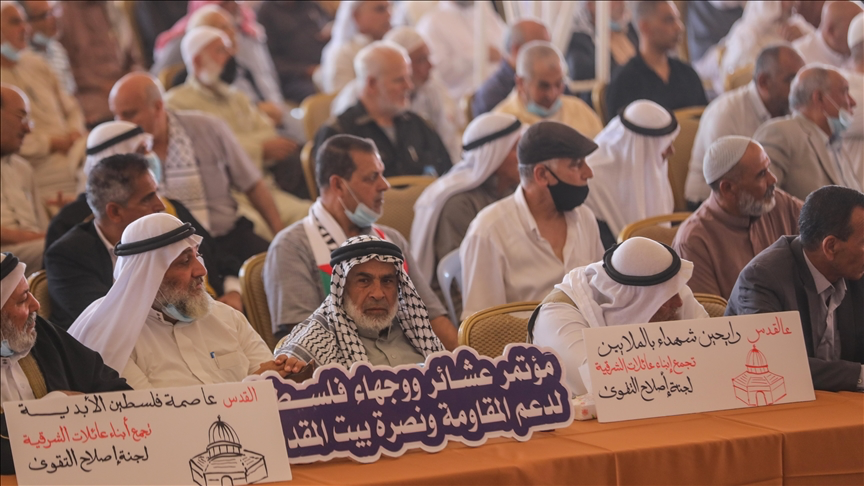
Tribal and community structures played a decisive role in supporting the resistance against Israeli-backed militias in Gaza.
Alaa el-Din al-Aklouk, head of the National Assembly of Palestinian Tribes, Families, and Clans, told the press that tribes reached out to all families involved in these militias, offering a path for those willing to return to their people. He highlighted that several militia members were reintegrated through family and clan mediation, while some families took principled stands, choosing to endure bombardment and displacement rather than commit the sin of collaborating with the Israeli Occupation.
Al-Aklouk added that recent arrangements by the tribes helped resolve the cases of young people who surrendered through their families during the ten-day “Door of Repentance” campaign. Attempts by the Israeli Occupation to embed criminal affiliates within tribal structures failed, he said.
Abu Adham al-Hanjouri, a senior tribal elder, emphasized that Gaza’s tribes were the first to confront the collaborationist militias, stripping away tribal protection and cooperating directly with security forces and the Resistance to neutralize these groups.
He noted that tribes meticulously tracked militia members, communicated with families, and pressured them to abandon collaboration. These efforts have already led to surrenders and deterred further cooperation with the Israeli Occupation.
Al-Hanjouri stressed that tribal cover for collaborators would no longer be tolerated. Families publicly renounced any involvement, and social isolation would be enforced for those found aiding the militias.
He praised the prominent role of the Tarabin tribe, which has a long history of resistance, noting that individual deviations do not tarnish the tribe’s legacy. Tribal and family efforts, he said, were pivotal in curbing the threat and protecting the wider Palestinian community.
In closing, al-Hanjouri credited Gaza’s security forces for restoring order despite targeted attacks during the Israeli genocidal war and confirmed that tribes, families, and other Palestinian groups continue to fully support them, with security steadily returning across the territory.
Sources
- His Family Disowned Him: Who Is Shawqi Abu Nassira, the Agent Who Joined the Abu Shabab Militias? [Arabic]
- Resistance Security Reveals Rapid Internal Collapse Within Israeli Occupation-Backed Militias [Arabic]
- Resistance Security: Agents Surrender During “Door of Repentance” Campaign [Arabic]
- Resistance Security Opens Door to Repentance for Israeli Occupation Militia Members [Arabic]