Sultan bin Sulayem, Dubai’s Port Emperor, From the Palm Islands to the Epstein Files
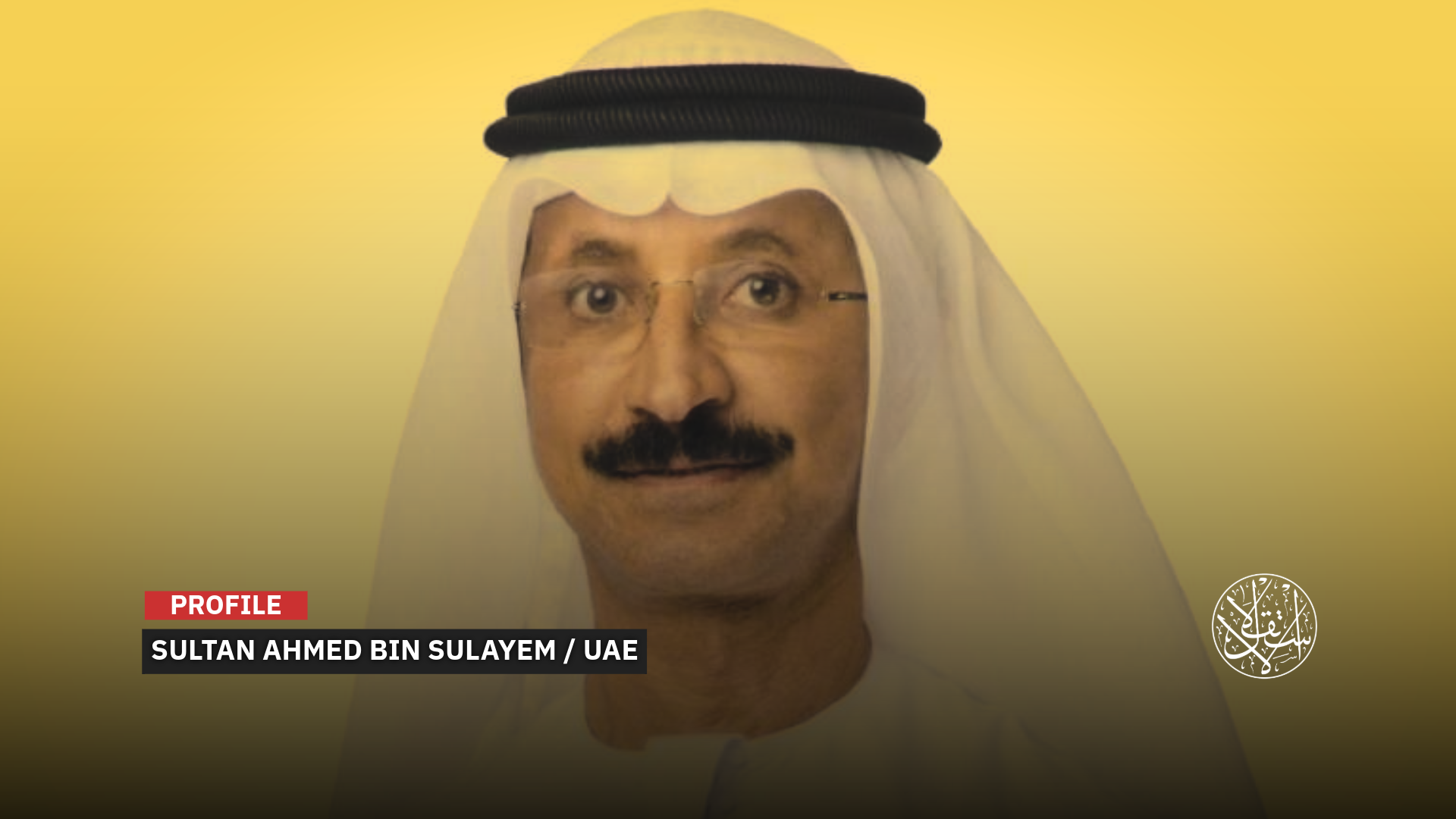
Bin Sulayem turned DP World into an effective instrument of the UAE’s foreign policy.
The Emirate of Dubai witnessed one of the most dramatic episodes in the modern history of its administrative and economic structure, marked by the sudden removal of businessman Sultan Ahmed bin Sulayem from all his leadership posts.
On February 13, 2026, bin Sulayem was removed from the chairmanship and chief executive role of DP World, and from the chairmanship of the Ports, Customs and Free Zone Corporation, following the disclosure of his connection to the American businessman convicted of sex trafficking of minors, Jeffrey Epstein.
The Relationship With Epstein
The official statement issued by the Government of Dubai Media Office was brief.
It announced the appointment of Essa Kazim as chairman of DP World and Yuvraj Narayan as the group’s chief executive, without mentioning the name of Sultan bin Sulayem, a signal reflecting the desire to close his chapter immediately.
The global ports company has since been seeking to salvage its reputation after bin Sulayem’s relationship with Jeffrey Epstein shifted from marginal rumors to conclusive evidence documented in the records of the United States Department of Justice.
The decision to remove him was not taken in the heat of the moment.
It was the culmination of a turbulent week in which the department released unredacted documents exposing bin Sulayem’s long-standing ties with Epstein and laying bare aspects of his private life, placing a company that handles about 10 percent of global container traffic under intense public scrutiny.
In the weeks leading up to the removal, members of the United States Congress pressed for the naming of individuals whose identities had been redacted from the Epstein files.
When the names were revealed, Sultan bin Sulayem’s name appeared more than 4,700 times, according to some documents, while other reports stated that he was mentioned more than 9,400 times.
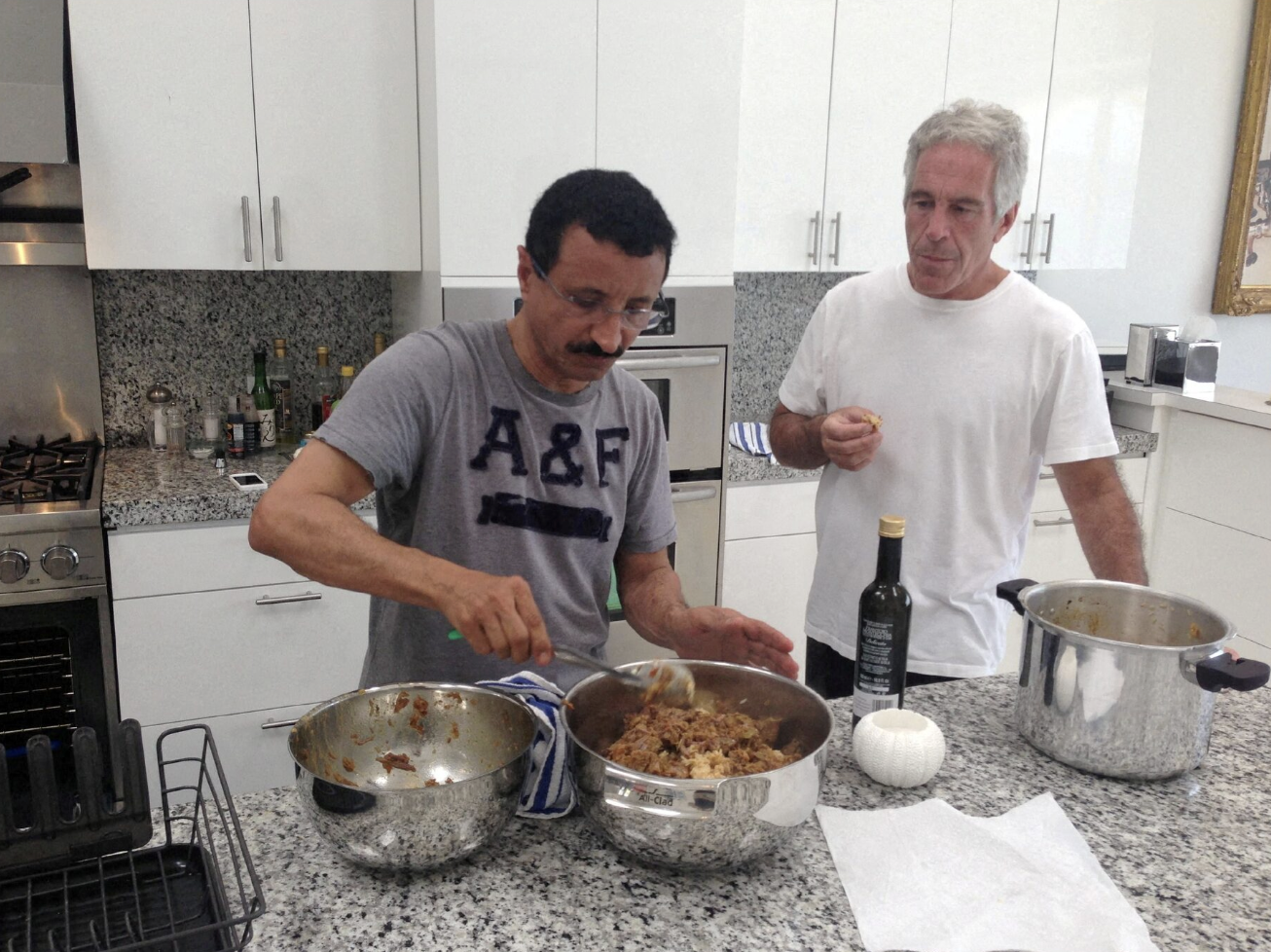
Messages exchanged between 2009 and 2018 reveal an intertwined personal and professional relationship.
The two men discussed intimate meetings, business matters, and ideas for joint ventures.
The American businessman, who died in his New York jail cell in 2019, described bin Sulayem as one of his “most trusted” friends.
Bin Sulayem responded in similar warmth, writing in one message that he had spent a wonderful time on Epstein’s private island, Little Saint James.
According to the released documents, bin Sulayem visited the island repeatedly and promised to provide engineers to make it “hurricane-proof.”
Alongside commercial correspondence, the exchanges included discussions of sexual relationships.
The Guardian published a message dated 2015 in which bin Sulayem boasted to Epstein that he had met a university student at an American university in Dubai, describing her as “the best relationship, great body,” and telling him she had left her fiancé to return to him.
In another message, Epstein wrote, “I loved the torture video,” an email that Congressman Thomas Massie said had been sent to bin Sulayem.
In a separate exchange from 2013, bin Sulayem replied to praise from Epstein with a remark revealing the lifestyle he was leading in secret, writing, “Thank you my friend I am off the sample a fresh 100% female Russian at my yacht.”
It was also noted that these messages were written after Epstein’s 2008 conviction, and that the two men exchanged links to pornographic websites in 2015 and 2017.
According to Justice Department documents, bin Sulayem detailed visits to “Israel” to secure visas for one of his daughters and meetings with former Israeli prime minister Ehud Barak.
He also displayed pride in ties with influential American figures such as Steve Bannon and Peter Mandelson.
The decision to dismiss bin Sulayem came as a result of pressure from Western partners.
On February 11, 2026, the Canadian investment fund La Caisse de dépôt et placement du Québec and British International Investment suspended any new investments with DP World in protest over its chairman’s relationship with Epstein.
After his removal, the British institution welcomed the move and said it looked forward to continuing the “partnership to advance the development of key African commercial ports.”
The Canadian fund said the company would “move swiftly to work with the new leadership of DP World to continue partnering on port projects around the world.”
Circles of Power
Sultan Ahmed bin Sulayem was born in Dubai in 1955 into a family rooted in the pearl trade.
His father, Ahmed, was a close and trusted adviser to the rulers of Dubai from the al Maktoum family, a position that allowed his son early access to circles of power.
Bin Sulayem has said his grandfather was a pearl diver in the Gulf and that Dubai was a trading stop on the Silk Road, adding that “trade is part of our DNA.”
After completing secondary school, he enrolled at Temple University in Philadelphia, where he earned a bachelor’s degree in economics.
He has continued to take pride in receiving a congratulatory letter from the university for making the honor roll.
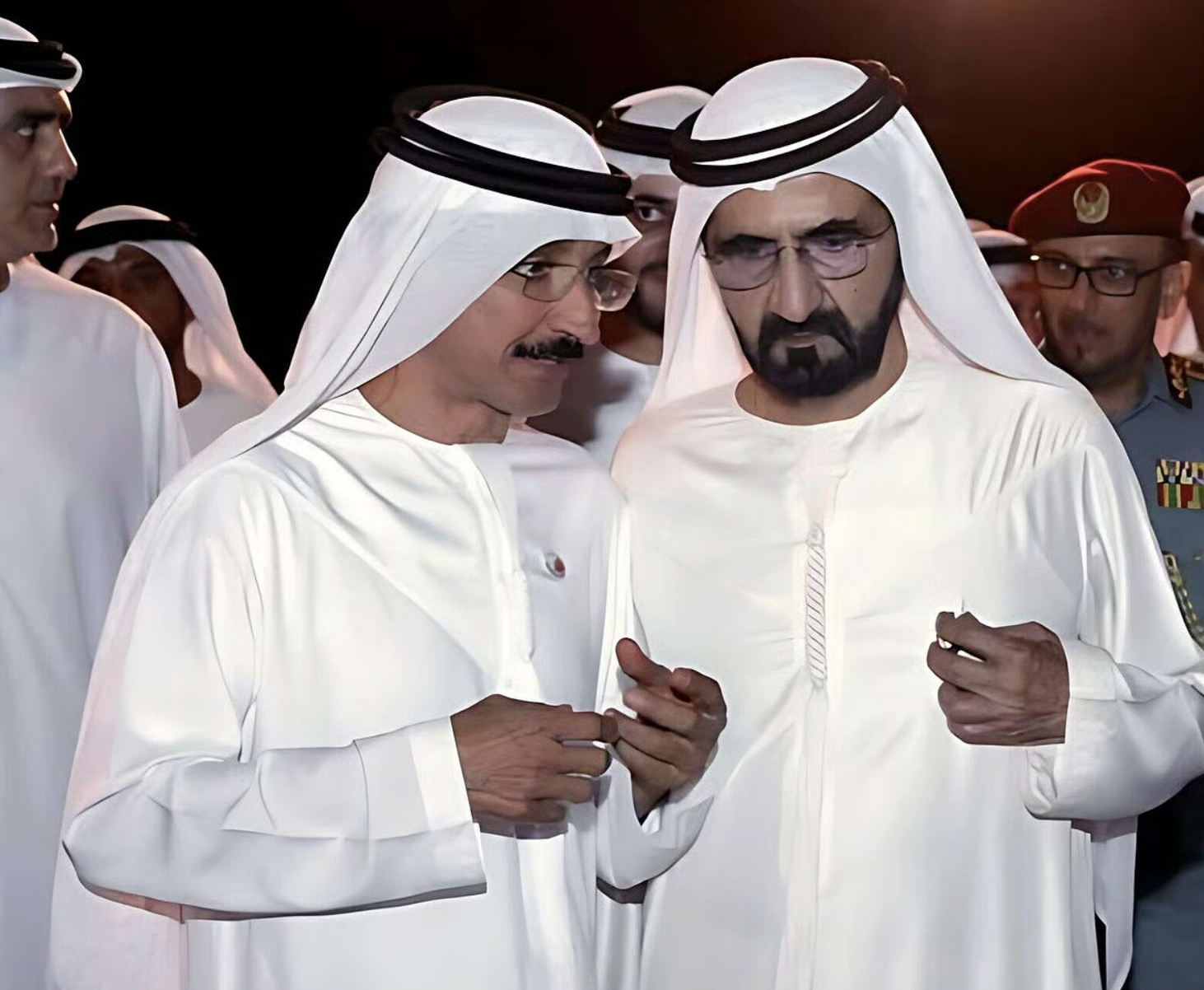
Bin Sulayem began his career as a customs officer at the Port of Dubai, but the major turning point came in 1985, when the ruler of Dubai, Mohammed bin Rashid al Maktoum, appointed him chairman of the Jebel Ali Free Zone.
He was later tasked with managing the Dubai Ports Authority, overseeing its expansion into what became the largest free zone in the Middle East.
In the first decade of the new millennium, bin Sulayem emerged as the global face of “Dubai Inc,” a term used to describe the intertwining of government and state-owned investment companies.
He was no longer merely a port manager, but a central figure in reshaping Dubai’s physical and economic landscape.
In 2005, the Dubai Ports Authority was merged with Dubai World to form DP World.
Bin Sulayem then launched an aggressive global expansion, including the 2006 acquisition of the British shipping company P&O Ferries for $6.8 billion.
Under his leadership, the company acquired logistics firms across Europe, Africa, and North America, eventually establishing a presence in more than 83 countries.
He also developed Jebel Ali Port into the world’s largest man-made industrial port and expanded the Jebel Ali Free Zone as a hub for attracting foreign investment.
Beyond ports, he played a role in founding Nakheel, the developer behind Dubai’s artificial Palm Islands, and contributed to the creation of the Dubai Multi Commodities Centre.
His influence extended well beyond port management. He served on the Dubai Executive Council, held membership in the Federal Tax Authority, and chaired the Dubai Free Zone Council.
He also served as chairman of Virgin Hyperloop One, a high-speed transport project for passengers and freight, and sat on the boards of companies including Nakheel and Istithmar World.
This accumulation of roles made him one of the most influential businessmen in the Gulf and brought him close to Mohammed bin Rashid al Maktoum, a relationship widely described as close.
That proximity was reflected in messages linked to Jeffrey Epstein, which portrayed bin Sulayem as “close to the sheikh.”
Despite these senior leadership positions, the documents revealed another side of bin Sulayem. Publicly, he ran one of the world’s largest logistics companies.
Privately, they showed him engaging in what was described as a web of criminal relationships.
Allegations and Scandals
The Epstein scandal was not the only episode to draw criticism toward Sultan Ahmed bin Sulayem. He faced another major ethical test in 2022, one that exposed what critics described as his hard-line management style and disregard for Western labor standards.
In March 2022, P&O Ferries, owned by DP World, abruptly dismissed 786 British seafarers with immediate effect through a prerecorded video call on Zoom, replacing them with lower-paid agency workers.
The decision triggered widespread outrage in the British Parliament and among labor unions and politicians.
It was described as a “return to ruthless capitalism,” amid accusations that the company had violated labor laws.
The move prompted the United Kingdom government to terminate its contract with P&O Ferries in response to the mass firings.
As condemnation mounted, bin Sulayem appeared in an interview with the Financial Times, where he defended P&O Ferries Chief Executive Peter Hebblethwaite, who carried out the decision, saying he had “done an amazing job” to save the group.
Beyond labor issues, bin Sulayem also played a political role by backing the development of a port on the River Thames in London.
Messages linked to Jeffrey Epstein showed that bin Sulayem had asked British politician Peter Mandelson to help facilitate loan guarantees for the project, underscoring the extent of his influence and his use of international connections to advance business interests.
In the final decade of his career, bin Sulayem transformed DP World into an effective instrument of the United Arab Emirates’ foreign policy, drawing the company into complex regional rivalries.
Beyond Europe, the Horn of Africa was central to his plans. Djibouti became a cornerstone of his African strategy through the Doraleh Container Terminal.
A dispute erupted between DP World and Djibouti in 2012 over a concession granted to operate the terminal. In 2014, the Djiboutian government filed lawsuits accusing the Emirati company of paying bribes to secure the concession.
The crisis culminated in February 2018, when Djibouti’s government terminated the operating contract and expelled DP World, saying the move was taken to protect the country’s “national sovereignty and economic independence.”
In 2021, an arbitration tribunal of the London Court of International Arbitration ruled against the Doraleh Container Terminal in its dispute with DP World, finding that efforts to unlawfully terminate DP World’s concession rights and transfer its shares to the state were invalid.
The tribunal ordered the company to pay £1.7 million, about $2.41 million, in legal costs. In April 2021, DP World sought $210.2 million in damages from the state of Djibouti over the dispute.
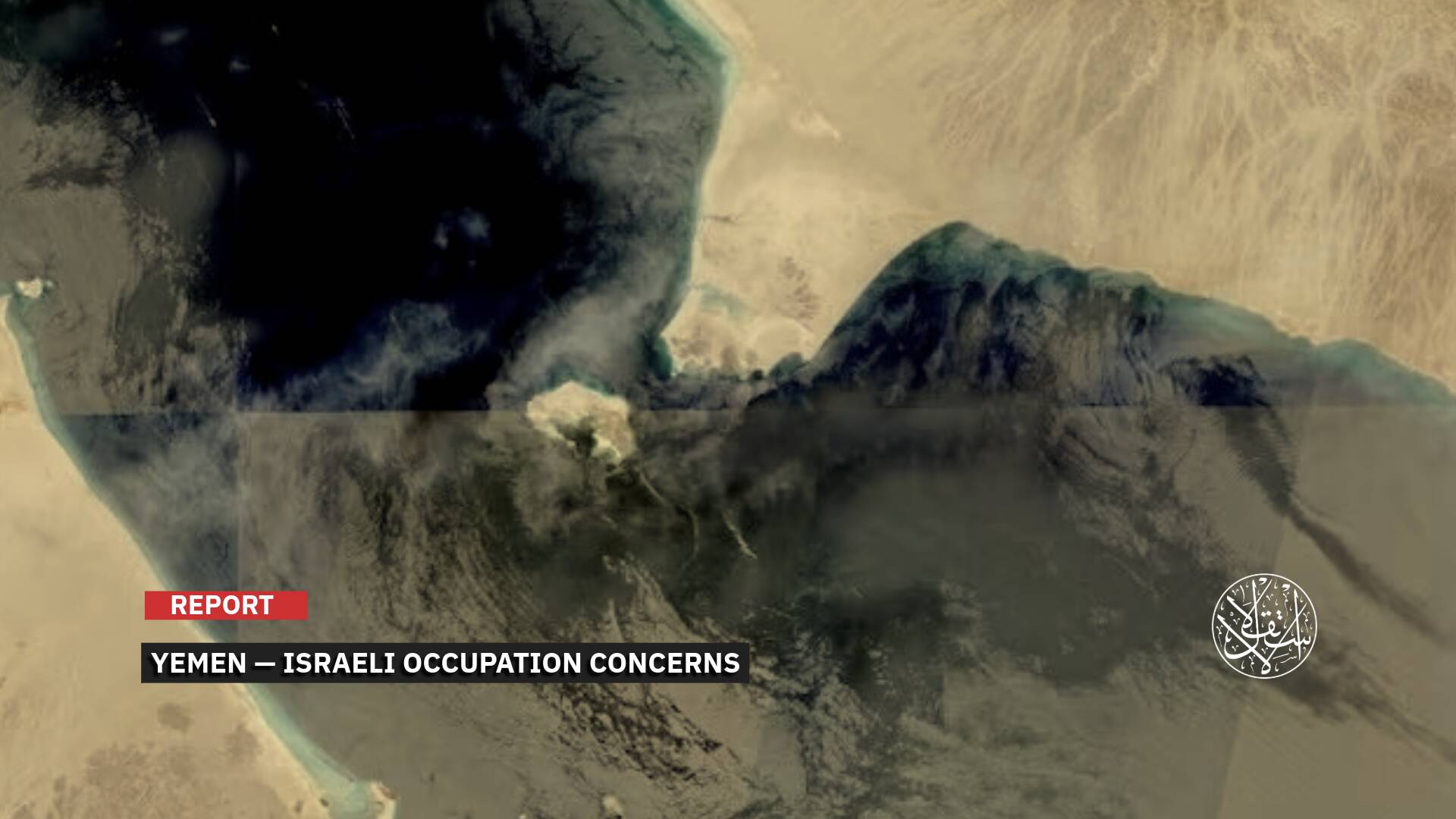
More consequential, however, was bin Sulayem’s geopolitical response. He shifted focus to Somaliland, signing a deal to develop the Port of Berbera in the breakaway region, bypassing the federal government in Mogadishu.
The project was not purely commercial. It carried military and political dimensions, which analysts described as part of an Emirati strategy to control Red Sea shipping lanes and counter regional rivals such as Qatar and Turkiye.
This move cast bin Sulayem as a political actor signing agreements with quasi-sovereign implications, reinforcing the notion of a “commercial empire” under his leadership.
It also placed him firmly in the camp of advanced normalization with “Israel,” given his earlier relationship with Ehud Barak and the growing alignment between Abu Dhabi and “Tel Aviv” in Somaliland, particularly after Israel’s recognition of the region as an “independent state.”
Sources
- Dubai’s DP World Boss Removed From Post After Pressure Over Jeffrey Epstein
- Jeffrey Epstein and the Emirati Tycoon
- Boss of P&O Ferries Owner DP World Leaves Over Jeffrey Epstein Links
- Sultan Ahmed bin Sulayem Named by Thomas Massie Over Epstein ‘Torture Video’ Email
- UK Cancels Contract With P&O Ferries in Response to Firing of Crews
- Sultan Ahmed bin Sulayem