Iran and ‘Israel’ Amid Power Calculations and the Limits of Deterrence: Who Will Ignite the War Again?
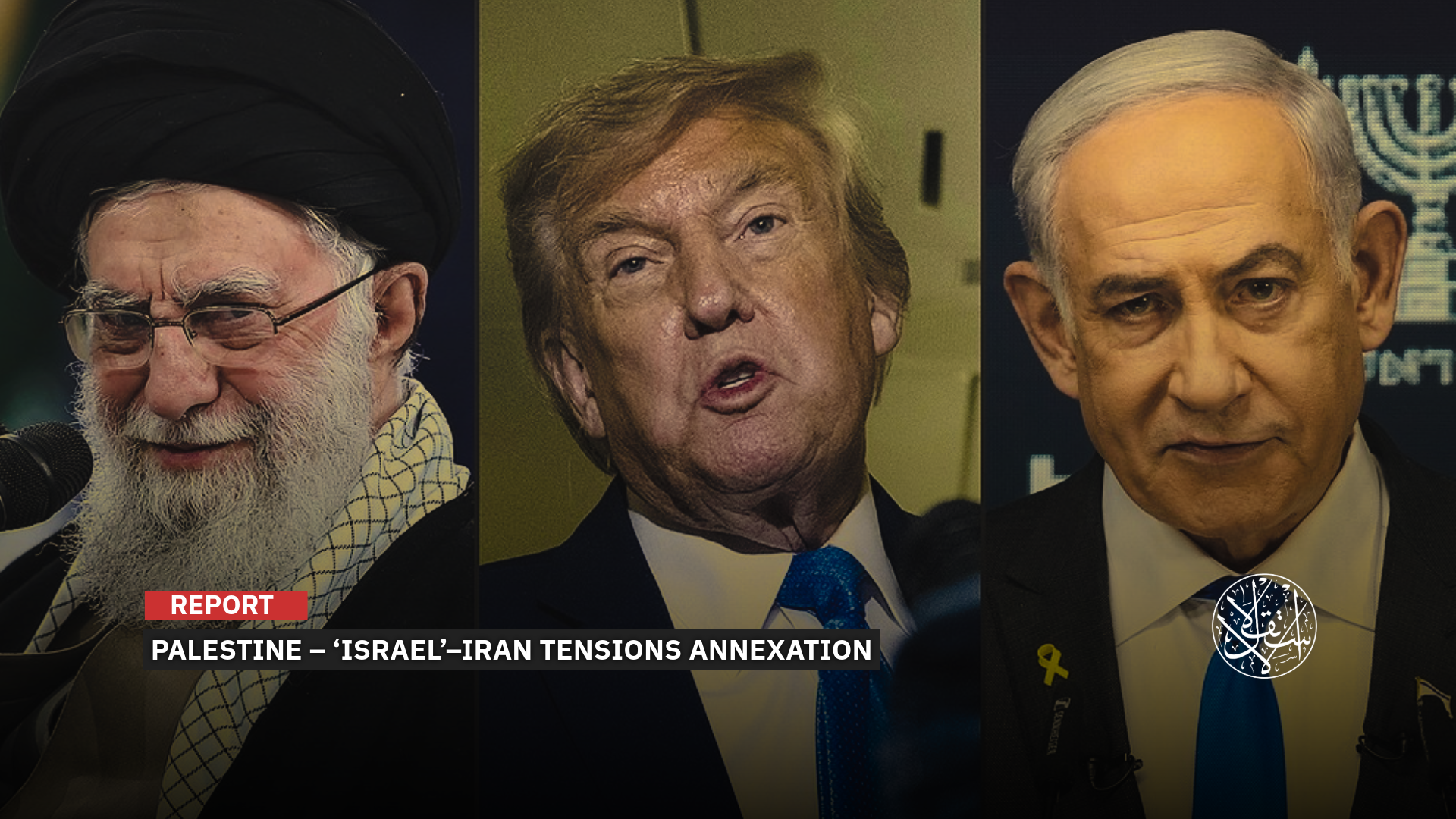
“Hebrew media outlets assert that war is inevitable, sooner or later.”
While Israeli media outlets reported that a new war between “Israel” and Iran is imminent, and that Tel Aviv is preparing for a large-scale attack, the Iranian media outlets believe this option has greatly diminished, given that both parties lack the necessary conditions for a full-scale military confrontation.
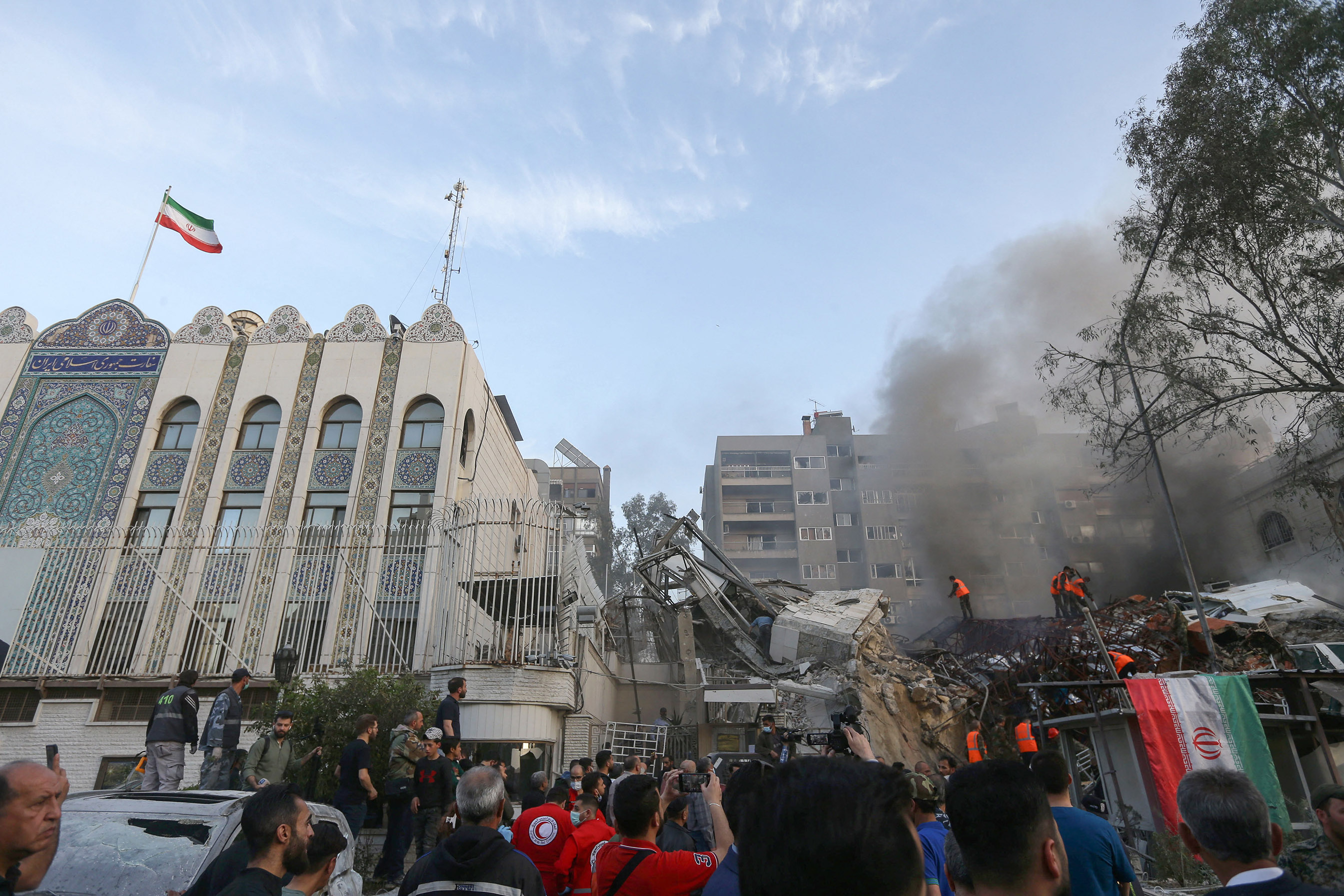
On June 13, “Israel”, with American support, launched a 12-day war against Iran, targeting military and nuclear sites, as well as civilian infrastructure, and assassinating military leaders and nuclear scientists.
Tehran responded with unprecedented missile strikes, hitting vital facilities within Tel Aviv, in the most serious direct confrontation between the two sides.
Inevitable War
After the 12-day war between Iran and “Israel” ended, fundamental questions resurfaced within Iranian political and media circles, most notably: Is a new war looming? If so, what would be the nature and scope of this confrontation? Is it still possible to prevent its outbreak?
In this context, Iranian political expert Mansour Ansari stated that “the most important question is not just whether a new war will break out, but whether Iran can actually gain anything from it.”
He questioned whether the next phase would witness a decisive war, or merely a series of long-range, mutually destructive operations between the two sides.
In an article published in the newspaper Ham Mihan on December 15, Ansari argued that the most likely scenario is not a conventional war with clearly defined ground fronts, but rather an indirect, aerial conflict, which raises questions about whether this type of warfare falls under the category of asymmetric warfare.
He posed a number of problematic questions, asking: “If the escalation resumes, what will be the nature of the potential targets? Will vital infrastructure, energy sectors, and economic centers be targeted? Conversely, if a retaliatory strike is launched, what will be the priority targets?”
He concluded that providing clear answers to these questions, or at least posing them honestly and transparently, is a fundamental condition for rational decision-making.
In contrast, political expert Mostafa Qorbani, in an interview published by the hardline newspaper Javan on December 13, pointed out that the expectations that prevailed after the cessation of hostilities regarding the outbreak of a new war have not materialized, despite the passage of nearly six months since that period.
He stated that “Israel” is currently working to keep the atmosphere of war ablaze on the media and psychological levels, attempting to sow anxiety and perpetuate tension, without possessing the actual capabilities to engage in a new military confrontation.
Qorbani attributed the decline in the likelihood of war to several factors, most notably the instability of the Israeli home front, which historically had been largely spared direct attacks.
He noted the decline in Israel's air superiority in the face of the development of Iranian defensive and offensive capabilities, which has deprived Tel Aviv of one of its most important elements of power.
He believed that Israel's strategy had shifted from a military solution to an attempt to destabilize the Iranian home front by inciting chaos, but this attempt had failed.
He noted that the recent war contributed to strengthening cohesion and national unity within Iran rather than weakening it.
He concluded that the regional resistance arms were not defeated as “Israel” had hoped, and that the growing levels of international cooperation with Iran after the war represent an additional deterrent factor.
He predicted that the likelihood of a new war remains low, although Tehran is required to maintain the highest levels of readiness in anticipation of any future surprises.
Regional Backyards
On the other hand, the Israeli side revealed aspects of its approach to the conflict with Tehran, both on the security and strategic levels.
On December 17, Mossad chief David Barnea stated that Iran has not abandoned its ambition to destroy “Israel”, emphasizing that this intention still poses a direct threat to Israeli national security.
He stated that the responsibility of Mossad and Israeli security institutions is to ensure that Iran does not resume its nuclear program.
He emphasized that “Israel” will continue to take all necessary measures to prevent Tehran from acquiring military nuclear capabilities.
He affirmed that the security services are closely monitoring Iranian movements, noting that this issue will remain a top priority in the coming period.
In the same context, the Hebrew-language newspaper Israel Hayom, in a report published on November 28, warned of the increasing likelihood of a military confrontation.
It noted that diplomatic efforts have reached a dead end, and that the risk of a new war, harsher and more violent than the previous one, is rising.
It pointed out that both sides emerged from the 12-day war declaring victory: “Israel” believes it succeeded in weakening Iran's nuclear capabilities, while Tehran sees its resilience and ability to replace assassinated leaders within 24 hours as an achievement and a message of strength.
It added that the failure of the nuclear negotiations and the return of Security Council sanctions through the Snapback mechanism on September 27 made Iran less concerned about the possibility of war, while simultaneously focusing on strengthening its missile capabilities, developing its air defenses, and threatening to carry out a preemptive strike.
It pointed out that “Israel” benefited in the previous war from the element of surprise and unprecedented American support, along with advanced military systems. However, whether it will receive the same level of support in any future war remains doubtful.
It argued that Iran's increased readiness, coupled with the ambiguity surrounding the American position, could present “Israel” with more complex challenges, leaving the central question: What objective could the next war achieve?
The Israeli newspaper Maariv, in a report published on September 17, highlighted what it described as Israeli preparations for a potential war with Iran.
“These preparations include establishing regional backyards that grant Tel Aviv greater room for maneuver and allow it to rely on alternative airfields to minimize losses should its bases be targeted by missile attacks,” it noted.
It stated that the alliance with Greece and Cyprus is a strategic one, noting that Greece possesses a sophisticated air force, including F-35 and F-16 fighter jets, which provides “Israel” with reliable logistical and military capabilities in any potential conflict with Iran.
Cyprus, despite having a smaller air force, possesses combat capabilities and airlift expertise that make it a potential advanced aircraft carrier for “Israel”.
During the 12-day war, Cypriot and Greek airports served as alternative bases for Israeli civilian aircraft.
The Israeli Air Force also conducted exercises using Cypriot runways as backup landing sites in case its main bases were rendered unusable by Iranian missile attacks.
Maariv had previously asserted in a report published on September 8 that war between Iran and “Israel” was inevitable, sooner or later.
It also stated that the Iranian file was not yet closed and that “Israel” should continue to launch heavy strikes against all Iranian institutions, in addition to targeting its leadership.
Silent Emergency
Regarding the realism of talk about a decreased likelihood of a new war, as promoted by some Iranian media outlets, Middle East affairs researcher Baha al-Din al-Barzanji believes that this possibility does exist, but not for the reasons cited by the Iranian media.
He stated that these assessments are not without exaggeration, particularly regarding the estimation of Iran's capabilities and its regional proxies, whose effectiveness has diminished since the events of October 7, 2013.
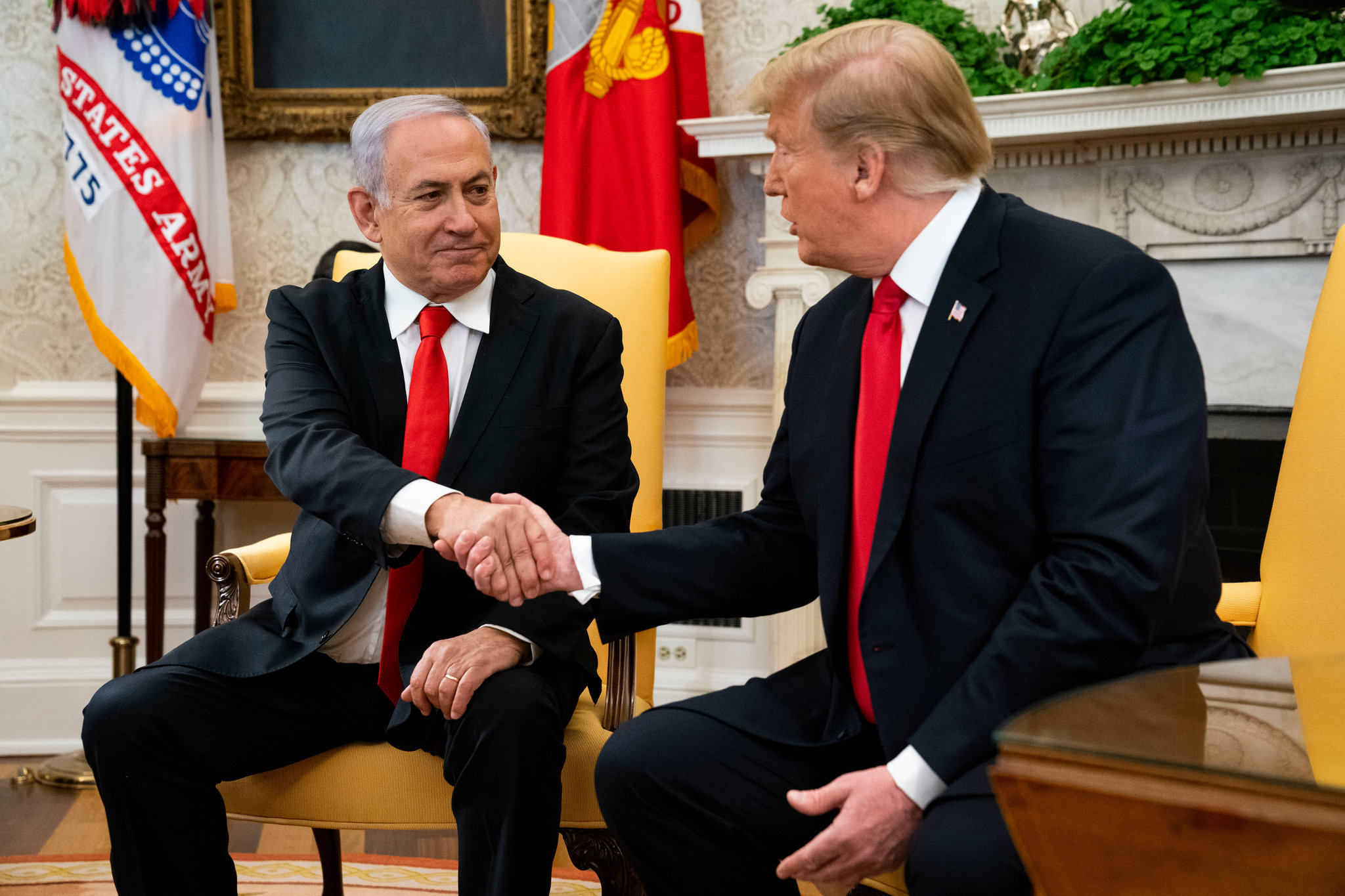
In an interview with Al-Estiklal, Mr. Barzanji said that US President Donald Trump is the decisive factor in restraining Israeli Prime Minister Benjamin Netanyahu from resuming war with Iran, attributing this to Washington's desire to achieve what he calls the so-called peace between Gaza and Tel Aviv, and in the region in general.
He asserted that the option of war with Tehran is not solely in Israel's hands, but rather in the hands of the United States, explaining that Tel Aviv would not embark on any large-scale confrontation with Iran without a green light from the US and direct support.
He pointed out that Iran, on the other hand, is betting on achieving a breakthrough in its relationship with the United States and reaching understandings regarding its nuclear program, which would reduce the likelihood of an Israeli attack.
In contrast, Jordanian writer Adnan Al-Rousan offered a more pessimistic analysis, noting that the prevailing calm The region is experiencing a cautious, perhaps deceptive, calm, fraught with potential surprises.
In an article published on his Facebook page on December 11, he stated that the drums of war are beating loudly, despite attempts to downplay them in recent weeks.
He considered the regional scene to be in a state of silent emergency, noting that both Iran and Israel are preparing for the worst-case scenario.
He added that Tehran is acting as if war could break out at any moment, conducting military maneuvers in the Gulf waters, tightening internal security measures, particularly against groups it accuses of involvement in espionage networks.
Mr. Rousan pointed out that the next war will be completely different from previous ones, stressing that this awareness is strongly present in Iran and Hezbollah.
He noted that Israeli calculations remain tactical and short-sighted, considering that they seek a new round of war primarily to demonstrate the strength of the Israeli right wing to Arab states, not to achieve sustainable strategic goals.
However, he emphasized that Washington will not risk being drawn into Israeli desires if they conflict with its broader interests in the region.
He concluded that the likelihood of war remains high, suggesting that a confrontation is closer than ever, given the continued silent preparations and undeclared escalation between the warring parties.