What Does It Mean to Turn Jerusalem Into an Israeli Military Command Center?
“The agreement includes the construction of a 30-story defensive tower at the entrance to Jerusalem.”
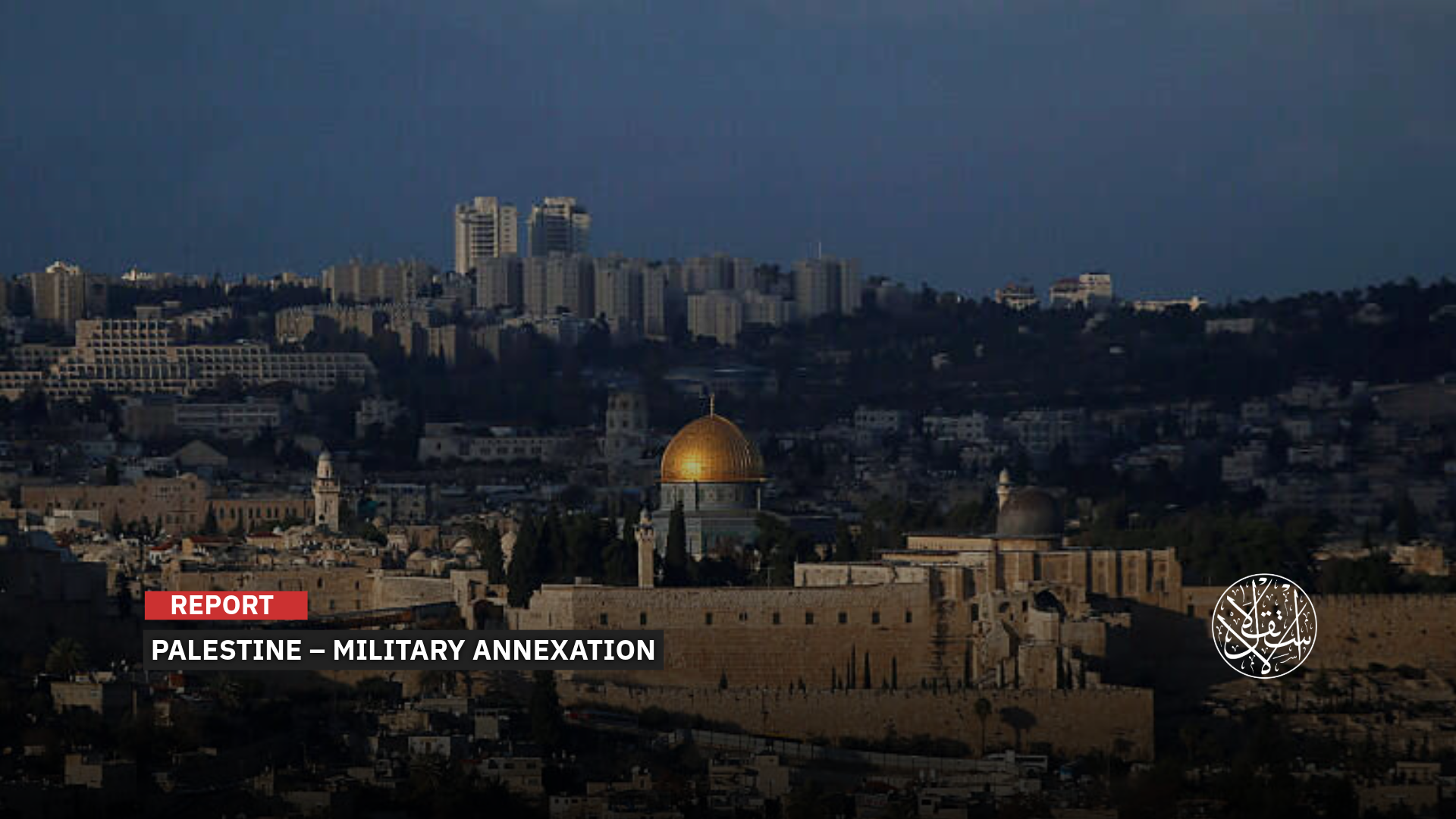
In a move that portends a highly dangerous shift on the ground and in the political arena, the Israeli occupation authorities signed an internal agreement to transfer military projects and security centers of gravity from Tel Aviv to occupied Jerusalem. This development transcends mere administrative considerations, carrying profound strategic implications.
This step comes amid a continuous military escalation in Jerusalem and the West Bank, coinciding with the growing rhetoric within the occupation government advocating for the annexation of the West Bank and a systematic effort to re-establish Jerusalem as Israel's sovereign capital, not only politically but also militarily and in terms of security.
Therefore, the new agreement cannot be viewed as a routine organizational procedure, but rather as a calculated move aimed at redrawing the balance of power and military deployment in a city that is at the heart of the conflict and the key to its future.
The agreement also raises fundamental questions about its true objectives, the political and security messages that the Israeli occupation seeks to convey, and its potential repercussions on the ground in Jerusalem and the West Bank.
Defense Tower
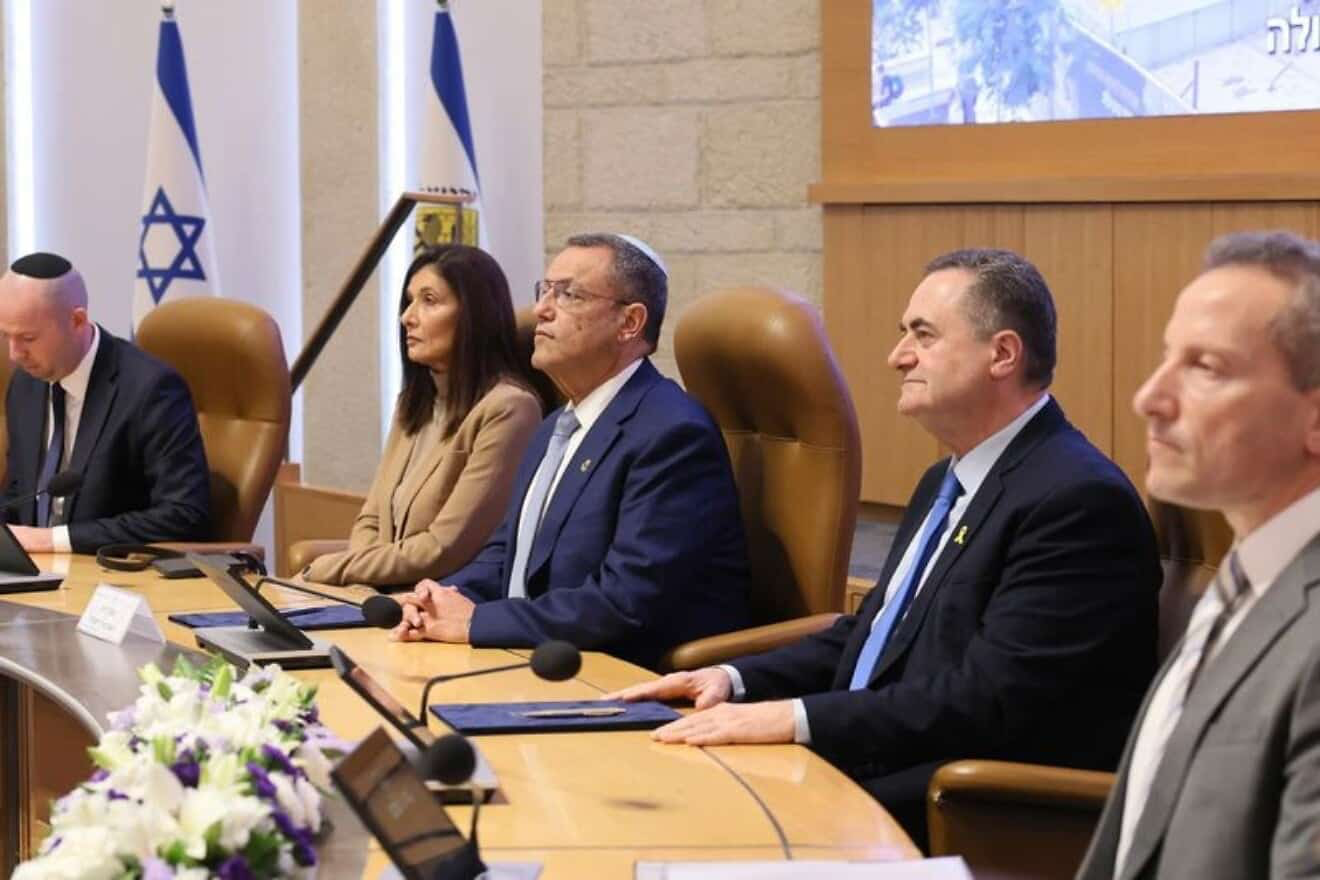
On December 15, Israeli Army Minister Israel Katz and Jerusalem Mayor Moshe Lion signed a strategic cooperation agreement to transfer significant military and security projects, described as defensive in nature, to occupied Jerusalem. The signing ceremony was attended by the Director General of the Ministry of Army, Major General (Res.) Amir Baram, and the Director General of the Jerusalem Municipality Ariella Rajuan.
This agreement is part of a broader development plan for the entrance area to the occupied city, which has witnessed significant progress in recent years. Through this plan, the occupation authorities seek to reshape the functional and militaristic character of Jerusalem.
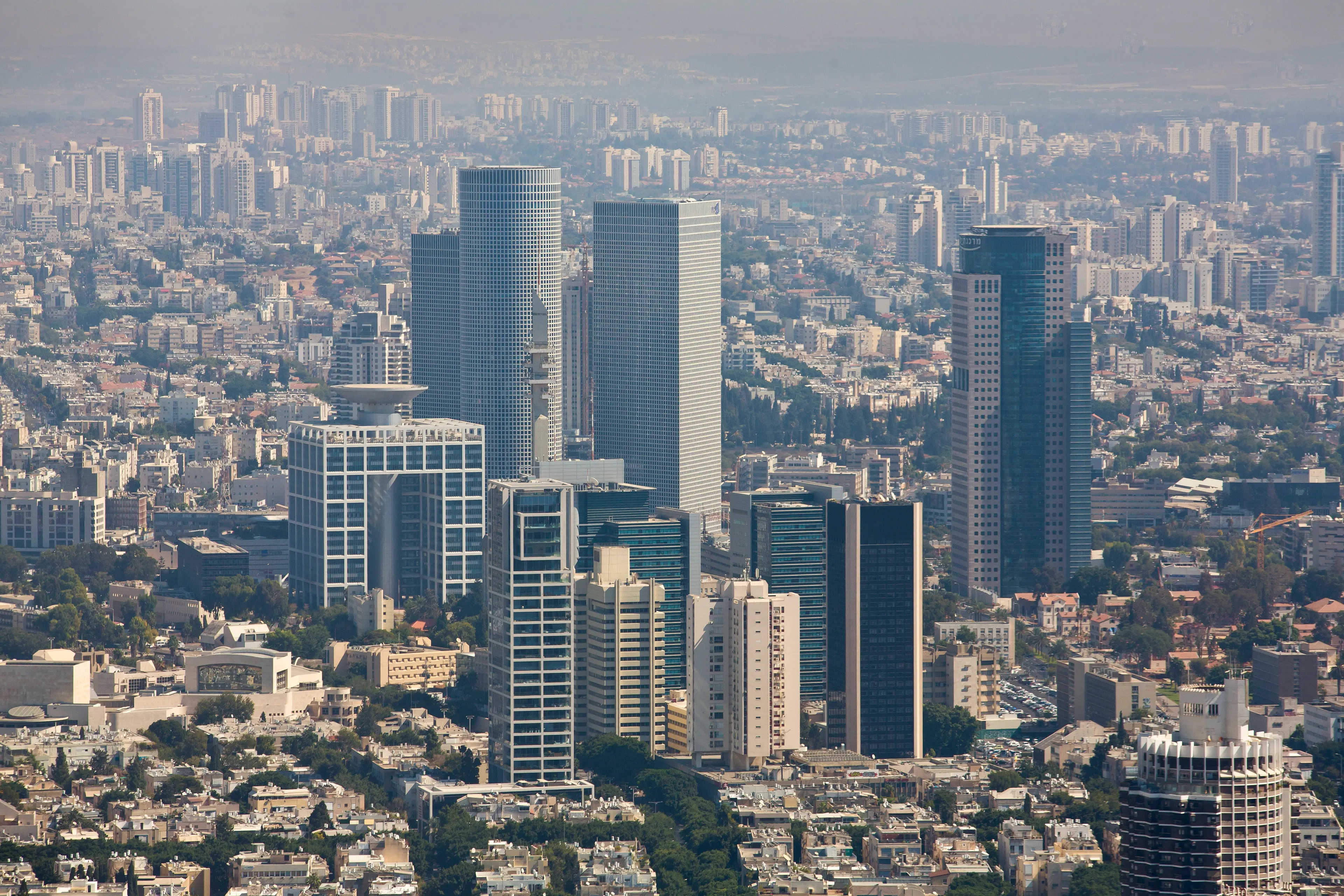
According to the newspaper Israel Hayom, the agreement includes the construction of a 30-story defense tower at the city's entrance. This tower will house the offices of the Army Minister, the Chief of Staff, and various departments of the General Staff, along with other security and military bodies.
Accordingly, these offices will be relocated from the Kirya military complex in Tel Aviv to occupied Jerusalem, a move with political and security implications that extend beyond mere organizational considerations.
The agreement also includes the construction of an additional complex adjacent to the tower, dedicated to the Army Ministry's Directorate of Research and Development for Weapons and Technological Infrastructure, as reported by Israel National News.
The project will feature advanced technological infrastructure aimed at attracting what Israel describes as high-tech talent, enhancing Jerusalem's status as a center for military innovation, and addressing security needs while bolstering the city's economy.
Furthermore, the agreement stipulates the establishment of a new Israel Defense Forces museum near the Jerusalem Botanical Garden and the Mandel Command and Staff College, to house what is termed Israeli military heritage, while emphasizing the preservation of open public spaces and ensuring the project's integration with the area's urban plan.
The plan also includes upgrading the Jerusalem Recruitment Center (Metav) to "meet the growing needs of the Israel Army Forces, including exploring the possibility of relocating it from its current location on Rashi Street to a more central location within the city.
The current recruitment center is located near the headquarters of ultra-Orthodox Haredi groups who refuse military service and who frequently stage protests there, as noted by Israel Hayom, which questioned whether these protests would be repeated at the new location.
Furthermore, the agreement stipulates the relocation of the Israeli army colleges from the Glilot base in Herzliya, north of Tel Aviv, to an easily accessible area within Jerusalem, connected to the public transportation network.
Work is also underway to establish and integrate settlement projects specifically for professional soldiers, led by the Jerusalem municipality and in cooperation with the Israeli Army's Human Resources Directorate, in a move that reinforces the militarized and settler character of the occupied city.
Objectives and Messages
The Israeli statements accompanying the signing of the new agreement focused on reinforcing the narrative of sovereignty over Jerusalem, as the alleged capital of Israel, in a clear attempt to give the move a political and ideological dimension that transcends its military content.
Israeli Army Minister Israel Katz said: “In every public position I have held, I have maintained my deep commitment to the city of Jerusalem,” adding that the Ministry of Army is declaring today in the clearest terms that the city will become the center of our main areas of activity.
He considered the signing of the agreement to be taking place at a difficult time, two years after the war on Gaza and other fronts, and a clear statement that Jerusalem is being built, developed, and strengthened as the eternal capital of the State of Israel and the Jewish people.
He escalated his tone, saying: “This is the best response to our enemies, to those who harbor ill will towards us, and to anyone who dares to question the eternal connection of the Jewish people to the city of Jerusalem.”
For his part, Jerusalem Mayor Moshe Lion described the agreement as a watershed moment that will strengthen Jerusalem's position and place it at the forefront of national security.
He claimed it was a strategic step that would create new centers of power in the city, bolster the local economy, and deepen Jerusalem's status as a city leading the State of Israel toward progress.
In turn, the Director General of the Ministry of Army, Major General (Res.) Amir Baram, said: “National security is not limited to the military front alone, but also means having a strong and developed Jerusalem.”
He announced that, in line with the Ministry of Army's strategy, it was decided to significantly increase the deployment of Israeli army forces in Jerusalem, adding: “This is where we begin our work, and our actions will speak for themselves.”
In contrast, these statements were met with Palestinian warnings about the dangers and repercussions of the agreement. On December 16, Hamas warned that the Israeli occupation's plans aim to militarize and Judaize Jerusalem, with the goal of forcibly establishing it as the alleged capital of so-called “Israel”.
Hamas leader Mahmoud Mardawi stated that “the agreement represents a dangerous indication of transforming Jerusalem into an advanced military and security center, deepening the city’s occupation, and imposing new realities that target its Arab and Islamic identity.”
He added that these steps constitute part of a comprehensive plan to Judaize Jerusalem, alter its demographic character, and tighten the noose around its Palestinian residents through confiscation, isolation, and displacement, linking the city’s future to the Israeli military establishment, warning that this foreshadows further escalation and confrontation.
For its part, the Jerusalem Governorate considered the agreement an escalatory step representing the most extensive Israeli military redeployment in the city in decades. It emphasized that it comes within the framework of systematic annexation and Judaization policies, further restricting Jerusalemites and threatening the social fabric and the city’s Arab, Islamic, and Christian identity.
Re-Engineering
The media advisor to the Palestinian Jerusalem Governorate, Marouf al-Rifai, believes that the recent Israeli move constitutes a profound strategic shift in Jerusalem's status within the Israeli security apparatus.
He in an interview with Al-Estiklal indicated that it represents a comprehensive project to re-engineer the city both security-wise and demographically.
He explained that Jerusalem is no longer presented in this context merely as the alleged political capital of “Israel”, but is being established as a security and military capital and a command and control center for security decisions. This means integrating the city's civilian sphere into the military system and effectively subjecting it to permanent security administration.
He considered this move to be part of a policy of imposing sovereignty by force and entrenching the annexation of Jerusalem as an irreversible reality.
He pointed out that the presence of the Ministry of Army headquarters and military colleges within the occupied city carries a clear political and security message: Jerusalem is now excluded from any future discussions regarding a final solution or partition.
He predicted that transferring military decision-making centers to Jerusalem would contribute to tightening the security grip on the eastern part of the city by reducing decision-making time and facilitating immediate intervention in any developments on the ground.
He believed that signing the agreement with the Israeli-controlled Jerusalem municipality carries additional implications, as it reflects a trend toward integrating the roles of the army, police, and municipality, thus transforming civilian institutions into supporting arms of the security apparatus through urban planning, road management, and the expansion of surveillance networks.
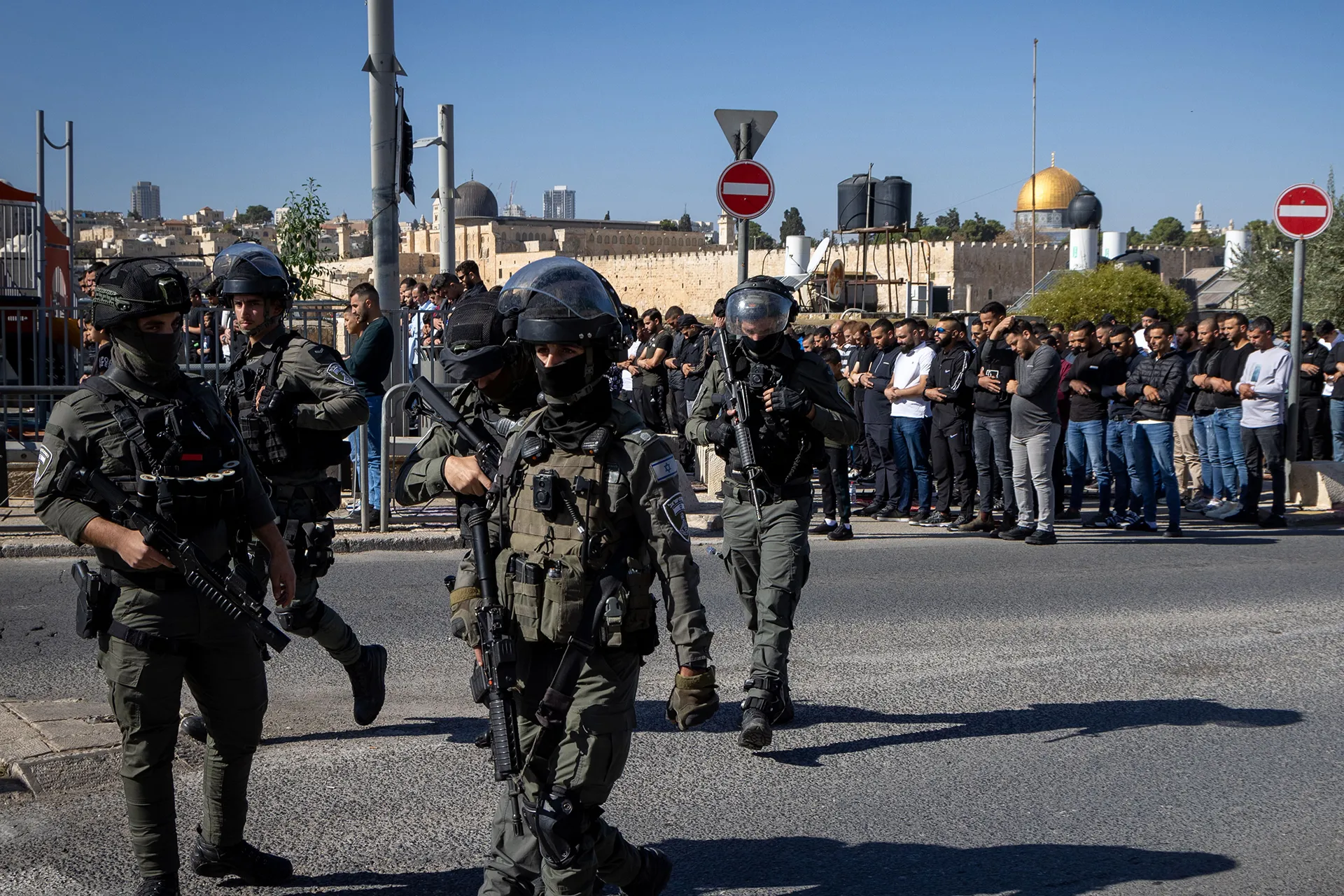
On the ground, Mr. Rifai predicted that this security shift would impact the lives of Jerusalemites with a significant increase in military deployments and security drills, the imposition of sudden closures, and the tightening of checkpoints and restrictions on movement.
“This would directly affect residents' mobility and access to workplaces, schools, and healthcare, transforming daily life into a constant state of tension and instability,” he added.
He also predicted that Jerusalem would witness an unprecedented expansion in surveillance and control tools, including the intensified use of smart cameras, facial recognition technologies, digital data tracking, and the linking of municipal data to security records. This would place people of Jerusalem under a comprehensive surveillance system that goes beyond traditional security frameworks.
He warned that this new reality would lead to an increasing criminalization of daily life in Jerusalem, where social, student, media, and even religious activities could be interpreted from a purely security perspective and treated as breaches of order, thus opening the door to an expansion of deportation orders, arrests, and punitive measures.
He concluded that this policy would contribute to accelerating what is known as silent displacement by creating a hostile environment based on security and psychological pressure, a high cost of living, and restrictions on movement.
“This Israeli plan—if implemented—could push large segments of people of Jerusalem, especially young people, to gradually leave the city, as part of a long-term project aimed at reducing the Palestinian presence in Jerusalem without resorting to direct forced displacement,” he said.
Sources
- Defense Ministry moves strategic projects to Jerusalem
- Israel moves defense headquarters to Jerusalem in major strategic shift
- Jerusalem, Defense Ministry sign strategic pact
- Defense Ministry, Jerusalem municipality sign deal to establish new defense HQ, relocate military colleges to capital
- Jerusalem Governorate: Military redeployment within the city is a dangerous escalation in the militarization of occupied Jerusalem [Arabic]
- Hamas warns of Israeli plans to turn Jerusalem into a military and security center [Arabic]