Criminalizing Colonialism: Could Algeria’s New Law Reignite Tensions with France?
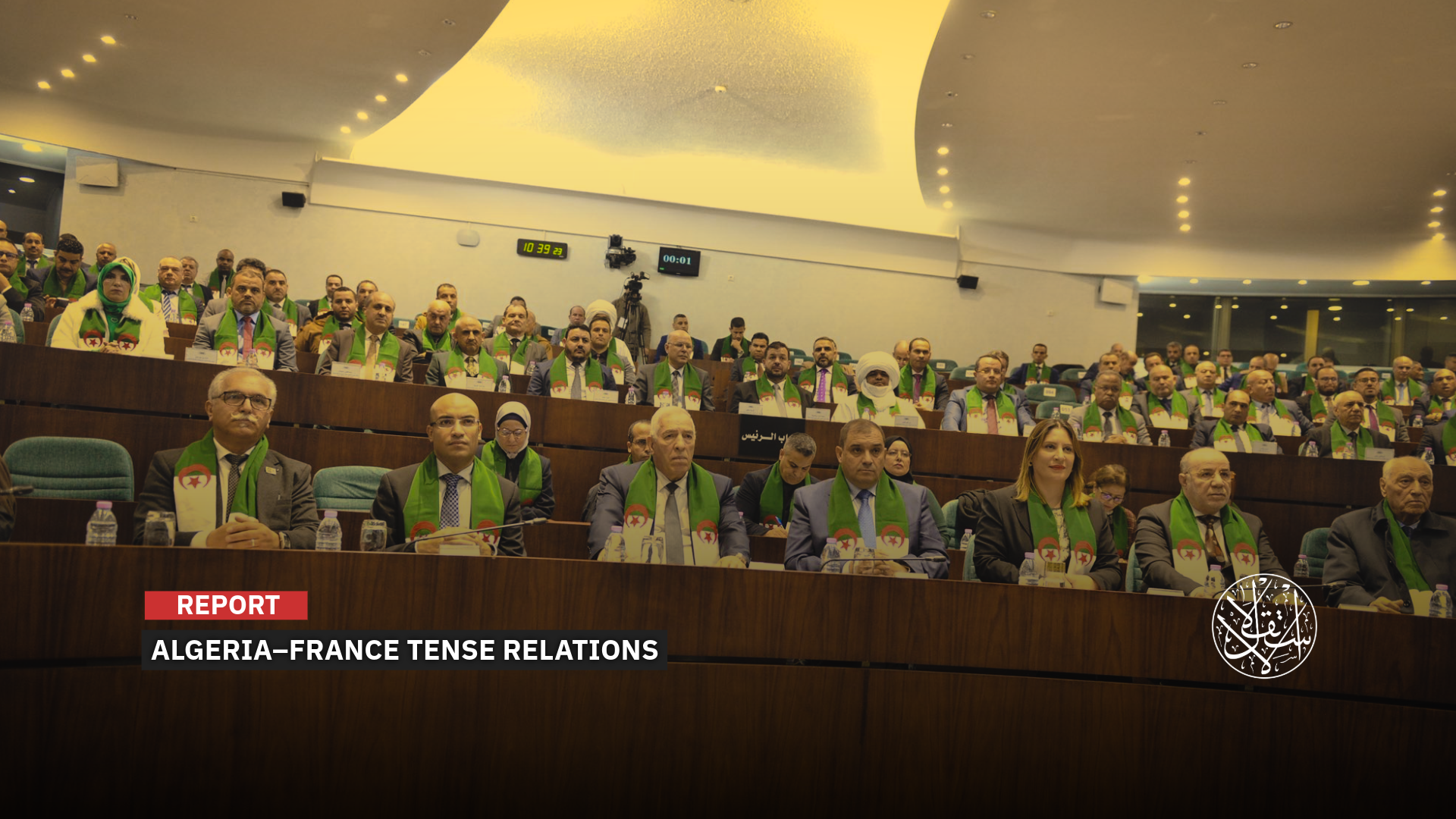
The Algerian parliament has begun discussing a bill to criminalize French colonialism.
The Algerian parliament has unanimously passed a law criminalizing French colonialism, labeling it a state crime and demanding an official apology from Paris, a move that has sparked outrage among France’s far-right and underscores the continuing political and diplomatic tensions between the two nations.
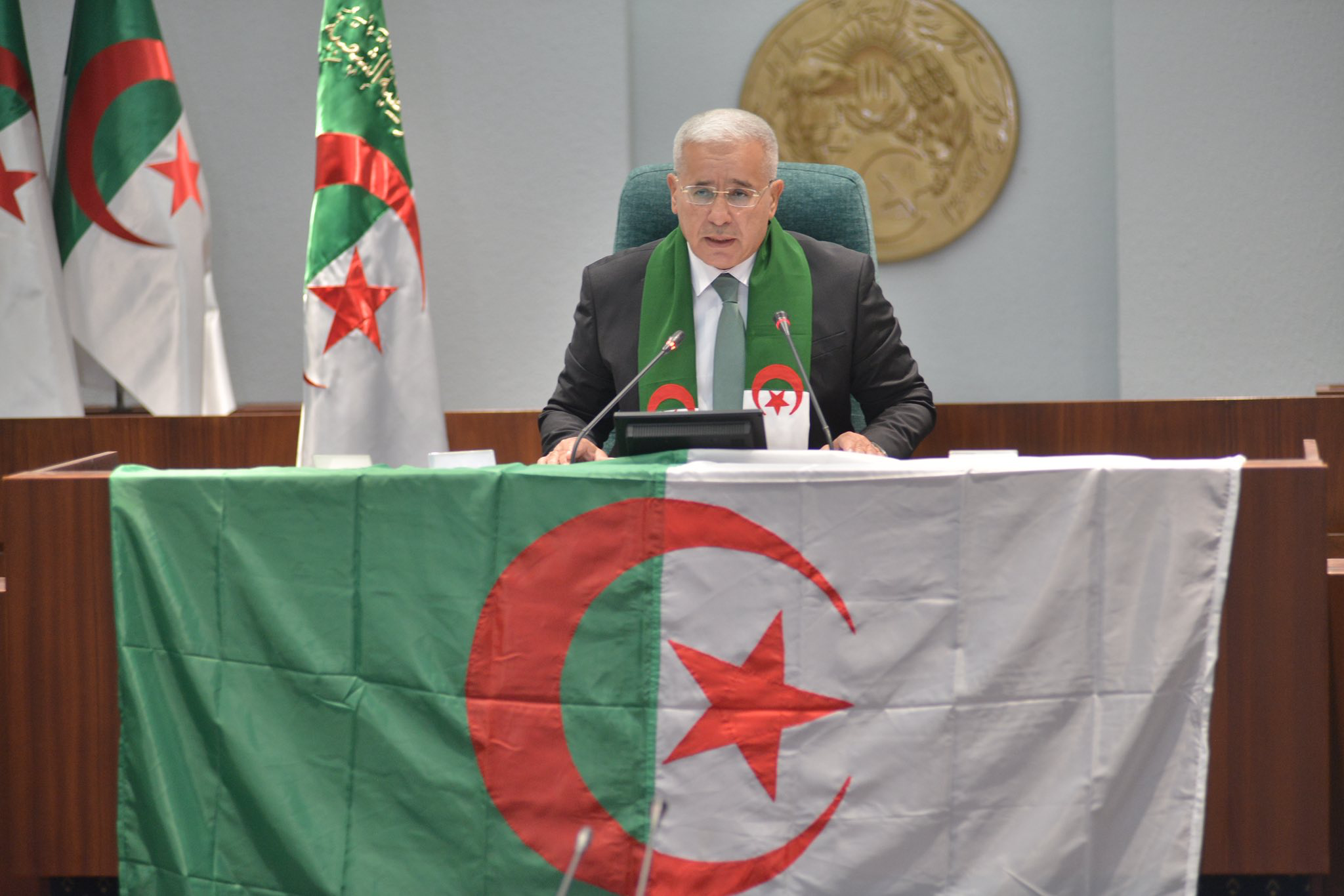
The bill was introduced on Saturday, December 20, 2025, by the Speaker of the National People’s Assembly, Ibrahim Boughali, who described the measure as a historic act of sovereignty reflecting Algeria’s determination to preserve its national memory and defend the dignity of its people.
Boughali stressed that the proposal represents a clear moral stance and a firm commitment to the state’s non-negotiable duty to protect collective memory and uphold the nation’s honor, beyond temporary political calculations or expedient considerations. He framed the bill as a moment of awareness and loyalty, a pivotal step in modern Algeria that renews the legislature’s dedication to the country’s history and conscience.
Highlighting its national significance, Boughali emphasized that the issue of criminalizing French colonialism transcends political affiliations and ideological differences, rooted in the sacrifices of martyrs and the dignity of the Algerian people. He noted that the unanimous support of the assembly reflects a shared understanding of the importance of unity on matters of vital national interest.
The bill outlines specific crimes committed under French colonial rule, holds France legally accountable for its colonial past, and establishes mechanisms for official recognition and apology, alongside criminalizing the glorification or promotion of colonialism. Boughali was careful to stress that the law targets no people and seeks no revenge, resting instead on the legal and moral principle that crimes against humanity cannot be justified, erased, or excused over time.
He described French colonialism as a comprehensive project of dispossession and exploitation, built on land seizure, resource plunder, the exclusion and disenfranchisement of Algerians, and systematic policies of starvation, marginalization, and identity erasure. Boughali also recalled forced displacements, mass massacres, torture in prisons and detention centers, and nuclear tests in the Algerian desert, highlighting the enduring environmental and health consequences. He concluded that these crimes cannot be forgotten and are not subject to the statute of limitations.
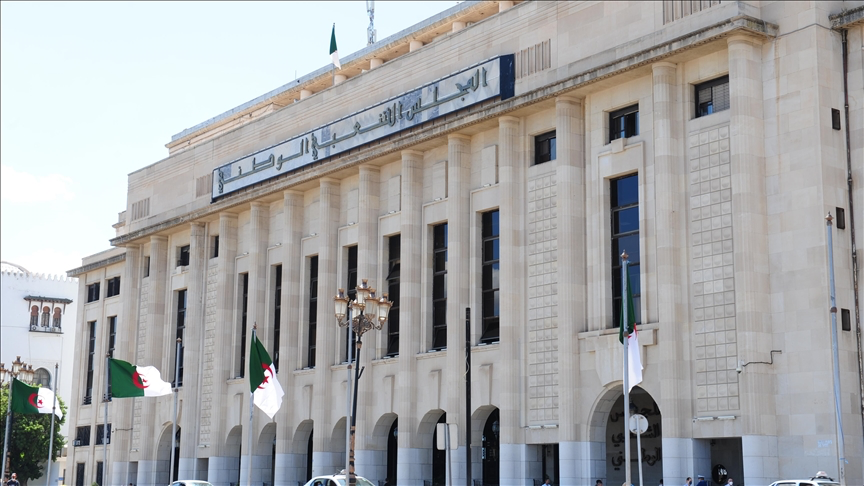
Political Message
Boughali described the proposed law criminalizing colonialism as a tribute to the sacrifices of martyrs and a defense of the nation’s dignity. He framed it as a clear political message: Algeria’s national memory is not negotiable, and building the future requires confronting the past with truth and justice.
Concluding his presentation, the speaker emphasized that through this initiative, Algeria reaffirms its commitment to international relations founded on mutual respect and equality, while firmly rejecting any attempts to deny crimes or erase historical truths. He stressed that genuine reconciliation can only be achieved through acknowledgment, apology, and the assumption of responsibility.
On Monday, December 15, 2025, the leaders of the parliamentary groups in the National People’s Assembly met at the council’s headquarters and announced their unanimous agreement to authorize Ibrahim Boughali to present the proposed law criminalizing colonialism on behalf of all political blocs.
In a joint statement, the parliamentary groups stressed that the proposal would be submitted in the name of all represented blocs as a unifying national demand, rising above political and party calculations and reflecting parliamentary unity around core national principles.
The statement added that the law embodies the sincere will of the deputies and the commitment of the ninth legislative session to preserve national memory and defend Algeria’s history and liberation struggle with clarity and resolve.
The legislation comes amid cooling Algerian-French relations, exacerbated by a diplomatic crisis that has persisted since the summer of 2024, particularly after Paris expressed support for Morocco’s autonomy proposal to resolve the Western Sahara dispute.
Meanwhile, Algeria continues to back the Polisario Front, hosting Sahrawi refugee camps on its soil and providing political and diplomatic support to its leadership.
The French Side
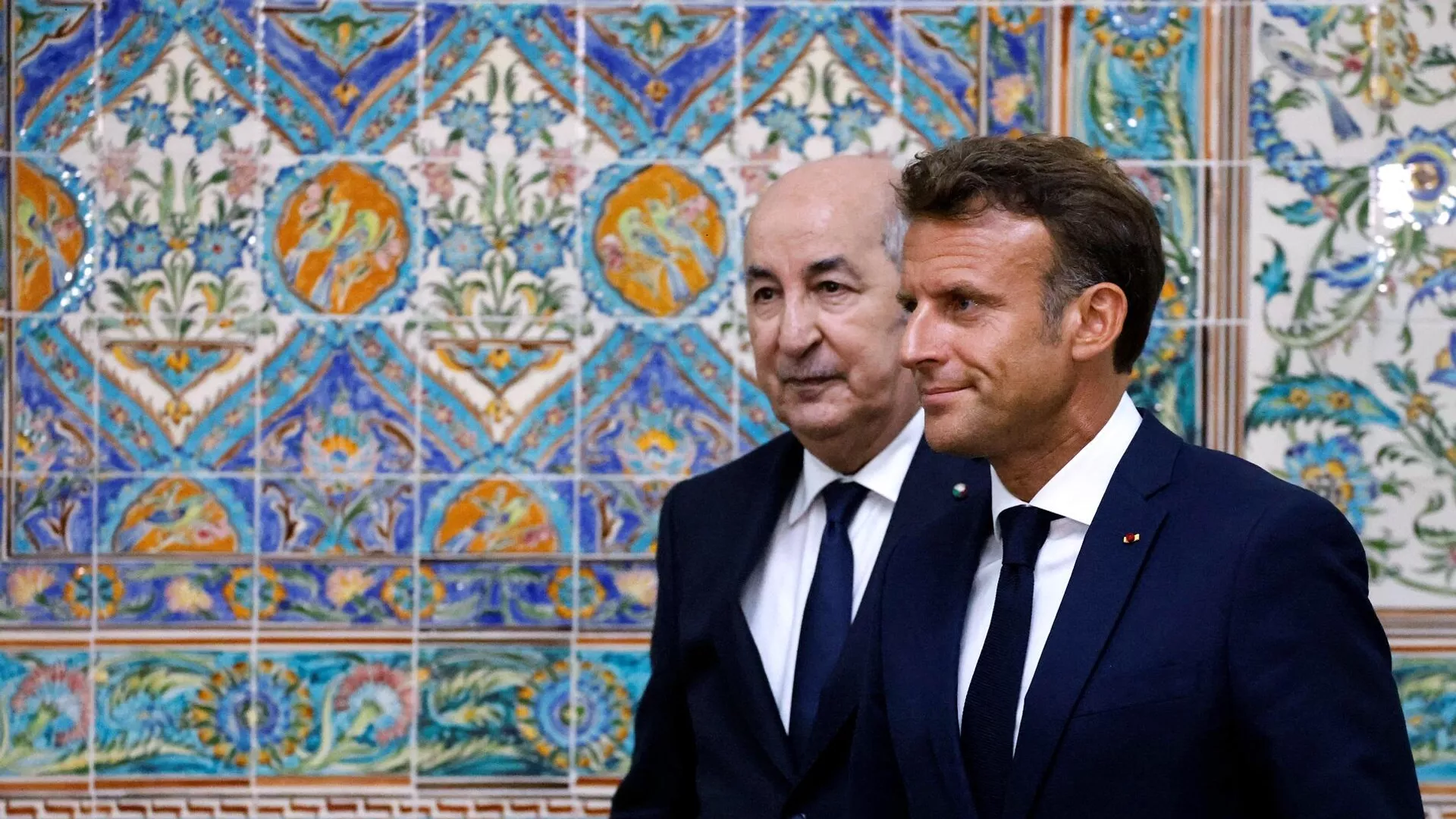
Despite the absence of any official comment from French authorities on the law, French media have closely followed the developments, framing them within the context of severe tensions between the two countries and criticizing President Emmanuel Macron’s handling of bilateral relations.
On December 17, 2025, the French site Boulevard Voltaire noted that Macron bears a significant share of responsibility for the deterioration, pointing to statements he made in February 2017 that were seen at the time as encouraging Algeria’s approach to colonial memory.
The outlet explained that Algeria is now seeking more than a verbal apology. It demands political, diplomatic, legal, and financial recognition of what it considers crimes committed by France on its territory during the colonial period.
Accordingly, the source argued that the law is not merely symbolic, as it classifies colonialism as a “state crime” and calls for formal acknowledgment, apology, and reparations. The text could also prevent any discourse framing the alleged “benefits” of French colonialism in Algeria, such as infrastructure, ports, or roads, in a positive light.
Boulevard Voltaire suggested a possible link between the timing of the legislation and recent moves by the organization known as “MAK,” declaring independence from Algeria and forming a federal republic days earlier in Paris. The law is seen as Algeria’s assertion of internal unity amid these developments.
Meanwhile, Radio Monte Carlo International highlighted the sensitive timing of the proposal, noting it comes amid renewed tensions over legal and media issues that have strained relations.
The station’s analysis on December 18, 2025, pointed out that the law was proposed shortly after a brief period of relative calm following the release of writer Boualem Sansal, but relations quickly soured after an appellate court sentenced French sports journalist Christophe Gleizes to seven years in prison, sparking widespread reaction in French media and political circles.
The issue of irregular migration has also added further tension, with Algeria refusing to accept certain deportees from France, arguing that some procedures fail to meet the legal and administrative standards agreed upon by both countries.
The accumulation of these disputes has complicated dialogue, leaving bilateral communications difficult and weighing heavily on overall Algerian-French relations.
Historical Significance
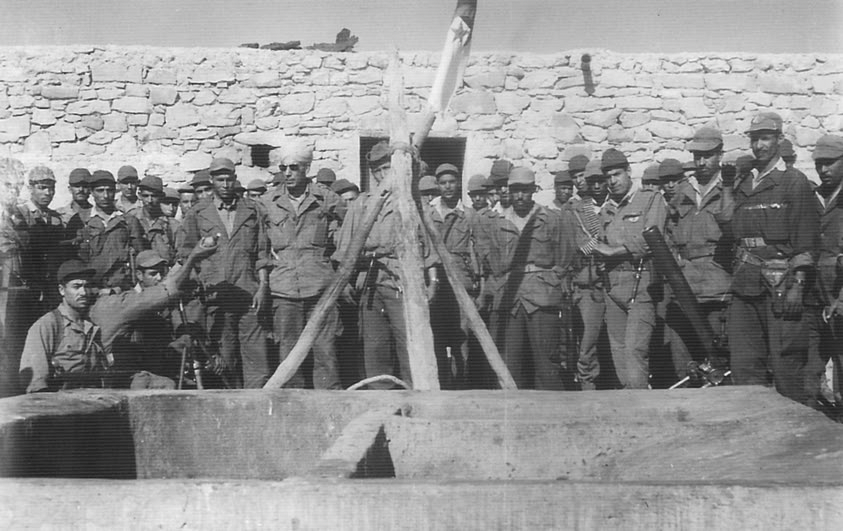
From another perspective, Le Matin d’Algérie reported on December 20, 2025, that Algeria and France have entered a new phase of tension following the parliament’s discussion of the colonial crimes bill. The outlet emphasized that the move carries “strong historical significance and raises multiple diplomatic questions.”
The site cited Minister of Mujahideen and Rights Holders Abdelmalek Tacherift, who stressed that the atrocities committed over more than 132 years of colonial rule—including executions, forced deportations, systematic torture, land confiscation, and attempts to erase national identity—constitute crimes that do not fall under statutes of limitation under international law. He underscored that these crimes cannot be forgotten or diminished, noting that collective memory is a cornerstone of national sovereignty.
Algerian lawyer and historian Fatima Benbrahem echoed this view, telling French site RFI on December 21, 2025, that the shared history between Algeria and France must be confronted and cannot be ignored. She described colonialism as a continuous chain of crimes and argued that it should be recognized as a crime against humanity, with perpetrators held accountable.
Benbrahem highlighted the law’s significance for the Algerian people, describing it as a historic measure that restores the dignity of Algerians and acknowledges their long struggle from 1830 to 1962.
Earlier, on November 30, 2025, Algerian Foreign Minister Ahmed Attaf called for the criminalization of colonialism across Africa, noting that it waged genocidal wars against indigenous populations and plundered their resources. Speaking at an international conference on colonial crimes in Algiers, Attaf argued that it is time to criminalize colonialism as a whole rather than only condemning certain practices or their effects.
He emphasized that African nations have the right to demand formal recognition of the crimes committed against their peoples during colonial rule, along with fair compensation and restitution of looted property.
Symbolic Step
Algerian lawyer Ismail Maaraf argued that, despite its strong political symbolism, the colonial crimes law remains largely a symbolic gesture rather than a legally enforceable measure.
Speaking to Al-Estiklal, Maaraf noted that a similar draft had been proposed during the presidency of the late Abdelaziz Bouteflika but was later abandoned following legal reviews by experts, who concluded that such legislation would not yield tangible results.
He attributed this to the legal framework governing Algerian-French relations, particularly the 1962 Evian Accords, which formally ended the war and eliminated any legal liability for crimes committed by French soldiers at the time. According to Maaraf, this represents a structural barrier to pursuing retroactive legal claims.
“The highly sensitive issue of reparations for colonial-era victims or the legacy of French nuclear tests in the Algerian desert remains practically unenforceable, given the lack of French willingness to address such demands,” the lawyer said.
Based on these realities, Maaraf sees the law primarily as a political and symbolic response rather than a tool capable of securing official recognition or tangible compensation.
Constitutional expert Moussa Boudhan argued that through the law criminalizing colonialism, Algeria places the international community before its moral and legal responsibilities, demanding justice.
Boudhan told the press that the law clearly defines the full scope of crimes committed by France in Algeria, including mass killings. It also sets out secondary provisions to establish France’s responsibility, mechanisms for recognition, apology, and compensation, and includes criminal penalties for promoting or glorifying colonialism.
He emphasized that crimes of colonialism do not lapse with time and said the law could open the door to prosecuting a state that committed crimes against humanity, noting that coordination continues across Algerian society to advance the colonial crimes legislation.