Behind Closed Doors: How Abu Dhabi Helped Revive ‘Israel’s’ Arms Trade After Genocide in Gaza
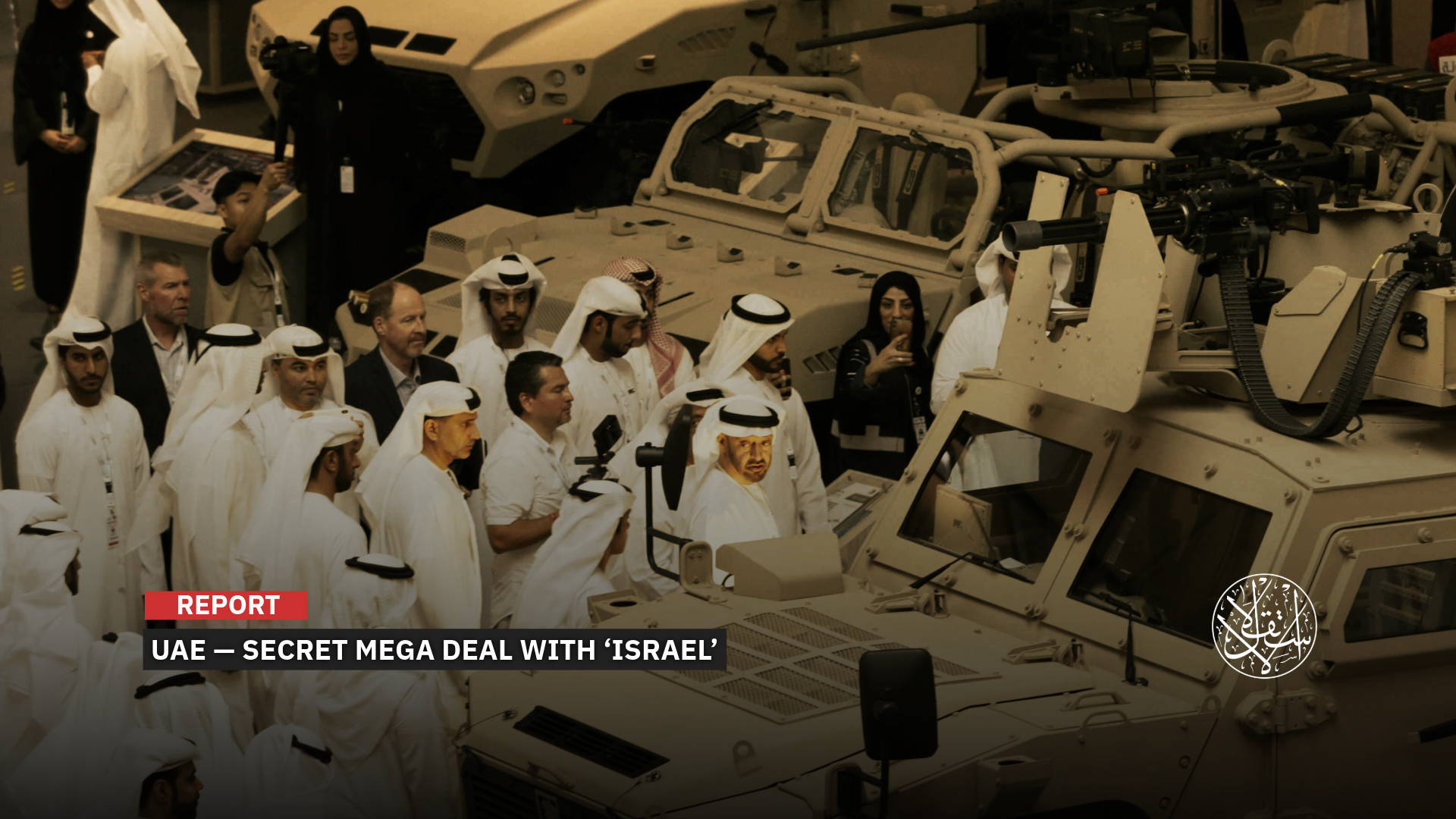
Leaked U.S. documents confirm the existence of secret military cooperation between “Israel” and Arab states during the genocide in Gaza.
As “Israel’s” aggression on Gaza drew mounting international condemnation, governments across Europe and beyond froze or canceled multibillion-dollar arms deals, pushing “Israel’s” weapons industry toward stagnation and the threat of collapse in the occupied Palestinian territories.
Yet once a ceasefire took hold in Gaza, Israeli Occupation arms manufacturers announced that they had quietly secured a “secret” weapons sale to unnamed countries. The deal, revealed on November 17, 2025, was deliberately shrouded in secrecy amid fears that the buyers would face global backlash for backing a state accused of committing genocide in Gaza.
Nearly a month later, Intelligence Online reported that the United Arab Emirates was the buyer behind the mysterious agreement disclosed by Elbit Systems. According to the report, published on December 15, the deal is valued at an estimated $2.3 billion, making it the largest contract in the company’s history and one that effectively spared Elbit from halted production and potential bankruptcy.
“Israel’s” business daily Calcalist confirmed the details a day later, describing the agreement as “Elbit’s record $2.3 billion defense deal” and naming the UAE as the second party to the contract, a Gulf lifeline that arrived just as “Israel’s” arms sector was reeling from international isolation.
Deal details
On November 17, Elbit Systems Ltd. announced in a filing to the Tel Aviv Stock Exchange that it had signed a major international arms contract worth $2.3 billion. The statement, distributed via PR Newswire, described the agreement as one of the largest in the company’s history.
The official disclosure did not name the purchasing country, nor did it include technical specifications or identify the contracting party. Elbit said the client’s identity was being withheld for “security and technical reasons,” underscoring the unusually high level of secrecy surrounding the deal.
Instead, the company offered only a vague description, saying the contract involved an “advanced strategic system for an international customer,” without clarifying the nature of the weapons or who would ultimately receive them. Details remained tightly guarded under what appeared to be coordinated regulatory and media silence.
That secrecy held until foreign intelligence reports began to point to Emirati involvement. About a month after Elbit’s announcement, intelligence and media outlets outside the Israeli Occupation reported that the United Arab Emirates was the buyer behind the contract.
On December 15, 2025, Intelligence Online identified the UAE as the state that signed the agreement, noting that “Israel” was refusing to disclose the type of weapons or systems involved due to the sensitivity of the deal.
The same day, Calcalist warned that the transaction could have implications for “Israel’s” military edge in the Middle East. The paper reported that concerns over the sensitivity of the technology and the risk of it being leaked had been overridden by Tel Aviv’s urgent need to finance its struggling arms industry.
Elbit Systems employs roughly 20,000 people across operations spanning five continents. According to the company’s official data, it generated $1.973 billion in revenue in the three months ending June 30, 2025. By that date, its order backlog stood at $23.8 billion, though a significant portion of those contracts had been frozen following the Israeli war on Gaza.
The deal has also raised broader regional concerns. The UAE has been accused, based on Sudanese documents and evidence, of backing the Rapid Support Forces militia led by Mohamed Hamdan Dagalo, known as Hemedti, which has been linked to grave human rights violations in Sudan. The Israeli-made weapons sold under this contract could ultimately find their way into Sudan.
Risks of the Deal
In a statement issued on November 17, PR Newswire described the agreement, identifying the UAE as the client, as the largest contract in Elbit’s history and said it carried two clear signals.
First, it pointed to a deepening of military and technological cooperation between “Israel” and the United Arab Emirates, a process that began after the Abraham Accords and has continued despite the Israeli war on Gaza. The deal opened new markets for Israeli war industries at a moment when international outrage over Gaza had threatened to shut those markets down.
Second, it signals a recovery and expansion of “Israel’s” military export chains beyond their traditional destinations. Emirati backing, in effect, rescued “Israel’s” arms industry from the brink of collapse following the massacres in Gaza and the boycott campaigns that followed. Through arms deals and related investments, Abu Dhabi injected direct financial liquidity into Israeli weapons manufacturers and revived demand for their products.
This support has helped strengthen “defense cooperation” between Abu Dhabi and Tel Aviv, according to the Washington Institute, a U.S. think tank closely aligned with pro-“Israel” policy circles, in an analysis published on August 5, 2025. The institute said such deals improved cash flow for companies producing advanced “defense” systems, kept production lines running, and boosted their confidence in regional markets.
Emirati contracts, in particular, have allowed the Israeli Occupation to broaden its network of regional buyers and break through boycott barriers that once limited arms exports to Arab states before the Abraham Accords. More critically, they have helped compensate Israeli arms manufacturers for contracts lost or frozen in Europe, where governments came under political pressure after the war on Gaza and suspended or delayed weapons purchases.
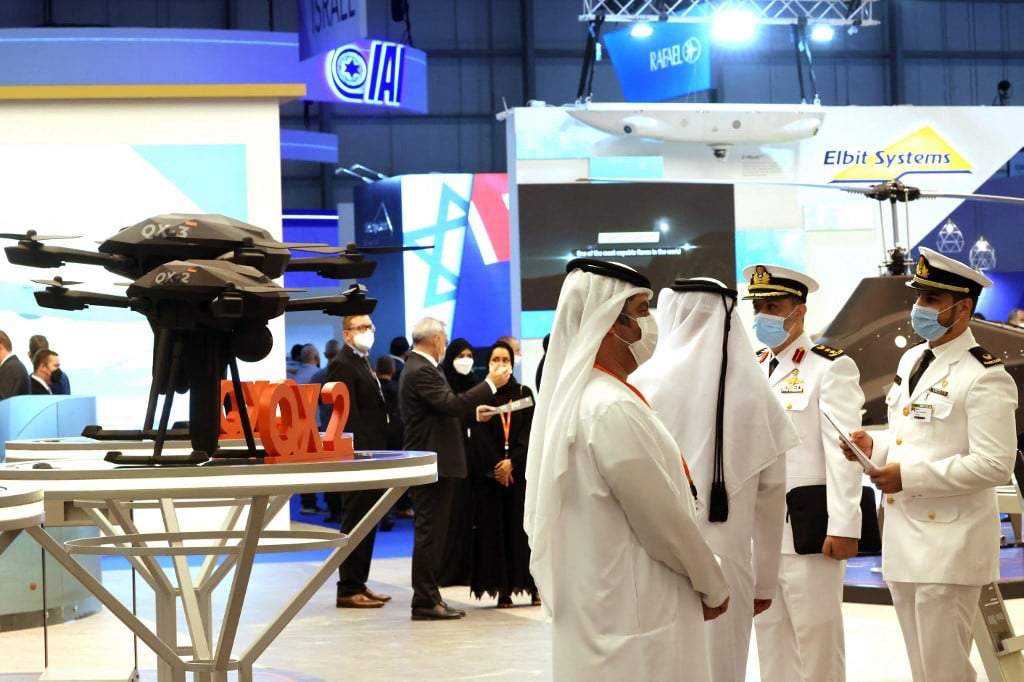
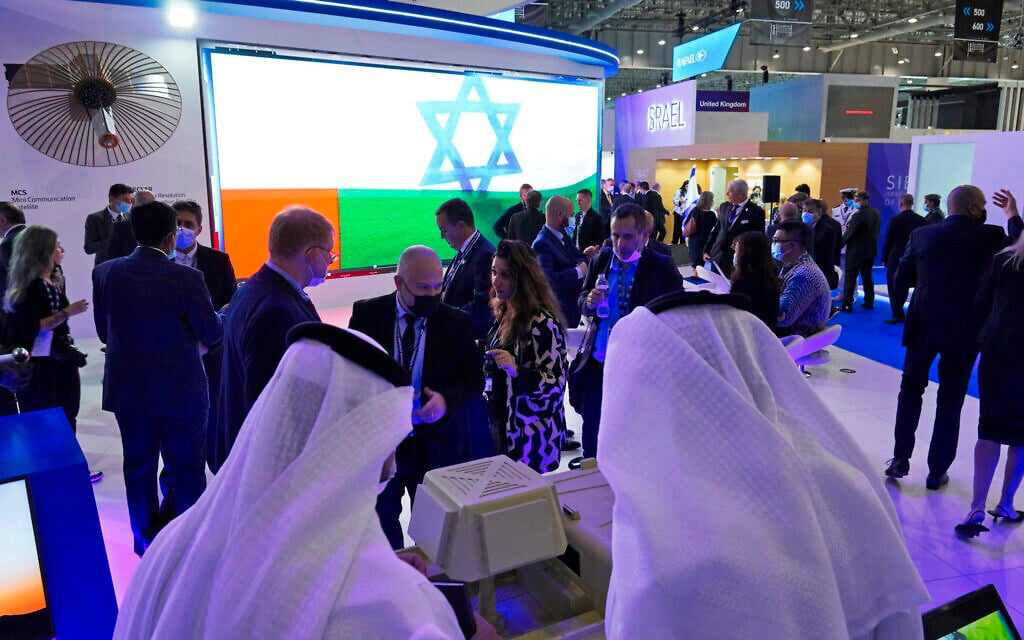
In that context, Emirati support helped blunt the impact of Western pressure on “Israel’s defense sector.” The danger is that this support is not limited to investments or joint industrial projects. The UAE has also hosted and promoted Israeli weapons technologies at defense exhibitions on its soil, giving Israeli firms new platforms to connect with potential buyers and expand their reach.
The Israeli Occupation has openly encouraged new arms deals as a way to finance the adjustments required to prepare its weapons industry for what it calls the next war, with a particular focus on Iran, according to “Israel’s” financial daily Calcalist. These plans include funding the fortification of military production facilities, purchasing machinery to expand production lines, and making large investments in research and development to secure future capabilities for the Israeli Occupation army.
Tel Aviv also plans to expand arms exports through government-to-government agreements, like the deal with the UAE, using them as a primary funding mechanism for weapons manufacturers. In 2024 alone, “Israel” concluded 21 arms deals under this model to cover war-related costs and aims to increase that number to restore annual weapons sales to a target of $14.8 billion, according to the latest figures from that year.
“Israel’s” war ministry has announced what it calls a reform policy for arms exports beginning in 2026, easing restrictions on sales to countries that were previously off-limits in order to offset mounting financial losses. Calcalist confirmed that “Israel” is increasingly seeking to fund its military industries through arms sales themselves, rather than relying on direct government financing from a state budget depleted after two years of war.
The strategy is designed to reduce the immediate burden on public finances and shift the cost of sustaining “Israel’s” weapons industry onto foreign buyers. After the war on Gaza disrupted many of “Israel’s” overseas arms sales, which are a key source of state revenue, and following an aggressive marketing push to recover lost ground, “Israel’s” war ministry announced sweeping facilitations in weapons exports.
According to The Times of Israel, reporting in November, these measures will allow arms exports to a wider range of countries, increase the number of licensed exporters, and raise state tax revenues from weapons deals, locking arms sales more deeply into “Israel’s” postwar economic survival strategy.
Military Normalization
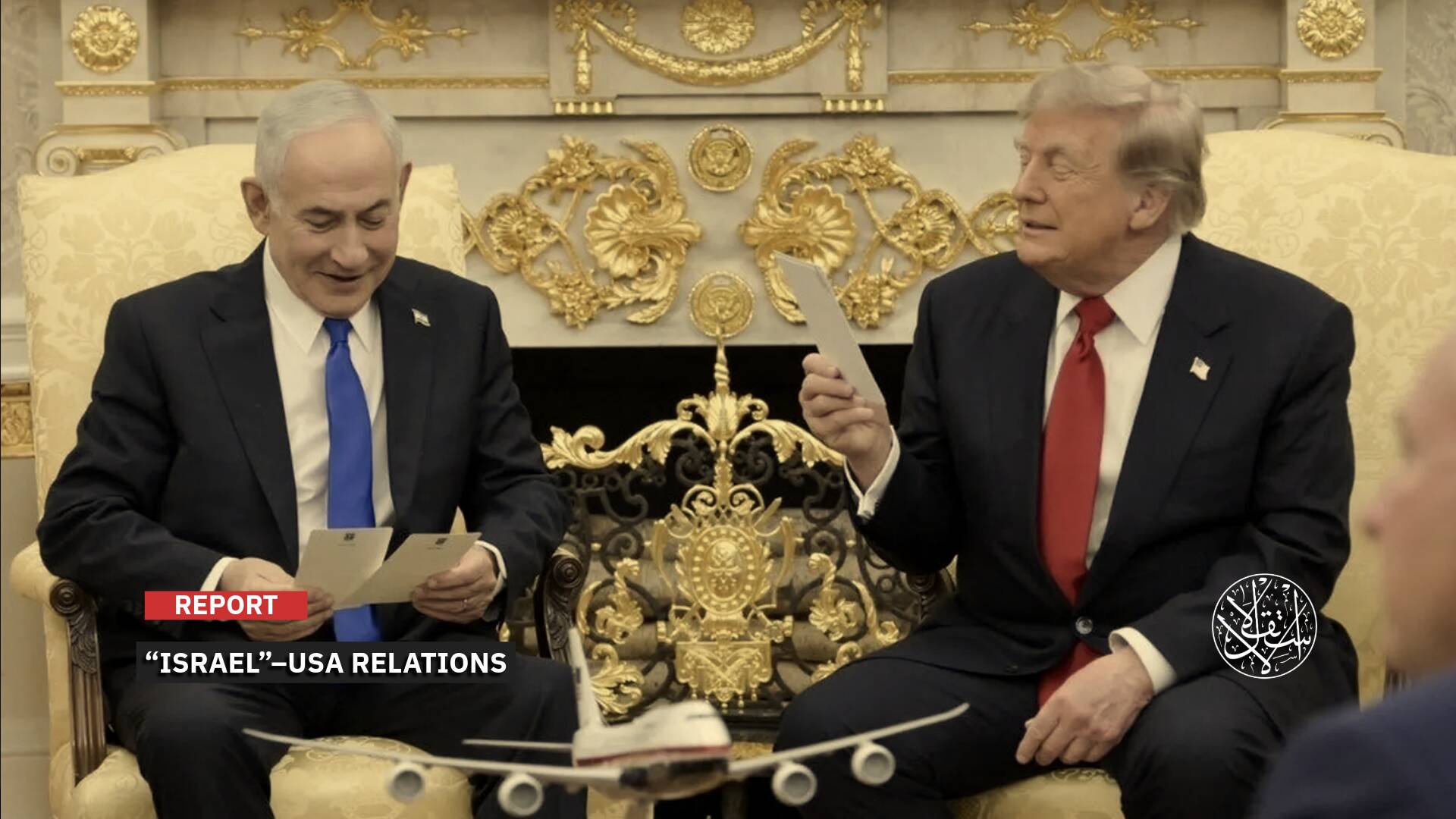
Since the Israeli Occupation and the United Arab Emirates normalized relations under the U.S.-brokered Abraham Accords on September 15, 2020, their ties have rapidly expanded across economic, commercial, and military spheres, continuing even amid the genocide in Gaza.
From 2020 onward, Abu Dhabi and Tel Aviv have steadily deepened diplomatic, economic, and “defense” cooperation, a trajectory reflected in a series of milestones.
In November 2021, U.S. Central Command led a multilateral naval exercise in the Red Sea involving forces from Bahrain, the UAE, and “Israel.” It marked the first publicly acknowledged military drill bringing together Abraham Accords signatories.
By September 2022, Elbit Systems Emirates, a local subsidiary of the Israeli war firm, announced it had secured a $53 million contract to supply “defensive” systems to the Emirati air force. That same month, the Israeli Occupation approved the UAE’s request to acquire the mobile Spyder air “defense” system.
A month later, in October 2022, “Israel’s” Barak surface-to-air missile “defense” system was deployed on Emirati territory.
Military cooperation continued to deepen. In February 2023, “Israel” and the UAE announced their first bilateral naval exercise and unveiled an unmanned naval vessel developed jointly by the two countries.
In January 2025, the Emirati defense conglomerate EDGE disclosed that it had acquired a 30 percent stake in the Israeli firm Third Eye, which specializes in developing systems designed to detect and jam hostile drones.
Three months later, in April 2025, the UAE sent Mirage 2000-9 fighter jets to participate alongside U.S. and Israeli air forces in a multinational military exercise in Greece, a move that underscored the resilience of military ties despite the war on Gaza.
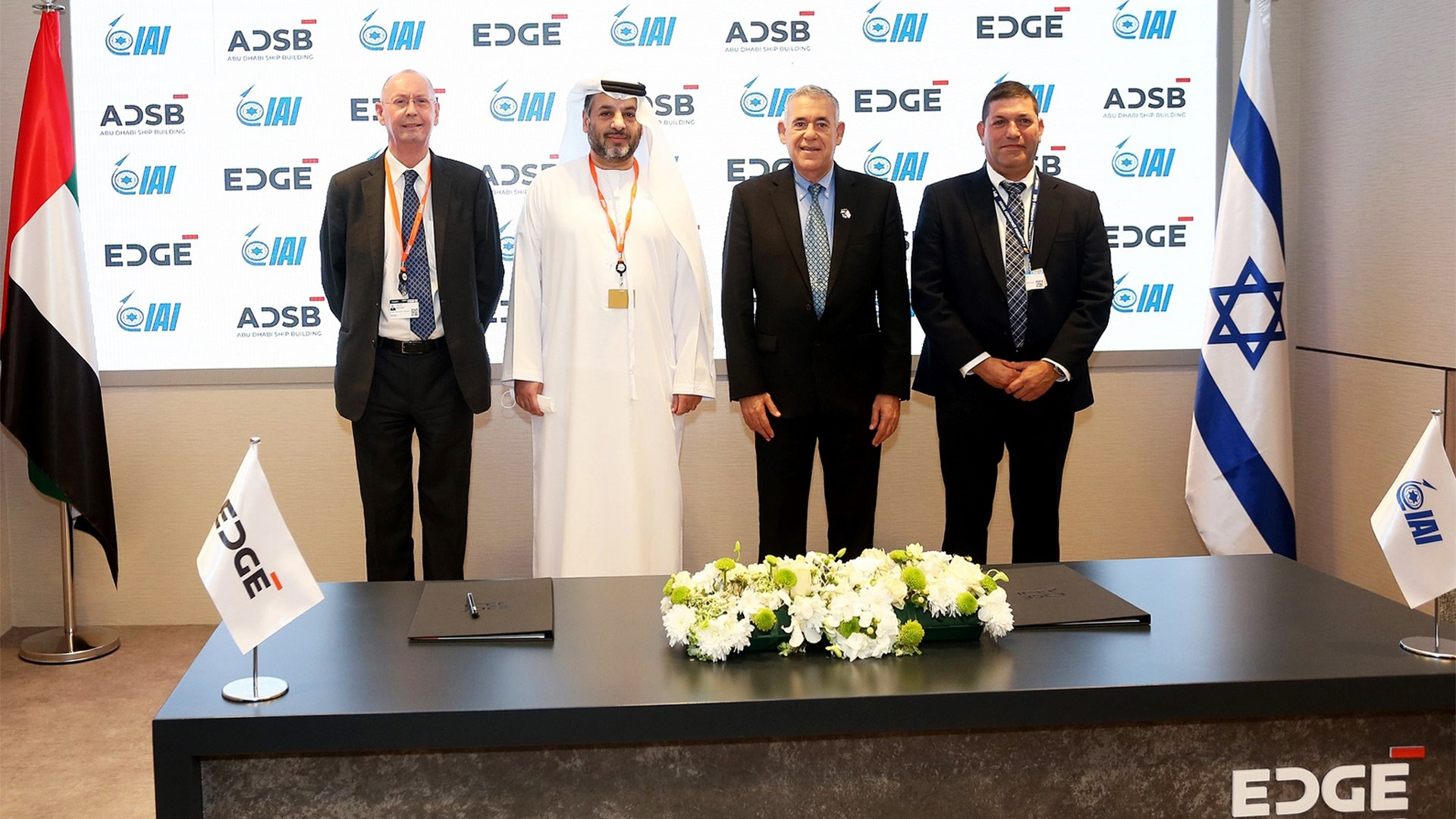
In June 2025, EDGE finalized another deal with Elbit Systems to purchase the Hermes 900 drone, an agreement that included technology transfer and provisions for local production in the UAE.
Beyond these headline deals, Israeli media reports have confirmed that the two countries also exchange intelligence related to what they describe as shared threats. Israeli war companies, including Elbit Systems and Israel Aerospace Industries, have previously opened official representative offices in Abu Dhabi and taken part in major Emirati defense and security exhibitions, embedding Israeli military technology more deeply into the Gulf state’s defense ecosystem.
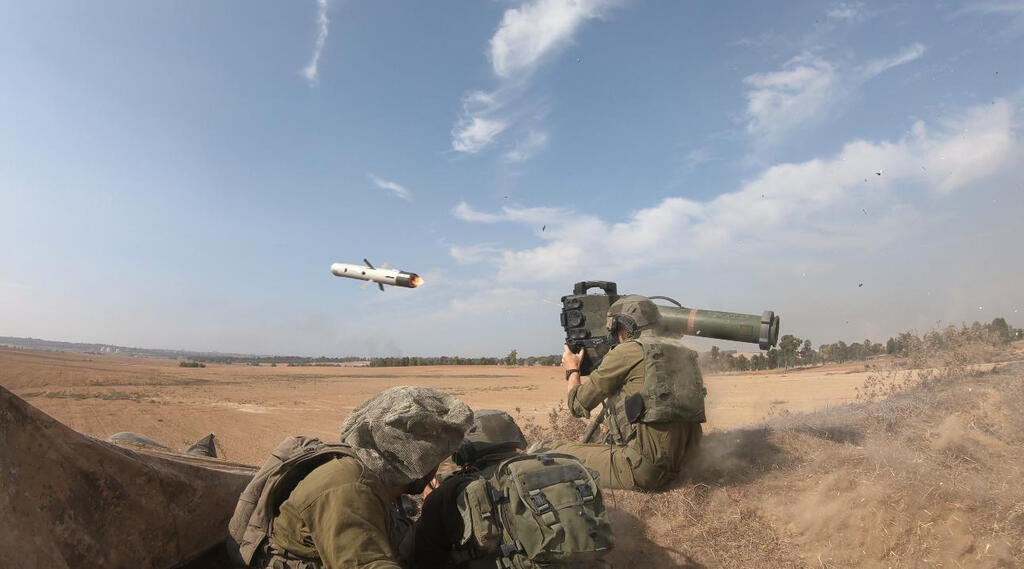
Rescuing ‘Israel’s’ Industries
“Israel’s” arms industry came under acute pressure after Spain issued three decisions canceling or freezing weapons purchases from Israeli military companies worth nearly €1 billion. Other European states followed suit, suspending contracts valued at around $600 million in response to its war on Gaza. Israeli economic reporting shows that arms manufacturers quickly began searching for alternative deals to offset the losses.
On October 12, Yedioth Ahronoth reported that Israeli weapons companies had intensified contacts with European governments in an effort to revive purchases following the Gaza ceasefire. The aim was to secure new contracts and compensate for wartime losses, after several manufacturers warned of factory closures and production cutbacks.
A senior official at one of “Israel’s” largest arms companies told the paper that factories were operating at full capacity to replenish the vast quantities of ammunition consumed by the military during the war on Gaza and to rebuild depleted stockpiles. But the official acknowledged a deeper structural problem. “Israel’s” arms industry depends on exports to remain profitable, making foreign sales essential to its survival.
As a result, companies began pursuing future contracts beyond Europe. “Israel’s” three largest war firms, Rafael, Elbit Systems, and Israel Aerospace Industries, collectively held orders worth roughly 250 billion shekels at home and abroad, though a portion of those contracts was temporarily frozen.
Spain delivered the most severe blow. Its government canceled a €700 million contract to purchase Israeli-designed rocket launchers, following an earlier cancellation of another arms deal worth close to €300 million. Together, the canceled contracts totaled nearly €1 billion, or about $1.18 billion, according to The Times of Israel on September 15, 2025.
Israel’s heaviest losses from the genocide in Gaza were in its arms trade, as its economy depends on war industry sales and profits, with annual Israeli arms exports totaling around $15 billion.
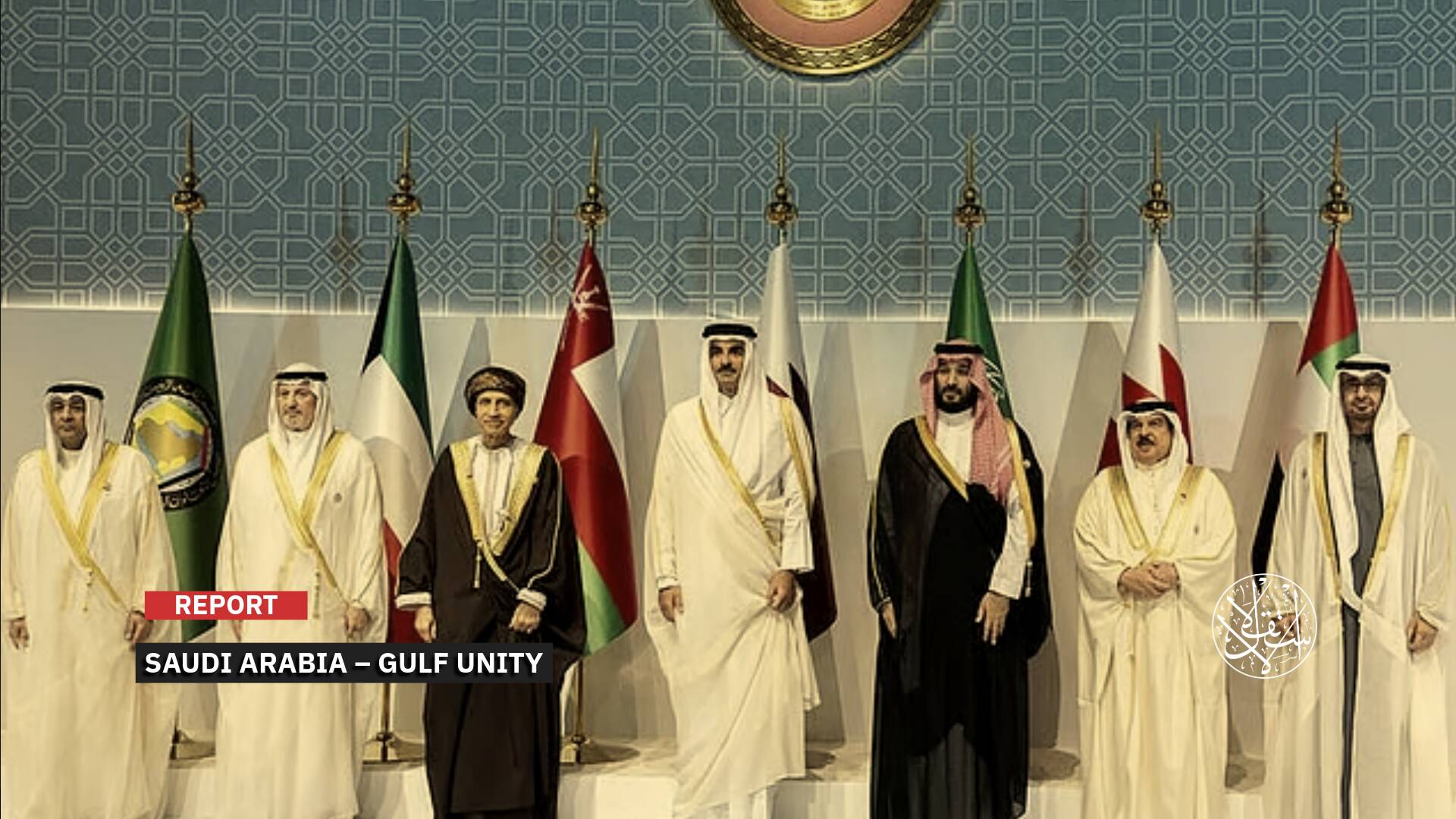
At the same time, evidence emerged that “Israel’s” military isolation was less complete than it appeared. On October 11, 2025, The Washington Post published leaked U.S. documents revealing the existence of secret military cooperation between “Israel” and several Arab states during the war on Gaza. Despite strong public criticism of “Israel,” six Arab countries were found to have quietly participated in a U.S.-led regional security network, exchanging intelligence and conducting training with “Israel” focused on tunnel warfare and countering Iran.
The countries named were the United Arab Emirates, Saudi Arabia, Egypt, Jordan, Bahrain, and Qatar. They were part of a covert framework described as a regional security structure, with Kuwait and Oman listed as potential future partners.
In the wake of the Emirati arms deal, the Israeli Occupation scored another major breakthrough in Europe. Germany’s parliament approved the purchase of “Israel’s” Arrow 3 air war system in a deal worth $6.7 billion, the largest security export agreement in “Israel’s” history.
Sources
- Elbit Systems Signs a $2.3 Billion International Contract
- Revealed: the mystery client behind Elbit Systems' mega-contract in Gulf
- UAE reportedly behind Elbit’s record $2.3 billion defense deal
- Emirati state weapons contractor invests in Israeli defense supplier
- Israel-UAE Defense Cooperation Grows Under the Abraham Accords
- The $2.3 billion mystery arms deal Israel won’t explain
- Israeli defense firms eye renewed business in Europe in wake of Gaza ceasefire
- Secret Israel-Arab military cooperation during Gaza war revealed, leaked US documents show