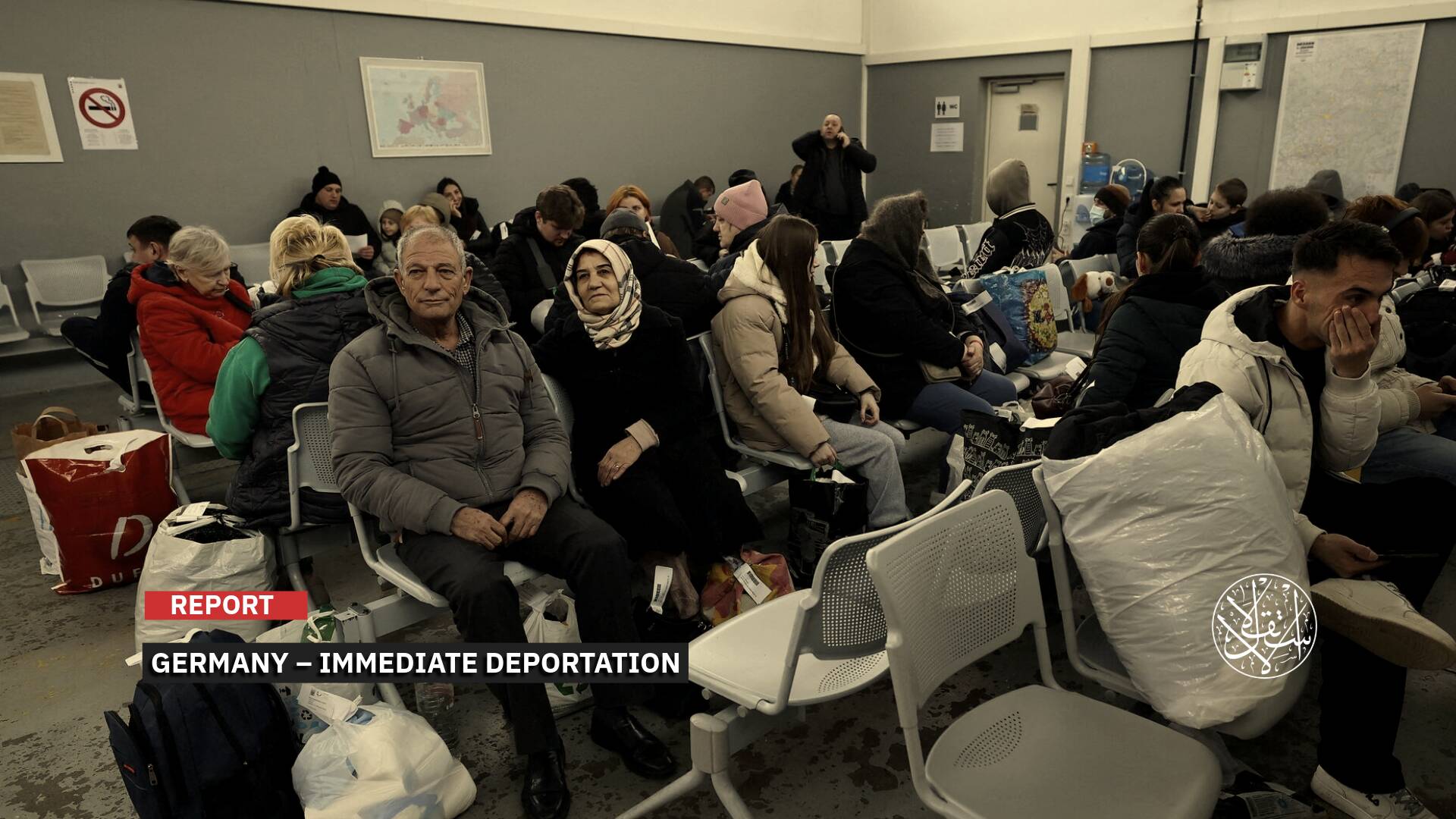
Between Safety and Deportation: What Berlin Wants from Syrians
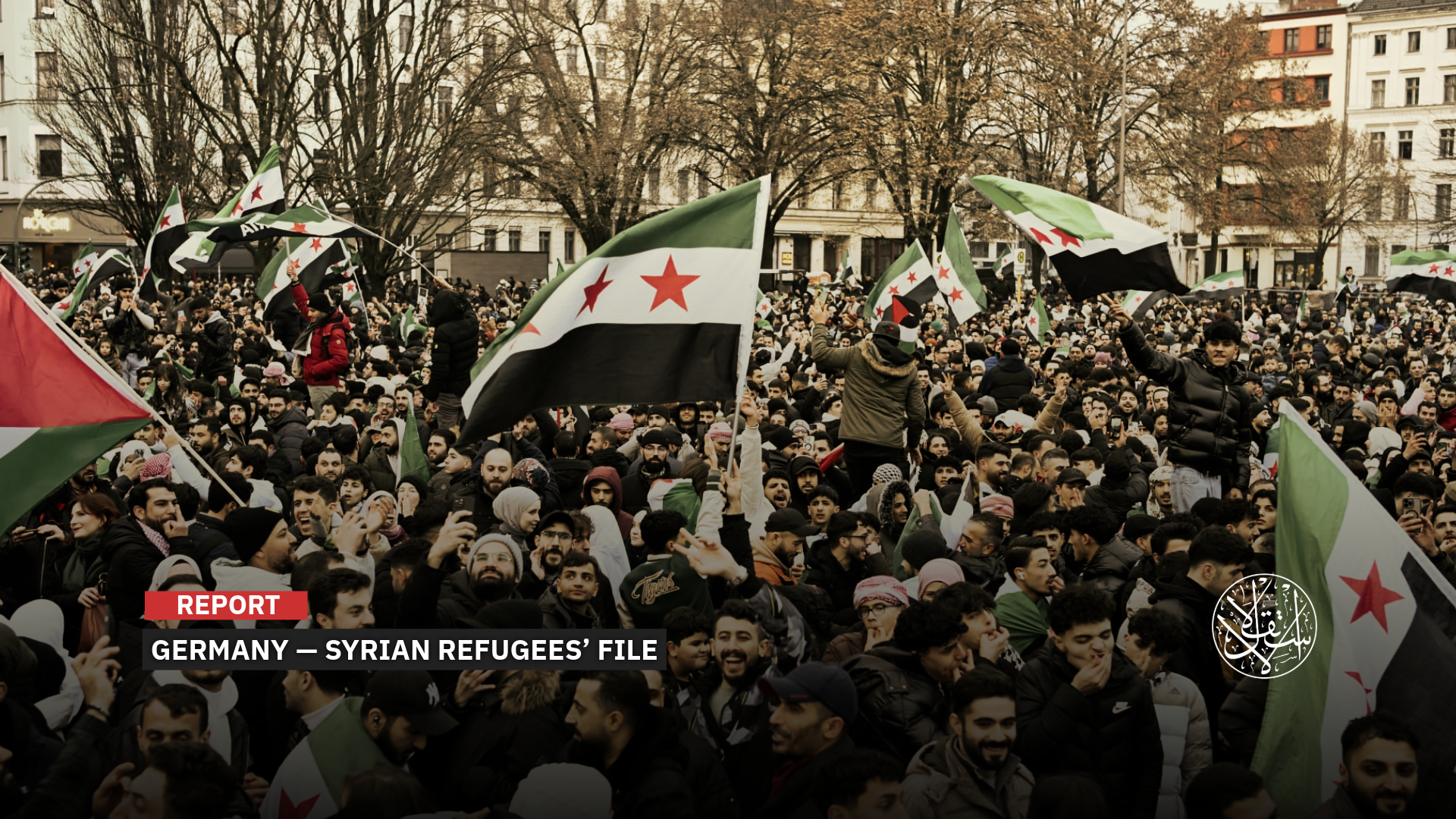
Germany has rolled back asylum decisions for those who visited Syria after Assad’s fall.
Recent developments in Germany suggest that the Syrian refugee issue has entered a new and complex phase as the country moves toward reviewing its existing asylum policies, revealing a sharp political divide over how to handle this sensitive matter.
The debate is split between a broad approach that considers the shifts taking place in Syria and a more targeted strategy calling for careful individual assessments of refugees’ situations, weighing their personal circumstances and willingness for voluntary return without stripping them of their right to asylum or subsidiary protection.
Heightened Scrutiny of Refugees
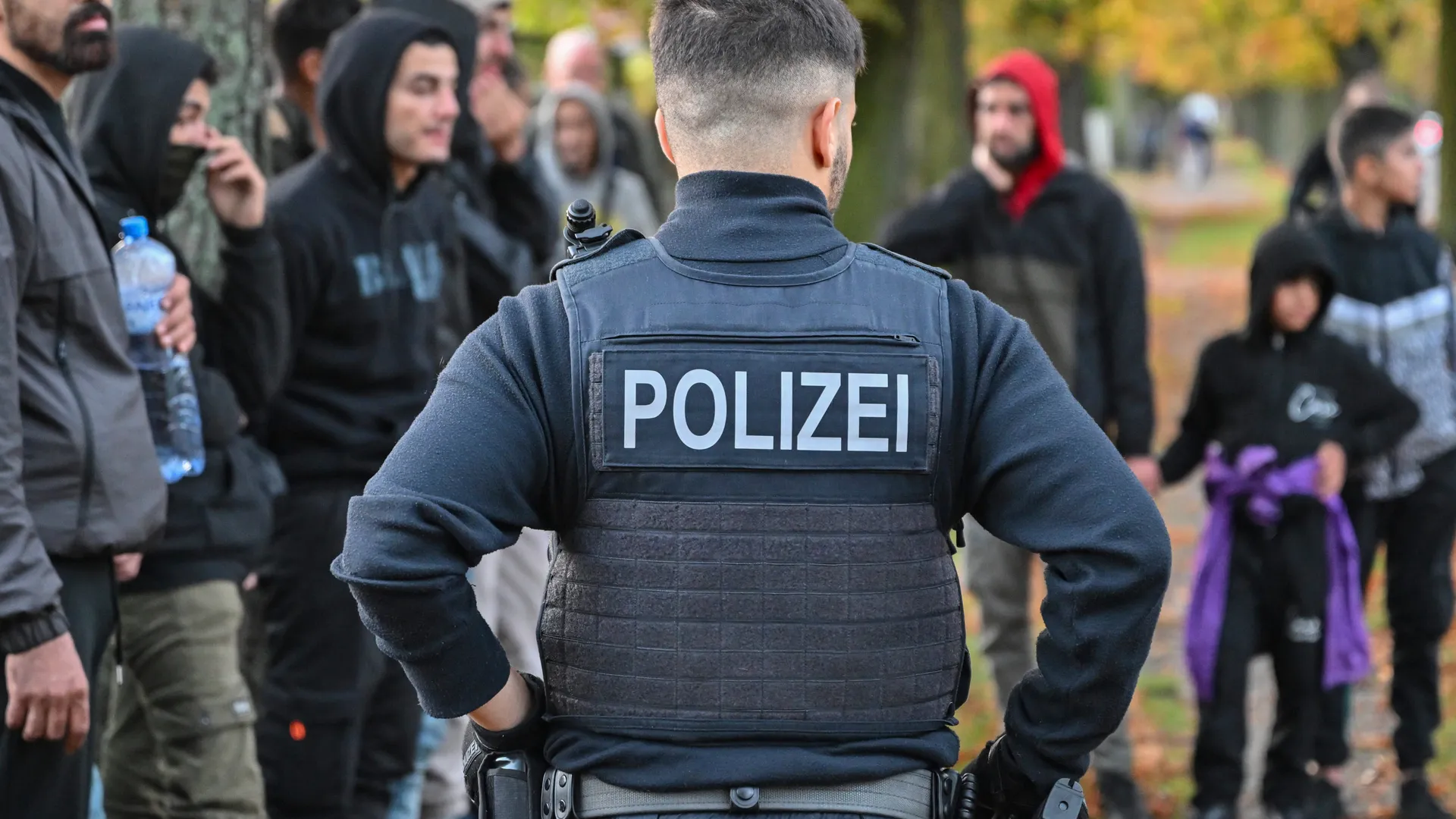
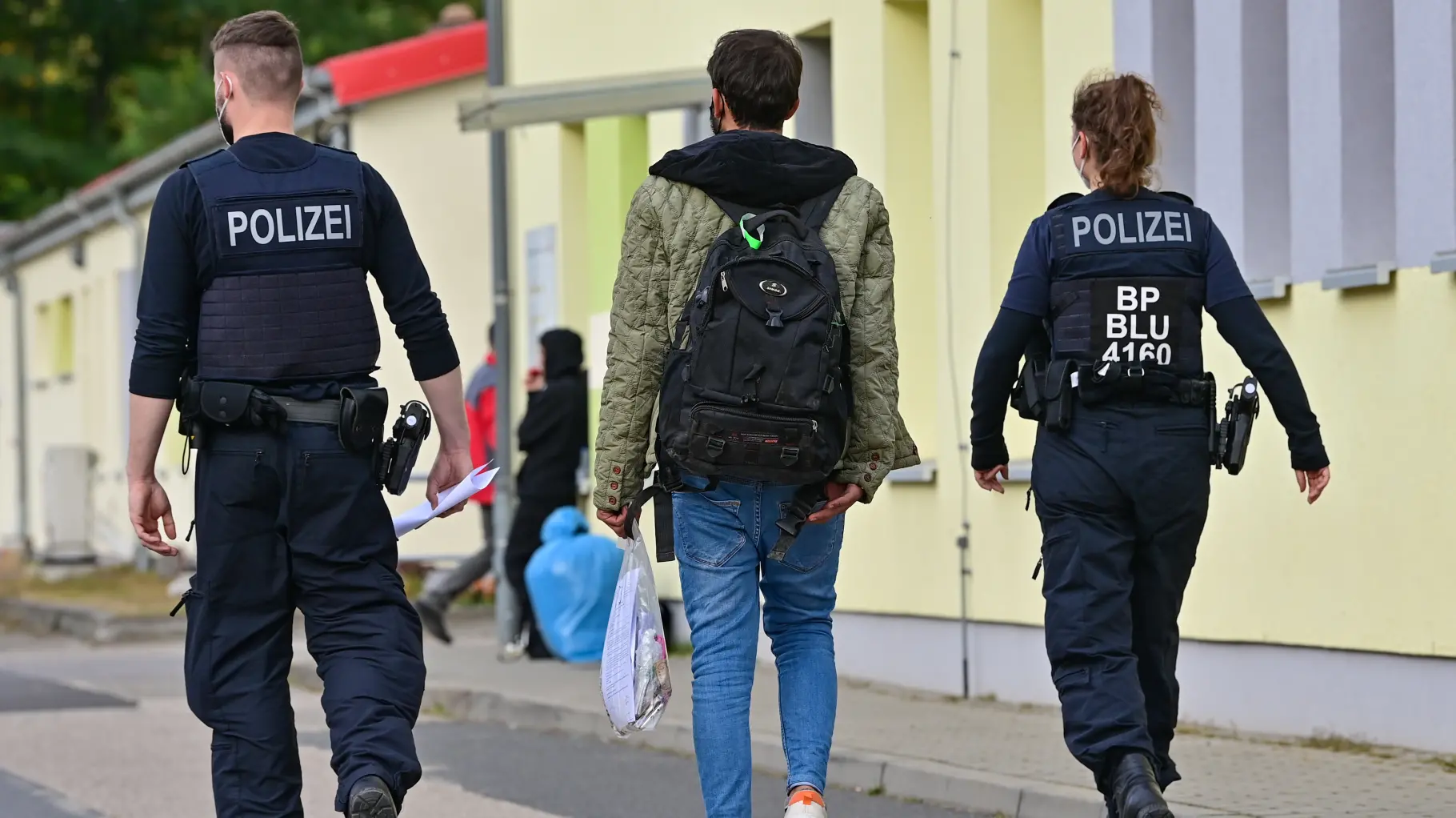
Germany has begun intensifying scrutiny of Syrian refugees, with reports from Bild on December 16, 2025, revealing changes in asylum policies that have led to the revocation of protection and residency for 552 Syrians.
The Federal Office for Migration and Refugees (BAMF) said it is reviewing thousands of asylum decisions for Syrians, targeting those who have committed crimes, are deemed a security risk, or have recently visited Syria. Between January 2025 and November 30, 16,737 cases were reviewed, resulting in 552 revocations: six lost asylum rights under the German constitution, 268 lost refugee status under the Geneva Convention, 184 lost subsidiary protection, and 94 had previous deportation bans lifted.
At the same time, 16,185 cases retained their existing protection, while 20,428 reviews remain pending. BAMF has announced that revocation procedures will resume for specific groups once the security situation in Syria becomes clearer.
Germany hosts the largest Syrian community in Europe, having welcomed around one million refugees after the 2011 revolution, most of whom hold subsidiary protection. Since September 2025, the government has widely rejected new Syrian asylum applications and extended the review to existing permits, following political changes in Syria after the fall of Bashar al-Assad on December 8, 2024.
Earlier measures had already raised concern among Syrian refugees, particularly those with subsidiary protection. In May 2025, the German government approved a two-year suspension of family reunification for this group, excluding full-status refugees. This left thousands of families in limbo and prompted some to attempt risky or illegal travel to Syria to reunite with relatives. Many Syrian families returned home after Assad’s fall, losing hope of completing reunification procedures in Germany.
Authorities justify these steps by citing improved security in parts of Syria, which they consider stable enough to reassess or revoke protection in specific cases. These measures do not mean immediate deportation, but each case is evaluated individually.
Currently, almost no new Syrian asylum seeker is granted protection. According to Welt am Sonntag, only 0.8 percent of cases were recognized in October 2025. Of 3,134 applications, one person received asylum under the Basic Law, ten were granted refugee status, nine received subsidiary protection, and six were granted protection from deportation.
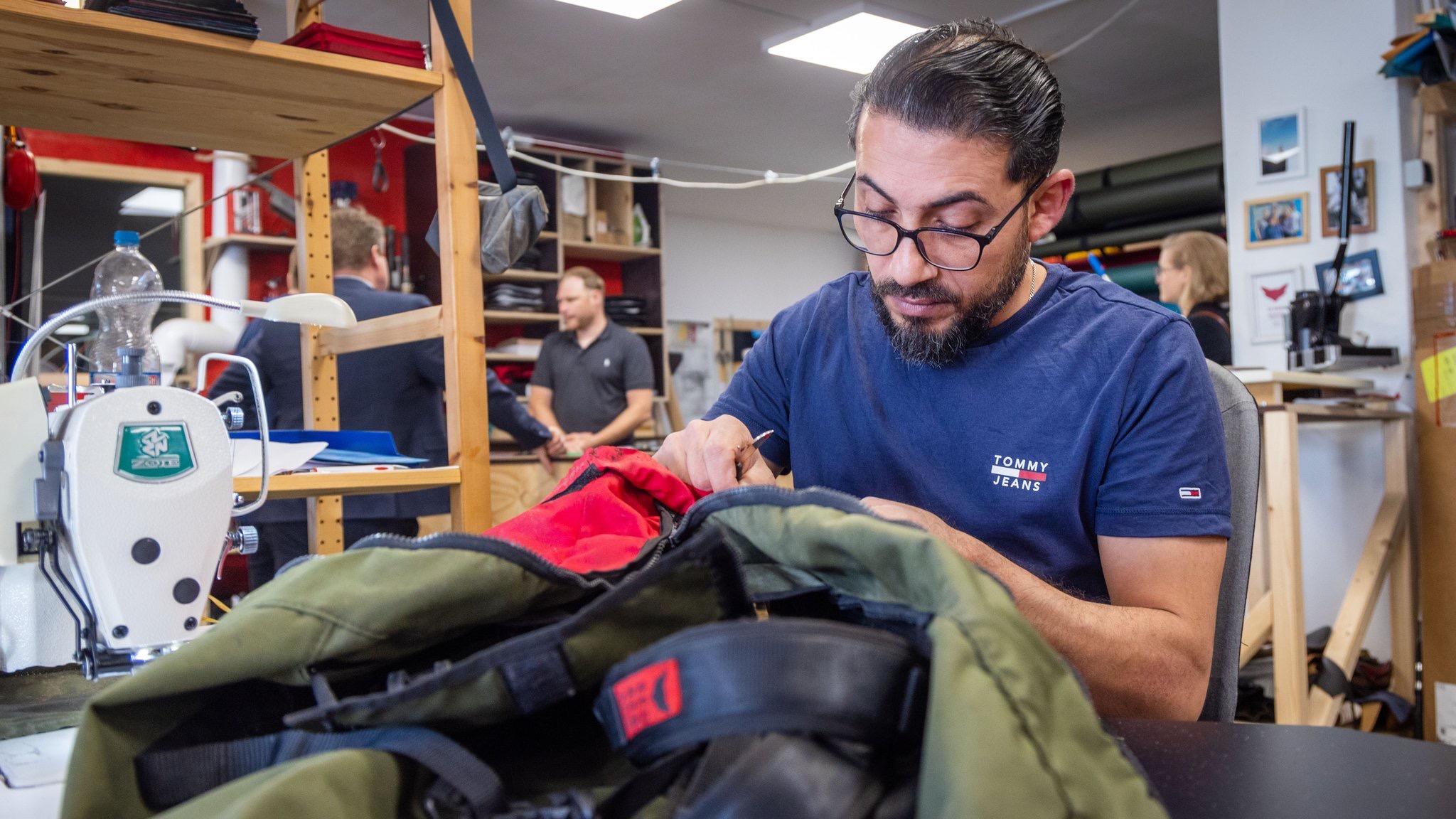
Observers note that Syrian refugees, Germany’s third-largest foreign community after Turks and Ukrainians, play a significant role in the labor market, especially in healthcare and services, complicating policy decisions. The German Medical Association reports that over 7,000 Syrian doctors are currently working in Germany, helping to address shortages and support the healthcare system.
Division Over Syrians
Syrian journalist Mohammad Alaa, who lives in Germany, told Al-Estiklal that since September 2025, BAMF has generally stopped granting new protection status to Syrians. He explained that the agency is currently focused on reviewing a large number of existing asylum decisions to determine whether protection remains necessary or if conditions now allow it to be withdrawn.
“The number of people actually at risk of deportation remains very limited,” he said. “The main groups affected include those considered a security threat, individuals with a criminal record, and those who travel secretly to Syria despite holding asylum or subsidiary protection, a practice prohibited by law, as well as those who provided false information during their asylum applications, particularly regarding alleged security threats.”
“Deportation is not as dramatic as some media portrayals suggest; mass deportations cannot be carried out easily,” the journalist added. “Procedures are complex and lengthy, starting with individual hearings conducted by BAMF for each person, with every case examined independently and thoroughly.”
Alaa explained that subsidiary protection can only be revoked if conditions in the country of origin have changed significantly and permanently, not temporarily. He added that Syria’s designation as a safe country of origin remains undecided, though it is theoretically possible.
He pointed out that in 2025, BAMF reviewed approximately 16,700 cases, but protection was actually revoked in only 552 instances, highlighting the limited number of final decisions relative to the total reviews.
Alaa noted that German politics is deeply divided over the question of whether Syrian refugees should be asked to return to their country. Some argue that any decision should be based on the overall security situation in Syria, rather than local or regional conditions. Polls indicate that some Syrians are willing to return, though not immediately, prompting some German lawmakers to consider more flexible policies that take these factors into account.
He added that many Syrians are currently employed in Germany, allowing them to apply for work-based residence permits. This, he said, factors into political calculations, as Germany has an interest in ensuring any future returns are orderly and allow refugees to reestablish their lives after years of displacement.
The core of the disagreement, Alaa said, centers on the need for the German government to avoid rushing decisions and not forcibly return refugees to specific regions within Syria but to consider the country as a whole. BAMF is currently conducting a comprehensive reassessment of the situation in Syria, a process that takes time and cannot be resolved quickly.
Regarding secret visits by some Syrian refugees to their home country, Alaa said this phenomenon is not new and existed even under the previous regime, though at much lower levels, and it cannot be compared with the cases authorities have raised since Assad’s fall.
He stressed that most Syrians in Germany have lived legally in the country for many years, are well integrated, and speak the language fluently.
Alaa suggested that limiting unauthorized visits to Syria could be achieved through a proposal discussed by the German government after Assad’s fall, allowing refugees to make an initial visit to assess the possibility of returning without losing their asylum or protection status. Implementing such a mechanism, he said, would reduce the administrative burden on the government, especially for refugees legally employed in Germany.
He added that the possibility of visiting one’s country of origin without losing protection exists in other European countries, such as France, which could serve as a model.
In contrast, he noted that without such a provision, Syrians generally lose their protected status if it is confirmed that they have visited their home country. Exceptions are extremely narrow and precisely defined, such as visiting a close relative on their deathbed.
Careful Assessment
In late October 2025, the German news agency dpa quoted an Interior Ministry spokesperson as saying that, after careful review, the government had decided not to allow short-term travel to Syria for Syrian refugees while keeping their protection status unchanged.
Since the fall of Bashar al-Assad’s regime, 2,869 Syrians have returned home with support from the federal government between December 2024 and the end of October 2025, according to the Federal Office for Migration and Refugees (BAMF), which provided the figures to Welt am Sonntag.
Meanwhile, German Chancellor Friedrich Merz, leader of the Christian Democratic Union, has pushed for a faster resumption of deportations to Syria, while the center-right and center-left coalition government has expressed a clear preference for deporting convicted criminals first, and at an accelerated pace.
Federal Interior Minister Alexander Dobrindt, of the Christian Social Union, stated that the government is working on agreements with Syria to allow deportations. In September 2025, he told Rheinische Post, “We want to reach an agreement with Syria this year and initially deport criminals, followed later by those without legal residence.”
Bavarian Interior Minister Joachim Herrmann, also of the Christian Social Union, said in November 2025 that many Syrians should return home to help rebuild their country, while those who are well integrated into German society should be allowed to remain.
However, demands within the CDU/CSU coalition go further. Saxony Interior Minister Armin Schuster, of the CDU, noted that former Chancellor Angela Merkel was entirely correct in emphasizing the temporary nature of accepting Syrians.
In the first half of 2025, roughly 4,000 Syrians left Germany to return home. Among them, 995 benefited from the REAG/GARP 2.0 return program launched by the federal government in cooperation with state governments, receiving financial support for travel expenses. The program provides a start-up grant of 1,000 euros per person, up to 4,000 euros per family, plus travel allowances of 200 euros for adults and 100 euros for minors, and coverage for travel and medical costs if needed.
Meanwhile, 2,727 Syrians left Germany without receiving government assistance by the end of June 2025. The Federal Ministry of the Interior noted that these figures do not necessarily indicate whether their final destination was Syria or another country.
Despite these numbers, returns remain very limited compared to the total Syrian refugee population in Germany, which approaches one million, reflecting a clear preference among the majority to remain in Germany at present.
German Foreign Minister Johann Wadephul expressed the country’s position on calls to activate Syrian refugee deportations during his visit to Damascus on October 30, 2025. Meeting with Syrian President Ahmed al-Sharaa, Wadephul said that while the war in Syria is effectively over, the country is still unable to receive large numbers of returnees due to widespread destruction of infrastructure.
Standing before damaged buildings, the minister said that returns at the present time were extremely limited, as vast areas were no longer suitable for decent human habitation.
Sources
- Authority Moves to Revoke Syrians’ Asylum Status [German]
- Syrian Refugees in Germany Face Tough New Rules [German]
- Only a Few Syrians Have Returned [German]
- Germany Reopens Asylum Cases for Thousands of Syrians and Revokes Residency Permits for 552 People [Arabic]
- Germany wants to deport migrants 'regularly and systematically'