Between Deterrence and Fragmentation: Inside the Saudi-Turkish-Pakistani Defense Alliance
Hakan Fidan said the Islamic world is waking up again and rediscovering its ability to act together.
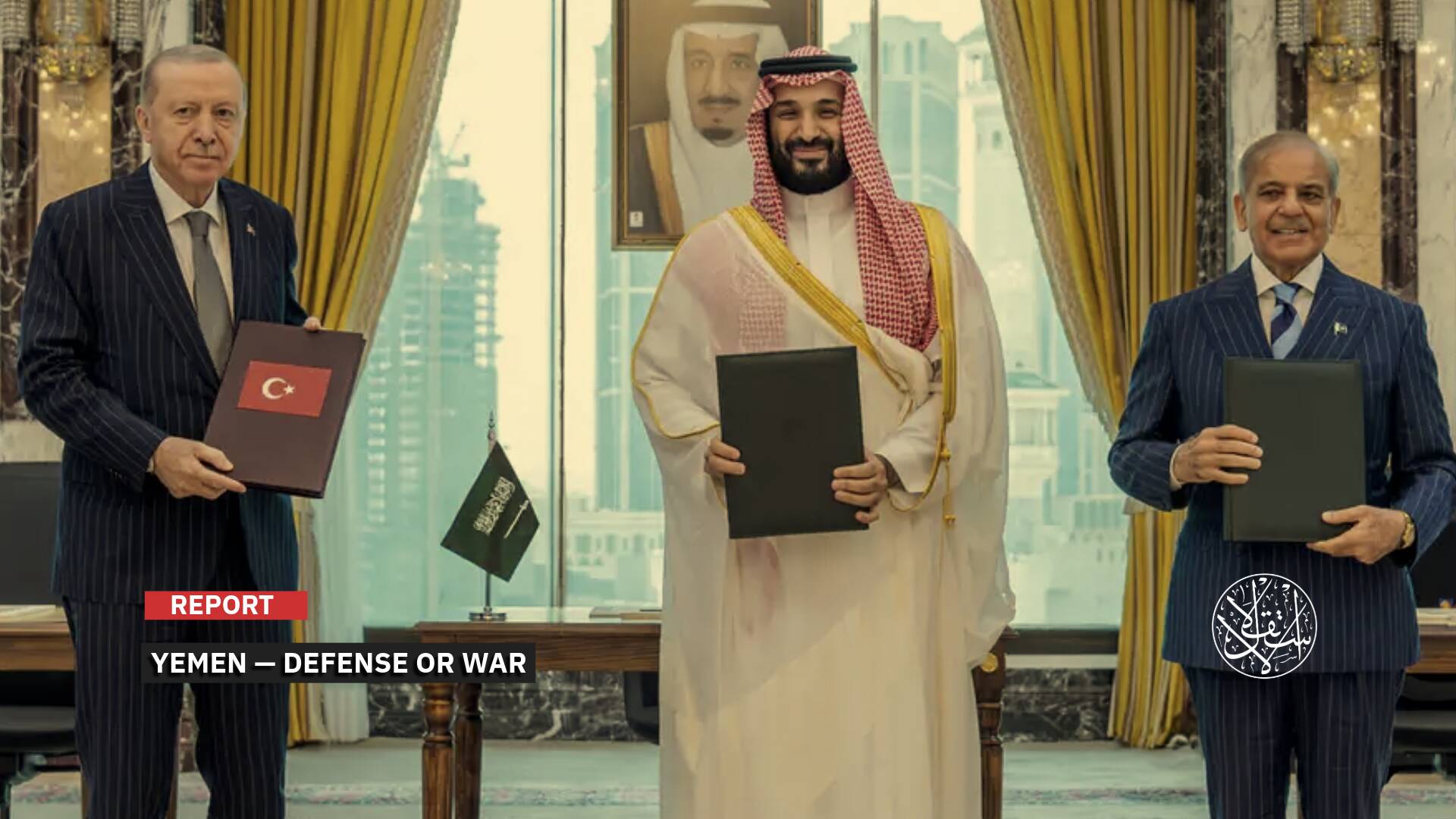
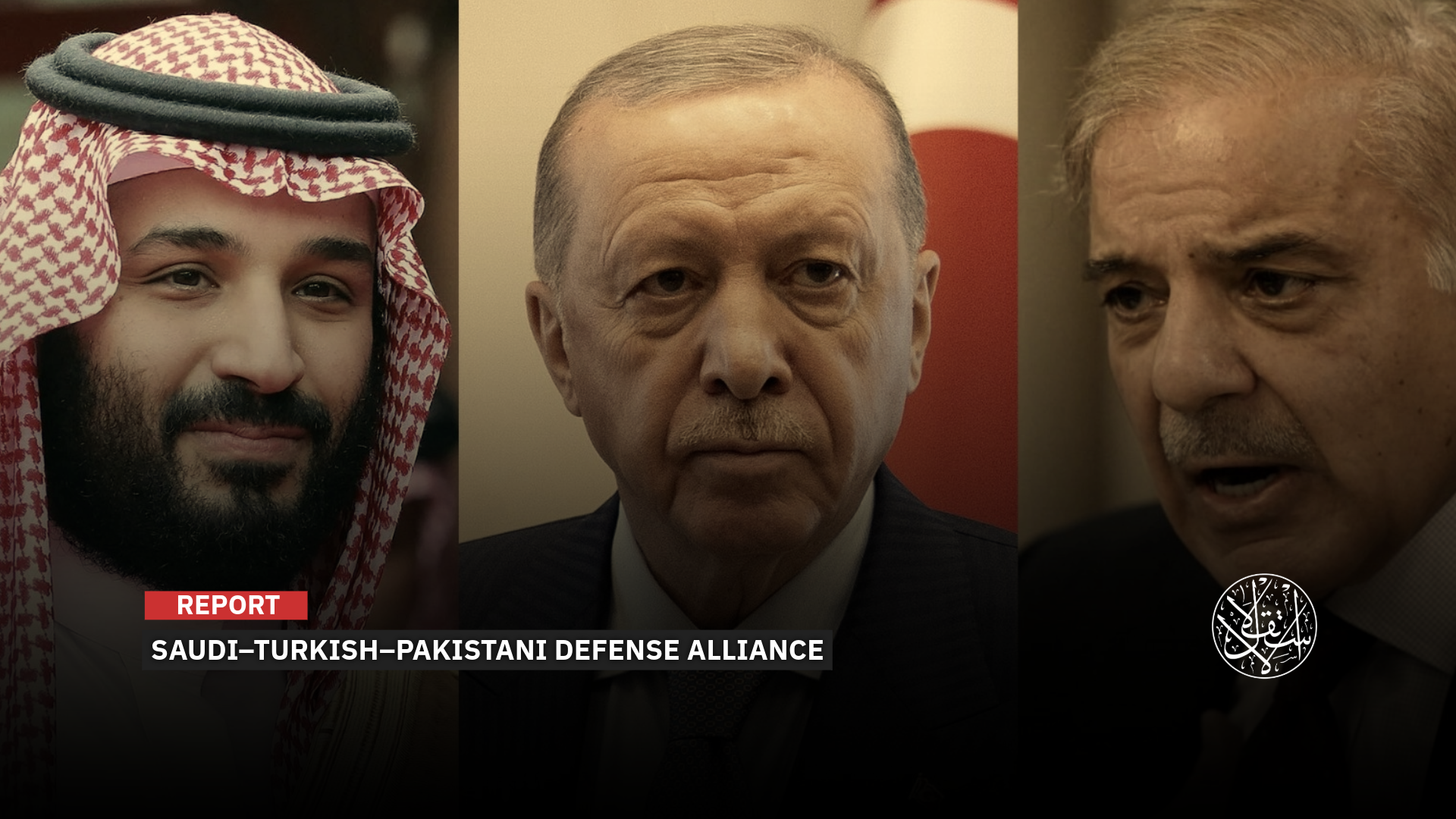
In a move widely seen as signaling the start of a new Middle Eastern chapter, Turkiye is seeking to join the Saudi-Pakistan Mutual Defense Agreement signed on September 17, 2025, potentially adding a NATO member with significant military and economic weight to a bloc that already brings together a nuclear power and a major regional economy, according to observers.
Turkiye’s bid has fueled broader questions about whether the three states are laying the groundwork for what some describe as an “Islamic NATO,” one that could later expand to include other Arab and Muslim countries, and whether the driving aim is to confront mounting regional threats, particularly projects seen as aimed at fragmenting Arab states, according to regional assessments by “Israel.”
‘New Era’
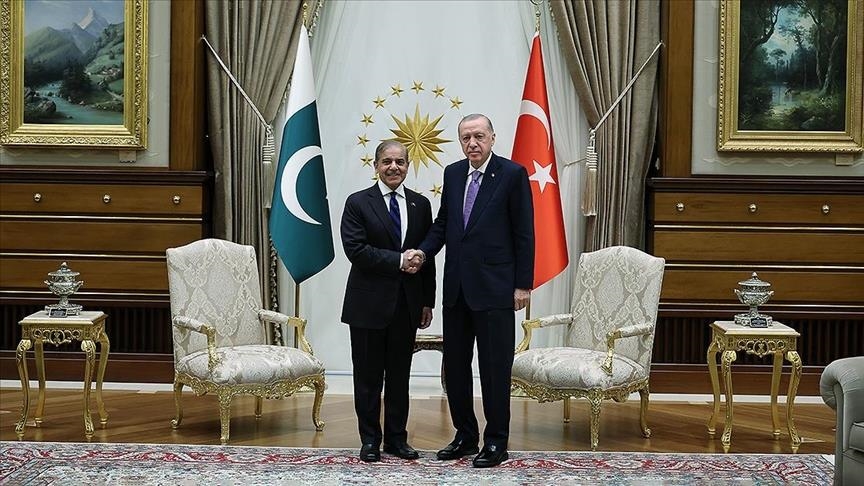
Bloomberg reported on January 9, 2026, citing unnamed sources, that Turkiye is seeking to join the defense alliance between Saudi Arabia and Pakistan, a move that could pave the way for a new security alignment with the potential to reshape power balances in the Middle East and beyond.
The agreement, initially signed by Riyadh and Islamabad in September 2025, treats an attack on any member as an attack on all. That mirrors NATO’s Article 5, of which Turkiye stands as the alliance’s second-strongest military after the United States.
According to Bloomberg’s sources, talks on Ankara’s entry have reached advanced stages, and a deal appears increasingly likely. Expanding the alliance is seen as a logical step as Turkish, Saudi, and Pakistani interests converge more closely across South Asia, the Middle East, and even parts of Africa.
For Turkiye, the arrangement is also seen as a way to bolster deterrence at a time of growing doubts about U.S. reliability, despite Washington’s close military ties with all three countries, and lingering questions over President Donald Trump’s commitment to NATO, the agency noted.
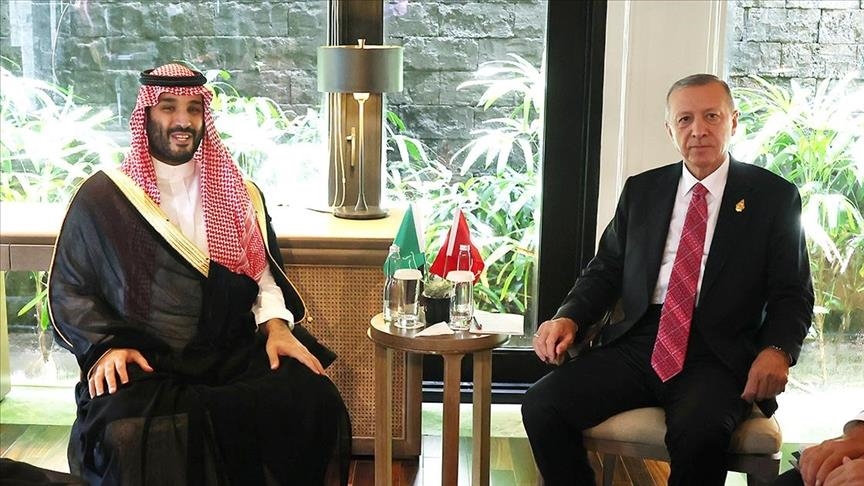
Bloomberg described Turkiye’s potential accession as marking a “new era” in its relations with Saudi Arabia, following years in which the two were leading rivals within the Sunni Muslim world. With past disputes set aside, Ankara and Riyadh are now pushing ahead with expanding economic and defense cooperation.
The two countries also share long-standing concerns about Shiite-majority Iran, while favoring engagement with Tehran over direct military confrontation. Alongside Pakistan, they support the emergence of a stable, Sunni-led Syria and the establishment of a Palestinian state.
Turkiye’s military relationship with Pakistan, by contrast, stretches back decades. Ankara has built corvette-class warships for the Pakistani navy and upgraded dozens of F-16 fighter jets.
Turkiye already shares drone technology with both Saudi Arabia and Pakistan and is now seeking to bring them into its fifth-generation fighter jet program, known as Kaan, as per Bloomberg.
The trilateral defense talks come in the wake of a ceasefire between Pakistan and India that ended four days of military clashes between the two nuclear-armed neighbors in May 2025.
They also coincide with rising tensions between Pakistan and Afghanistan, following clashes sparked by accusations from Islamabad that the Taliban were sheltering hostile armed groups. Turkiye and Qatar have mediated talks to contain the escalation, though without decisive results.
Turkiye’s Ambition
Asked about Turkiye’s motives for joining the Saudi-Pakistan defense pact, Turkish affairs analyst Mahmoud Alloush said Ankara is pursuing what he described as a clear objective: building an alliance that brings together leading powers in the Muslim world to confront mounting challenges and assert collective ambitions in a rapidly shifting global order.
In comments to Al-Estiklal, Alloush argued that the Islamic world is facing serious threats, pointing in particular to fragmentation projects unfolding across several Arab states, which he said are being openly driven by “Israel.”
Turkiye, Saudi Arabia, and Pakistan, he said, offer a near-ideal template for a broader alliance that could eventually expand to include other Arab and Muslim countries, combining military strength, economic weight, and political influence.
Alloush noted that Turkiye is a Muslim country and a NATO member with rising military and economic power, while Saudi Arabia is a major global economic force and the political heart of the Arab and Islamic worlds. Pakistan, meanwhile, brings the added dimension of being a nuclear-armed Muslim state.
Any alliance linking the three, he said, would have far-reaching consequences for reshaping regional dynamics, particularly in the Middle East.
One of the main drivers of the Saudi-Pakistan defense alliance is countering the threat posed by “Israel” in the region, particularly in the aftermath of the October 7, 2023, war on Gaza, according to the analyst.
“Iran’s waning regional role has created vacuums that Israel is seeking to fill by reviving division and fragmentation schemes across the Arab world, aimed at boxing in Saudi Arabia on one side and Turkiye and Egypt on the other,” Alloush said.
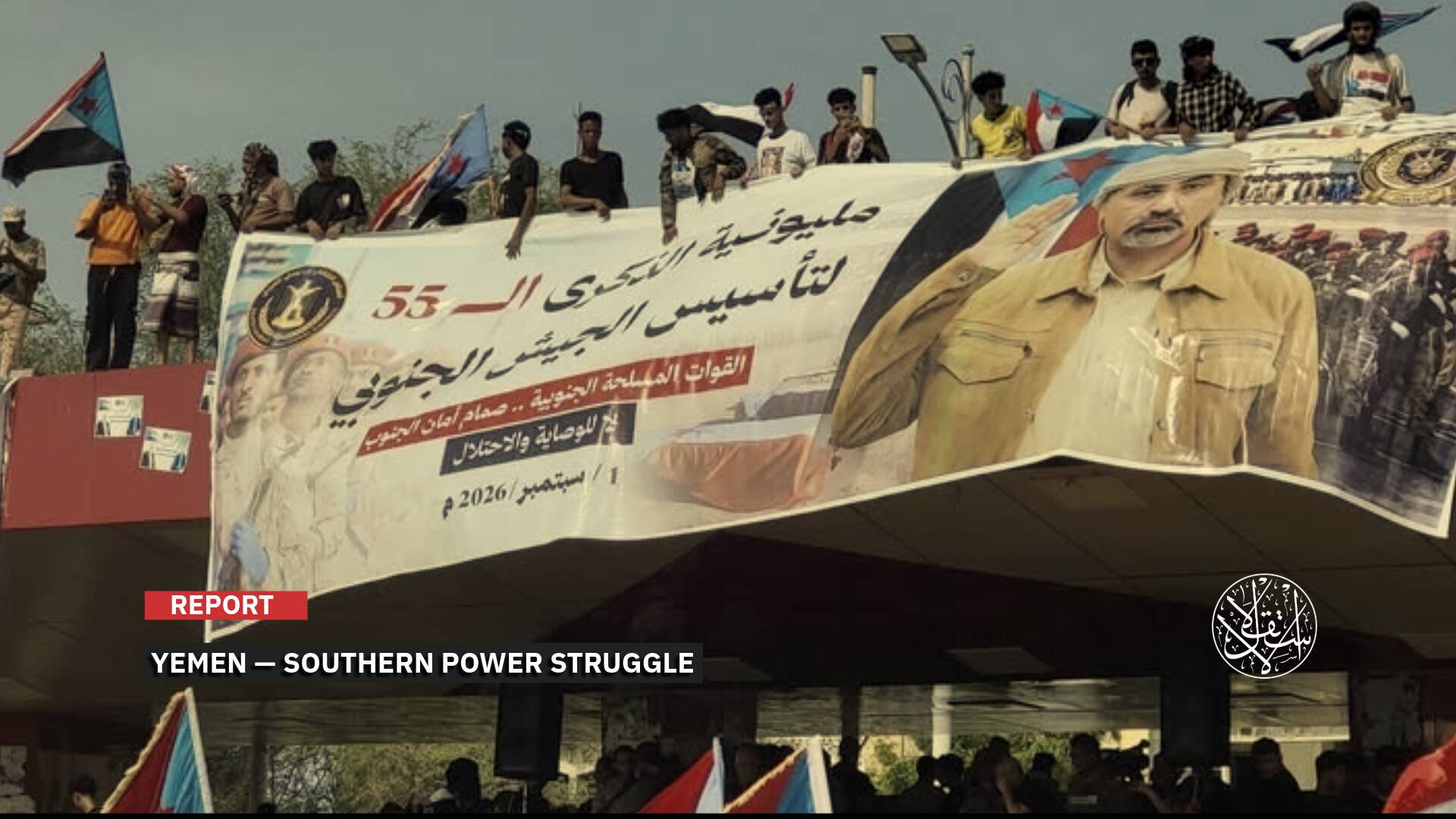
“These projects target key states directly: Syria’s fragmentation threatens Turkiye, Yemen’s instability pressures Saudi Arabia, while scenarios unfolding in Sudan, Somalia, and Libya are designed to encircle Egypt.”
Taken together, he concluded, the scale of these challenges is pushing regional powers, led by Turkiye, to rethink their policies and alliances in ways that allow them to confront and adapt to an increasingly hostile regional landscape.
End of the Long Slumber
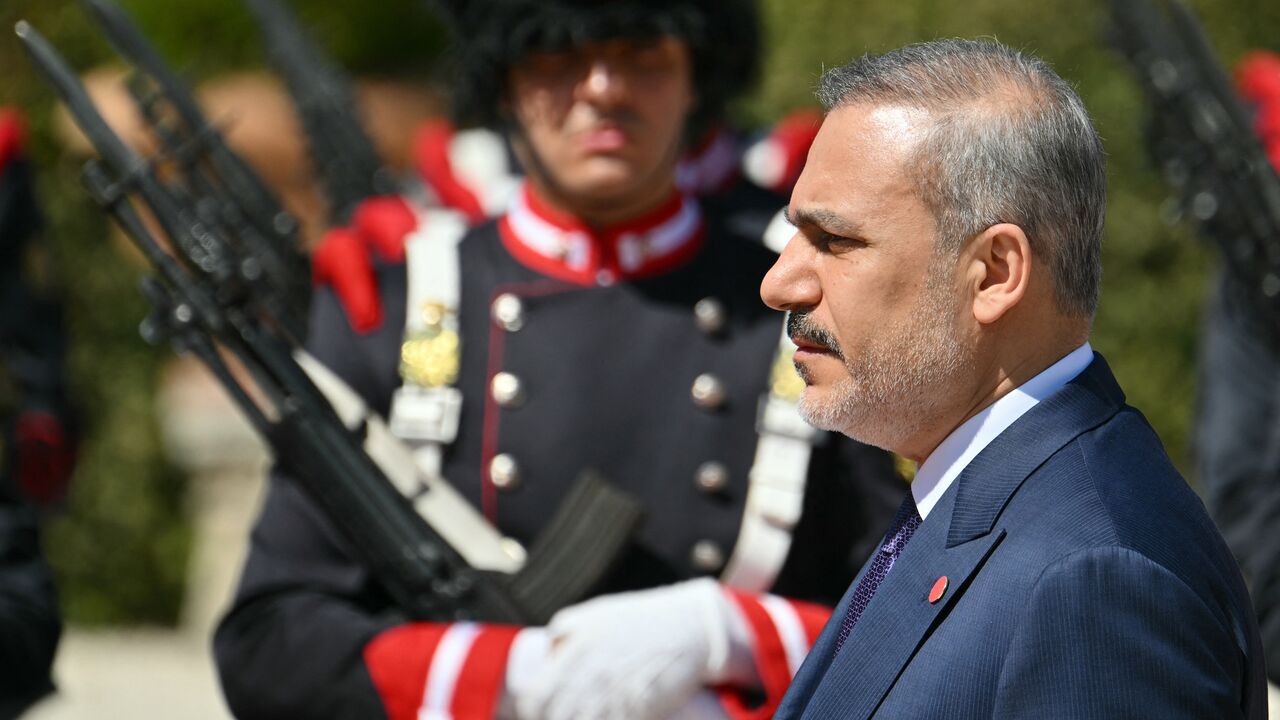
Turkish Foreign Minister Hakan Fidan said the Islamic world is shaking off a century-long slumber, with regional states beginning to realize their potential to act together and resolve their own crises without relying on outside powers.
Speaking in a televised interview with Turkiye’s state-run TRT on January 10, Fidan said everyone can see this picture and grasp its dimensions, adding that the region’s awakening is no longer rhetorical but is starting to translate into concrete policies and regional understandings.
According to Fidan, many countries in the region are burdened by deeply rooted problems tied to recent history and internal structures; however, he stated that the core issue lies in the intrusion of external wills and minds seeking to steer regional states toward predefined ends.
Those problems, he noted, can often remain contained or be resolved internally; however, intensive foreign intervention abruptly turns them into open-ended crises, a pattern that has repeated itself across multiple regional arenas.
Fidan argued that a closer look at Yemen, the separatist issue in Somaliland, developments in Sudan, and the situation in Syria reveals specific elements moving within a single landscape and working to produce a regional strategy from one source, calling it a signal that cannot be ignored.
He added that this view is increasingly shared by countries already affected and those at risk, and that Ankara shares this understanding with several other regional capitals.
Fidan disclosed that Turkiye is engaged in intensive contacts and consultations with countries across the region, citing a recent meeting with Oman’s foreign minister, a call with his Saudi counterpart, and ongoing communication with other regional capitals.
He said that everyone sees the picture and understands its dimensions, expressing optimism that this shared awareness provides a solid foundation for a new regional approach based on cooperation rather than conflict.
Fidan concluded by emphasizing that Erdogan’s long-standing policy of having regional states take charge of their own crises is gaining wide acceptance and producing real results, noting that this vision is no longer just Turkish rhetoric but is increasingly discussed and embraced across the region, with cooperation now seen as essential.
Sources
- How the Saudi-Pakistan Defense Pact Could Destabilize the Middle East
- Turkey Said to Seek Membership of Saudi-Pakistan Defense Pact
- Saudi-Pakistan Mutual Defense: What It Means for China and India [Arabic]
- Fidan: The Islamic World Has Awakened After a Century of Slumber, and Regional States Can Resolve Their Own Crises [Arabic]