Attack on Foreign Tourists in Morocco – Individual Incidents or an Increasingly Visible Phenomenon?
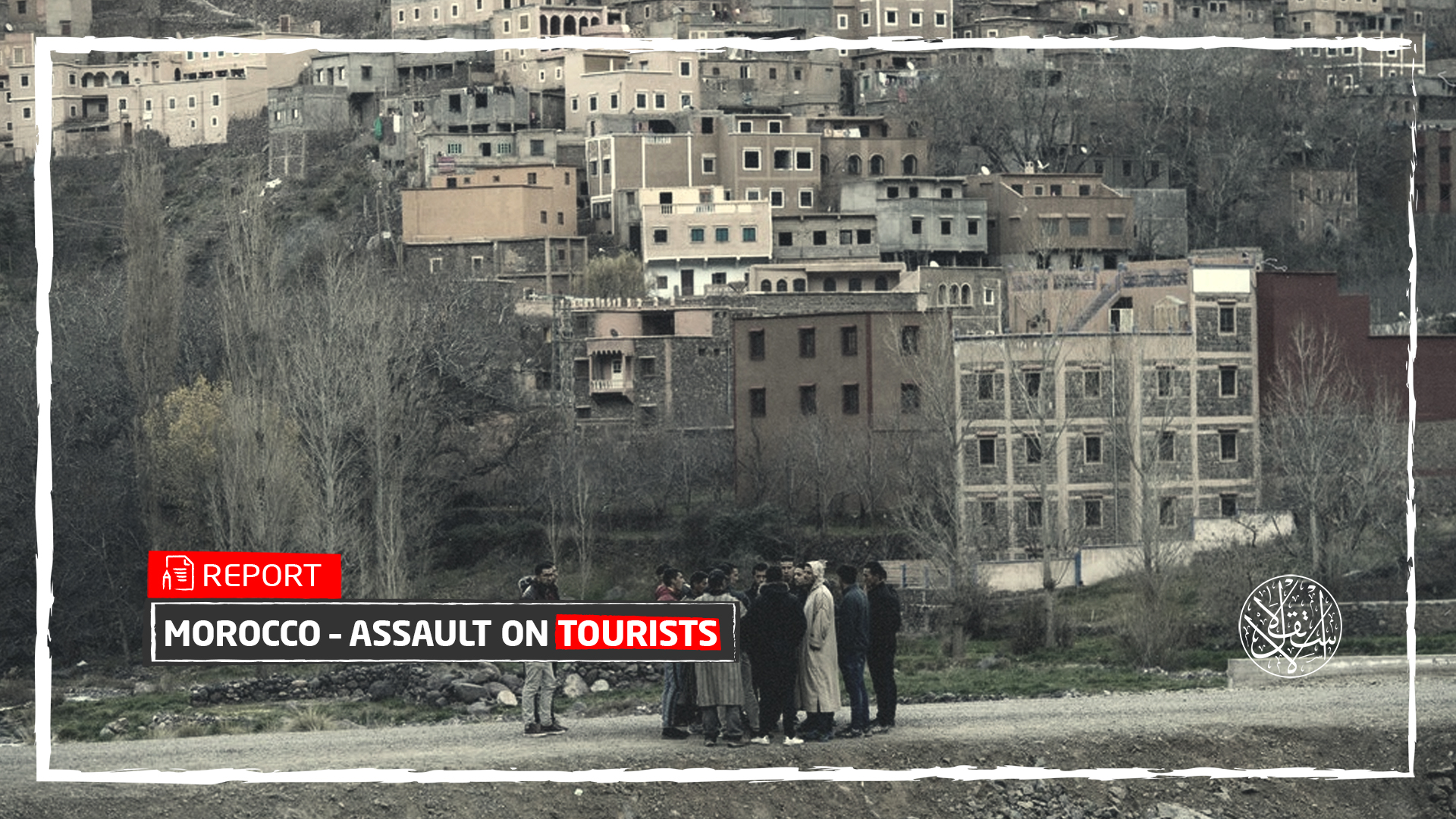
For the second time, the Moroccan street was shaken by two attacks on two tourists with a knife in the coastal cities of Tiznit and Agadir in the south in mid-January 2022.
The incident was widely shared by citizens on social media, raising concerns about their impact on the tourism sector and the country's social image, where they were widely condemned by all segments of the people for being "unacceptable acts that are incompatible with the values and traditions of Moroccans."
Look at the Other
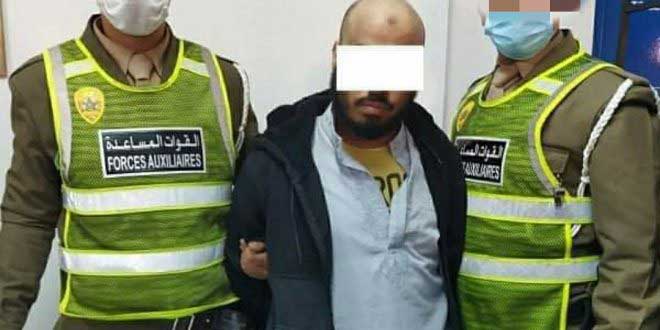
On January 15, 2022, the Directorate General of National Security said in a statement that "the 31-year-old suspect in the incident was spotted by a shop camera at the market in Tiznit exposing a foreign national (a 79-year-old French woman) to a physical assault, causing death by a knife, before fleeing."
"The suspect was arrested in Agadir after he tried to commit physical assaults against café customers, including a victim of Belgian nationality," it said.
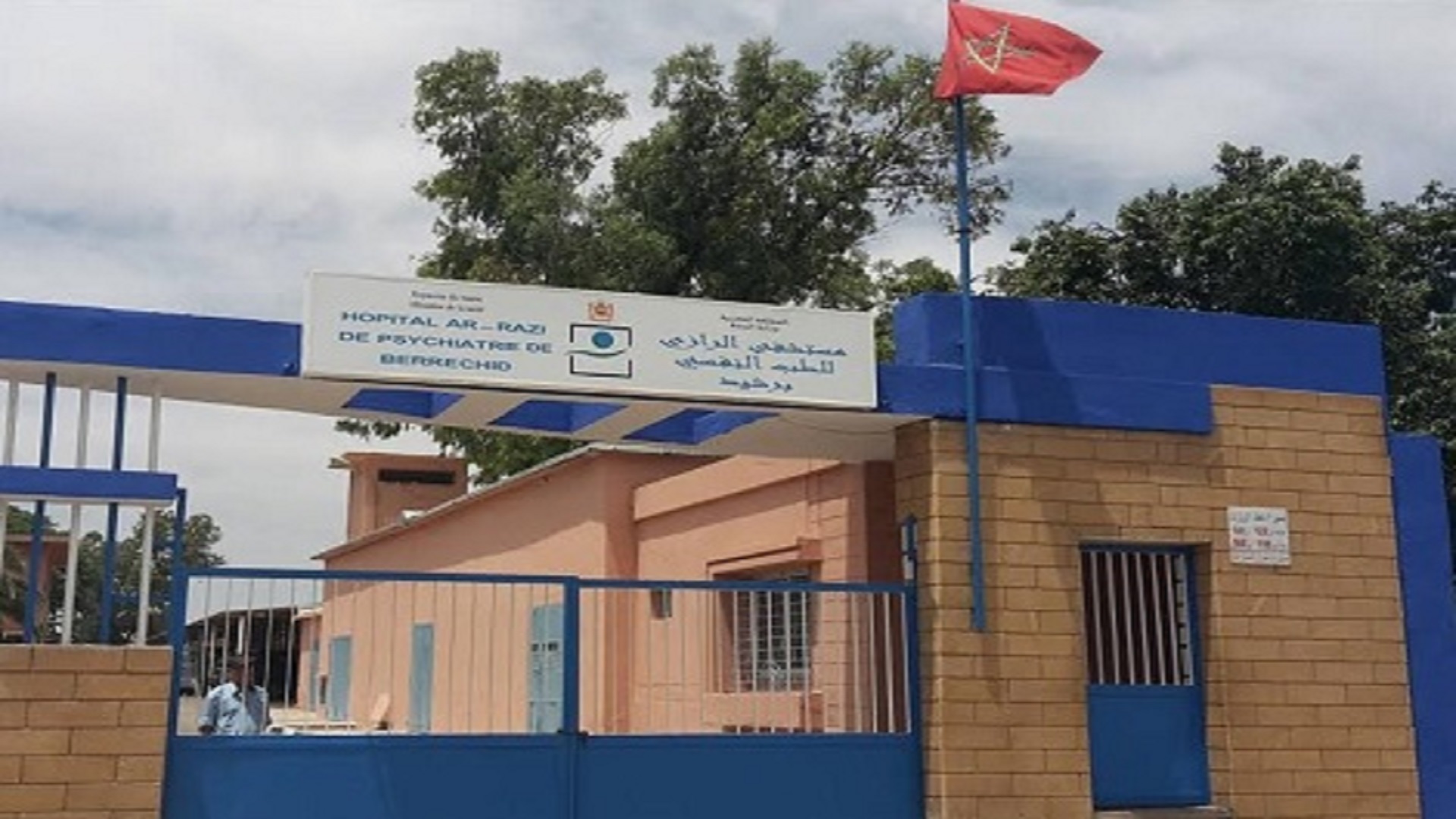
Following his arrest, the Directorate General of Security suggested "the hypothesis of robbery at this stage of the investigation," noting that "the suspect has already spent a month in a mental hospital.”
"It's about how to look at the other, because it's not a crime where we can find a case, for example a crime among Moroccans, there must be reasons, whether material or moral, such as a dispute over inheritance, property or emotional relationships," said Abdelrahim Anabi, a professor of sociology at Ibn Zohr University in Agadir.
"In the phenomenon of attacking foreign tourists, we will not find these elements, whether physical or concrete, and the explanation remains how this aggressor looks at this foreigner/other person," Anabi told Al-Estiklal.
"The analysis of the phenomenon can be built on the talk of Algerian sociologist Abdelmalek Sayad about the immigrant in the receiving country, where they see him as threatening the social and cultural construction of the receiving country," he said.
"So if we want to start from this point, it shows us that this tourist came to Morocco according to a law, he has a passport and money and tries to enjoy nature and the sun, he buys things and lives in hotels, so he contributes to the country's economy."
"The attack on the tourist is unjustified, because the material cause of the attack is not available, so how does this Moroccan aggressor see this foreigner, does he see him as a competitor from a religious point of view, especially since the recent attacks are against women, does he see that this tourist does not abide by a set of rules in force to work in Morocco?" he said.
Negative Thoughts
"Violence against foreigners can be summed up in several factors, the first of which is the frustration experienced by young people who do not know how to deal with pressures with their internal feelings and how to deal with them," said Souad Bensouda, a psychologist.
"There are cases of people who don't even know what they feel or how to express their anger or feelings, and all of this should have been learned from childhood, whether in the family environment or school, and unfortunately this aspect of education is not taken care of," she told Al-Estiklal.
"We can also return this violence to narrow-mindedness, i.e., a person in his stages of development always hears that he should not trust the other because he will take away his right, and therefore it is natural that his expectations or ideas remain narrow and he does not try to identify the other and remains closed on himself, and all those who are contrary to his thinking or mentality are enemies of him," Bensouda said.
"Since childhood, a person does not learn how to control his emotions, education is very important, and the role of family and society is to educate their young people to open up and that hard work they can reach and achieve their goals instead of being envious of the other because he is different from them," Bensouda said.
"The family has to raise their children to accept the other, accept difference, without being judged to be better or less than him, but must grow and have self-confidence," she said.
"These people who commit violence against foreigners either have a mental disorder or see that the foreigner lives happily and that they are unable to live like them, as they imagine, which makes them build negative ideas," Bensouda concluded.
"The aggressor sees the foreigner as someone who took his rights, and then he does not control his actions, because there is a great relationship between negative thoughts and feelings and results in inappropriate actions, such attacks on tourists."
The Moroccan government described the attack as "isolated," noting that the accused of the crime was "suffering from mental illness."
"These are things that happen in all countries of the world, some isolated incidents, and they are related to the psychological situation of the person who committed this crime," government spokesman Mustafa Baytas said in a press statement on January 21, 2022.
Culture of Poverty
By analyzing this "anomalous phenomenon,” Anabi suggested that the cause could also be due to "a form of culture of poverty, i.e., cultural, social and psychological poverty."
"This is poverty, which begins to portray tourists on the basis that they benefit from services and are given a place in Moroccan society, entering hotels, having money and bringing cars with them, while he has nothing and does not enjoy these things, or he has no tight measure to enjoy, he should wage war on them and so on."
"The cause of the phenomenon could be the digital world on which everyone has become dependent on all components of life, especially since the attacker found three computers in his possession," he said.
In this sense, Anabi does not rule out that "this person has been influenced by a range of racist and extremist ideas."
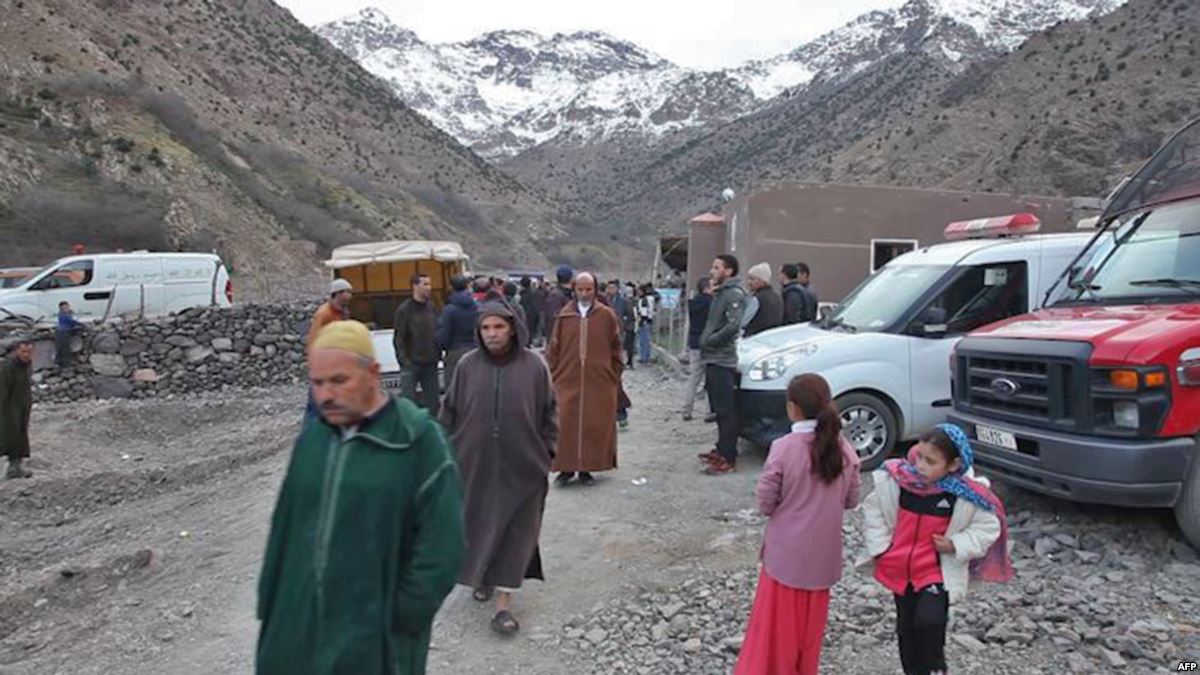
"If we go back, for example, to the Shamhroush incident on the outskirts of Marrakech, the slaughter of two Scandinavian tourists was linked to extremism and ISIS ideology, which now dominates and infiltrates all families today or a number of families as a result of addiction to the sites that provide this material and Isis thought," he said.
"Committing crimes against tourists and foreigners in Morocco is a dangerous and difficult indicator, because it shows that what we live among them is intolerant, an indicator of the rise of hatred against foreigners and the other," the sociology professor stressed.
"There is an imbalance in the socialization of institutions and family, and an indication that there is extremism and I do not mean religious extremism here, it may be socio-cultural, it is ideological and finds a source of origin, either fed by religion, culture, race or ethnicity, thus making the other fall into a certain angle and view the other as a threat," he said.
Morocco remained immune from so-called "terrorist" attacks in recent years, until late 2018, when two Scandinavian tourists were massacred on the southern outskirts of Marrakech in an attack by pro-ISIS supporters, after which three people were sentenced to death in the case.