Aid Partnerships: How Some African Governments Rebelled Against Trump’s Controversial Health Deals
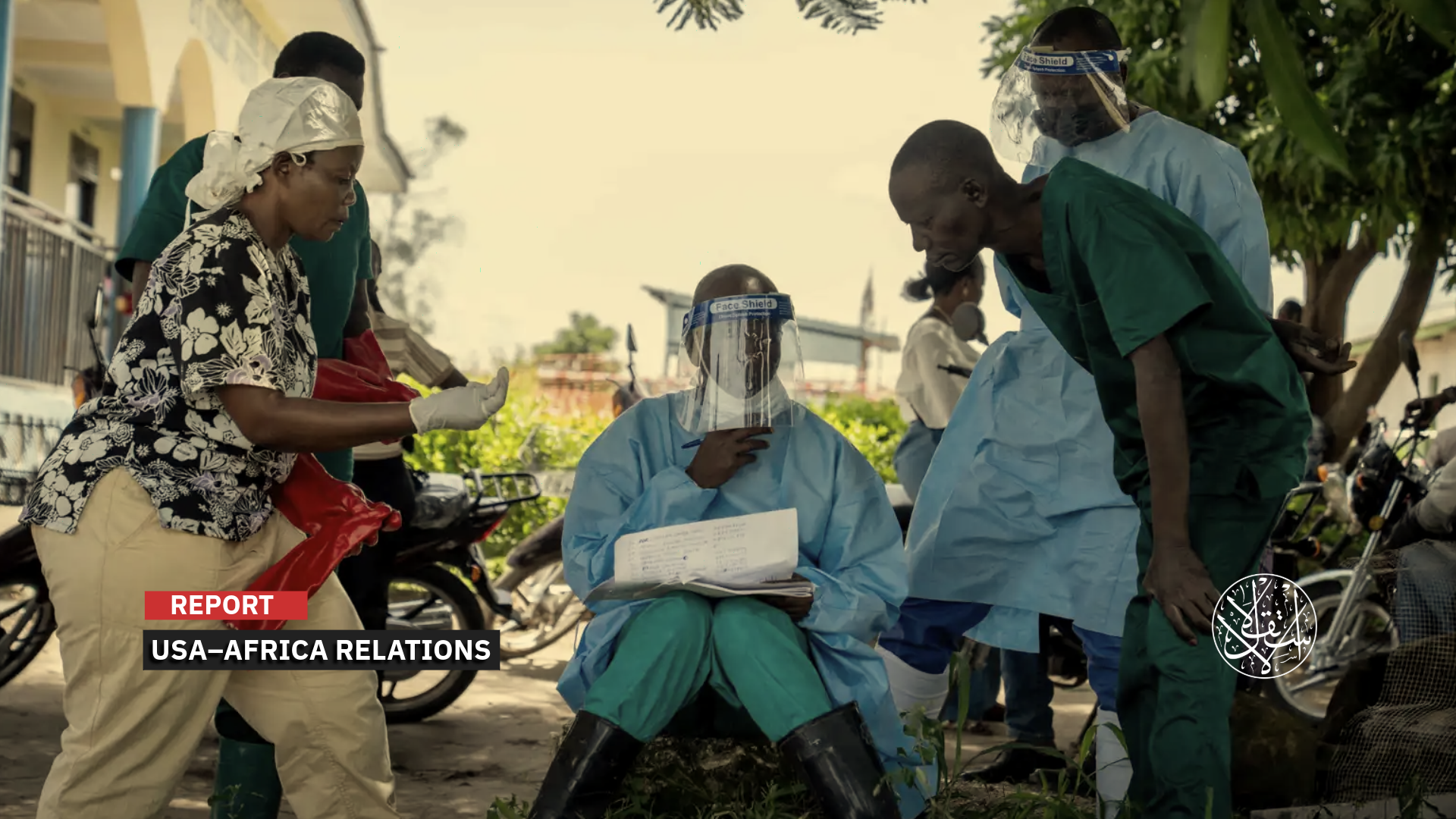
“Trump wants health deals with African countries to replace US aid.”
The new U.S. policy regarding health aid in Africa is sparking growing controversy, following the conditioning of funding on terms related to security and economic cooperation, access to health data, and agreements concerning strategic minerals.
The United States is currently negotiating new agreements with 32 African countries—potentially worth up to $13 billion over the next five years—as part of an approach aimed at reducing long-term reliance on foreign aid and increasing the contribution of beneficiary countries toward funding their own healthcare systems.
While approximately 24 African countries have accepted this new framework—seeking much-needed funding—and have signed agreements with Washington, other countries continue to oppose provisions they deem incompatible with their national interests.
U.S. interest is focused particularly on critical minerals such as cobalt, copper, lithium, and nickel—resources deemed essential for the battery, electric vehicle, and advanced technology industries.
Exploitative Deals
Access to strategic minerals and citizens' personal data in exchange for funding vital healthcare programs: this is the new formula the U.S. administration seeks to impose upon impoverished African countries—countries that are, in turn, expressing resistance and apprehension regarding this new framework.
One year after President Donald Trump moved to restructure the U.S. Agency for International Development (USAID) and overhaul decades of U.S. foreign aid policy, a number of African countries are challenging the conditions imposed on the renewal of funding for programs targeting HIV/AIDS, tuberculosis, malaria, and other public health threats.
U.S. officials are negotiating bilateral agreements with each country individually, reframing aid on a reciprocal basis and conditioning funding on terms that include trade provisions, domestic financing commitments, disease surveillance, pathogen sharing, and even religious matters.
According to health policy researchers, countries that have signed agreements thus far could receive nearly $13 billion in funding over the next five years.
However, analysts estimate that this figure represents roughly one-third less than what these same countries received over the previous five years.
Furthermore, the agreements collectively obligate recipient governments to contribute approximately $7.5 billion from their own resources to supplement the U.S. funding.
The countries in Africa that have signed agreements are: Angola, Botswana, Burkina Faso, Burundi, Cameroon, Ivory Coast, the Democratic Republic of the Congo, Eswatini, Ethiopia, Guinea, Kenya, Lesotho, Liberia, Madagascar, Malawi, Mozambique, Niger, Nigeria, Rwanda, Senegal, Sierra Leone and Uganda.
Although President Donald Trump’s America First approach—which relies on a transactional ethos in international dealings—is not new, recent revelations by Zambian Foreign Minister Mulambo Haimbe suggest a more exploitative dimension than previously apparent.
According to Haimbe, the United States is linking a $2 billion aid package—involving vital health aid needed by Zambia—to access rights regarding the mineral wealth of this southern African nation.
The recent record of public statements reveals a behind-the-scenes conflict between the Zambian government and the outgoing U.S. Ambassador to Lusaka, Michael Gonzales.
After several months of negotiations, Gonzalez came forward last month to accuse the Zambian government of corruption, stating that Zambia’s leaders had abandoned their responsibilities, leaving the U.S. to fund healthcare while officials diverted government funds into their own pockets.
Then came the statements from Zambia’s Foreign Minister—issued in an official communique—which revealed how the U.S. is working to counter Chinese influence across Sub-Saharan Africa.
He disclosed that negotiations had stalled due to unacceptable demands for data sharing that infringed upon his citizens' right to privacy, as well as an insistence on preferential treatment for American companies regarding Zambia’s critical minerals.
He criticized the remarks made by the U.S. Ambassador to Lusaka, describing the corruption allegations leveled by Gonzalez against his government as biased, deeply regrettable, undiplomatic, and contrary to the spirit of mutual respect.
Some African leaders and health experts had previously criticized this new U.S. stance—specifically its demands for access to sensitive health data in exchange for vital support for health systems already under strain following the Trump administration's dismantling of foreign aid programs.
In return, some suggested that they might be denied access to health innovations, such as vaccines.

Sensitive Health Data
Since late last year, the U.S. has signed agreements with approximately 30 countries, many of which are located in Africa.
Proponents of this policy argue that this new approach fosters long-term sustainability and reduces reliance on foreign aid.
A State Department spokesperson defended this strategy, noting that previous models often fostered long-term dependency without sufficient accountability or local ownership.
Washington asserts that this approach aims to reduce reliance on donors, bolster local ownership, and safeguard U.S. interests—including countering China, which dominates trade in Africa but provides less aid.
Conversely, health policy experts emphasize that pathogen samples, disease outbreak data, and medical records constitute increasingly valuable strategic assets—particularly as pharmaceutical companies compete to develop vaccines, treatments, and diagnostic technologies.
Consequently, the new U.S. approach has met with rejection from some African countries. Last week, Ghana announced its refusal of a proposed agreement due to provisions granting broad access to sensitive health data without adequate safeguards.
Similarly, Zimbabwe withdrew from a $367 million aid package for comparable reasons.
In Kenya, a $2.5 billion agreement was suspended following a legal challenge alleging that it violated data protection laws.
In Lesotho, draft U.S. proposals initially sought 25 years of access to health data and biological samples—a duration that local officials subsequently succeeded in reducing to five years.
Health experts warn that the flow of data will likely be largely unidirectional—specifically, toward Washington.
These agreements aim to ensure the flow of disease surveillance data and biological samples through bilateral channels, particularly in the wake of the United States' withdrawal from the World Health Organization last January.
Health advocates argue that this approach could lead to the creation of a parallel global health system.
In Zimbabwe, a government spokesperson stated that the country terminated negotiations because the U.S. failed to offer a reciprocal guarantee of access to any medical innovations—such as vaccines, diagnostics, or treatments—derived from the shared data.
Attila Kisla of the South African-based Centre for Litigation remarked that this raises serious concerns regarding who ultimately stands to benefit.
Critics point to the experience of the COVID-19 pandemic, during which African countries provided data and samples yet found themselves at the back of the line for vaccine access.

US Priorities
The debate surrounding U.S. health aid has intensified following reports suggesting that certain proposals might link health assistance to broader economic and commercial objectives.
In April, three Democratic Senators urged Secretary of State Marco Rubio to reject a proposal allegedly linking continued support for HIV treatment in Zambia to facilitating U.S. companies' access to the country's copper sector.
They argued that conditioning life-saving medical aid on mining concessions would represent a significant departure from the long-standing bipartisan support for global health programs.
The HIV/AIDS initiative—known as PEPFAR, and established during the presidency of George W. Bush—is credited with saving millions of lives through treatment programs and maternal health interventions across Africa and other regions.
Critics of the reported proposal contend that public health aid should remain distinct from trade negotiations concerning strategic resources.
A primary source of controversy is the lack of publicly available information regarding the specific terms of these new agreements.
The Trump administration has not publicly released detailed terms for many of the agreements currently under negotiation—including some that have already been signed.
The Public Citizen has filed a lawsuit against the U.S. Department of State, demanding the disclosure of documents and emphasizing the need for greater transparency given the potential implications for public health and national sovereignty.
Similar concerns have emerged in Africa, where human rights organizations in Zambia—along with a member of the Kenyan Parliament—have filed lawsuits challenging the negotiation process and demanding additional information regarding the agreements currently under consideration.
In Kenya, critics argue that the proposed co-financing obligations could place significant strain on public finances.
According to health policy analysts, one of the proposed arrangements could obligate Kenya to contribute approximately $850 million in exchange for $1.6 billion in U.S. aid.
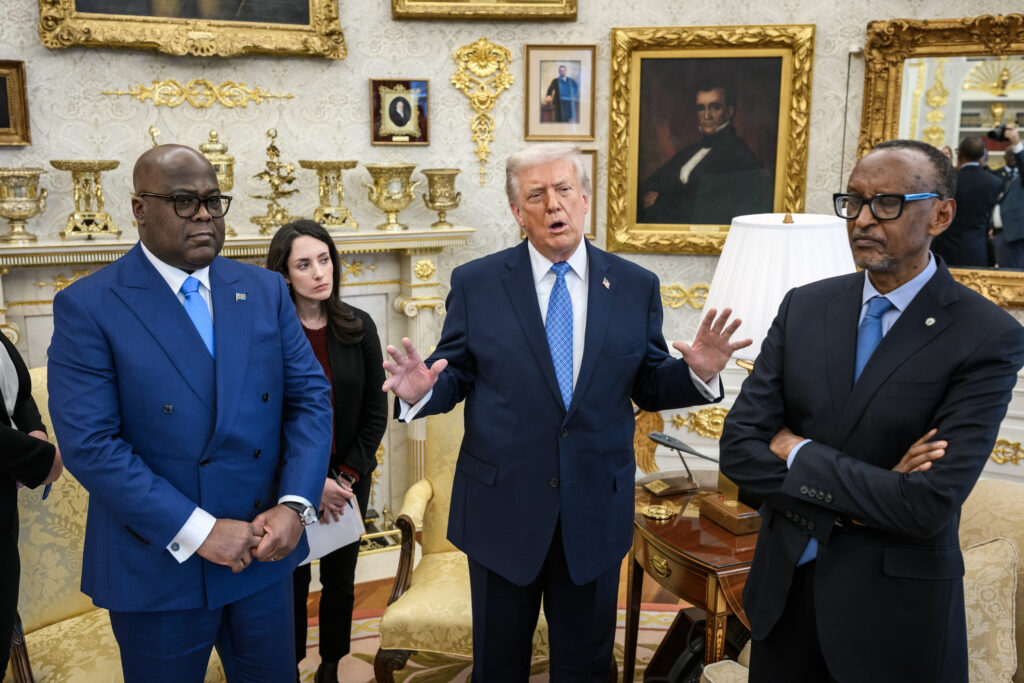
Not all African governments have opposed the modified U.S. approach. The Democratic Republic of the Congo recently signed a five-year agreement worth nearly $900 million, thereby becoming one of the countries to accept the terms set by the U.S. administration.
This agreement comes at a time when the Congo is grappling with a severe Ebola outbreak and is seeking international support to bolster its healthcare response.
The agreement follows a separate accord regarding minerals between Kinshasa and Washington, reflecting the growing intersection between resource diplomacy and development aid.
The U.S. government has also pledged an additional $112 million to support efforts aimed at containing the Ebola outbreak.
The Trump administration has linked certain agreements to broader diplomatic and security priorities.
According to the U.S. Department of State, a $2 billion aid package for Nigeria was linked to commitments regarding the protection of Christian communities from extremist violence.
Reports indicate an improvement in relations between Washington and Abuja following enhanced security cooperation, including the coordination of military operations targeting groups suspected of affiliation with the Islamic State.
This arrangement illustrates how the U.S. administration’s foreign aid strategy is increasingly integrating health, security, and geopolitical objectives.
Yunus Ahmad—a Syrian doctor based in Chicago—explained in a statement to Al-Estiklal that the ongoing debate surrounding U.S. health aid to Africa highlights growing tensions regarding the balance between international assistance and national sovereignty.
"Proponents of the administration's approach argue that aid-recipient countries should mobilize greater resources, assume greater responsibility for financing healthcare, and align aid programs with broader strategic partnerships," he said.
"Critics, however, contend that conditioning life-saving medical support on access to mineral resources, commercial opportunities, or sensitive health data risks undermining trust and weakening cooperation in the field of public health," he added.
He noted that health advocates warn that broad-scale data-sharing agreements could weaken the position of African countries in future negotiations regarding vaccines, treatments, and medical innovations.
He concluded that the outcomes of U.S.-African negotiations could impact not only the future of global health partnerships but also the broader role of development aid in an increasingly competitive geopolitical landscape.
Sources
- Trump Wants Minerals, Health Data for Aid. African Nations Are Pushing Back
- Trump wants health deals with African nations to replace US aid – but it isn’t going how he planned
- More African countries cut deals with Trump's administration on health aid
- African countries that signed Trump’s controversial health deals