After the Abu al-Duhur Strike: Why Has a Turkish-Israeli Confrontation Become a Real Possibility?
Erdogan: Ankara talks about peace and does not seek confrontation, but it will not hesitate to go to war.
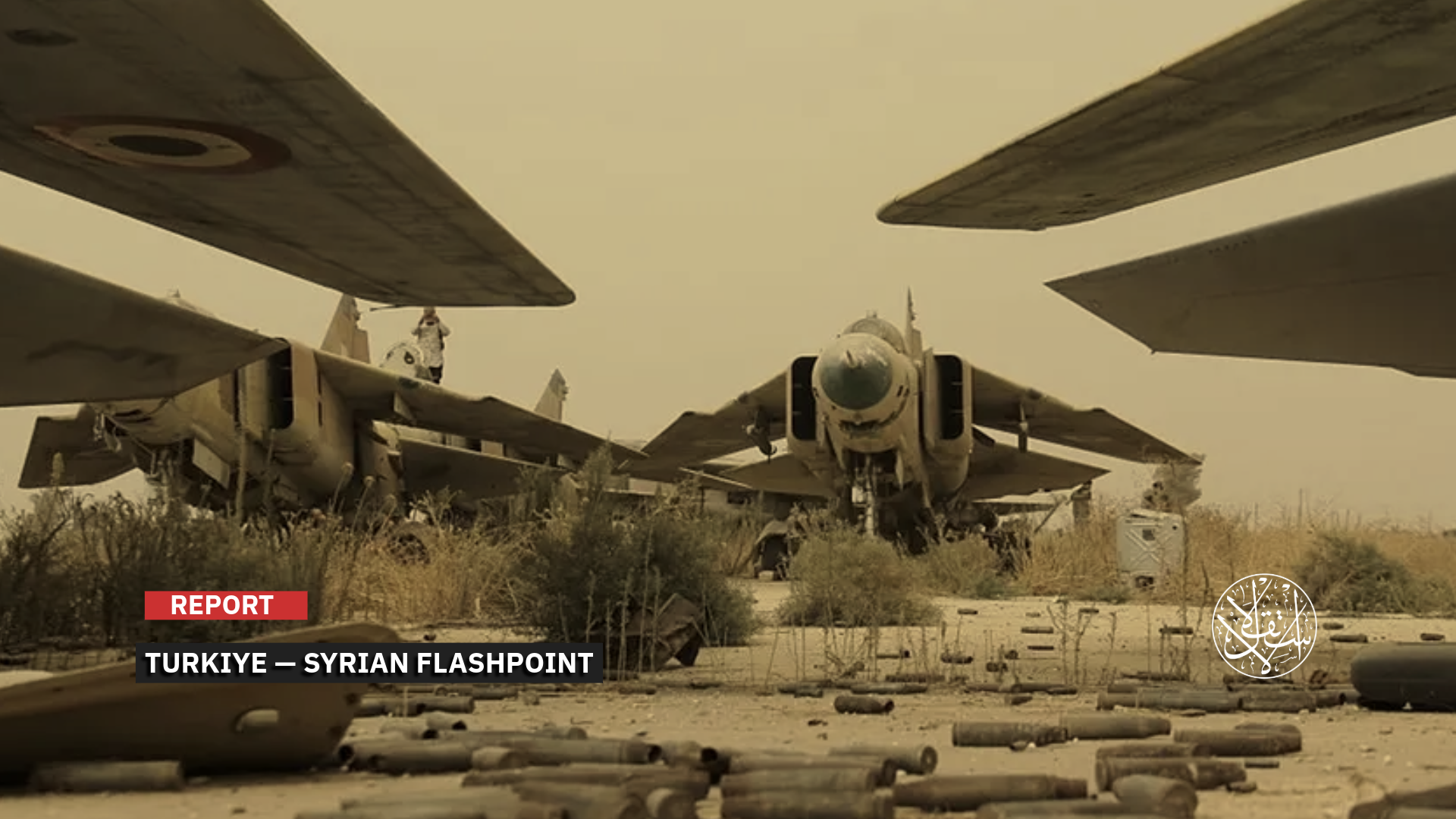
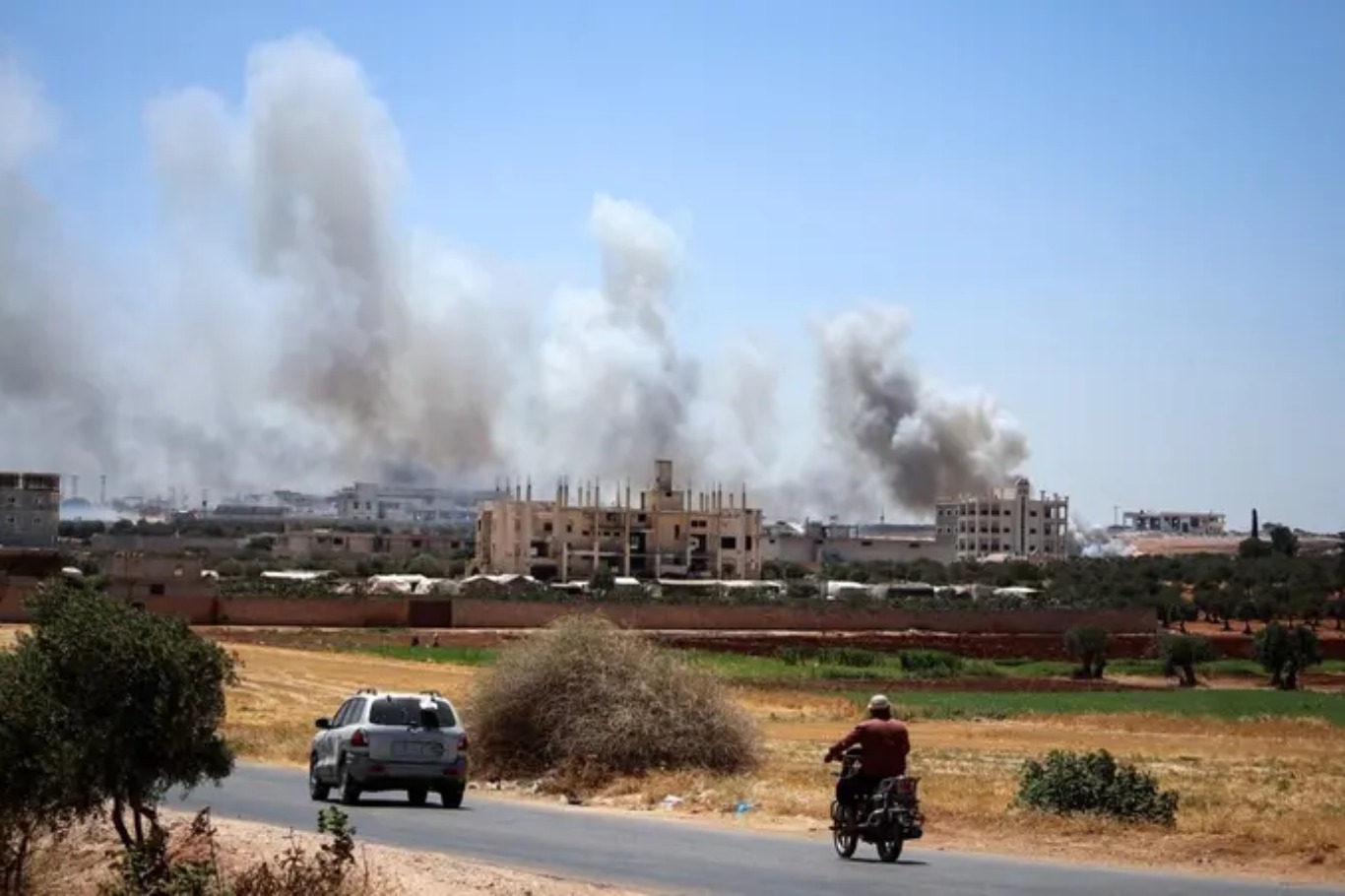
Eight Israeli strikes hit the runway of the Abu al-Duhur military airbase and storage facilities at the site in eastern Idlib countryside, Syria, on August 18, 2026, just hours after a Turkish delegation visited the site to assess rehabilitation work.
The strikes caused no casualties, but according to U.S. Special Envoy for Syria Tom Barrack, they brought Ankara and “Tel Aviv” one step closer to a direct military confrontation.
Barrack revealed that Turkiye had not been notified of the attack in advance and had detected the Israeli aircraft heading north.
Abu Al-Duhur’s Importance
Abu al-Duhur is particularly significant because of its location in the eastern countryside of Idlib, northern Syria, and its proximity to routes that could be used by Israeli aircraft in operations toward northern Iraq and western Iran.
Ben Yishai said the airbase, which was used by the Syrian Air Force under Bashar al-Assad and changed hands during the years of war, covers a large area and has 22 runways.
After the fall of the al-Assad regime and “Israel’s” destruction of a large portion of Syria’s aircraft, facilities, and weapons stockpiles, the site remained largely out of active military use.
However, rehabilitation work and reports of Turkish interest in the base have now put it back on “Israel’s” list of potential targets.
The Turkish presidency responded by accusing Israeli Prime Minister Benjamin Netanyahu of fabricating pretexts to pursue his expansionist policies, while reaffirming its continued cooperation with Damascus.
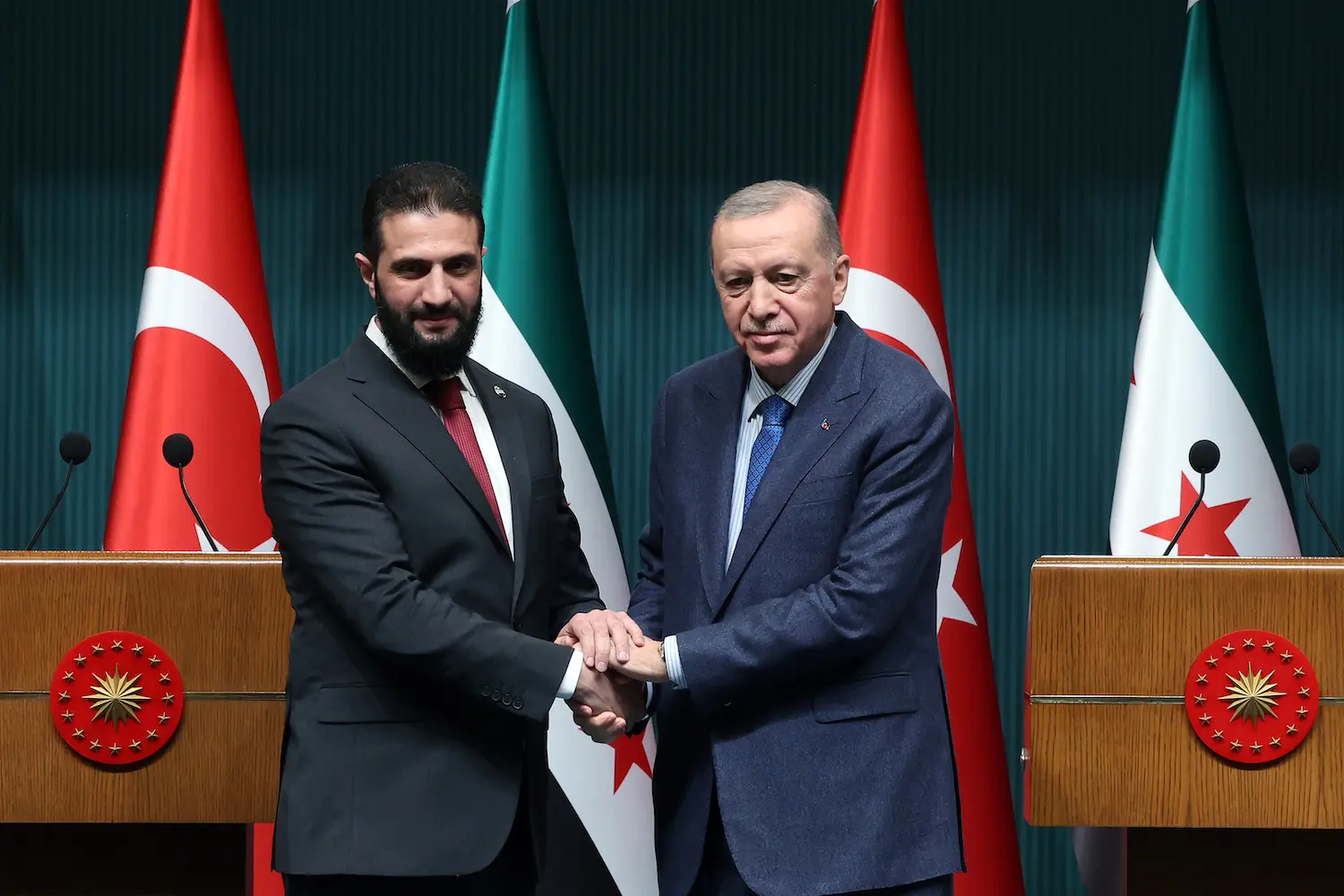
The following day, Syrian President Ahmed al-Sharaa received Turkish Energy Minister Alparslan Bayraktar, with the two discussing expanding energy cooperation and oil and gas exploration.
The Turkish-Israeli dispute has thus moved beyond Gaza and political rhetoric. After the withdrawal of ambassadors, the suspension of trade, and legal action before international courts, Syria has now become an arena for military friction, raising the question: How far could this confrontation go?
Erdogan Raises the Stakes on Deterrence
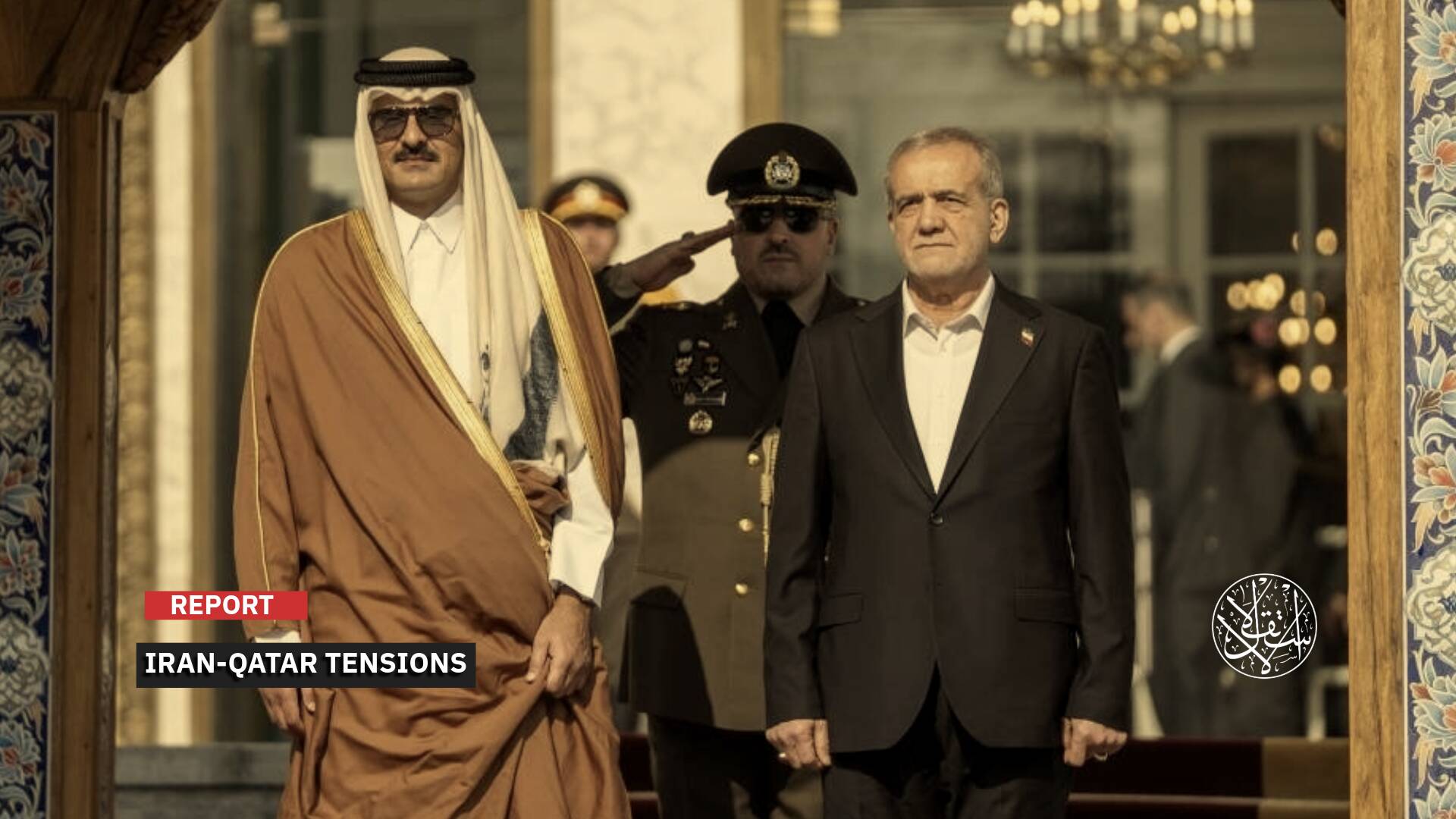
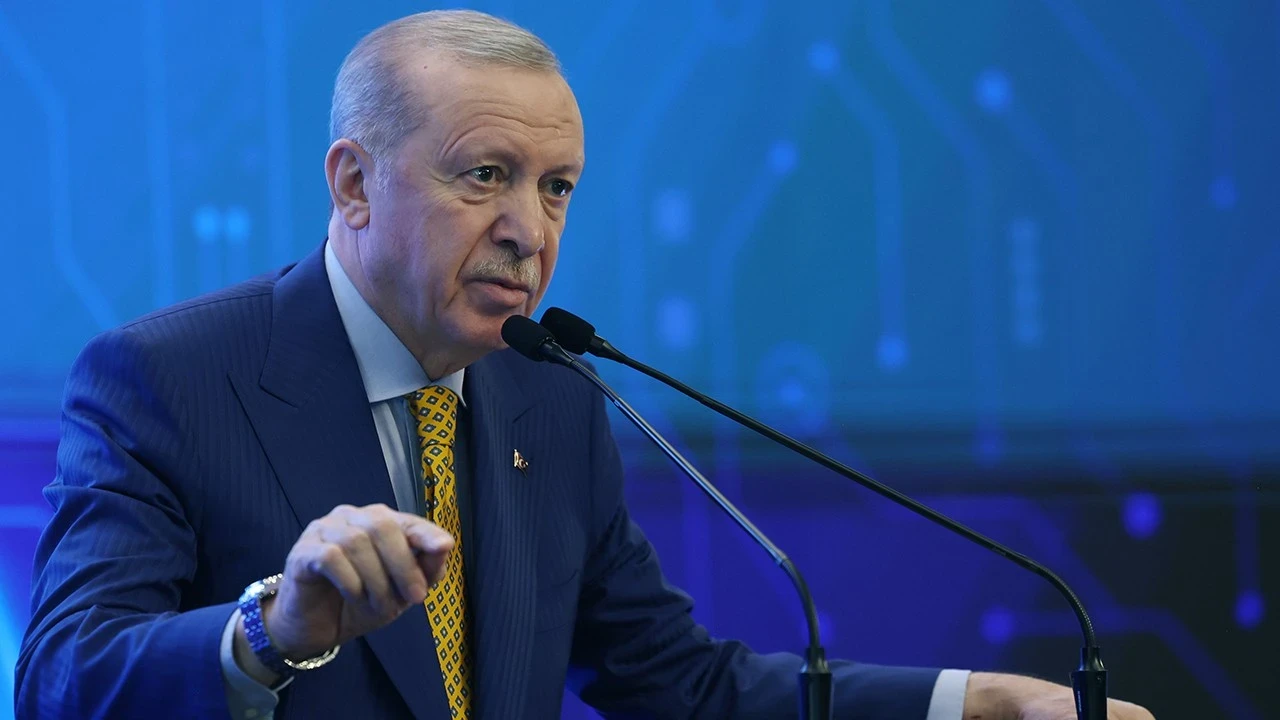
Turkish President Recep Tayyip Erdogan has openly included the possibility of war with “Israel” among his country’s stated options, in an exclusive interview broadcast by Al Jazeera on August 16, 2026. Asked about Israeli media portraying Turkiye as the next adversary, Erdogan said that Ankara speaks of peace and does not seek confrontation, but would not hesitate to defend itself or go to war if it were attacked.
Although the remarks came two days before the strike on Abu al-Duhur airbase, they followed a series of Turkish warnings that Israeli operations were no longer threatening only Palestinians and neighboring countries.
On June 10, 2026, Erdogan said Israeli attacks in Syria and Lebanon had reached a level that threatened Turkiye itself, stressing that his country’s security was linked to the stability of both countries.
He accused Netanyahu’s government of pushing the region toward broader conflicts and vowed a clear and strong response if Türkiye’s interests or those of Turkish Cypriots in the Eastern Mediterranean were threatened.
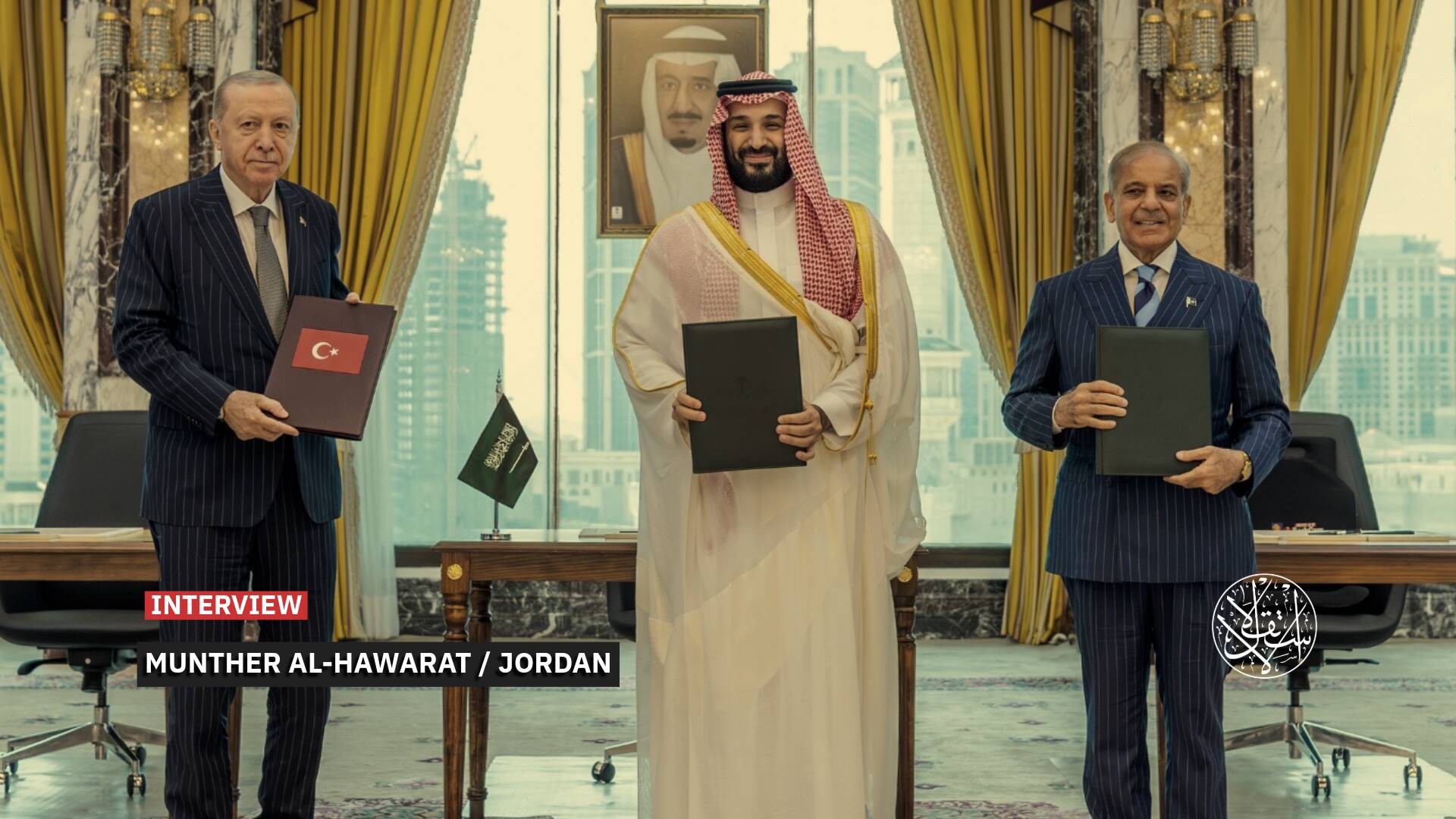
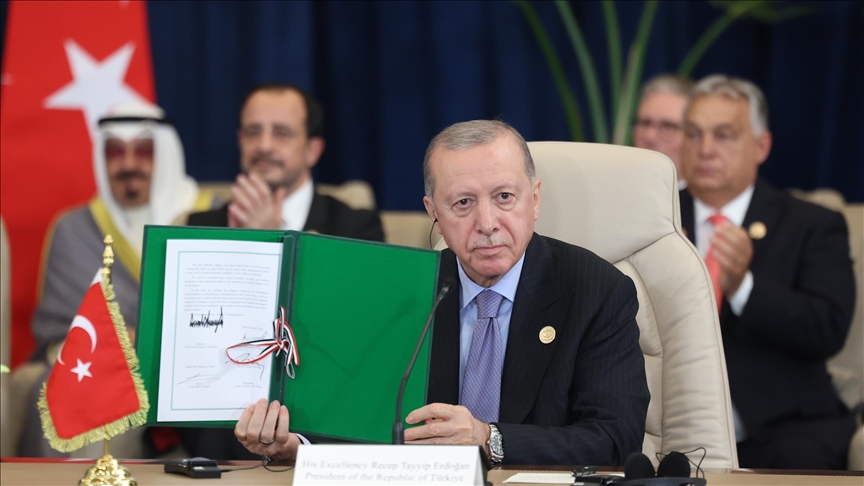
Erdogan also linked Ankara’s ability to confront external threats to the Mecca Agreement on Joint Defense between Turkiye, Saudi Arabia, and Pakistan, explaining that the agreement is based on a principle allowing the three countries to act together if any one of them comes under attack.
He compared the mechanism, in essence, to the collective-defense principle enshrined in Article 5 of the North Atlantic Treaty Organization (NATO), while rejecting the characterization of the agreement as a “Sunni alliance.” He stressed that its doors are open to other countries, including Egypt.
Turkish rhetoric toward “Israel” has intensified since the war on Gaza. In September 2024, Erdogan called on the UN General Assembly to recommend the use of force if the Security Council failed to stop Israeli attacks in Gaza and Lebanon, invoking the 1950 “Uniting for Peace” resolution. In July of the same year, he also hinted at the possibility of Turkish intervention, citing Ankara’s previous actions in Libya and Nagorno-Karabakh.
Gaza Opens a New Front in the Conflict
Following October 7, 2023, Ankara initially called for an end to the fighting, but Erdogan hardened his rhetoric as Israeli attacks in Gaza intensified. He rejected the designation of Hamas as a terrorist organization, describing it instead as a national liberation movement.
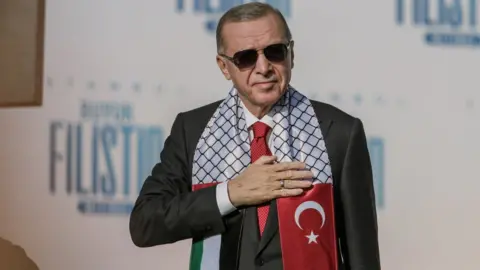
On October 28, then-Israeli Foreign Minister Eli Cohen announced the withdrawal of Israeli diplomats from Turkiye for a reassessment of relations, following a large rally in Istanbul at which Erdogan said his country was working to have “Israel” declared a “war criminal.”
On November 4, 2023, Turkiye recalled its ambassador, Sakir Ozkan Torunlar, for consultations, citing the continued attacks on civilians, “Israel’s” refusal to agree to a ceasefire, and the failure to ensure the flow of humanitarian aid. Erdogan said at the time that Netanyahu was no longer someone Ankara could talk to and that Turkiye had “crossed him off.”
The political rupture then turned into economic pressure in April 2024, when Turkiye restricted exports of 54 categories of products to “Israel”. On May 2, it suspended all exports and imports with “Israel”, making their resumption conditional on a permanent ceasefire and the unrestricted delivery of aid to Gaza.
In response, Israeli Finance Minister Bezalel Smotrich proposed on May 16, 2024, scrapping the free-trade agreement with Turkiye and imposing an additional 100 percent tariff on Turkish imports. Smotrich linked the continuation of these measures to Erdogan remaining in power.
Ankara expanded the restrictions on August 29, 2025, closing Turkish ports to Israeli vessels, preventing Turkish vessels from docking at Israeli ports, and imposing restrictions on aircraft and ships transporting weapons and ammunition to “Israel”.
From Boycott to the Courts
The economic rupture was accompanied by a Turkish campaign to take the confrontation with “Israel” to international institutions. On February 26, 2024, Turkish Deputy Foreign Minister Ahmet Yildiz told the International Court of Justice (ICJ) that the occupation of Palestinian territories was the root cause of the conflict, calling on the court to affirm its illegality.
The submission came during hearings in which the United Nations General Assembly had requested an advisory opinion on the legal consequences of the occupation and settlement activities.
Two months later, on May 1, 2024, Foreign Minister Hakan Fidan announced Ankara’s decision to intervene in the case brought by South Africa against “Israel” under the Genocide Convention.
Fidan said Turkiye would submit its declaration of intervention once the legal text had been finalized, after it had already begun providing the court with documents related to Israeli operations in Gaza.
On August 7, 2024, Turkiye formally filed its declaration with the ICJ under Article 63 of the court’s Statute, which allows states parties to intervene when the interpretation of an international convention is at issue.
The legal track gained an additional dimension following the killing of Turkish-American activist Aysenur Ezgi Eygi on September 6, 2024. She was shot by Israeli Occupation Forces during a protest against settlement expansion near the town of Beita, south of Nablus.
Turkish prosecutors subsequently opened an investigation into her killing. Justice Minister Yilmaz Tunc said Ankara would submit evidence to the UN Security Council and the International Court of Justice and International Criminal Court, and would seek arrest warrants related to the case.
Turkiye’s efforts were not limited to the courts. In June 2024, Istanbul hosted an extraordinary meeting of foreign ministers from the Developing Eight (D-8), which called for an immediate, permanent, and unconditional ceasefire.
In April 2025, Antalya hosted a ministerial meeting attended by Arab, Muslim, European, and Asian countries. The participants called for time-bound steps toward implementing the two-state solution and rejected the displacement of Palestinians.
The Most Dangerous Flashpoint
The fall of Bashar al-Assad’s regime in December 2024 opened a new front between Turkiye and “Israel”. Ankara supported Syria’s new authorities under President Ahmed al-Sharaa and began cooperating with them on training, military assistance, and institution-building, while “Israel” intensified its strikes on Syrian military capabilities and entered the buffer zone, declaring that it would not allow the emergence of a force that could threaten it or restrict the freedom of action of its air force.
On December 10, 2024, the Turkish Foreign Ministry condemned the entry of Israeli Occupation Forces into the buffer zone, describing it as a violation of the 1974 Disengagement of Forces Agreement and reaffirming its support for Syria’s sovereignty and territorial integrity.
On January 15, 2025, Erdogan called on “Israel” to withdraw, warning that the continuation of its operations would have negative consequences for everyone.
The military dispute became more apparent in April 2025, when “Israel” struck Syrian air bases, including T4 Air Base, amid reports that Turkiye was considering deploying troops, drones, and air-defense systems at some of those sites.
Israeli military analyst Ron Ben-Yishai, writing in Yedioth Ahronoth, argued that the motives behind targeting the Abu al-Duhur and T4 air bases were similar: preventing the establishment of sites capable of restricting the freedom of action of the Israeli Air Force. Under this assessment, the presence of advanced Turkish radars or systems capable of intercepting aircraft and missiles would not merely help protect Syrian airspace; it could also allow Ankara to monitor Israeli movements and impose operational constraints on “Israel”.
Israeli Foreign Minister Gideon Sa’ar accused Ankara of seeking to turn Syria into a Turkish protectorate. The Turkish Foreign Ministry responded by saying that “Israel” had become the greatest threat to regional security, accusing it of creating chaos and undermining Syria’s stability.
In an interview with Reuters on April 4, 2025, Hakan Fidan warned that “Israel’s” destruction of the military capabilities needed by Syria’s new administration to confront the Islamic State and other internal threats could pave the way for prolonged instability.
Rising Tensions with Erdogan
The shift in focus from Gaza to Syria coincided with a personal escalation by “Israel” against Erdogan, involving Netanyahu as well as the foreign, defense, finance, and diaspora affairs ministers. The statements were no longer simply responses to specific Turkish positions; instead, they increasingly targeted the legitimacy of the Turkish president, his domestic policies, and Turkiye’s position within NATO.
The attacks became sharper in 2026. On April 11, Defense Minister Israel Katz accused Erdogan of being “antisemitic and a supporter of Hamas.”
Erdogan had compared Netanyahu to Hitler as early as December 27, 2023, and in March 2024 placed him alongside Hitler, Stalin, and Mussolini. When Erdogan was compared to Saddam Hussein, the Turkish Foreign Ministry responded by saying that Netanyahu would meet the same fate as Hitler.
Behind this exchange of accusations, however, lies a broader struggle over the regional balance of power. Israeli circles have warned about the expansion of Turkiye’s presence in Syria and the Eastern Mediterranean, the development of the Kaan fighter jet with U.S.-made F110 engines, and the possibility of Ankara returning to the F-35 program. Turkiye, meanwhile, views “Israel” as using its air superiority to prevent Syria from achieving stability and to keep countries in the region from developing the ability to defend their own airspace.