A Pivotal Juncture: Why Is ‘Israel’ Focusing Its Strikes on Police Forces in Gaza?
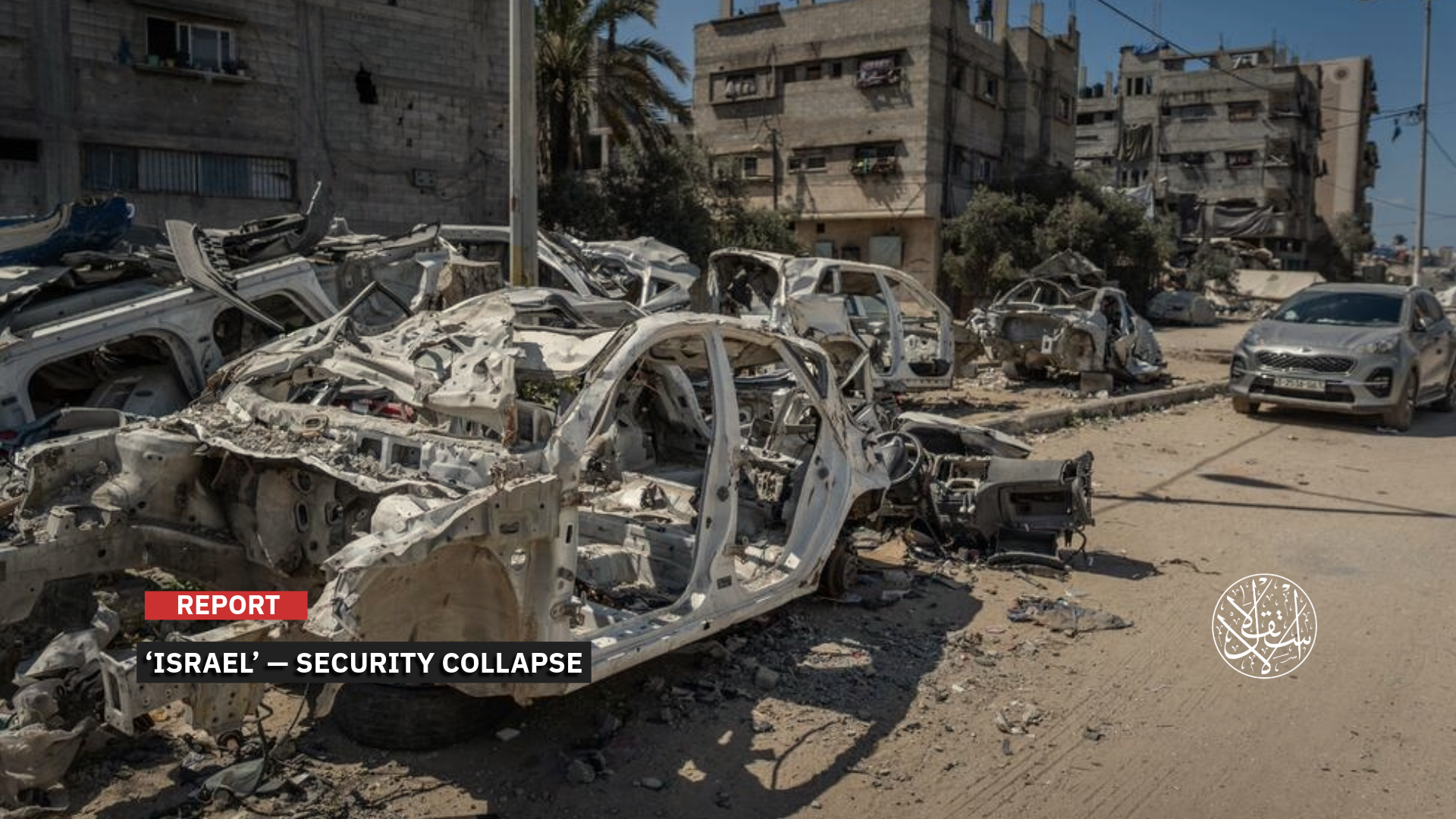
The targeting of security agencies leaves deep sorrow in Palestinian society.
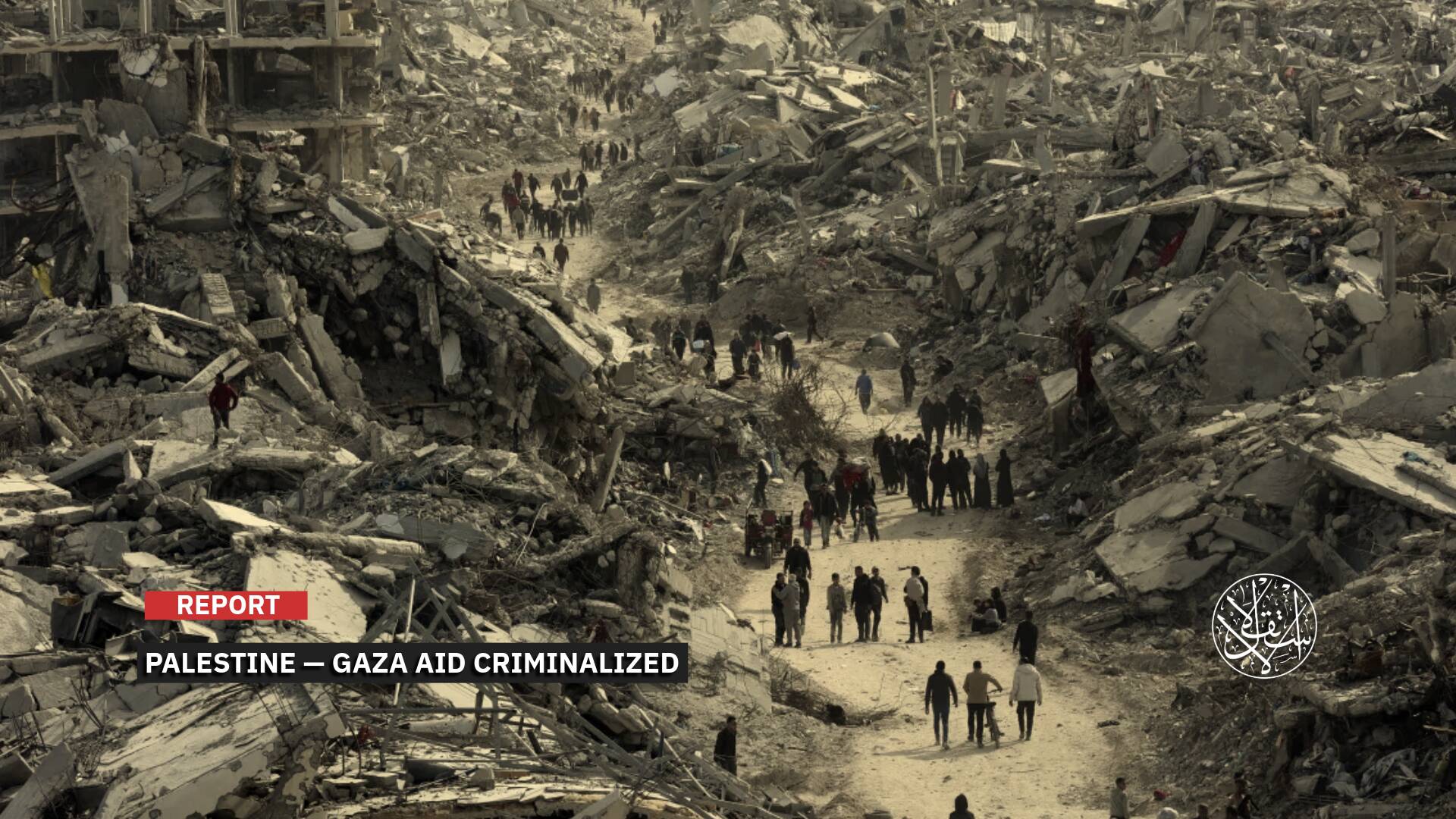
The Israeli Occupation Forces continue their deadly massacres in the Gaza Strip, in violations that have not ceased since the ceasefire agreement concluded between the Palestinian factions and the occupation on October 10, 2025, through American and Arab mediation.
These violations have resulted in the killing of approximately 1,000 Palestinians and the injury of nearly 3,000 others.
Among these massacres, the occupation has intensified its deadly attacks against the police and security agencies in Gaza, with the aim of plunging the Strip into a state of chaos that would allow militias collaborating with it to expand their presence deeper into the territory, according to security specialists.
As a result of these attacks targeting security forces, the number of Palestinian police personnel killed in the Gaza Strip has exceeded 2,842 since the beginning of the war in October 2023.
Bloody Crimes
A month and a half after the ceasefire agreement, Israeli security assessments concluded on November 25, 2025, that the Islamic Resistance Movement, Hamas, was continuing to restore its presence in the Gaza Strip at both the administrative and policing levels.
According to Israel's Channel 13, members of the Security and Political Cabinet (the Cabinet) were presented during that period with warnings indicating that the movement was working to rebuild its strength and restore its capabilities, and that it had re-established what the assessments described as "near-complete control" over large areas of the Strip.
According to the channel, the Israeli military provided ministers with data showing that 13 out of 25 municipalities in the Gaza Strip had fully resumed operations.
Hamas-affiliated police personnel had also returned to deployment and established internal checkpoints in several areas.
Following these assessments, the Israeli military resumed intensifying its strikes against governmental and police institutions in the Gaza Strip.
Israel's Channel 12 reported on April 2, 2026, that the military had changed its operational policies and escalated attacks on Palestinian police personnel in Gaza, as well as on Hamas's military and human resources capabilities.
In its latest statement, issued on May 24, 2026, the Ministry of Interior and National Security announced the deaths of five police officers and personnel who were killed in an airstrike carried out by Israeli aircraft targeting a police site in the al-Tawam area, north of the Gaza Strip.
The ministry condemned what it described as a "heinous crime" committed by the occupation against the police force, estimating that these attacks, which had resulted in the deaths of 42 police officers and personnel since the ceasefire of October 10, 2025, were part of efforts to spread chaos and undermine stability within Palestinian society.
In its statement, the ministry affirmed that the continued targeting of the police force and civilians in Gaza represented a retreat by the occupation from its obligations under the ceasefire agreement and constituted a blatant violation of international norms and conventions related to the protection of civilians and civilian institutions.
In the same context, the United Nations Human Rights Office in the Occupied Palestinian Territory condemned, on June 3, 2026, what it described as the routine targeting of police personnel in Gaza by Israeli Occupation Forces.
The office stressed that the systematic dismantling of public institutions in the Strip had led to a state of disorder with devastating consequences for civilians.
Since the beginning of 2026, the office documented at least 12 attacks on police personnel, resulting in the deaths of at least 53 people, including 35 police officers, five children, and one woman.
It also recorded four attacks in May alone, which resulted in the deaths of 12 police personnel.
In a statement, the Human Rights Office said it had documented Israeli attacks on police officers while they were carrying out routine law-enforcement duties, "including regulating traffic and conducting patrols in streets and markets."

Contingency Plan
Al-Estiklal interviewed a number of Palestinian police officers and personnel in Gaza and investigated the methods through which their agencies operate, as well as how the attacks have affected the nature of their work and priorities.
A police officer in the Gaza Strip, who preferred to be identified only by the initials "(R.J.)" and not by name for security reasons, said that the occupation intensifies its targeting of police personnel and patrols on a daily basis as part of an effort to plunge Gaza into a cycle of lawlessness and insecurity, while creating conditions that would allow militias cooperating with it to infiltrate society and carry out its objectives.
He stressed that the police, despite what he described as the "long procession of martyrs" they have lost as a result of these attacks, continue to carry out their field duties and have not abandoned their positions at any stage.
He noted that they remained present among the Palestinian population even during the height of what he referred to as the war of extermination.
He told Al-Estiklal that "the police are operating according to an emergency plan that was carefully prepared and studied, and which is based on achieving two main objectives. The first is maintaining security, combating crime, and protecting our people in the Gaza Strip, in addition to pursuing collaborators and deterring them."
The second objective, he said, is "to reduce the targeting of police personnel and minimize the risks they face as much as possible."
The officer continued, "We have a clear and comprehensive plan for dealing with the current reality. This is not a new situation for us; rather, we are entering our third year under these circumstances. We have been able to adapt to them and continue carrying out our duties despite the challenges."
Regarding the primary roles of the Palestinian police and security services, the officer said that their top priority is maintaining public security and internal security in the Gaza Strip, and addressing daily crimes and various disputes in a manner that preserves civil peace and social stability.
He added that another key responsibility is combating crime in all its forms, including confronting the growing drug problem in Gaza. He noted that large quantities of narcotics had entered the Strip in recent months. Their duties also include pursuing militias that cooperate with the occupation and dealing with their activities.
The officer further affirmed that the security services are responsible for implementing judicial orders and court rulings issued by Palestinian courts in the Gaza Strip, thereby ensuring the continued rule of law, safeguarding citizens' rights, and protecting public order.

Working Effectively
Despite the ongoing attacks, the police and security services in the Gaza Strip continue to carry out their duties across various security and community-related fields.
These duties include pursuing militias and collaborators, apprehending individuals responsible for murders and returning them to prison, as well as intervening to contain family disputes and conflicts involving armed clashes in order to preserve civil peace.
The women's police force also implements security-awareness programs targeting thousands of women, aimed at enhancing awareness of digital security and reducing cyber fraud and digital wallet theft.
These efforts are carried out through workshops and field and online campaigns in universities, refugee camps, and community centers.
On the community level, community policing contributes to resolving financial disputes and addressing conflicts arising from them, in addition to pursuing thieves and other criminals.
Meanwhile, the Anti-Narcotics Unit continues its efforts to thwart drug-smuggling and trafficking operations, arrest dealers and distributors, and monitor Israeli drones that drop shipments of narcotics inside the Strip.
The Tribal Affairs Administration of the Ministry of Interior also plays a prominent role in resolving disputes through committees spread across the various governorates.
During April 2026, it successfully handled 1,966 cases, including fights, financial disputes, land conflicts, family-related cases, murders, and thefts.
According to data published on the Ministry of Interior's website, the Supply Investigations Department continues to conduct inspection campaigns to seize spoiled food products and expired medicines as part of a broad range of policing activities aimed at maintaining security and public order in the Gaza Strip.
In this context, a member of the Palestinian police force, identified as "(M.A.)," said that withdrawing police personnel from the field is not an option, even if it costs them their lives, stressing that their absence would lead to new waves of lawlessness and insecurity in the Gaza Strip.
He told Al-Estiklal that the presence of the police helps curb the actions of certain families and gangs that, during the final months of the war, imposed a difficult security reality through acts of disorder and intimidation that further increased the suffering of residents alongside the harsh conditions caused by the war.
He added, "We fully understand that every mission we undertake may be our last, and that we may never see our families and children again. Nevertheless, we regard the duty we perform as a sacred obligation during this sensitive and pivotal stage in the history of the Palestinian cause."
"For this reason, we carry out our duties without hesitation, believing in the importance of the role we play and the national and social responsibility it represents under the exceptional circumstances facing the Gaza Strip," he continued.
The officer emphasized that the difficult experiences police personnel have endured as a result of repeated aerial attacks have contributed to the development of mechanisms for dealing with these risks and reducing them as much as possible.
He explained that a range of measures is being followed, including avoiding travel in recognizable police vehicles, preventing personnel from gathering in one location, carrying out missions discreetly and, in some cases, without wearing official uniforms, as well as relying on alternative, non-electronic means of communication when necessary.
He noted that these precautions are intended to reduce the likelihood of being targeted and to enable personnel to continue carrying out their field duties amid the complex security conditions in the Gaza Strip.
"Given the dangerous nature of our work and the possibility of being targeted at any moment, we try as much as possible to avoid being present near civilians, so as not to expose them to any potential risks," he said.
He concluded, "We also sleep in isolated and distant tents, seeking to bear the consequences of the nature of our work ourselves. We view what we do as a national duty and a sacred mission, and therefore we strive to ensure that the repercussions of this work fall on us as much as possible and do not extend to civilians."

Community-Based Initiatives
Parallel to what the article describes as the occupation's escalating attacks against the Palestinian police, community and youth initiatives have emerged to assume a role that helps ease the burden on police and security personnel.
These efforts involve the formation of popular committees that support the security services and undertake tasks such as dispute resolution and community awareness activities.
Youth activist Khalil al-Najjar said that the situation in the Gaza Strip, together with the intensive targeting of police agencies and attempts to restore a state of lawlessness and expand the influence of militias, prompted the establishment of youth and community committees seeking to curb these phenomena.
He explained that these committees work to contain various disputes, whether those arising between families or the everyday disagreements that emerge within displacement camps and on the streets, by intervening to absorb and resolve them before they escalate.
Al-Najjar noted that the committees also cooperate with reconciliation and mediation committees operating throughout the Gaza Strip as part of a complementary effort aimed at resolving disputes, preventing the spread of chaos and lawlessness, and deterring criminal activity and assaults that emerged during the war.
He told Al-Estiklal, "One of the most important tasks of these committees is reducing the need for police patrols to intervene in daily disputes and cases, thereby avoiding giving the occupation forces opportunities to target them and commit further massacres, as has repeatedly occurred during the past period."
He added, "This objective is regarded as one of the highest community priorities, because every attack on the security services leaves a profound sense of grief in Palestinian society, in addition to the serious security repercussions that affect people's movement and the overall security situation in the Gaza Strip."
Al-Najjar pointed to a noticeable level of public cooperation and engagement with the work of these committees, emphasizing that society has granted them popular legitimacy because of its awareness of the role they play and the expected impact of their intervention in resolving disputes and preserving civil peace.
He added that such intervention can produce positive outcomes that help prevent the return of the lawlessness and disorder that swept through the Gaza Strip for extended periods during the war.
Al-Najjar noted that similar committees are present throughout the various regions and governorates of the Gaza Strip, although they may operate under different names from one area to another. He added that they include participants from various political factions and national currents.
He affirmed that the committees' shared objective is to preserve community security and thwart the efforts of the occupation, parties associated with it, and anyone seeking to spread chaos and create a state of lawlessness within the Gaza Strip.