A Coup Secret Deal: How Did Britain Conspire Against the Rulers of the Gulf?
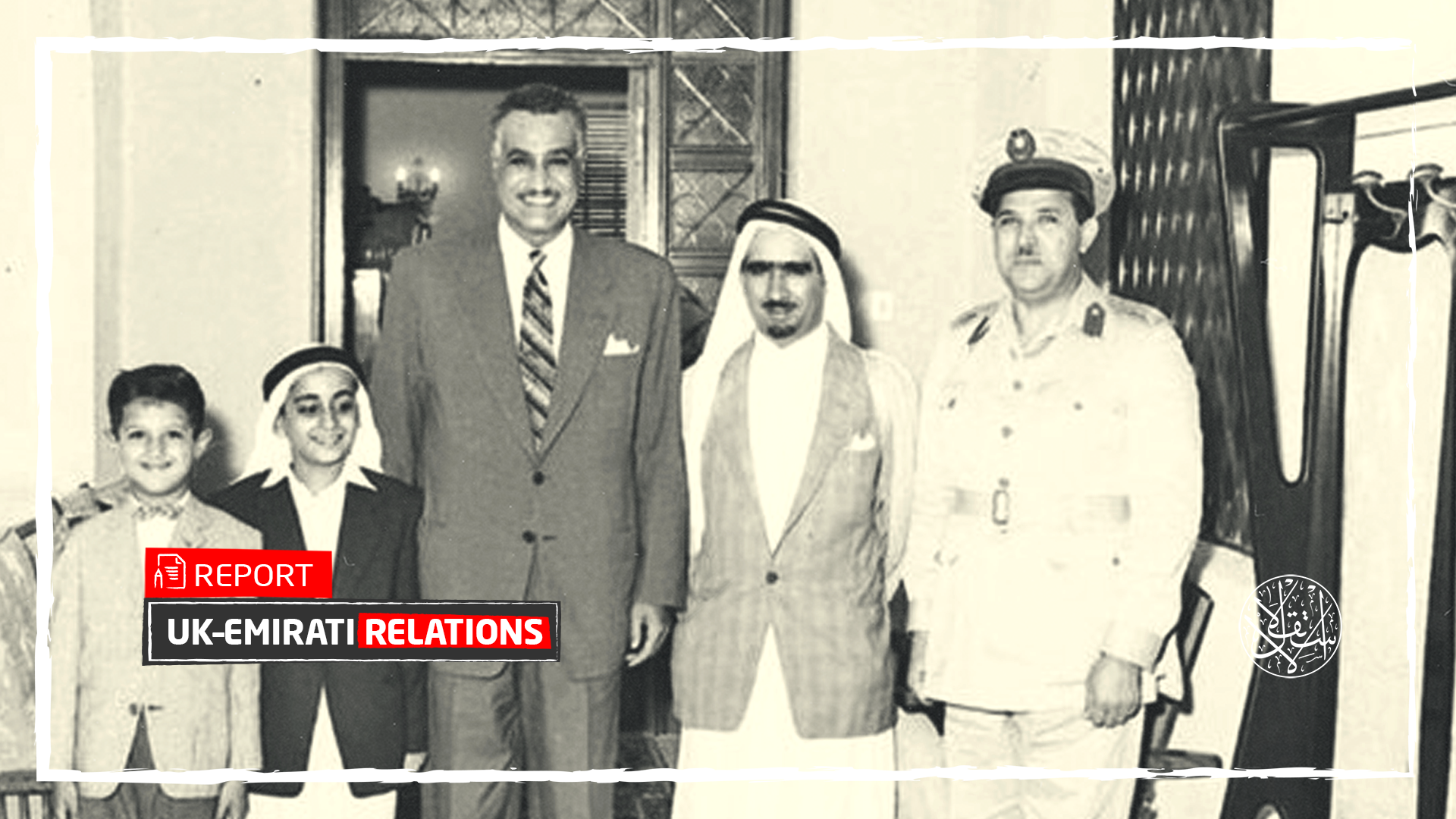
BBC revealed on August 31 details of secret treaties that the British made with Iran against the Emirates. According to secret documents, they also carried out a coup against Sharjah's rulers because of their rapprochement with Egypt during the era of the late leader Gamal Abdel Nasser, who served as the second president of Egypt until his death in 1970.
Secrets & Deals: How Britain Left the Gulf documentary also disclosed Britain's conspiracy against the Gulf. What's the story?
A Coup Secret Deal
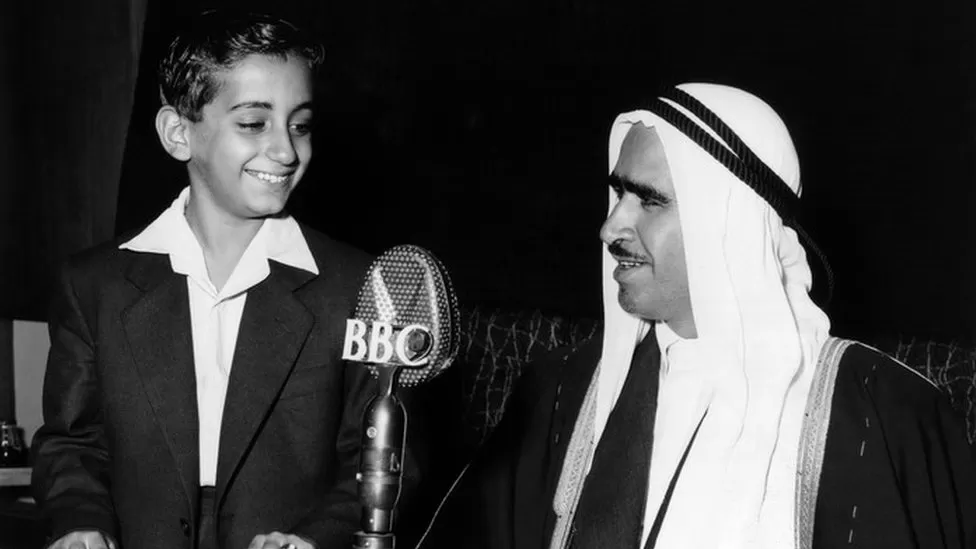
Secret dealings that led to the end of Britain's empire in the Middle East are uncovered in a joint BBC News Arabic and Persian documentary. The film Secrets & Deals: How Britain Left the Gulf revealed important details about how the British "left Iran in control of contested islands, as well as eyewitness accounts of a British-organized coup," BBC reported.
During the winter of 1967-1968, the British economy's situation was critical. Many Arab leaders were convinced Britain had secretly helped 'Israel' to victory over its Arab neighbors in the Six Day War of June 1967. At that time, the Israeli occupation had seized East Jerusalem, the West Bank, Gaza, the Sinai Peninsula, and the Golan Heights.
The oil-rich Gulf states began selling off their properties of the British currency as a reaction, leading to the fall of the pound.
Harold Wilson's Labor government decided then to end Britain's imperial defense commitments in the Middle East to desperately save money.
Since the 18th Century, Britain had been an outstanding foreign power in the Gulf, although it never had colonies there.
According to the documentary, "the Arab emirates of Bahrain, Qatar and the Trucial States (Abu Dhabi, Dubai, and their smaller neighbors) had signed treaties of protection with Britain," which means that the British could control their defense and foreign policies, and local leaders managed domestic affairs.
The most politically, socially, and educationally progressive of the ruling sheikhs in the Trucial States, Saqr bin Sultan al-Qasimi of Sharjah, got into trouble with the British in 1995.
He was removed in a British-sponsored coup and sent into exile through a trap, to be replaced by his cousin.
For the first time, later Britain's ambassador in Iraq, Sir Terence Clark, explained to the BBC how the coup was done:
"A detachment of our Trucial Oman Scouts arrived. They disarmed Saqr's bodyguards," adding, "when I saw they were sitting calmly, I told the Deputy Political Resident, 'The message has been delivered.' This was the signal."
"The Deputy Political Resident told Sheikh Saqr that the ruling family had decided to remove him."
He continued: "In shock, Sheikh Saqr stood up. He saw his men sitting unarmed. He could do nothing. He had to accept the decision."
Behind-the-Scenes Diplomacy
In 1968 Britain announced its intention to withdraw from the Gulf, which led to growing tensions between the Arab leaders and Iran.
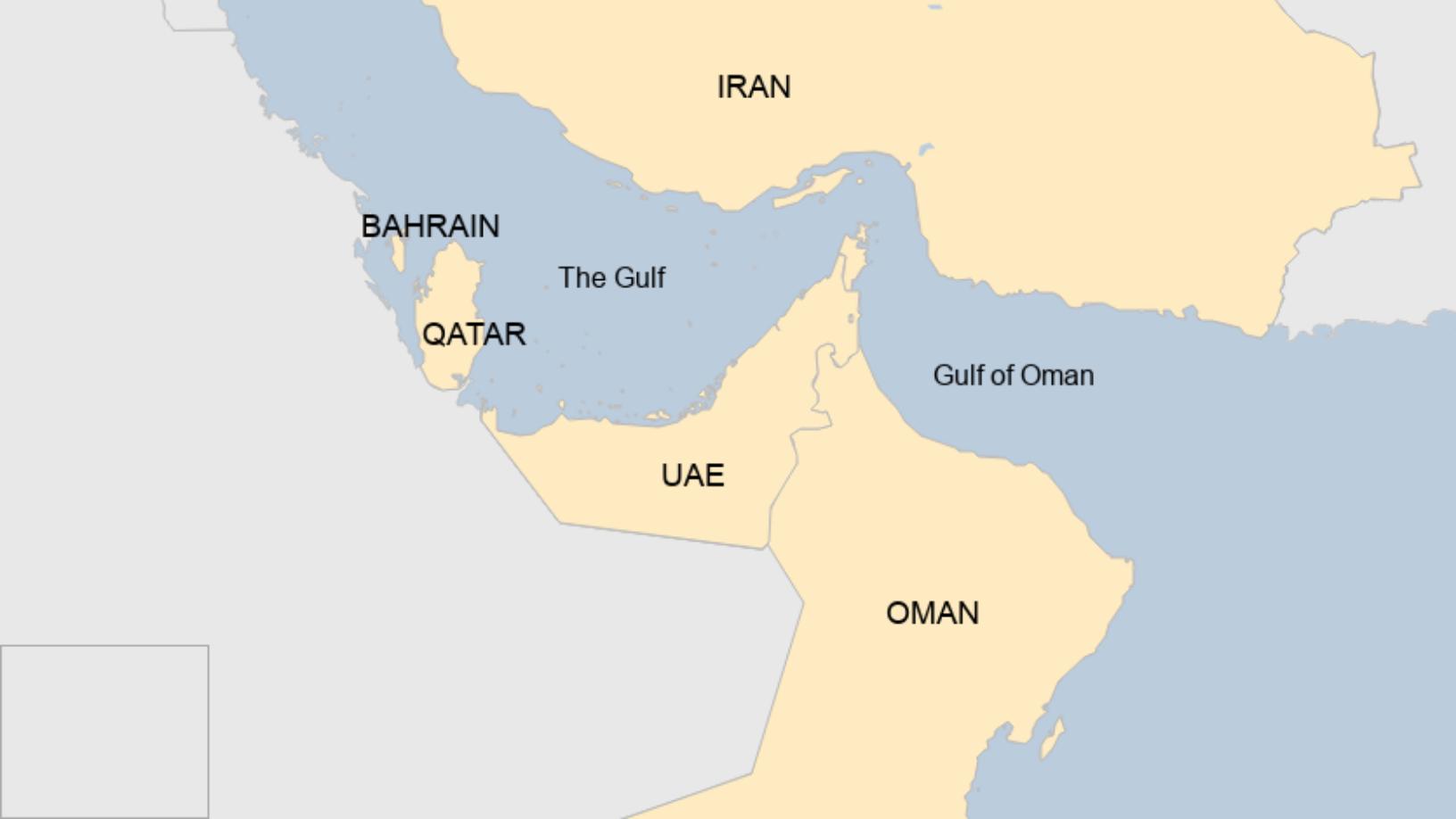
The strife was about Bahrain and three strategic islands near the Strait of Hormuz: Abu Musa and the Greater and Lesser Tunbs.
According to a secret note about a meeting between Iran's ruler and a British minister, Iran's stance on the British withdrawal was decisive.
Iran's Shah agreed to grant independence to all the territories ruled by the Arabs bordering the Gulf, except for Bahrain, which he called "that island."
Iran was always claiming that Bahrain and the three islands were part of its territory that were stolen by Britain.
What happened next was an outbreak of behind-the-scenes diplomacy between the Arab rulers, Britain, and the Shah, according to BBC.
"London said, 'Alright, we'll try this, but it's a very delicate operation because we don't trust the Iranians, the Iranians don't trust us, and the Bahrainis don't trust either of us,'" said ex-Britain's ambassador in Tehran in an audio recording broadcast for the first time.
Iran's ruler's attitude changed to let the "UN take responsibility for the decision that it should become independent, based on a survey carried out in 1970," according to the documentary.
Arab Gulf states' shape today became clear in 1971.
Occupying the Islands of the Emirates
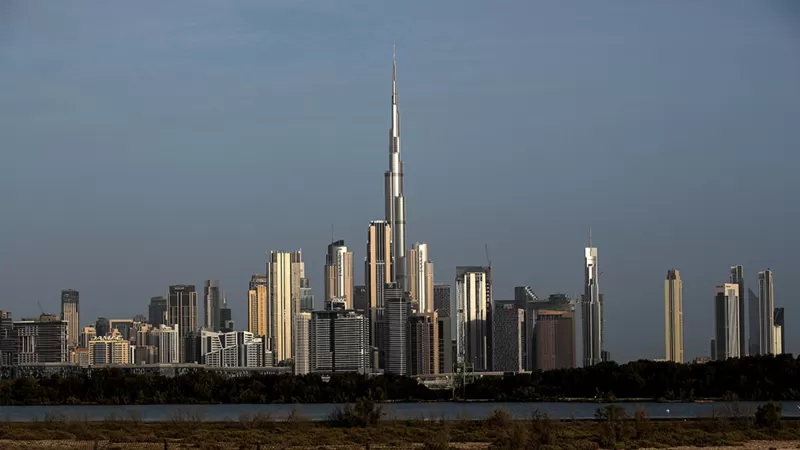
The dispute about the three islands remained unresolved; the islands were claimed by Iran but were ruled, in fact, by emirates that would become part of the UAE in December 1971. A secret note from the Iranian foreign ministry, newly revealed, records the Shah telling the Foreign Secretary of Britain, Sir Alec Douglas-Home: "These islands belong to Iran and must be returned to Iran…No matter what, we will take these islands."
Britain publicly confirmed that these three islands belong to the Trucial States, but the BBC uncovered declassified cables showing Sir William Luce, who was a long-term British colonial administrator, secretly made a deal with the Shah to grant two of the three islands to Iran before Britain's withdrawal in December 1971.
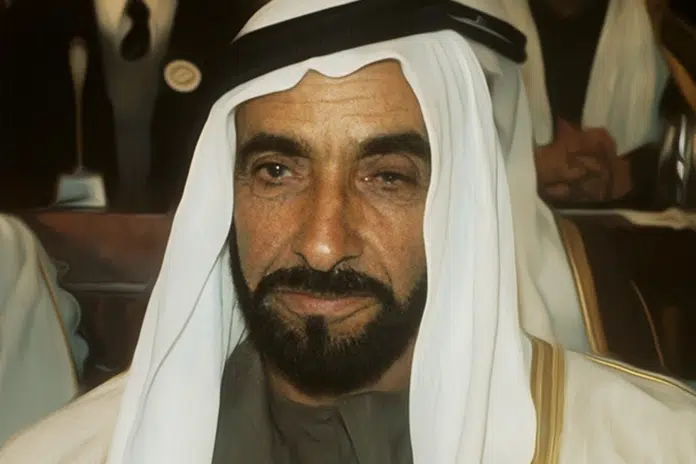
"Despite the UAE's many subsequent protests about 'Iran's occupation' of the three islands on November 30, 1971, Sheikh Zayed of Abu Dhabi and Sheikh Rashid of Dubai—the founding president and vice-president of the UAE—were made aware of Britain's decision before Iranian naval forces moved in." Sheikh Zayed also agreed with the decision, according to what is revealed by the declassified documents.
By December 1971, Britain's presence in the Gulf had come to an end. The UAE still refuses Iran's claim of sovereignty over the three islands, which represents the source of tension between Iran and the Arab world.