Yemen’s War Enters a New Phase: Who Holds the Keys to Victory on the Ground?
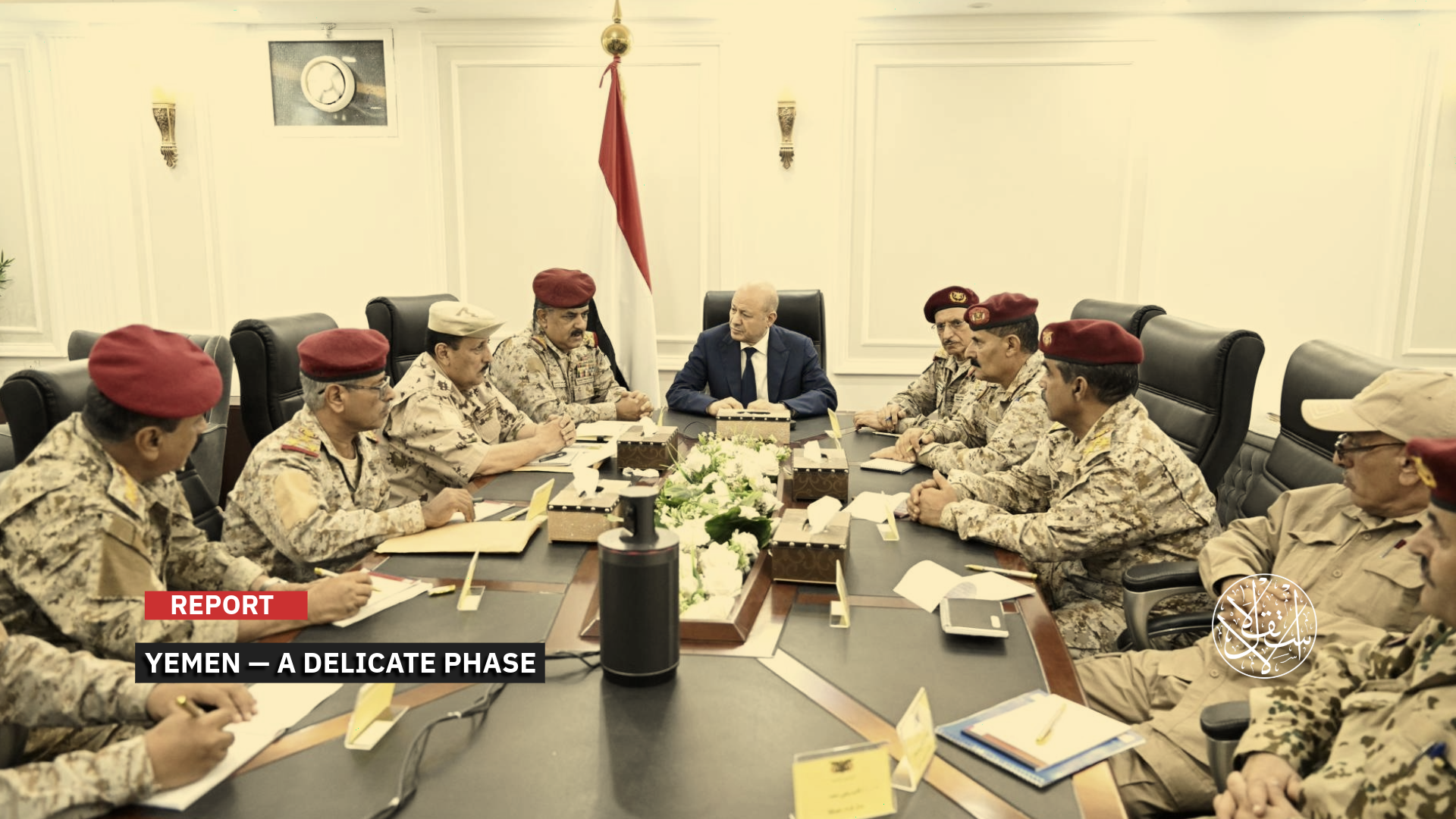
The Yemeni government launched 183 attacks on the Houthis within 24 hours.
Yemen’s battle lines are seeing a rapid escalation in fighting in what appears to be one of the most intense waves of violence since the ceasefire took effect in April 2022. The Yemen Armed Forces (YAF) said they had carried out 181 operations against Houthi positions and targets within 24 hours.
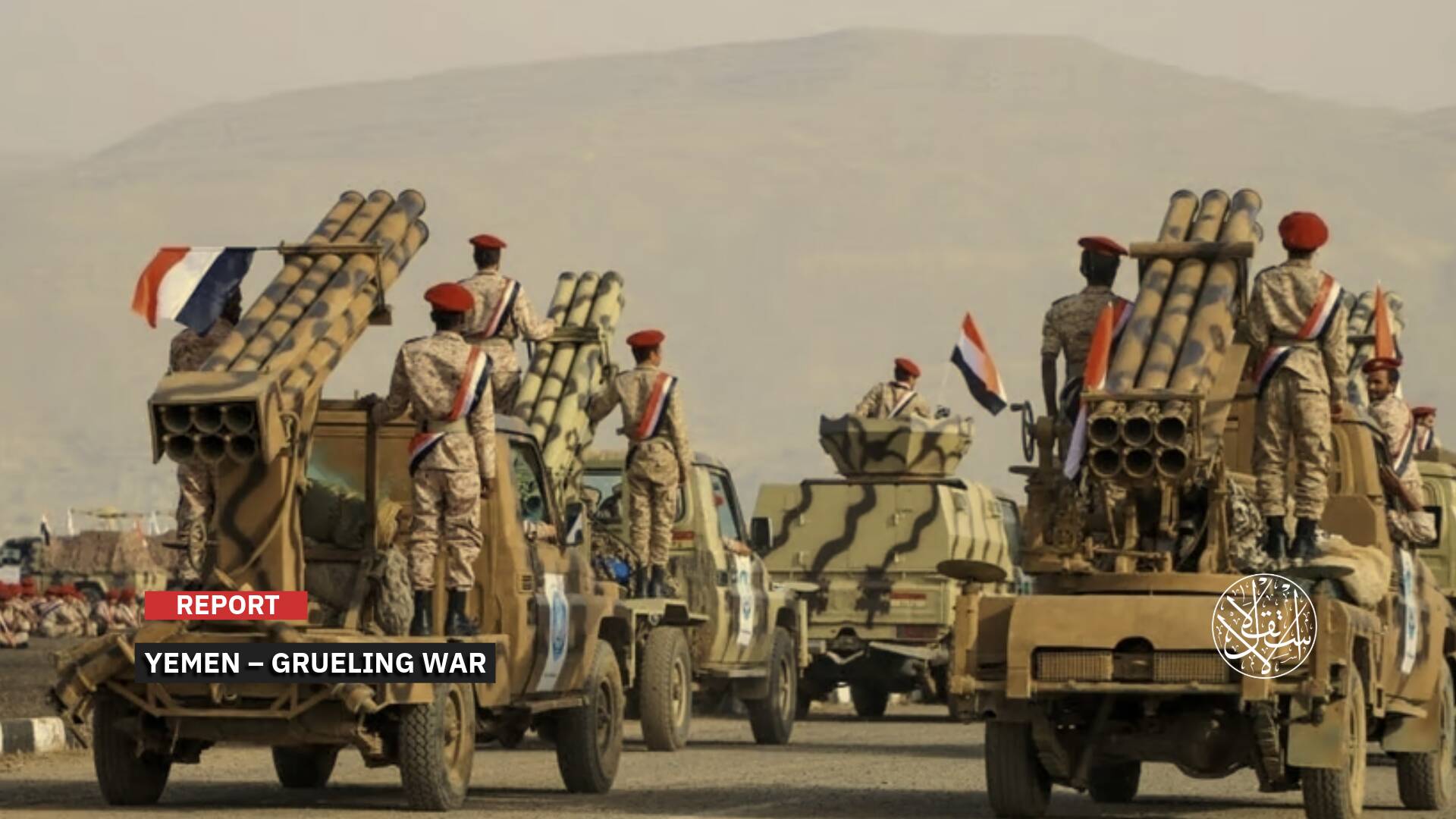
Maj. Gen. Majed Abdullah al Nuzaili, a spokesman for YAF, said on August 16, 2026, that the operations involved drones, artillery, and rocket launchers, targeting military positions, sources of fire, and capabilities used to carry out attacks along the front lines.
He said the strikes killed or wounded dozens of Houthi fighters and destroyed equipment, vehicles, and weapons depots, with operations extending across Taiz, Marib, al-Dhale, Lahj, Shabwa, Hodeidah, Abyan, and other provinces.
The escalation comes as government forces bring FPV, or first-person view, suicide drones into field operations, amid reports that about 200 Houthi fighters were killed over 48 hours starting August 14.
An Open-Ended War
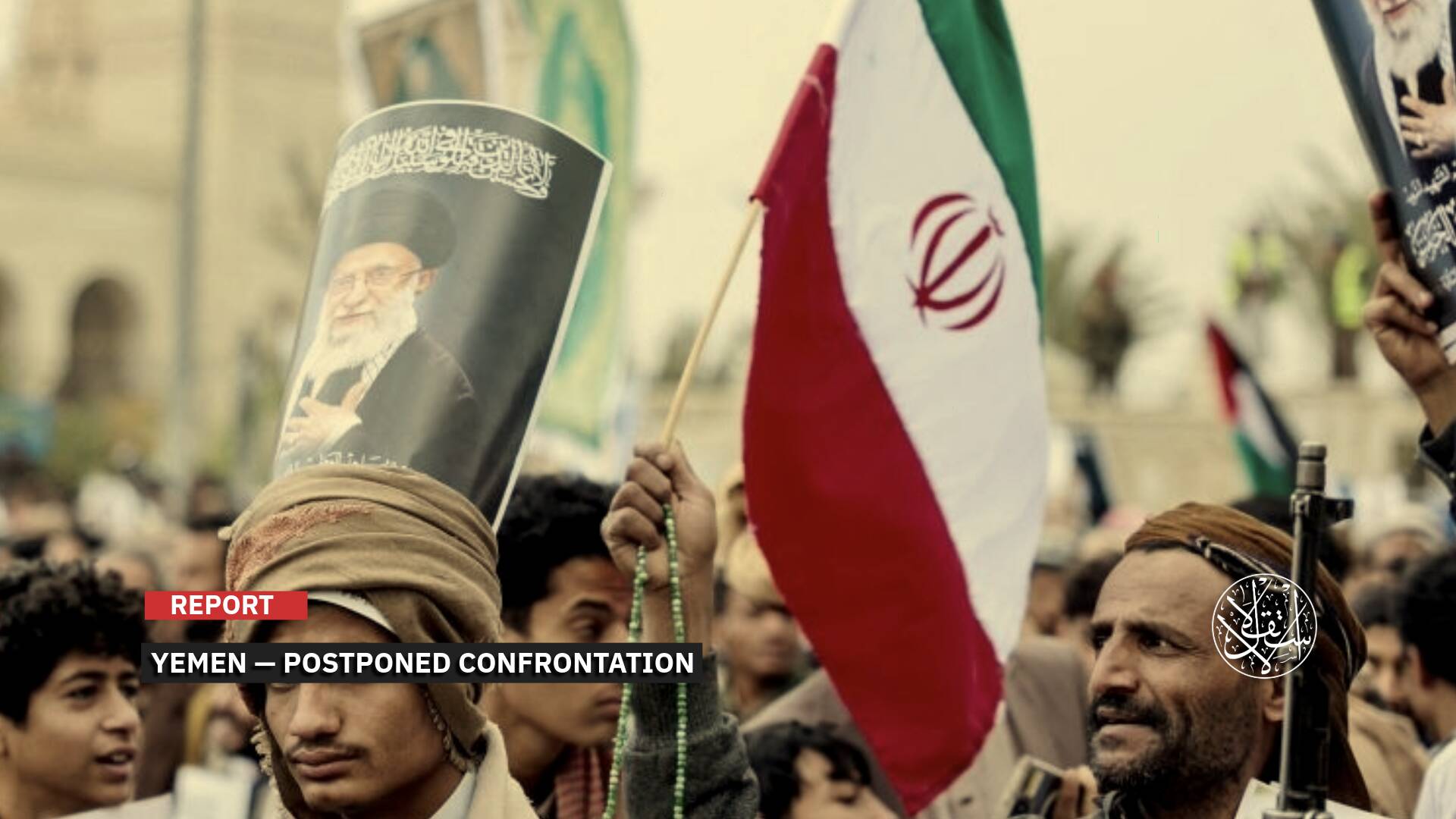
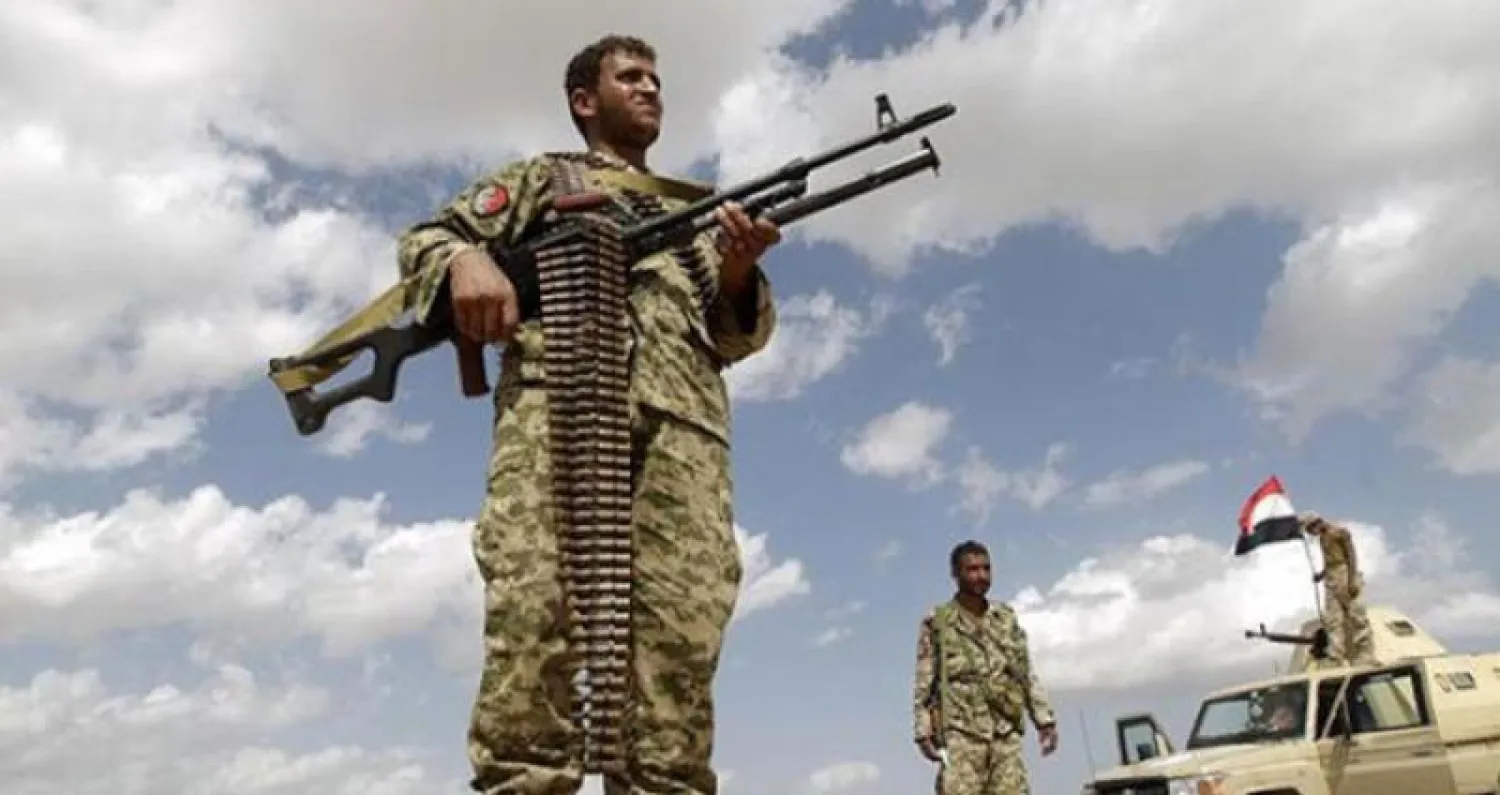
Although the ceasefire that began in April 2022 halted a large part of the fighting, Yemeni writer and political analyst Yassin al-Tamimi argues that the war never truly ended and that the latest developments could push the country toward a broader confrontation between government forces and the Houthis.
Al-Tamimi told Al-Estiklal that the Houthis had “put Yemen on the path to an inevitable full-scale war” after coming to view the gains secured by the ceasefire as no longer sufficient. He said the group wants to consolidate its control over areas it holds while maintaining its supply lines and open ties with Iran.
The current escalation, al-Tamimi said, is different from the limited clashes of recent years. The increased tempo of military operations, wider targeting, and use of new weapons could make it harder to keep the conflict contained at a low level.
Any wider confrontation would not necessarily repeat Yemen’s previous wars, he said. Government forces could rely more heavily on ground operations backed by advanced military capabilities, along with the political and military support that could be provided by the Arab coalition.
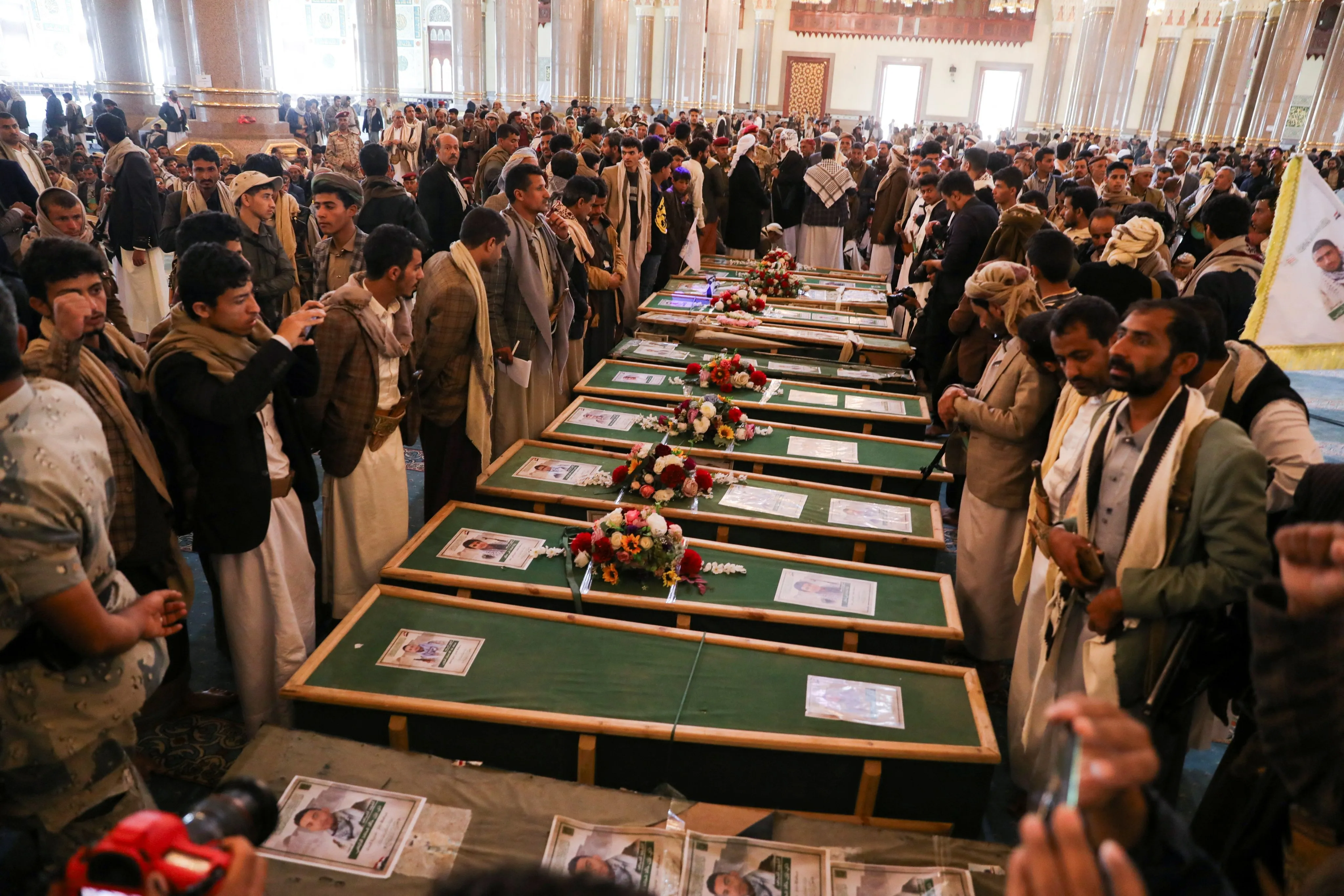
Developments on the ground are adding to those concerns, particularly reports that the Houthis have deployed forces to the al-Barah and Maqbana fronts and suffered heavy losses in recent fighting. Military sources cited by local media said the Houthis had held funerals for more than 184 fighters over a single week, including 64 officers.
Still, talk of a full-scale war does not necessarily mean a final decision to resume all-out fighting has been made. Political and regional factors remain central to the course of the conflict, as do the calculations of local and international actors.
The Coalition’s Role
The widening clashes raise another question about the future role of the Arab coalition and whether it would return to direct involvement if the current skirmishes develop into a broader war.
Al-Tamimi believes the Houthis and Iran have long portrayed the coalition as a central party to the war, an approach he says is intended to sideline the Yemeni government and its forces. In his view, that narrative allows the Houthis to frame the conflict as a regional confrontation rather than an internal struggle over the Yemeni state.
“The Houthis insist on linking the war to the coalition,” al-Tamimi said, “allowing them to target coalition countries, particularly Saudi Arabia, and give a regional dimension to their war against the Yemeni people.”
Against that backdrop, al-Tamimi said the coalition’s role in a wider conflict could focus on supporting government forces and strengthening their military edge, while also dealing with the potential regional fallout from the war.
That role could become especially important if the conflict spills beyond Yemen’s borders, particularly if the Houthis use missiles and drones against regional targets. Such a development could transform the war from an internal Yemeni conflict into a broader, multilateral crisis.
Any future coalition involvement, however, would likely look different from the earlier stages of the war. The experience of the past several years has demonstrated the costs of direct military intervention, while government forces now have greater battlefield experience, according to statements cited in the sources.
The introduction of FPV drones into government military operations also represents a tactical shift, given their ability to target moving vehicles and military positions, particularly in open areas and mountainous terrain.
If a new war does erupt, the next phase of fighting could therefore rely more heavily on a combination of ground forces, drones, and reconnaissance rather than a single mode of military operations.
The Balance of Power
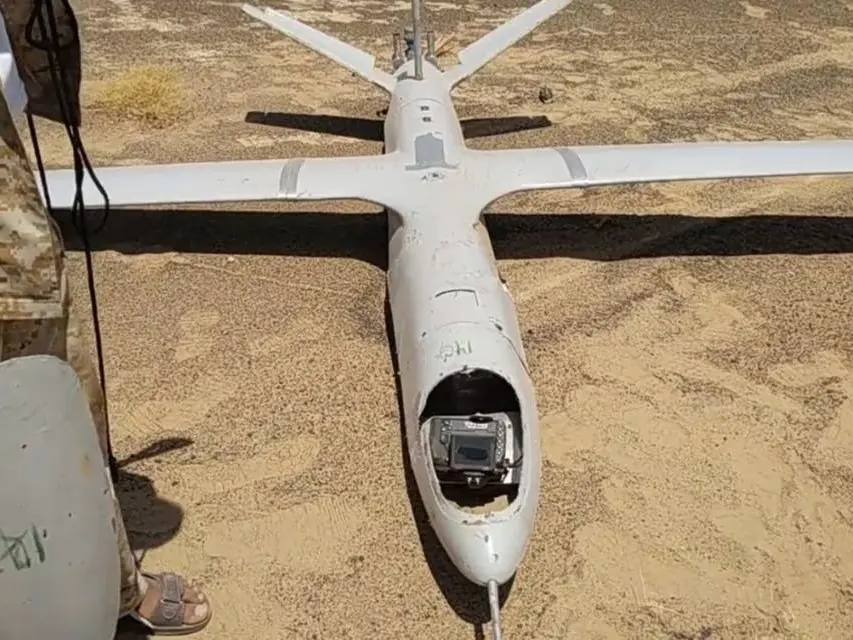
After years of ceasefire, Yemen’s balance of power is more complicated than a simple comparison of troop numbers and weapons. The lull has given the Houthis time to develop their missile and drone capabilities, while government forces have built up battlefield and operational experience, leaving the two sides with very different strengths.
Yemeni military expert Mohammed Alkumaim said the Houthis have spent recent years developing and deploying missiles and drones, arguing that the group has recognized how these weapons can give it an impact far greater than its actual military size on the ground.
In a post published on X on August 15, Alkumaim said the Houthis had “turned strongly toward missiles, drones, and long-range systems” after discovering that such weapons could give them an impact far greater than their actual size on the ground.
But relying on long range weapons does not necessarily give the Houthis the ability to win a ground war. The requirements for inflicting damage are different from those needed to seize, hold, and govern territory.
A ground war, Alkumaim noted, requires combat forces, field commanders, steady supplies, salaries, training, and discipline, as well as the ability to replace losses and advance, hold, and control territory.
From this perspective, the key question for the balance of power is not how many missiles or drones the Houthis can launch, but whether they can turn those capabilities into lasting military and political gains.
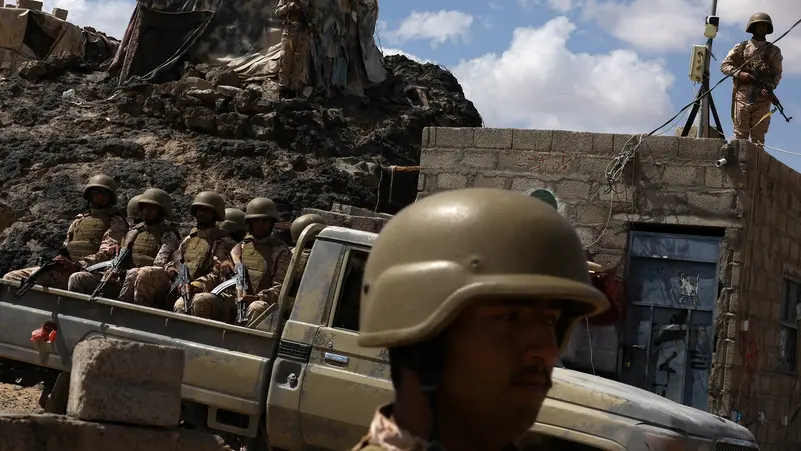
Government forces face a different test. The ability to carry out large-scale offensive operations requires effective coordination, command, and logistics, as well as political stability, all of which will be crucial if the current clashes escalate into an open war.
Escalation Scenarios
The next phase could unfold in several ways as fighting intensifies and political and military rhetoric grows sharper. The first is a gradual slide into full-scale war, a scenario Yemeni analyst Yassin al-Tamimi considers the most likely.
He said the current clashes could “snowball and grow into a full scale war,” potentially leading to the Houthis being weakened or sidelined both militarily and, perhaps, politically.
The second scenario is a prolonged war of attrition in which neither side manages to secure a decisive victory. Al-Tamimi said the conflict could settle into “a war that never reaches a decisive point, with neither side feeling victory is within reach,” leaving the front lines active through sporadic fighting and missile and drone attacks.
A third possibility is that political and regional intervention could contain the escalation before it reaches a point of no return, particularly if regional and international actors step in to mediate or reach new understandings that prevent the fighting from spreading.
But Yemeni journalist Saif al-Hadery offered a more confrontational assessment in a post on X on August 15, arguing that the war has already begun and that continued hesitation could mean losing military and political opportunities.
Mohammed Alkumaim, however, argues that the Houthis’ ability to inflict damage with missiles and drones does not mean they have the capacity to win a ground war. “The ability to inflict harm does not mean the ability to win,” he said.
Taken together, these differing assessments suggest that Yemen is entering a delicate phase. Continued escalation could open the door to a wider confrontation, while a de-escalation could return the conflict to a pattern of skirmishes and mutual pressure.
Either way, the post-2022 ceasefire period may not resemble what came before it. The tools of warfare have changed, combat experience has accumulated, and drones and missiles have become central to the way modern conflicts are fought.
Sources
- Several Houthi members killed in drone strikes in southeastern Yemen: Government-aligned forces
- Fighting Intensifies in Yemen: 181 Operations Against the Houthis in 24 Hours [Arabic]
- Yemeni Forces Carry Out 181 Operations Against Houthis in 24 Hours [Arabic]
- Deadly Houthi Escalation in Marib and Taiz Threatens to Ignite Full Scale War in Yemen [Arabic]